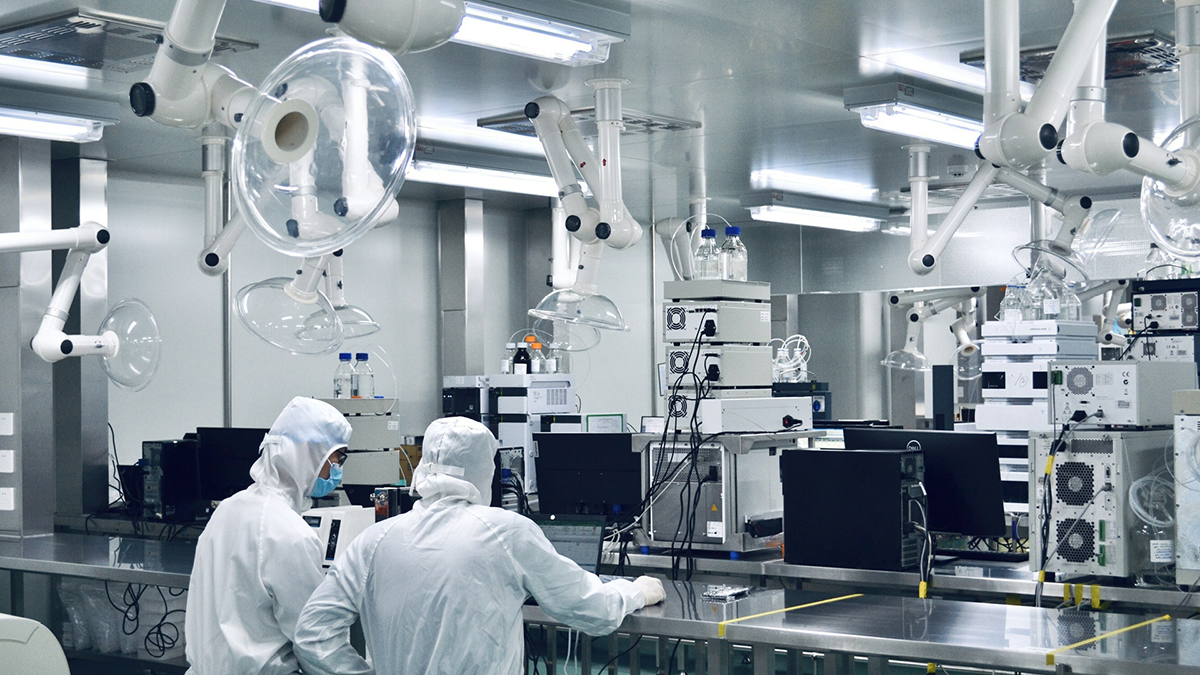

PhenoVista Biosciences and Carolina Molecular announce a partnership to combine their complementary CRO service capabilities to expand client access to broader multi-omic data. PhenoVista is a premier provider of cell-based assay services, specializing in high-content imaging and analysis, including downstream machine learning and subsequent quantitative biology. The partnership with Carolina Molecular allows shared clients to complement the functional and phenotypic, cellular data with orthogonal, molecular readouts, including robust immunoassay technologies for detecting key protein markers and gene expression analysis using targeted qPCR assays or broader transcriptomic profiling via RNA sequencing. By combining Carolina Molecular’s molecular testing services with PhenoVista’s high-content imaging expertise, customers will have access to high-quality, multi-omic data to inform their drug discovery processes.
“As trends in the industry continue to shift towards increased outsourcing, a need for more relevant biological assays in human cells and tissues, and the need for more complex data sets coupled with machine learning, PhenoVista is proud to be in a position to not only meet these client expectations, but hopefully exceed them,” said James Evans, CEO and Co-Founder of PhenoVista.
“Carolina Molecular is thrilled to join forces with PhenoVista, combining our full-spectrum clinical and discovery expertise to deliver high-quality, data-driven solutions that push therapeutic innovation forward for both scientists and patients,” said John L. Corliss, Co-Founder of Carolina Molecular.
This new partnership will afford clients of PhenoVista and Carolina Molecular broader and deeper understandings of their drug candidates through the combination of Carolina Molecular’s state-of-the-art profiling technologies and PhenoVista’s unique specialization in creating cell-based, high-content, imaging-based assays.