
In today’s B2B landscape, generating demand is no longer about reaching the largest possible audience. It is about reaching the right accounts, engaging the right decision-makers, and delivering the right message at the right time.
This is where Account-Based Marketing (ABM) makes a significant difference.
Unlike traditional demand generation strategies that often focus on broad audience segments, ABM takes a highly targeted approach. Marketing and sales teams identify high-value accounts and create personalized campaigns designed specifically for them.
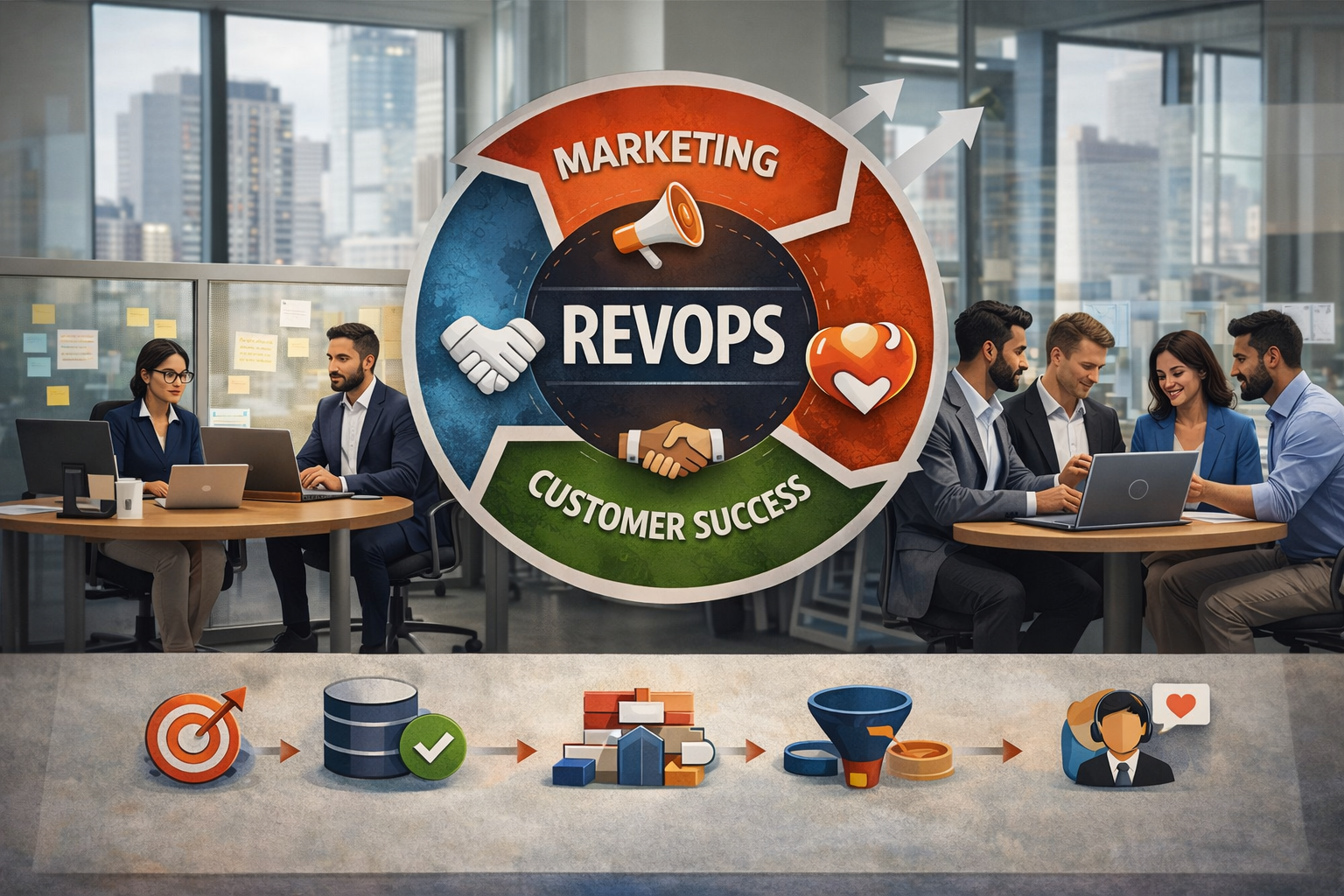
When ABM and demand generation work together, businesses can improve lead quality, strengthen sales and marketing alignment, accelerate buying journeys, and ultimately generate better revenue outcomes.
What Is Account-Based Marketing?
Account-Based Marketing is a B2B marketing strategy that treats specific companies or accounts as individual markets.
Instead of creating one campaign for thousands of potential prospects, an ABM strategy identifies a selected group of high-value accounts and develops tailored content, messaging, and experiences for the people within those organizations.
For example, a software company targeting enterprise customers might identify 50 companies that closely match its ideal customer profile. Rather than running a generic campaign for all businesses, the company could create industry-specific messaging, personalized advertising, executive content, and targeted outreach for those accounts.
The goal is simple: focus marketing resources where they have the greatest potential business impact.
Why Traditional Demand Generation Is Not Always Enough
Demand generation typically involves activities such as content marketing, SEO, paid advertising, webinars, email marketing, social media, and events. These activities can generate significant awareness and leads.
However, more leads do not necessarily mean more revenue.
A campaign might generate hundreds of leads, but many may not have the budget, authority, business need, or timing required to become customers. Sales teams can then spend valuable time qualifying prospects who were never a strong fit.
ABM addresses this challenge by putting greater emphasis on account quality and buying potential.
Instead of asking, “How many leads did we generate?” ABM encourages organizations to ask:
- Are we reaching our highest-value accounts?
- Are multiple stakeholders engaging with our content?
- Are target accounts moving through the buying journey?
- Is engagement translating into pipeline?
- Are marketing and sales efforts focused on the same opportunities?
This shift makes demand generation more strategic and revenue-focused.
7 Ways ABM Enhances Demand Generation Results
1. Improves Lead and Account Quality
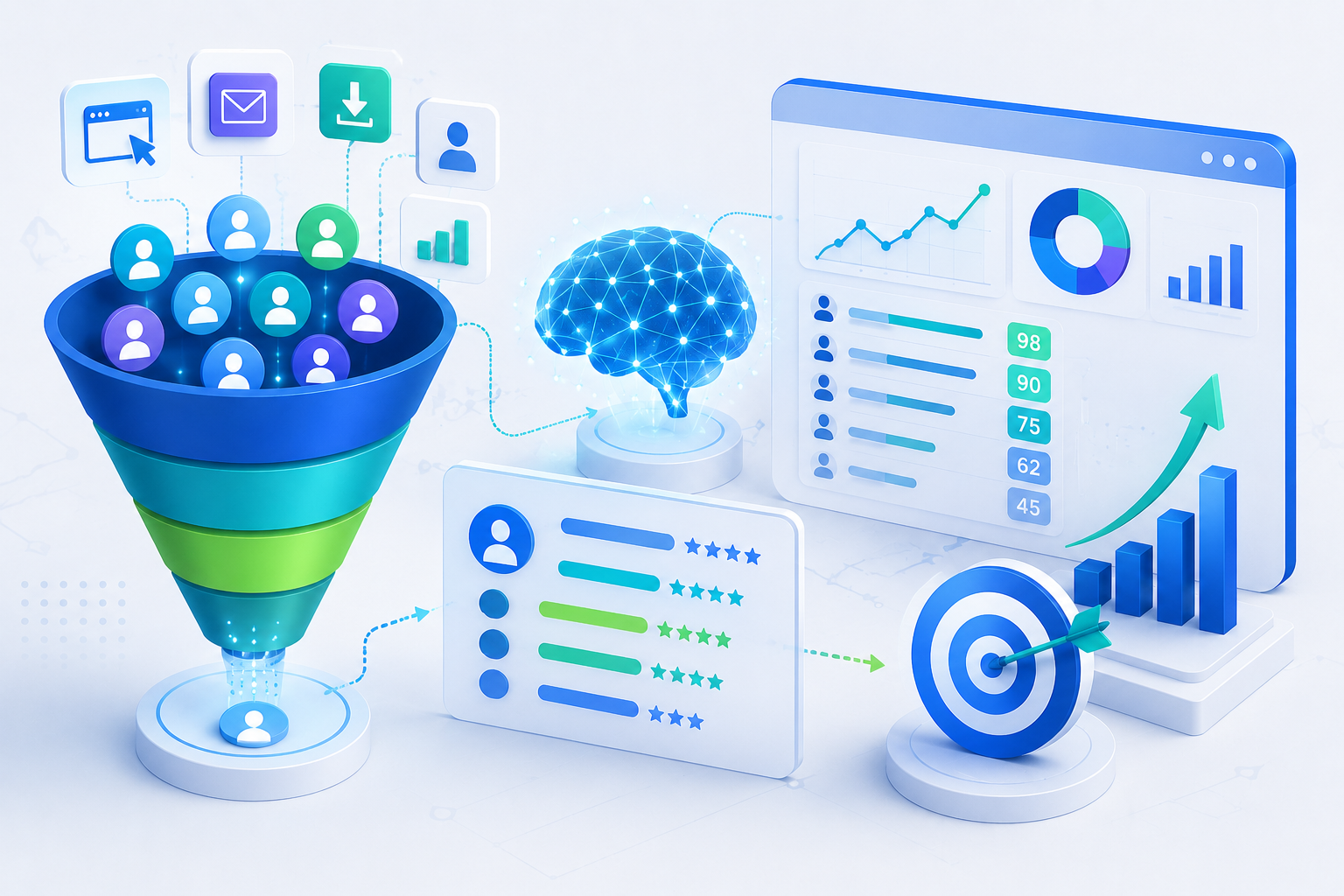
One of the biggest advantages of ABM is its focus on ideal customer profiles.
Marketing teams can identify accounts based on factors such as:
- Industry
- Company size
- Revenue
- Geography
- Technology stack
- Business challenges
- Buying signals
- Existing relationships
- Potential customer lifetime value
By concentrating resources on accounts that closely match the ideal customer profile, businesses can reduce wasted marketing spend and generate opportunities with stronger revenue potential.
The result is not necessarily more leads — it is more relevant leads and accounts.
2. Creates More Personalized Customer Experiences
Generic messaging can struggle to capture the attention of B2B buyers, particularly when decision-makers are exposed to countless marketing messages every day.
ABM enables marketers to personalize campaigns around the specific challenges and priorities of target accounts.
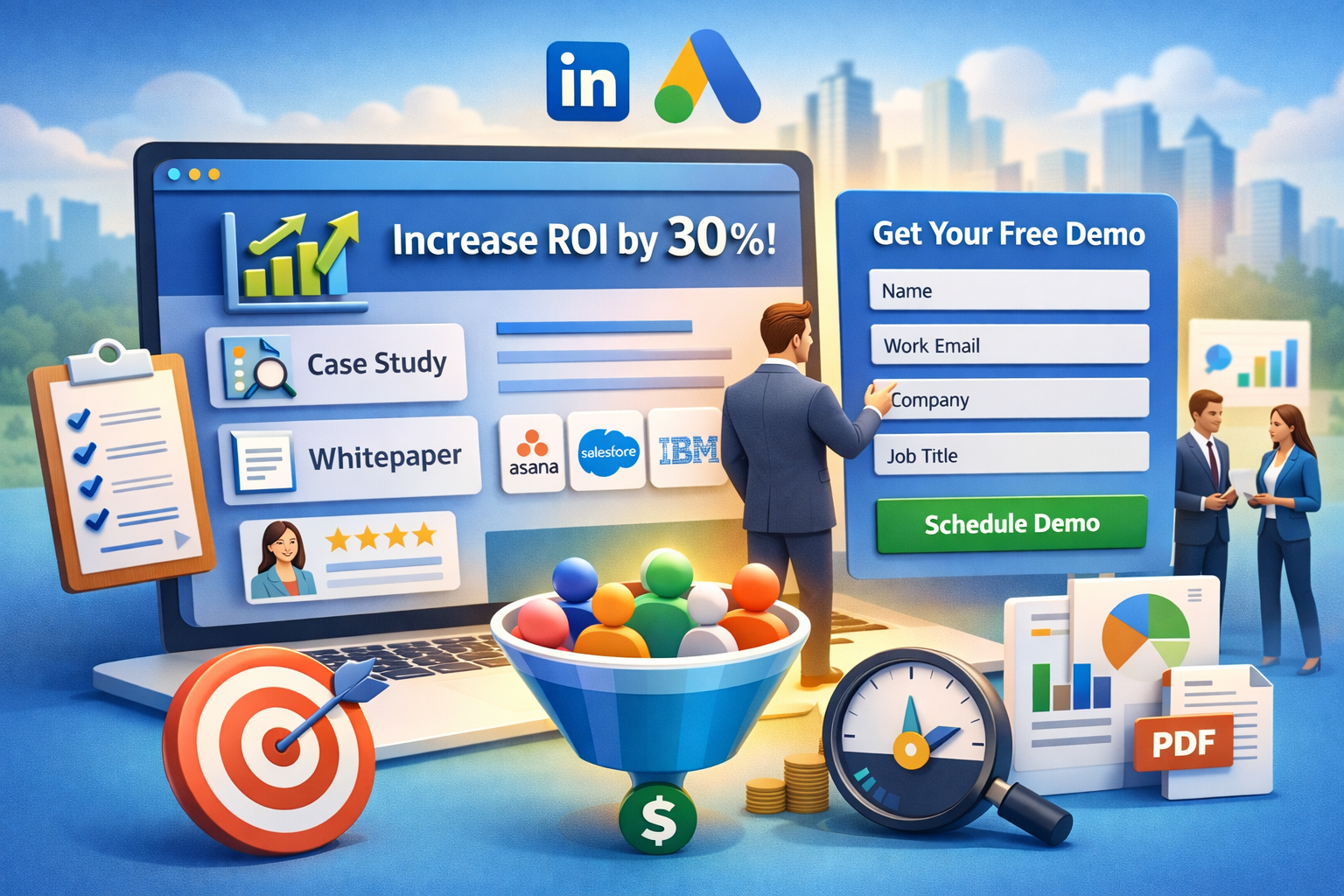
For example, instead of promoting a general cybersecurity solution, a campaign could focus on the security challenges faced by financial institutions. Content, landing pages, email campaigns, advertisements, and sales messaging can then reinforce the same industry-specific narrative.
This level of relevance can make prospects more likely to engage with the brand.
3. Aligns Sales and Marketing Teams
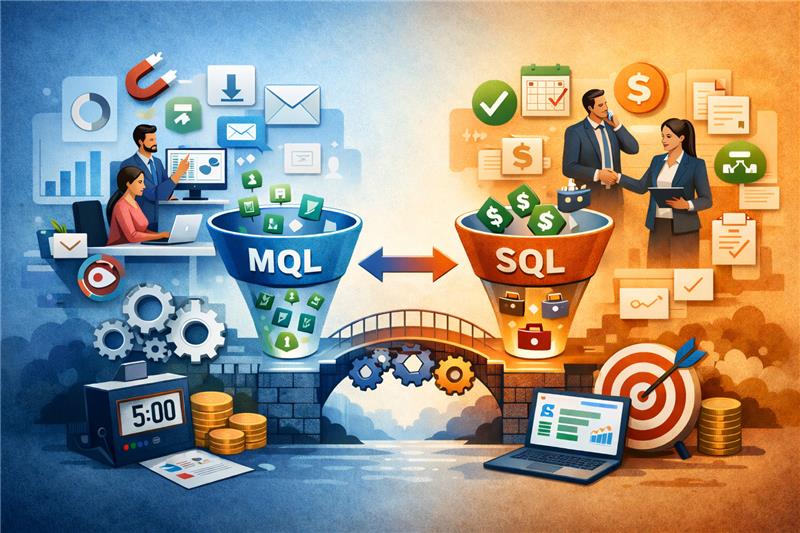
Misalignment between sales and marketing is a common challenge in B2B organizations.
Marketing may prioritize generating large numbers of leads, while sales may be focused on a smaller group of accounts with immediate revenue potential.
ABM creates a shared focus.
Both teams can agree on:
- Which accounts to target
- Which stakeholders to engage
- What messaging to use
- What engagement signals matter
- When sales should become involved
- How account progression will be measured
This creates a more coordinated customer journey and reduces the disconnect between marketing-generated demand and sales execution.
4. Engages Multiple Decision-Makers
B2B purchases rarely involve just one person.
A technology purchase, for example, may involve executives, IT teams, finance, procurement, security specialists, and end users.
ABM allows marketers to build campaigns around the buying committee, rather than treating a single lead as the entire opportunity.
Different stakeholders can receive content tailored to their roles and concerns.
An executive may be interested in business outcomes and ROI, while a technical stakeholder may want implementation details and security information.
By engaging multiple stakeholders within the same account, organizations can build broader account-level awareness and increase the likelihood of progressing an opportunity.
5. Accelerates the Buyer Journey
Personalization can help prospects find information that is directly relevant to their situation.
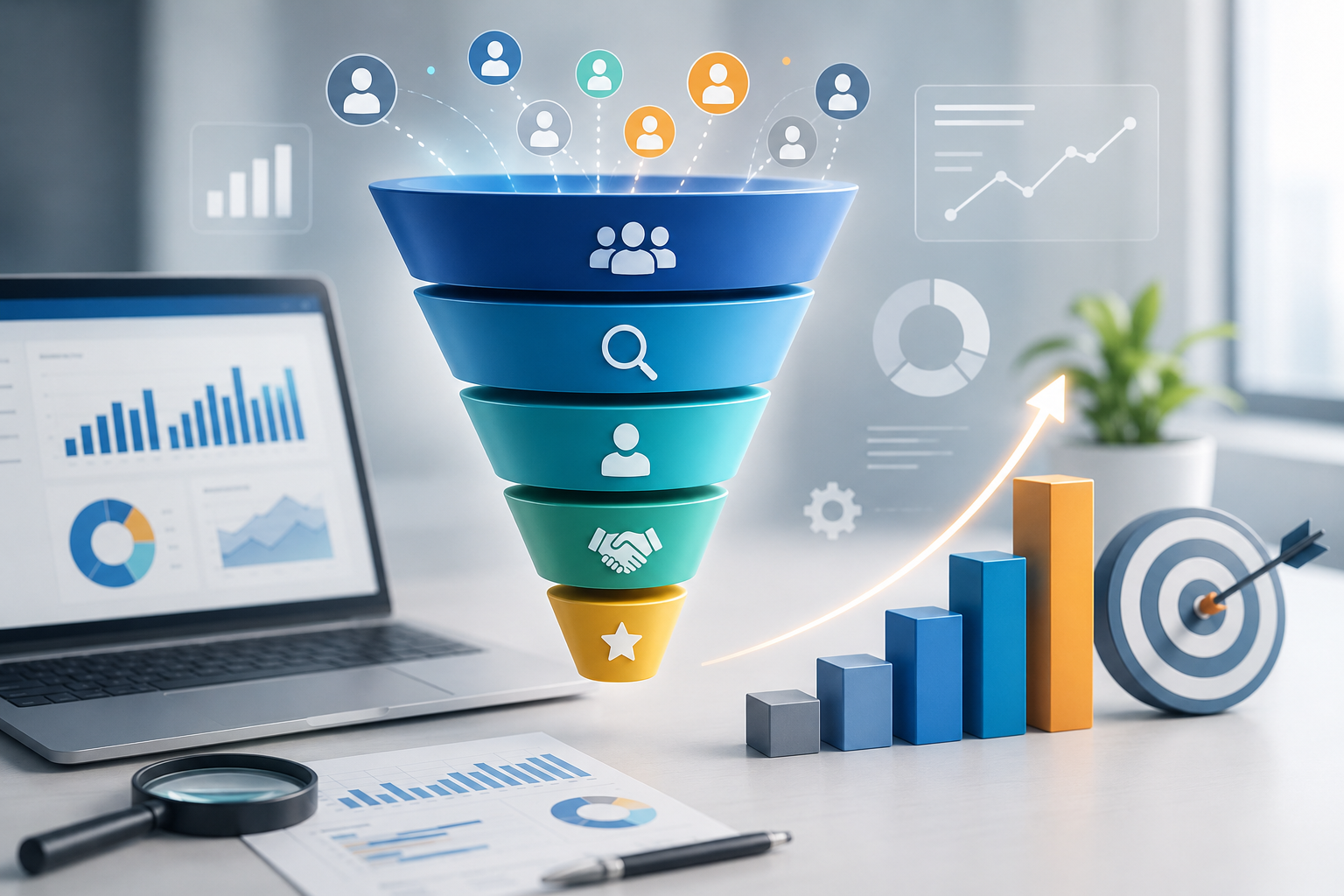
Instead of moving through a generic funnel, target accounts can receive content based on their industry, business challenge, stage of evaluation, and role.
For example:
Awareness: Industry insights and educational content
Consideration: Solution comparisons and case studies
Evaluation: Product demonstrations, technical documentation, and ROI analysis
Decision: Business cases, implementation plans, and customer references
When marketing and sales coordinate these experiences, prospects can receive the information they need to make decisions more efficiently.
6. Increases Marketing Efficiency
ABM requires marketing teams to be selective about where they invest their time and budget.
Rather than spreading resources across a broad audience, teams can concentrate campaigns on accounts with the greatest potential.
This can improve efficiency across channels such as:
- Paid media
- Email marketing
- Content marketing
- Events
- Social media
- Sales outreach
- Retargeting
ABM does not mean abandoning broader demand generation. Instead, it adds a layer of precision that helps businesses prioritize their most valuable opportunities.
7. Connects Marketing Activity to Revenue
Traditional marketing metrics often focus on impressions, clicks, downloads, and lead volume.
While these metrics can be useful, they do not always demonstrate business impact.
ABM encourages organizations to track account-level and revenue-related metrics, including:
- Target account engagement
- Marketing-qualified accounts
- Sales opportunities created
- Pipeline generated
- Pipeline velocity
- Deal progression
- Win rates
- Customer acquisition cost
- Revenue influenced by marketing
This makes it easier for marketing leaders to demonstrate how their programs contribute to the overall growth strategy.
ABM and Demand Generation: Better Together
ABM and demand generation should not be viewed as competing strategies.
Instead, they can work together as part of a broader B2B growth strategy.
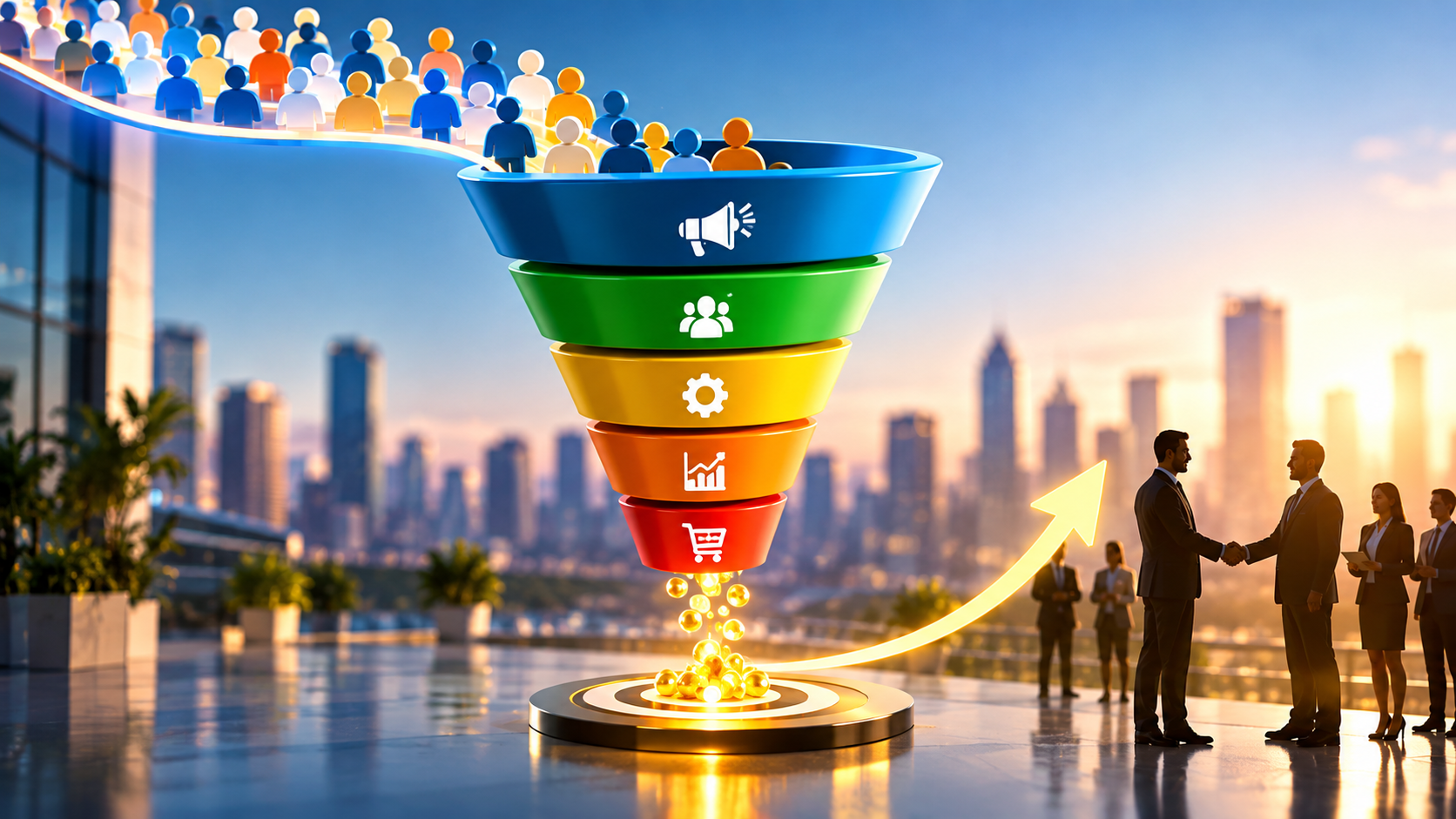
Traditional demand generation can help create awareness and identify potential buyers across a market. ABM can then help organizations prioritize and engage the accounts that represent the greatest opportunity.
A simplified approach looks like this:
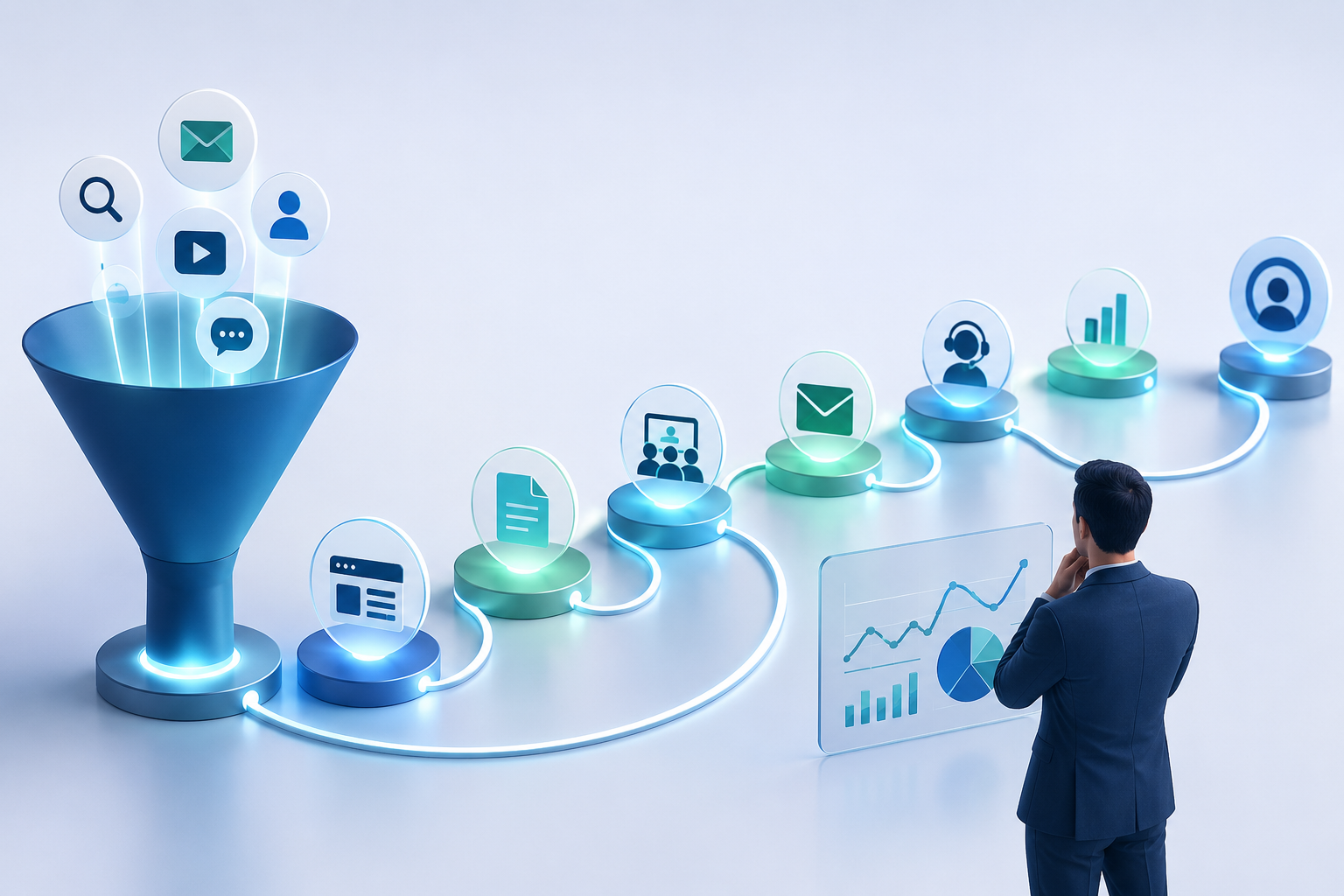
Market → Identify potential accounts → Prioritize high-value accounts → Personalize engagement → Coordinate sales and marketing → Build pipeline → Convert and expand accounts
This combination provides both scale and precision.
How to Build an ABM-Driven Demand Generation Strategy
Implementing ABM does not necessarily require a complete transformation of your existing marketing strategy. Organizations can start by integrating ABM principles into their current demand generation programs.
Step 1: Define Your Ideal Customer Profile
Start by identifying the characteristics of customers that generate the most value.
Look at existing customers and analyze factors such as revenue potential, retention, product adoption, industry, company size, and business needs.
Step 2: Identify Target Accounts
Use your ideal customer profile to create a target-account list.
Prioritize accounts based on potential value, likelihood to purchase, strategic importance, and available buying signals.
Step 3: Map the Buying Committee
Identify the roles involved in purchasing decisions within each account.
Understanding the concerns of executives, technical teams, procurement, finance, and end users allows marketing and sales teams to create more relevant engagement strategies.
Step 4: Develop Account-Specific Messaging
Build messaging around the problems and priorities of your target accounts.
Where possible, incorporate industry insights, company context, relevant use cases, and customer proof points.
Step 5: Coordinate Marketing and Sales
Create clear responsibilities for both teams.
Marketing can drive awareness, content engagement, advertising, and account nurturing, while sales can use these signals to prioritize outreach and create meaningful conversations.
Step 6: Measure Account-Level Performance
Establish KPIs that reflect both engagement and revenue impact.
Monitor how target accounts progress from awareness to engagement, opportunity creation, and ultimately closed revenue.
Key Metrics to Measure ABM Success
A successful ABM strategy requires more than tracking campaign clicks.
Consider measuring:
| Metric | What It Tells You |
|---|---|
| Target account engagement | Whether priority accounts are interacting with your brand |
| Stakeholder engagement | Whether multiple decision-makers are involved |
| Opportunity creation | Whether engagement is translating into sales opportunities |
| Pipeline generated | The value of opportunities influenced or created |
| Pipeline velocity | How quickly opportunities move through the funnel |
| Win rate | How effectively engaged accounts convert |
| Deal size | Whether ABM is attracting higher-value opportunities |
| Customer expansion | Whether targeted accounts grow after acquisition |
The right metrics will depend on your business model, sales cycle, and ABM maturity.
Common ABM Mistakes to Avoid
ABM can deliver strong results, but execution matters.
Some common mistakes include:
Targeting too many accounts:
If every company becomes a target account, the strategy loses its focus.
Over-personalizing without useful insights:
Personalization should add relevance, not simply insert a company name into generic messaging.
Ignoring sales alignment:
ABM works best when marketing and sales share account priorities and engagement strategies.
Focusing only on lead generation:
The objective is to influence accounts and revenue, not simply create more contacts.
Measuring only short-term metrics:
B2B buying cycles can be long. Account engagement, pipeline progression, and revenue should be considered alongside campaign-level metrics.
The Future of Demand Generation Is More Account-Centric
As B2B buyers become more informed and buying committees become more complex, generic marketing is becoming less effective at capturing attention.
ABM offers a more focused approach by combining data, personalization, sales alignment, and account-level measurement.
The biggest opportunity is not simply to generate more demand. It is to generate better demand from the accounts that matter most to the business.
When integrated effectively, ABM can transform demand generation from a volume-focused activity into a strategic revenue engine — helping organizations reach high-value accounts, create stronger relationships, accelerate pipeline, and improve marketing efficiency.