
In the evolving digital landscape, cloud computing has emerged as a transformative force, especially for B2B (business-to-business) enterprises. By offering scalable, flexible, and cost-effective solutions, the cloud is reshaping how organizations collaborate, innovate, and deliver value.
- Cost Efficiency and Scalability
Cloud computing eliminates the need for heavy upfront investments in IT infrastructure. B2B companies can scale resources up or down based on demand, ensuring optimal utilization and reducing operational costs. This scalability allows businesses to respond quickly to changing market conditions and customer requirements. - Enhanced Collaboration and Connectivity
The cloud fosters seamless collaboration between B2B partners, suppliers, and clients. Cloud-based platforms enable real-time data sharing, streamlined communication, and integrated workflows. This connectivity enhances productivity and builds stronger business relationships. - Data Security and Compliance
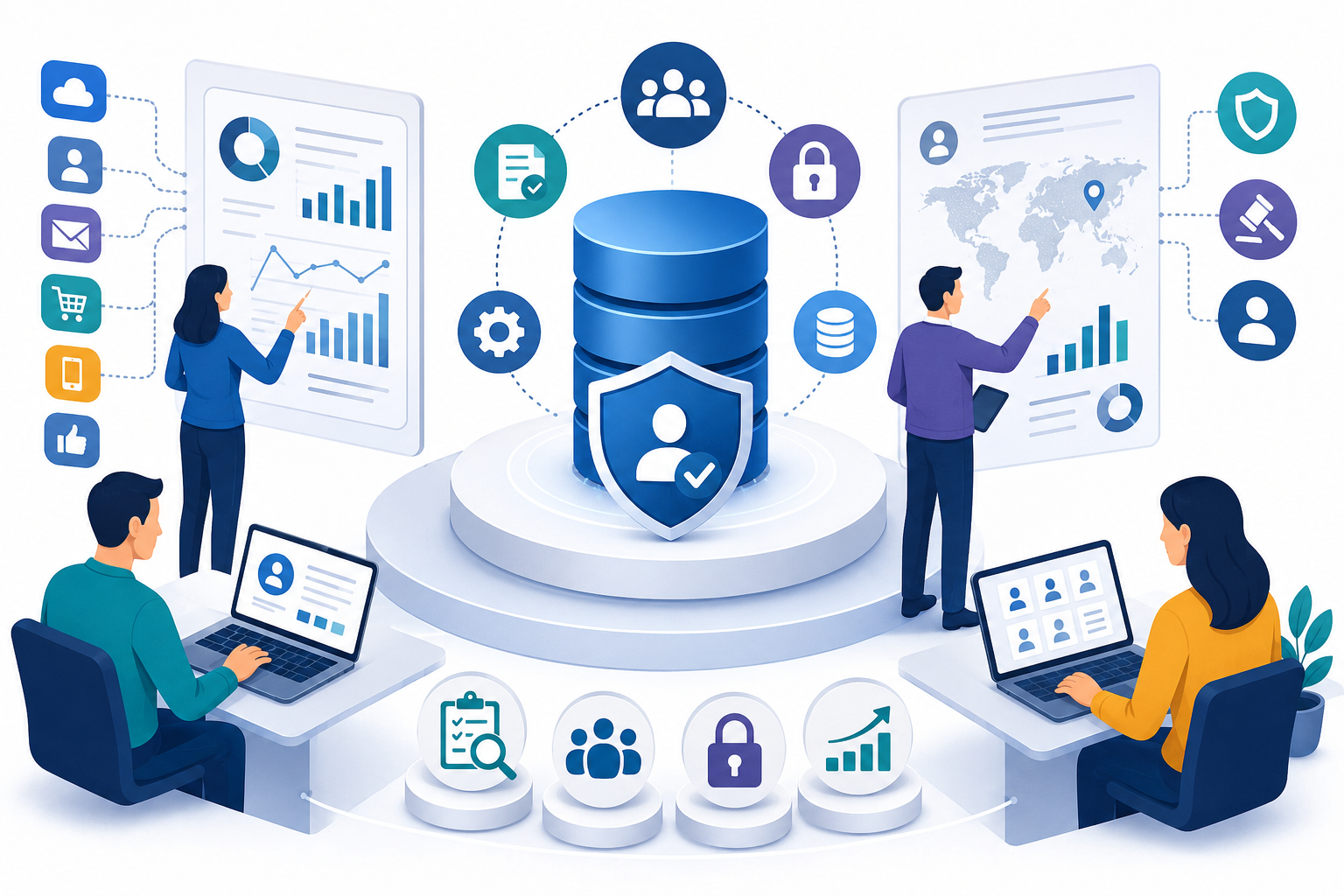
Modern cloud providers offer robust security measures, including encryption, multi-factor authentication, and compliance with global data protection regulations. B2B businesses benefit from enterprise-grade security, ensuring sensitive client and partner information is protected against cyber threats. - Innovation and Agility
Cloud platforms provide access to cutting-edge technologies such as artificial intelligence, machine learning, and big data analytics. B2B companies leverage these tools to drive innovation, improve decision-making, and gain competitive advantages. The agility offered by the cloud enables rapid experimentation and faster time-to-market. - Business Continuity and Resilience
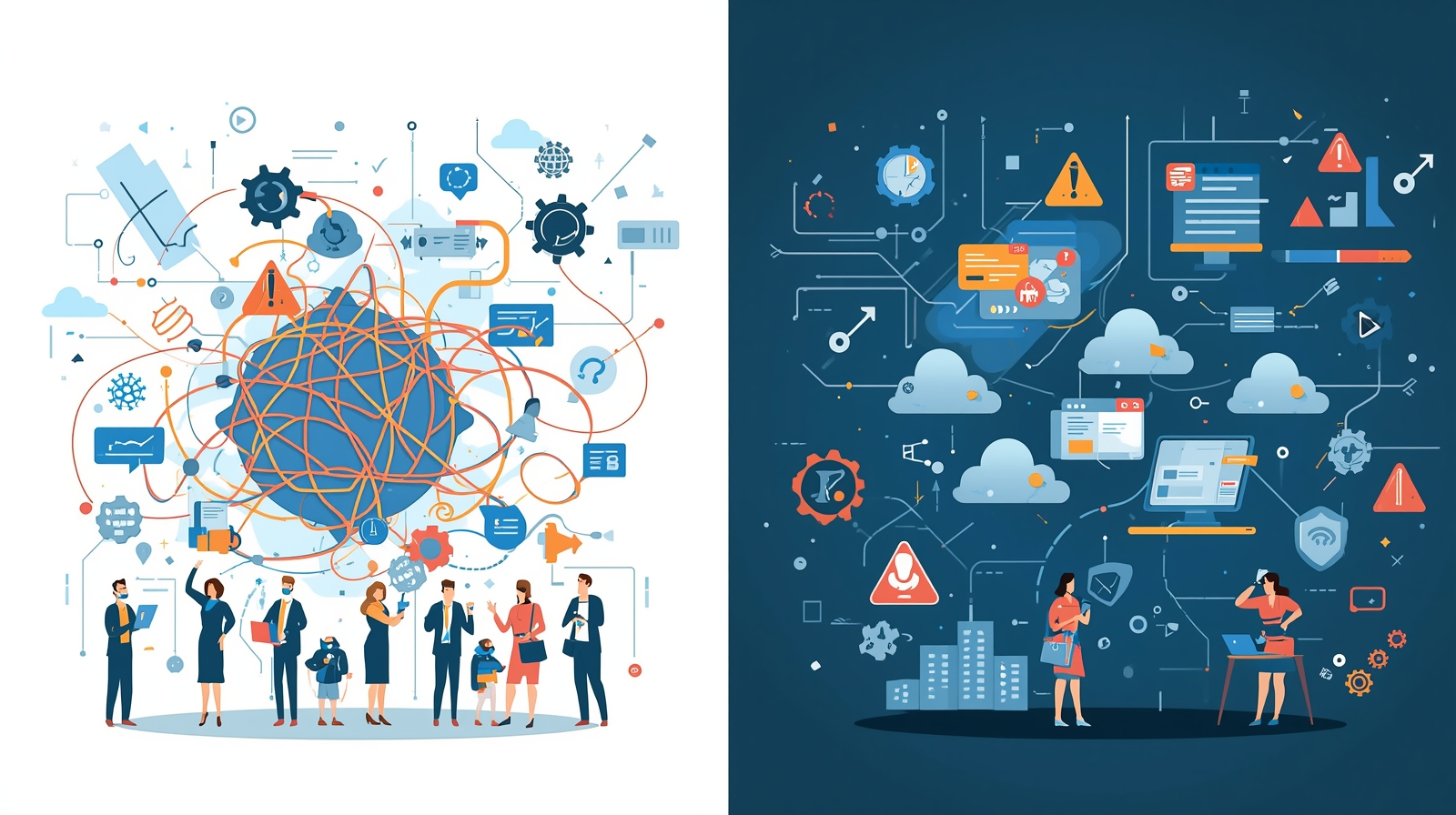
With cloud-based disaster recovery and backup solutions, B2B enterprises can ensure business continuity during disruptions. The cloud minimizes downtime and provides resilience, allowing businesses to maintain operations and meet commitments despite unforeseen challenges. - Sustainable Growth
Cloud computing promotes eco-friendly operations by reducing energy consumption and optimizing resource usage. For B2B businesses focused on sustainability, adopting the cloud aligns with green initiatives while enhancing operational efficiency.
Conclusion
Cloud computing is no longer just an IT trend—it is the backbone of modern B2B business strategies. By enabling cost efficiency, collaboration, security, innovation, and resilience, the cloud empowers enterprises to thrive in a competitive global market. As more businesses adopt cloud solutions, the future of B2B will be defined by agility, connectivity, and sustainable growth.
Read Also: How Digital Transformation Is Reshaping B2B