
For years, personalization in B2B marketing meant little more than adding a prospect’s first name to an email or creating different campaigns for different industries.
Today, the ambition is much bigger.
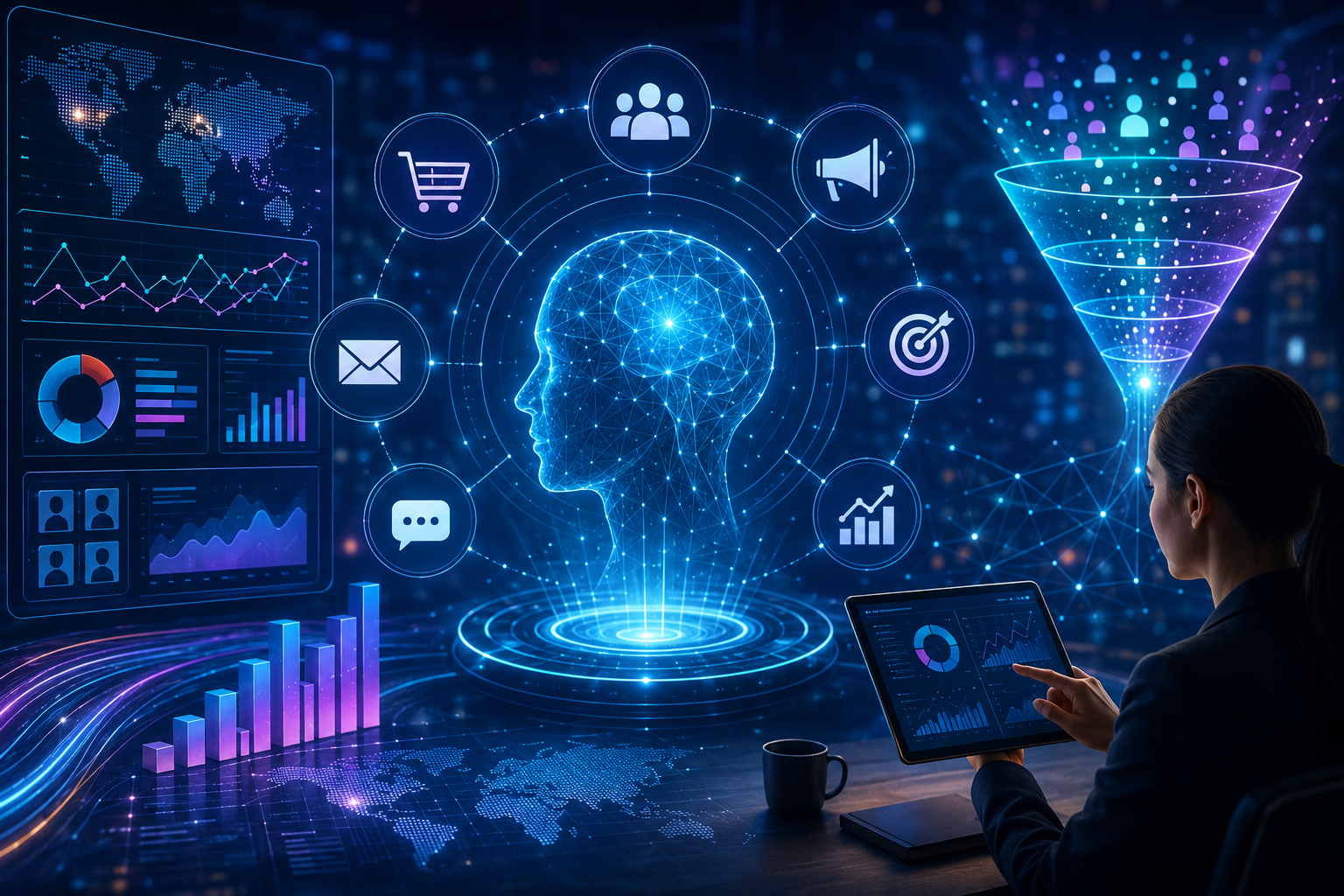
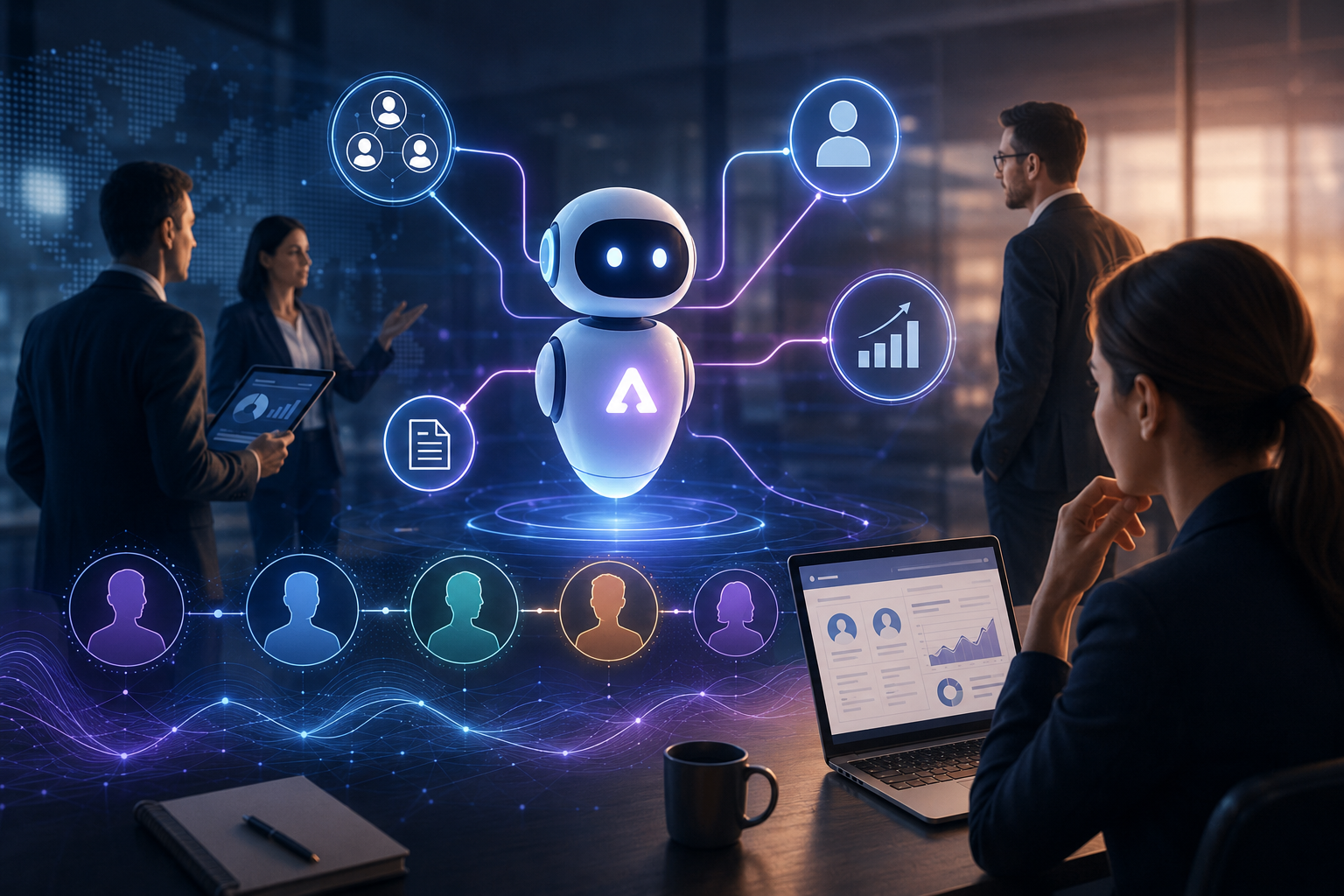
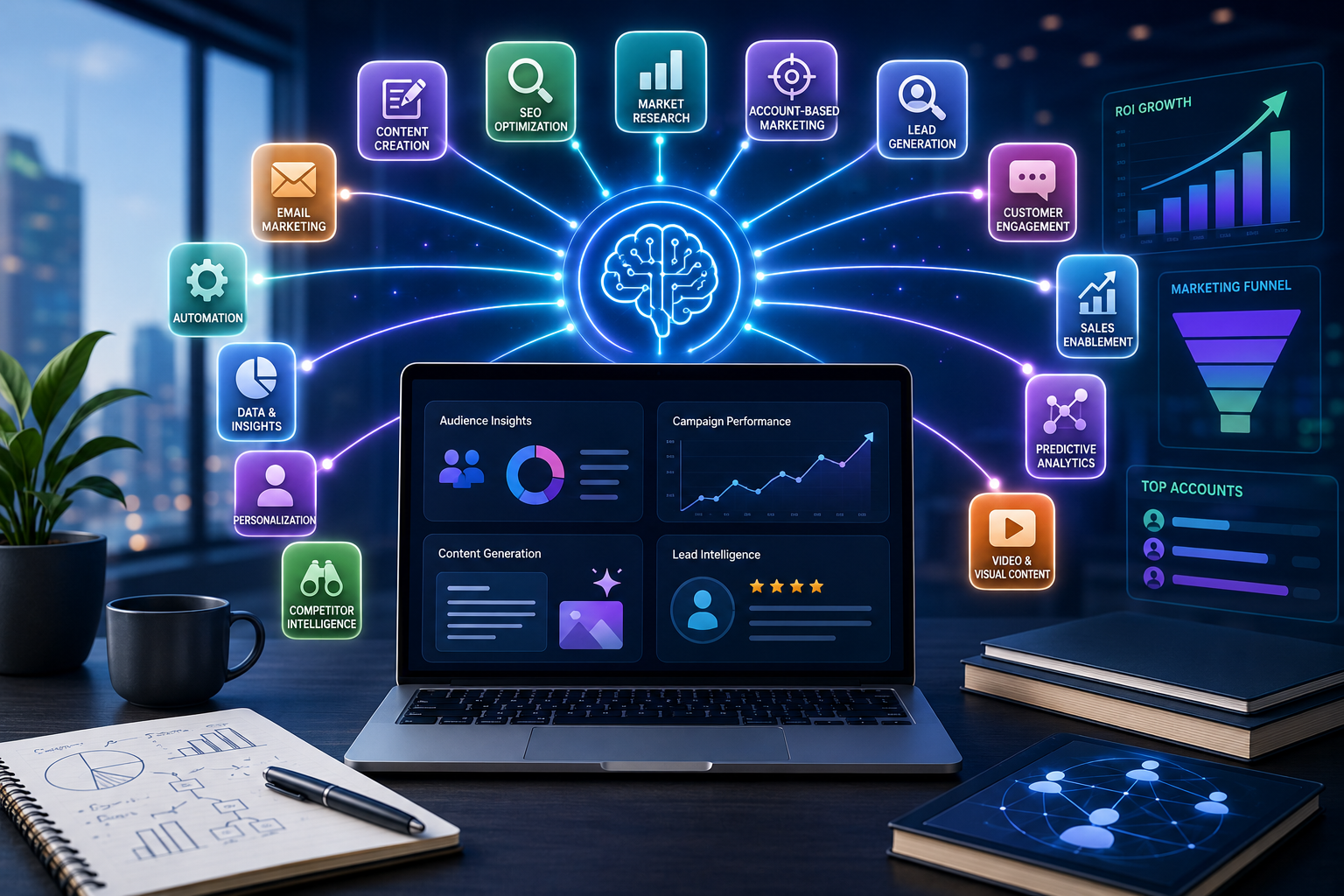
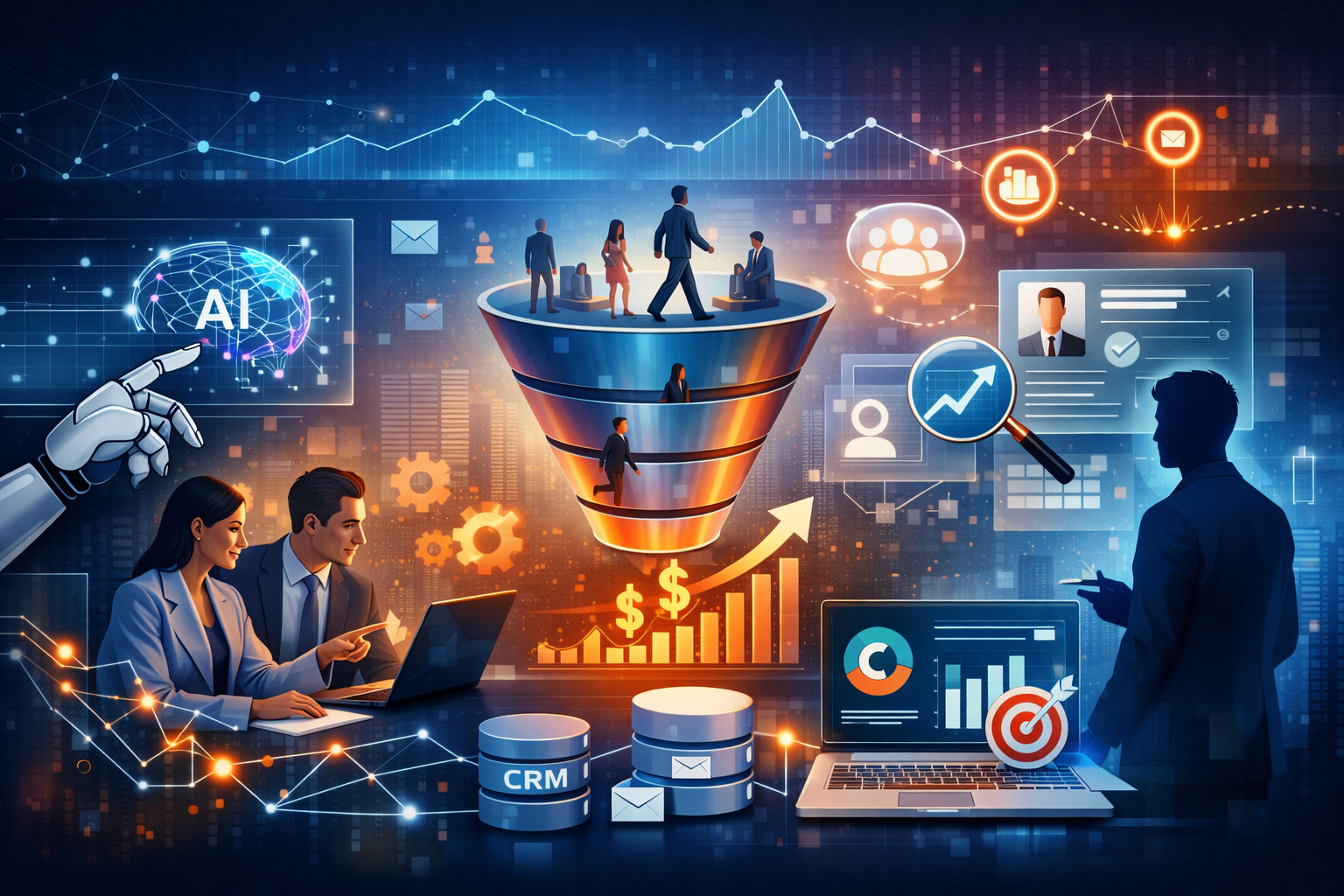
With AI, predictive analytics, intent data, CRM intelligence, and increasingly sophisticated marketing automation, B2B brands can theoretically tailor experiences down to the individual buyer—what they see, when they see it, what content they receive, and even what the next-best action should be.
This is hyper-personalization.
And it is quickly becoming one of the biggest talking points in B2B marketing.
But there is a problem: the conversation around hyper-personalization is often ahead of the reality.
Yes, personalization can create more relevant experiences and improve commercial outcomes. At the same time, personalization can backfire when it feels irrelevant, overwhelming, intrusive, or poorly timed.
So where does the truth lie?
The answer is somewhere between “personalize everything” and “personalization is overrated.”
What Is Hyper-Personalization?
Traditional personalization typically relies on known attributes such as:
- Industry
- Company size
- Job title
- Location
- Customer status
- Previous purchases
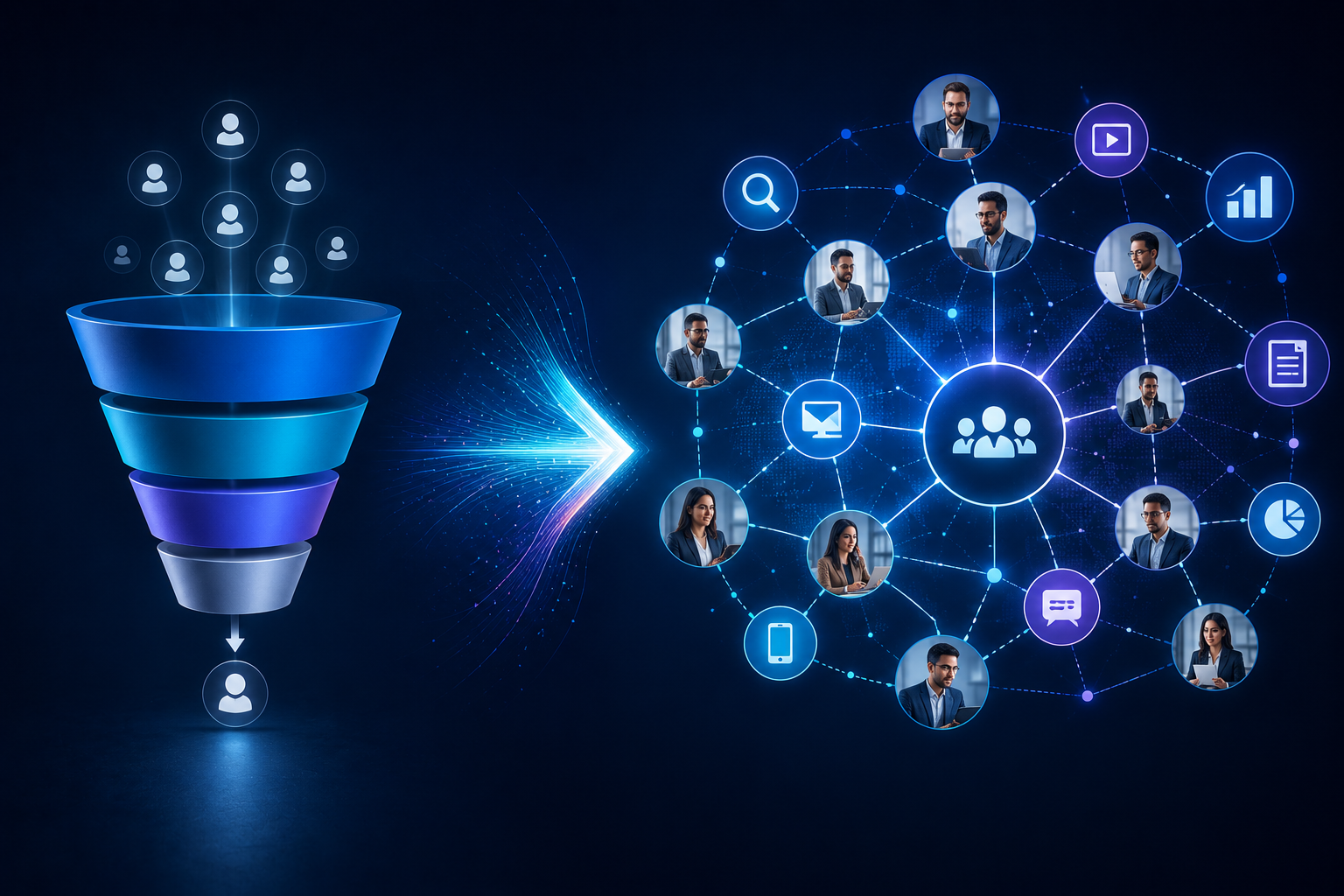
Hyper-personalization goes several steps further.
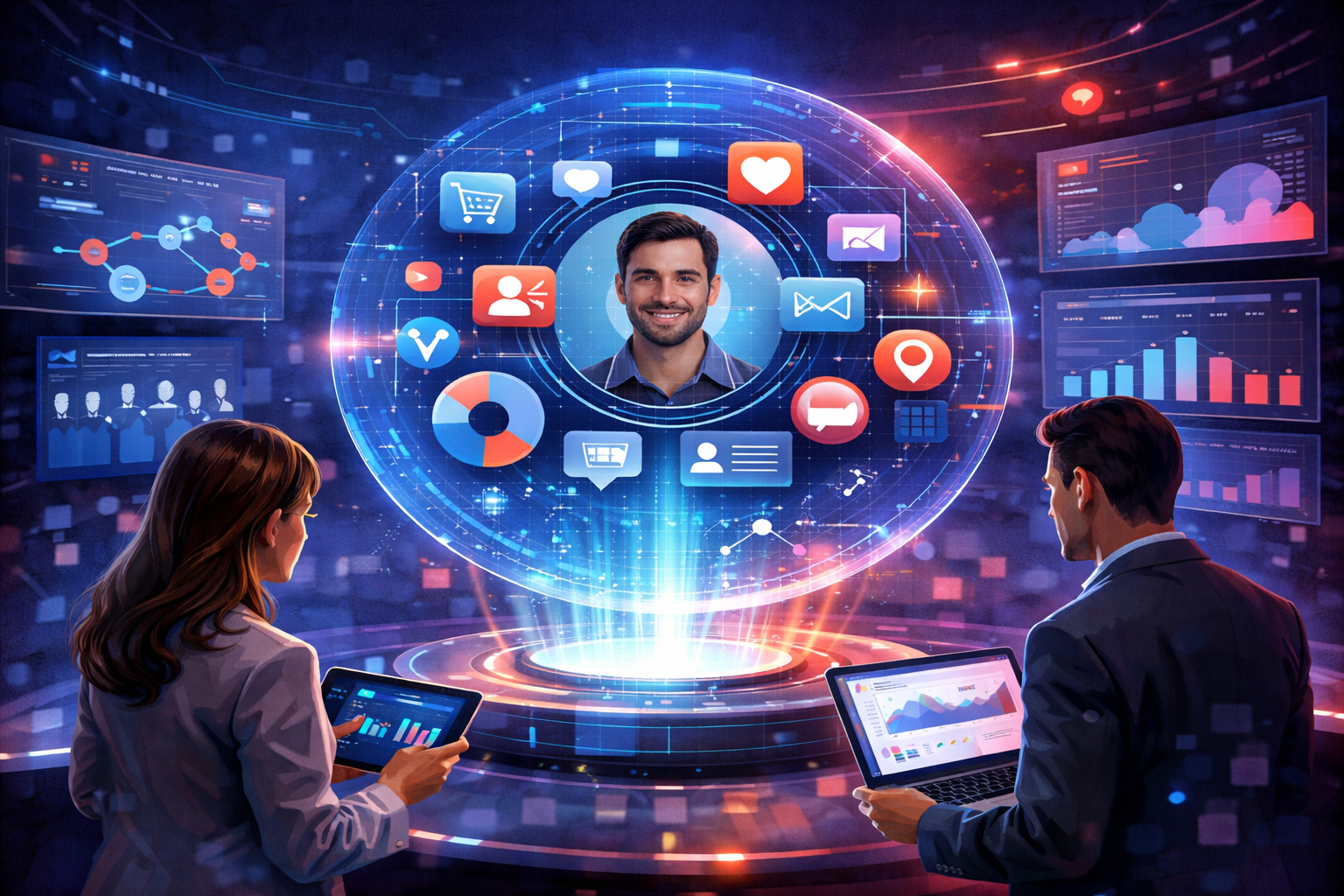
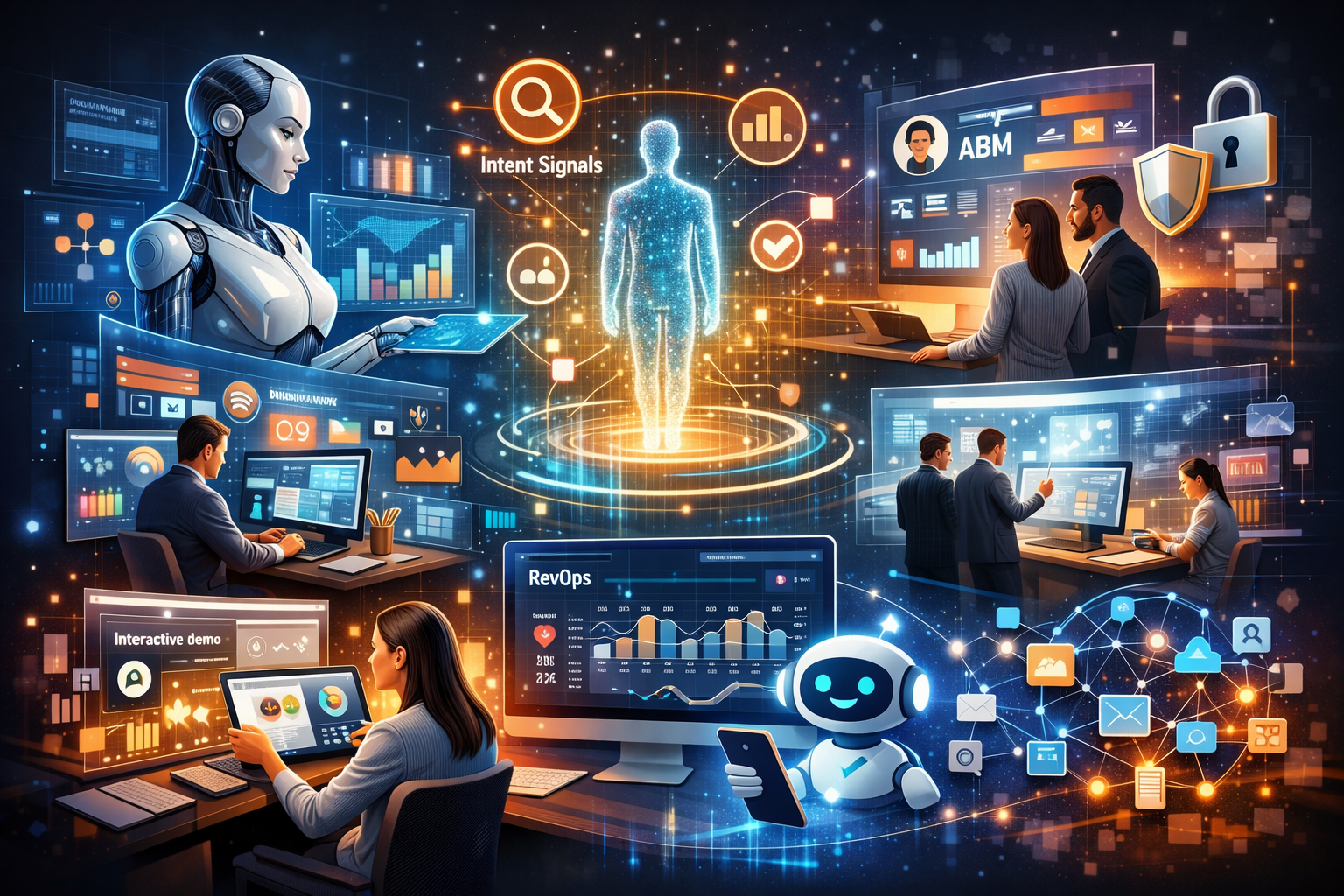
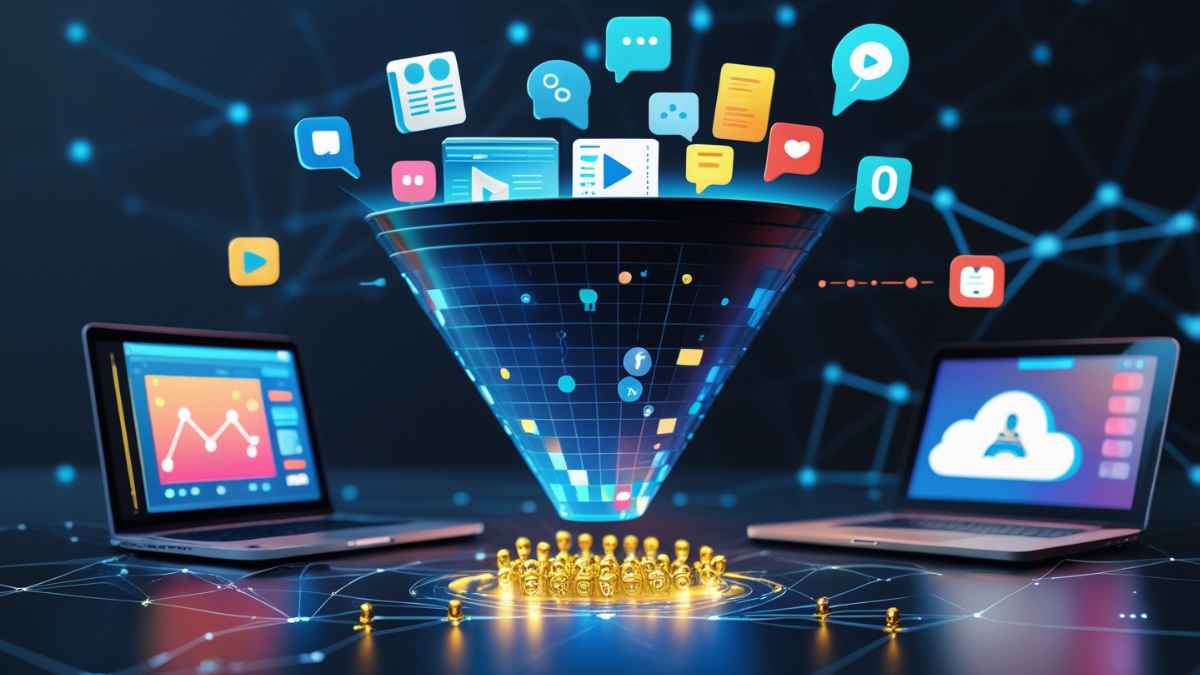
It combines multiple signals—such as behavioral activity, account data, content consumption, purchase history, intent signals, CRM information, and contextual information—to create a highly individualized experience.
For example, instead of sending every CIO in the manufacturing sector the same cybersecurity ebook, a hyper-personalized approach might consider the prospect’s company size, industry, current technology stack, pages visited, previous content consumed, account intent, and buying stage.
The resulting experience could change dynamically.
The website might emphasize a specific use case. The email might address a problem relevant to the prospect’s role. The sales representative might receive recommendations about what to discuss next.
In theory, the customer gets exactly what they need, exactly when they need it.
In reality, it is considerably more complicated.
The Reality: Personalization Is Becoming a Competitive Requirement
The first reality marketers need to accept is that personalization is no longer particularly novel.
Most B2B organizations already personalize content across channels such as email, websites, social media, and digital campaigns. The competitive difference is increasingly about the depth and precision of personalization rather than whether personalization exists at all.
That changes the question.
The question is no longer:
“Should we personalize?”
It is:
“Where can personalization create meaningful value?”
That distinction matters.
A personalized email subject line might increase engagement. A personalized buying experience that helps a complex buying committee understand the right solution can influence an actual business decision.
The latter is where hyper-personalization becomes strategically valuable.
The Hype: More Data Does Not Automatically Mean More Relevance
One of the biggest misconceptions about hyper-personalization is that collecting more data automatically creates better experiences.
It doesn’t.
A marketer can know:
- What pages someone visited
- Which emails they opened
- Their job title
- Their company size
- Their technology stack
- Their location
- Their previous interactions
- Their estimated buying intent
…and still send them the wrong message.
Why?
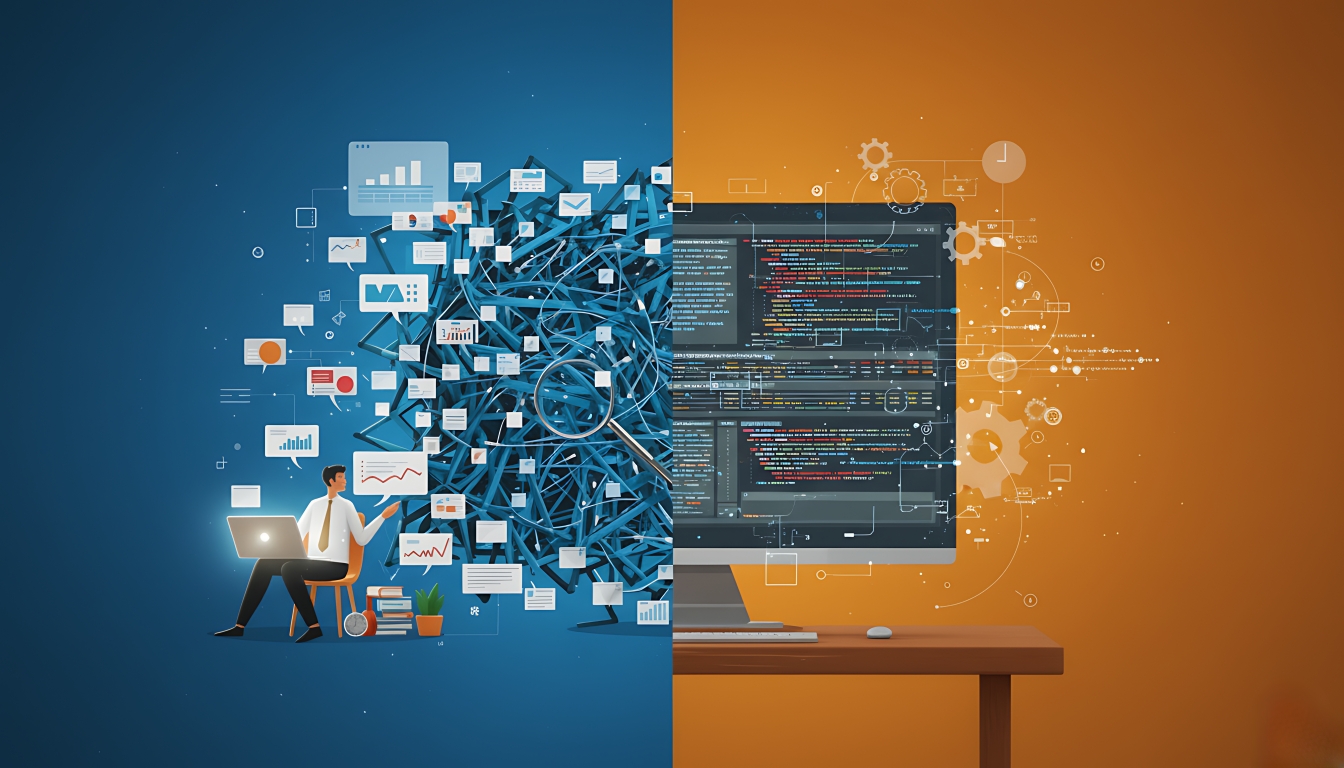
Because data is not the same as understanding.
A prospect may download a pricing guide because they are conducting research—not because they are ready to buy.
Someone may visit a product page because a colleague sent them a link.
A CEO may consume technical content without being the person responsible for the technical decision.
Behavioral signals need context.
Without it, hyper-personalization can simply become hyper-targeting.
And hyper-targeting is not necessarily good marketing.
The Personalization Paradox
This is where the reality becomes particularly interesting.
The more personalized an experience becomes, the better it can be—but the more obvious it becomes when personalization is wrong.
Consider two messages.
Message A:
Hi Sarah, as a technology leader in the manufacturing industry, you may be interested in our latest report.
Message B:
Sarah, you recently explored our manufacturing analytics use case and compared two deployment options. Here’s a three-minute guide to the implementation differences between them.
Message B feels more relevant.
But if Sarah never actually compared deployment options—or if she explored the page six months ago—it can quickly feel creepy or inaccurate.
The lesson is simple:
Personalization should demonstrate understanding, not surveillance.
Where Hyper-Personalization Actually Works
Hyper-personalization is most effective when it solves a real problem for the buyer.
1. Account-Based Marketing
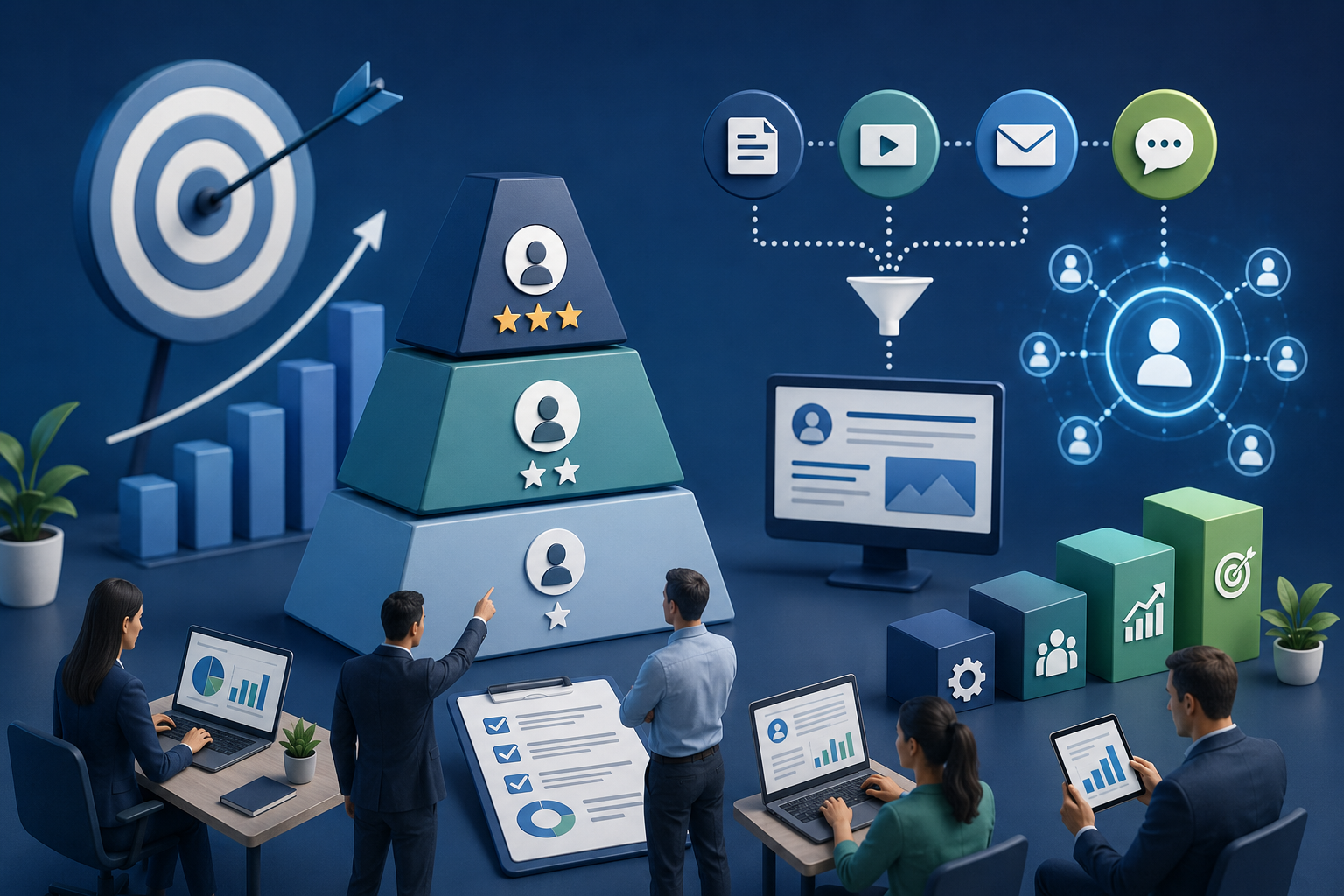
Instead of treating an entire target account as one audience, marketers can personalize experiences for different stakeholders.
The CFO may care about ROI.
The CTO may care about integration.
The operations leader may care about implementation.
The end user may care about usability.
One account can therefore require multiple personalized journeys.
This is where hyper-personalization can go beyond traditional ABM and create genuinely useful experiences.
2. Website Experiences
A returning visitor shouldn’t necessarily see the same experience as a first-time visitor.
A company can dynamically adapt:
- Industry messaging
- Use cases
- Case studies
- Product recommendations
- Calls to action
- Educational content
The objective isn’t to make the website look clever.
It’s to reduce the amount of work the buyer needs to do to find relevant information.
3. Content Recommendations
B2B buyers consume enormous amounts of information before engaging with sales.
Personalization can help organize that information.
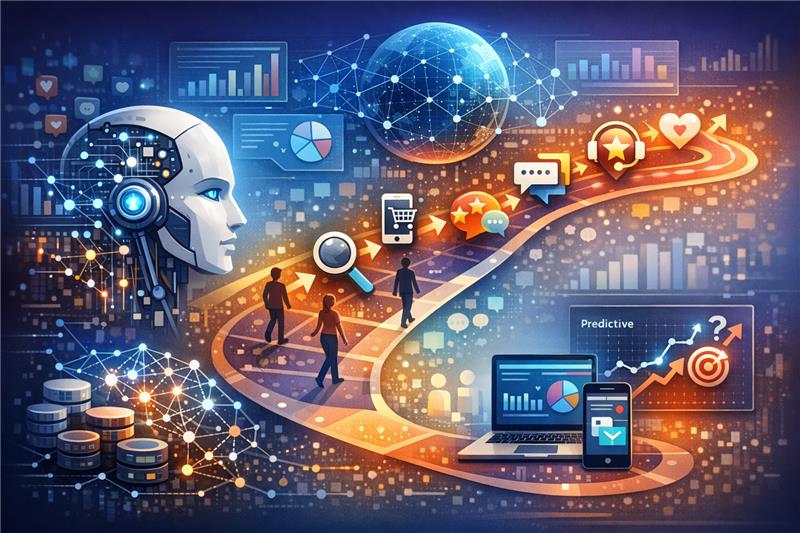
For example, a buyer might move through a journey from awareness to education, evaluation, business case, and implementation.
Instead of repeatedly promoting generic content, marketers can use behavioral signals to recommend the next most useful resource.
This turns personalization into guided discovery.
4. Sales Enablement
One of the most powerful applications may happen behind the scenes.
AI can help sales teams understand an account’s:
- Recent activity
- Content engagement
- Business priorities
- Stakeholder involvement
- Potential objections
- Next-best actions
The result isn’t necessarily an automated sales interaction.
It can be a better-informed human interaction.
That distinction will become increasingly important.
The Human Factor Isn’t Going Away
One of the biggest pieces of hype surrounding AI-driven personalization is the assumption that B2B buyers want everything automated.
The reality is more nuanced.
Buyers may want to research independently while still wanting human expertise when the stakes become higher.
Think about the journey:
Low complexity → self-service
High complexity → human guidance
Routine question → AI
Strategic decision → expert
This suggests that the future of B2B personalization isn’t necessarily human versus AI.
It’s AI-enhanced human interaction.
AI can identify what matters.
Humans can understand why it matters.
Hyper-Personalization Needs a Value Exchange
There is another critical issue: data.
Customers are increasingly aware that personalization requires information about them.
The question becomes:
“What do I get in return for sharing this information?”
That could mean:
- Better recommendations
- Faster support
- More relevant content
- Customized product experiences
- Easier purchasing
- More useful insights
If the customer gives you data and receives nothing meaningful in return, personalization can quickly feel invasive.
If the customer shares information and receives a substantially better experience, personalization becomes useful.
The best personalization doesn’t hide the data exchange. It makes the value of that exchange obvious.
The Technology Isn’t the Strategy
Another common misconception is that buying the right technology automatically creates hyper-personalization.
A company can invest in:
- CDPs
- Marketing automation
- CRM platforms
- Intent-data providers
- AI tools
- Predictive analytics
- Personalization engines
…and still deliver mediocre marketing.
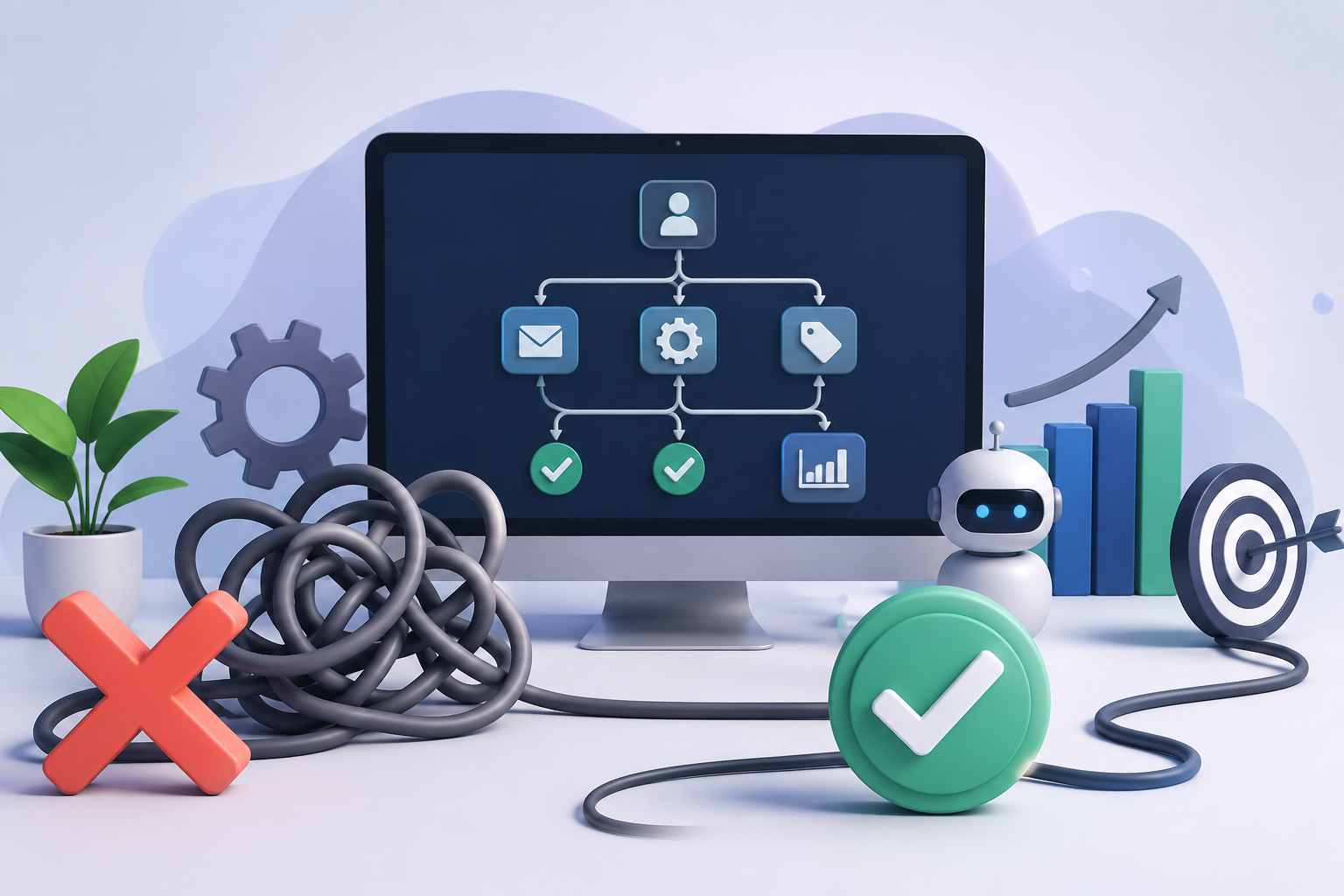
Technology can scale personalization.
It cannot determine what customers actually value.
That requires strategy.
Before implementing hyper-personalization, B2B marketers should answer five questions:
1. What customer problem are we solving?
If the answer is “we want higher engagement,” the strategy may be too narrow.
2. What data actually improves the experience?
Not every available data point deserves to be used.
3. Where does personalization matter most?
Not every touchpoint needs to be personalized.
4. What should remain human?
Especially in complex B2B purchases, some moments are better served by expertise and empathy.
5. How will we measure business impact?
Clicks and engagement are useful indicators, but the ultimate question is whether personalization improves pipeline, conversion, retention, expansion, or customer value.
From “Personalize Everything” to “Personalize What Matters”
This may be the biggest shift in the future of B2B personalization.
The winning strategy won’t necessarily be the company with the most personalized emails, landing pages, or advertisements.
It will be the company that knows when personalization genuinely helps the customer.
More personalization does not automatically mean more value.
Sometimes the best experience is simply clear, useful, and easy to navigate.
The goal should not be to personalize every possible interaction.
The goal should be to personalize the interactions where relevance can make a meaningful difference.
The Future: Personalization That Feels Helpful, Not Creepy
The next generation of B2B personalization will likely move away from simply predicting what someone might click.
Instead, it will increasingly focus on helping buyers make better decisions.
That could mean:
- Identifying gaps in their research
- Explaining complex products in simpler terms
- Connecting content across multiple stakeholders
- Surfacing relevant evidence
- Recommending the next logical step
- Helping sales teams understand buyer context
- Adapting experiences as the buying journey changes
This is a fundamentally different philosophy.
Traditional personalization asks:
“What can we show this person to increase conversion?”
Better personalization asks:
“What does this person need right now to make progress?”
That is a much more powerful question.
Hyper-Personalization: Reality vs. Hype
So, is hyper-personalization in B2B marketing real?
Yes.
Is it the revolutionary, fully automated future that some marketing narratives suggest?
Not quite.
The technology is advancing rapidly, and businesses are increasingly using AI, behavioral data, account intelligence, and automation to create more individualized experiences.
But the organizations that benefit most won’t be those that personalize every possible interaction.
They will be the ones that combine good data, strong strategy, intelligent automation, and human judgment.
The future of B2B personalization isn’t about making every customer experience feel eerily specific.
It’s about making every interaction meaningfully relevant.
And that is the difference between personalization as a marketing gimmick and personalization as a competitive advantage.
Read Also: Top CRM Integration Challenges and Solutions