The intelligence and management layer for modern software development, today announced it has been positioned by Gartner in the Visionary quadrant of the 2026 Magic Quadrant for Developer Productivity Insight Platforms.¹
A Market at an Inflection Point
Developer productivity platforms were built around a consistent set of assumptions: measure activity, track velocity, and report on throughput. That model made sense when the primary bottleneck in software delivery was the pace of human execution. Engineering leaders invested in tools that told them how fast their teams were moving and where they were slowing down.
AI-assisted development has broken that frame. Code generation is no longer the constraint. Engineering organizations that have adopted AI coding tools are producing faster, but that acceleration has surfaced a harder problem upstream. Poorly defined requirements fed into AI systems produce poor-quality software. These systems need better inputs and context to build enterprise software. Therefore, the bottleneck has moved from delivery execution to product definition.
The platforms built for the previous era are not equipped for this one. The metrics they optimize, such as commit frequency, PR cycle time, and deployment rate, describe a world where human coding speed was the limiting factor. That world is changing, and the tools engineering leaders rely on need to change with it.
“Being recognized as a Visionary confirms the direction Allstacks is heading,” said Hersh Tapadia, CEO and Co-founder of Allstacks. “AI is reshaping how software gets built and how we measure the teams building it, but the fundamentals don’t change: product direction, organizational performance, and the economic outcomes engineering investment produces. Allstacks is purpose-built with the breadth and depth of context that product and engineering teams demand for AI-driven development.”
Engineering Intelligence Built for What Comes Next
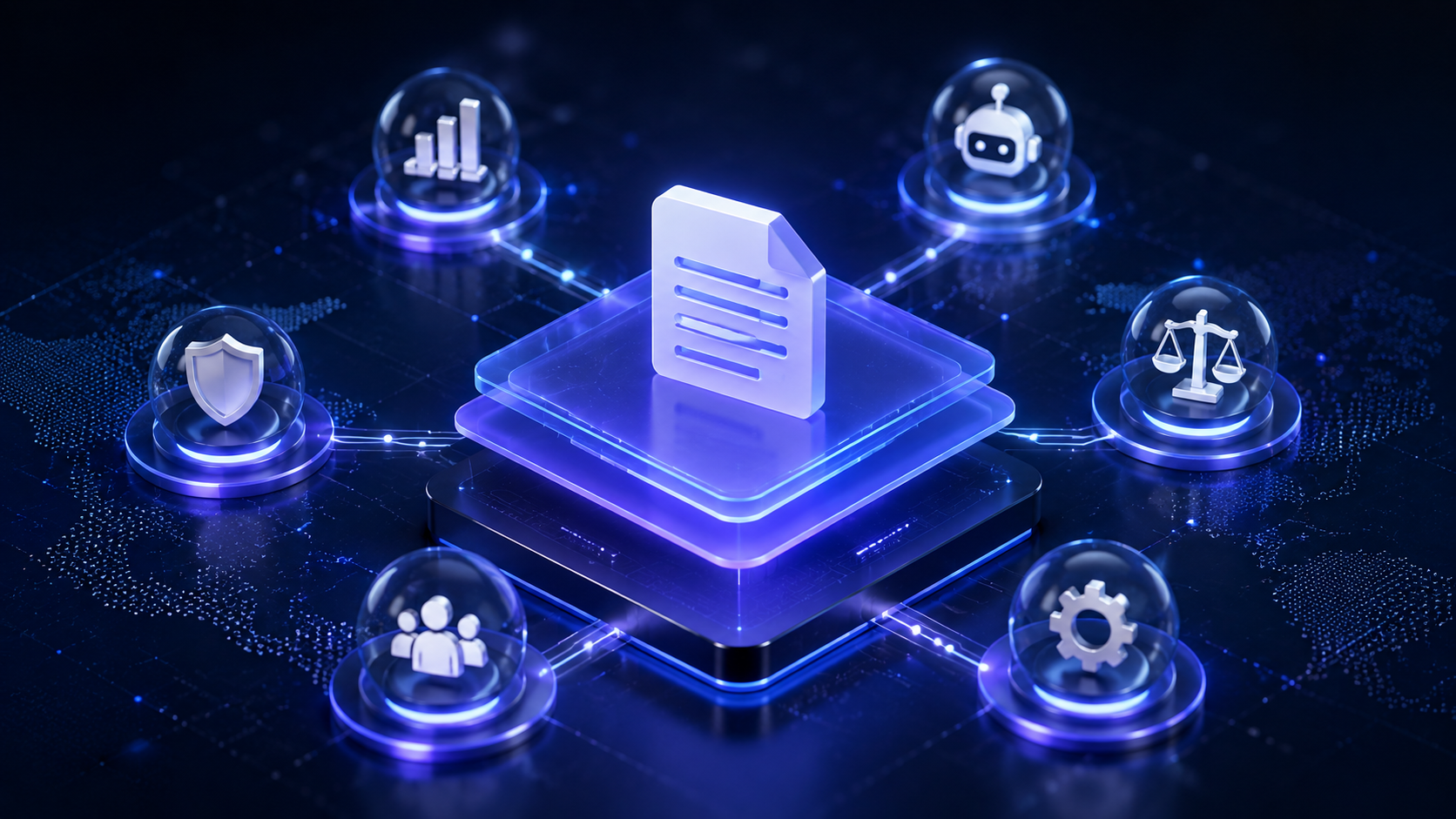
Allstacks is built for modern software development. The platform combines intelligence and agentic orchestration across three interconnected pillars. The first is the product creation lifecycle: giving engineering organizations the ability to define what they want to build with enough precision and context that AI agents and engineers can execute without inferring, interpreting, or guessing. The second is software engineering intelligence: measuring how teams perform, how workloads align with capacity, and where risk lives in the delivery pipeline. The third is engineering economics: connecting engineering execution to the financial outcomes it produces through R&D cost capitalization, investment allocation, and measurement of AI tool impact.
Together, these pillars form an agentic system where always-on agents monitor the software development cycle, identify breakdowns, and act, drawing from the context graph that connects and correlates data across every SDLC tool. Each agent operates with the domain knowledge of a senior product manager, engineering leader, and technical program manager, built from seven-plus years of accumulated organizational context rather than a static snapshot.