The HPE self-driving network is powering a major digital transformation at the Riyadh Air Metropolitano Stadium, home of Atlético de Madrid. Through advanced AI-driven networking solutions, Hewlett Packard Enterprise (HPE) is modernizing the stadium’s communications infrastructure to significantly enhance fan experience, operational efficiency, and sustainability.
The two-phase project, rolling out during the 2025/26 and 2026/27 seasons, marks a new era in the digitalization of European sports venues. By implementing an HPE self-driving network, the stadium is setting a benchmark for smart stadium innovation.
AI-Powered HPE Self-Driving Network Enhances Connectivity
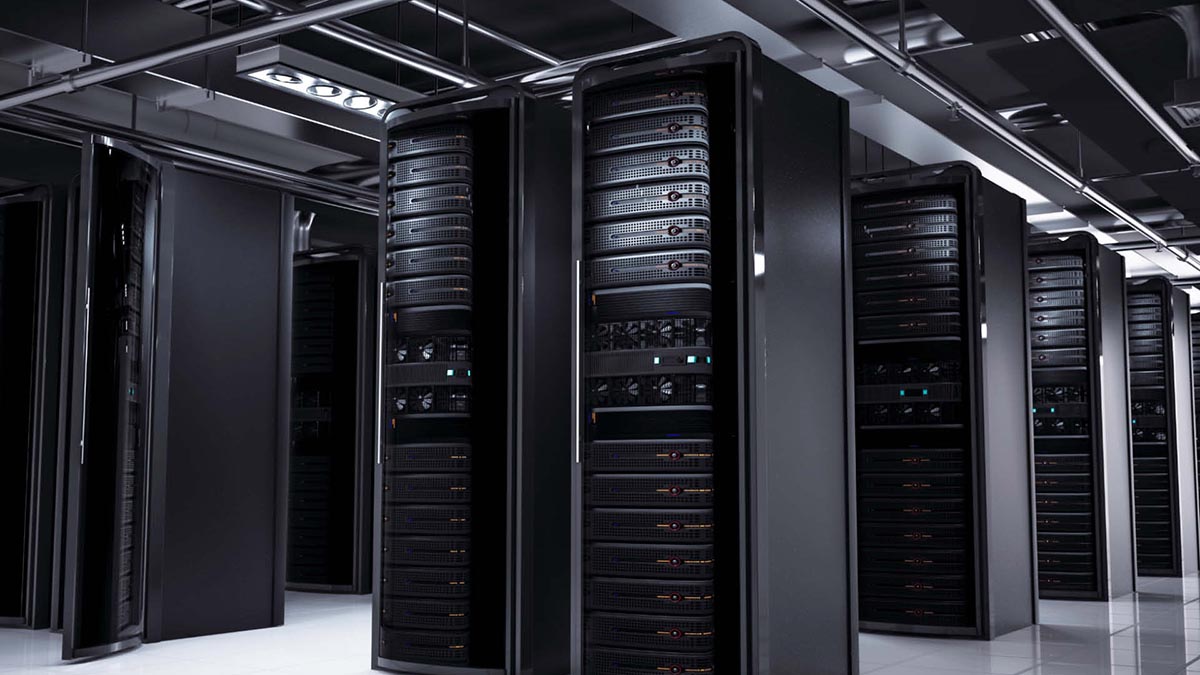
The HPE self-driving network will replace the stadium’s existing infrastructure, which has been operational for eight seasons. The upgrade includes more than 1,500 next-generation Wi-Fi 7 access points managed via HPE Aruba Central.
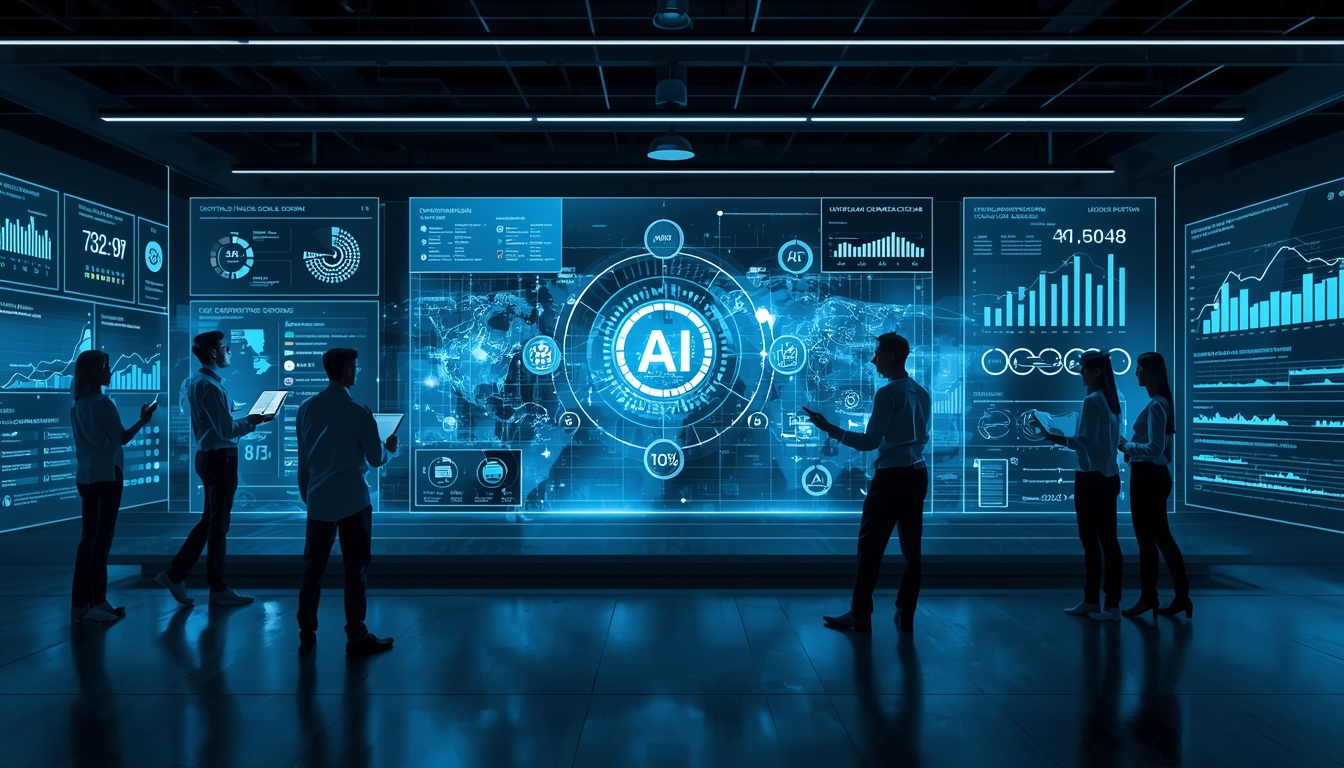
Using artificial intelligence and machine learning, the platform automatically detects anomalies and dynamically adjusts radio frequency parameters such as channel and power. With AI-native AirMatch Wi-Fi RF management technology, network performance is optimized based on user density — a critical capability during high-attendance events when traffic peaks.
As a result, fans benefit from faster, more reliable connectivity throughout the stadium, even during sold-out matches and large-scale events.
Intelligent Analytics and Energy Efficiency
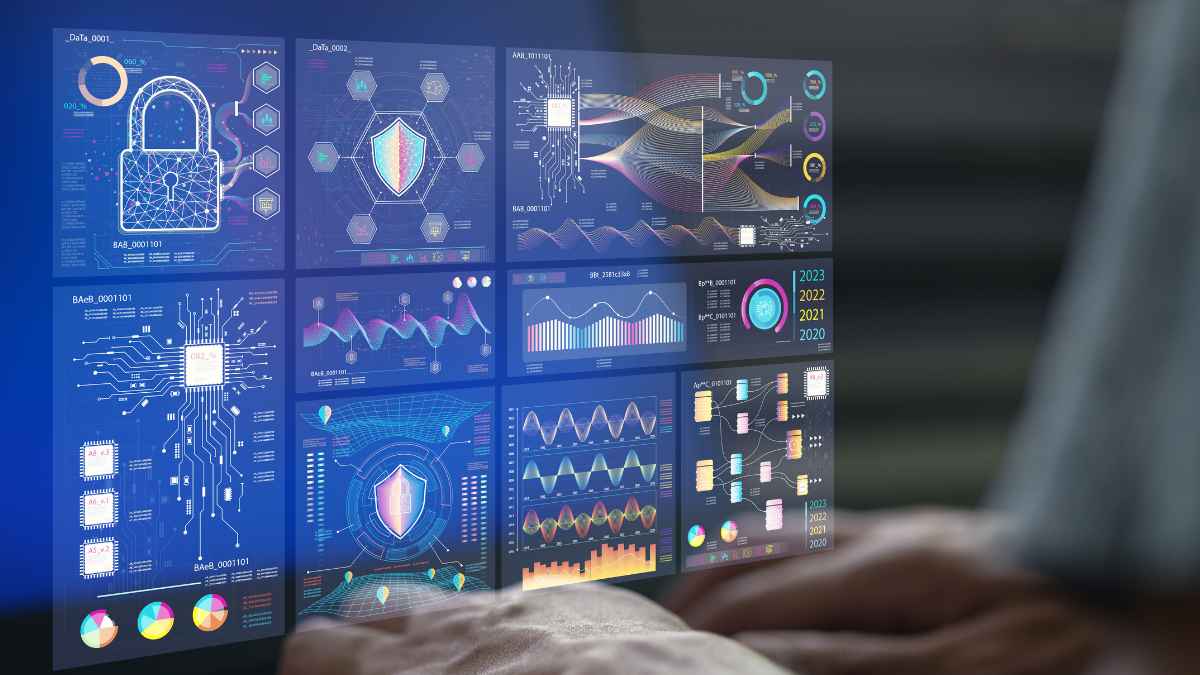
Beyond connectivity, the HPE self-driving network integrates AI-powered location services and presence analytics. These tools generate heatmaps and mobility flow insights across different stadium sectors. This data helps improve crowd management, optimize staffing, and enhance security measures.
Energy efficiency is another core focus of the transformation. Through AI-powered dynamic power save mode, access points can enter deep sleep mode or reduce functionality during periods of inactivity. Consequently, electricity consumption is minimized in a venue that operates at full capacity primarily during events.
By adjusting energy usage based on real-time network demand, the HPE self-driving network supports both operational efficiency and sustainability goals.
Dedicated Network for Audiovisual Production
In parallel, the stadium is deploying a separate network dedicated to audiovisual production over IP. This infrastructure is fully independent from the general IT network and is designed with strict segmentation and Quality of Service (QoS) policies.
Developed in collaboration with Telefónica Servicios Audiovisuales and HPE, the system ensures secure, high-bitrate video traffic while minimizing end-to-end latency. Switching tests and traffic validation are currently underway to guarantee broadcast-grade performance.
Expansion Across Atlético de Madrid Facilities
The HPE self-driving network strategy extends beyond the main stadium. New municipal sports facilities on plots DS-01 and DS-02 within Sport City will feature HPE networking solutions starting in 2026. Additionally, the High-Performance Center (plot DS-03) will receive comprehensive network coverage for training fields, medical areas, press zones, and production spaces between 2025 and 2027.
According to HPE leadership, artificial intelligence in networking is no longer a future promise but an operational reality. By leveraging AI automation, the stadium can anticipate issues, optimize resources, and transform data into actionable decisions.
With this transformation, the Riyadh Air Metropolitano Stadium strengthens its position as a leading smart stadium in Europe. The HPE self-driving network not only enhances the fan experience but also builds a safer, more efficient, and sustainable digital ecosystem prepared for the future of sports connectivity.
Read Also: Chronus Launches Change Adoption Solution to Drive Behavior Change