Azara Healthcare, the four-time Best in KLAS provider of population health and value-based care solutions for the safety net, today announced that it has acquired Advocatia, a digital-first public benefits enrollment platform. The combination delivers the first end-to-end Medicaid coverage retention solution — pairing the Azara DRVS platform’s ability to identify and engage at-risk individuals with Advocatia’s strengths in guiding them through application, documentation, and initial enrollment or renewal of Medicaid coverage and other public benefits programs.
Together, the combined solution enables clients to:
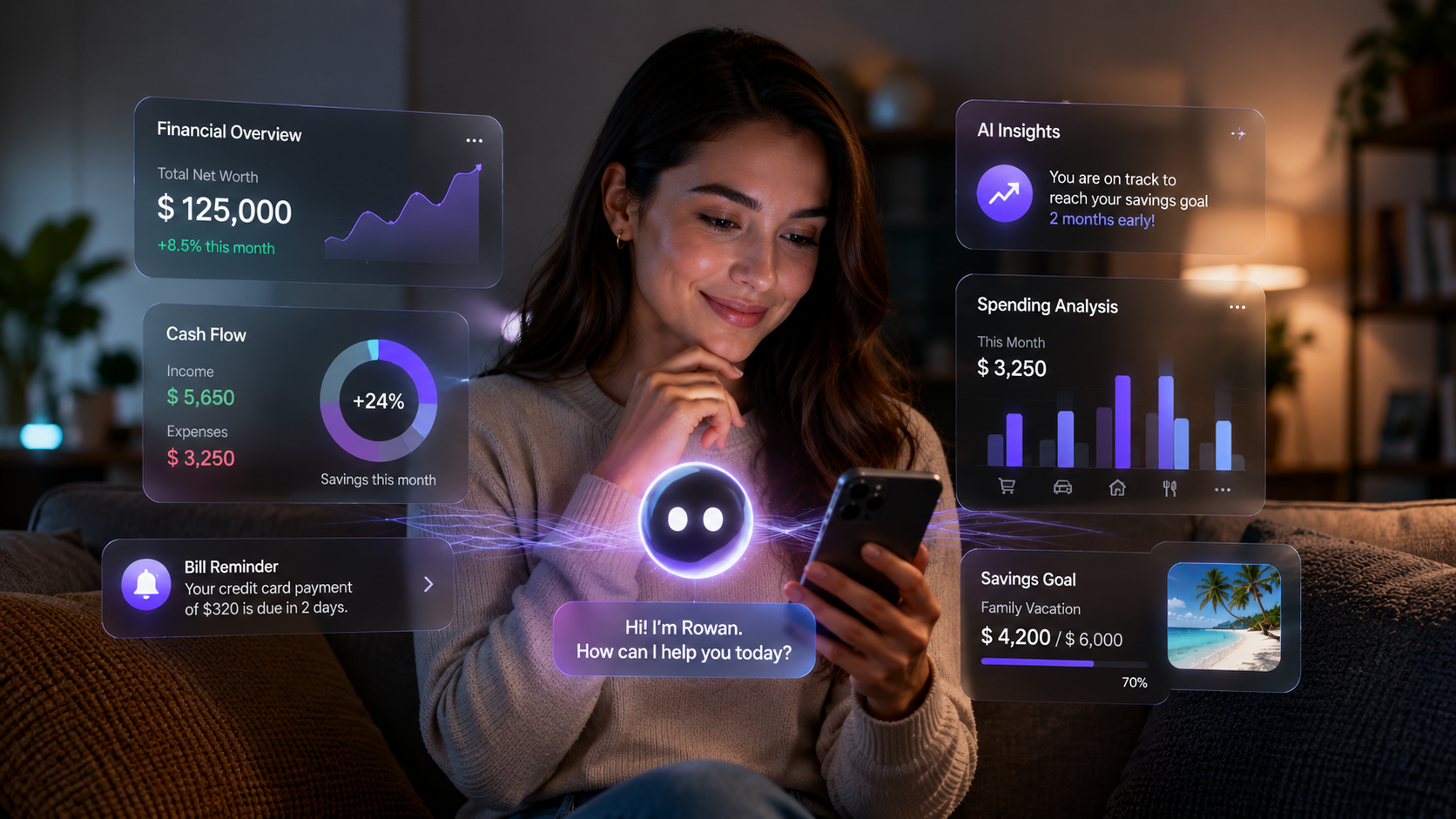
- Identify and prioritize patients at risk of losing coverage using Azara DRVS registries and risk stratification
- Engage patients at scale through automated, multi-channel outreach
- Guide patients through the enrollment and renewal process in 75 languages via Advocatia’s self-service digital platform
- Capture documentation and income verification to support redeterminations and new work requirement reporting
- Provide health center staff and navigators real-time visibility into patient progress and completion rates alerting and allowing them to intervene when additional help is needed
The move comes as community health centers, hospitals, and other safety-net providers prepare for one of the most significant coverage shifts in a generation. Under the One Big Beautiful Bill Act (HR.1), more than 7.6 million Americans are projected to lose Medicaid coverage by 2034, and 80-hour monthly work requirements take effect in January 2027. The financial stakes for safety-net organizations are immediate. Hospitals are estimated to have delivered over $36 billion in uncompensated care to uninsured patients in each of the past 3 years, underscoring the growing pressure on providers caring for vulnerable populations. Compounding the challenge, the National Association of Community Health Centers (NACHC) projects HR.1 will reduce community health revenue by $7 billion annually due to increased uncompensated care — a level of strain that could force 1,800 site closures and 34,000 job losses nationwide.
“Our clients have been telling us the same thing for months: they need help ensuring that all patients still eligible for Medicaid coverage successfully re-enroll before deadlines and coverage loss,” said Jeff Brandes, President and CEO of Azara Healthcare. “Integrating Advocatia into the Azara platform closes that last mile by providing a single, connected workflow which moves a patient from identification, to outreach, to completed application, to coverage. That’s a meaningful step forward for the millions of patients who rely on safety net organizations for care.”
Azara’s solutions, including the Azara DRVS platform, Azara Care Connect (ACC), and Azara Patient Outreach (APO), already help more than 1,000 safety-net provider organizations identify and engage patients who are at risk of falling off the Medicaid rolls during reenrollment periods. Clients include community health centers, rural and critical access hospitals, primary care associations, clinically integrated networks and health plans across all 50 states. Advocatia adds the final, essential layer. Its digital, guided enrollment experience walks patients through enrollment in Medicaid, SNAP, and more than 1,000 additional public benefit programs, with built-in tools for document collection, application completion, and follow-up.
Advocatia brings a decade of experience working with hospitals, providers, and health plans, with more than 5 million patients having accessed the platform. The company reports industry-leading metrics including 93% application submission rate among users who begin the process, 86% approval rate on submitted applications, and 33% reduction in application completion time.
“Advocatia was built on the simple belief that no one should lose coverage because the process is too hard to navigate,” said Ryan Brebner, Co-Founder and CEO of Advocatia. “Joining Azara lets us deliver on that mission at a scale we couldn’t reach alone. Azara already has trusted relationships with the safety-net providers and health plans serving the communities we’re built to help, and together, we can make sure those individuals don’t just get identified but stay covered.”