
According to the latest market analysis by Future Market Insights (FMI), the global Process Automation and Instrumentation Market is projected to expand from USD 1.0 billion in 2025 to USD 2.0 billion by 2035, registering a CAGR of 5.5% during the forecast period. The market is witnessing a structural transformation driven by rapid industrial digitalization, increasing adoption of Industry 4.0 technologies, and growing demand for intelligent process control systems across manufacturing, automotive, chemical, and energy sectors.
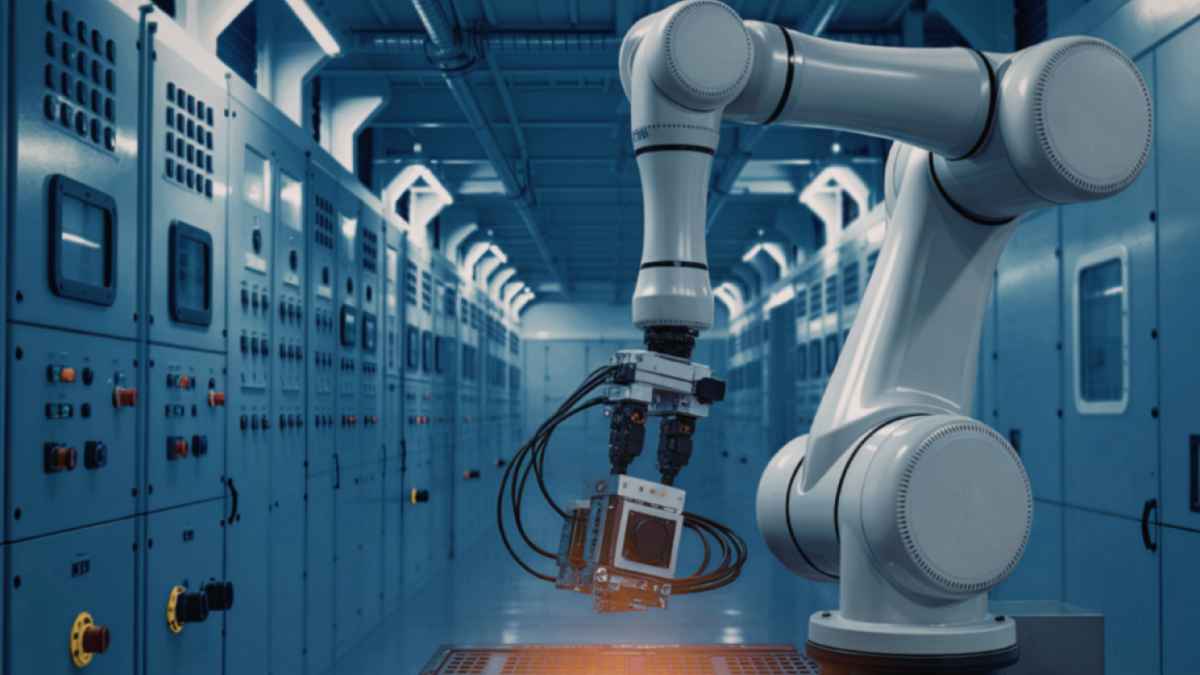
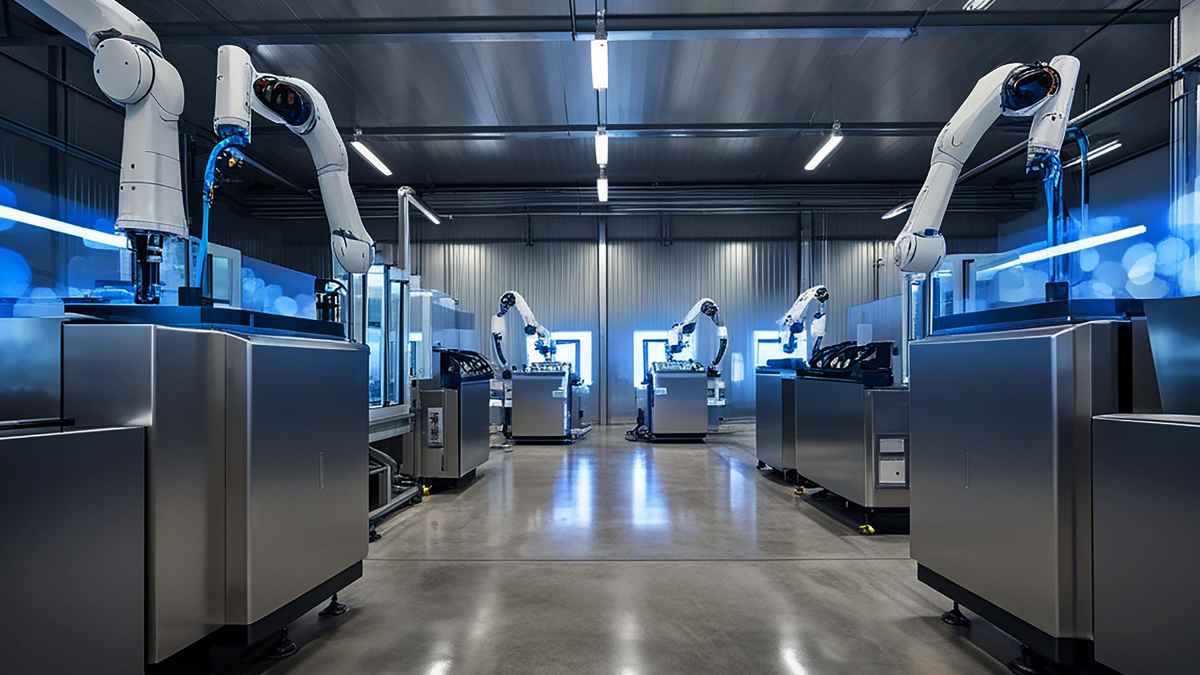
As industrial facilities worldwide pursue higher operational efficiency, predictive maintenance, and real-time monitoring, automation and instrumentation technologies are evolving from standalone control systems into integrated digital ecosystems. Smart sensors, AI-enabled analytics, cloud-based monitoring platforms, and connected instrumentation are enabling manufacturers to optimize productivity while minimizing downtime and operational risks.
An FMI analyst Nikhil Kaitwade, notes:
“The process automation and instrumentation market is shifting from traditional plant automation toward intelligent, data-driven industrial ecosystems. Suppliers capable of integrating advanced hardware, software, predictive analytics, and scalable automation platforms will gain significant competitive advantage across industrial sectors.”
Market Drivers and Strategic Shifts
The market’s expansion is closely linked to rising investments in smart manufacturing infrastructure and the increasing need to reduce operational inefficiencies across industrial facilities. Manufacturers are prioritizing automation systems capable of improving process visibility, minimizing human error, and enabling predictive maintenance strategies.
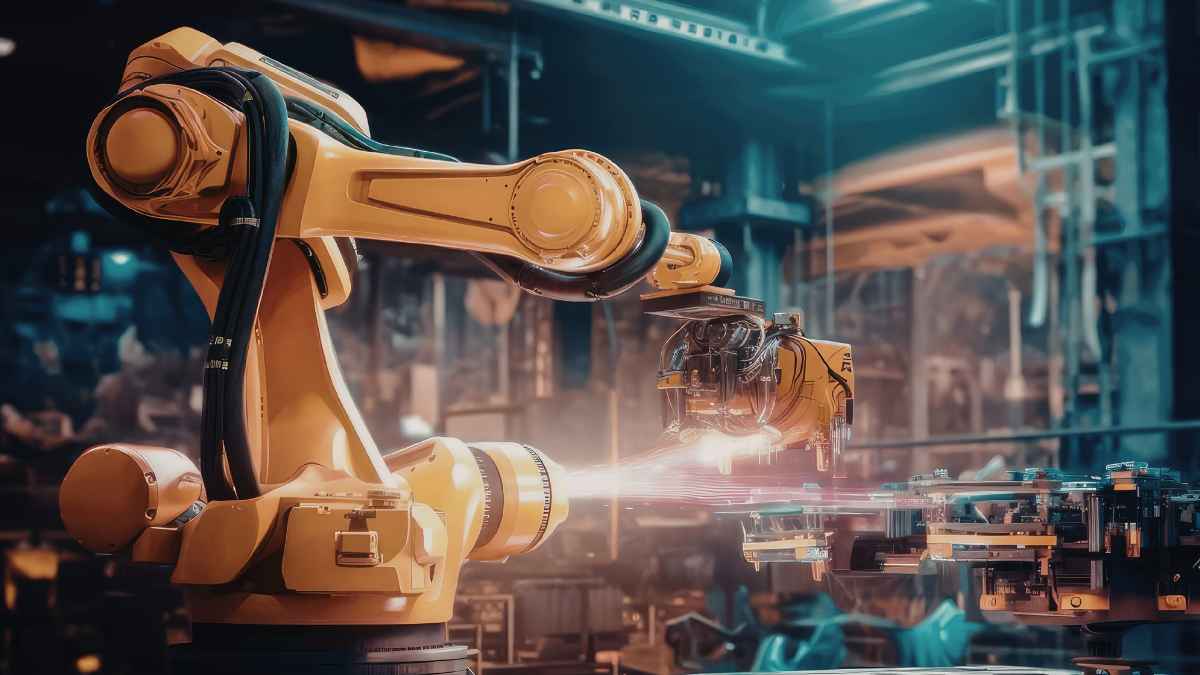
Industry 4.0 initiatives, coupled with AI and IoT integration, are accelerating the deployment of connected control systems in automotive plants, chemical facilities, pharmaceutical manufacturing, and oil & gas operations.
Key growth drivers include:
- Rising adoption of Industry 4.0 and smart factory initiatives
- Increasing deployment of IoT-enabled sensors and connected instrumentation
- Growing demand for predictive maintenance and remote monitoring systems
- Expansion of AI-driven industrial analytics and automation software
- Increasing focus on operational efficiency and production consistency
- Strong demand for automated quality control systems in automotive manufacturing
However, the market also faces challenges including high upfront implementation costs, integration complexity with legacy industrial systems, and shortage of skilled automation professionals in emerging markets.
Segment and Regional Insights
The semi-automatic systems segment is expected to dominate the market, accounting for approximately 24.6% share in 2025, as industrial operators continue balancing automation efficiency with human oversight in critical manufacturing environments.
Automatic systems are gaining momentum in continuous process industries requiring stable output and minimal manual intervention, particularly across chemical processing and pharmaceutical production.
By end use:
- Automotive is projected to lead with around 26.5% market share in 2025
- Chemical processing remains a key growth sector for advanced instrumentation
- Oil & gas industries continue investing in predictive maintenance systems
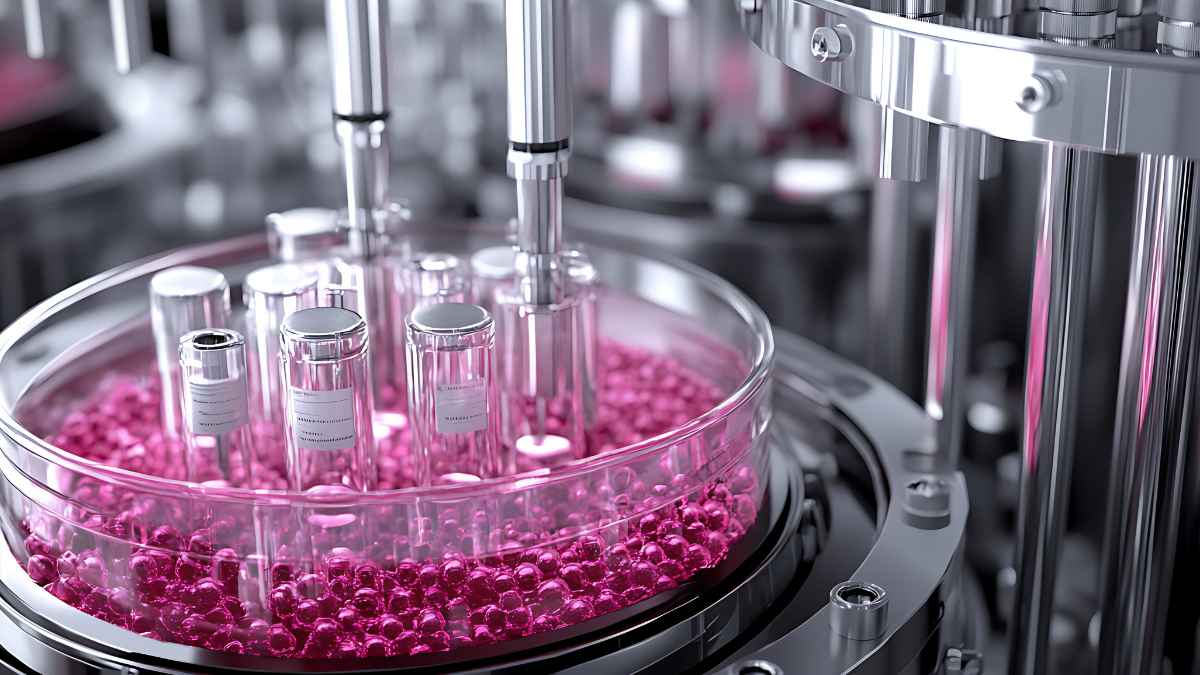
- Pharmaceutical and wastewater treatment sectors are increasing automation adoption
Regionally:
- China leads global expansion due to large-scale industrial modernization
- India is emerging as a high-growth market driven by manufacturing digitization
- The United States is strengthening adoption through smart manufacturing initiatives
- Germany and Japan continue leading advanced automation innovation and precision engineering
Asia-Pacific is anticipated to remain the fastest-growing region due to rapid industrialization, government-backed manufacturing programs, and increasing automation investments.
Read Also: Oracle and AWS Collaborate to Expand Multicloud Networking