
Geopolitical instability, inflation-driven economic uncertainty, and sweeping regulatory change are the external forces most likely to shape company performance in 2026, according to the nation’s top HR leaders. These findings are among the key insights from the 2026 CHRO Survey Report, released today by the CHRO Association in partnership with the University of South Carolina’s Darla Moore School of Business.
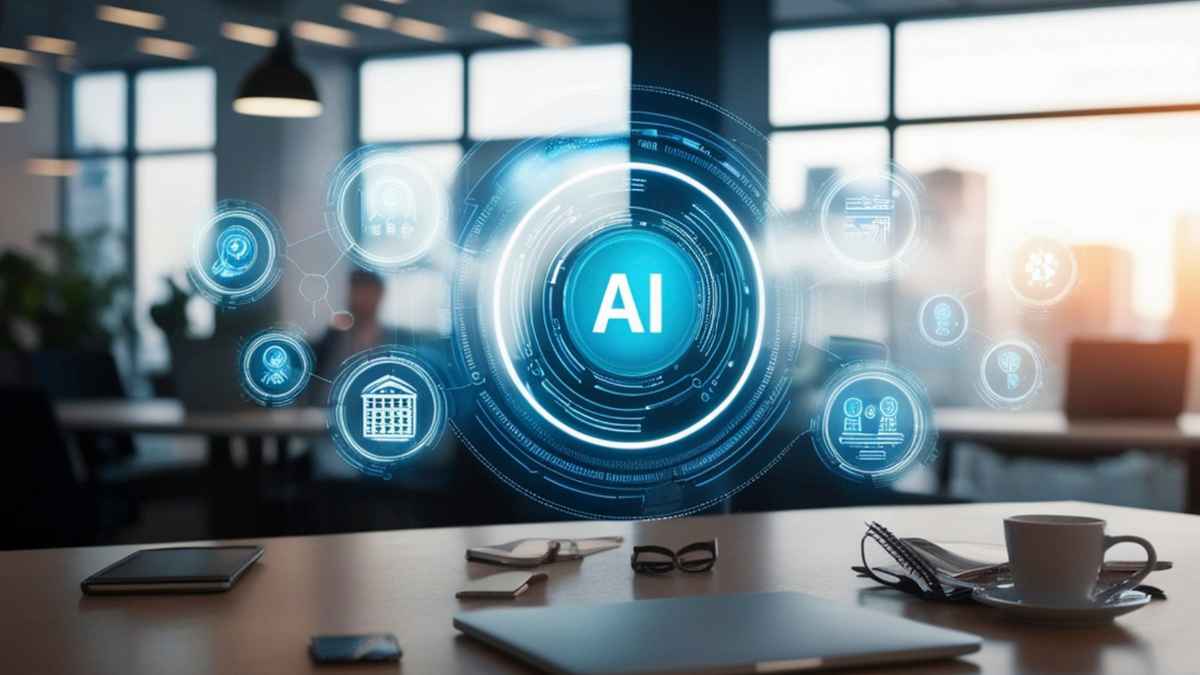
Amid that volatility, AI and the digitization of the workplace are the clear, immediate priority for CHROs, with 91% selecting it among their top concerns—far outpacing other issues such as governance, engagement, and talent.
“CHROs are being asked to strengthen organizational resilience while modernizing how work gets done,” said Tim Bartl, CEO of the CHRO Association. “While AI is a key priority, the convergence of people and technology is elevating the CHRO’s role in driving business outcomes.”
Key findings:
AI and digitization dominate the CHRO agenda.
When asked to identify the five issues of most immediate concern, CHROs ranked AI and digitization of the workplace first (91%), followed by priorities tied to leadership development and organizational transformation.
AI in HR is being deployed first where impact is most immediate. CHROs report early HR successes are concentrated in:
- Talent acquisition and recruiting automation (~30%)
- HR service delivery and employee self-service (~17%)
- Learning and skills development (~14%)
AI is beginning to reshape the HR operating model.
Respondents describe shifts toward digital and self-service delivery, automation of routine work, evolving HR business partner roles, and new capabilities such as AI governance and roadmap teams.
The biggest barriers to AI adoption are organizational, not technological.
While experimentation is widespread, scaling remains difficult. The top challenges cited include employee fear of job loss (~19%), budget/investment constraints (~17%), and Data/Security/Legal/Compliance (~17%).
CHROs are working to measure AI productivity—many are still early.
Nearly half (47%) report they haven’t established clear productivity measurements yet, while others rely on mixed quantitative and qualitative approaches.
Healthcare cost pressures persist, especially specialty pharmaceuticals.
To manage rising specialty drug costs, 86% of employers are using high-deductible health plans with HSAs, 62% have increased employee cost-sharing, and 57% have implemented step therapy or prior authorization protocols for Specialty drugs.
GLP-1 coverage is expanding cautiously.
GLP-1 medications for weight loss and obesity management have become a major focus for employer-sponsored plans. More than half of organizations (59%) report covering GLP-1s for weight loss with specific eligibility criteria, while others limit coverage to diabetes treatment or are still evaluating broader coverage.
External pressures shaping 2026 planning
CHROs most frequently cite:
- Geopolitical instability (46%)
- Inflation-driven economic uncertainty (42%)
- Legal/regulatory uncertainty (39%)
- Impact of additional tariffs (35%)
These concerns reinforce a focus on resilience and risk management alongside continued investment in workforce technology.
Methodology
The 2026 CHRO Survey is based on survey responses from an average of 150 CHROs at major corporations and was conducted in partnership with the University of South Carolina’s Darla Moore School of Business. Findings in this report reflect a selection of questions from the full survey, organized by topic. Open-ended responses were analyzed and grouped into themes to identify common patterns and insights.