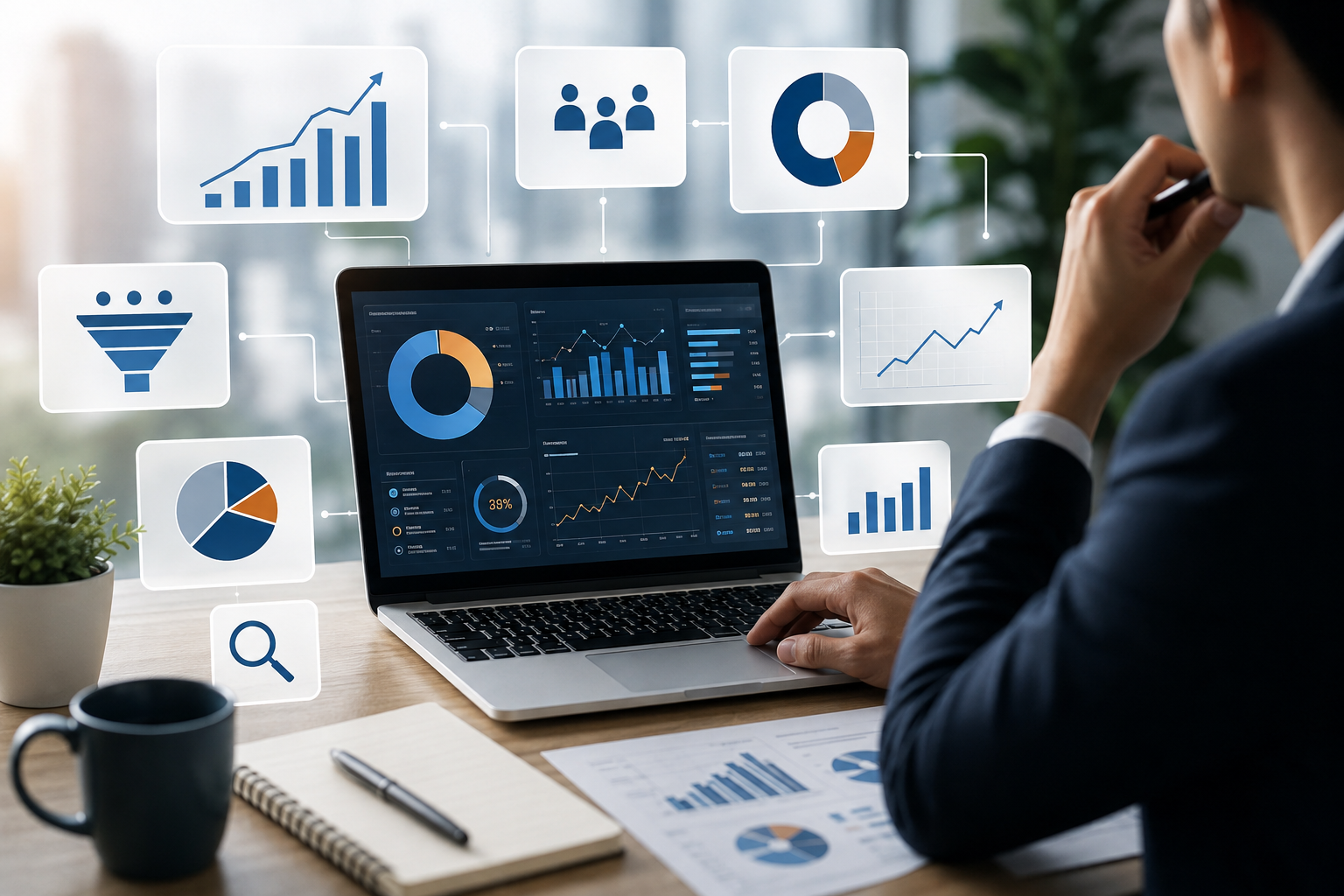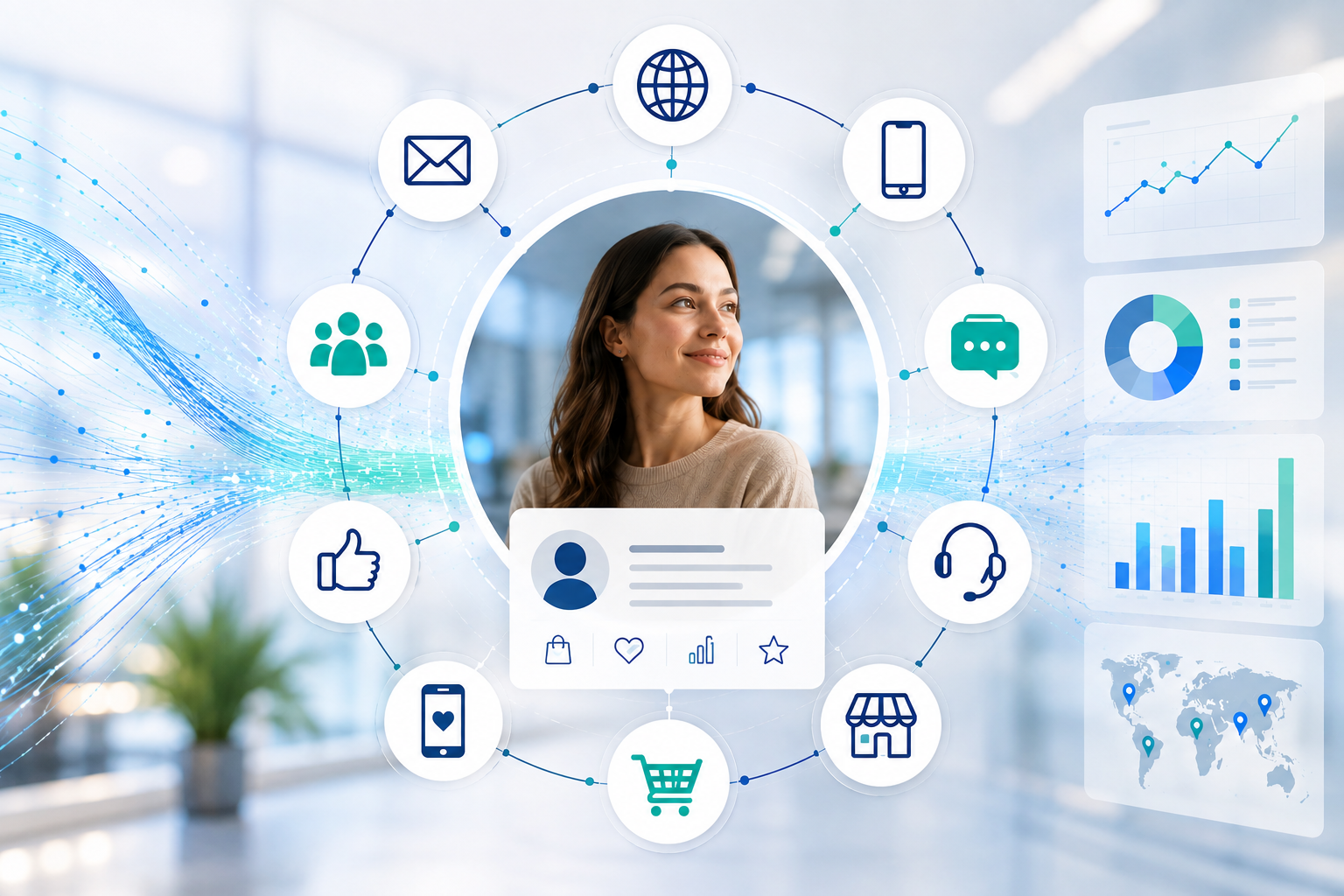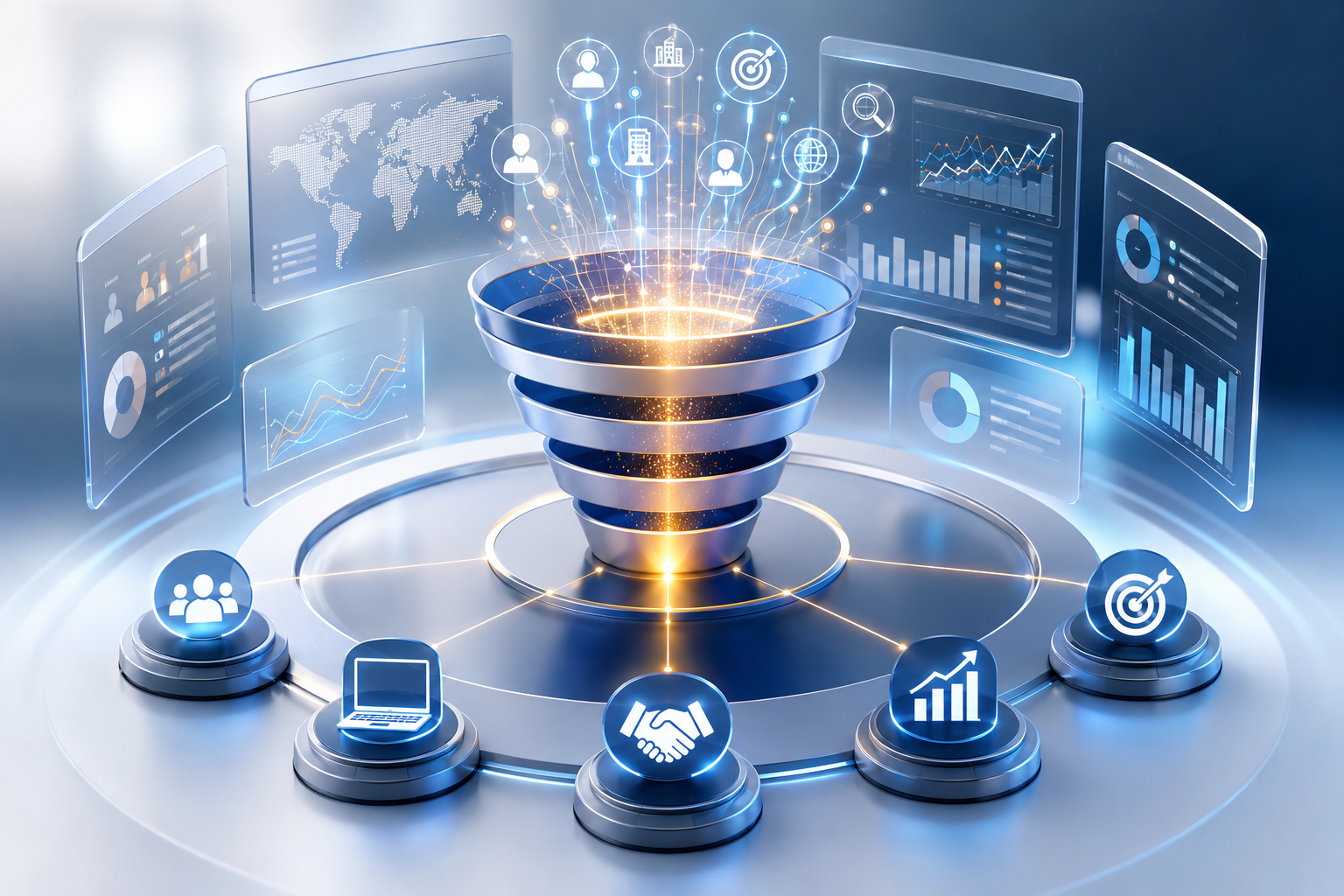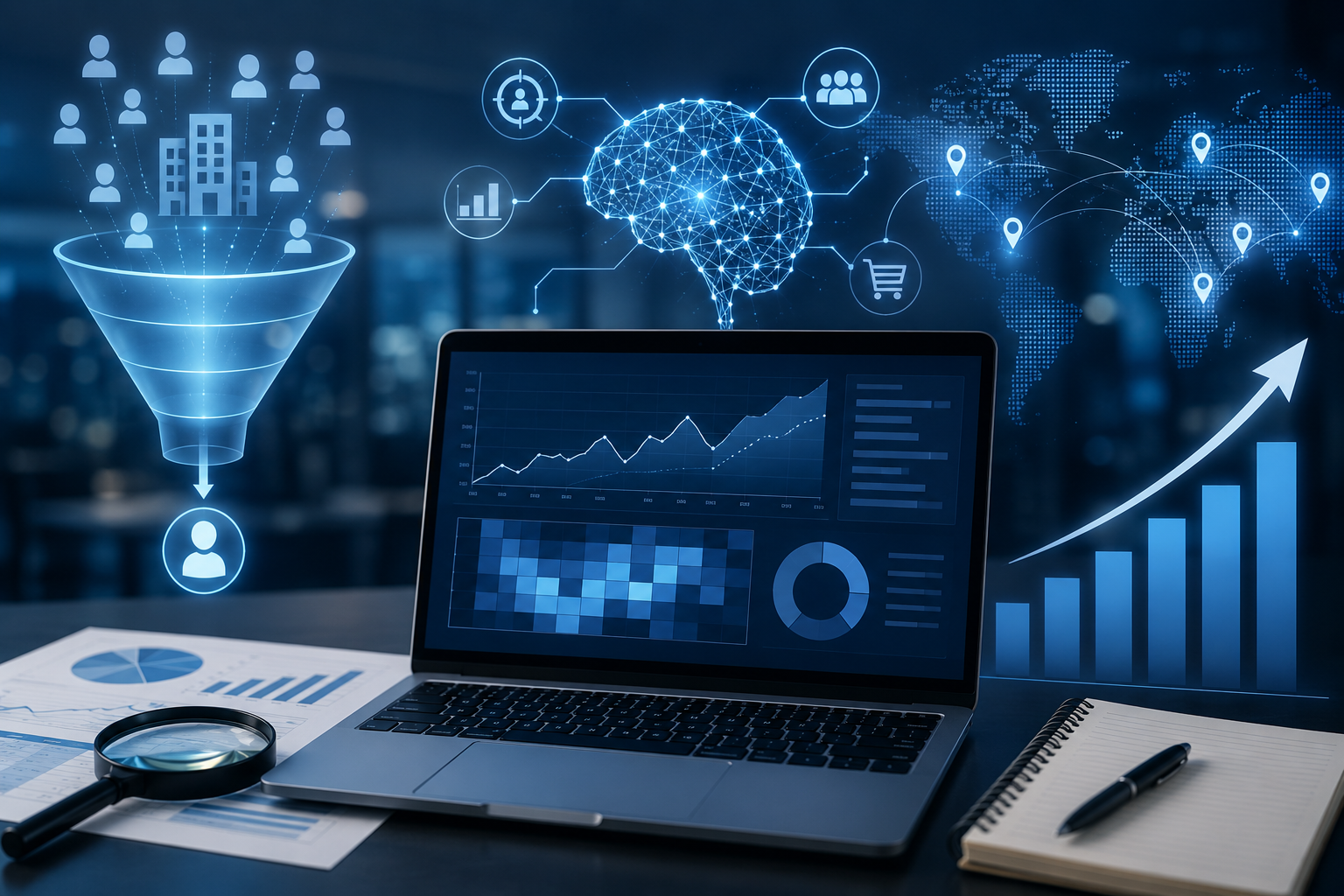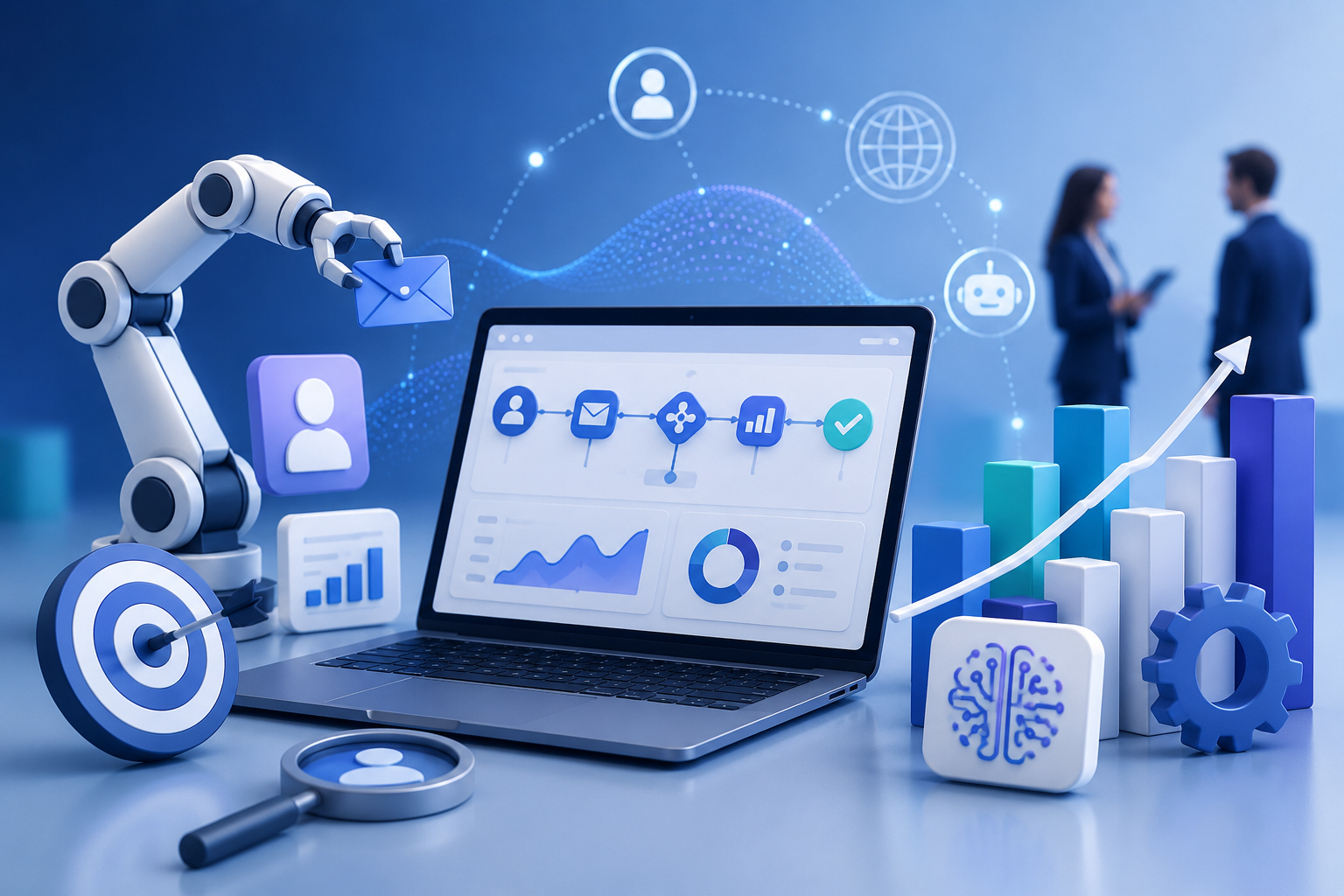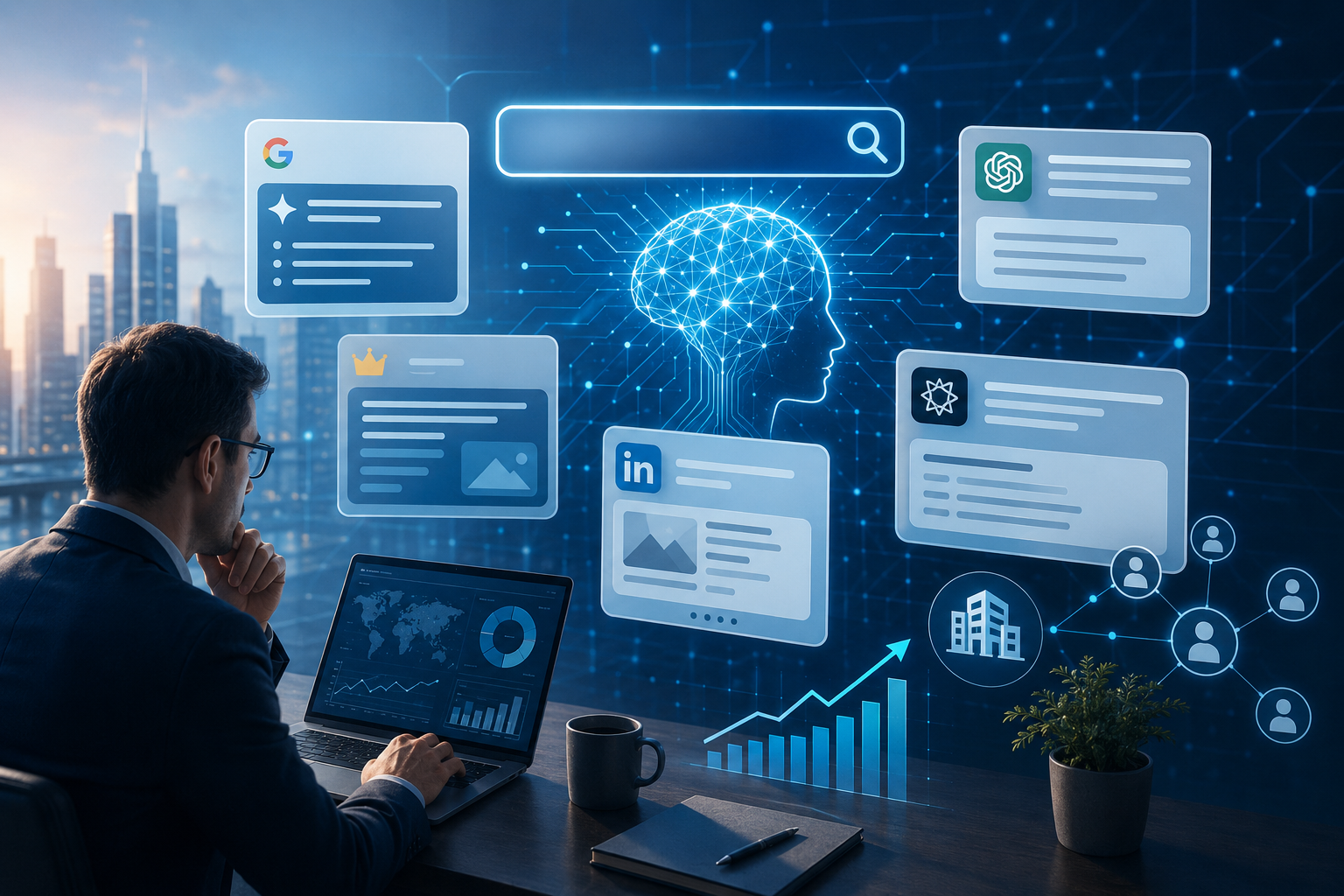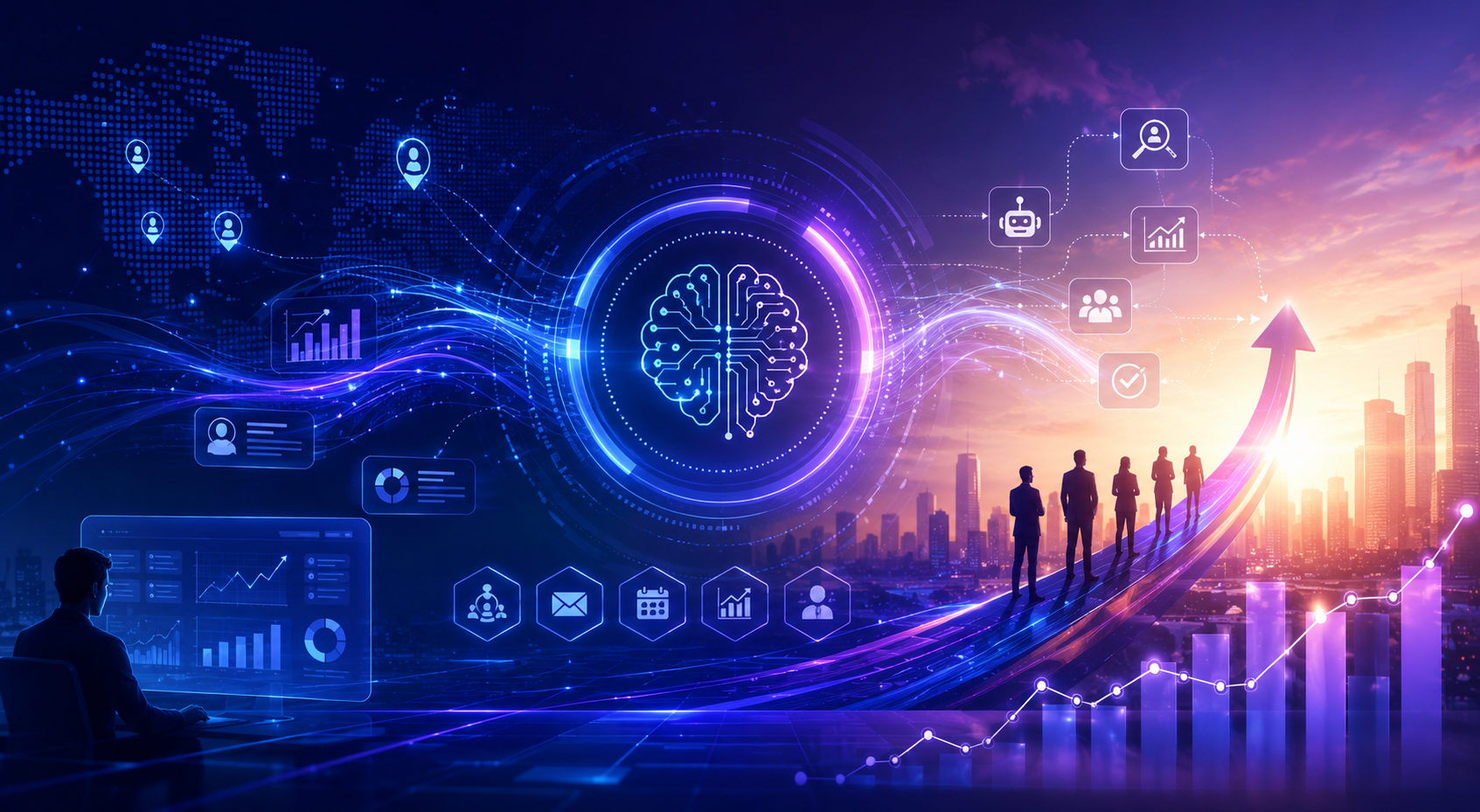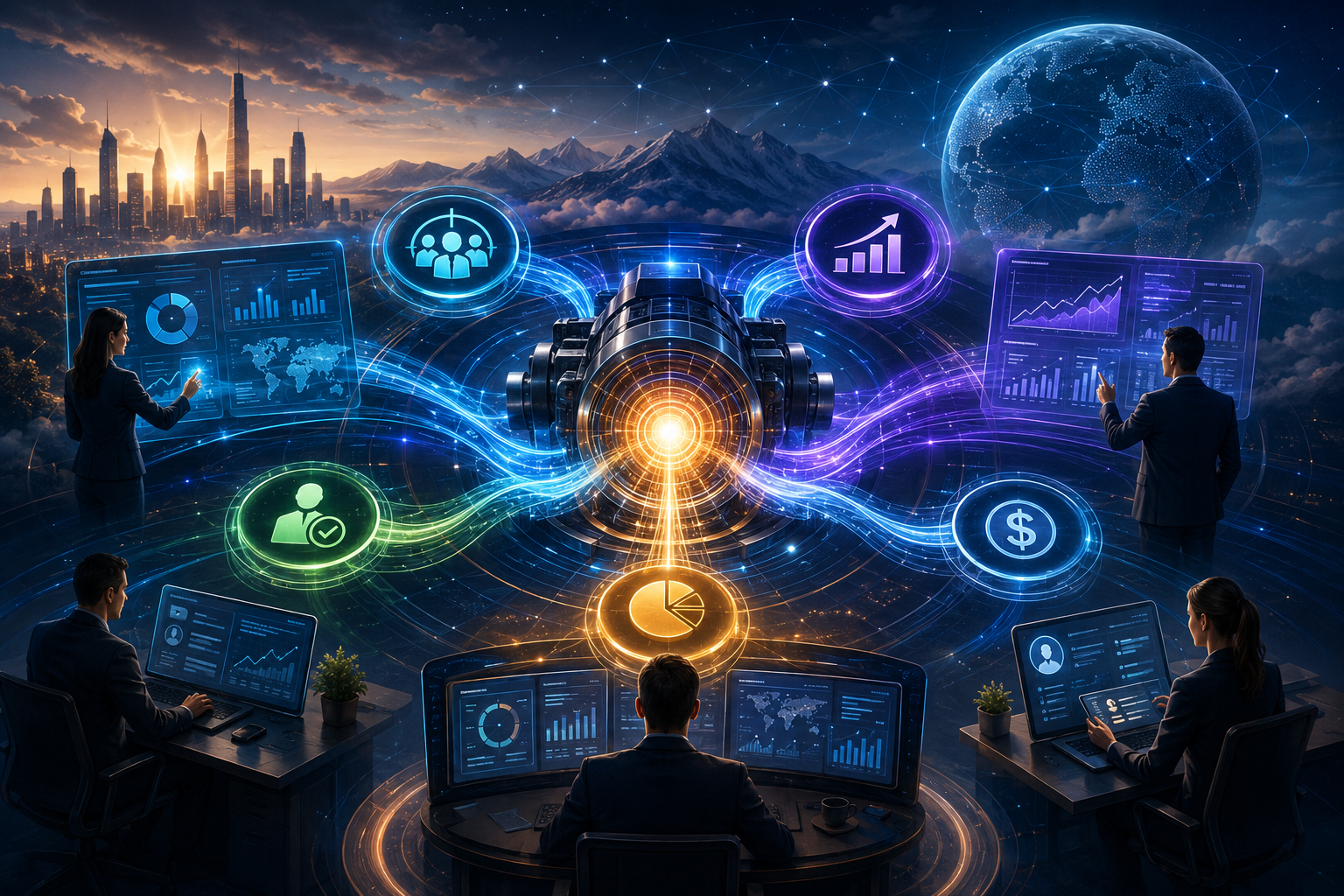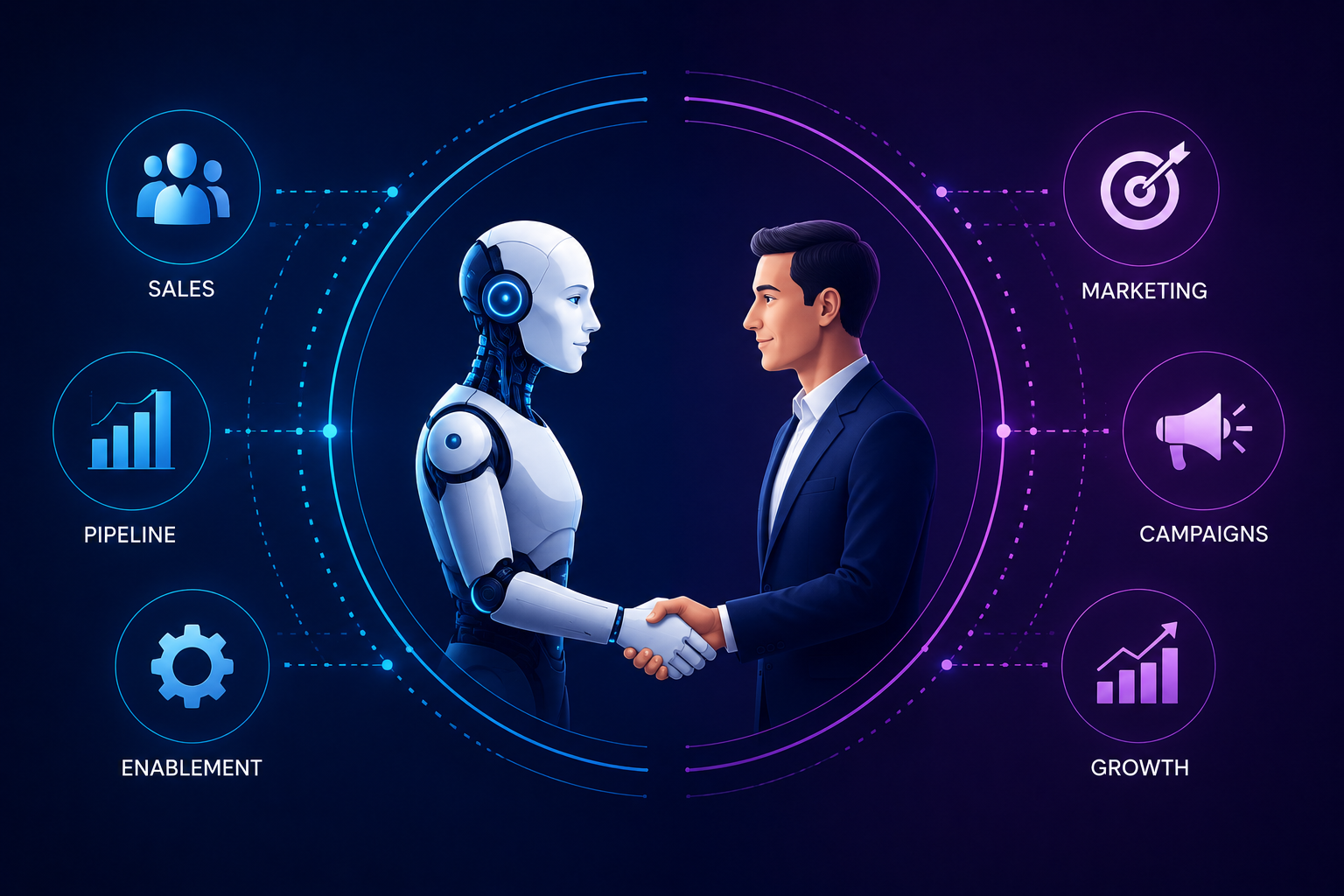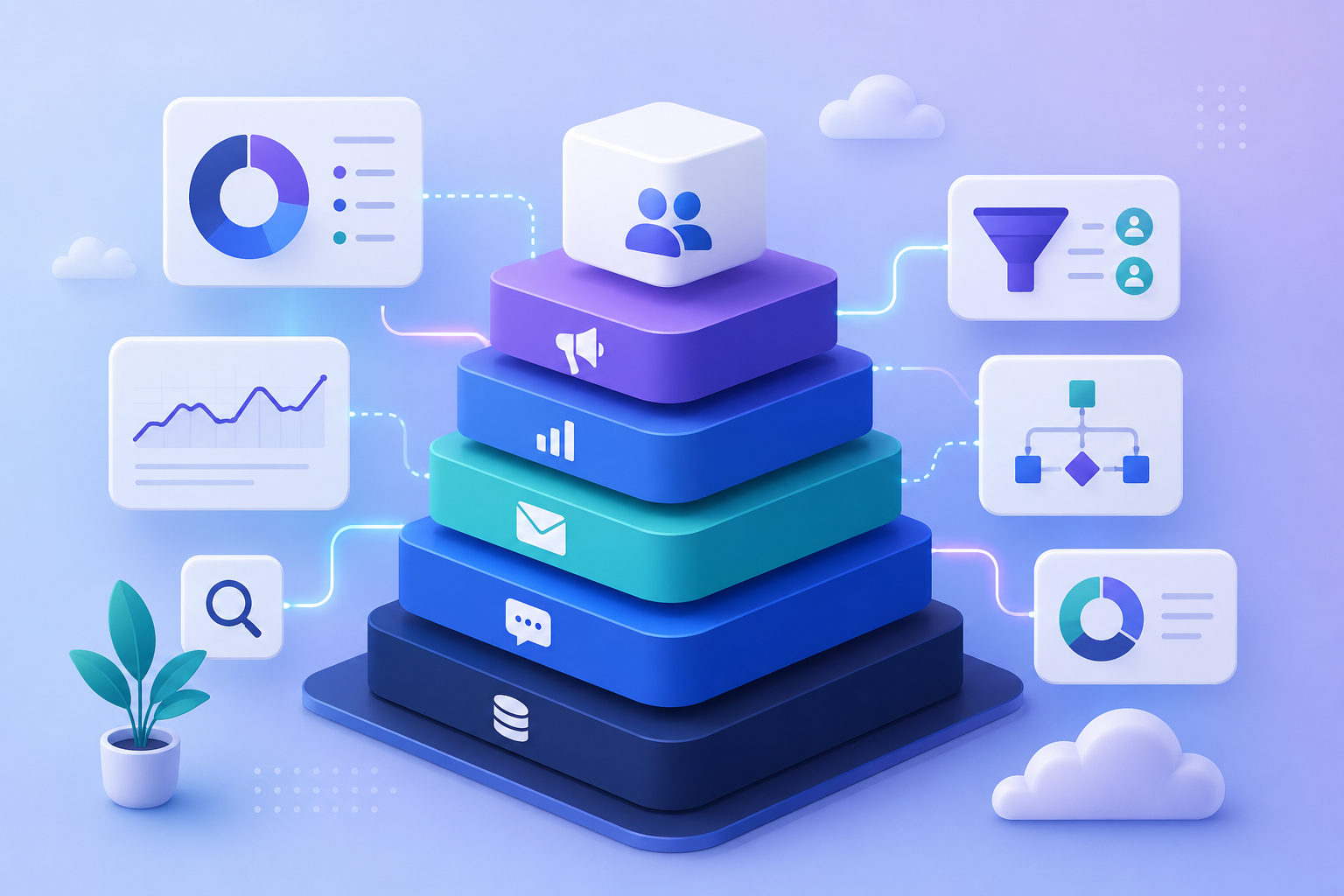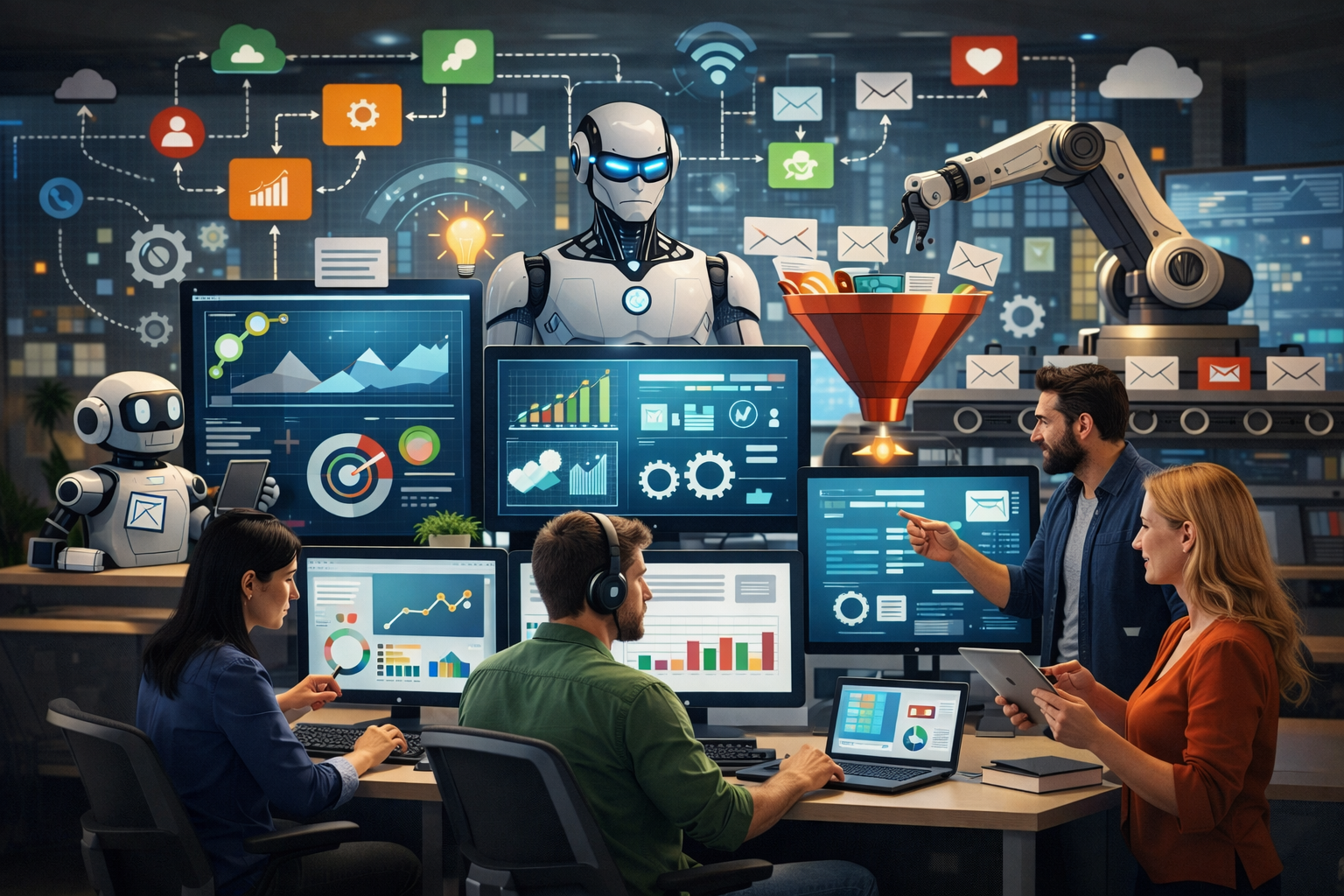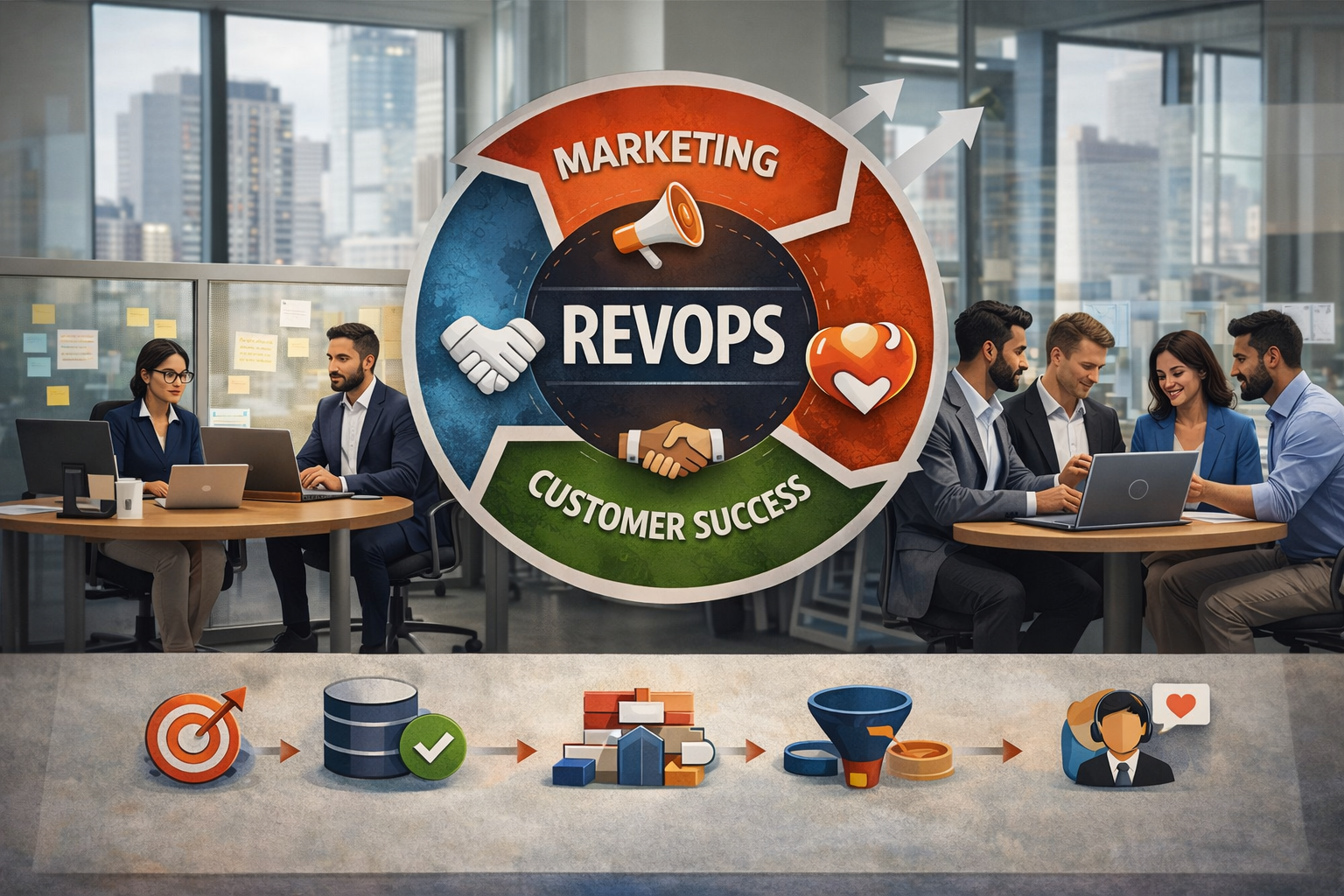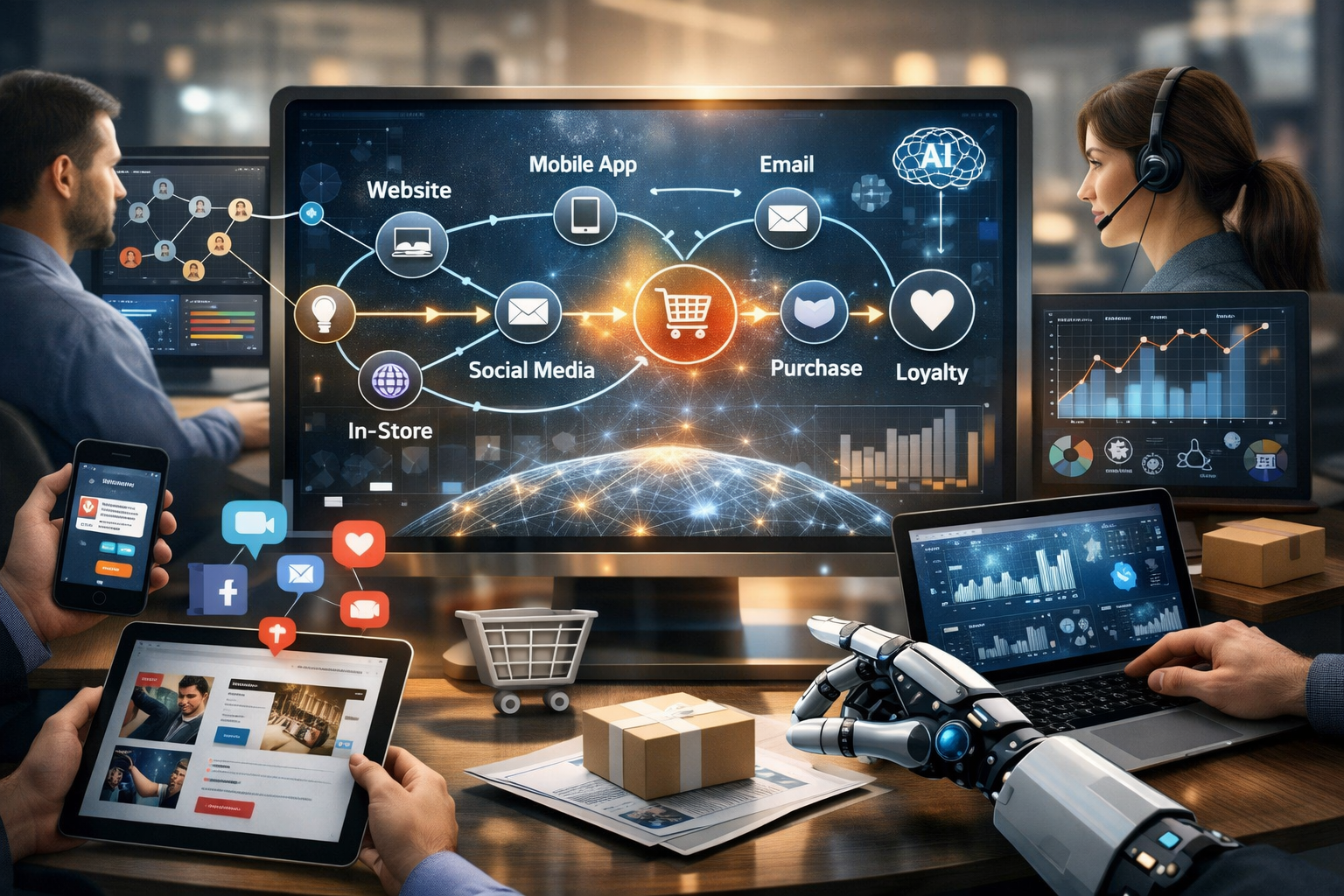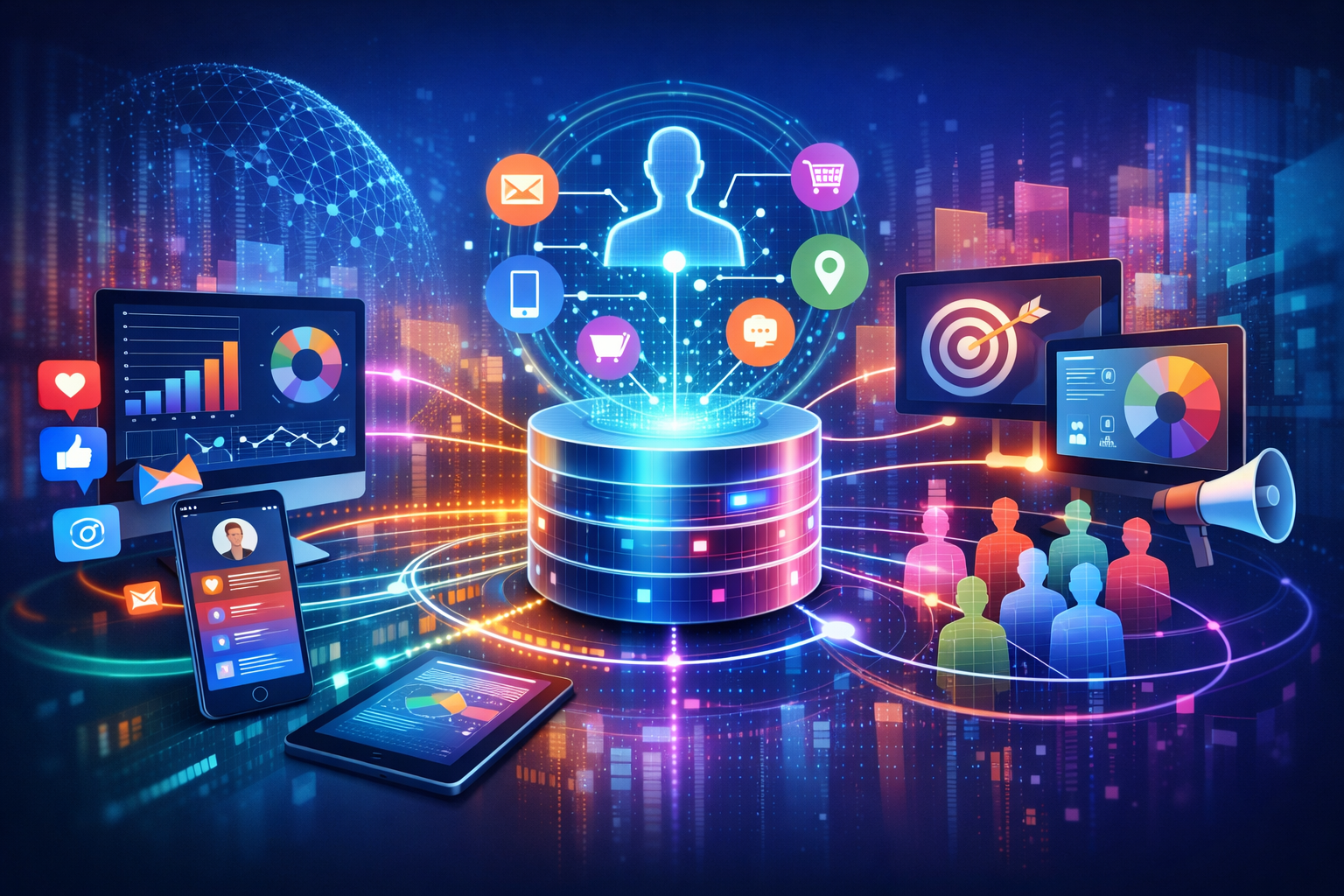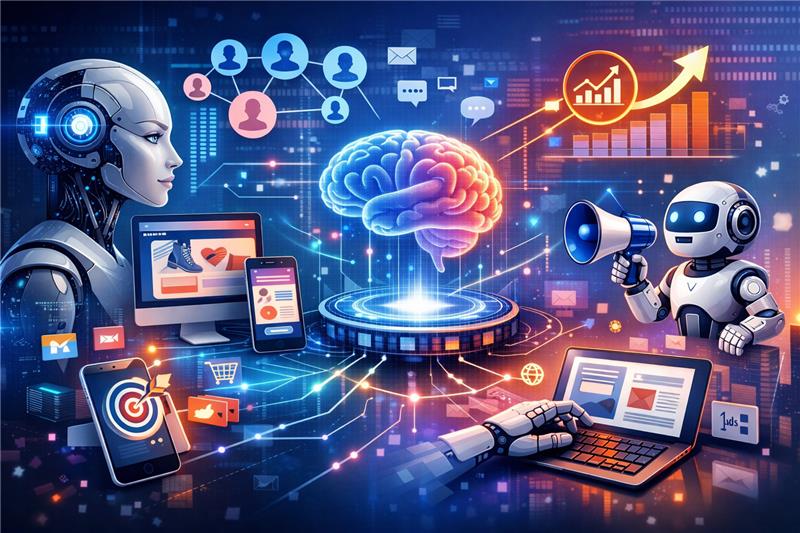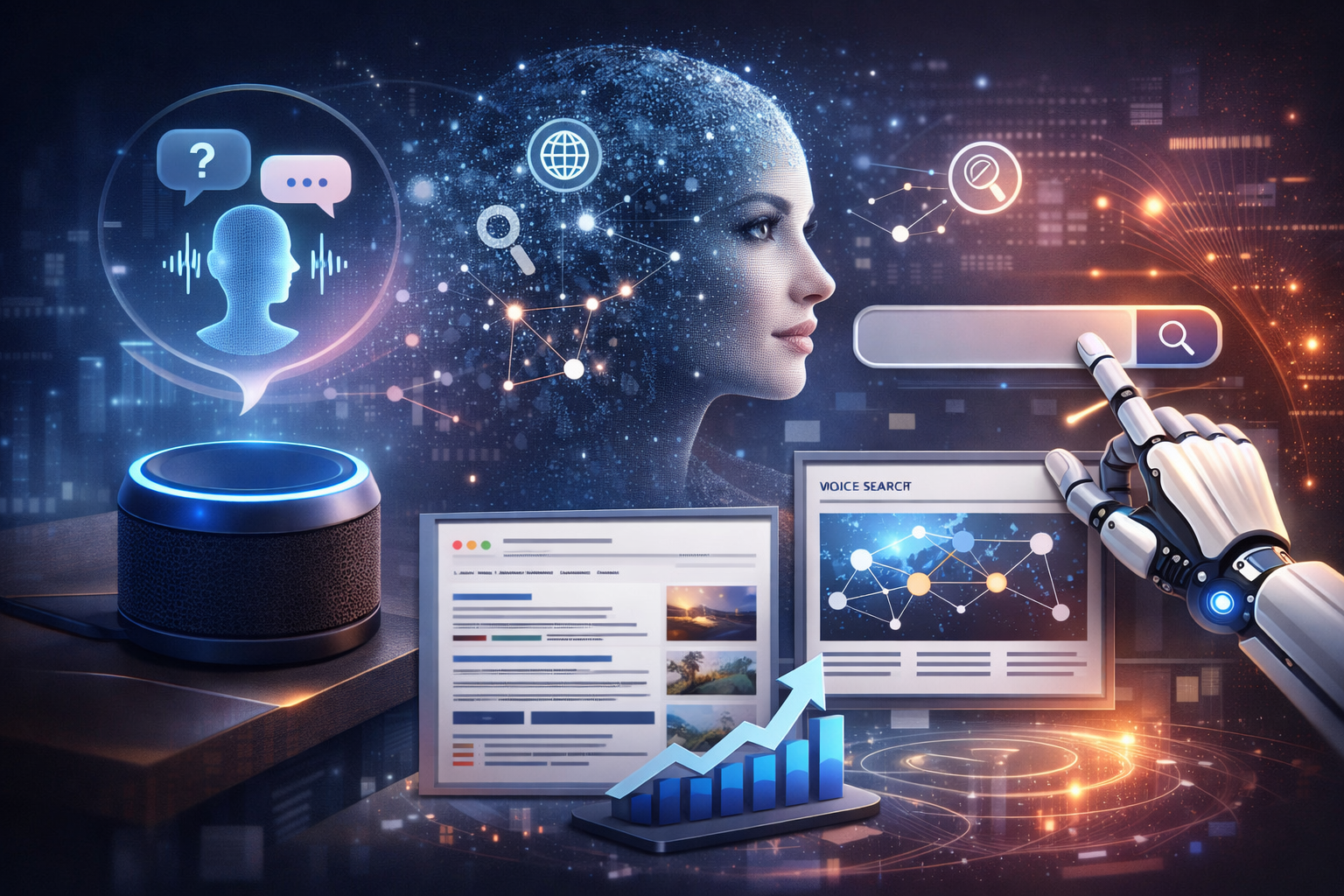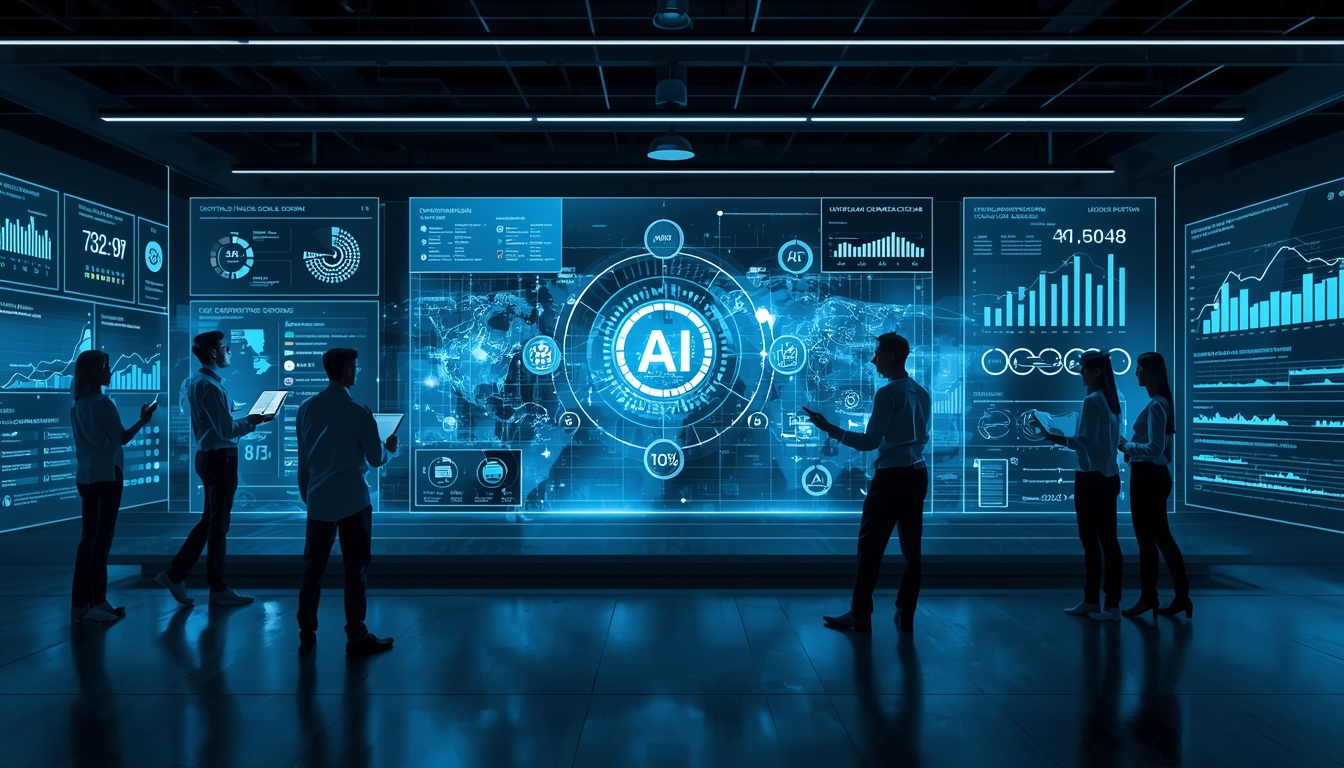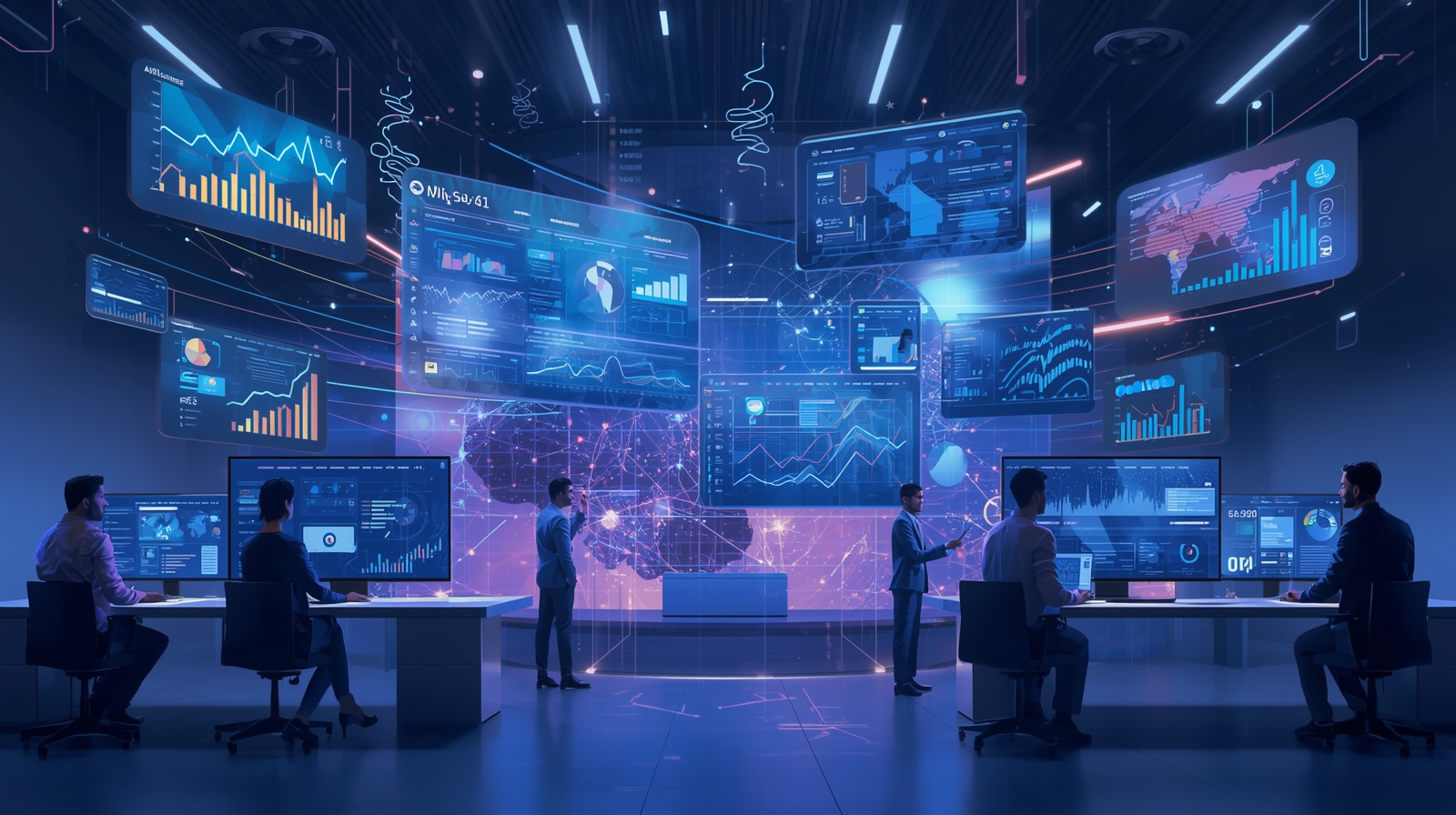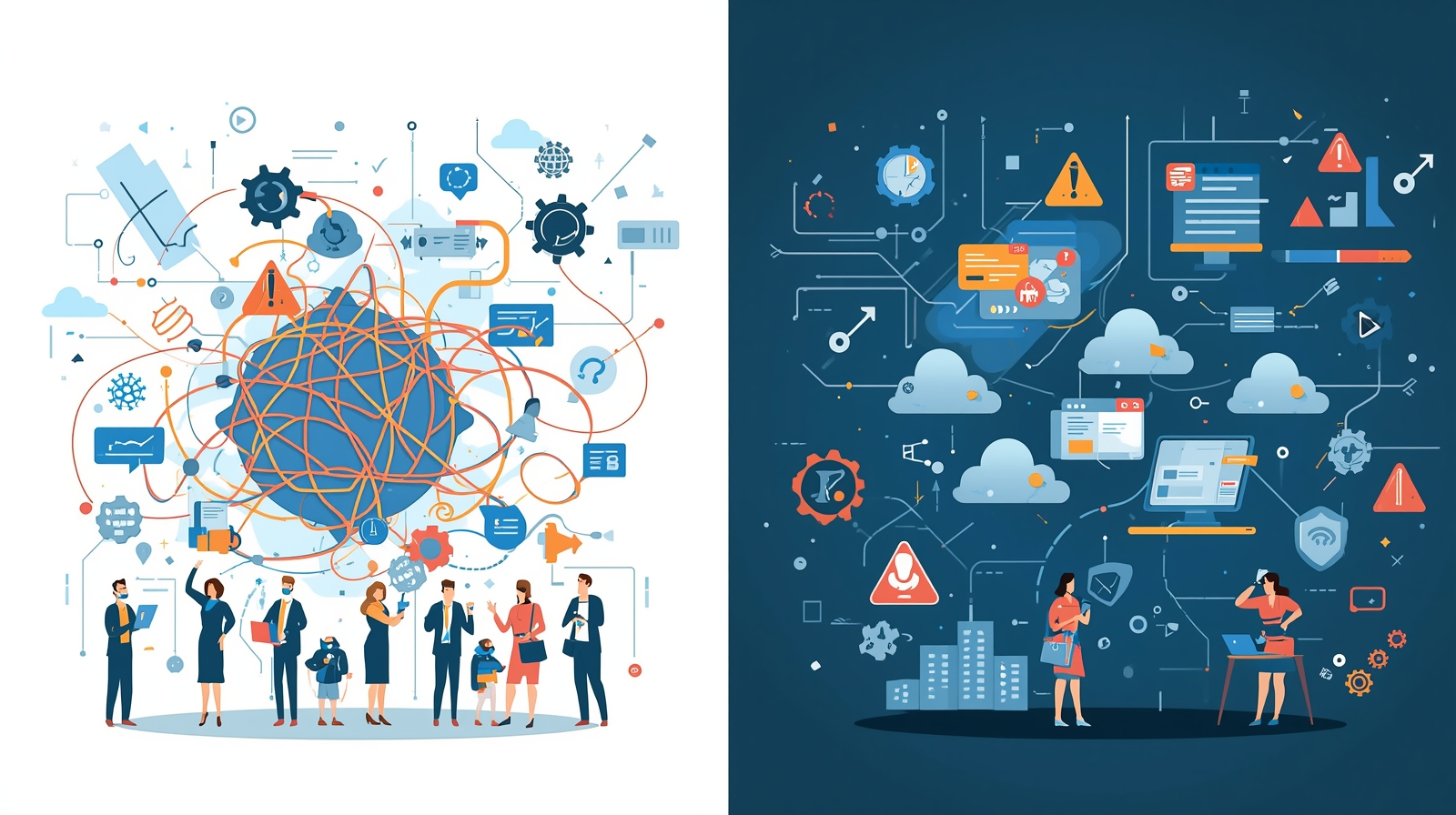
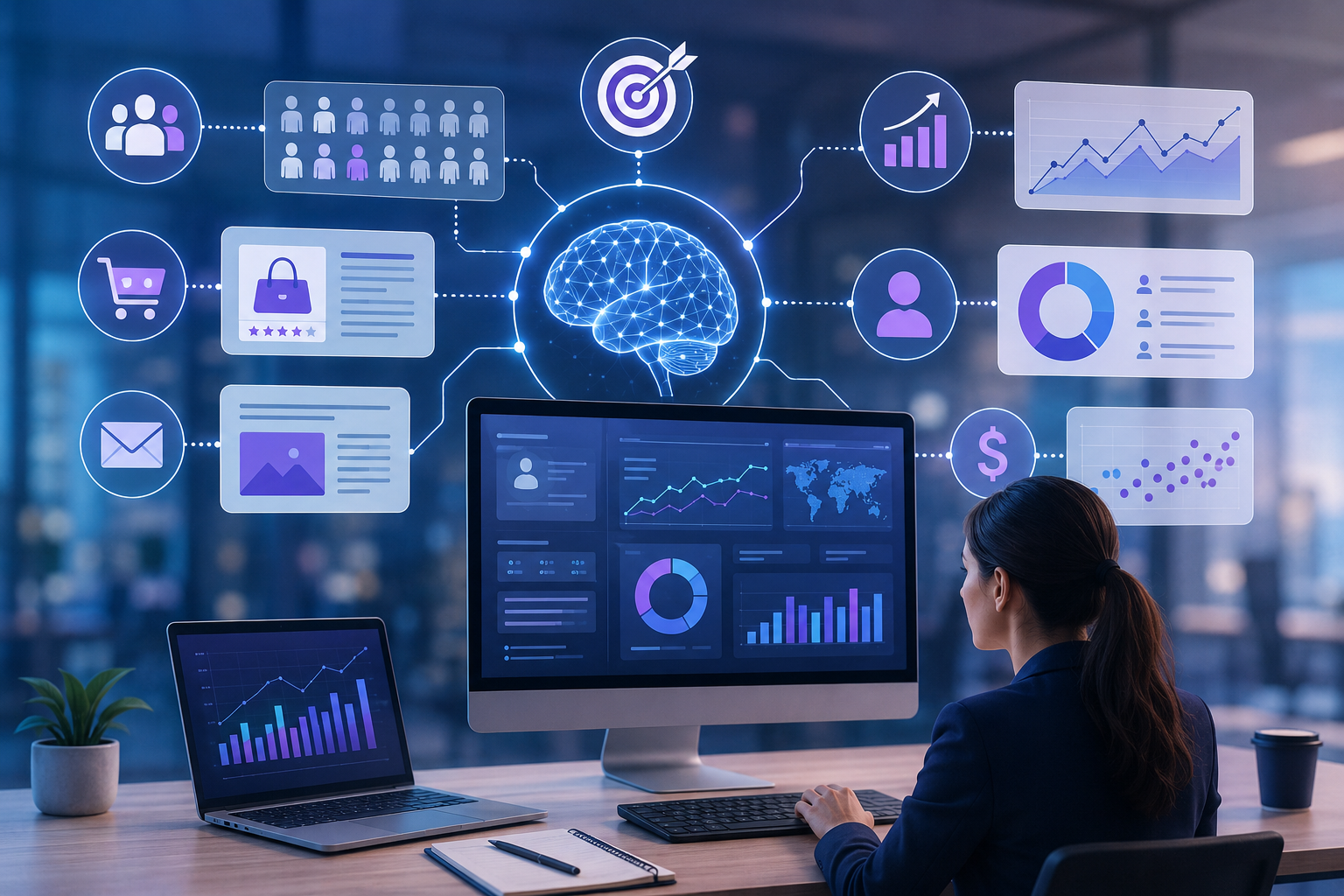
Marketing has evolved from intuition-driven campaigns to data-driven strategies. As customer journeys become increasingly complex and digital interactions generate massive amounts of data, marketers are turning to machine learning (ML) to make faster, smarter, and more accurate decisions. Machine learning is no longer a futuristic concept reserved for technology giants—it has become a practical tool that empowers organizations to optimize campaigns, improve customer experiences, and drive measurable business outcomes.
In today’s competitive landscape, machine learning is transforming how marketing teams analyze data, predict customer behavior, allocate budgets, and personalize engagement at scale.
What Is Machine Learning in Marketing?
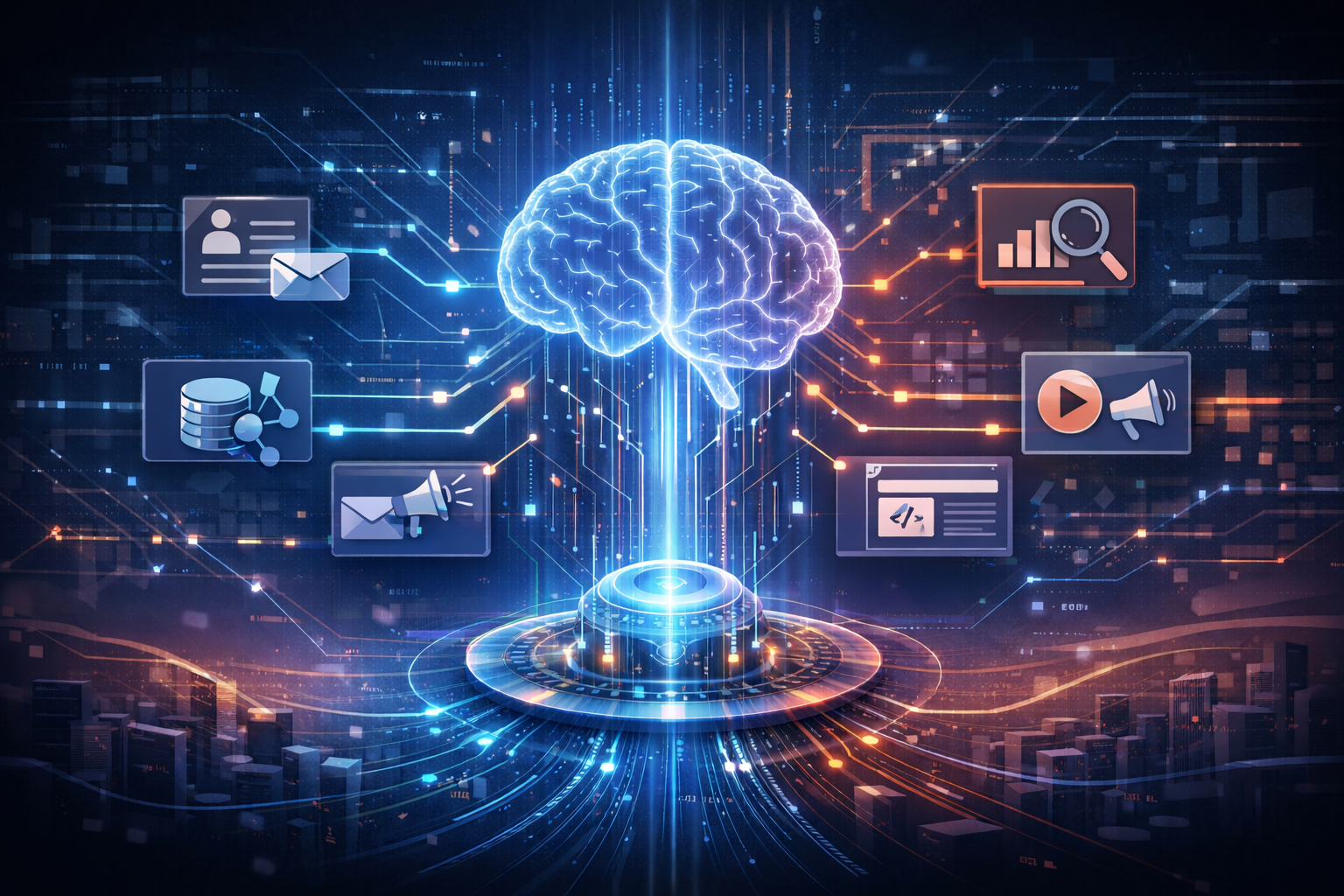
Machine learning is a subset of artificial intelligence that enables systems to learn from data, identify patterns, and improve performance without being explicitly programmed. In marketing, ML algorithms analyze large datasets to uncover insights that would be difficult or impossible for humans to detect manually.
By continuously learning from customer interactions, machine learning helps marketers make informed decisions based on real-time data rather than assumptions.
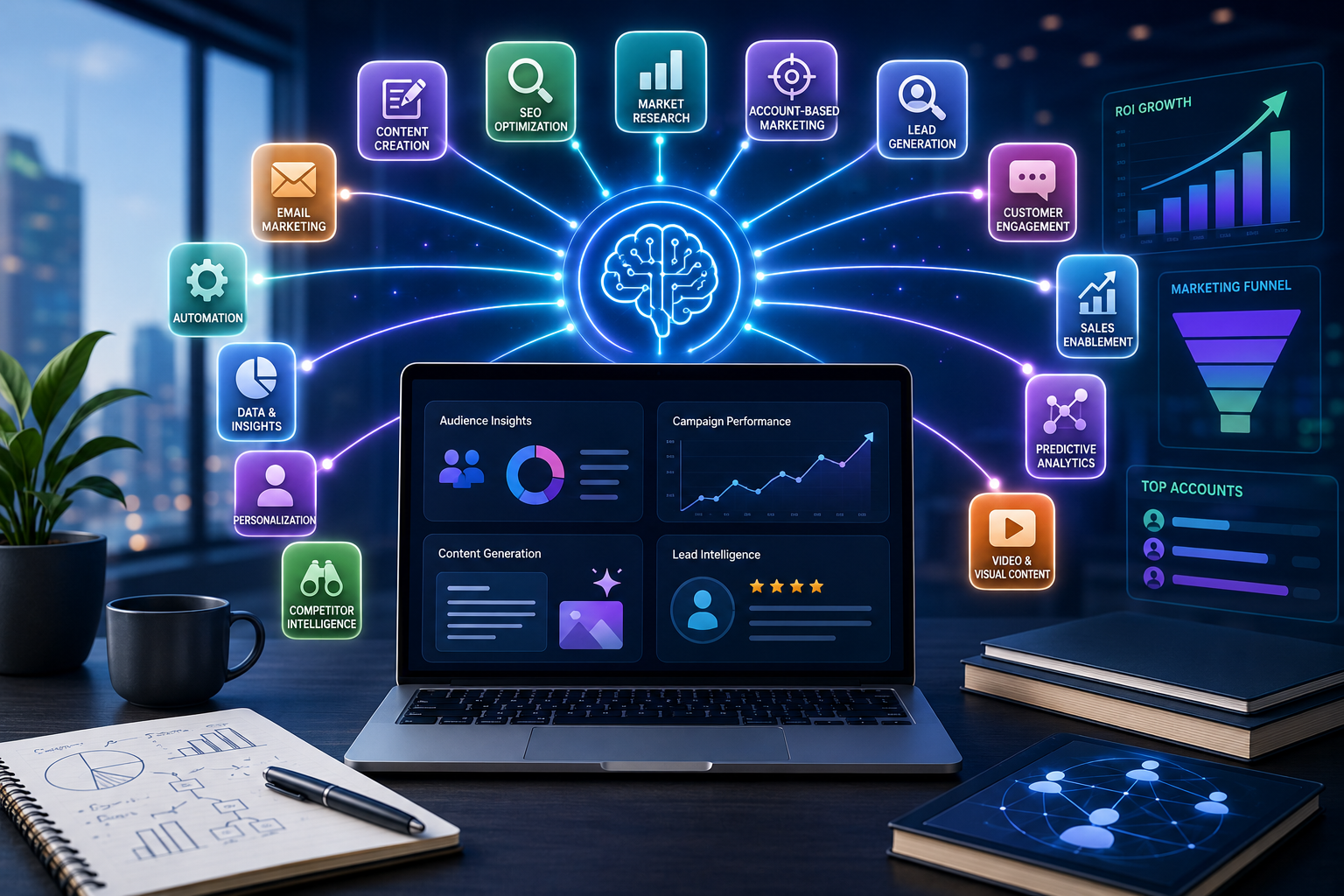
Key Areas Where Machine Learning Is Impacting Marketing Decisions
1. Predictive Customer Analytics
One of the most powerful applications of machine learning is predictive analytics. ML models analyze historical customer data to forecast future behaviors, including:
- Purchase likelihood
- Customer lifetime value (CLV)
- Churn risk
- Upsell and cross-sell opportunities
These insights help marketers prioritize high-value prospects and allocate resources more effectively.
2. Advanced Audience Segmentation
Traditional segmentation often relies on demographic data and predefined categories. Machine learning enhances this process by identifying hidden behavioral patterns across customer datasets.
ML-powered segmentation enables marketers to:
- Create highly targeted customer groups
- Identify emerging audience segments
- Deliver more relevant content
- Improve campaign performance
As customer preferences evolve, machine learning models automatically adapt, ensuring segmentation remains accurate and actionable.
3. Personalization at Scale
Modern buyers expect personalized experiences across every touchpoint. Machine learning enables organizations to deliver tailored recommendations, content, and messaging in real time.
Examples include:
- Dynamic website experiences
- Product recommendations
- Personalized email campaigns
- Customized advertising
By analyzing browsing history, engagement patterns, and purchasing behavior, ML systems can determine the most relevant content for each individual customer.
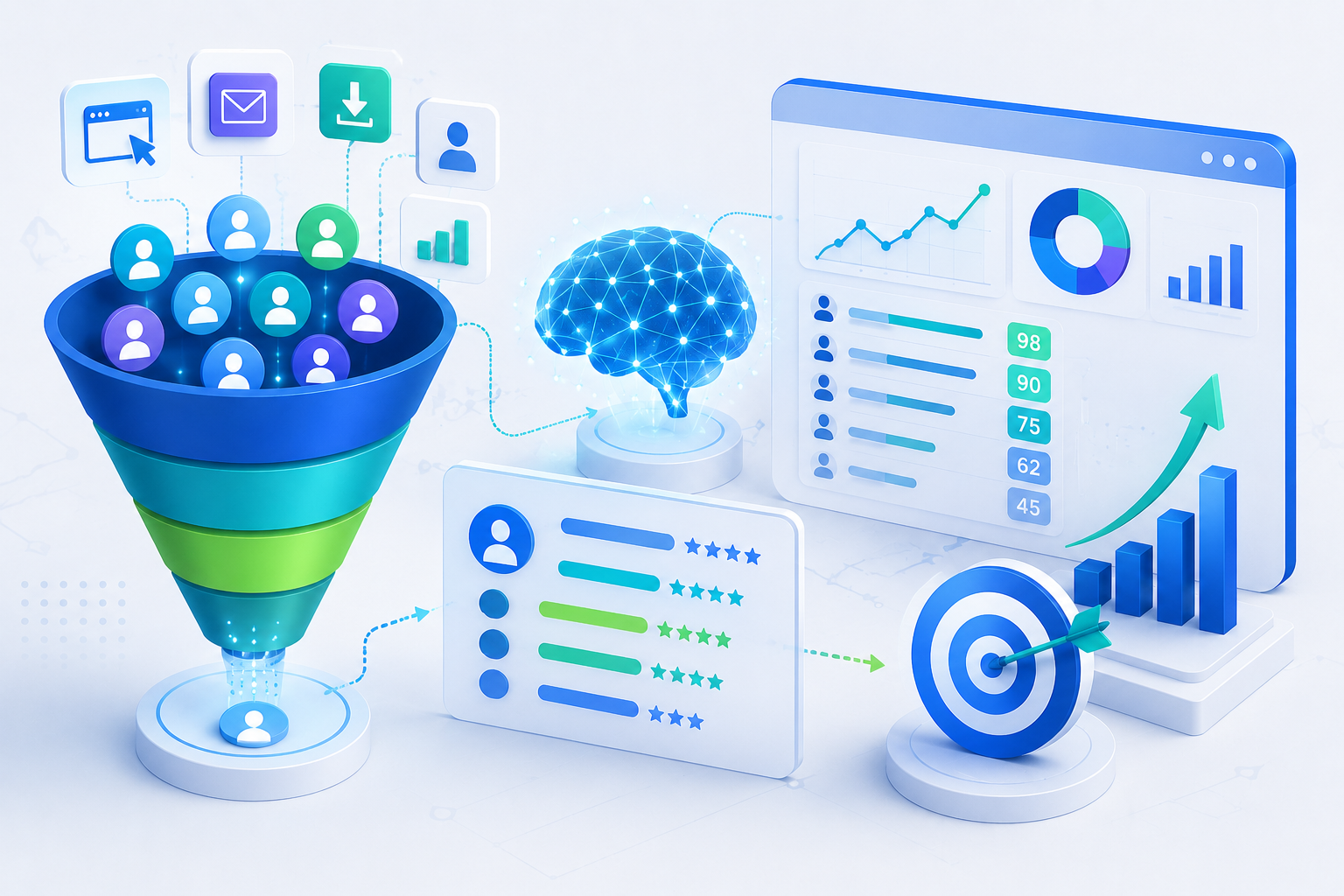
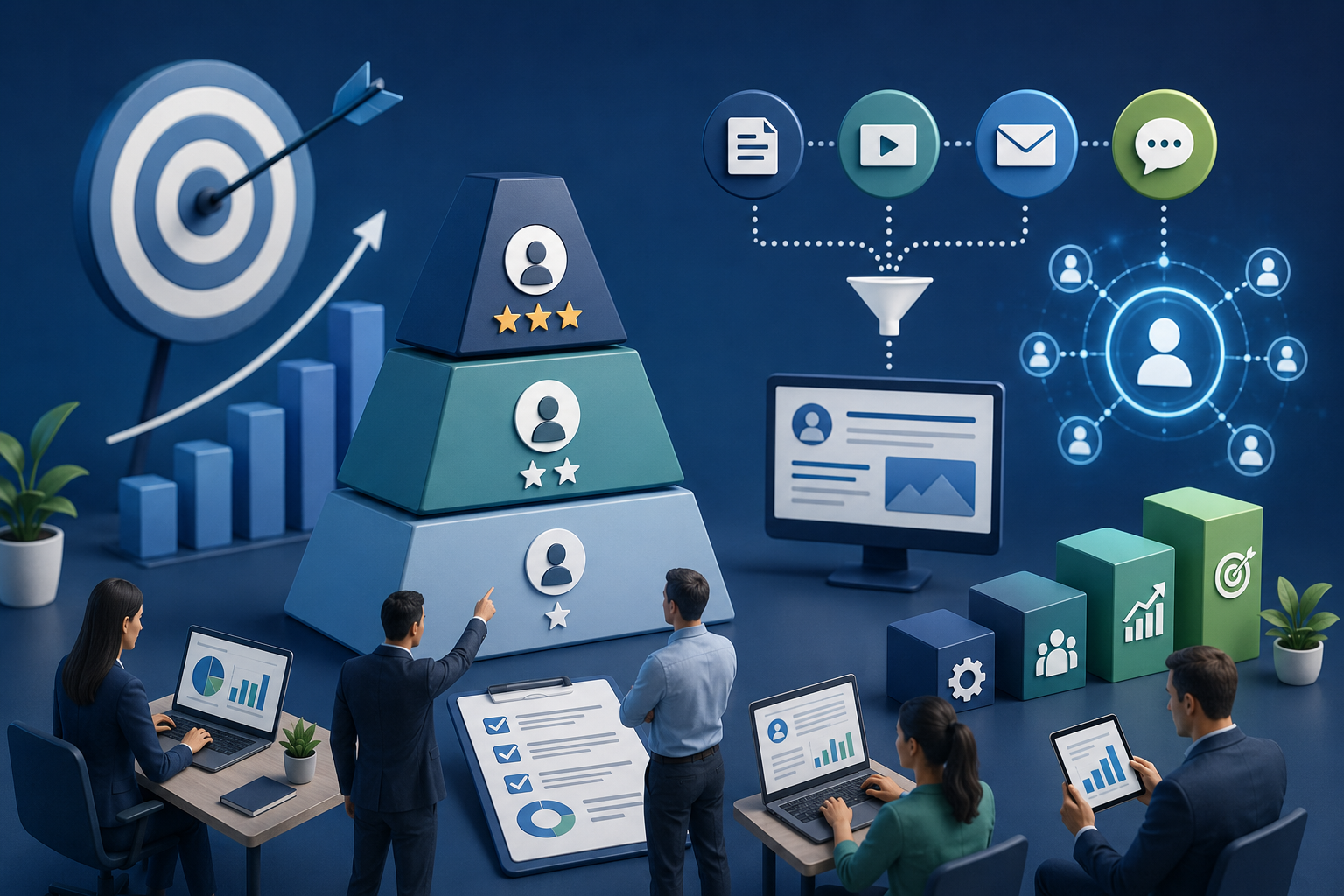
4. Smarter Lead Scoring
Lead qualification is a critical component of B2B marketing success. Traditional lead scoring models often rely on fixed rules that may not accurately reflect buying intent.
Machine learning improves lead scoring by analyzing multiple signals such as:
- Website activity
- Content engagement
- Email interactions
- Company characteristics
- Purchase history
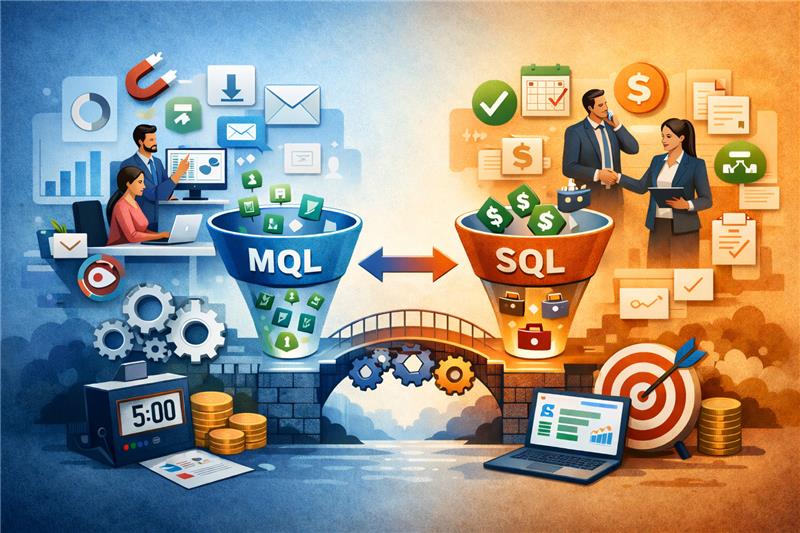
The result is a more accurate assessment of sales readiness, helping marketing and sales teams focus on leads with the highest conversion potential.
5. Campaign Optimization
Marketing teams often struggle to determine which campaigns, channels, and messages are delivering the best results.
Machine learning helps optimize campaign performance by:
- Identifying high-performing channels
- Predicting campaign outcomes
- Adjusting bids in real time
- Recommending budget allocation strategies
This allows organizations to maximize return on investment while reducing wasted marketing spend.
Machine Learning and Marketing Attribution
Attribution remains one of the biggest challenges in modern marketing. Customers engage with multiple channels before making a purchase, making it difficult to determine which touchpoints influenced the final decision.
Machine learning-powered attribution models can:
- Analyze complex customer journeys
- Assign value to multiple interactions
- Identify influential channels
- Improve budget planning
These capabilities provide marketers with a more accurate understanding of what drives conversions and revenue.
Benefits of Machine Learning for Marketing Leaders
Faster Decision-Making
ML systems process massive volumes of data in seconds, enabling marketers to respond quickly to changing market conditions.
Improved Accuracy
Machine learning reduces reliance on assumptions and manual analysis, leading to more reliable insights.
Enhanced Customer Experience
Personalized interactions increase customer satisfaction, engagement, and loyalty.
Better Resource Allocation
Predictive insights help organizations invest in strategies and channels with the highest potential return.
Increased Revenue Growth
More effective targeting, personalization, and campaign optimization contribute directly to improved business performance.
Challenges Organizations Must Address
While machine learning offers significant benefits, successful implementation requires careful planning.
Common challenges include:
Data Quality Issues
Machine learning models are only as effective as the data they receive. Inaccurate, incomplete, or outdated information can reduce performance.
Privacy and Compliance Requirements
Organizations must ensure compliance with evolving data privacy regulations while maintaining transparency with customers.
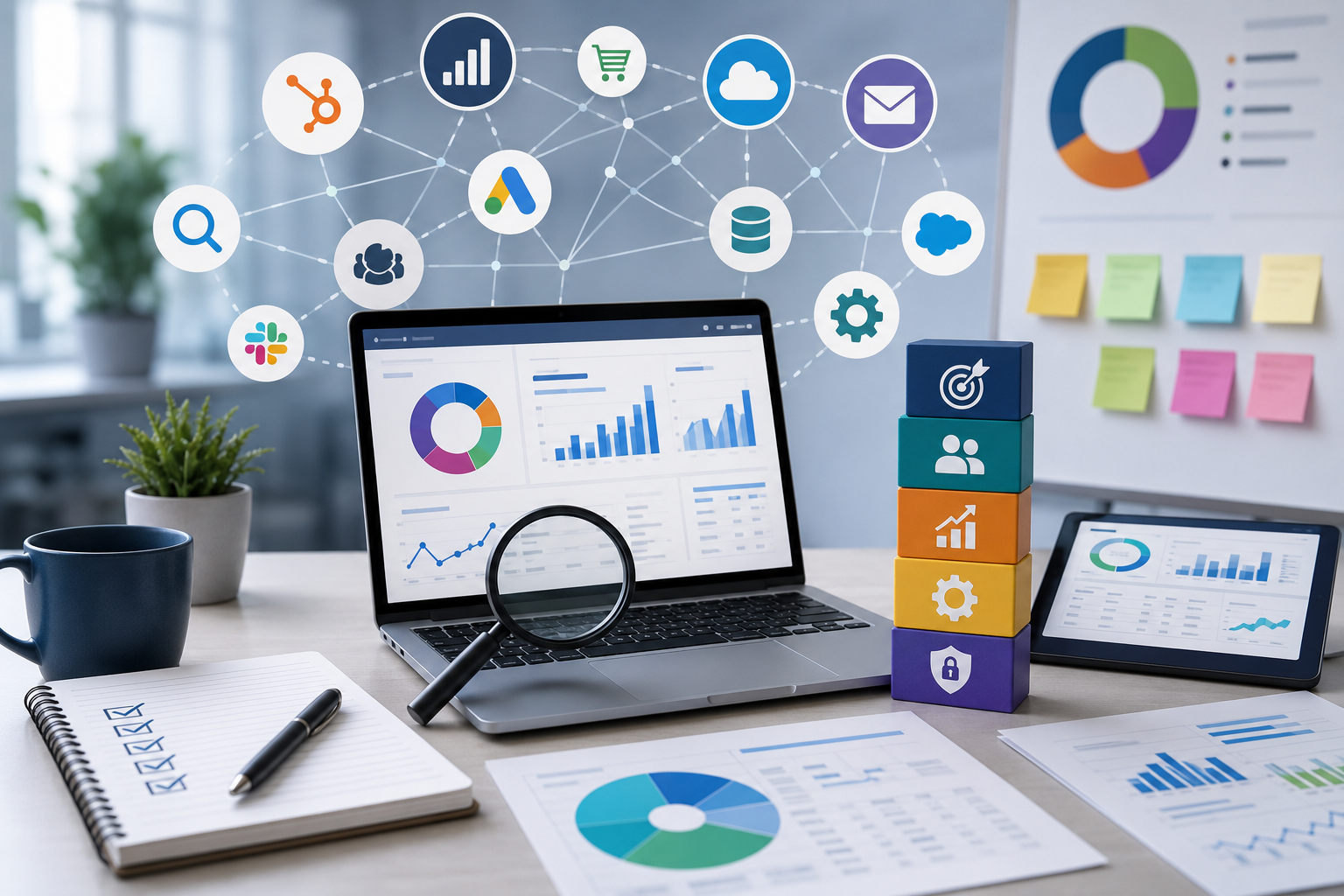
Technology Integration
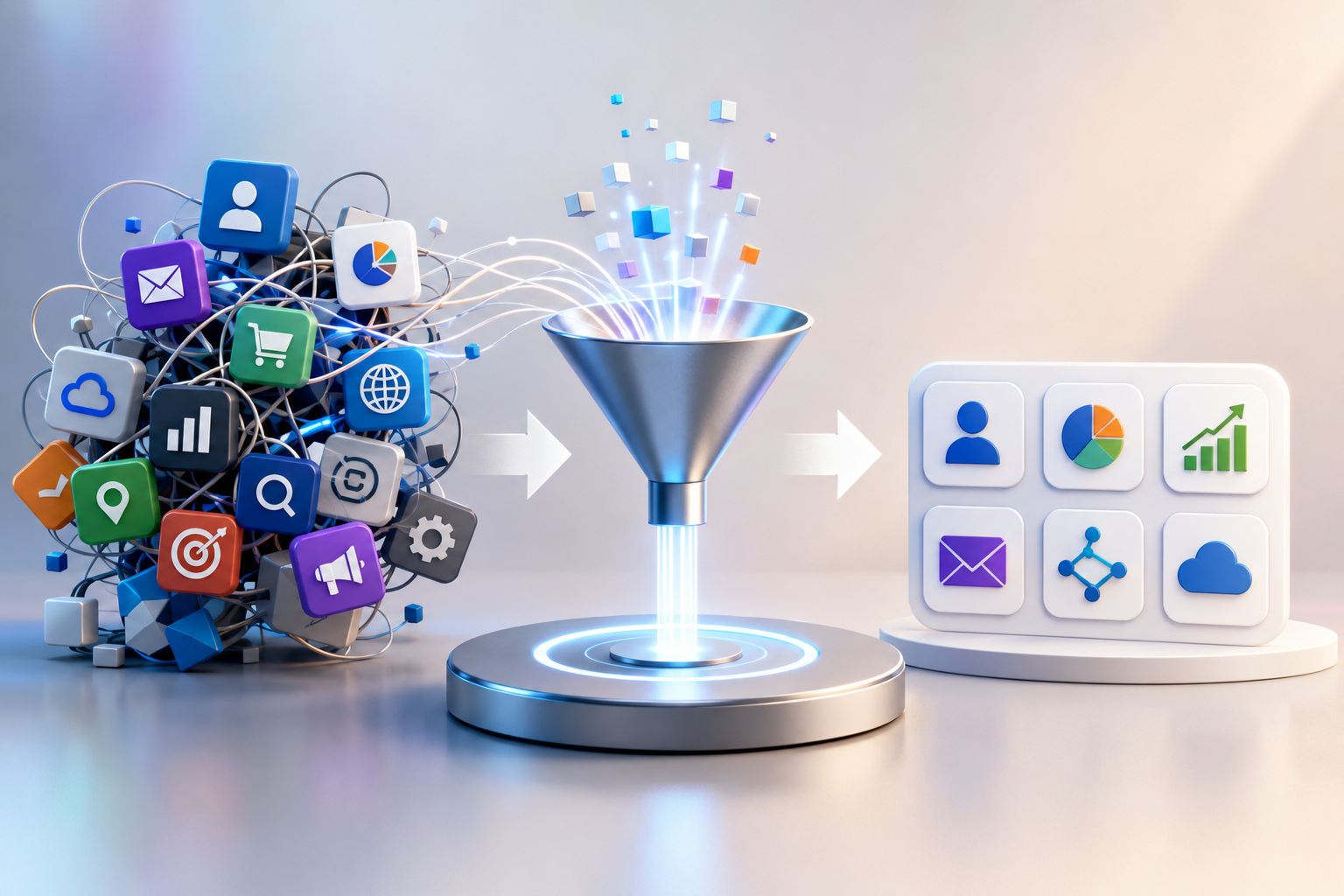
Many businesses operate multiple marketing platforms, making data integration a complex task.
Skills and Expertise Gaps
Marketing teams may require additional training to effectively leverage ML-powered technologies and interpret insights.
Best Practices for Adopting Machine Learning in Marketing
Organizations looking to implement machine learning should consider the following steps:
- Establish clear business objectives.
- Invest in high-quality data management practices.
- Start with focused use cases such as lead scoring or predictive analytics.
- Continuously monitor model performance.
- Foster collaboration between marketing, sales, analytics, and IT teams.
- Prioritize transparency and ethical AI practices.
The Future of Machine Learning in Marketing
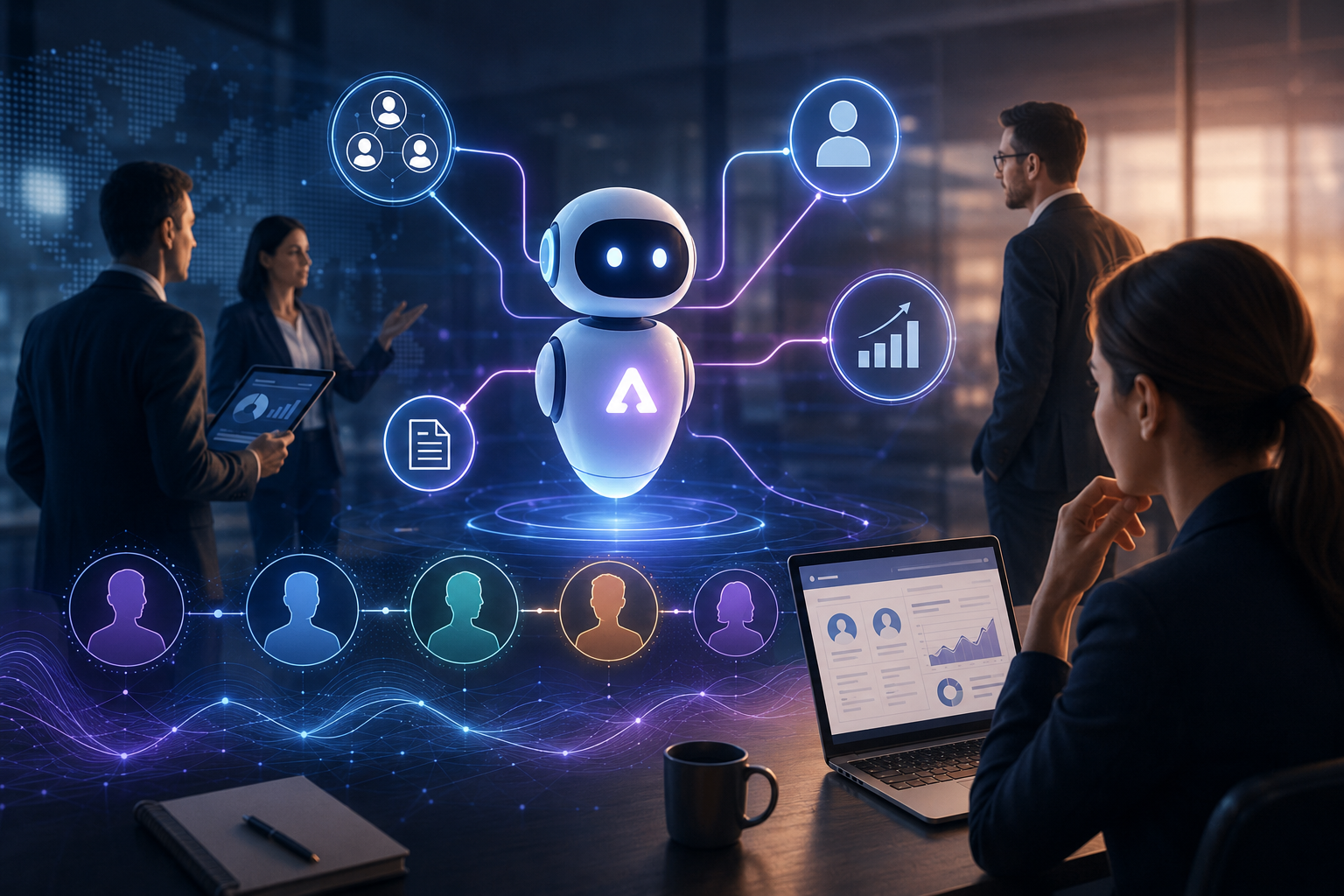
As machine learning technologies continue to mature, their role in marketing decision-making will expand significantly. Emerging capabilities such as real-time personalization, autonomous campaign management, predictive customer journey orchestration, and AI-powered content optimization are expected to reshape the marketing landscape.
Organizations that embrace machine learning today will be better positioned to adapt to changing customer expectations, improve operational efficiency, and gain a competitive advantage in increasingly data-driven markets.
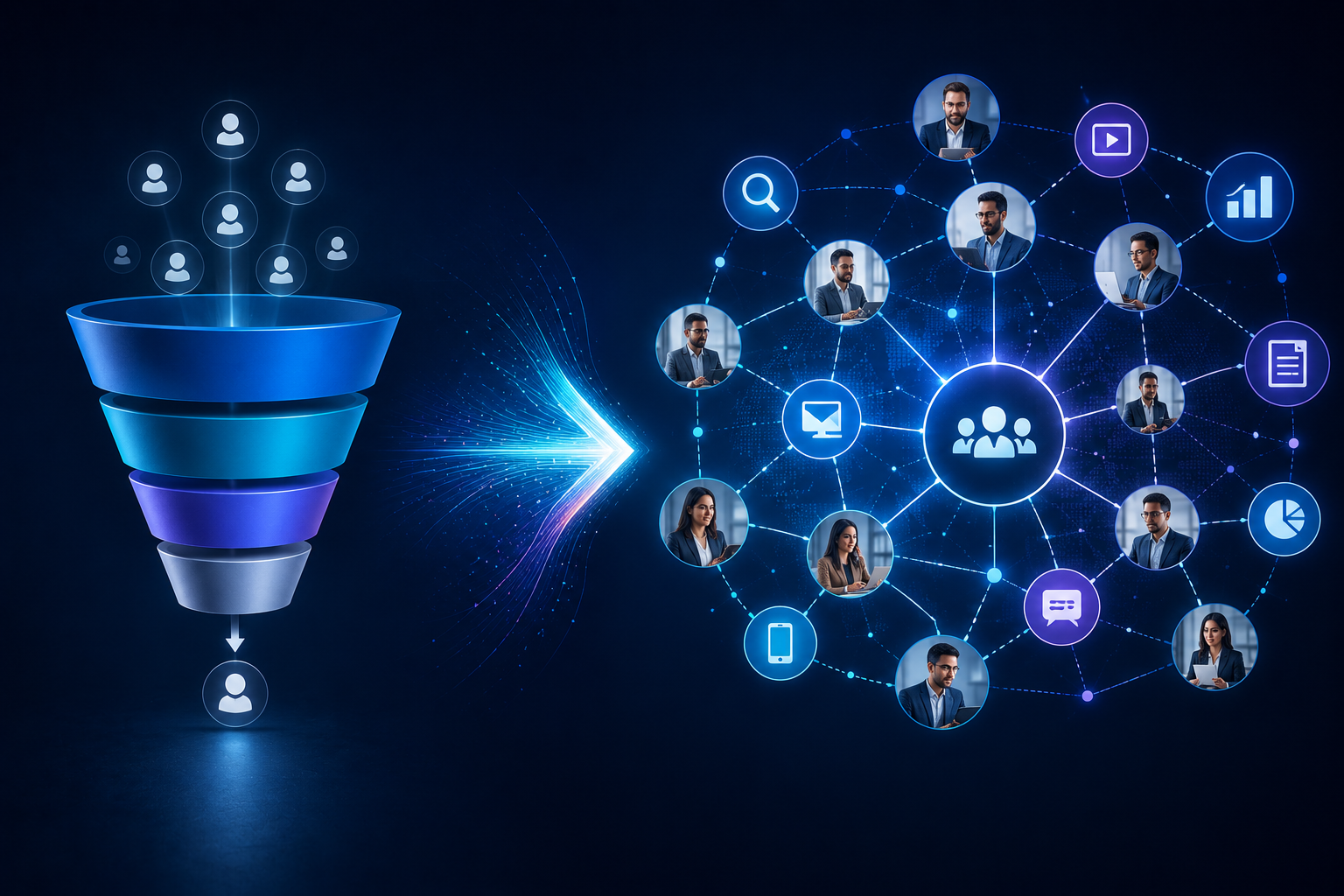
Read Also: The Evolution of B2B Buyer Journeys: From Linear Funnels to Dynamic Decision Networks