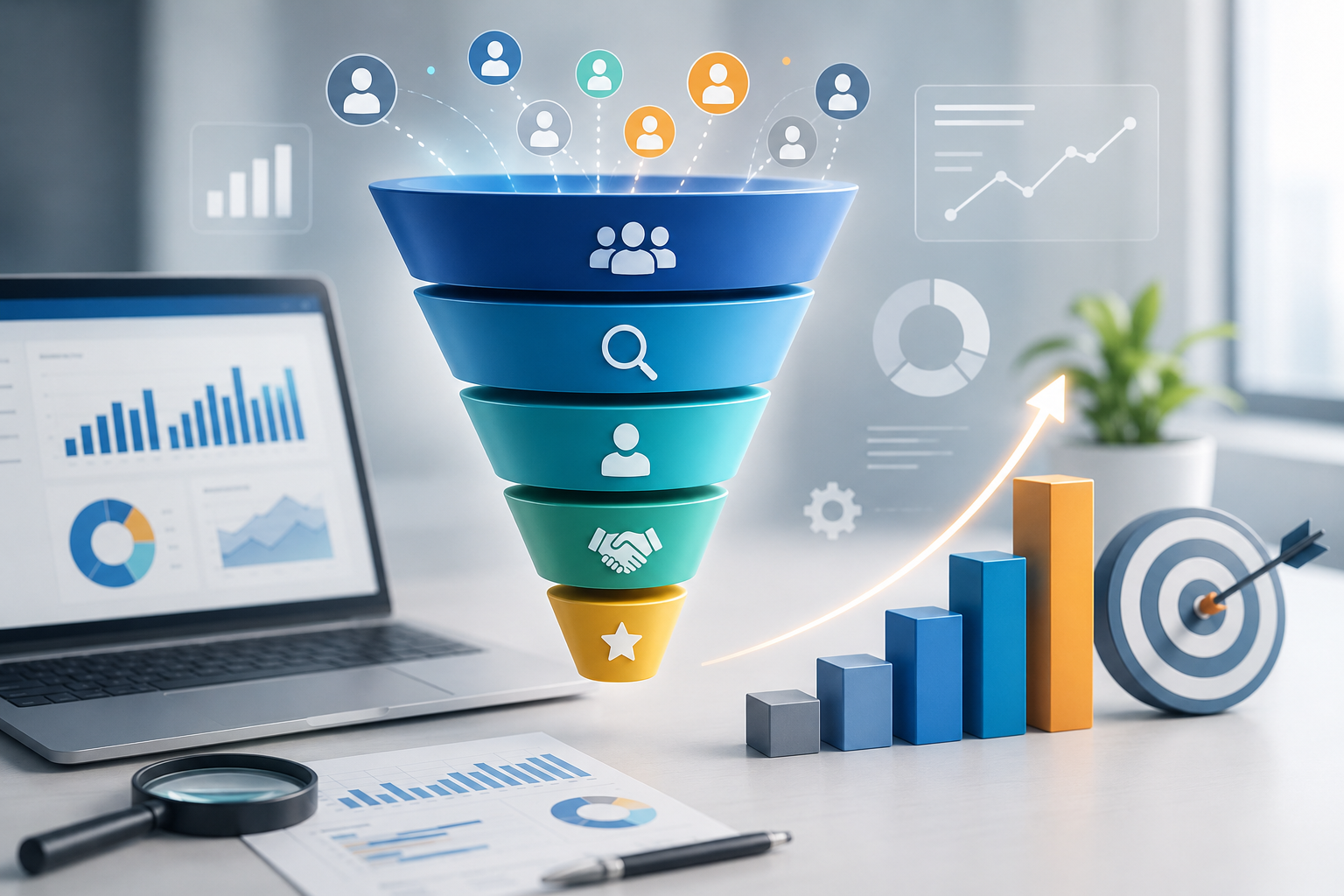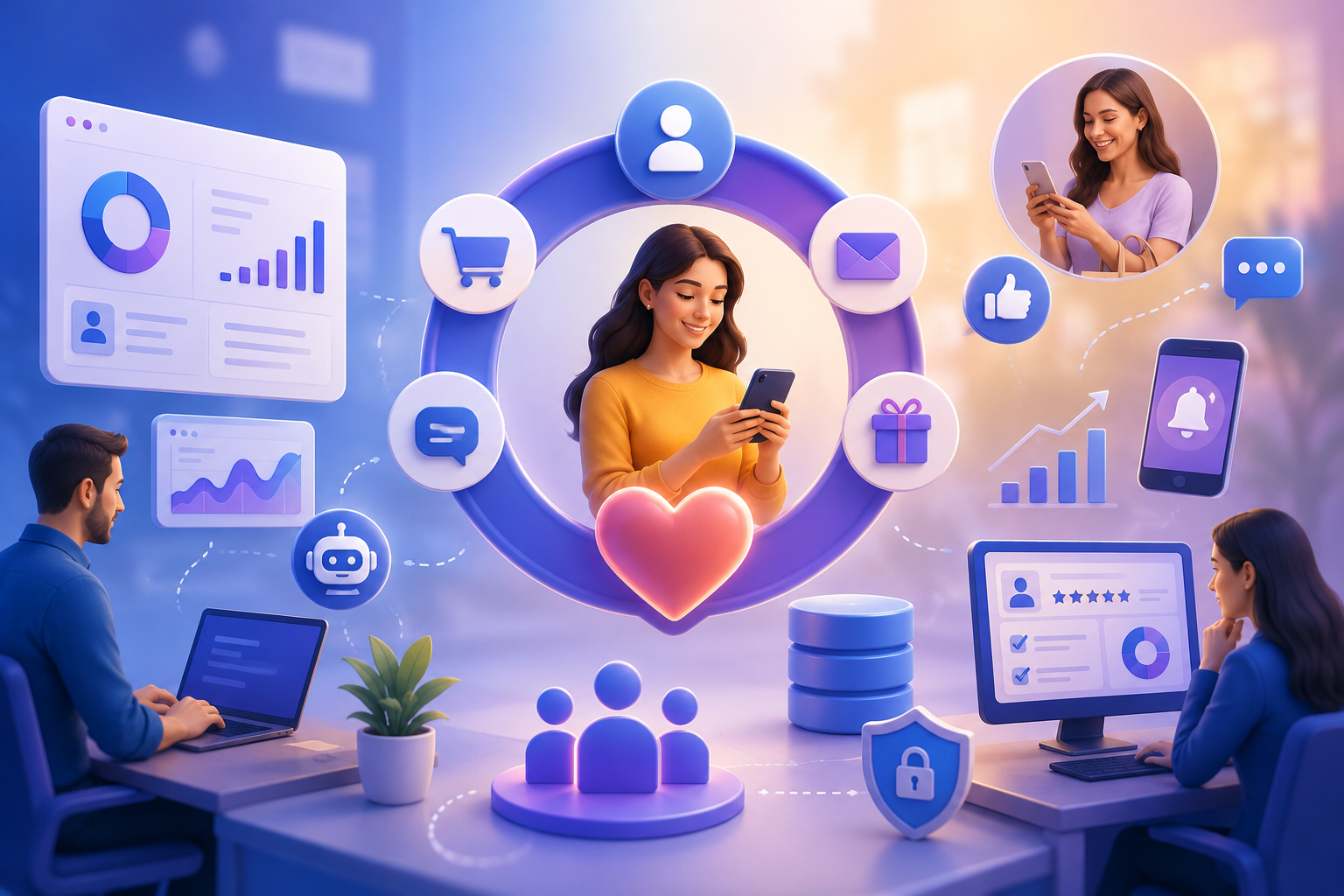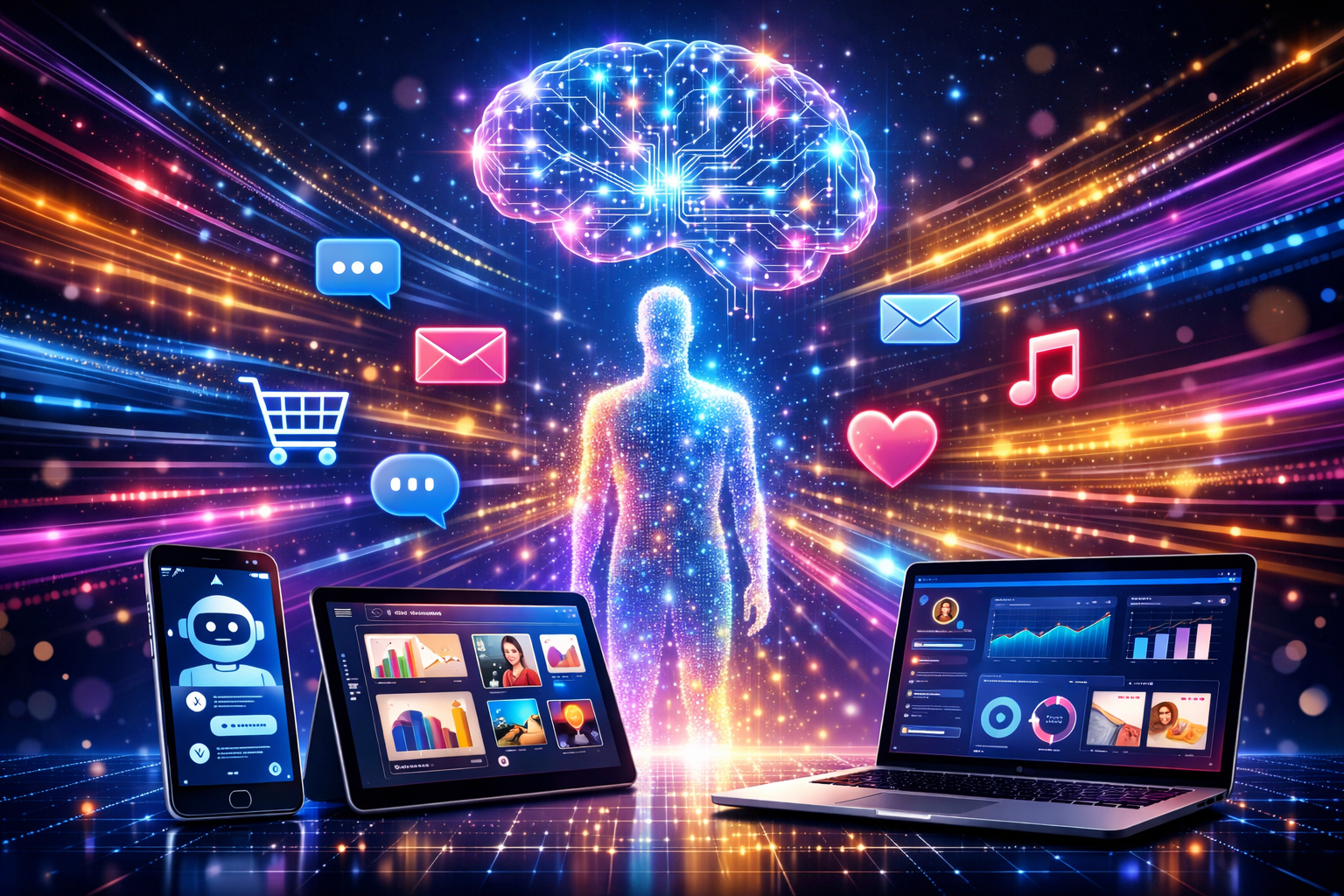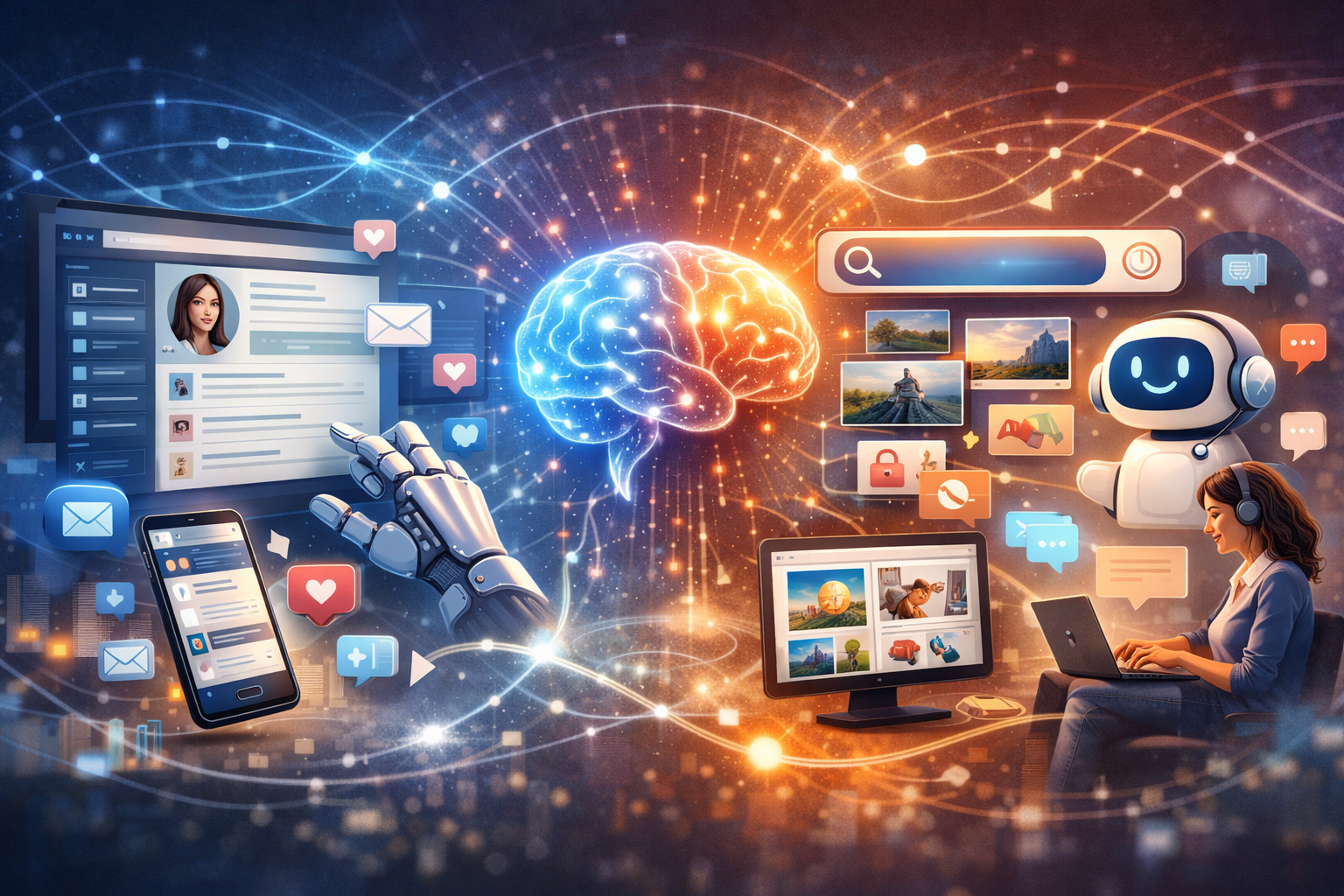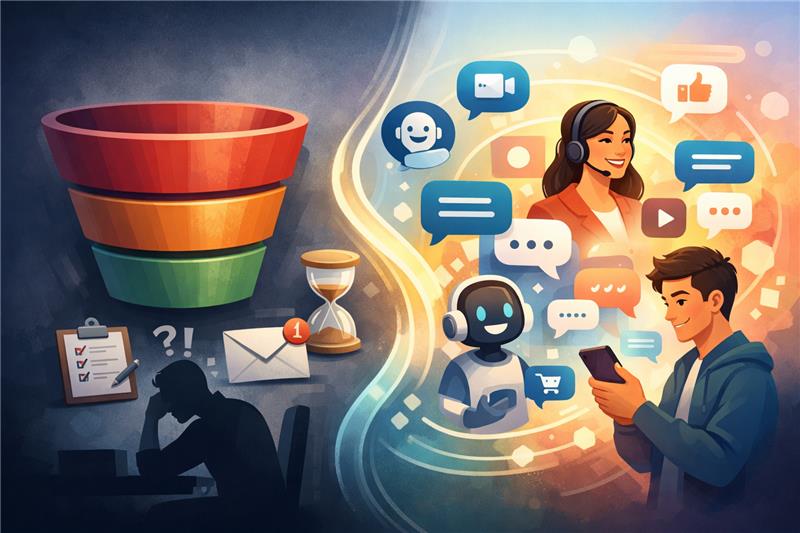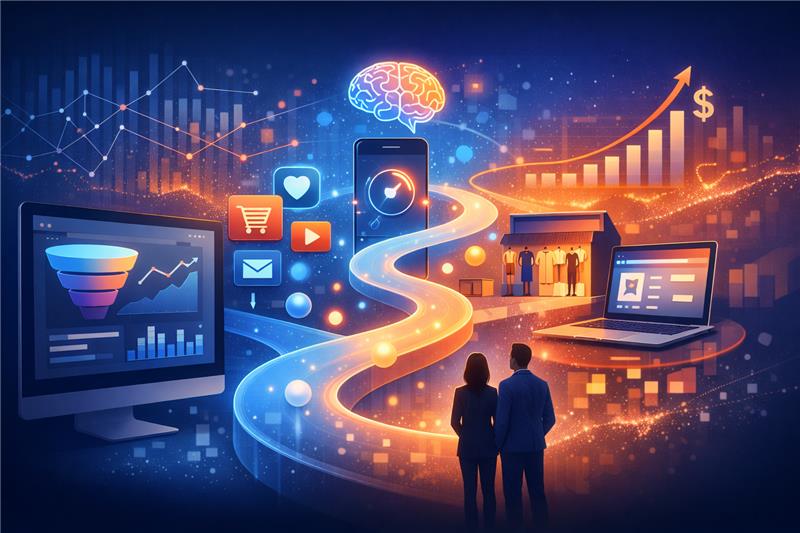

Modern customers expect brands to understand their preferences, anticipate their needs, and deliver relevant experiences across every touchpoint. Generic marketing messages are increasingly ignored, while personalized interactions drive higher engagement, stronger loyalty, and improved business outcomes.
For enterprise organizations serving millions of customers across multiple channels, personalization presents both an opportunity and a challenge. The key question is no longer whether to personalize marketing efforts, but how to do so effectively at scale.
This article explores the concept of personalization at scale, its business impact, implementation strategies, challenges, and best practices for enterprise marketing teams.
What Is Personalization at Scale?
Personalization at scale refers to the ability of an organization to deliver tailored content, offers, recommendations, and experiences to large audiences in real time, without relying on manual intervention for every customer interaction.
Unlike traditional segmentation, which groups customers into broad categories, personalization at scale leverages customer data, analytics, automation, and artificial intelligence (AI) to create highly relevant experiences for individuals or micro-segments.
Examples include:
- Product recommendations based on browsing history
- Dynamic website content customized to visitor behavior
- Personalized email campaigns triggered by customer actions
- Location-specific promotions
- AI-driven customer journey orchestration
- Predictive offers based on purchase intent
The goal is to make every customer feel understood while maintaining operational efficiency across millions of interactions.
Why Personalization Matters More Than Ever
Today’s consumers interact with brands through multiple channels, including websites, mobile apps, social media, email, and customer support platforms. They expect consistency and relevance across all these touchpoints.
Personalization delivers several key benefits:
Improved Customer Engagement
Relevant content captures attention more effectively than generic messaging. Customers are more likely to interact with communications that align with their interests and needs.
Higher Conversion Rates
Personalized product recommendations and targeted offers help customers discover solutions that match their preferences, leading to increased conversions.
Stronger Customer Loyalty
When customers feel recognized and valued, they are more likely to remain loyal to a brand and advocate for it within their networks.
Increased Marketing Efficiency
By focusing resources on relevant audiences, enterprises can reduce wasted marketing spend and improve return on investment (ROI).
The Foundation: Data-Driven Marketing
Personalization at scale begins with data.
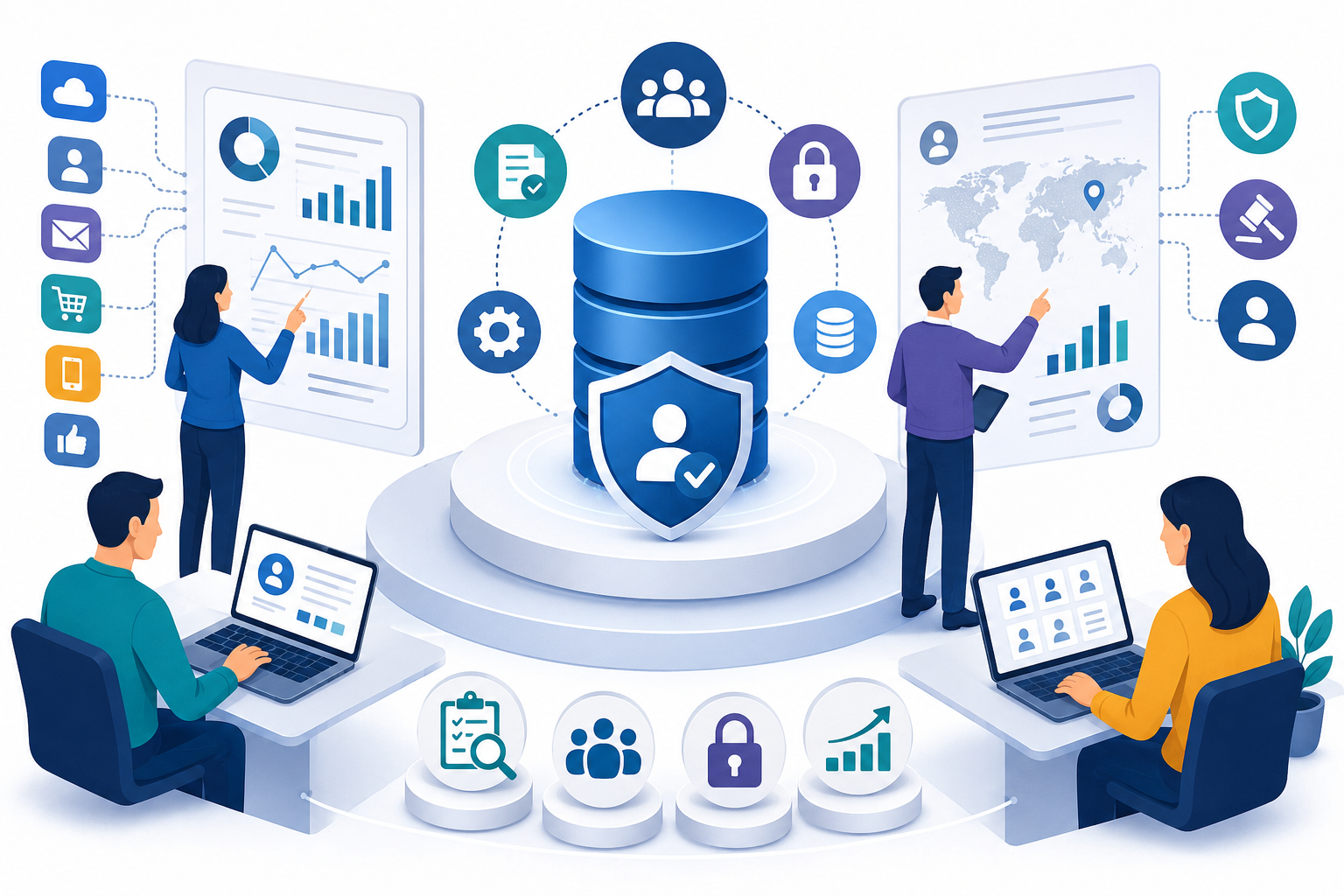
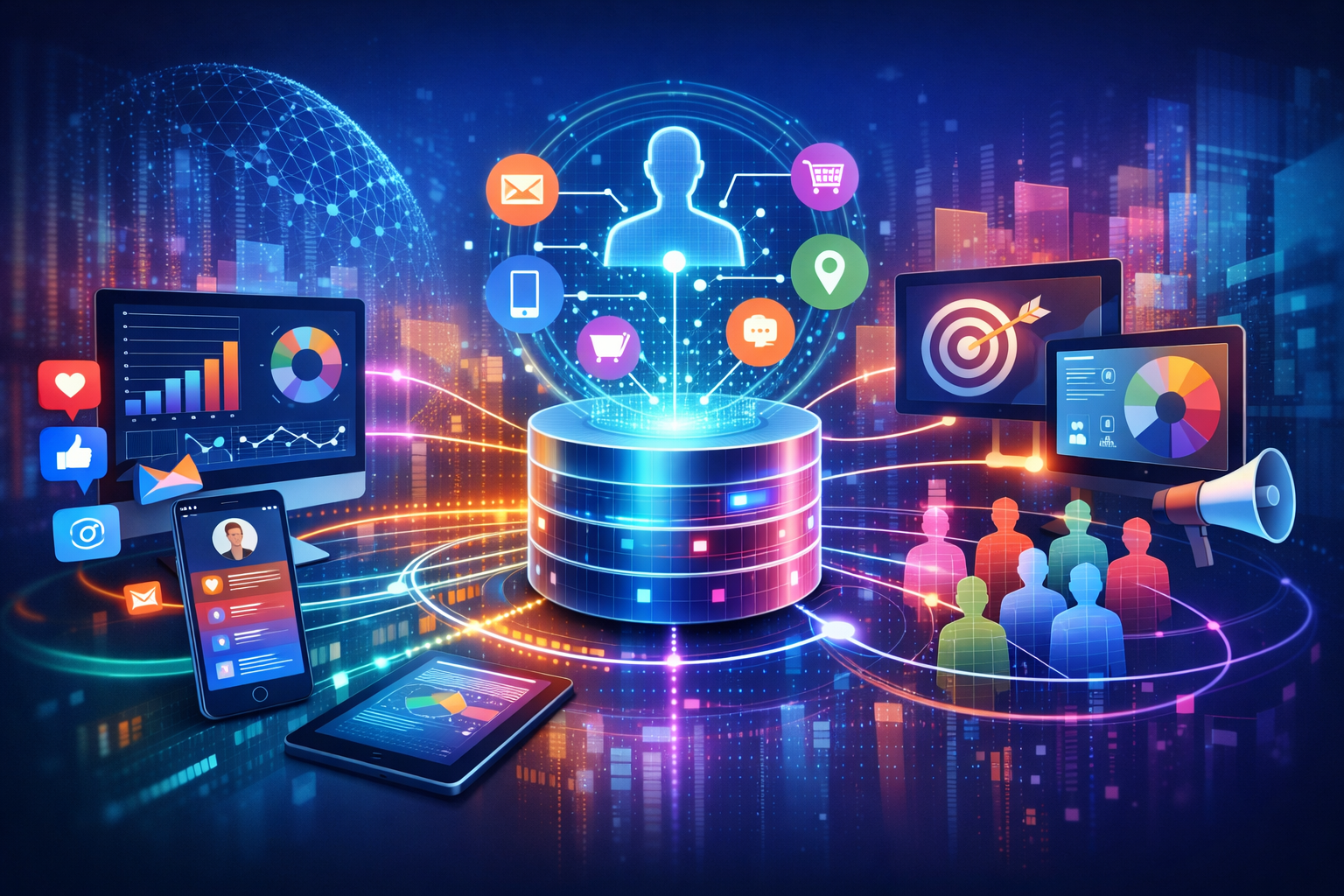
Enterprise marketers must unify information from multiple sources, including:
- Customer Relationship Management (CRM) systems
- Website analytics
- Mobile applications
- E-commerce platforms
- Loyalty programs
- Customer service interactions
- Social media engagement
- Third-party data sources
A comprehensive customer view enables marketers to understand:
- Demographic characteristics
- Behavioral patterns
- Purchase history
- Channel preferences
- Engagement levels
- Intent signals
The more accurate and complete the customer profile, the more relevant the personalized experience becomes.
The Role of AI and Machine Learning
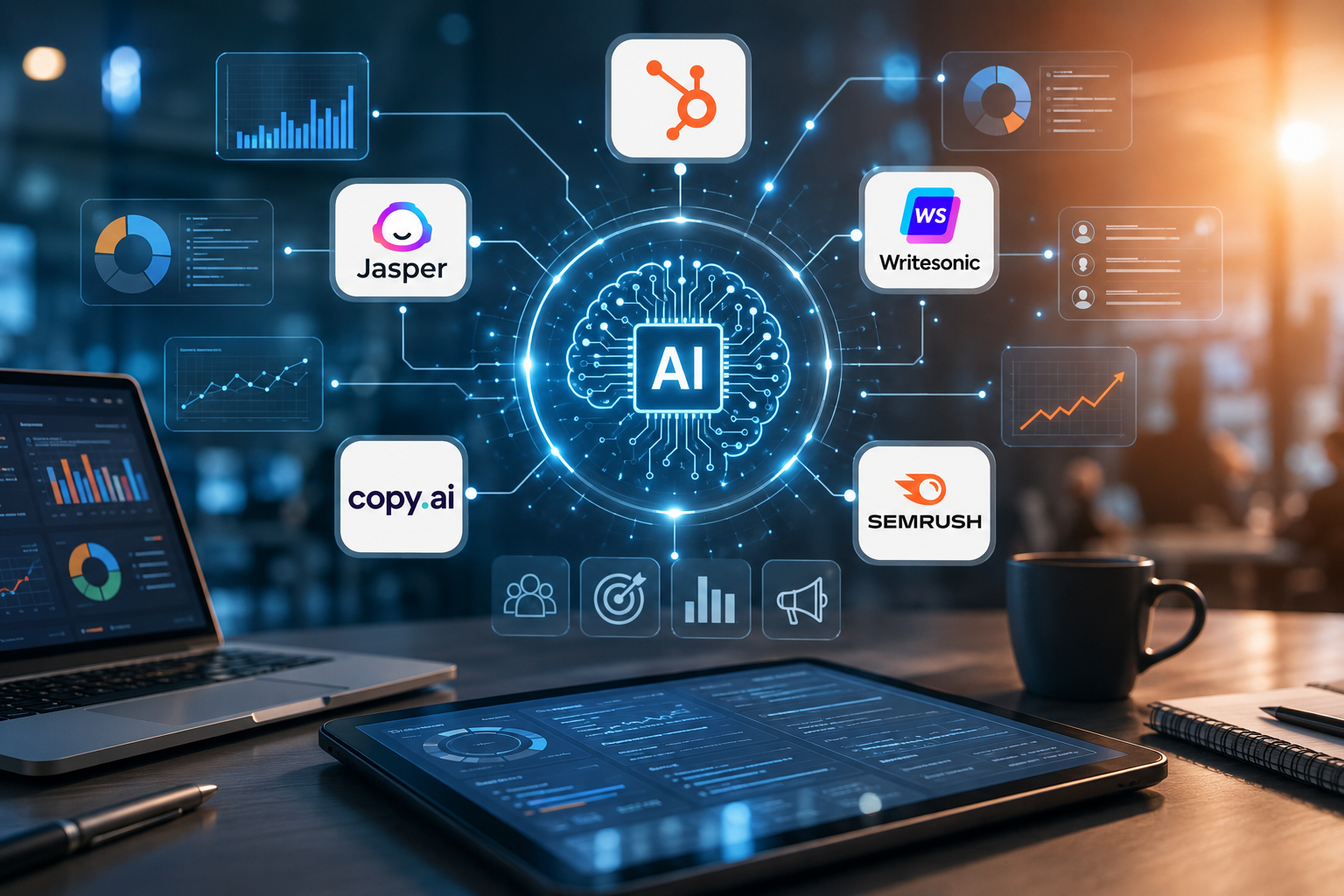
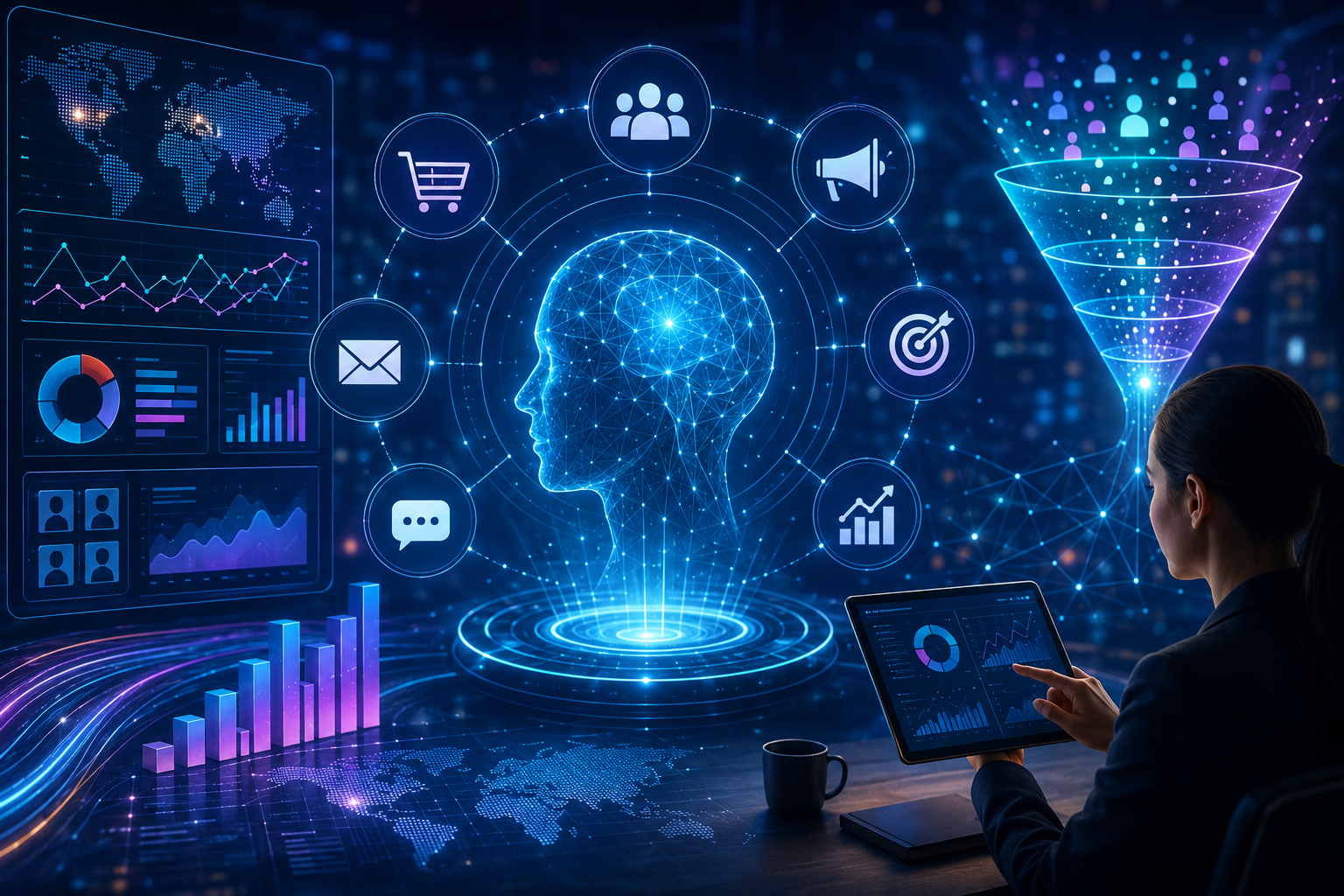
Artificial intelligence has become a critical enabler of enterprise-scale personalization.
Traditional rule-based approaches struggle to process vast amounts of customer data and changing behaviors. AI-powered systems can continuously analyze data and make decisions in real time.
Key AI applications include:
Predictive Analytics
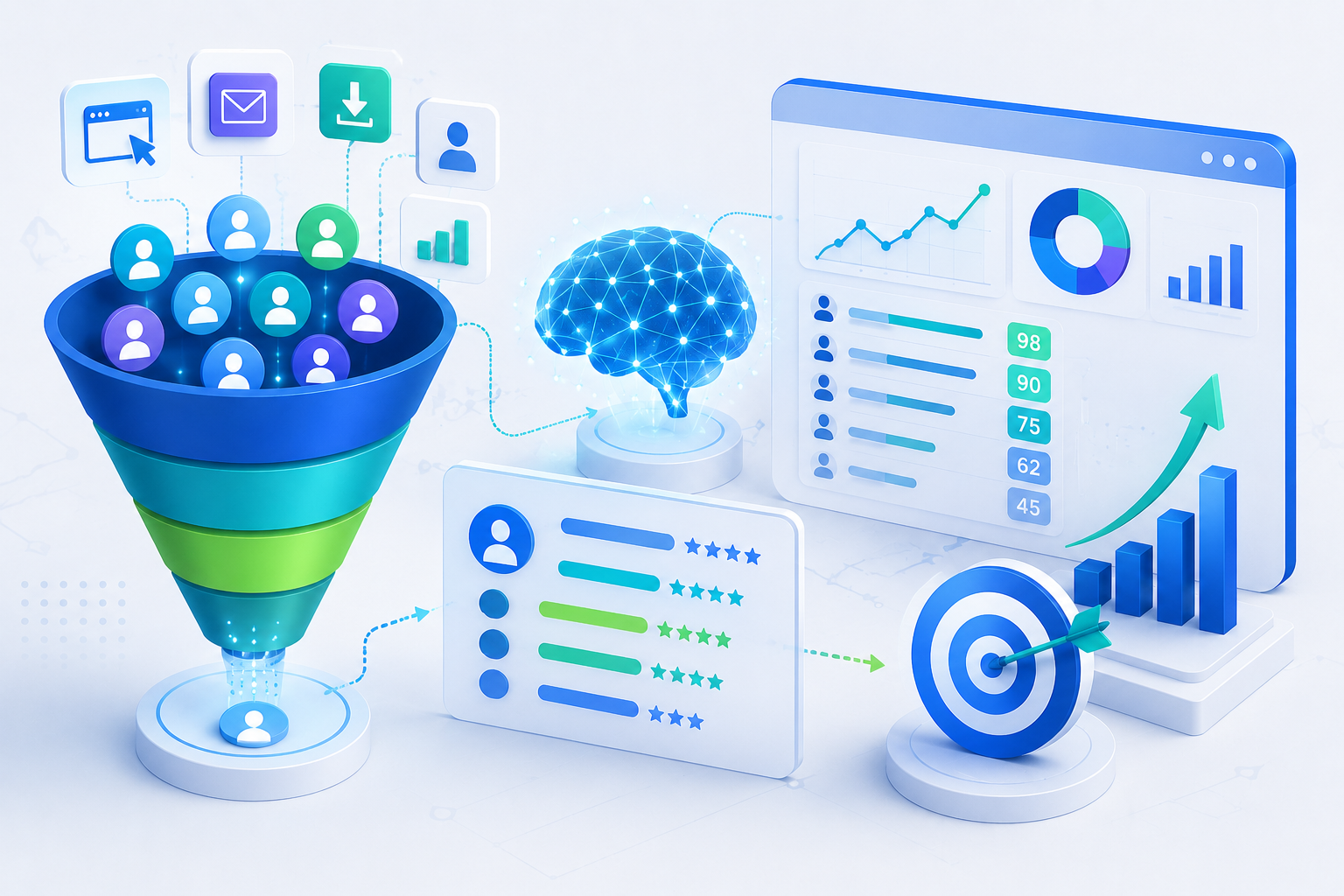
Machine learning models identify customers who are likely to:
- Make a purchase
- Churn
- Upgrade services
- Respond to specific campaigns
Recommendation Engines
AI analyzes historical interactions and customer preferences to suggest relevant products, services, or content.
Dynamic Content Optimization
Marketing platforms can automatically adapt messaging, images, and offers based on individual user profiles.
Next-Best-Action Decisions
AI helps determine the most effective action for each customer at a specific moment in their journey.
These capabilities allow enterprises to deliver highly personalized experiences without exponentially increasing marketing resources.
Omnichannel Personalization: Meeting Customers Everywhere
Customers do not think in channels—they think in experiences.
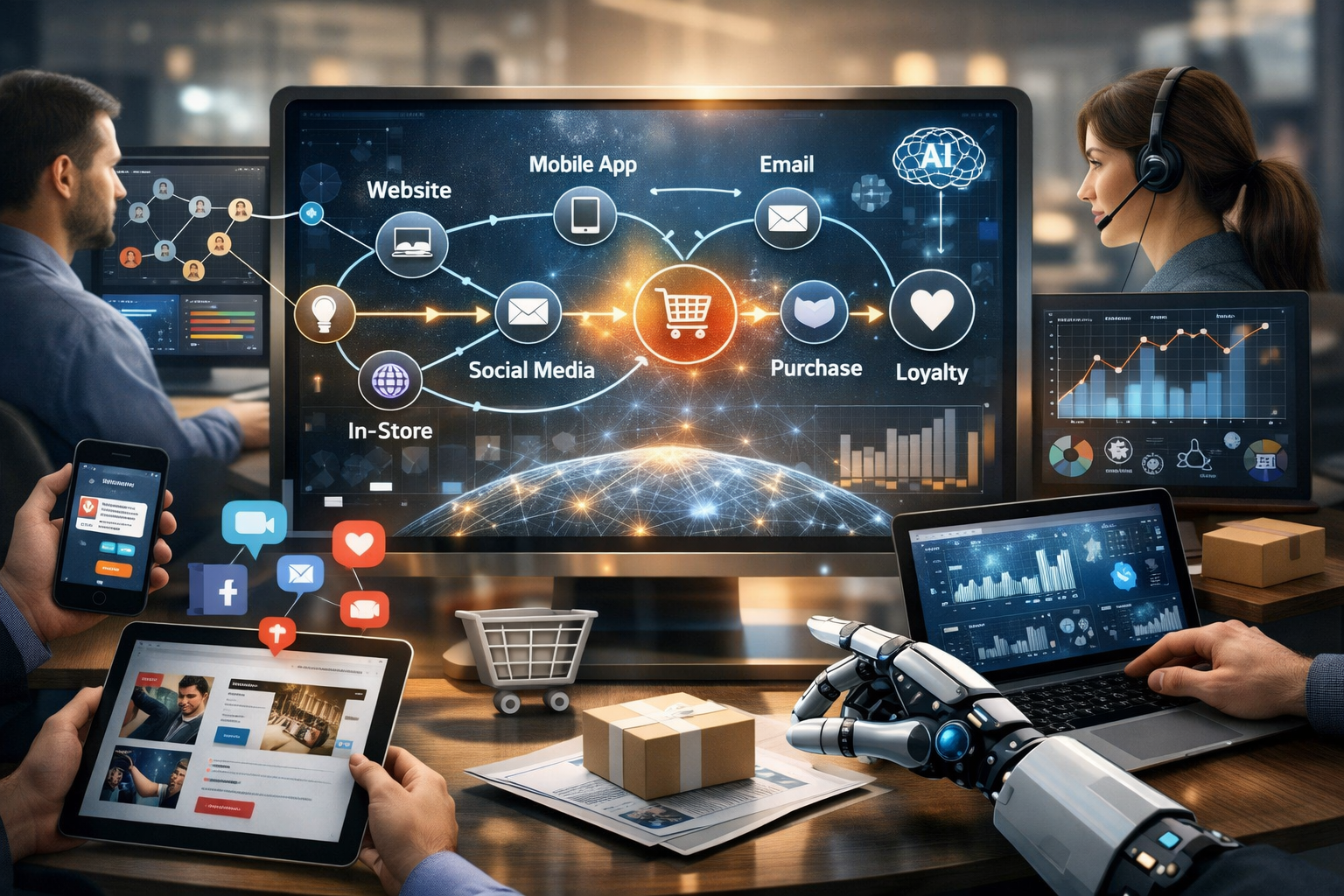
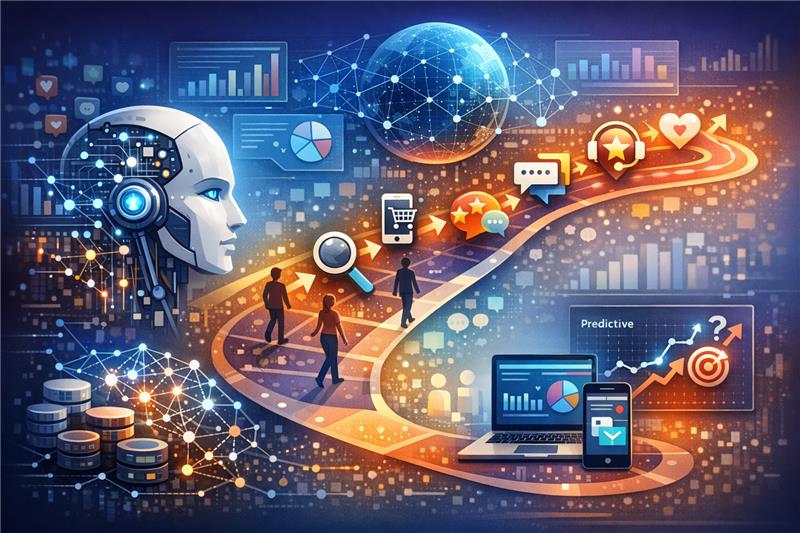
An enterprise customer may:
- Discover a product through social media.
- Research it on a website.
- Receive an email reminder.
- Purchase through a mobile app.
- Contact support after purchase.
Personalization at scale requires continuity across these interactions.
Successful omnichannel personalization ensures:
- Consistent messaging
- Coordinated customer journeys
- Real-time data synchronization
- Unified customer profiles
- Context-aware engagement
When channels operate in silos, personalization efforts become fragmented and less effective.
Common Challenges in Scaling Personalization
While the benefits are substantial, enterprises often face several obstacles.
Data Silos
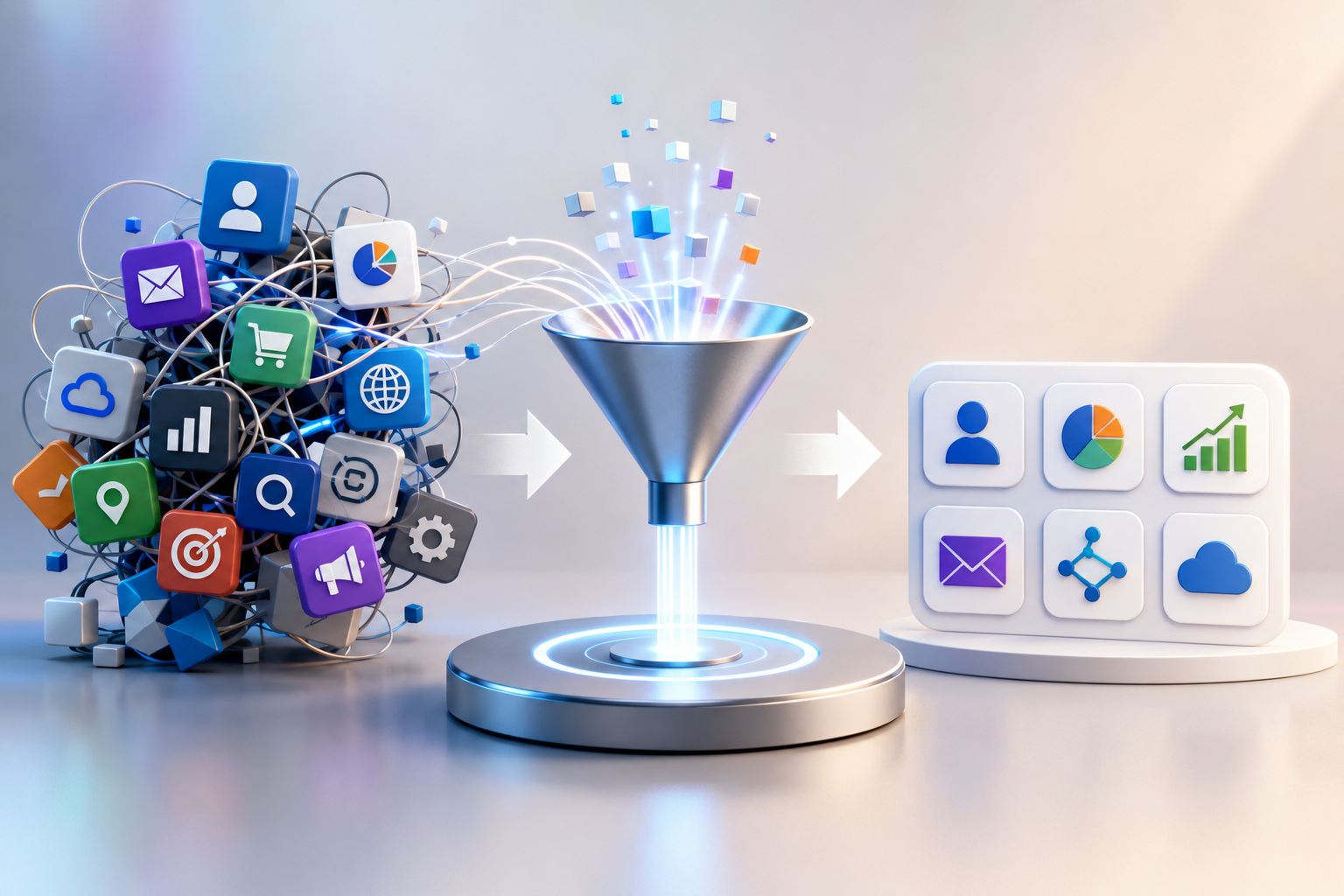
Customer data frequently resides in disconnected systems, making it difficult to create a unified customer view.
Privacy and Compliance
Organizations must balance personalization with growing regulatory requirements related to data privacy and consent management.
Technology Complexity
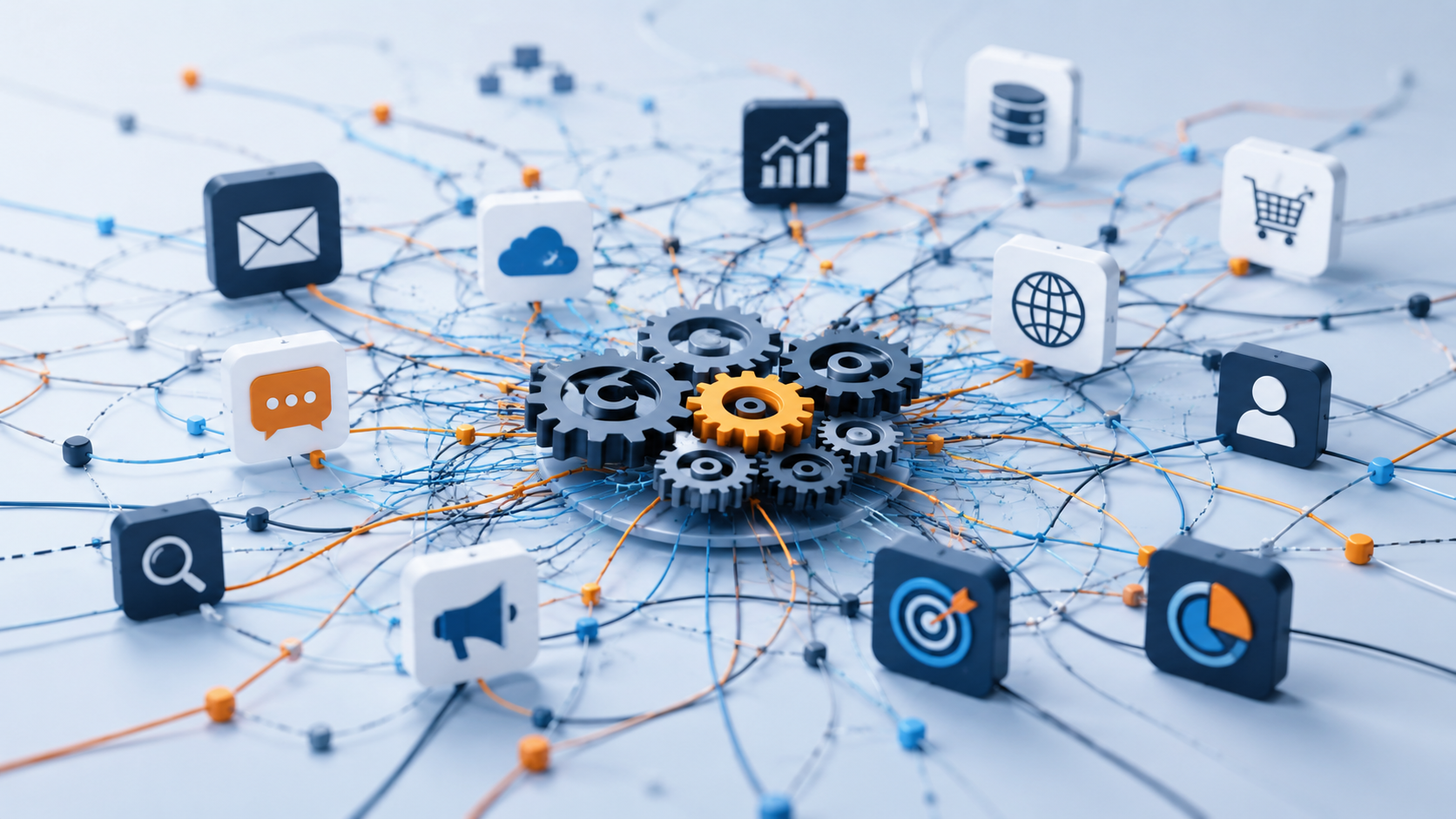
Enterprise marketing ecosystems often include numerous platforms that must integrate seamlessly.
Content Production Bottlenecks
Personalized experiences require a large volume of content variations, creating challenges for marketing teams.
Measurement Difficulties
Attributing business outcomes directly to personalization efforts can be complex, especially across multiple channels.
Best Practices for Enterprise Personalization
Start with Clear Business Objectives
Rather than personalizing everything at once, focus on high-impact use cases such as:
- Customer acquisition
- Cart abandonment recovery
- Cross-selling and upselling
- Retention campaigns
Build a Unified Customer Data Strategy
Invest in systems that consolidate customer information and create a single source of truth.
Prioritize Real-Time Decision Making
Customer intent changes rapidly. Real-time data activation helps organizations respond when engagement opportunities are strongest.
Leverage Automation
Marketing automation platforms can execute personalized campaigns efficiently while reducing manual effort.
Test and Optimize Continuously
Personalization should be treated as an ongoing process. A/B testing, experimentation, and performance analysis help refine strategies over time.
Respect Customer Privacy
Transparency and trust are essential. Customers should understand how their data is used and have control over their preferences.
Measuring Success
Effective personalization programs require clear performance metrics.
Key indicators include:
- Customer engagement rates
- Email open and click-through rates
- Conversion rates
- Average order value
- Customer lifetime value
- Retention rates
- Customer satisfaction scores
- Marketing ROI
Beyond immediate revenue impact, organizations should evaluate long-term effects on customer loyalty and brand perception.
The Future of Personalization at Scale
The next generation of enterprise personalization will be driven by advances in AI, predictive intelligence, and customer data platforms.
Emerging trends include:
- Hyper-personalized customer journeys
- Generative AI-powered content creation
- Real-time journey orchestration
- Predictive customer engagement
- Privacy-first personalization strategies
- Context-aware marketing across digital and physical environments
As technology evolves, enterprises will gain the ability to create increasingly relevant and seamless customer experiences while maintaining trust and compliance.
Read Also: The New Marketing Stack: Where PR Fits in the AI-Driven Martech Ecosystem