
In today’s hyper-connected digital landscape, customers interact with brands across multiple touchpoints—websites, mobile apps, social media, email, and even offline channels. This fragmented interaction environment has made it increasingly challenging for businesses to deliver consistent, personalized experiences. This is where Customer Journey Orchestration (CJO), powered by modern Martech (Marketing Technology) tools, becomes essential.
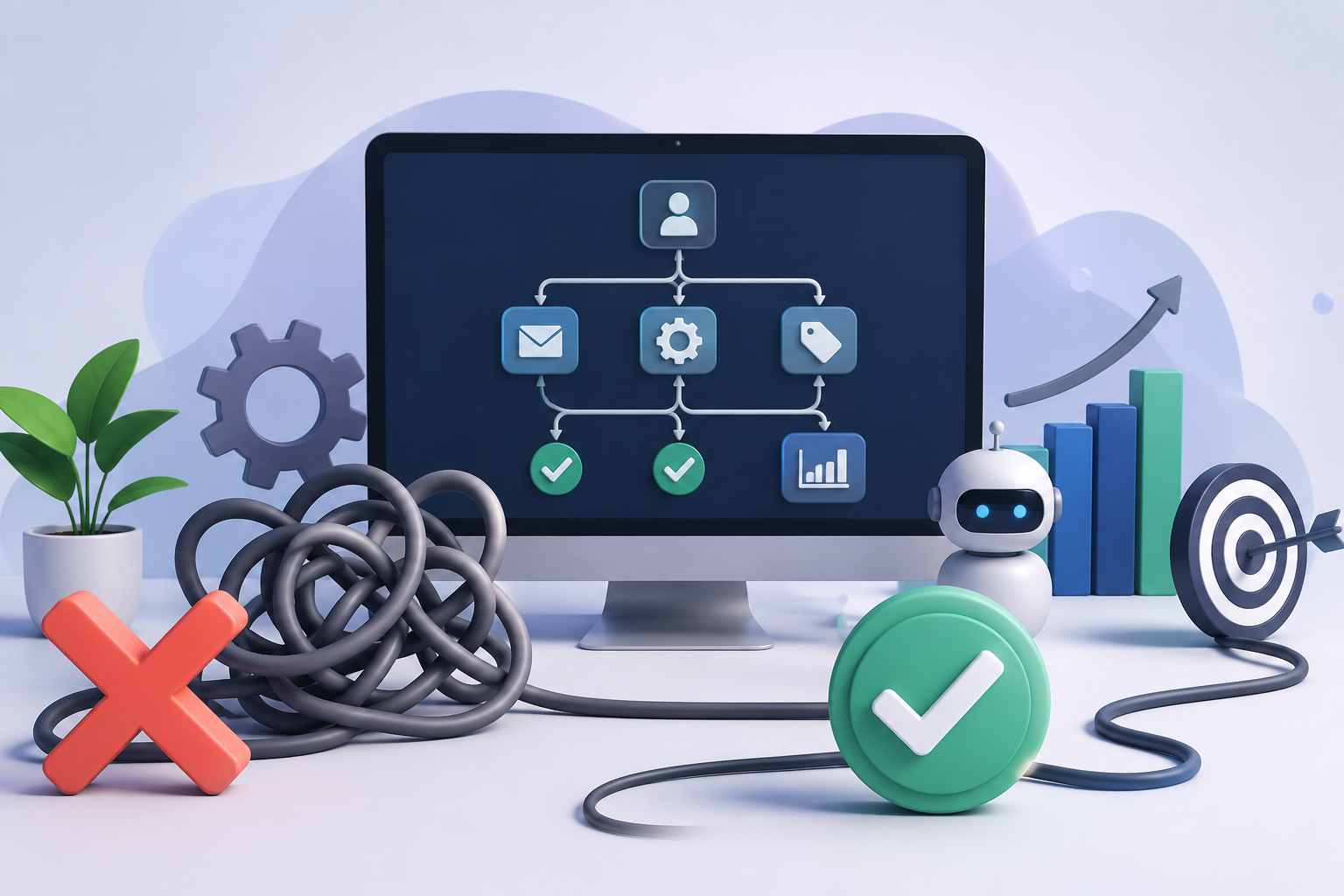
Customer Journey Orchestration is the process of designing, managing, and optimizing customer interactions across all channels in real time. Rather than treating each touchpoint as a silo, CJO ensures a seamless and unified experience that adapts dynamically to customer behavior.
What is Customer Journey Orchestration?
Customer Journey Orchestration goes beyond traditional customer journey mapping. While mapping visualizes the customer path, orchestration actively manages and optimizes that journey in real time.
It involves:
- Collecting data from multiple sources
- Understanding customer intent
- Delivering personalized experiences at the right moment
- Continuously optimizing interactions based on behavior
The goal is simple: deliver the right message, to the right customer, at the right time, through the right channel.
Role of Martech Tools in Journey Orchestration
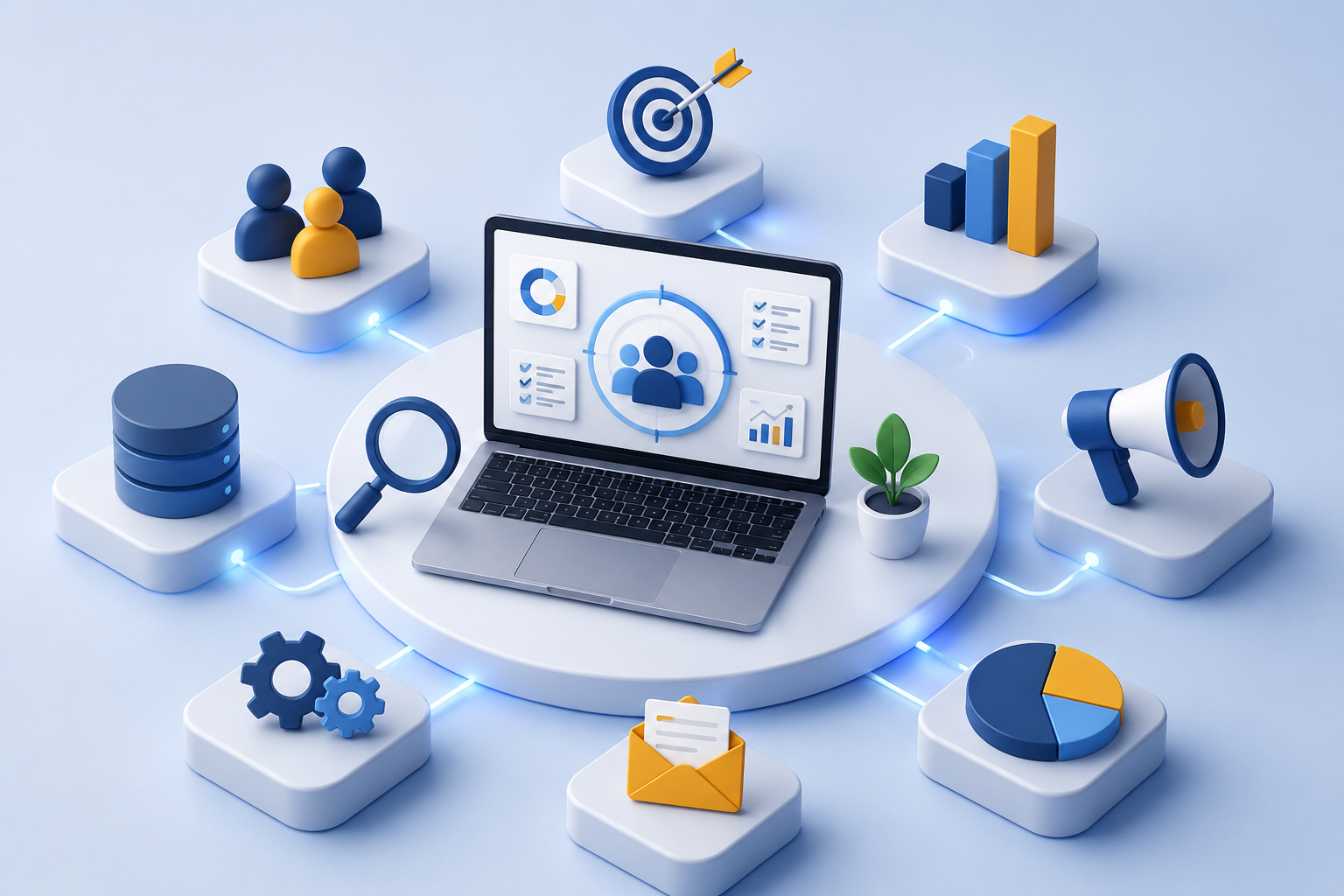
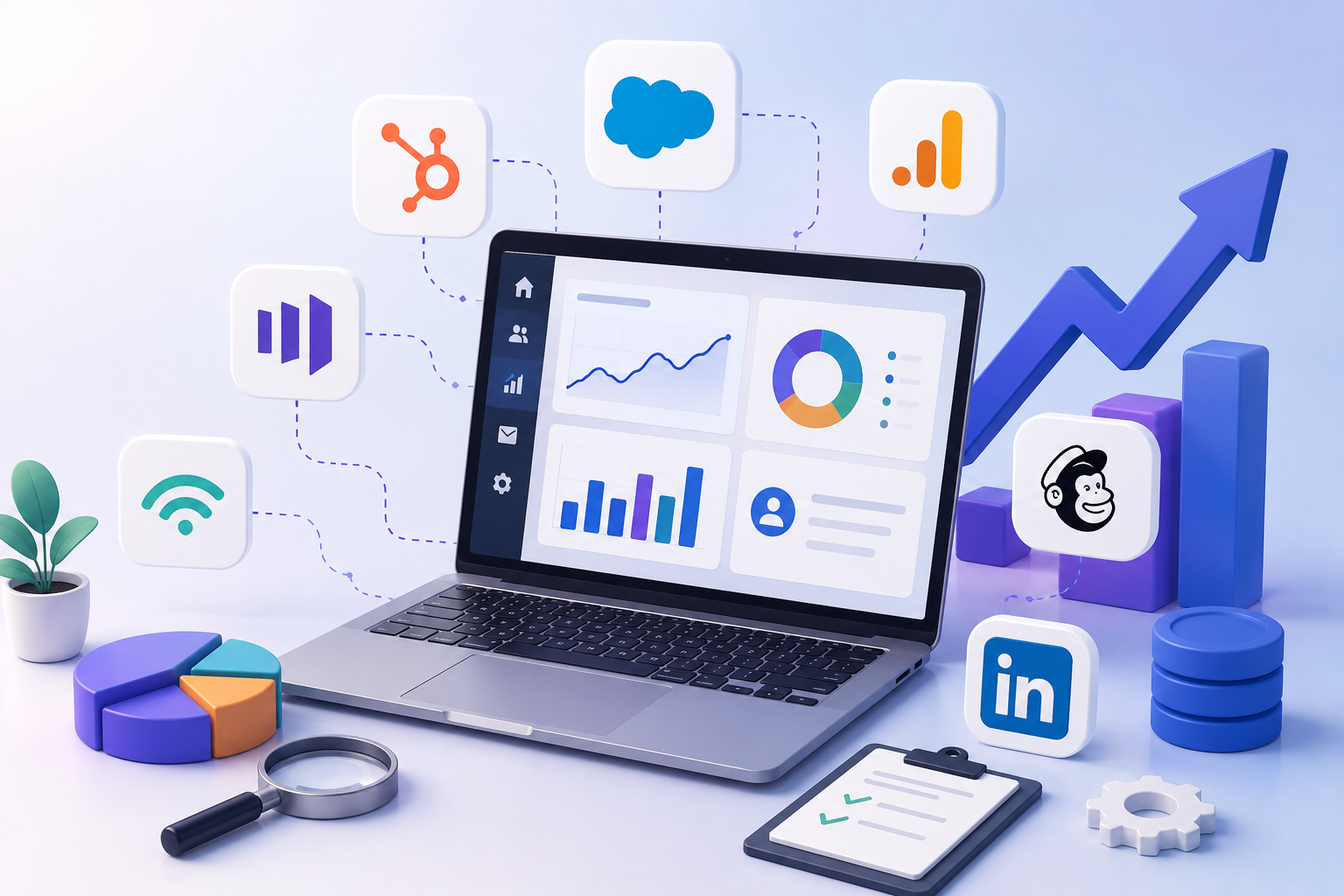
Martech tools are the backbone of effective journey orchestration. They enable businesses to collect, analyze, and act on customer data at scale.
1. Customer Data Platforms (CDPs)
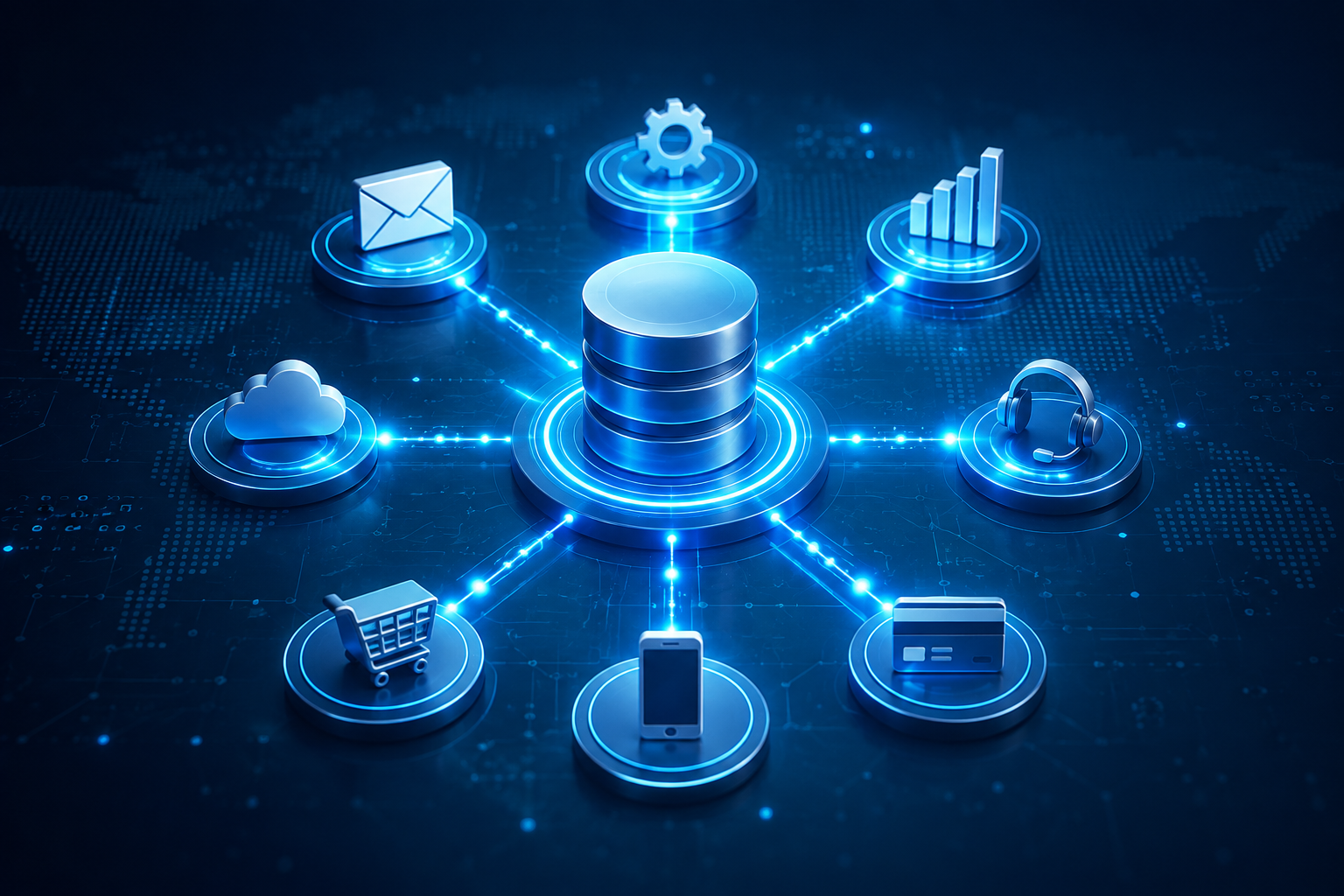
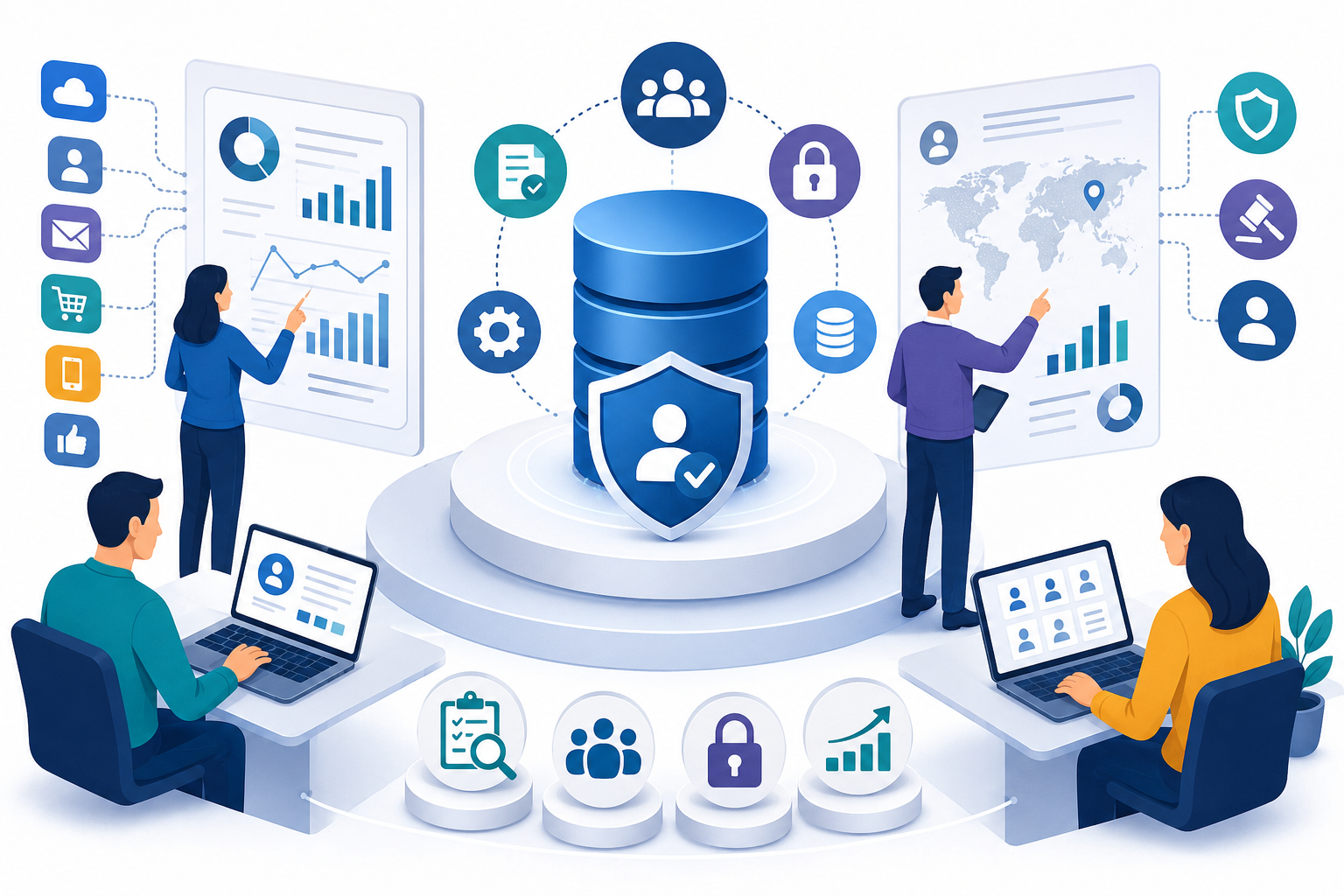
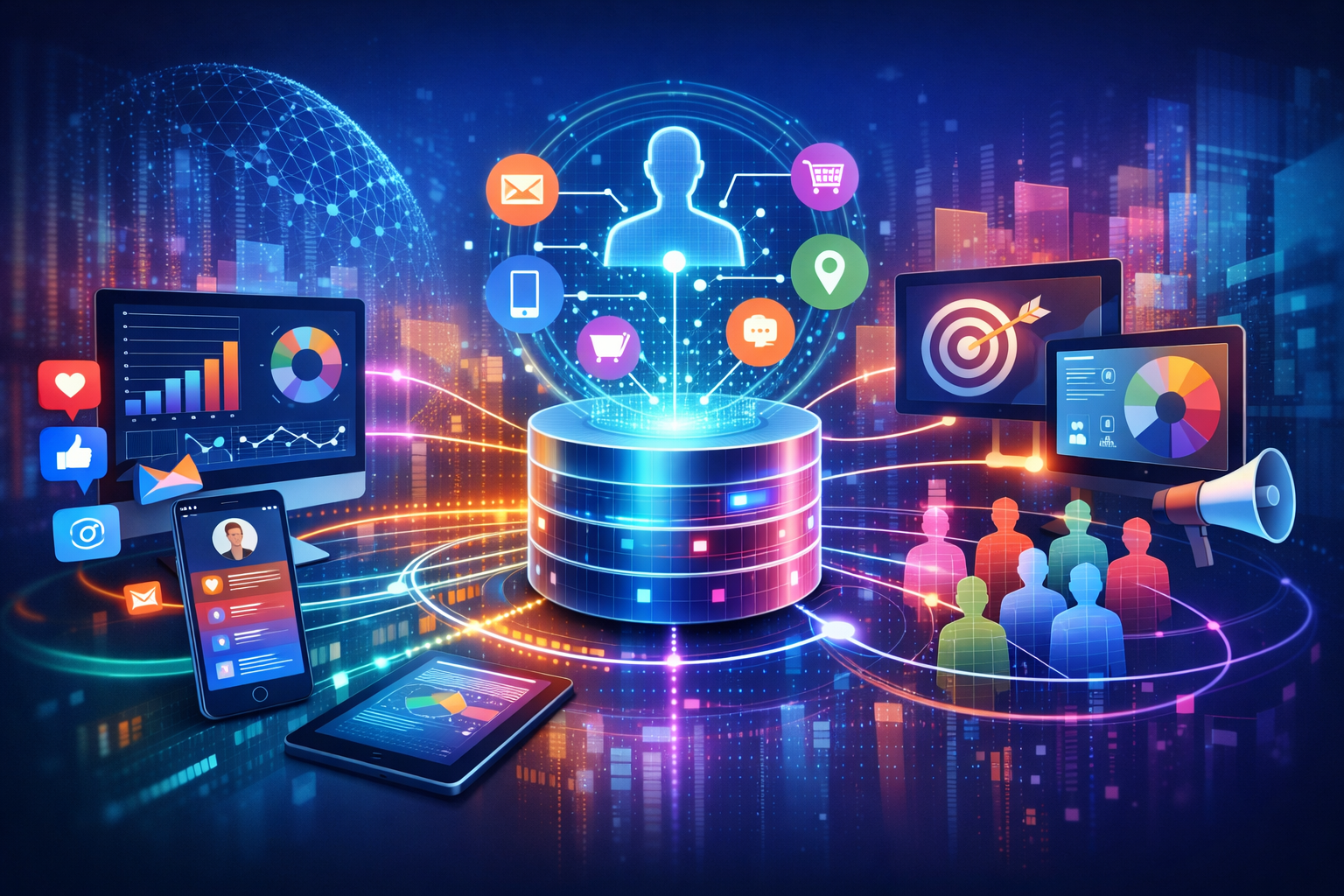
CDPs unify customer data from various sources into a single profile. This allows marketers to:
- Gain a 360-degree view of the customer
- Segment audiences more effectively
- Trigger personalized journeys
2. Marketing Automation Platforms
These tools automate repetitive marketing tasks and workflows. They help:
- Send personalized emails or messages
- Trigger actions based on user behavior
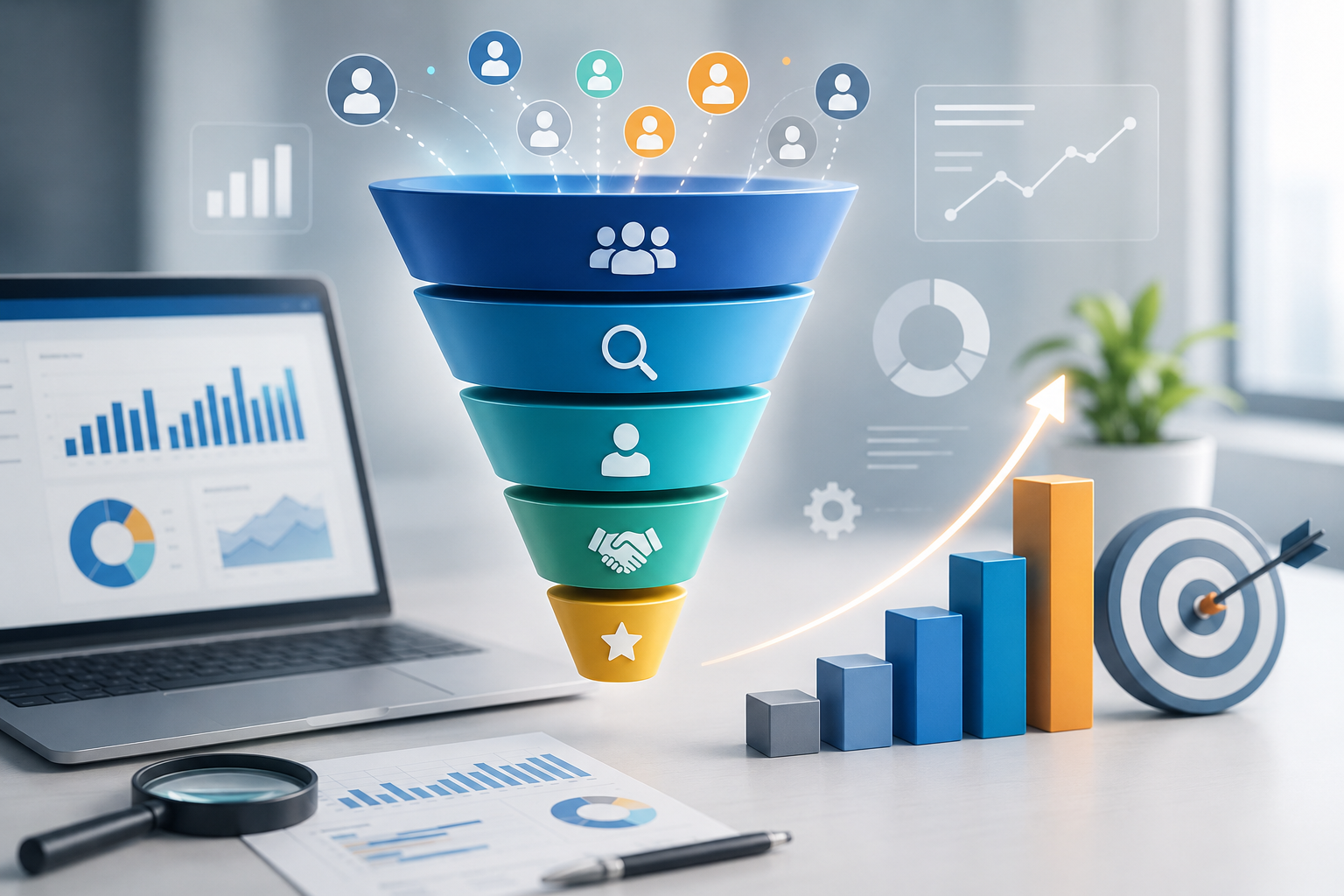
- Nurture leads through the funnel
3. Analytics and AI Tools
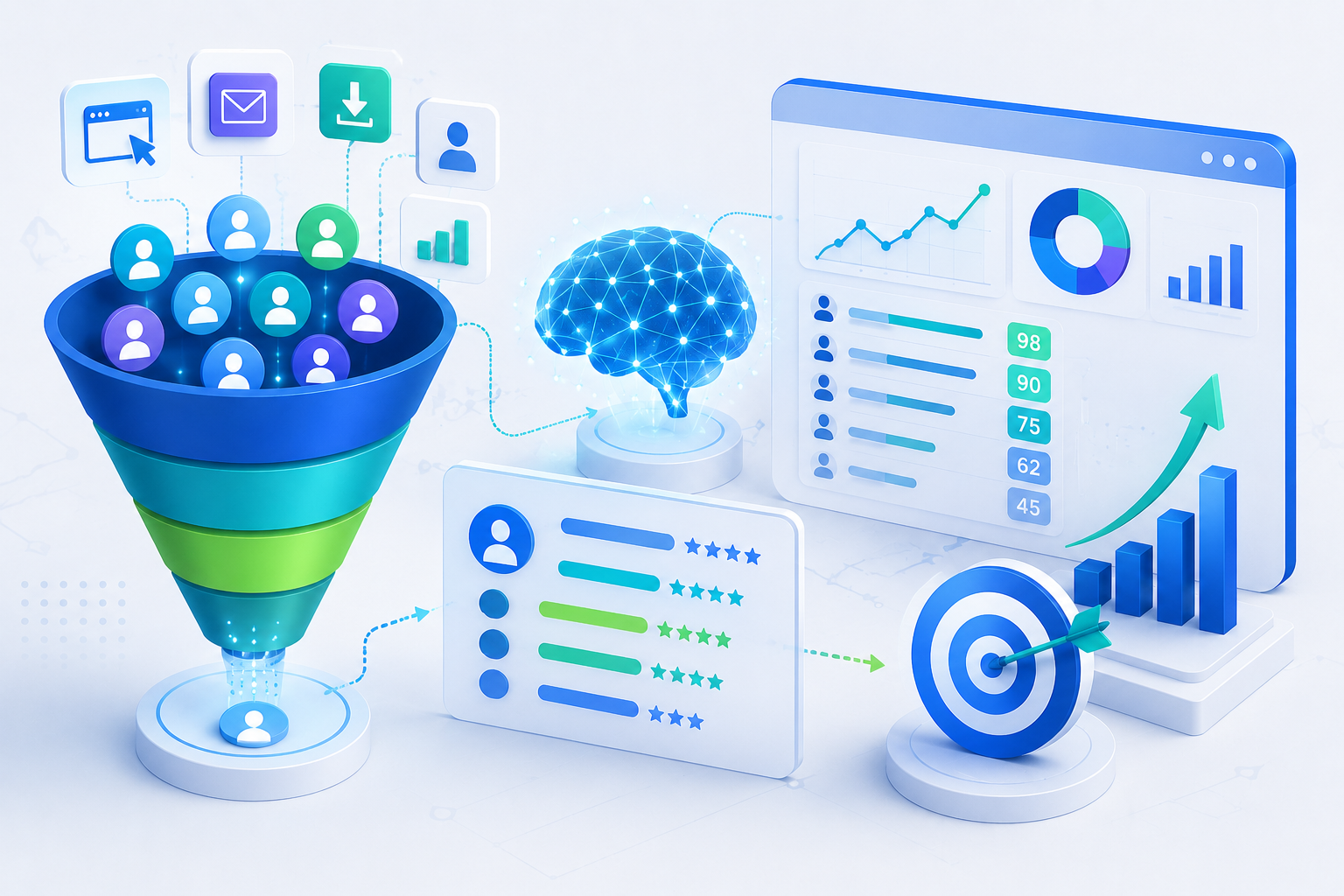
Advanced analytics and AI-driven tools provide insights into customer behavior and predict future actions. They enable:
- Predictive personalization
- Churn prevention strategies
- Real-time decision-making
4. Omnichannel Engagement Platforms
These platforms ensure consistent communication across channels such as email, SMS, push notifications, social media, and web.
Key Components of Customer Journey Orchestration
1. Data Integration
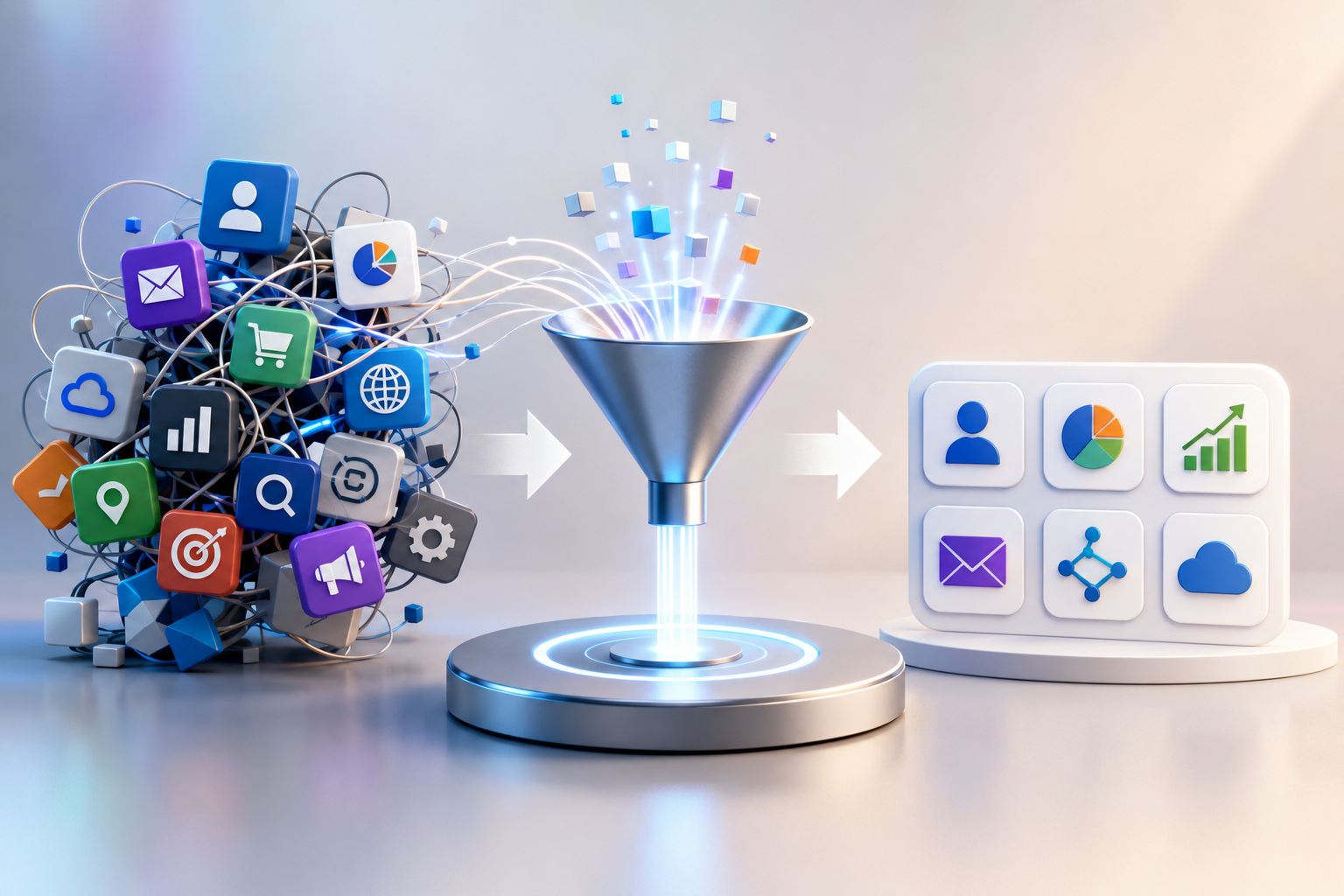
Seamless orchestration starts with integrating data from multiple sources:
- CRM systems
- Website interactions
- Mobile apps
- Social media platforms
2. Real-Time Decisioning
Modern customers expect instant responses. Martech tools enable real-time decision-making by:
- Analyzing behavior instantly
- Triggering relevant actions without delay
3. Personalization at Scale
Personalization is no longer optional. Orchestration tools use customer data to:
- Tailor content and messaging
- Recommend products or services
- Customize user experiences
4. Cross-Channel Consistency
Customers expect a unified experience regardless of channel. Orchestration ensures:
- Consistent messaging
- Smooth transitions between channels
- Context-aware interactions
Benefits of Customer Journey Orchestration
1. Improved Customer Experience
By delivering relevant and timely interactions, businesses create more meaningful experiences.
2. Increased Customer Retention
Personalized journeys foster stronger relationships, leading to higher retention rates.
3. Higher Conversion Rates
Targeted messaging and timely engagement significantly improve conversion rates.
4. Better Marketing ROI
Efficient use of data and automation reduces waste and maximizes returns on marketing investments.
Challenges in Implementing CJO
Despite its benefits, implementing Customer Journey Orchestration comes with challenges:
- Data Silos: Disconnected systems hinder unified customer views
- Integration Complexity: Martech stacks can be difficult to integrate
- Privacy Concerns: Handling customer data responsibly is critical
- Skill Gaps: Teams need expertise in both marketing and technology
Best Practices for Effective Journey Orchestration
- Start with Clear Objectives
Define what you want to achieve—better engagement, higher conversions, or improved retention. - Invest in the Right Martech Stack
Choose tools that integrate well and align with your business goals. - Focus on Data Quality
Clean, accurate data is essential for effective orchestration. - Adopt a Customer-Centric Approach
Design journeys based on customer needs, not internal processes. - Continuously Test and Optimize
Use A/B testing and analytics to refine journeys over time.
Future of Customer Journey Orchestration
The future of CJO lies in:
- AI-driven hyper-personalization
- Predictive journey management
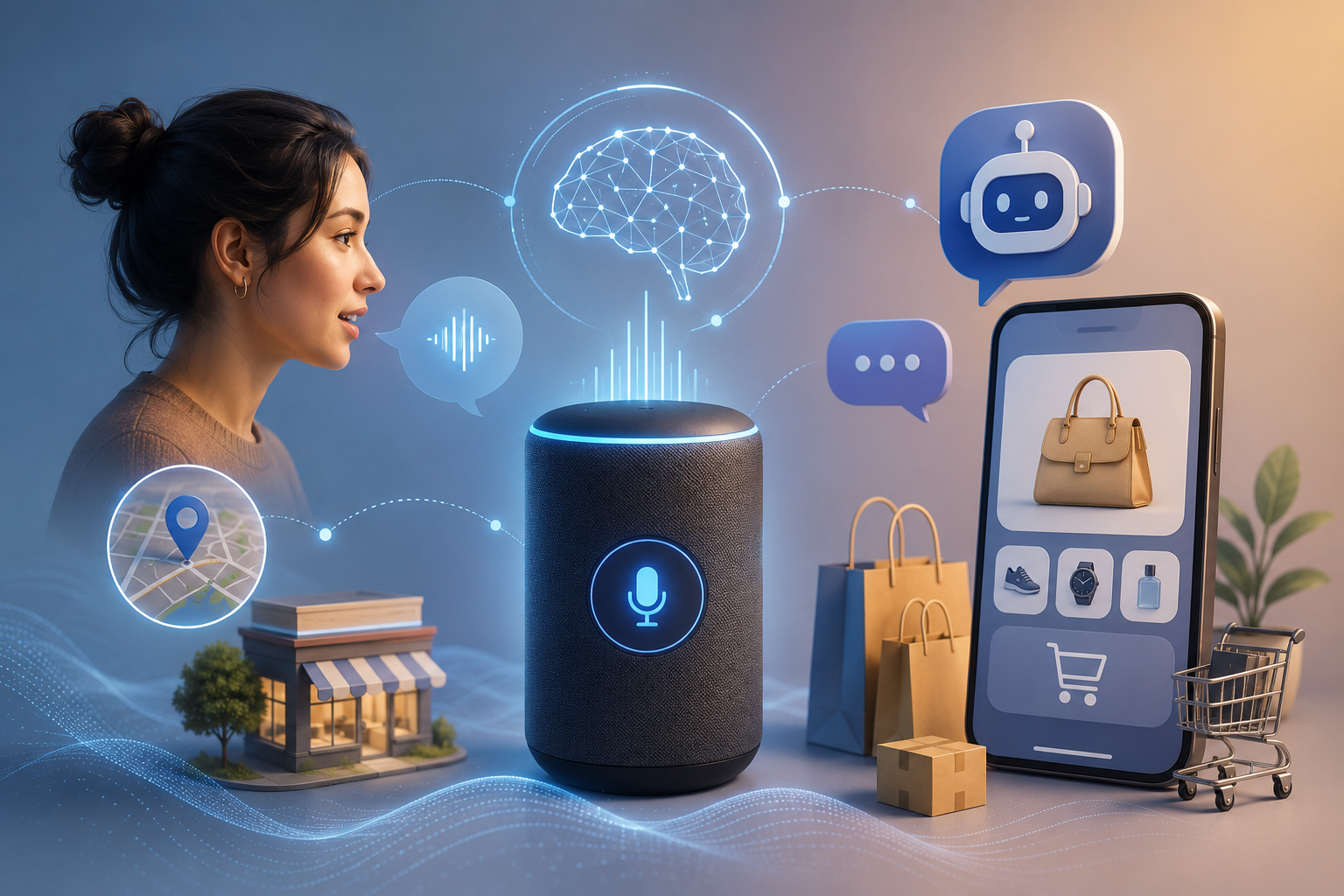
- Voice and conversational interfaces
- Privacy-first marketing strategies
As technology evolves, businesses that leverage Martech effectively will be better positioned to deliver exceptional customer experiences.
Read Also: Hyper-Personalization: The New Competitive Advantage