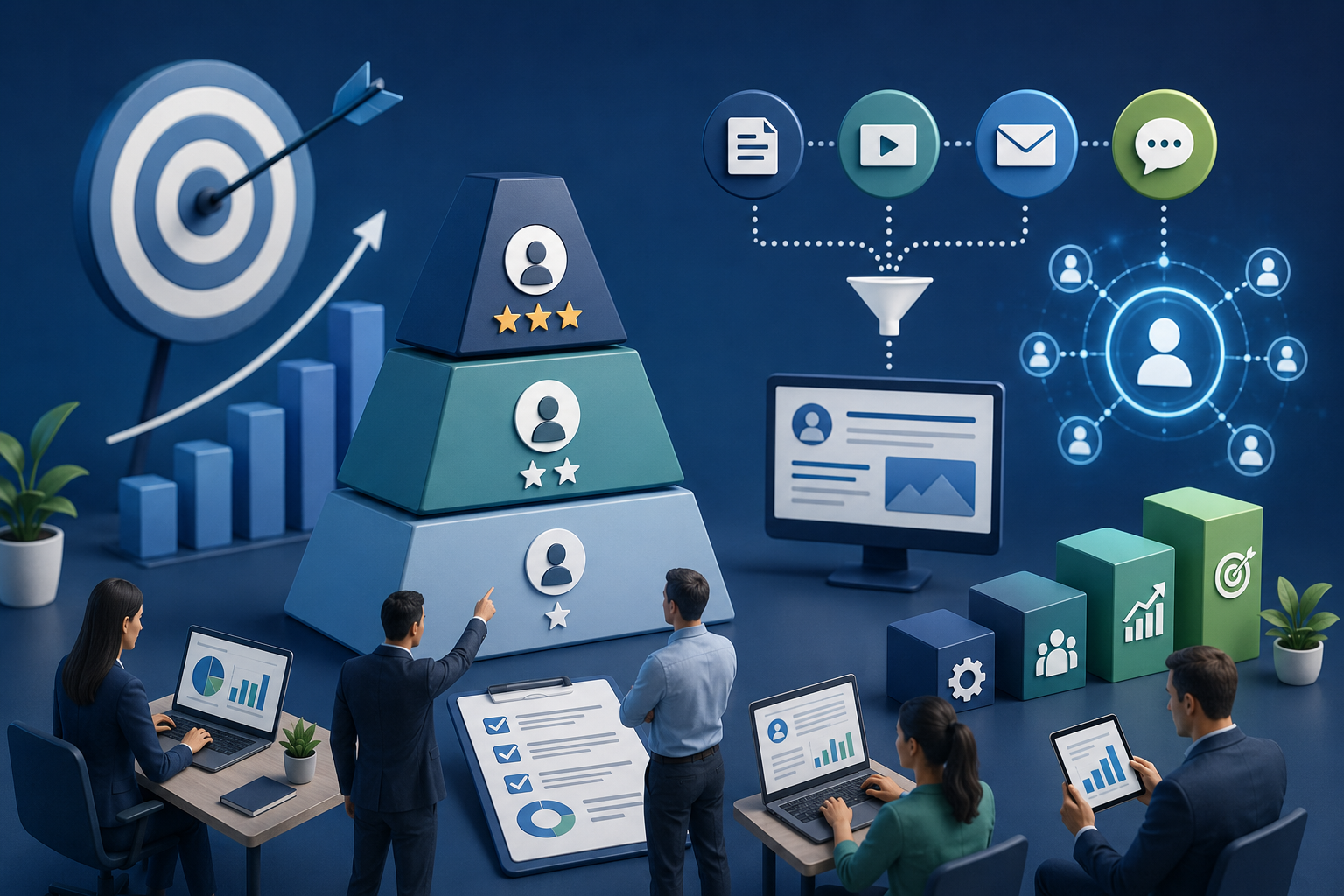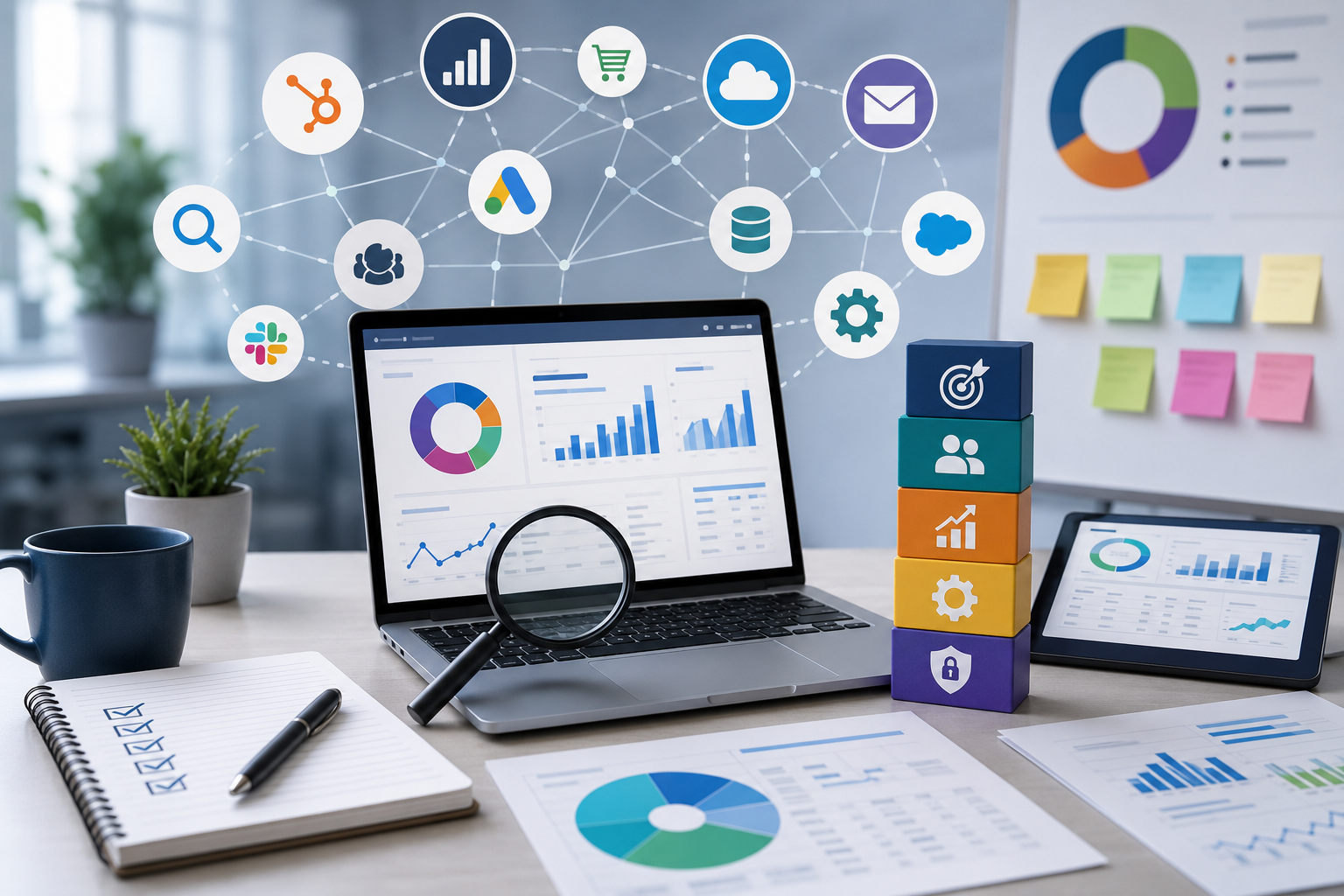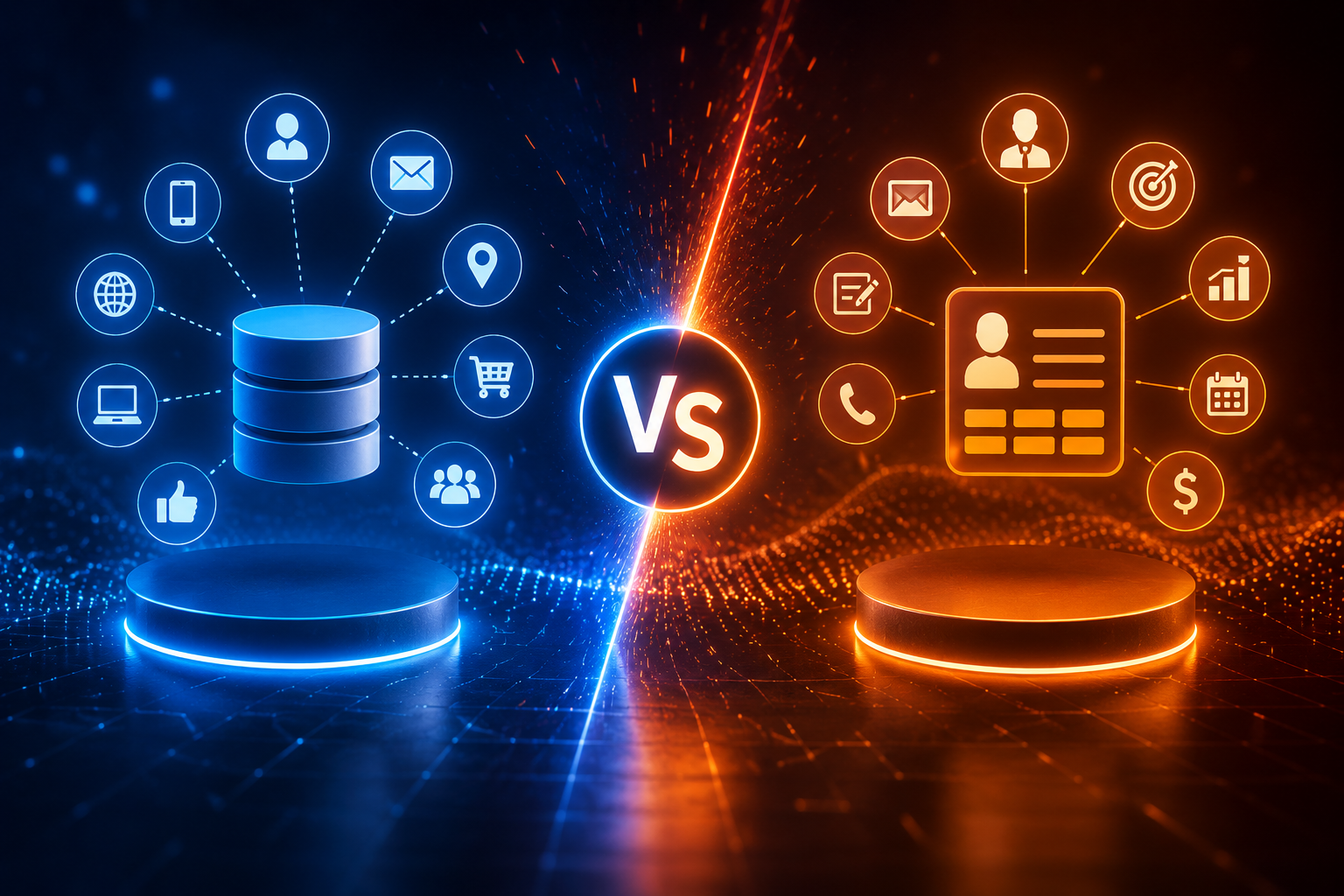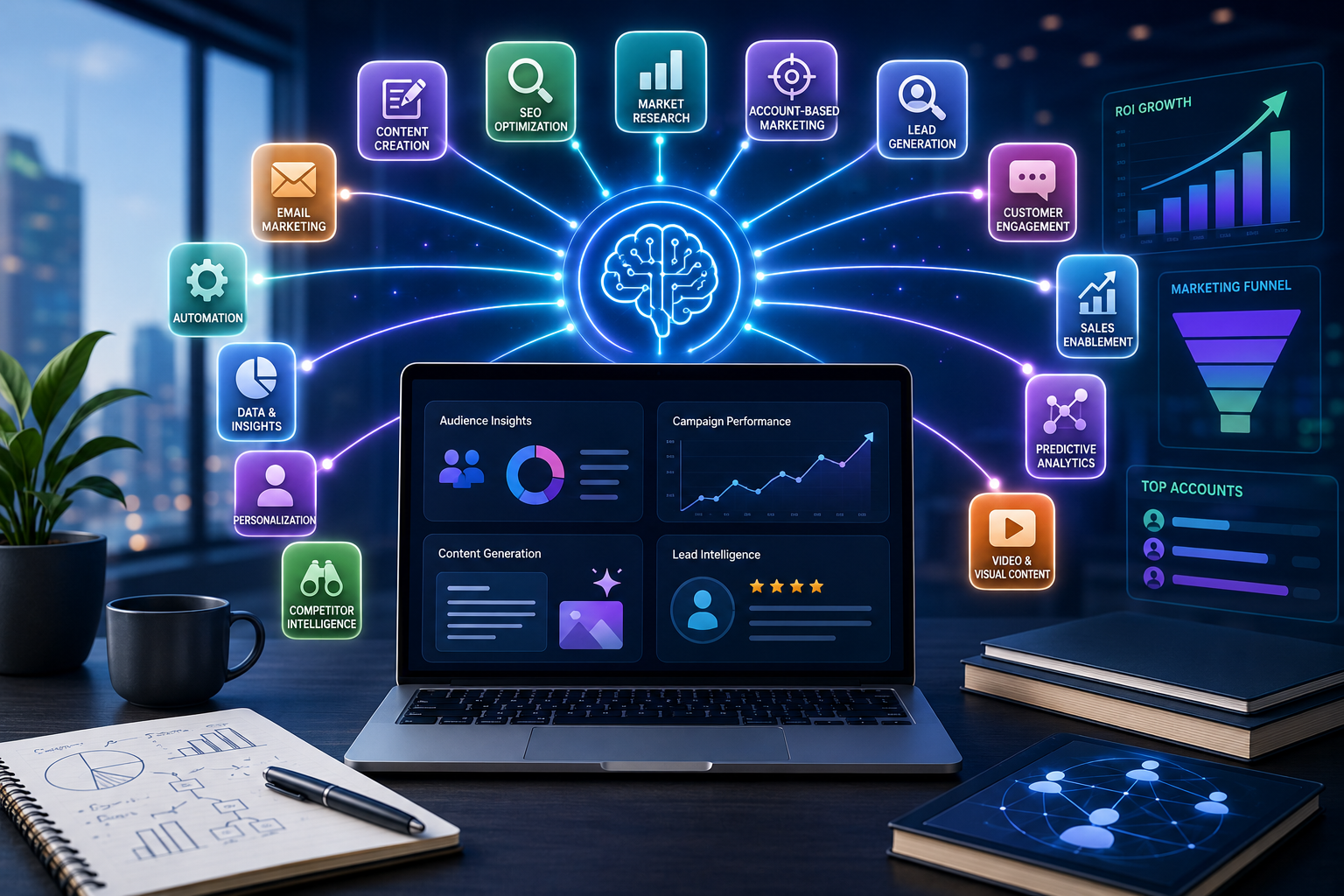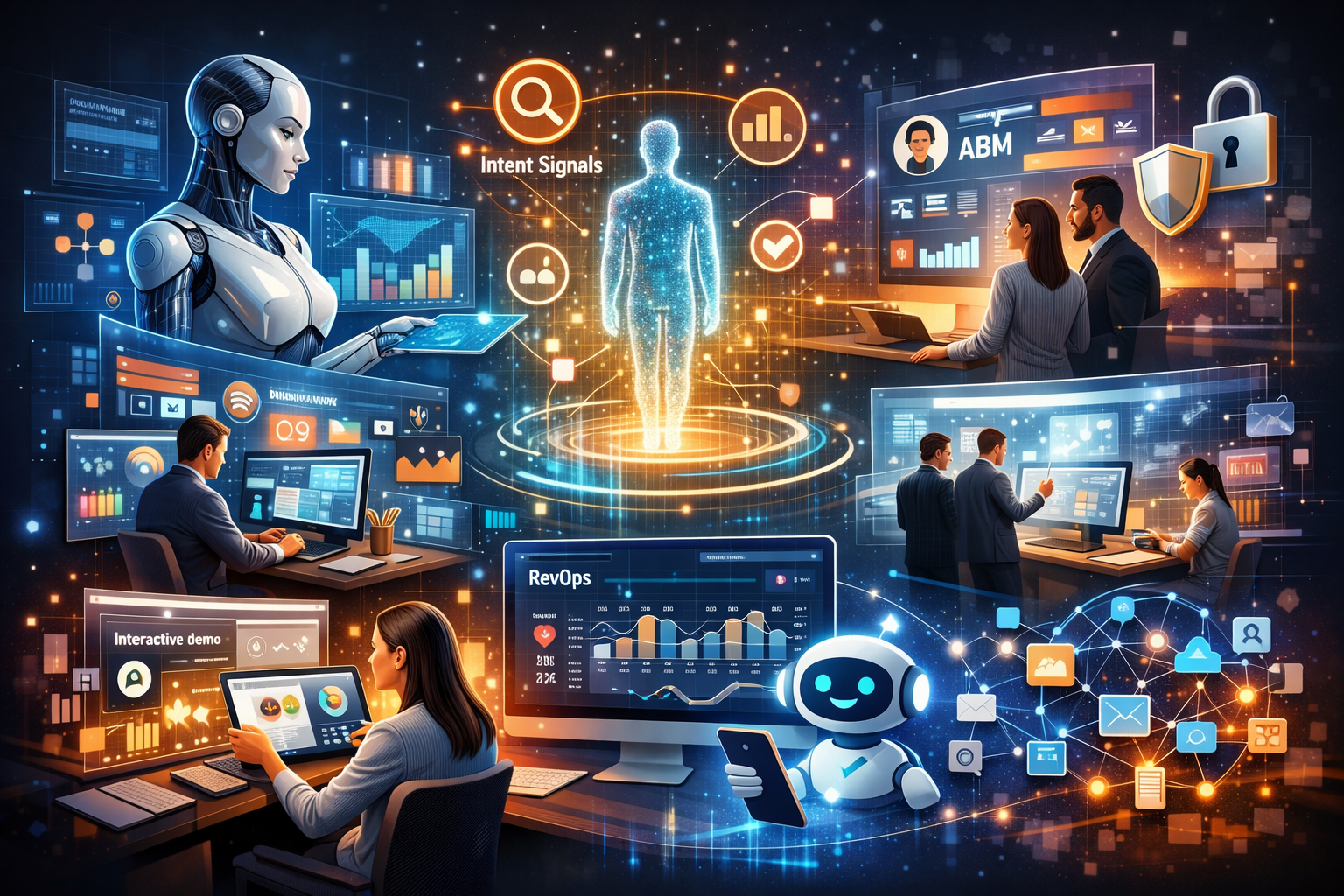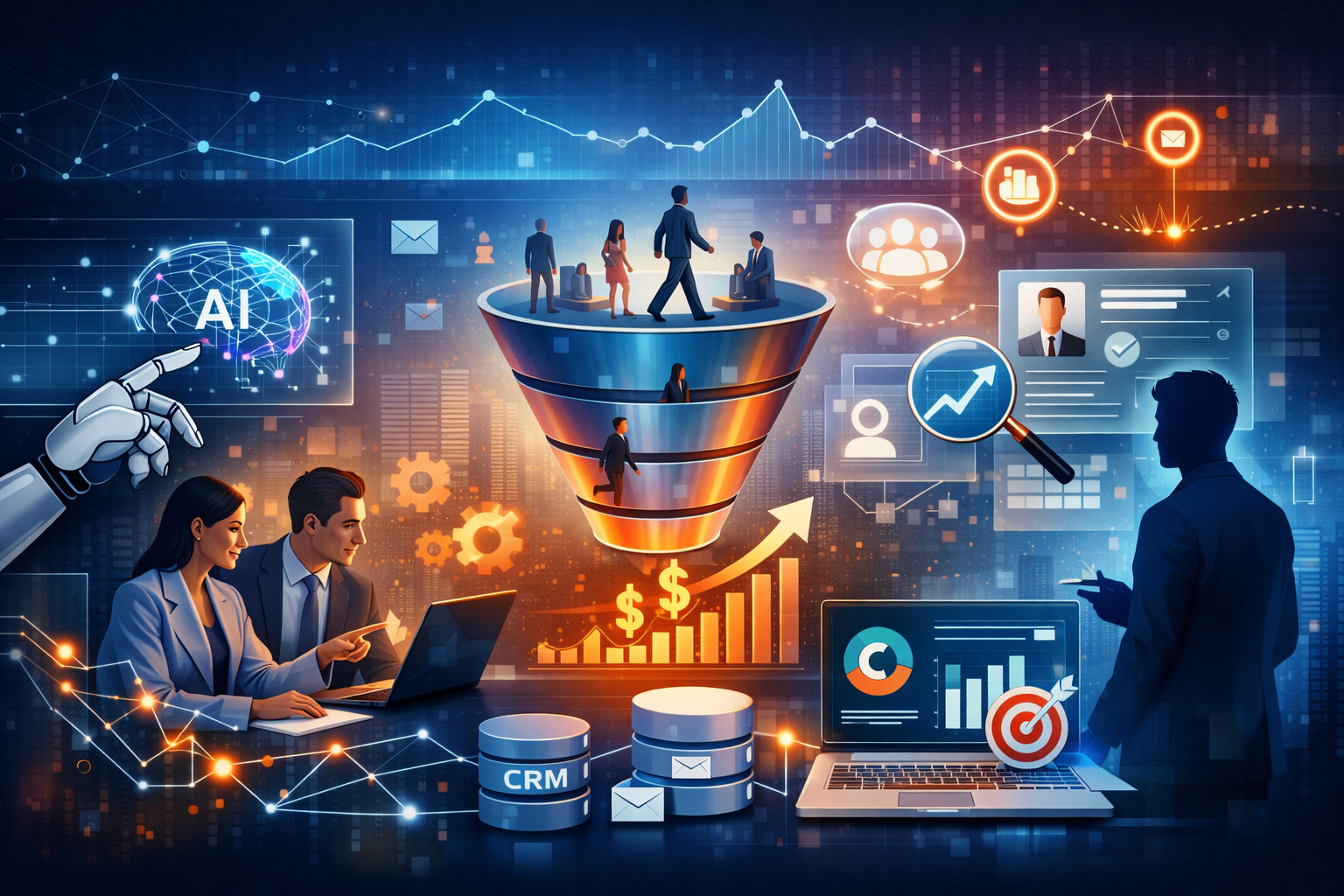
Marketing automation has evolved far beyond scheduled email sequences and lead scoring. In 2026, B2B teams are expected to deliver highly personalized, data-driven experiences across multiple channels — while proving measurable pipeline impact.
Companies that adapt quickly are using automation not just to save time, but to create smarter customer journeys, improve sales alignment, and accelerate revenue growth.
Here are the most important marketing automation trends every B2B team should keep on their radar.
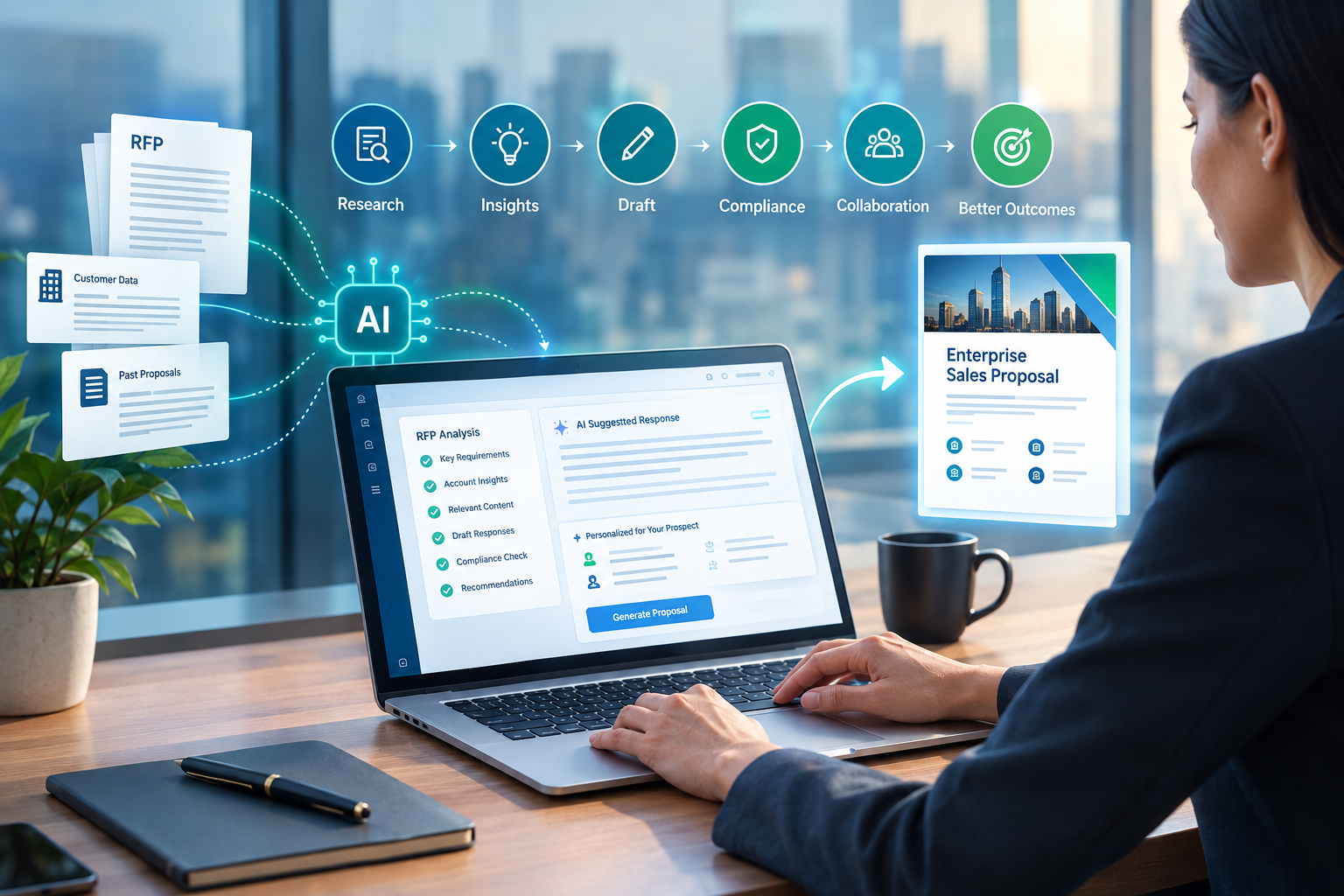
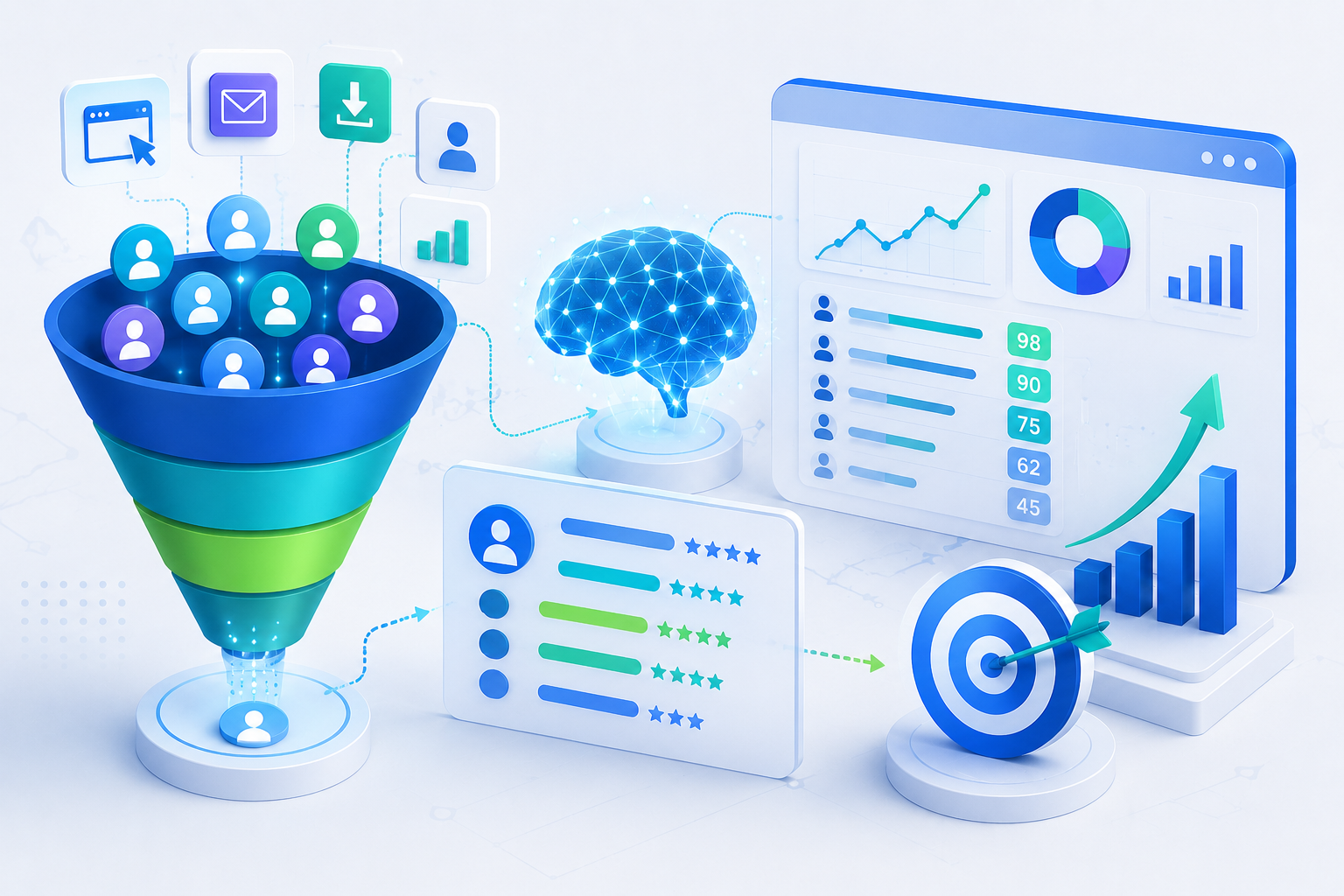
1. AI-Powered Personalization Is Becoming the Standard
Generic nurture campaigns are losing effectiveness. Buyers now expect messaging tailored to their industry, behavior, intent, and stage in the buying cycle.
Modern automation platforms use AI to:
- Recommend personalized content
- Predict buyer intent
- Optimize send times
- Generate subject lines and campaign copy
- Trigger next-best actions automatically
Instead of building dozens of manual workflows, marketers can now create adaptive journeys that evolve based on customer behavior in real time.
B2B teams that invest in AI-driven personalization are seeing:
- Higher email engagement
- Better conversion rates
- Faster sales cycles
- Improved customer retention
The focus is shifting from “automation at scale” to “personalization at scale.”
2. First-Party Data Is More Valuable Than Ever
As privacy regulations tighten and third-party cookies continue to disappear, B2B marketers are prioritizing first-party data strategies.
This means collecting and activating data directly from:
- Website interactions
- Product usage
- CRM systems
- Webinar registrations
- Email engagement
- Customer surveys
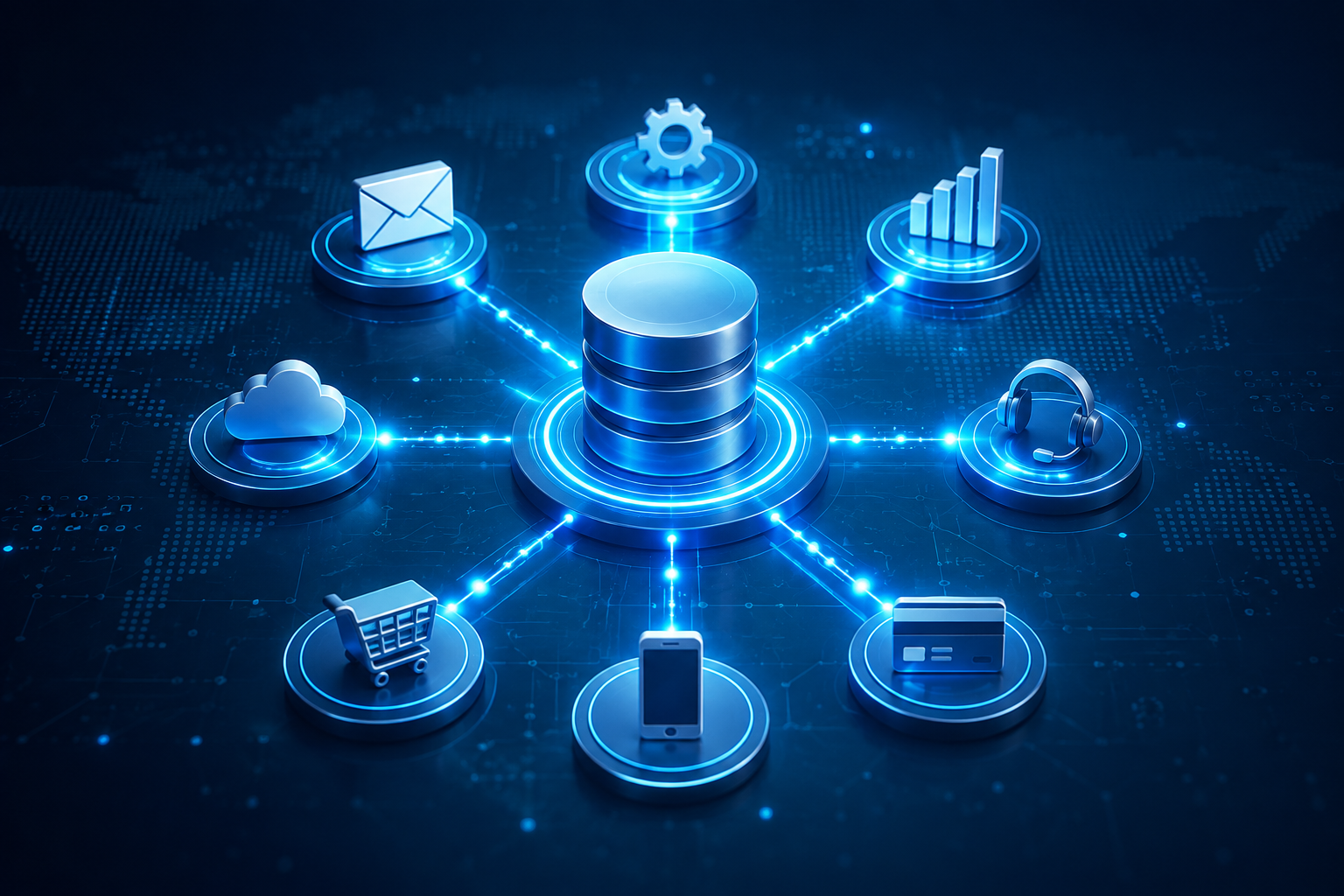
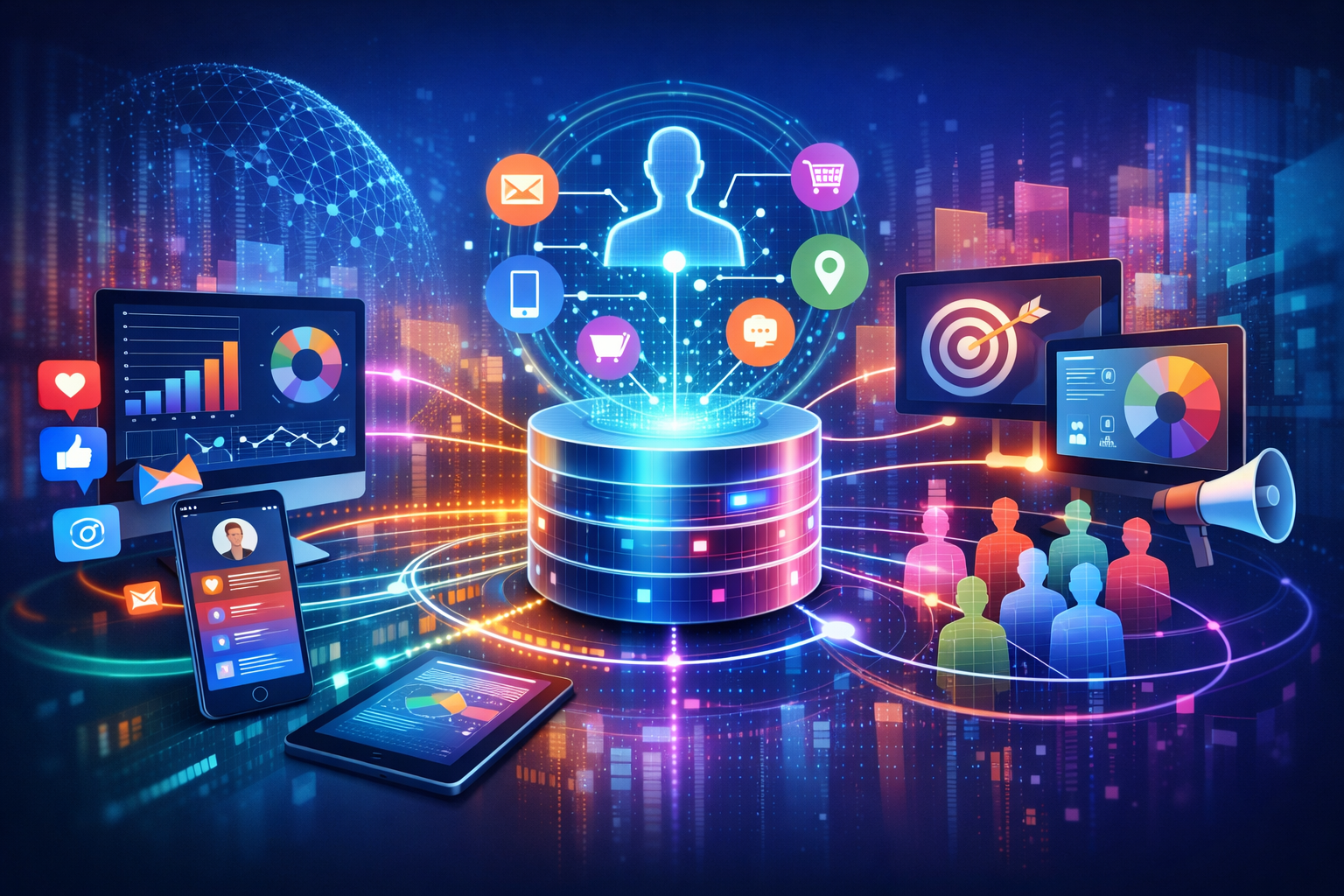
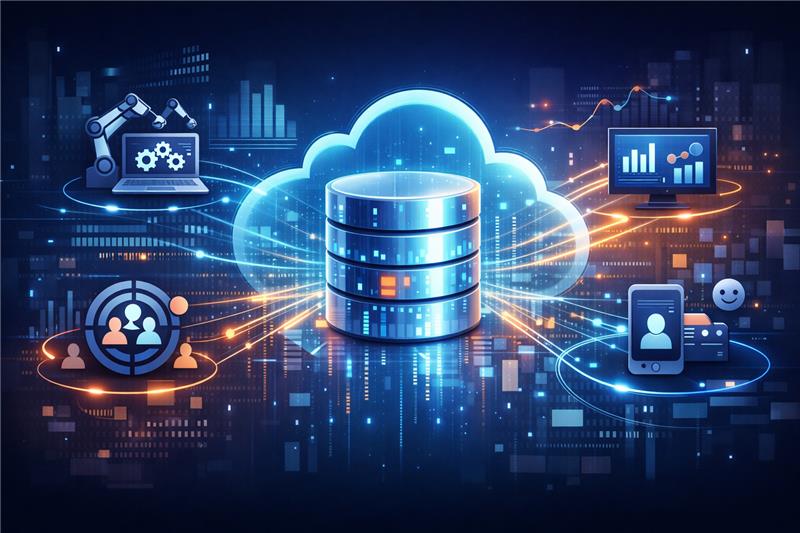
Marketing automation platforms are becoming central hubs for consolidating this information and turning it into actionable insights.
Successful B2B teams are:
- Building stronger consent-based databases
- Using progressive profiling forms
- Creating value-driven lead capture experiences
- Improving segmentation using behavioral data
The organizations with the cleanest and most connected data will have a major competitive advantage.
3. Revenue Marketing Is Replacing Traditional Lead Generation
Marketing teams are no longer measured solely by lead volume. Leadership now expects marketing to contribute directly to revenue growth.
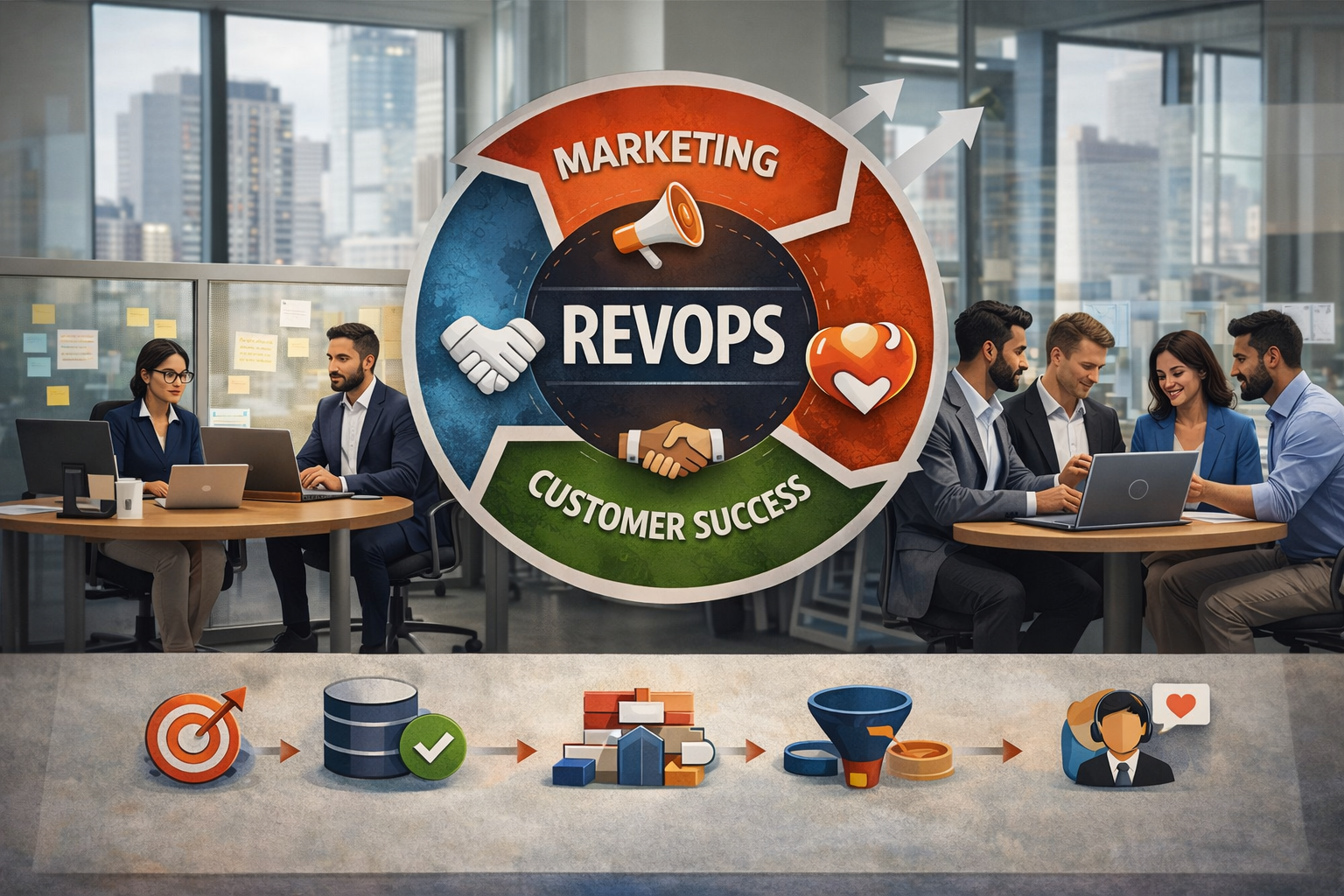
This shift is driving tighter integration between:
- Marketing automation platforms
- CRM systems
- Sales engagement tools
- Customer success platforms
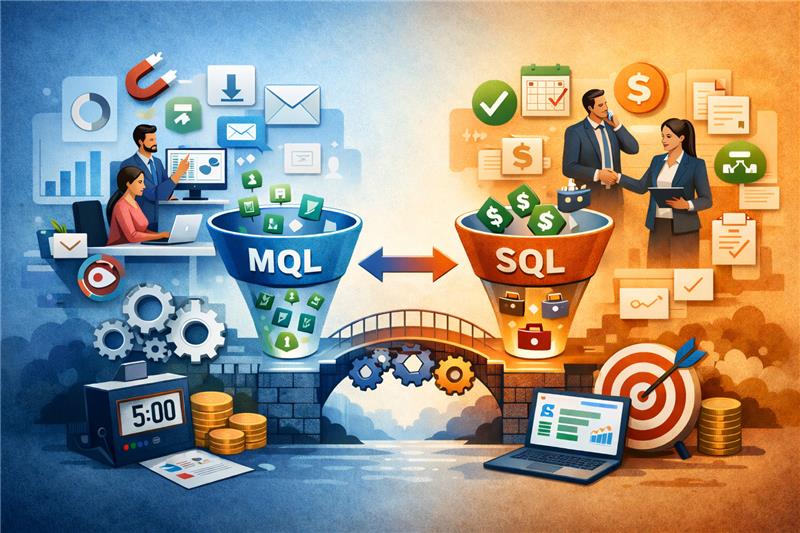
Instead of focusing only on MQLs, teams are tracking:
- Pipeline influence
- Revenue attribution
- Customer lifetime value
- Expansion opportunities
- Sales velocity
Automation workflows are increasingly designed around pipeline acceleration rather than just lead nurturing.
For B2B marketers, this means aligning campaigns more closely with sales goals and customer outcomes.
4. Intent Data Is Driving Smarter Campaigns
Intent data helps marketers identify which companies are actively researching relevant topics or solutions.
By combining intent signals with automation workflows, B2B teams can:
- Prioritize high-interest accounts
- Launch targeted outreach campaigns
- Personalize messaging based on research behavior
- Improve account-based marketing (ABM) efforts
This allows sales and marketing teams to engage buyers earlier in the decision-making process.
Intent-driven automation is especially powerful for:
- Enterprise sales
- Long buying cycles
- Multi-stakeholder purchasing decisions
As competition increases, timing and relevance are becoming critical differentiators.
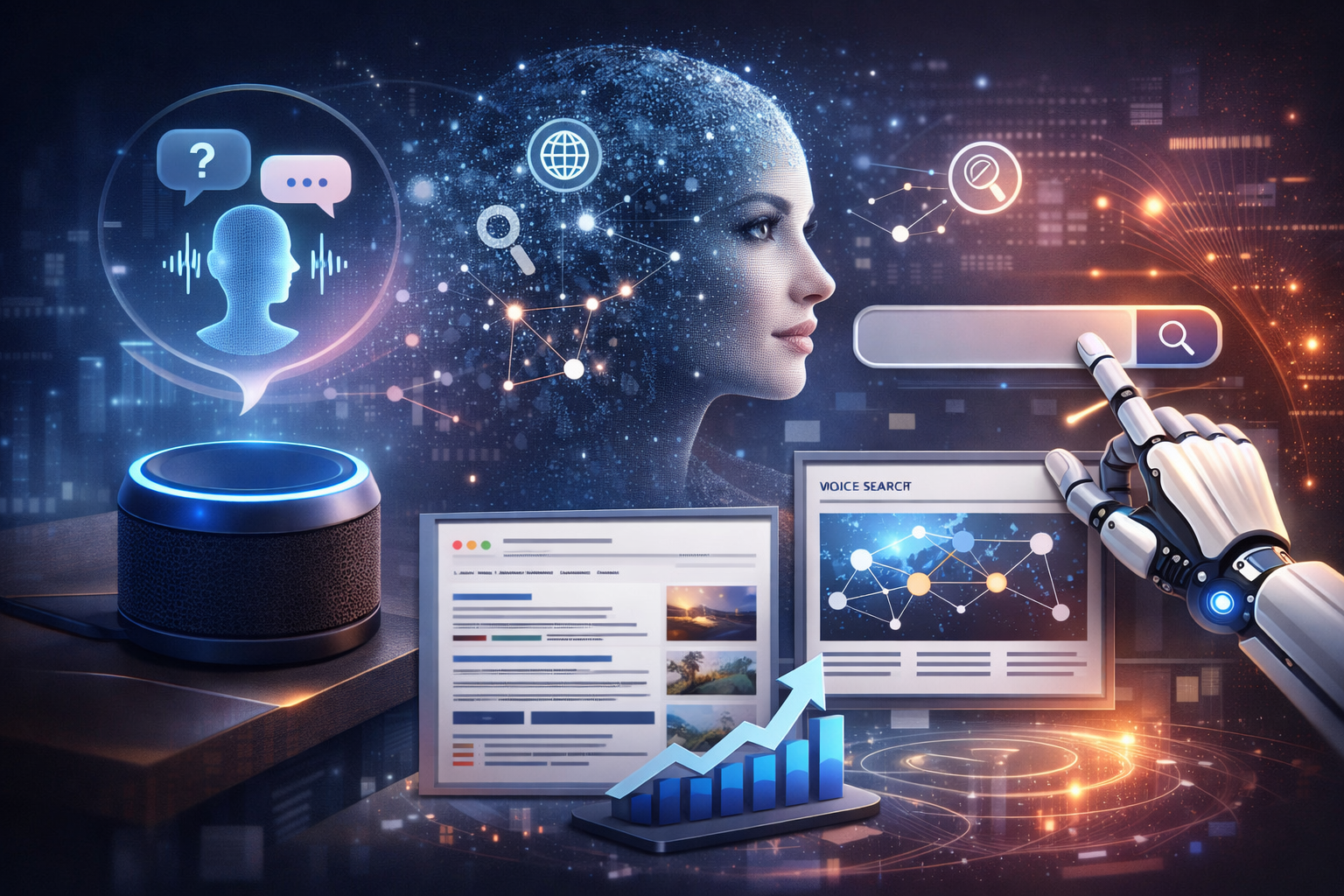
5. Conversational Automation Is Expanding Beyond Chatbots
Chatbots have matured significantly. Today’s conversational automation tools support:
- AI-driven website conversations
- Automated meeting scheduling
- Intelligent lead qualification
- Real-time support routing
- Personalized product recommendations
B2B buyers increasingly expect immediate answers rather than waiting for follow-up emails.
Modern conversational platforms integrate directly with CRM and automation systems, enabling seamless handoffs between marketing, sales, and support teams.
The best conversational experiences feel helpful and human — not scripted and robotic.
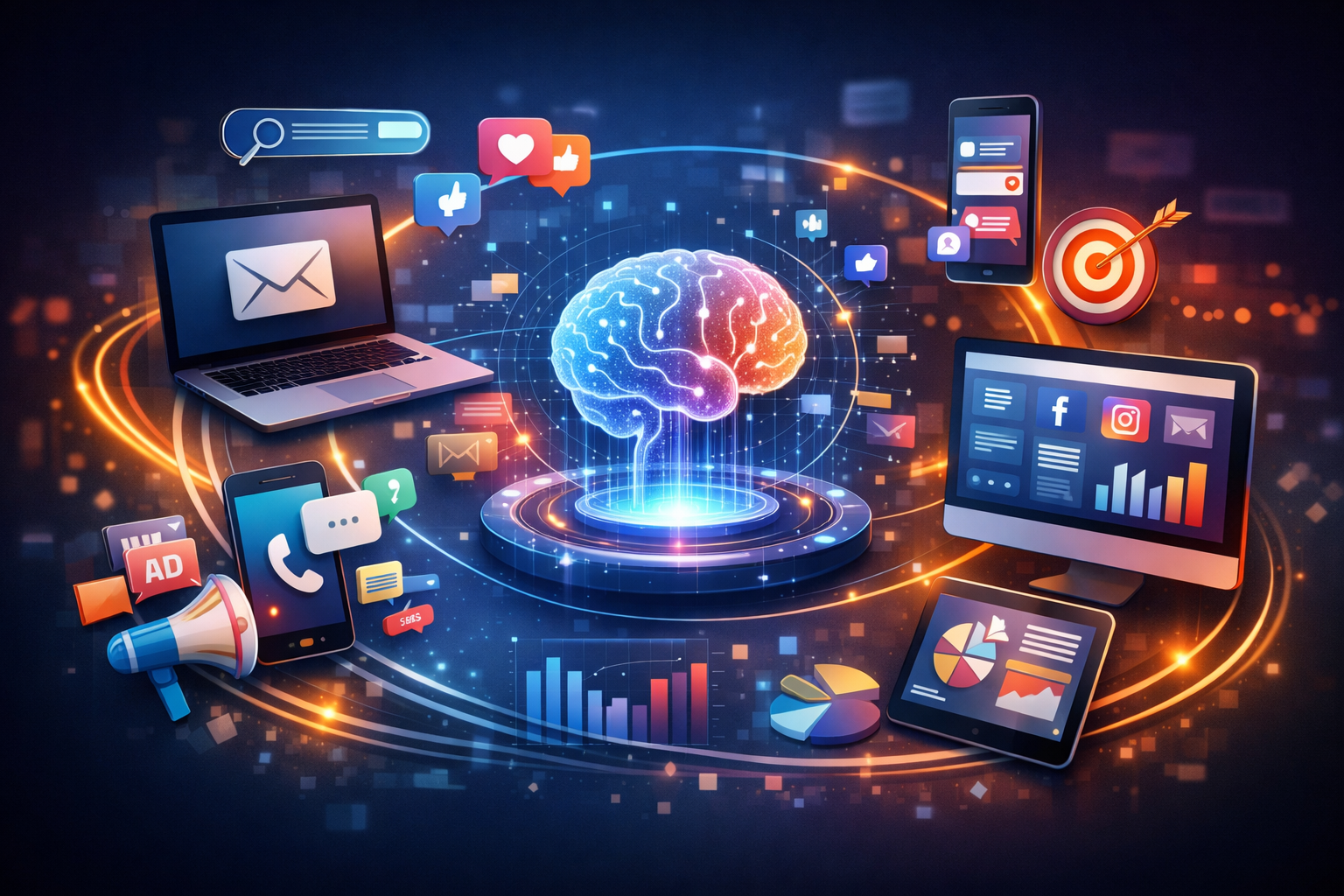
6. Multi-Channel Orchestration Is Essential
Email alone is no longer enough.
Modern B2B customer journeys span:
- SMS
- Webinars
- Paid ads
- Retargeting campaigns
- Direct mail
- In-app messaging
- Video platforms
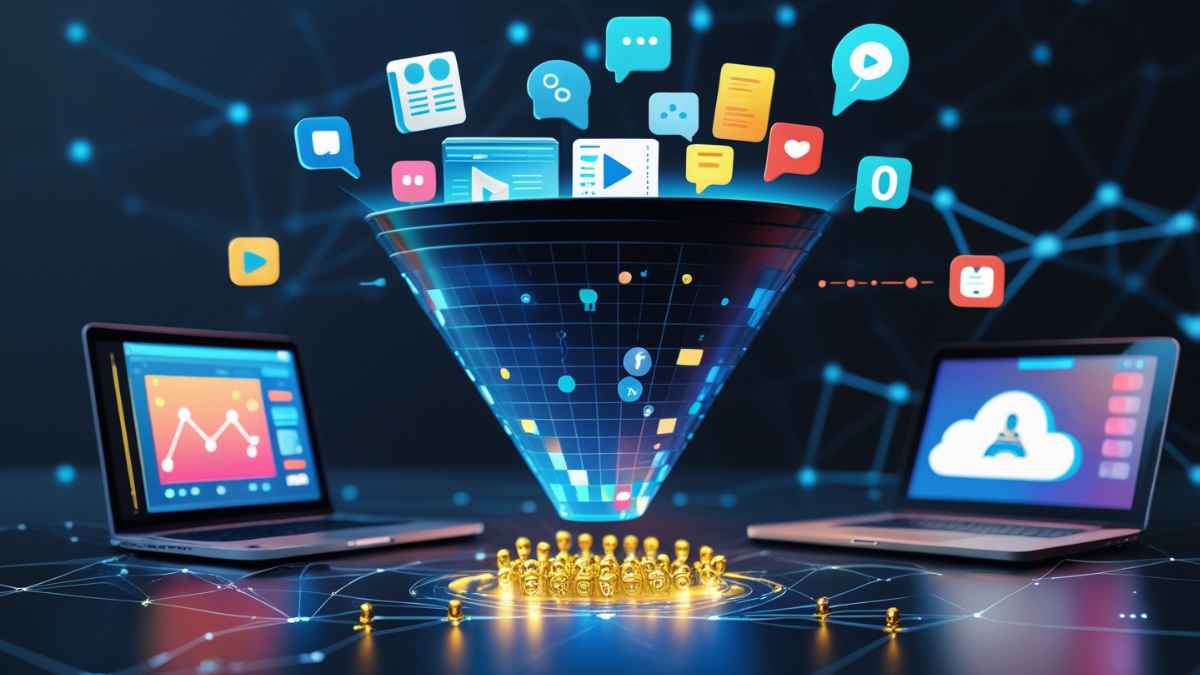
Marketing automation tools are evolving into orchestration engines that coordinate messaging across all these touchpoints.
The goal is to create a consistent experience regardless of where the buyer interacts with your brand.
B2B teams that unify their channels effectively can:
- Increase engagement
- Reduce message fatigue
- Improve conversion consistency
- Build stronger brand trust
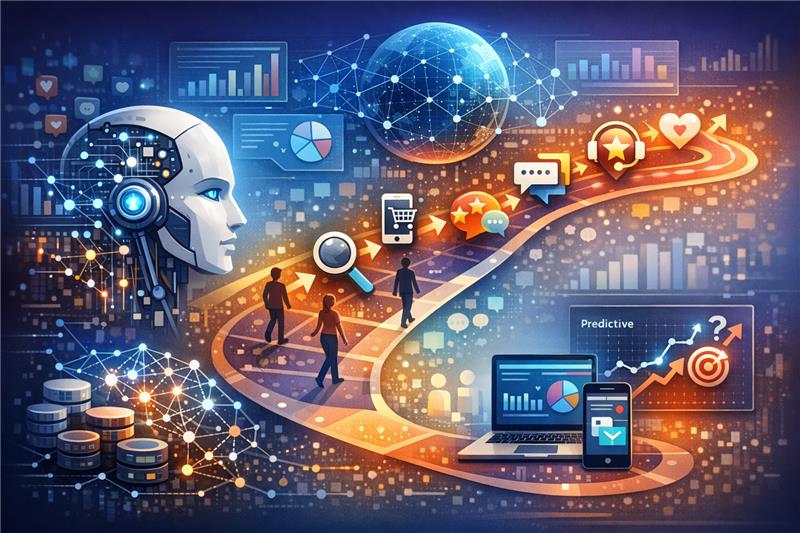
7. Predictive Analytics Is Improving Decision-Making
Predictive analytics is helping marketers move from reactive campaigns to proactive strategies.
Advanced automation systems can now forecast:
- Which leads are likely to convert
- Which customers may churn
- Which accounts are ready for upsell
- Which campaigns will generate the highest ROI
This helps teams allocate budget and resources more effectively.
Instead of relying only on historical reports, marketers can make decisions based on future probability models.
As AI capabilities improve, predictive automation will become increasingly accessible even for mid-sized B2B organizations.
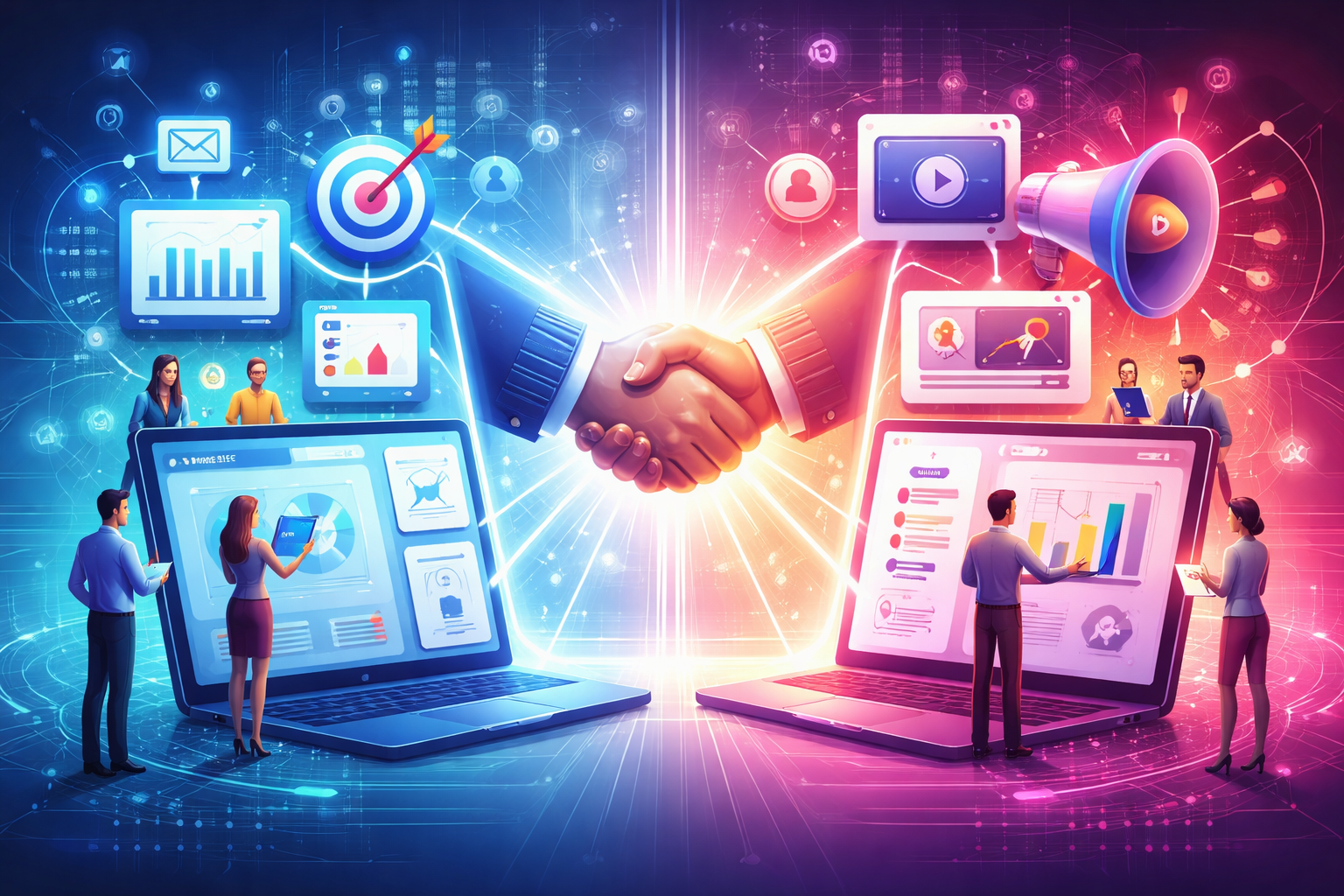
8. Account-Based Marketing (ABM) and Automation Are Converging
ABM and marketing automation were once treated as separate strategies. Today, they are deeply interconnected.
Automation now supports ABM through:
- Personalized account journeys
- Dynamic content experiences
- Buying committee engagement
- Account scoring
- Intent-triggered outreach
- Sales alert workflows
Rather than treating leads individually, B2B teams are orchestrating campaigns at the account level.
This trend is especially important for companies targeting enterprise buyers with complex decision-making structures.
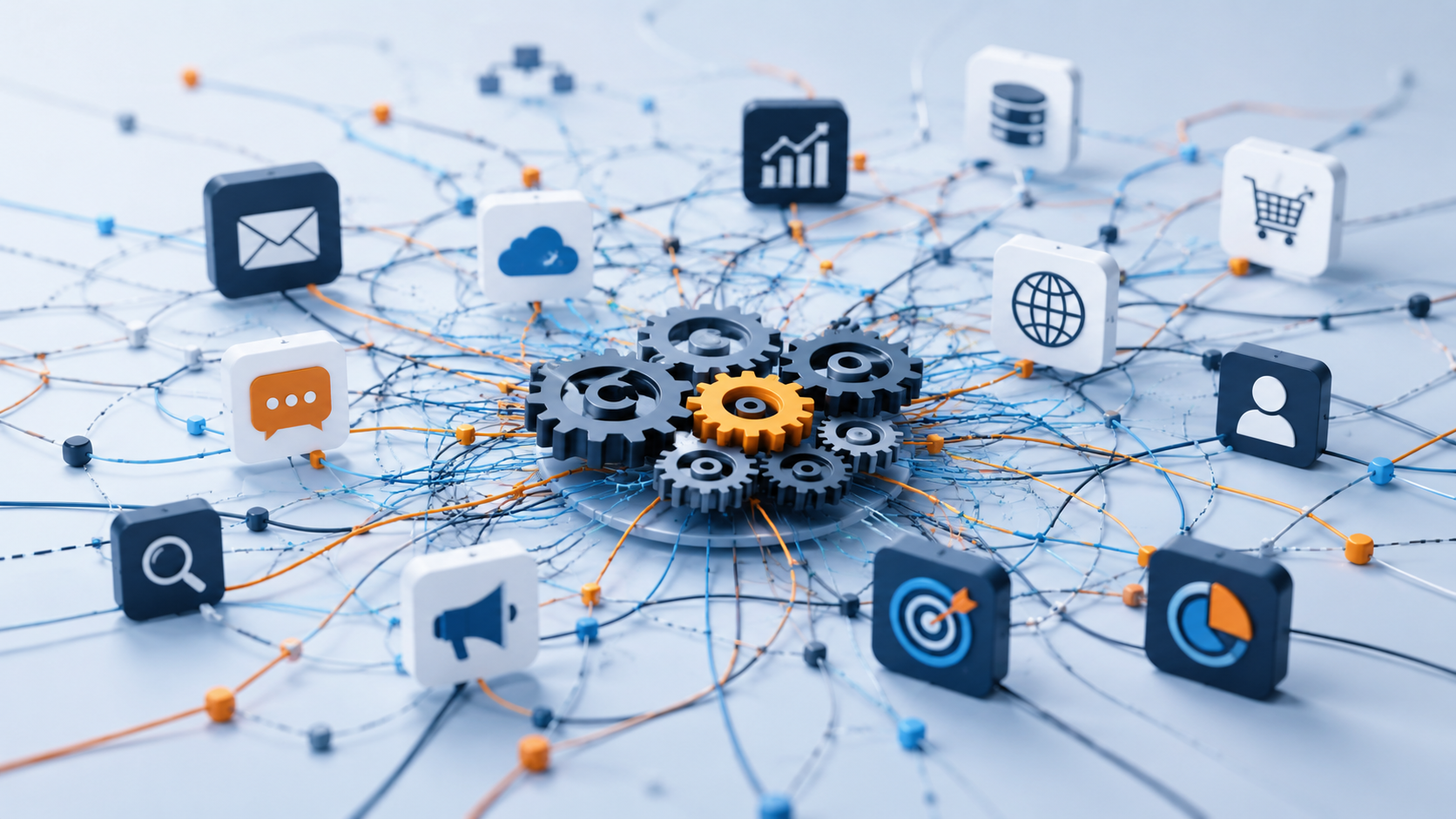
9. Workflow Simplicity Is Becoming a Competitive Advantage
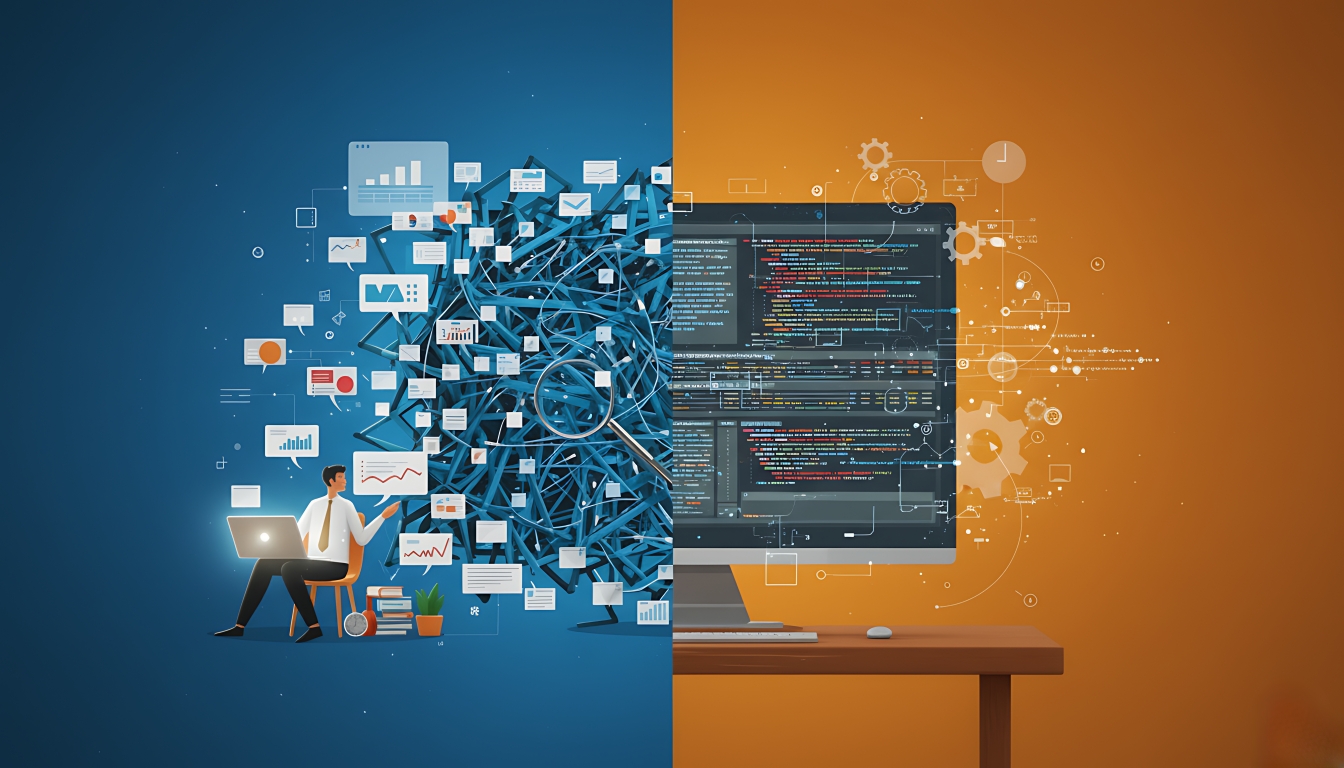
Many organizations built overly complex automation systems over the past decade. These workflows are often difficult to maintain and optimize.
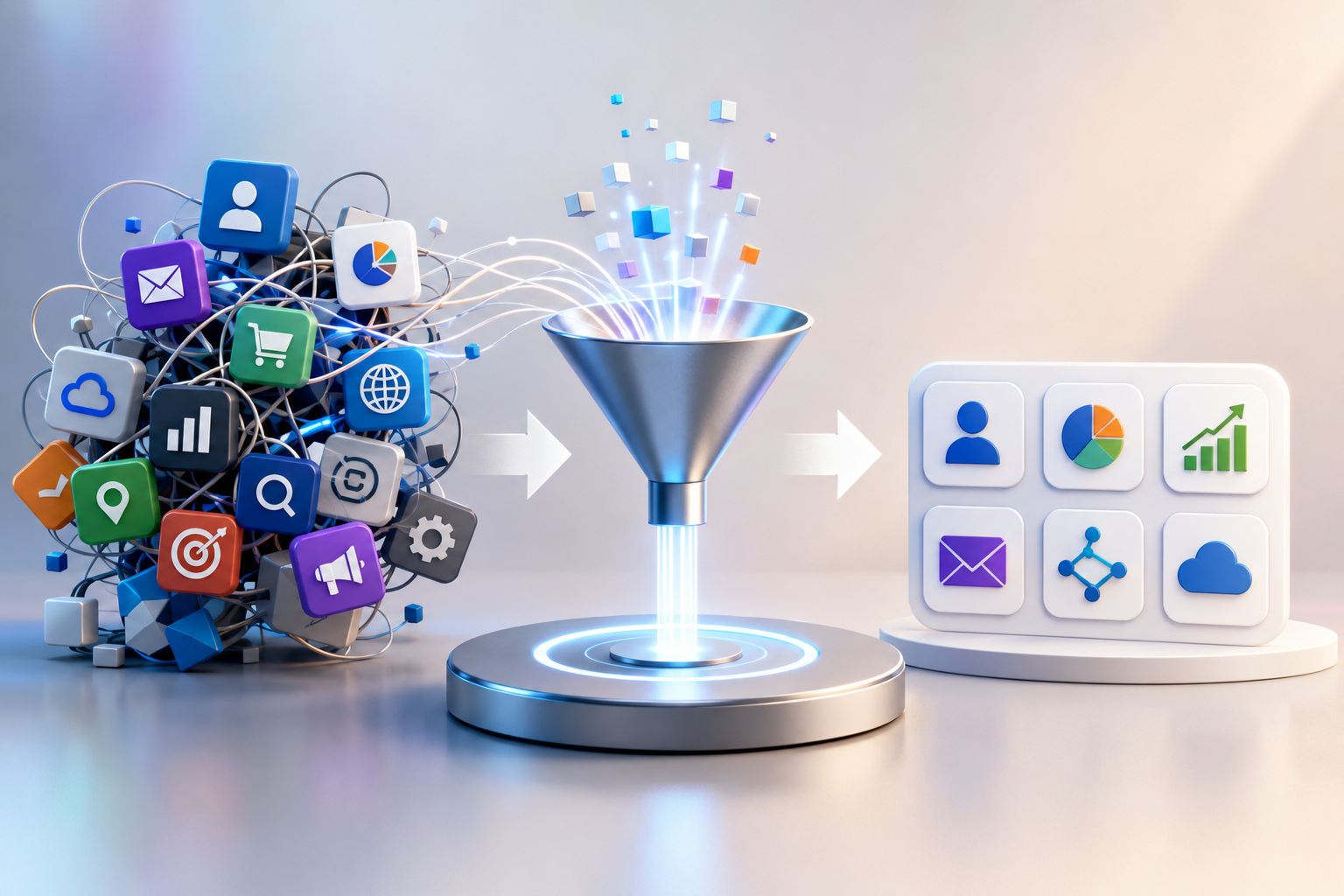
In 2026, leading teams are simplifying their automation ecosystems by:
- Consolidating tools
- Reducing redundant workflows
- Standardizing lifecycle stages
- Improving data governance
- Focusing on quality over quantity
Simpler systems are easier to scale, analyze, and improve.
Operational efficiency is becoming just as important as campaign creativity.
10. Human-Centered Automation Is Winning
Despite rapid advances in AI and automation, the most successful B2B brands still prioritize authentic human experiences.
Automation works best when it:
- Enhances relationships
- Improves responsiveness
- Delivers relevant information
- Supports buyers throughout their journey
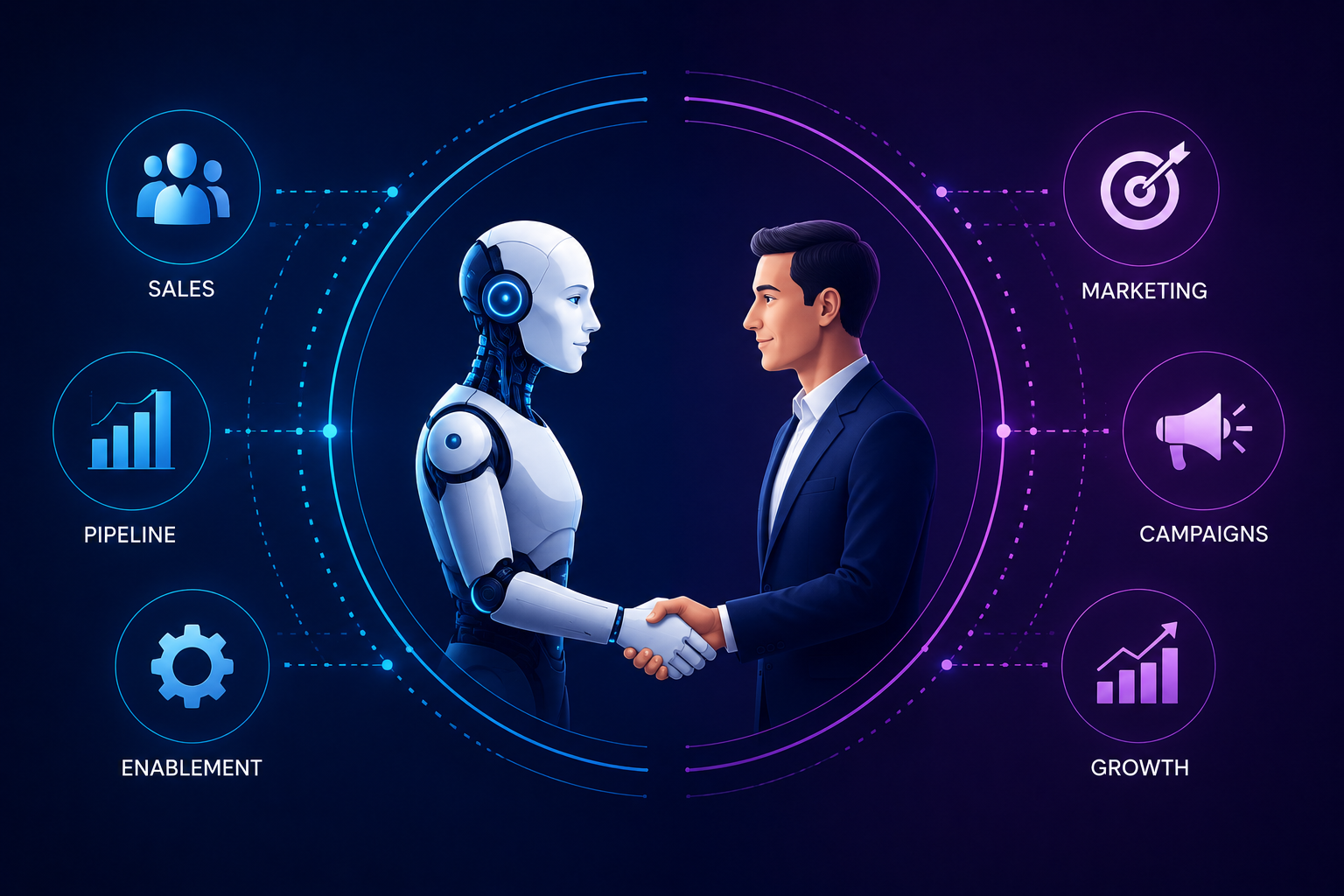
The goal is not to replace human interaction — it’s to make every interaction more valuable.
B2B buyers still want trust, expertise, and meaningful engagement. Automation should strengthen those elements, not eliminate them.
Read Also: The Future of Account-Based Marketing in an AI World