A new Nature Biotechnology perspective article, authored by researchers from UCLA and collaborating institutions, is bringing renewed attention to cell-cell interaction data as an important missing layer for understanding complex biology and advancing foundation models in biology.
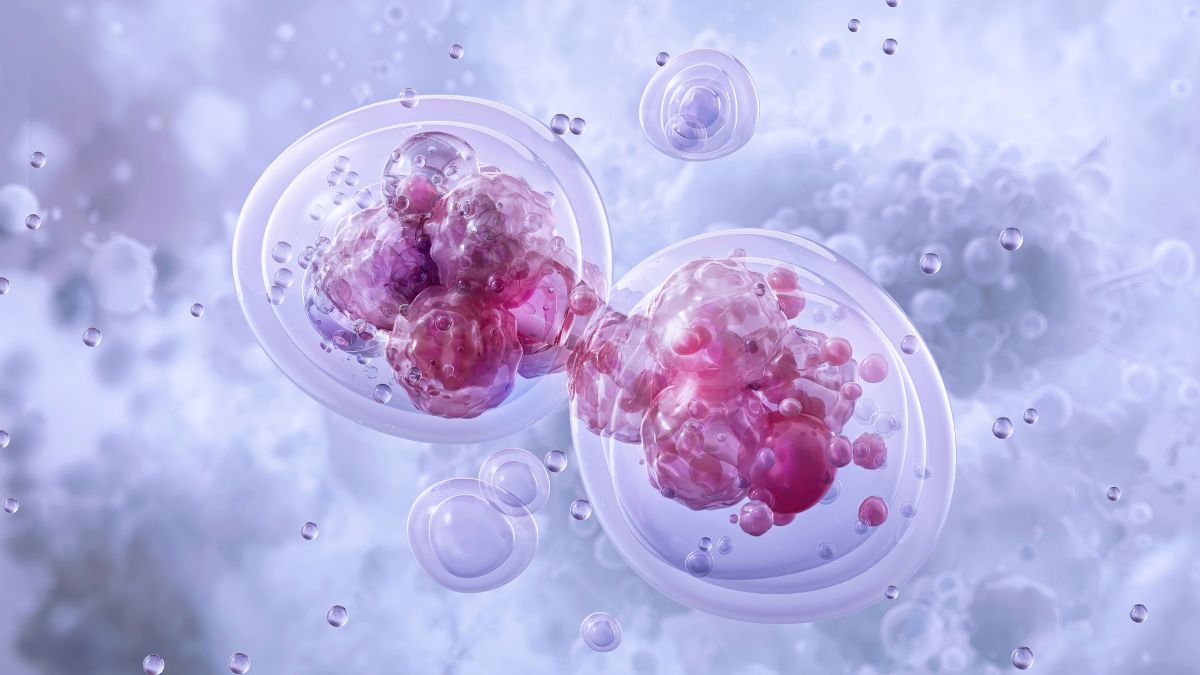
Cell-cell interaction data captures how cells influence one another and how those interactions shape biological function. While single-cell sequencing and spatial biology have transformed the ability to profile cellular identity and organization, many biological outcomes are driven by interactions between cells.
Why this matters: Many current biological datasets describe what cells are, where they are located, or how they respond when a gene is changed or removed. These approaches have been foundational, but they capture only part of how biology works. In living systems, cells are constantly influenced by other cells through contact, secretion, signaling, competition, and cooperation. Measuring these native interactions in controlled, scalable ways could provide an important new data layer for predictive biology and future virtual cell or virtual tissue models.
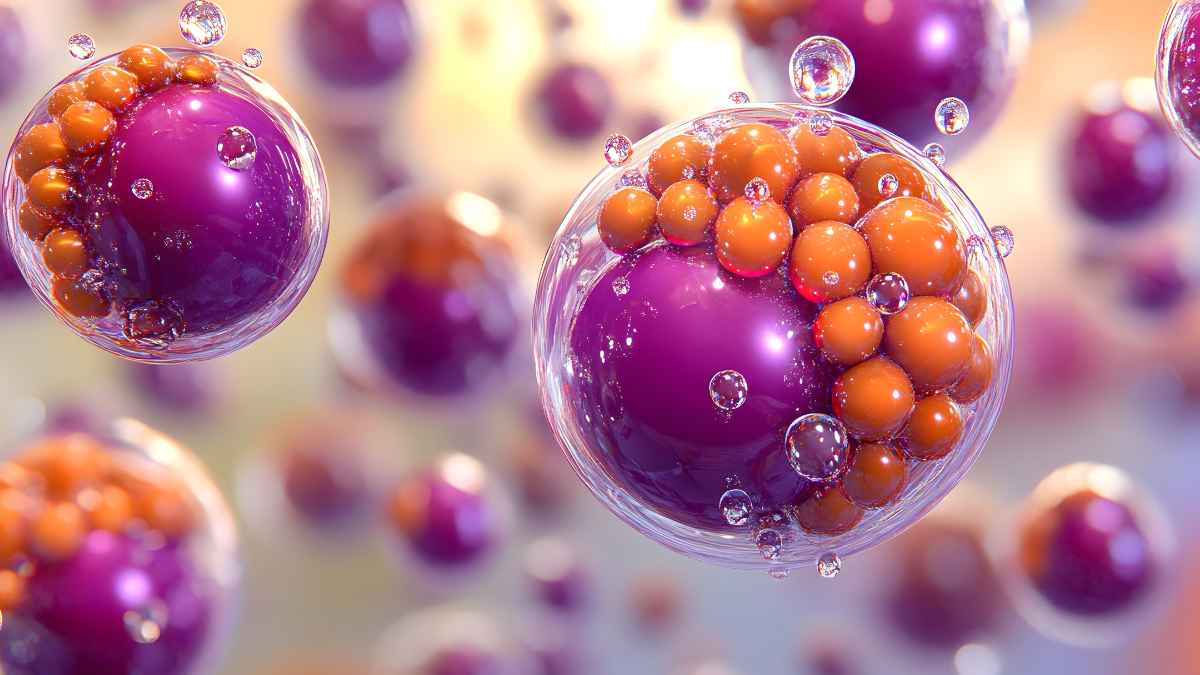
The Nature Biotechnology article proposes the Billion Cell×Cell Project, an effort to systematically characterize cell-cell dyads across diverse cell types and conditions. The project highlights Nanovials as a key enabling technology for capturing defined pairs and studying emergent cellular interactions.
Partillion’s Nanovial technology creates suspendable microscale compartments where researchers can measure cellular behaviors such as secretion, signaling, activation, binding, growth, and interaction-driven responses. These measurements can help generate context-rich datasets that connect cellular identity with functional behavior.
The bioRxiv preprint, “Cell-Cell-Seqresolves contact-associated NK cell activation in defined tumor cell dyads,” provides an example of this approach in practice. Using Nanovials to study defined immune–tumor cell pairs, the preprint reports that existing single-cell foundation models did not fully recapitulate Nanovial-generated cell-cell interaction data, underscoring the potential value of these datasets as functional ground truth for benchmarking model performance.
“The next generation of biological foundation models will need data that tests whether they can predict what cells actually do in context,” said Joe de Rutte, Co-Founder and CEO at Partillion Bioscience. “Cell-cell interaction data provides a form of functional ground truth, capturing how cells influence one another in ways that static cell-state datasets often miss.”
For AI biology, the opportunity is to move from models trained primarily on cellular snapshots toward models that can learn from cellular relationships and functional outcomes. Interaction-resolved datasets can help train, benchmark, and improve models designed to predict how biological systems behave, respond, and change.