In today’s fast-evolving business landscape, the traditional divide between marketing and sales is rapidly disappearing. At the center of this transformation is Revenue Operations (RevOps)—a strategic approach that is redefining how organizations drive growth, improve efficiency, and deliver better customer experiences.
What Is RevOps?
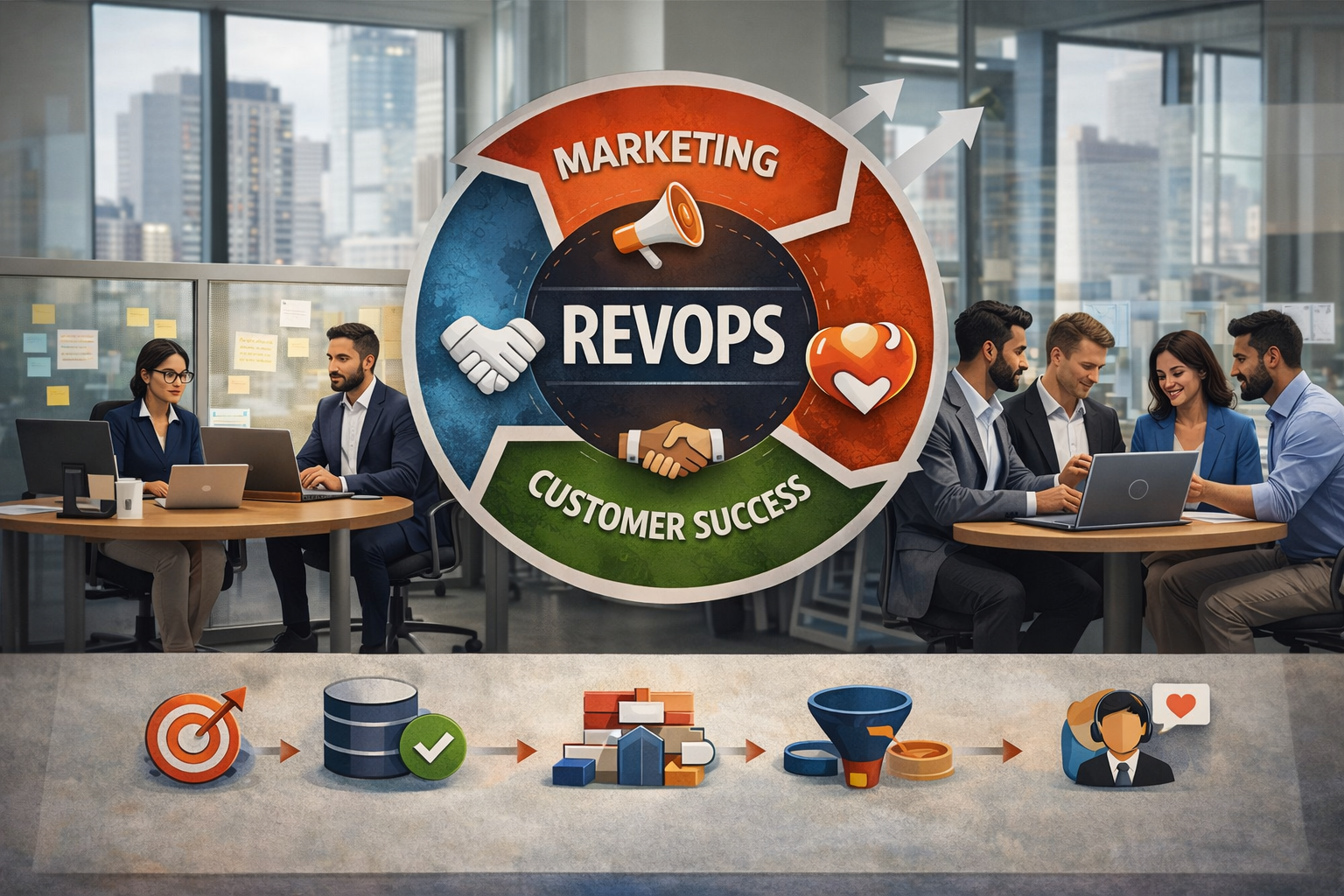
Revenue Operations, or RevOps, is the integration of marketing, sales, and customer success teams into a unified system focused on driving revenue. Instead of operating in silos, these departments share data, processes, and goals to create a seamless customer journey.
RevOps acts as the “connective tissue” across go-to-market teams, aligning strategy, systems, and analytics to ensure every function contributes to revenue growth.
The Problem with Traditional Marketing and Sales Alignment
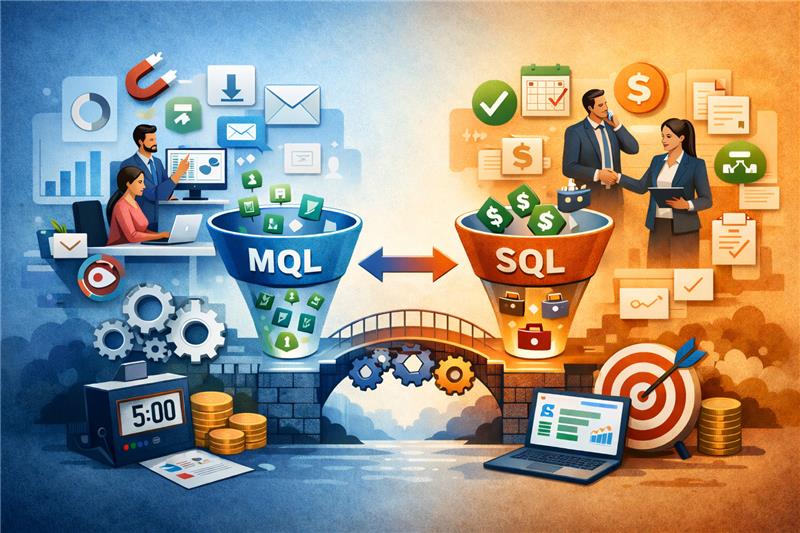
For years, companies have tried to align marketing and sales—but with limited success. Why?
- Different goals: Marketing focuses on leads; sales focuses on closing deals
- Data silos: Disconnected tools create inconsistent insights
- Poor handoffs: Leads often fall through the cracks
- Misaligned metrics: Success is measured differently across teams
This disconnect creates friction and ultimately leads to lost revenue opportunities.
How RevOps Is Changing the Game
RevOps goes beyond simple alignment—it creates a fully integrated revenue engine. Here’s how:
1. Shared Goals and Unified Metrics
RevOps introduces a single set of KPIs across marketing and sales. Instead of separate targets, both teams are accountable for pipeline growth, conversion rates, and revenue outcomes.
This shared accountability ensures everyone is working toward the same objective: revenue generation.
2. A Single Source of Truth
One of the biggest shifts RevOps brings is centralized data.
By integrating CRM systems, marketing automation tools, and analytics platforms, RevOps creates a single, reliable data source. This eliminates conflicting reports and enables better decision-making.
3. Seamless Lead Management and Handoffs
RevOps standardizes processes like lead scoring, routing, and follow-ups.
With clearly defined SLAs (Service Level Agreements) and workflows:
- Marketing knows when a lead is sales-ready
- Sales knows how quickly to respond
- No opportunity is lost in transition
This results in faster sales cycles and improved conversion rates.
4. Full-Funnel Visibility
Traditional alignment often stops at lead generation. RevOps extends visibility across the entire customer lifecycle:
- Awareness → Consideration → Purchase → Retention → Expansion
This holistic view helps teams understand how early-stage marketing efforts impact long-term revenue and customer retention.
5. Data-Driven Marketing Strategies
RevOps shifts marketing from vanity metrics (clicks, impressions) to revenue-driven insights.
Marketers can now answer critical questions like:
- Which campaigns generate the highest-value customers?
- Which channels drive the most revenue—not just leads?
This leads to smarter budget allocation and higher ROI.
6. Improved Customer Experience
By aligning all customer-facing teams, RevOps ensures a consistent experience across every touchpoint.
Customers no longer need to repeat information, and interactions feel more personalized and connected—key expectations in today’s digital-first world.
Key Benefits of RevOps for Alignment
Organizations adopting RevOps often experience:
- Stronger collaboration between teams
- Higher revenue predictability
- Better forecasting accuracy
- Reduced operational inefficiencies
- Improved customer retention and satisfaction
Ultimately, RevOps transforms alignment from a tactical effort into a strategic growth driver.
RevOps vs Traditional Alignment
| Traditional Approach | RevOps Approach |
|---|---|
| Separate teams with different goals | Unified teams with shared revenue goals |
| Fragmented tools and data | Integrated systems and centralized data |
| Limited visibility (top-of-funnel focus) | End-to-end lifecycle visibility |
| Manual handoffs | Automated, standardized workflows |
| Lead-focused metrics | Revenue-focused metrics |
The Future of Marketing and Sales Alignment
RevOps is not just a trend—it’s becoming a necessity.
As businesses scale and customer journeys grow more complex, companies need:
- Better data integration
- Cross-functional collaboration
- Predictable revenue models
RevOps provides the framework to achieve all three.
In fact, forward-thinking organizations are moving toward Chief Revenue Officers (CROs) and dedicated RevOps teams to ensure alignment at the highest level.
Read Also: Unified Customer View: The Future of Marketing Platforms