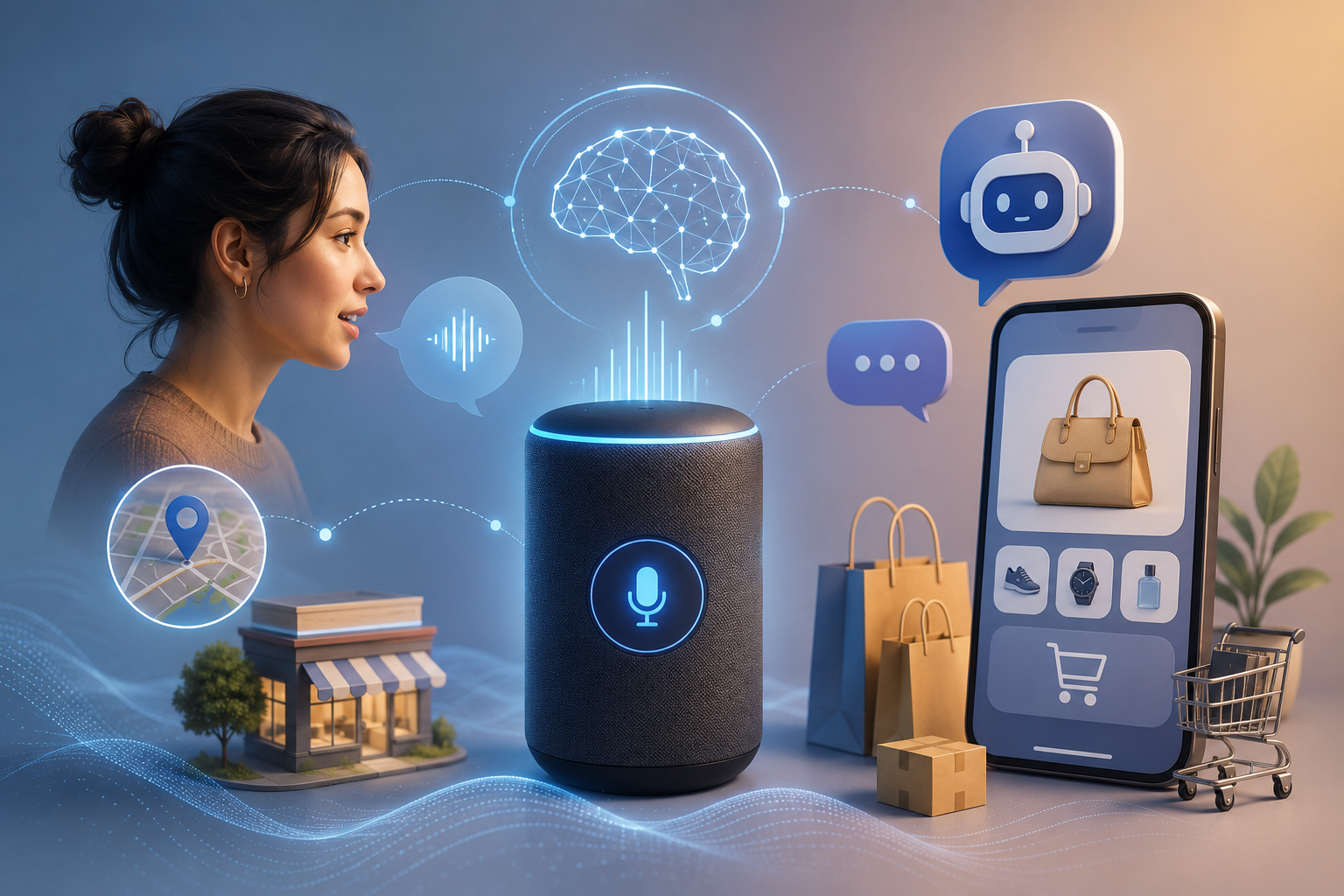

In today’s digital landscape, the line between content and commerce is disappearing. What was once a clear divide—content to inform, commerce to sell—has now merged into a powerful strategy known as content commerce. This approach seamlessly integrates storytelling, media, and user experience with direct purchasing opportunities, transforming passive audiences into active buyers.
What Is Content Commerce?
Content commerce is the practice of embedding products, services, or purchase pathways directly within content experiences. Instead of redirecting users to separate sales pages, brands enable transactions within blogs, videos, social media posts, and interactive platforms.
Think of it as a shift from:
- “Read → Click → Buy”
to - “Read → Engage → Buy instantly”
This frictionless journey is what makes content commerce so effective.
Why Content Commerce Matters Now
Several shifts have accelerated the rise of content commerce:
1. Declining Attention Spans
Users no longer tolerate long, multi-step buying journeys. If a product is not immediately accessible, they move on.
2. Rise of Creator Economy
Influencers and creators are now storefronts. Their content is not just informative—it directly drives purchasing decisions.
3. Platform Evolution
Social and content platforms now offer built-in shopping features, allowing users to purchase without leaving the app.
4. Trust-Based Buying
Consumers trust content (reviews, tutorials, storytelling) more than traditional ads. Content commerce leverages this trust to drive conversions.
Key Formats of Content Commerce
1. Shoppable Content
Articles, videos, or images where products are tagged and clickable.
Example: A fashion blog where readers can directly purchase outfits featured in a post.
2. Video Commerce
Short-form and live videos that integrate product links or real-time purchasing options.
Why it works: Combines entertainment with instant action.
3. Social Commerce
Platforms where discovery and purchase happen in the same place.
Impact: Reduces friction and boosts impulse buying.
4. Editorial Commerce
Content-driven recommendations such as “best of” lists, reviews, and comparisons that include affiliate or direct purchase links.
5. Interactive Content
Quizzes, AR experiences, and personalized recommendations that guide users toward products.
How Content Commerce Drives Conversions
Seamless User Journey
By eliminating unnecessary steps, content commerce shortens the path to purchase.
Contextual Relevance
Products are presented within meaningful content, increasing the likelihood of purchase.
Emotional Engagement
Storytelling builds desire before presenting the product, making conversions feel natural rather than forced.
Data-Driven Personalization
Modern tools allow brands to tailor content and product recommendations based on user behavior.
Building a Content Commerce Strategy
1. Start With Value, Not Products
Content should educate, entertain, or solve problems first. Selling comes second.
2. Choose the Right Formats
Match your audience behavior:
- Blogs for research-driven users
- Video for discovery
- Social for engagement and impulse buying
3. Integrate Seamlessly
Avoid aggressive selling. Products should feel like a natural extension of the content.
4. Optimize for Mobile
Most content consumption—and increasingly, purchases—happen on mobile devices.
5. Measure What Matters
Track metrics such as:
- Engagement time
- Click-through rate
- Conversion rate
- Revenue per content piece
Challenges to Watch Out For
Over-Commercialization
Too many product placements can reduce trust and harm brand credibility.
Content Quality Decline
Focusing too much on selling can weaken the value of the content itself.
Attribution Complexity
It can be difficult to track which content piece actually drove the sale.
The Future of Content Commerce
Content commerce is evolving rapidly with emerging technologies:
- AI-driven personalization will create highly tailored shopping experiences
- Live commerce will blend entertainment with real-time purchasing
- AR/VR experiences will allow users to “try before they buy” within content
- Voice and conversational commerce will enable purchases through natural interactions
The future points toward invisible commerce—where buying becomes a natural outcome of consuming content.
Read Also: The Role of APIs in B2B Integration