
Introduction
In today’s competitive B2B landscape, generating leads is only the beginning. The real challenge lies in nurturing those leads until they are ready to make a purchase. Modern buyers conduct extensive research, compare multiple vendors, and expect personalized experiences before engaging with a sales representative. This shift has made traditional lead nurturing methods less effective and significantly more time-consuming.
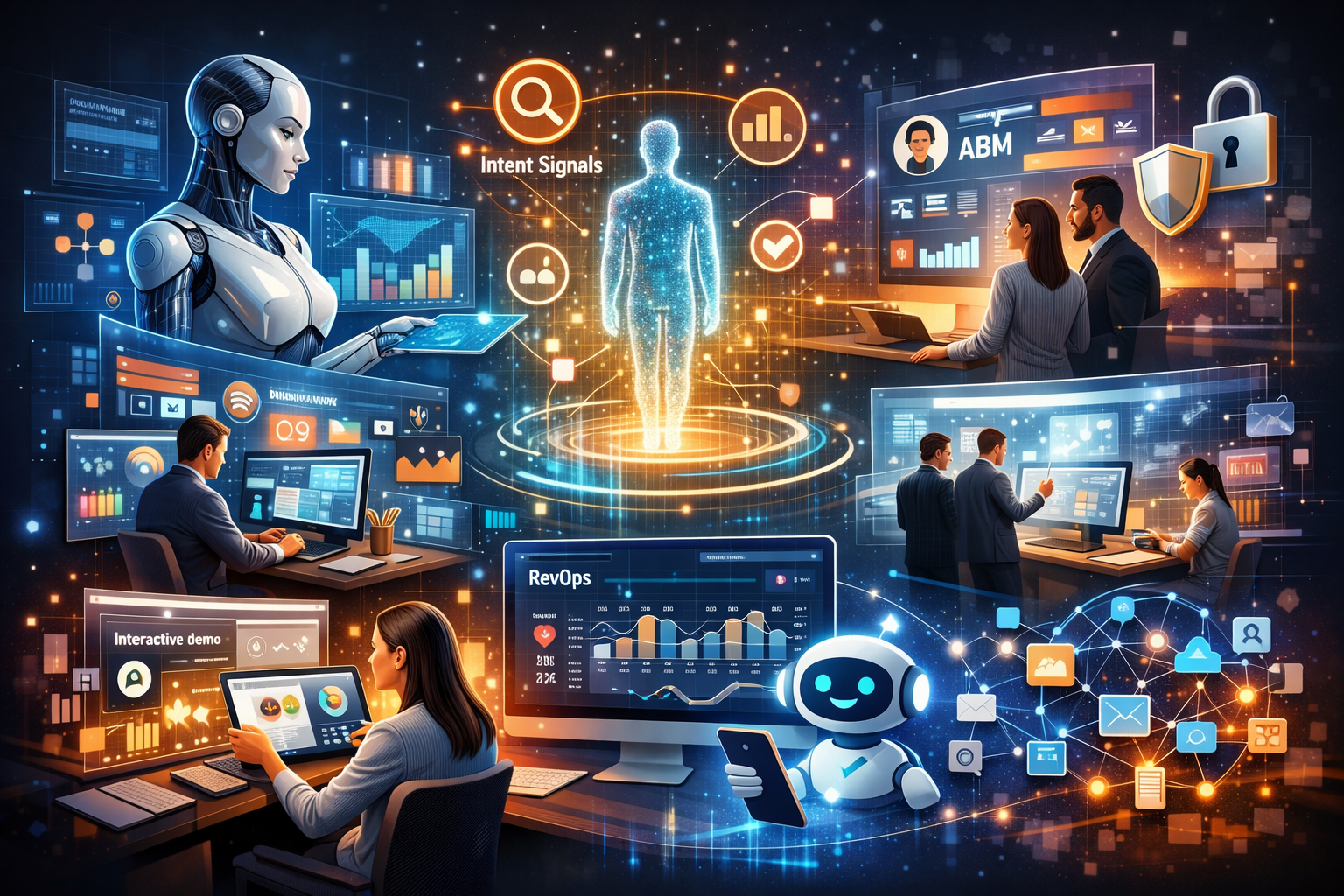
Marketing automation has emerged as a powerful solution, enabling businesses to engage prospects with personalized, timely, and data-driven interactions throughout the buyer’s journey. By automating repetitive tasks while delivering relevant content at every stage, organizations can improve conversion rates, strengthen customer relationships, and increase revenue.
What Is Marketing Automation?
Marketing automation refers to the use of software platforms and technology to automate marketing activities such as email campaigns, lead scoring, customer segmentation, social media scheduling, and workflow management. Instead of manually managing every interaction, marketers can build automated journeys that respond to customer behavior in real time.
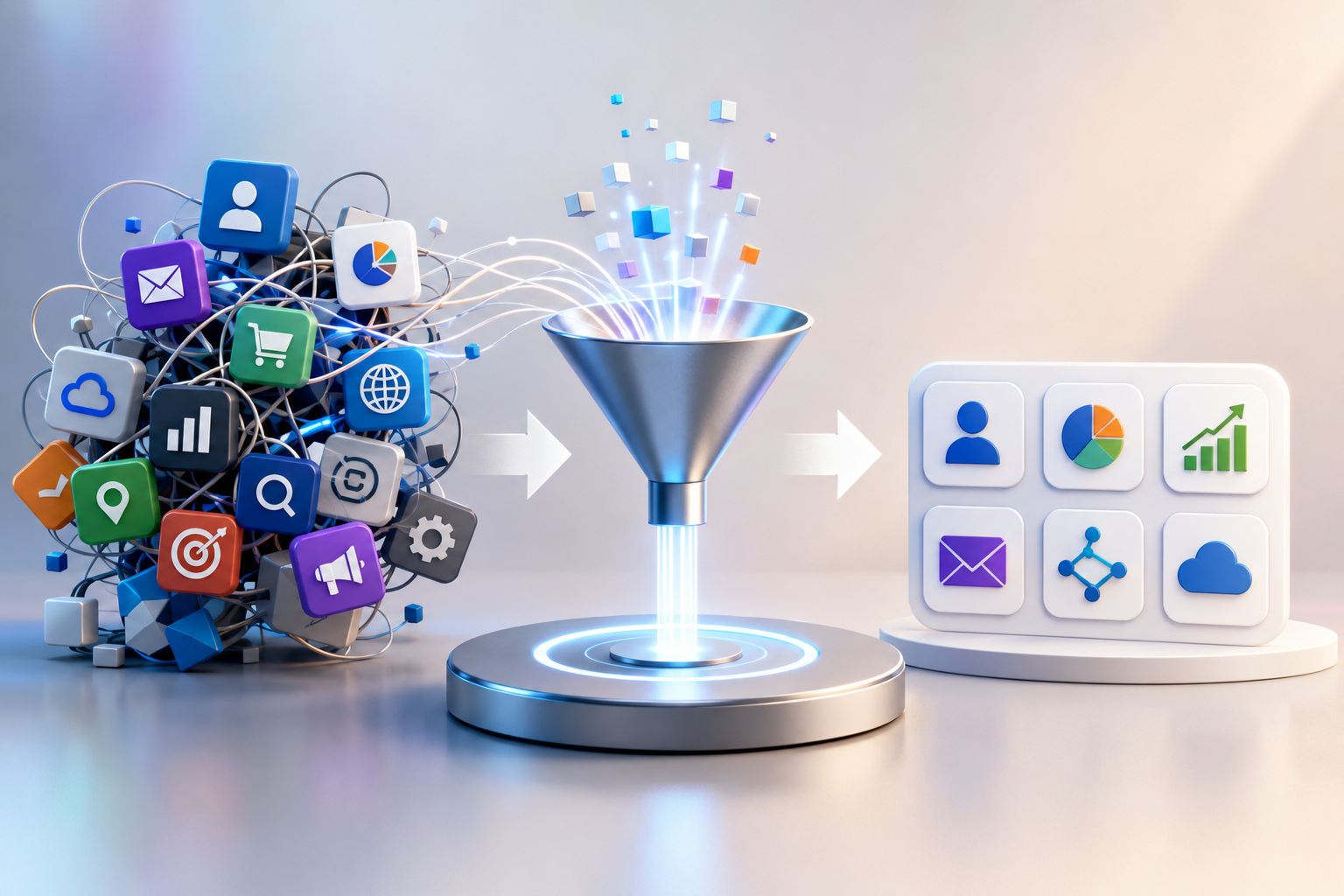
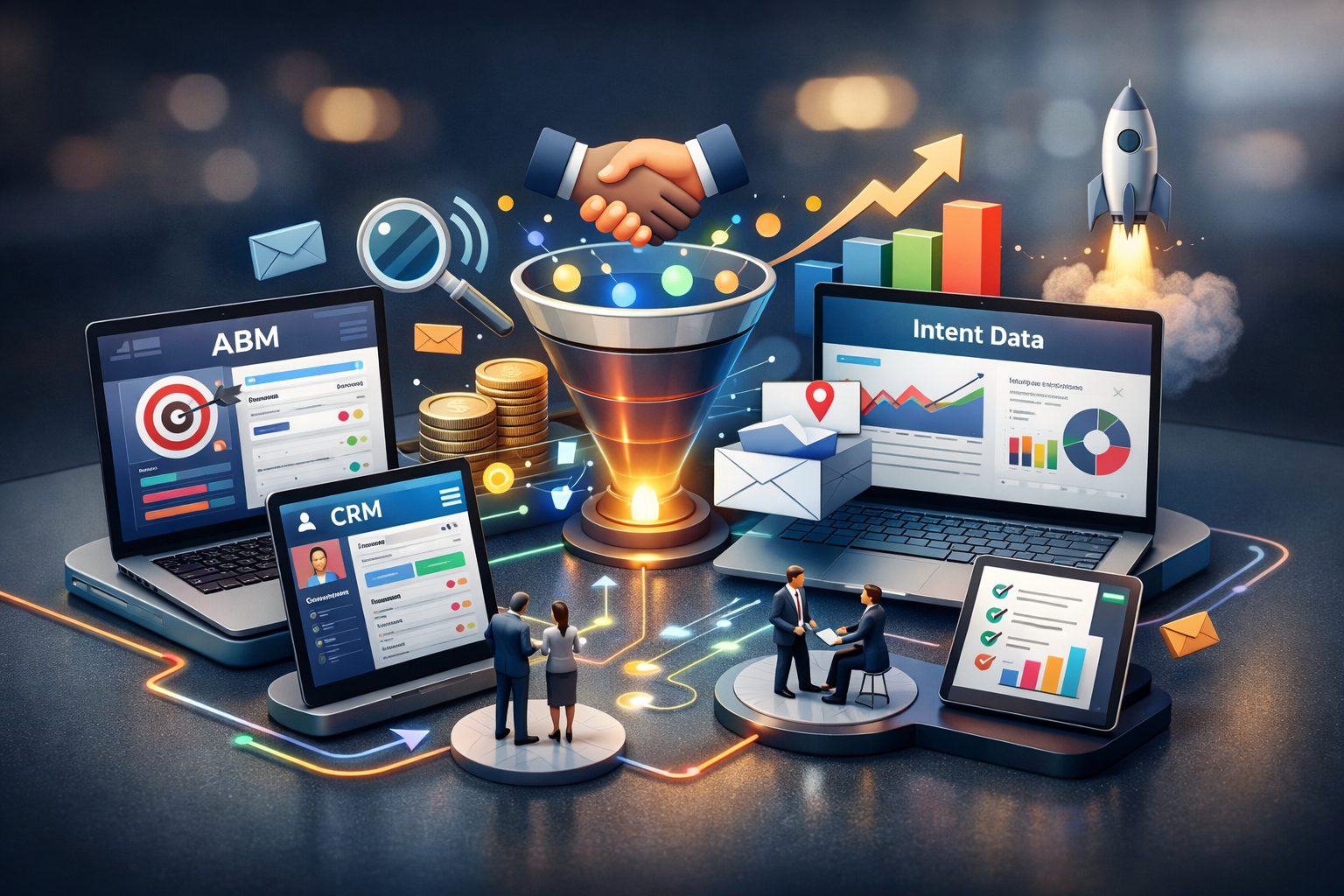
Popular marketing automation platforms integrate with CRM systems, enabling marketing and sales teams to collaborate more effectively and maintain a unified view of every prospect.
Why B2B Lead Nurturing Matters
B2B purchasing decisions often involve multiple stakeholders and lengthy sales cycles. Prospects rarely make immediate purchasing decisions after their first interaction with a brand. They require ongoing education, trust-building, and consistent communication.
Effective lead nurturing helps businesses:
- Build credibility through valuable content.
- Keep prospects engaged throughout the buying journey.
- Identify high-intent leads.
- Increase sales readiness.
- Shorten the sales cycle.
- Improve customer retention and loyalty.
Without structured lead nurturing, many qualified prospects lose interest or choose competitors before reaching the decision stage.
How Marketing Automation Is Revolutionizing Lead Nurturing
1. Personalized Customer Journeys at Scale
Modern marketing automation platforms allow businesses to personalize communication based on customer behavior, industry, job role, website activity, and previous interactions.
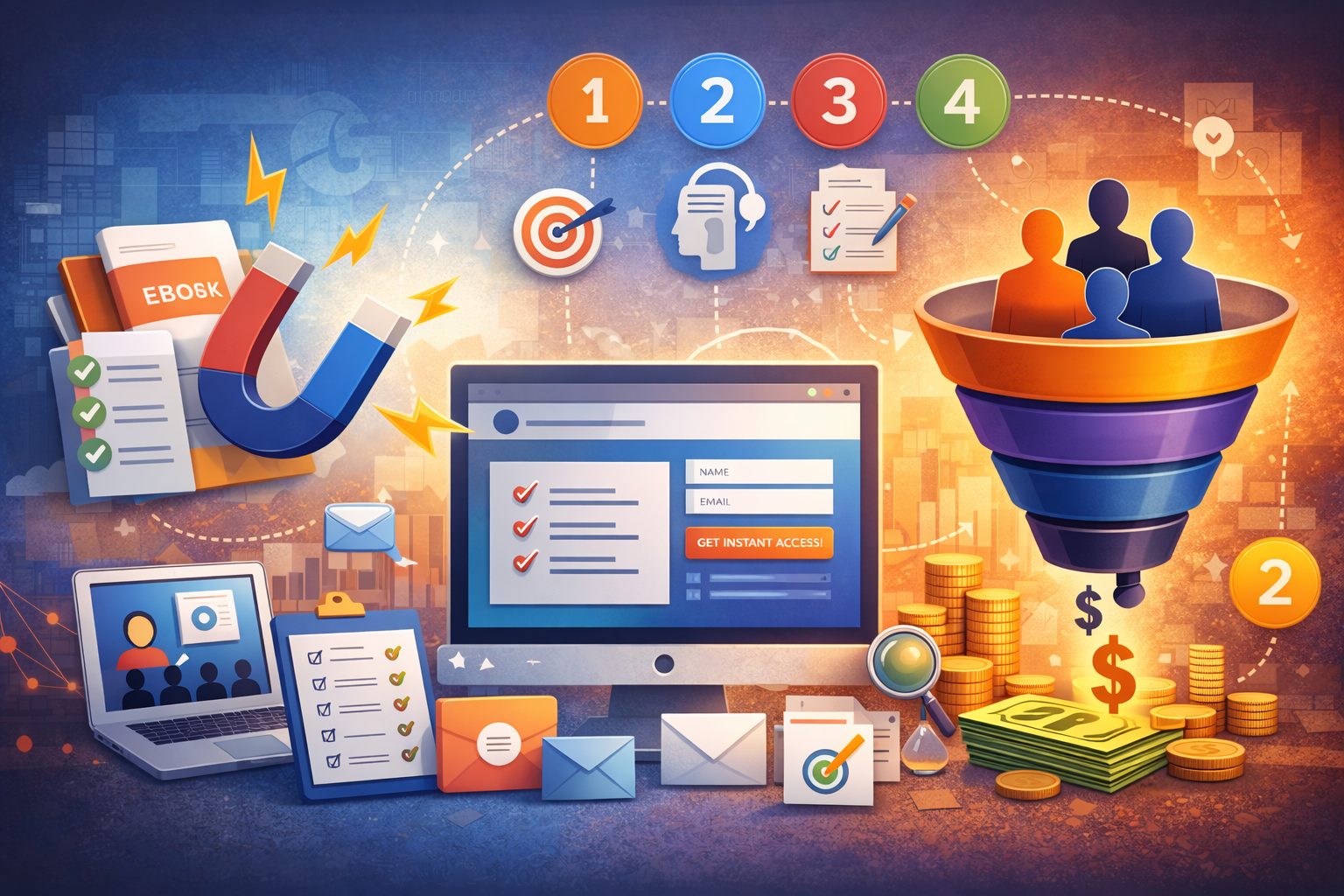
For example, if a prospect downloads an eBook about cloud security, they can automatically receive related case studies, webinar invitations, and product demonstrations instead of generic marketing emails.
This level of personalization significantly improves engagement while reducing manual effort.
2. Automated Email Workflows
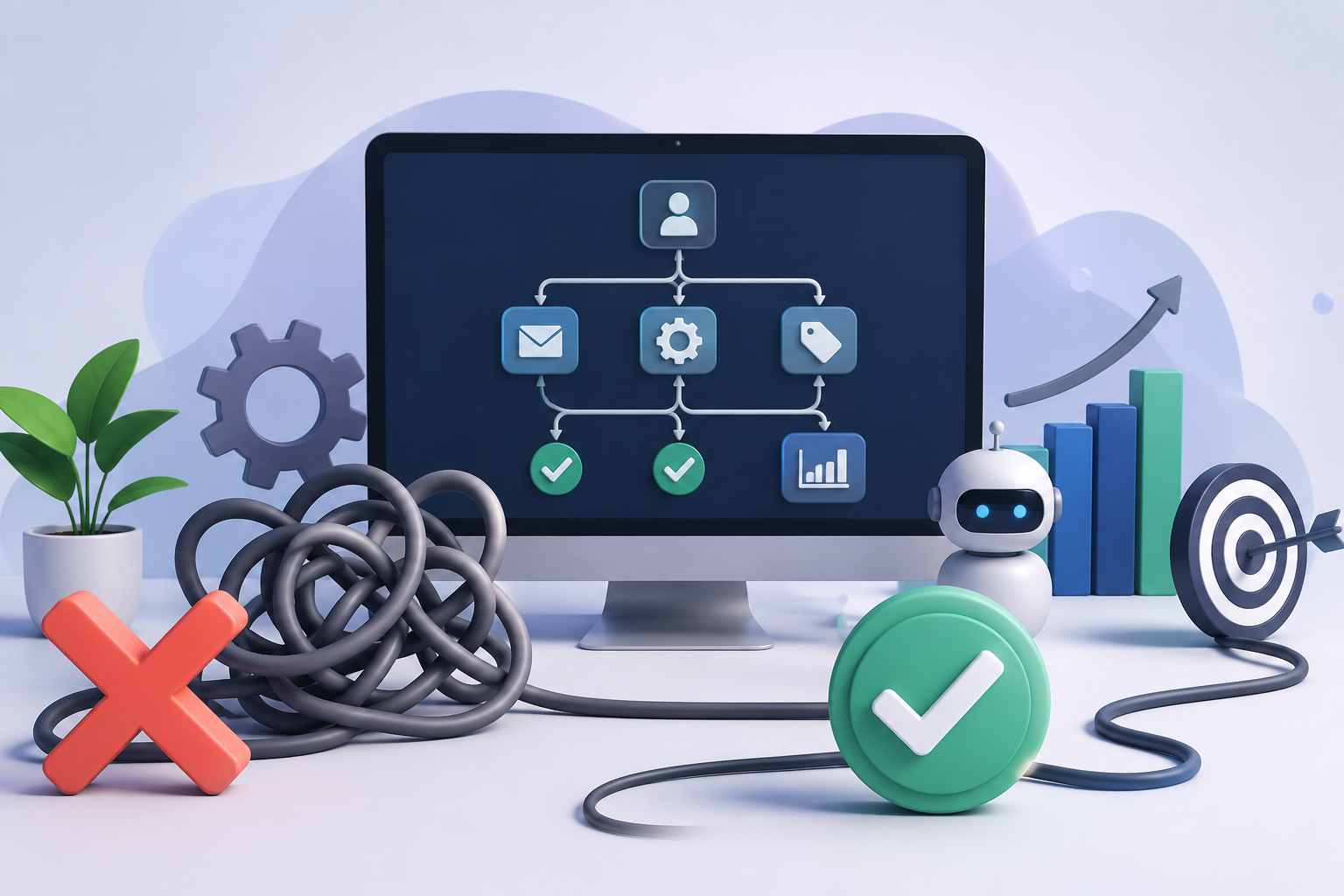
Email remains one of the most effective B2B marketing channels. Marketing automation enables businesses to create sophisticated email sequences triggered by specific actions.
Examples include:
- Welcome email series
- Product education campaigns
- Free trial onboarding
- Webinar follow-ups
- Cart abandonment reminders
- Re-engagement campaigns
Automated workflows ensure every lead receives timely communication without requiring constant manual intervention.
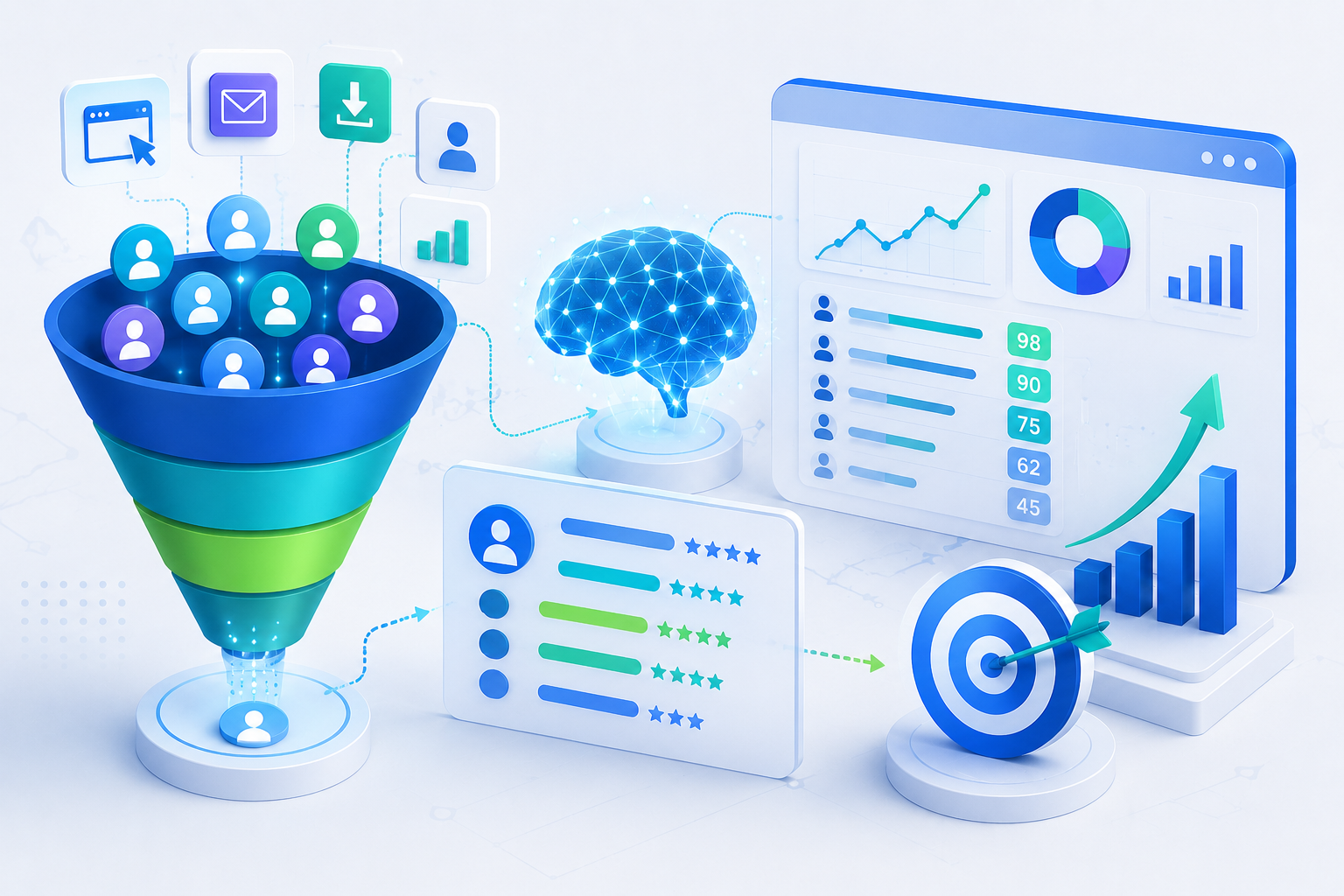
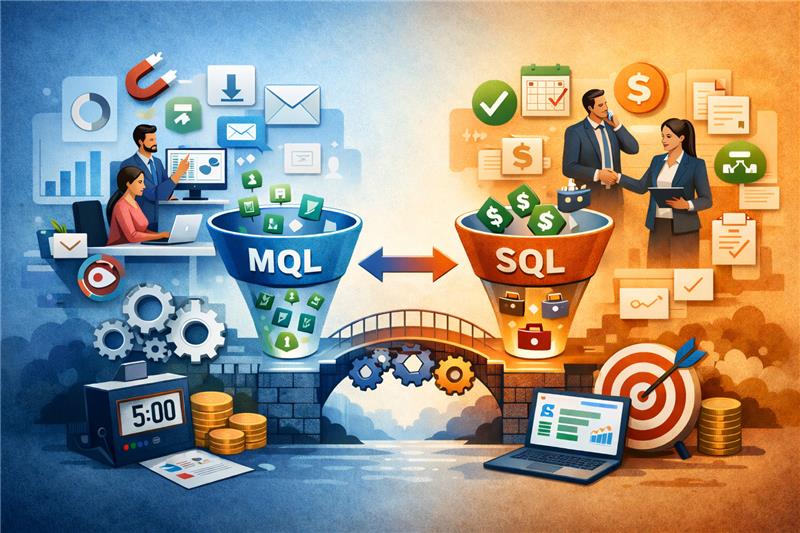
3. Smarter Lead Scoring
Not every lead is ready for a sales conversation. Marketing automation platforms assign scores based on actions such as:
- Website visits
- Content downloads
- Email opens
- Link clicks
- Demo requests
- Pricing page visits
As leads accumulate points, sales teams receive notifications when prospects demonstrate strong buying intent. This allows sales representatives to focus on qualified opportunities rather than cold leads.
4. Behavioral Tracking and Insights
Marketing automation tools monitor how prospects interact with websites, emails, landing pages, and digital content.
These insights help marketers understand:
- Which content generates the most engagement
- Where prospects drop off in the buying journey
- Which campaigns produce qualified leads
- What messaging resonates with different audience segments
Data-driven decision-making results in continuous optimization of lead nurturing strategies.
5. Better Sales and Marketing Alignment
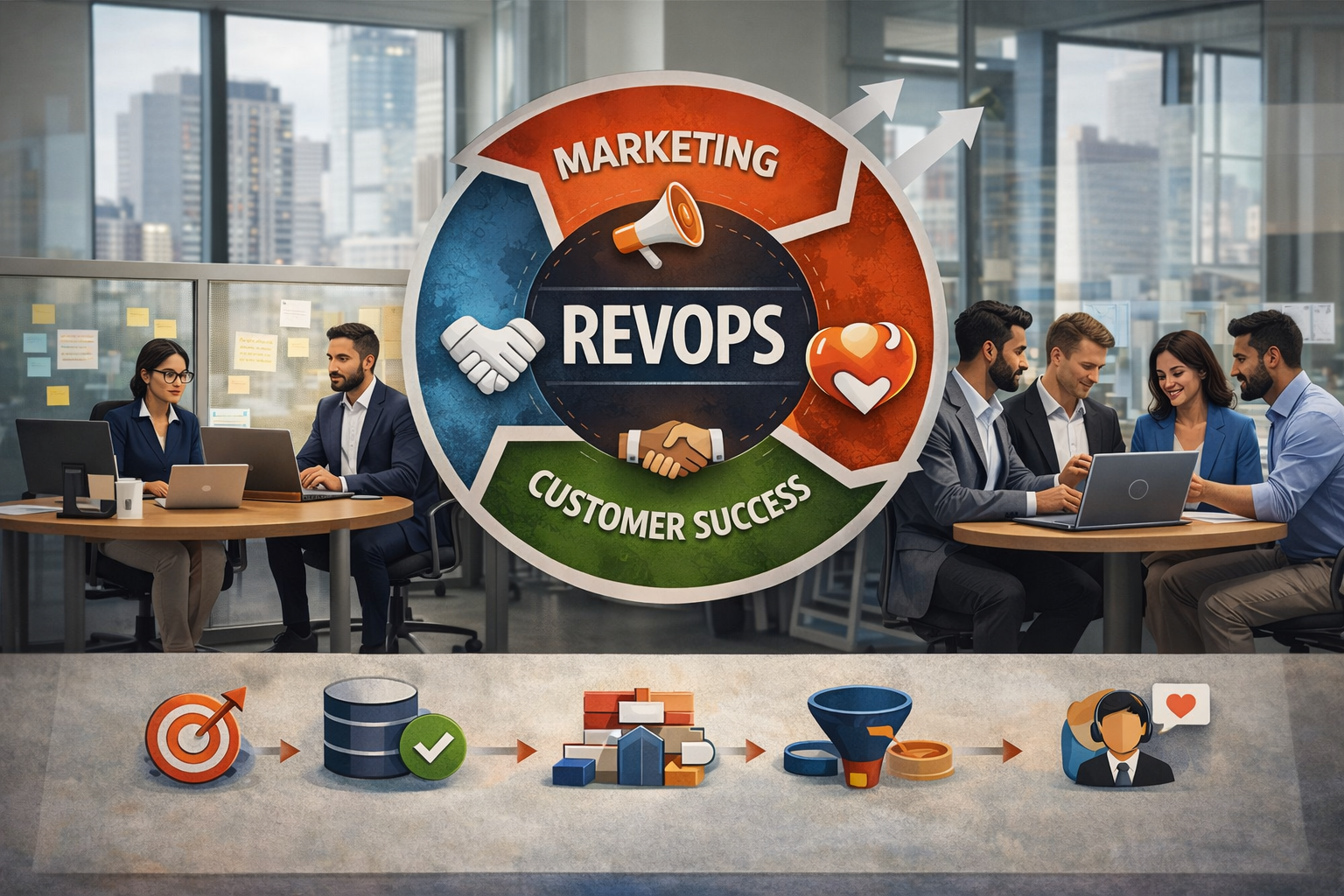
One of the biggest challenges in B2B organizations is maintaining alignment between marketing and sales teams.
Marketing automation bridges this gap by providing:
- Shared lead data
- Lead qualification criteria
- Automated CRM updates
- Activity timelines
- Sales alerts
With better visibility into customer interactions, sales representatives can have more informed conversations and improve conversion rates.
6. Multi-Channel Engagement
Today’s B2B buyers interact with brands across multiple channels. Marketing automation enables businesses to coordinate communication through:
- Email marketing
- SMS campaigns
- Social media
- Website personalization
- Chatbots
- Retargeting advertisements
- Webinars
A consistent omnichannel experience keeps prospects engaged regardless of where they interact with the brand.
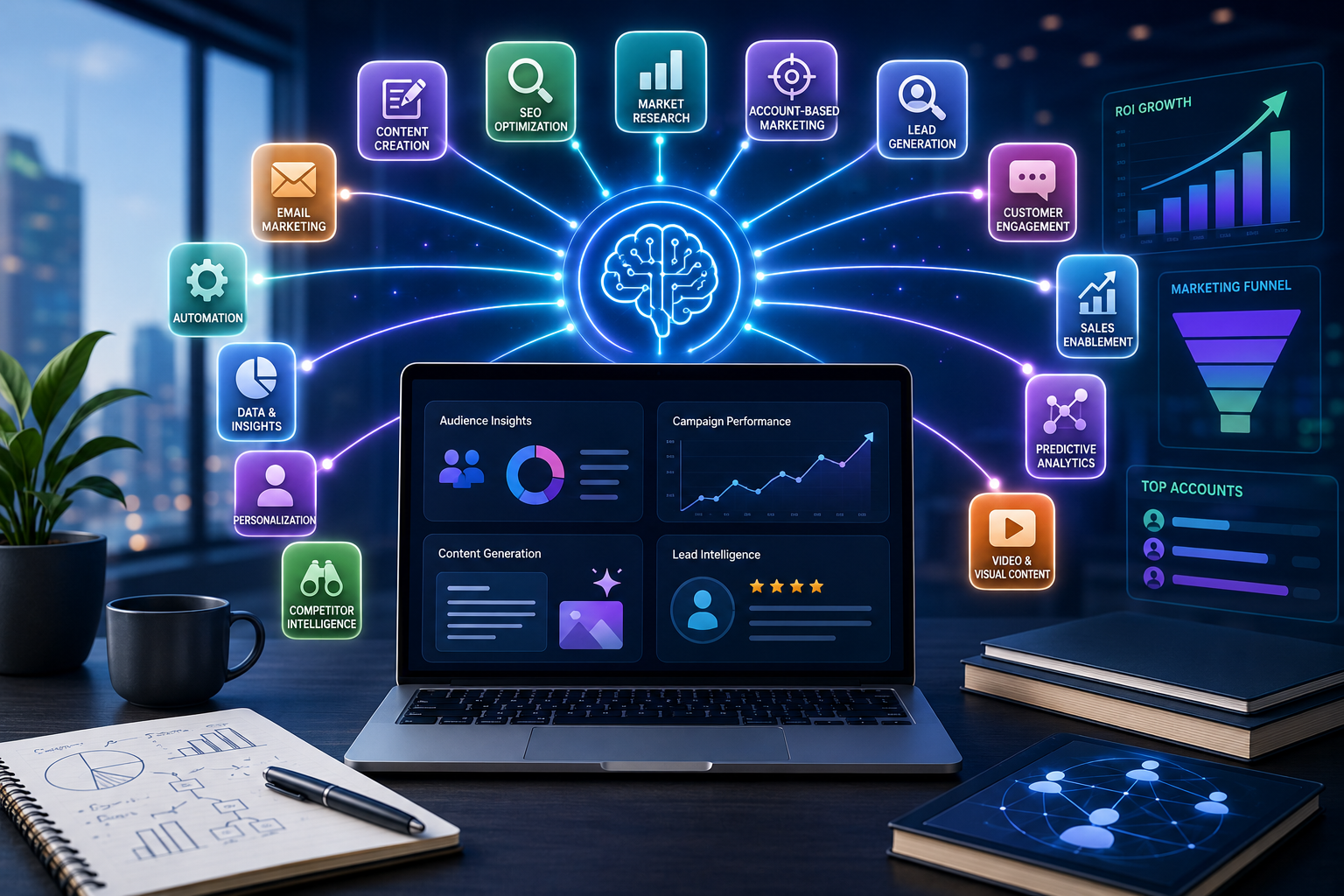
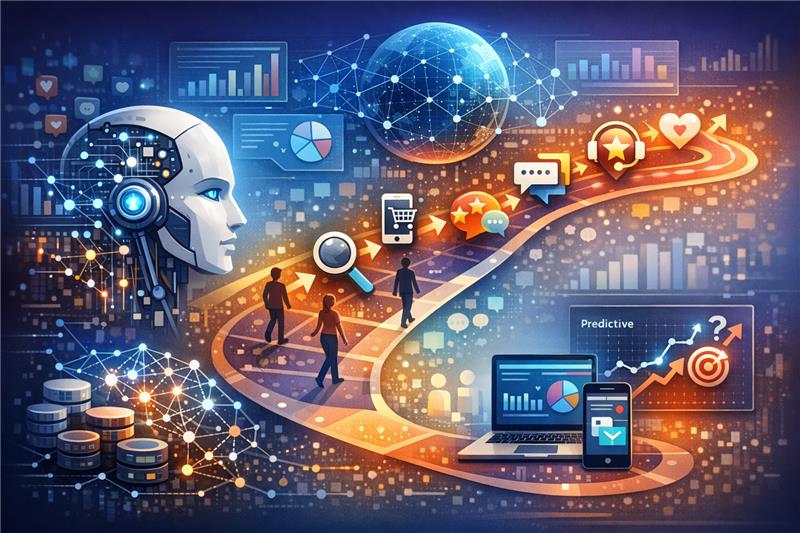
7. AI-Powered Optimization
Many modern marketing automation platforms now incorporate artificial intelligence to improve campaign performance.
AI can help:
- Predict purchase intent
- Recommend the next best action
- Optimize email send times
- Personalize content recommendations
- Improve lead scoring accuracy
- Forecast campaign performance
These capabilities enable marketers to make smarter decisions while improving overall efficiency.
Key Benefits of Marketing Automation for B2B Businesses
Increased Efficiency
Automation eliminates repetitive manual tasks, allowing marketing teams to focus on strategy, creativity, and customer engagement.
Higher Conversion Rates
Personalized messaging delivered at the right time increases engagement and moves prospects more effectively through the sales funnel.
Improved Customer Experience
Relevant, timely communication builds trust and demonstrates a deeper understanding of customer needs.
Better ROI
Automation reduces operational costs while increasing campaign effectiveness, resulting in a stronger return on marketing investment.
Scalable Growth
As businesses expand, marketing automation supports larger lead volumes without requiring proportional increases in staffing.
Best Practices for Successful Marketing Automation
To maximize results, organizations should follow these best practices:
- Clearly define buyer personas.
- Segment audiences based on behavior and demographics.
- Develop valuable educational content for every stage of the buyer journey.
- Build automated workflows aligned with customer needs.
- Continuously monitor campaign performance.
- Regularly update lead scoring models.
- Integrate marketing automation with CRM and analytics platforms.
- Test subject lines, content, and workflows to improve performance.
Common Mistakes to Avoid
While marketing automation offers significant advantages, businesses should avoid:
- Over-automation that removes the human touch.
- Sending excessive emails.
- Ignoring data quality.
- Failing to update customer segments.
- Creating generic content.
- Neglecting campaign performance analysis.
Successful automation enhances human relationships rather than replacing them.
The Future of B2B Lead Nurturing
The future of marketing automation lies in greater personalization, predictive analytics, conversational AI, and real-time customer engagement. As technologies continue to evolve, businesses will increasingly deliver individualized experiences based on intent, preferences, and behavioral data.
Organizations that embrace intelligent automation today will be better positioned to attract, nurture, and convert high-quality leads in an increasingly competitive marketplace.
Read Also: Data Governance Best Practices for Modern Marketing Teams