
Why First-Party Data Is the Foundation of Modern Marketing
For years, third-party cookies powered digital advertising by helping businesses track user behavior across websites, personalize campaigns, and measure performance. However, growing privacy concerns, evolving regulations, and browser restrictions have fundamentally changed how marketers collect and use customer data.
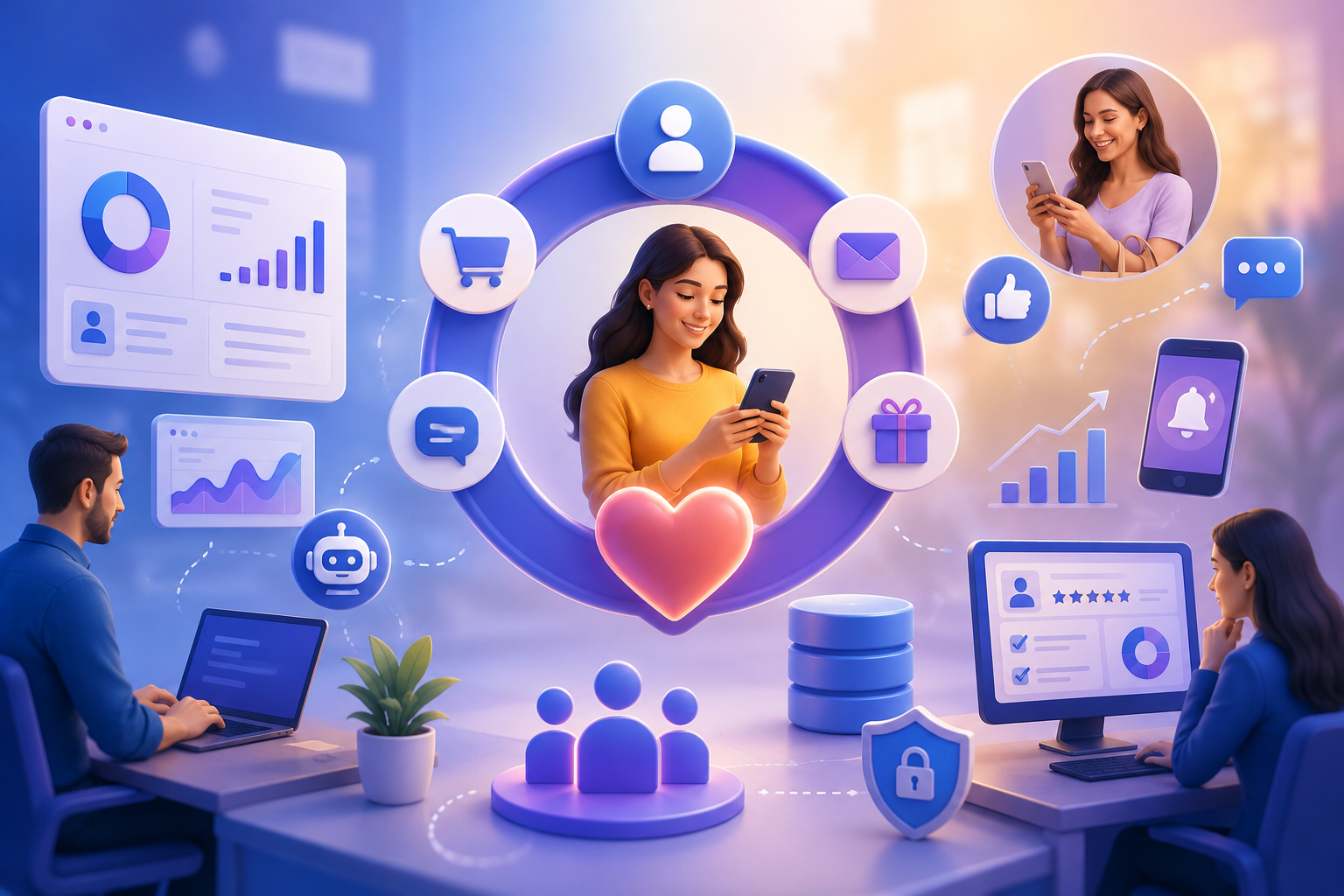
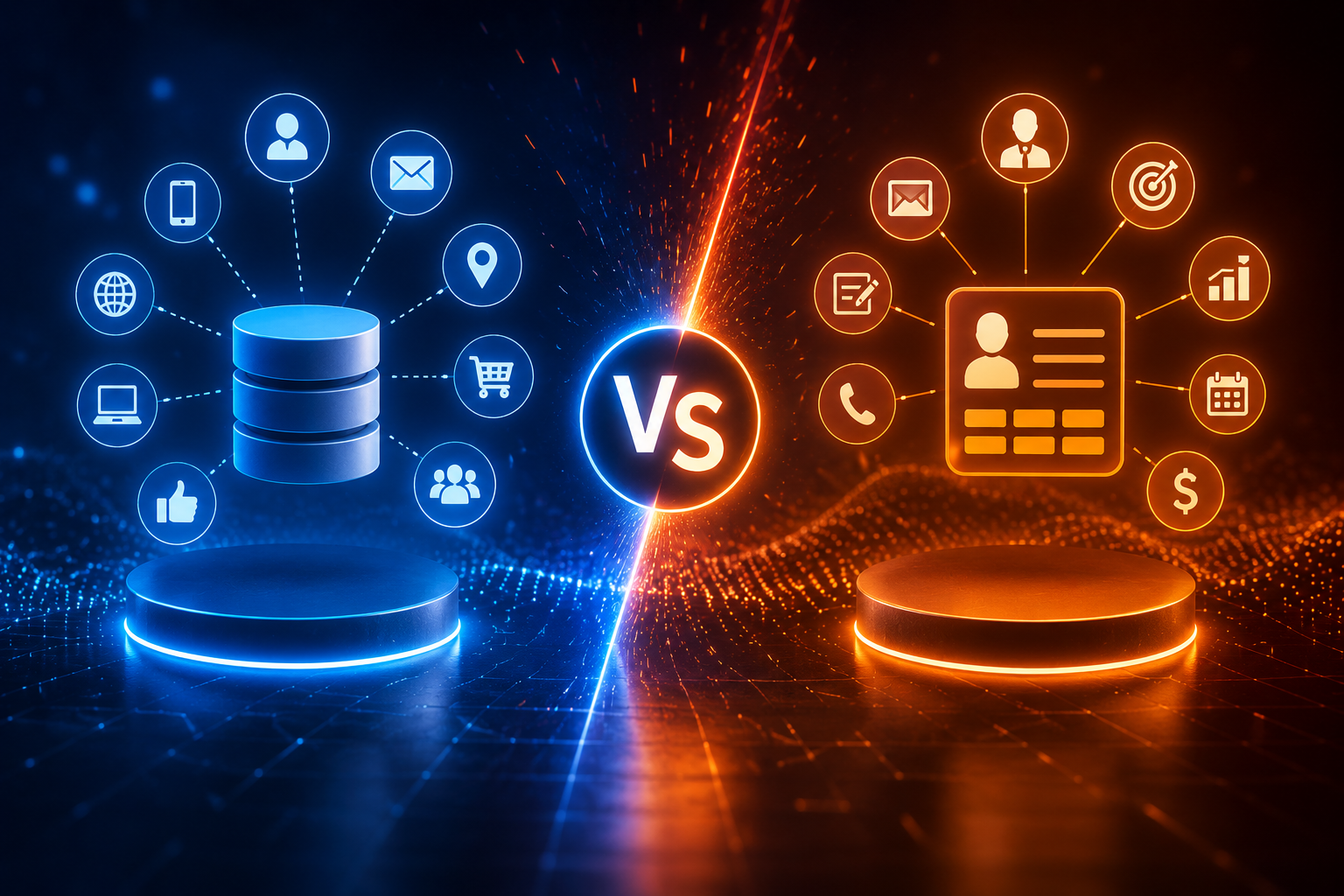
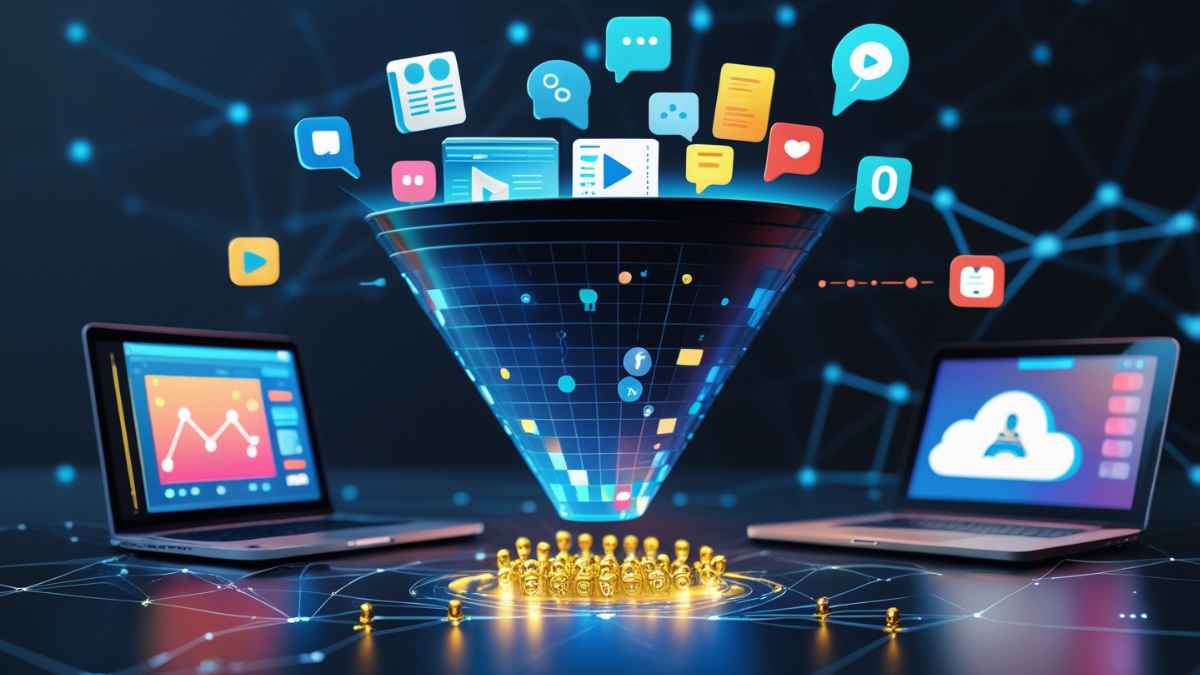
As the digital ecosystem moves toward a cookieless future, organizations must rethink their data strategies. The answer lies in first-party data—information collected directly from customers through trusted interactions. Unlike third-party data, first-party data is more accurate, privacy-friendly, and valuable for building long-term customer relationships.
What Is First-Party Data?
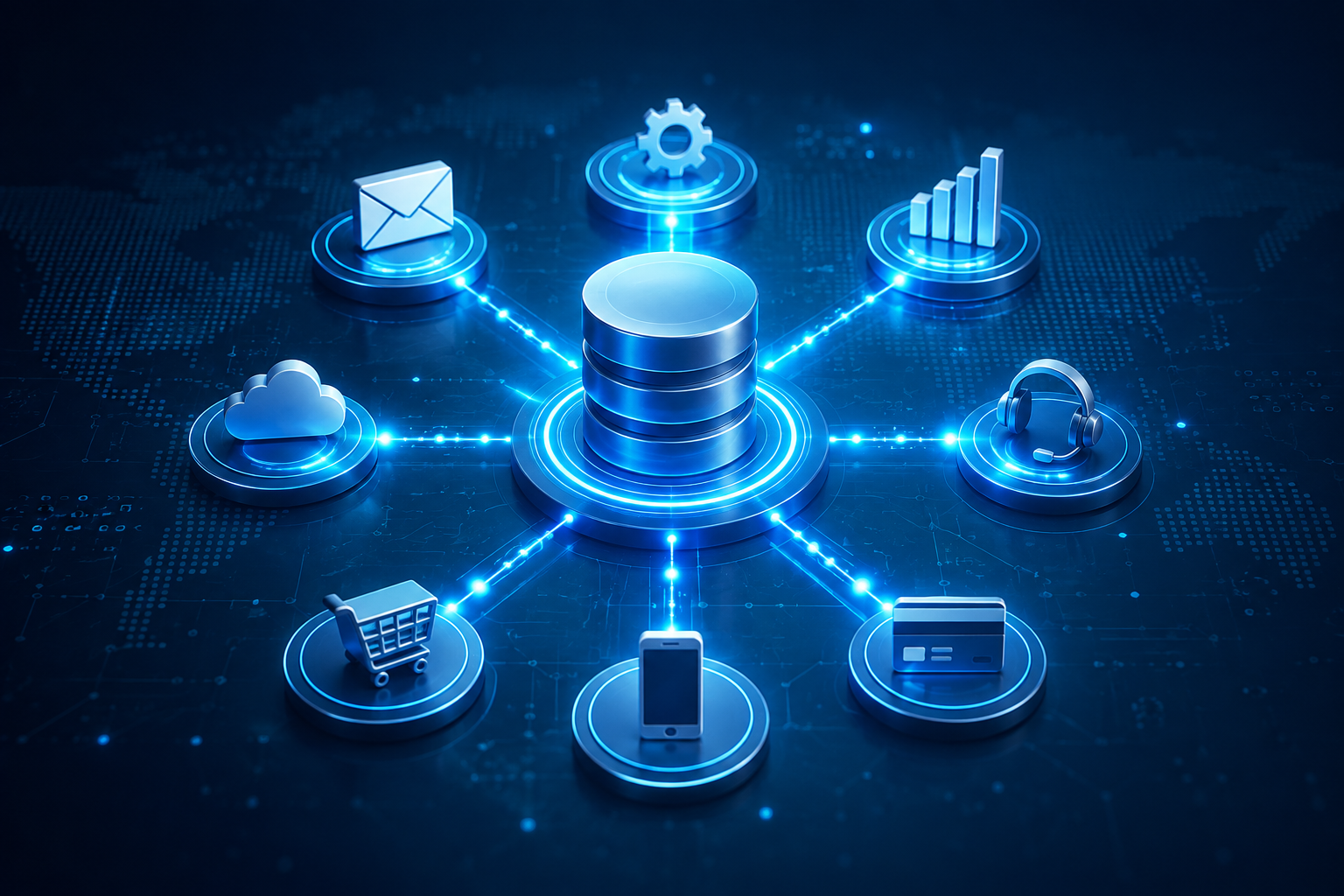
First-party data is information a business collects directly from its audience through owned channels, including:
- Website interactions
- Mobile applications
- CRM systems
- Purchase history
- Customer support conversations
- Email subscriptions
- Loyalty programs
- Surveys and feedback forms
Because customers willingly share this information, first-party data typically provides greater reliability while supporting transparency and compliance with privacy regulations.
Why Third-Party Cookies Are Disappearing
Several factors are accelerating the shift away from third-party cookies:
Increased Privacy Expectations
Consumers expect businesses to protect their personal information and provide greater transparency about how data is collected and used.
Regulatory Changes
Privacy laws such as the General Data Protection Regulation (GDPR), the California Consumer Privacy Act (CCPA), and similar regulations worldwide have introduced stricter requirements for data collection and consent.
Browser Restrictions
Major web browsers have limited or blocked third-party cookies to improve user privacy, reducing marketers’ ability to track users across websites.
Changing Consumer Behavior
Customers increasingly prefer brands that respect their privacy while delivering personalized experiences through ethical data practices.
Why First-Party Data Matters More Than Ever
Higher Data Accuracy
Since customers provide information directly, businesses receive more reliable insights into preferences, interests, and purchasing behavior.
Better Personalization
Brands can deliver relevant recommendations, tailored content, and personalized offers based on genuine customer interactions rather than inferred behavior.
Stronger Customer Trust
Transparent data collection practices foster confidence and encourage customers to engage more deeply with a brand.
Improved Marketing Performance
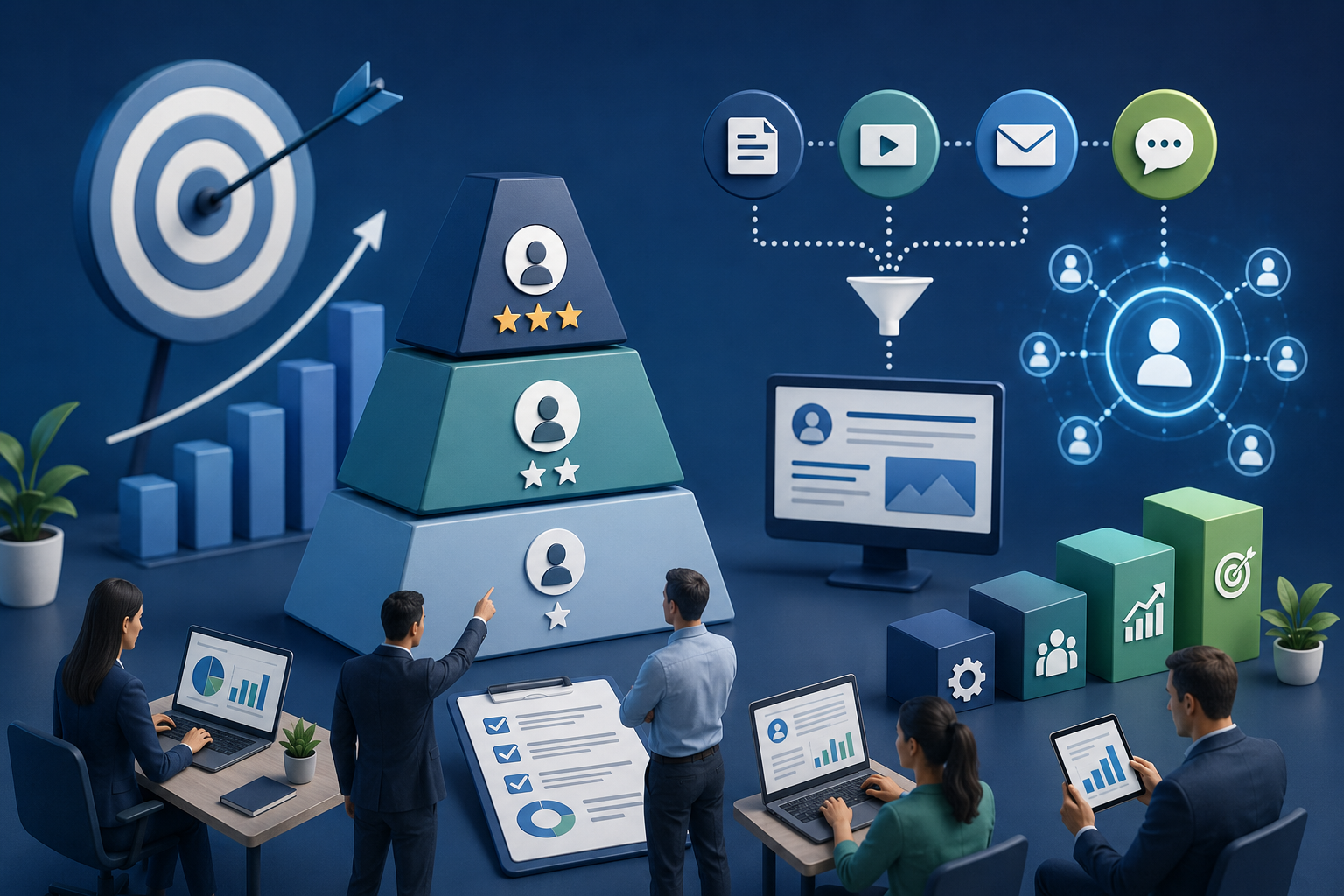
First-party data enables more effective audience segmentation, higher conversion rates, and stronger customer retention.
Long-Term Sustainability
Unlike third-party cookies, first-party data remains under a company’s control, making marketing strategies more resilient to future privacy changes.
Effective First-Party Data Collection Strategies
Create Valuable Content
Offer resources such as:
- E-books
- Webinars
- Industry reports
- Newsletters
- Educational videos
High-value content encourages visitors to voluntarily share their contact information.
Optimize Customer Registration
Simplify sign-up forms and clearly communicate the benefits of creating an account, such as faster checkout, exclusive offers, or personalized recommendations.
Build Loyalty Programs
Reward repeat customers with points, discounts, exclusive products, or early access to new releases. Loyalty programs generate valuable purchase and preference data while strengthening customer relationships.
Use Interactive Experiences
Collect insights through:
- Quizzes
- Polls
- Surveys
- Product recommendation tools
- Preference centers
These methods engage users while gathering meaningful information.
Encourage Email Subscriptions
Email remains one of the most effective owned marketing channels. Provide compelling reasons for visitors to subscribe, such as exclusive content, discounts, or industry insights.
Managing First-Party Data Responsibly
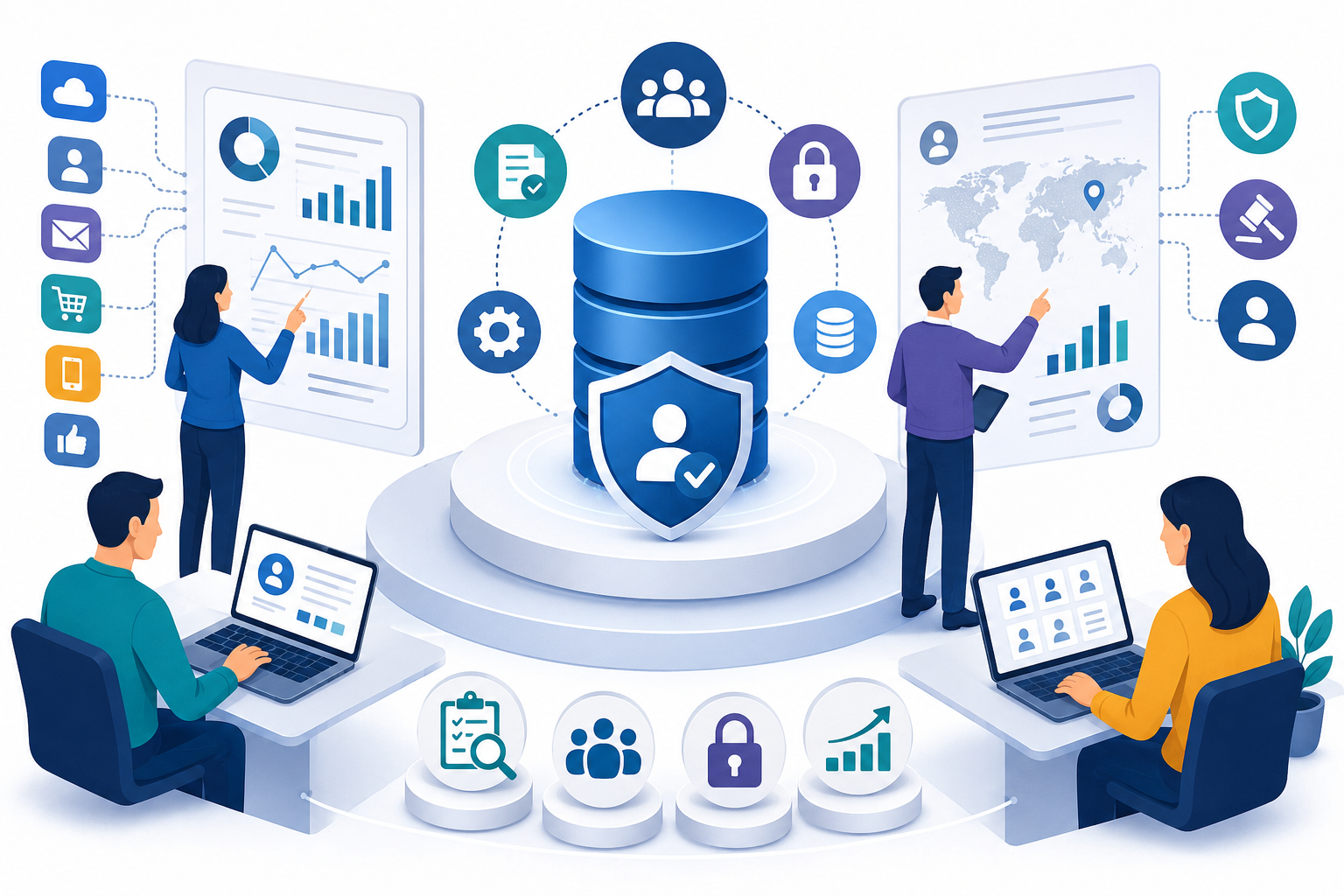
Collecting data is only the beginning. Businesses must also manage it responsibly by:
- Obtaining clear customer consent
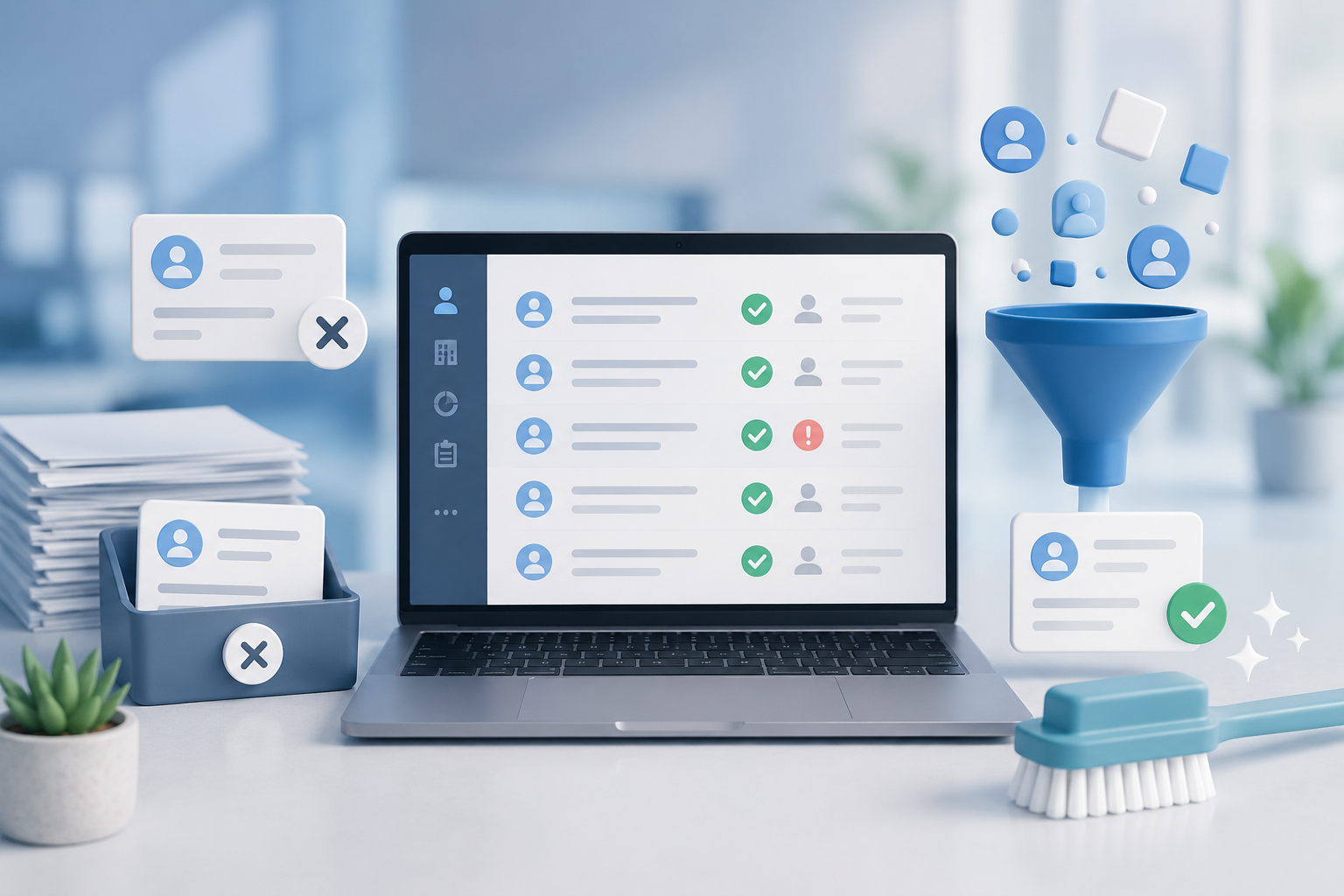
- Maintaining accurate customer records
- Securing data with robust cybersecurity measures
- Regularly updating privacy policies
- Allowing users to access, modify, or delete their information
Responsible data management strengthens compliance while reinforcing customer trust.
Leveraging Technology for First-Party Data Success
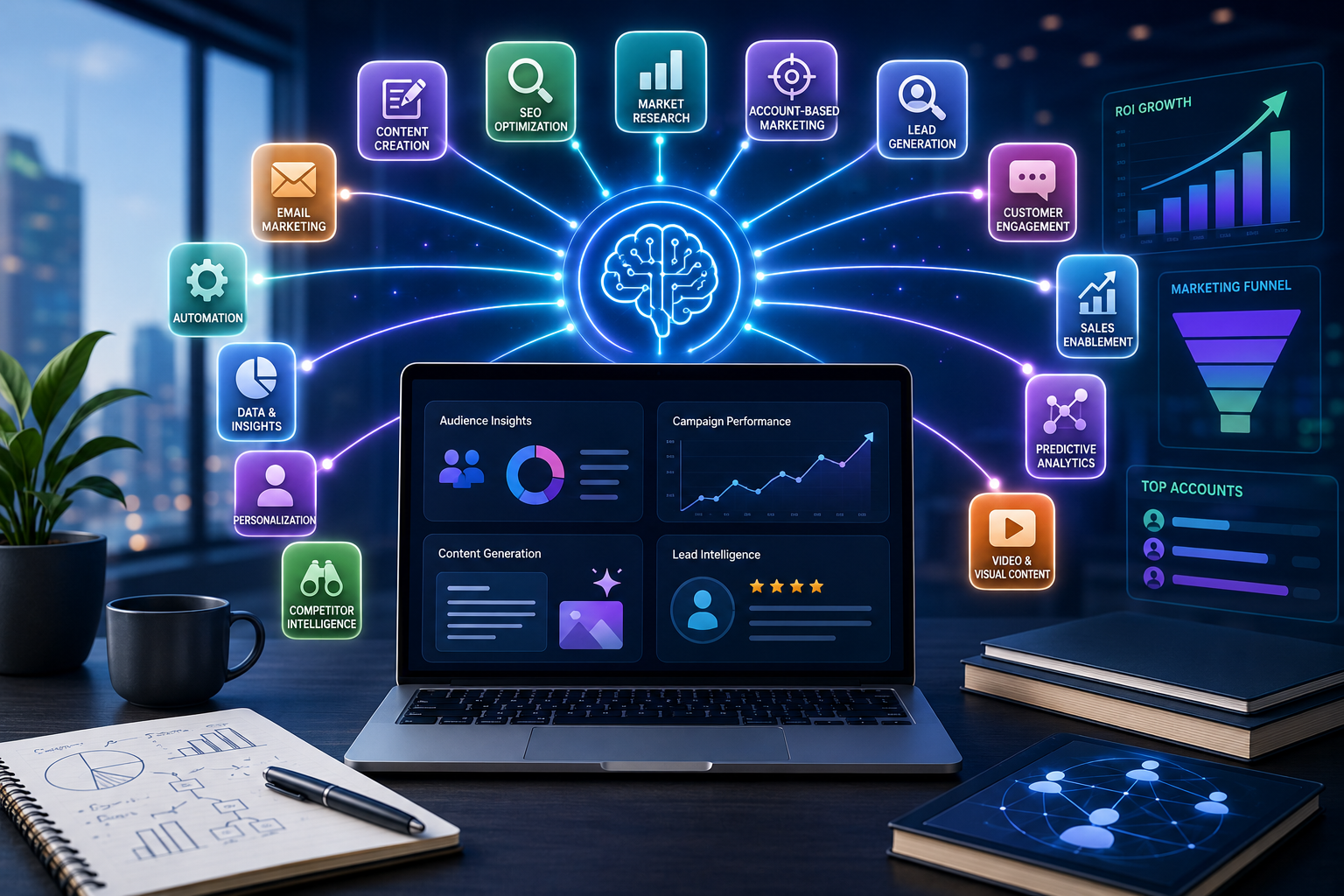
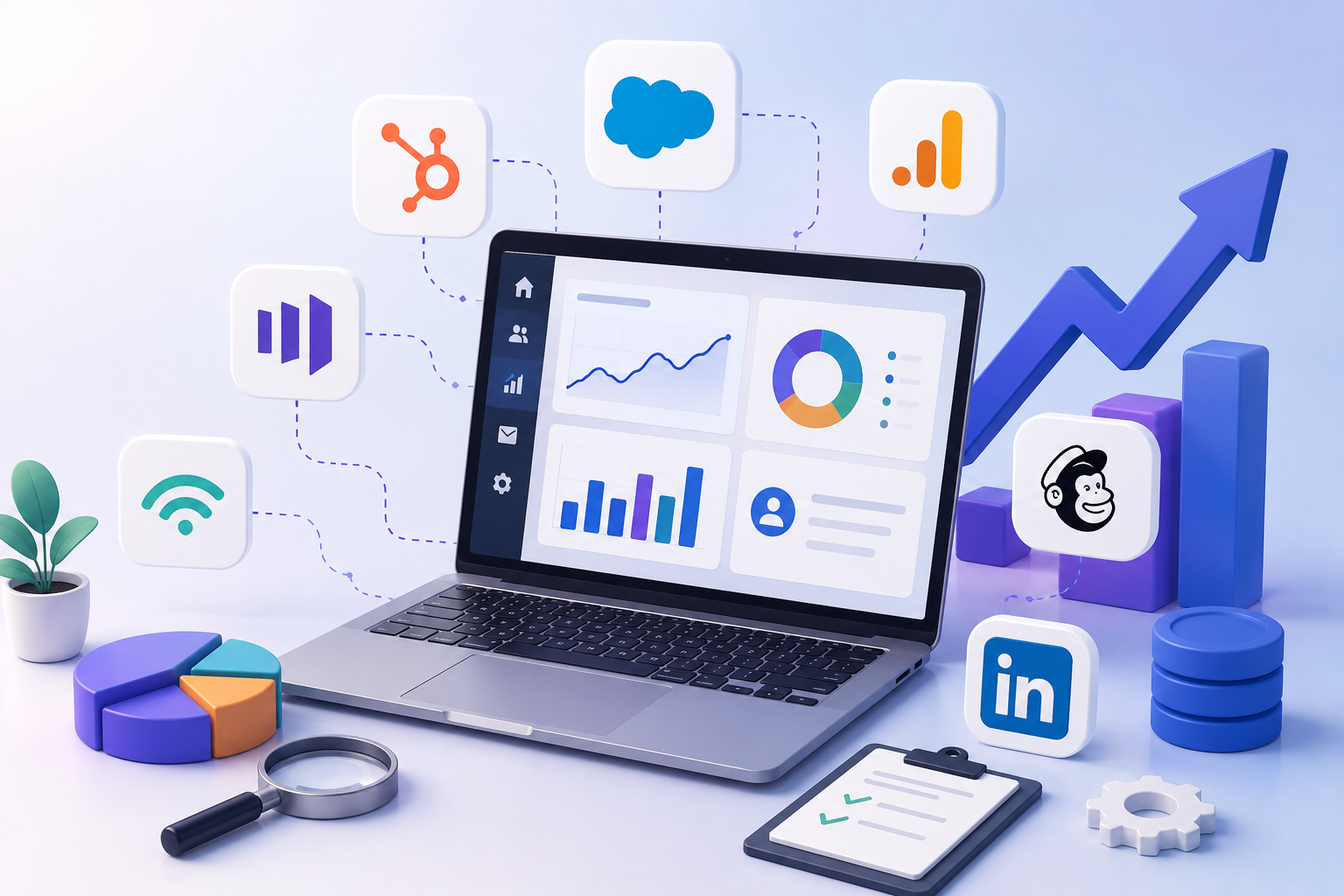
Modern marketing technology can help businesses maximize the value of first-party data.
Customer Data Platforms (CDPs)
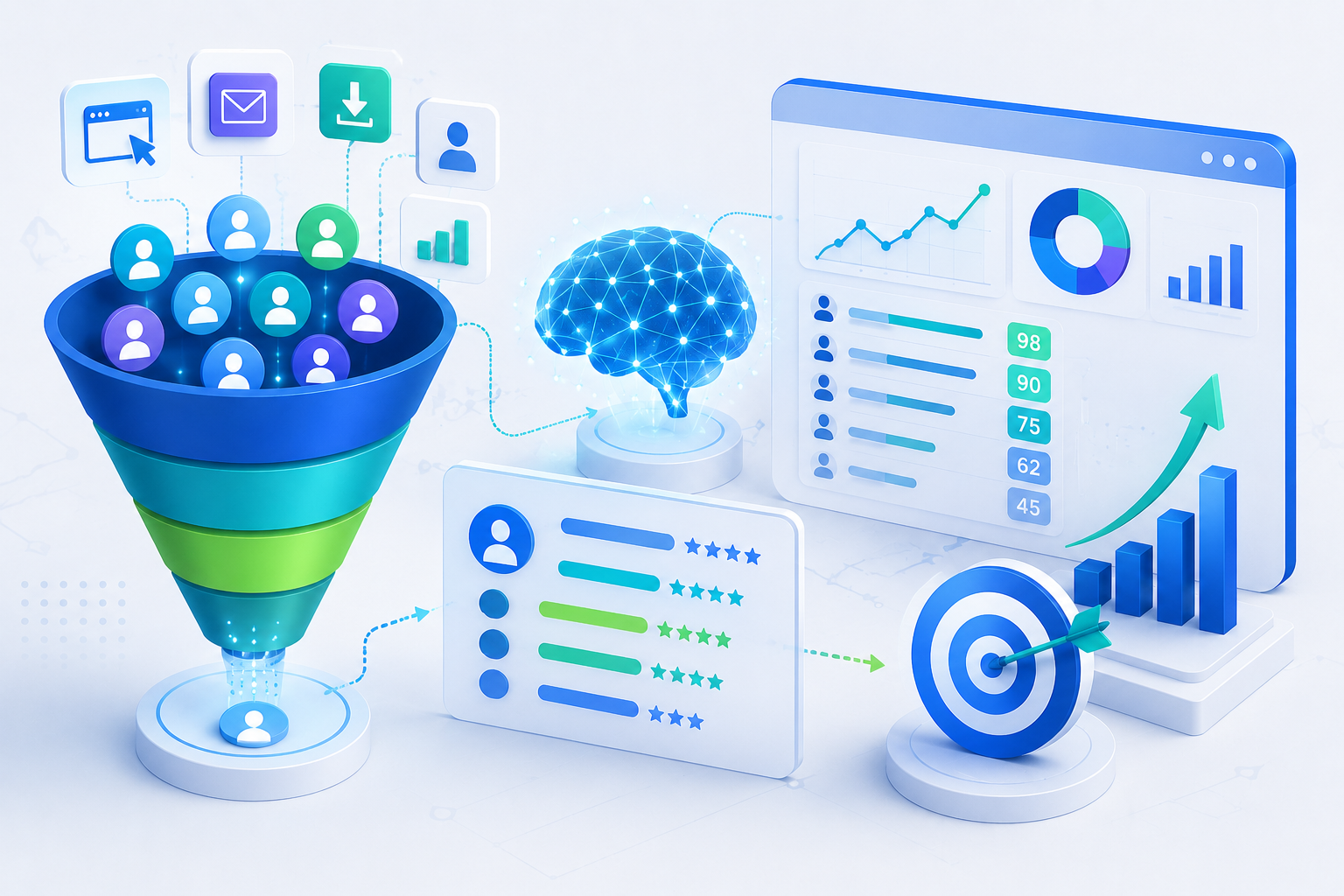
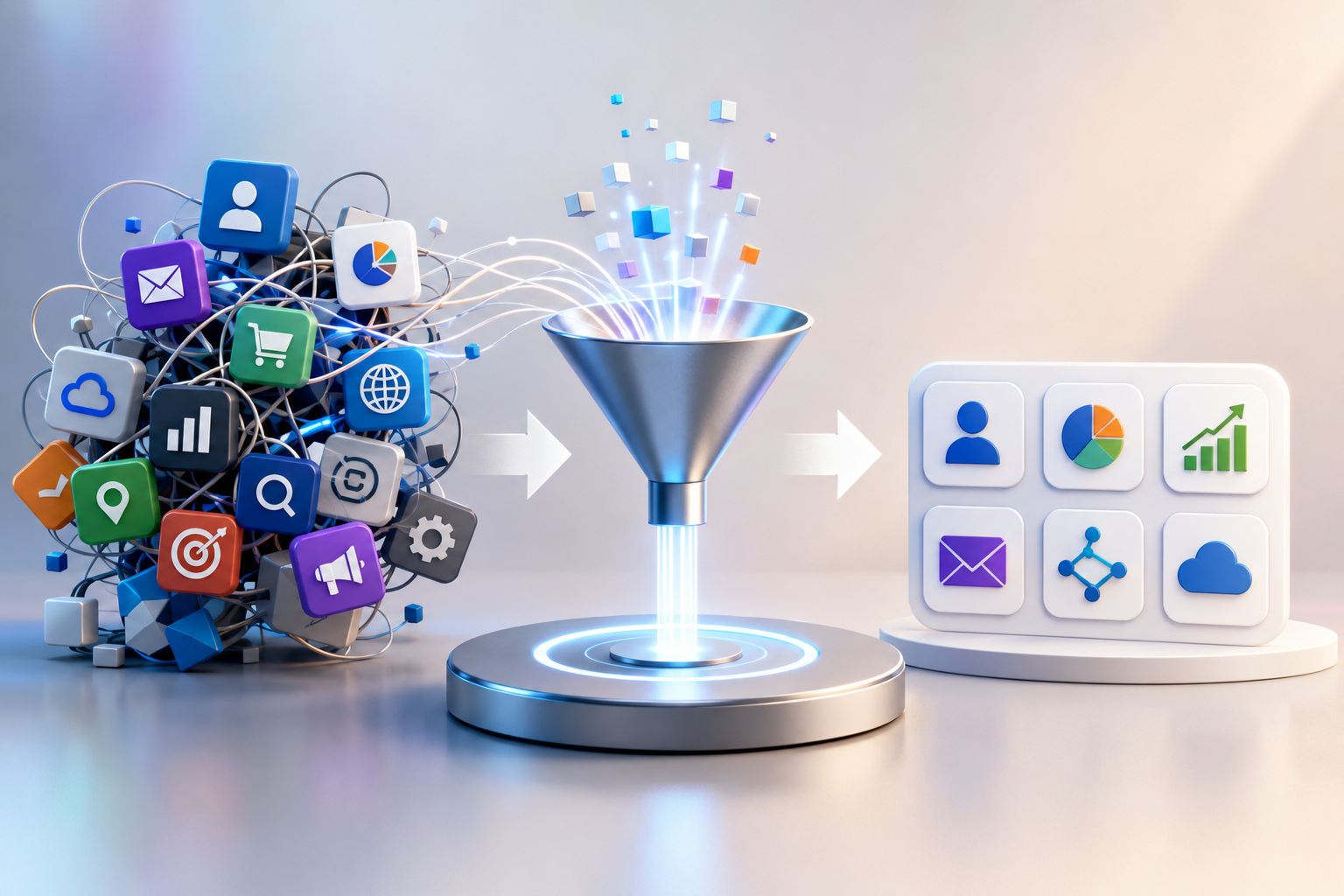
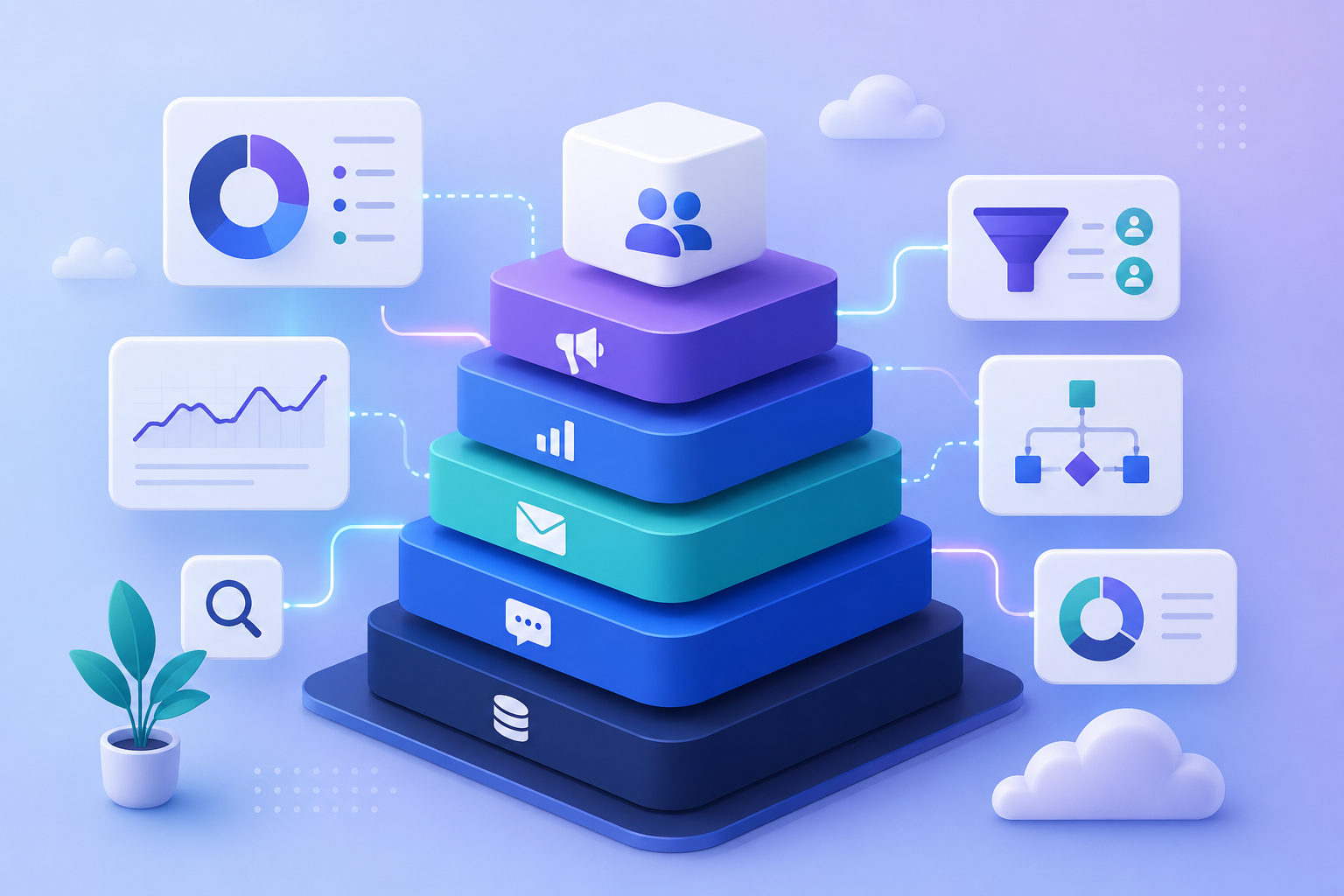
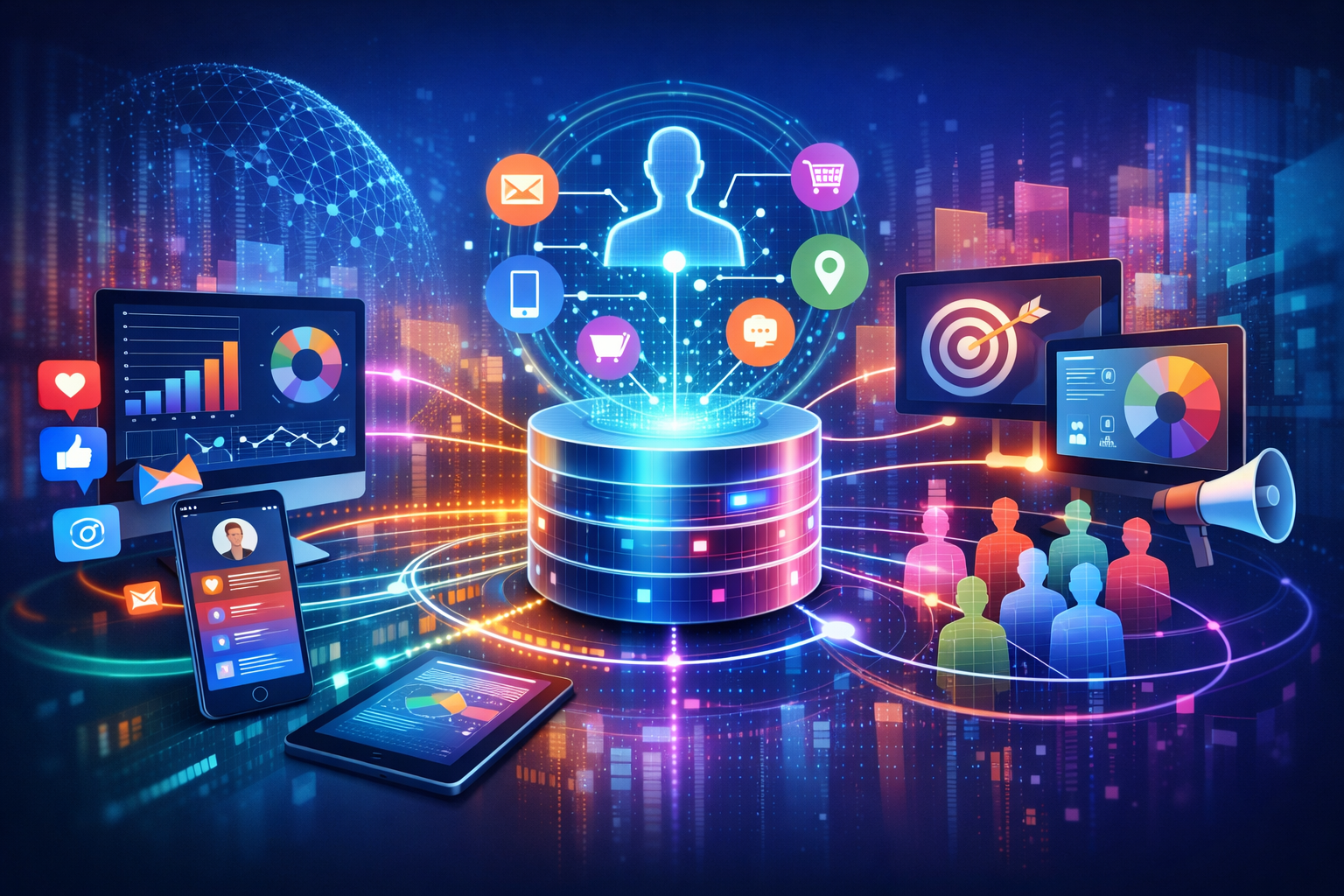
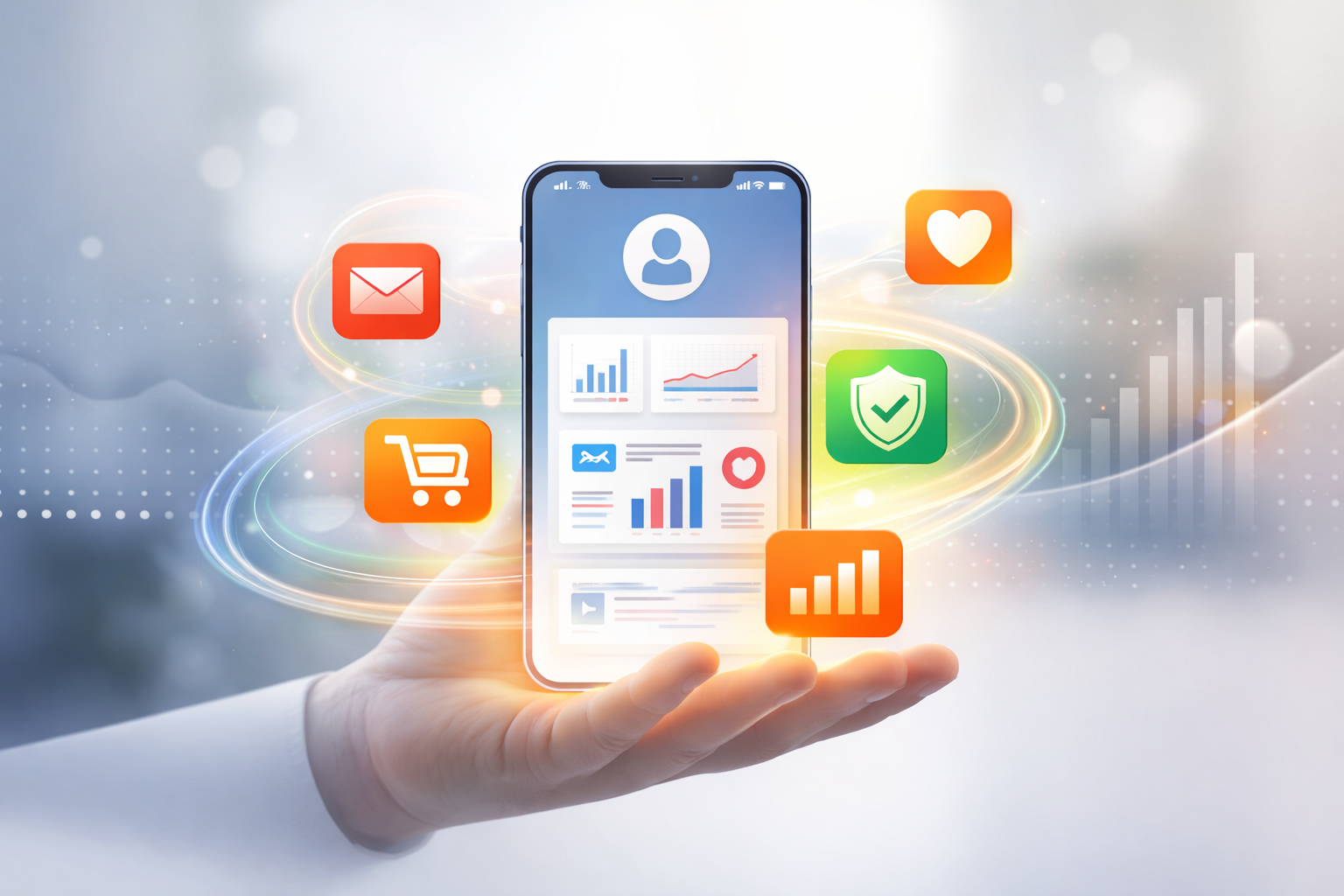
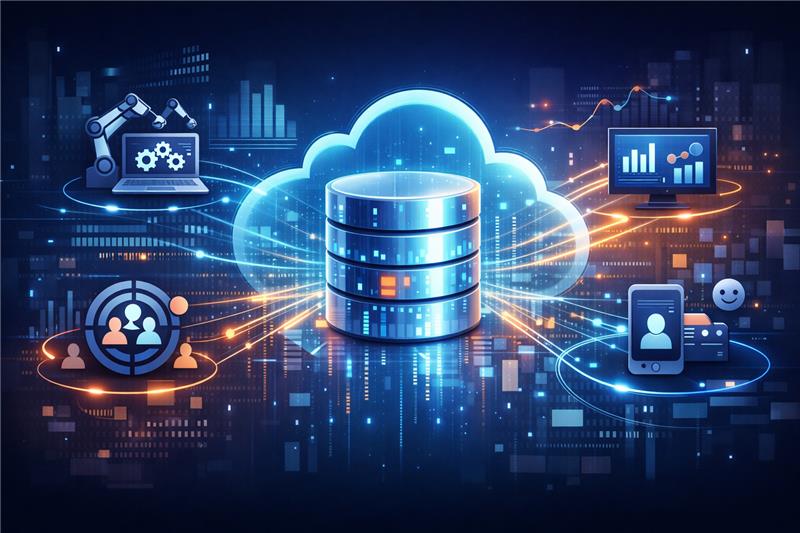
CDPs consolidate customer information from multiple channels into unified profiles, enabling consistent personalization across touchpoints.
CRM Systems
Customer Relationship Management platforms organize customer interactions, purchase history, and communication preferences for more effective engagement.
Marketing Automation
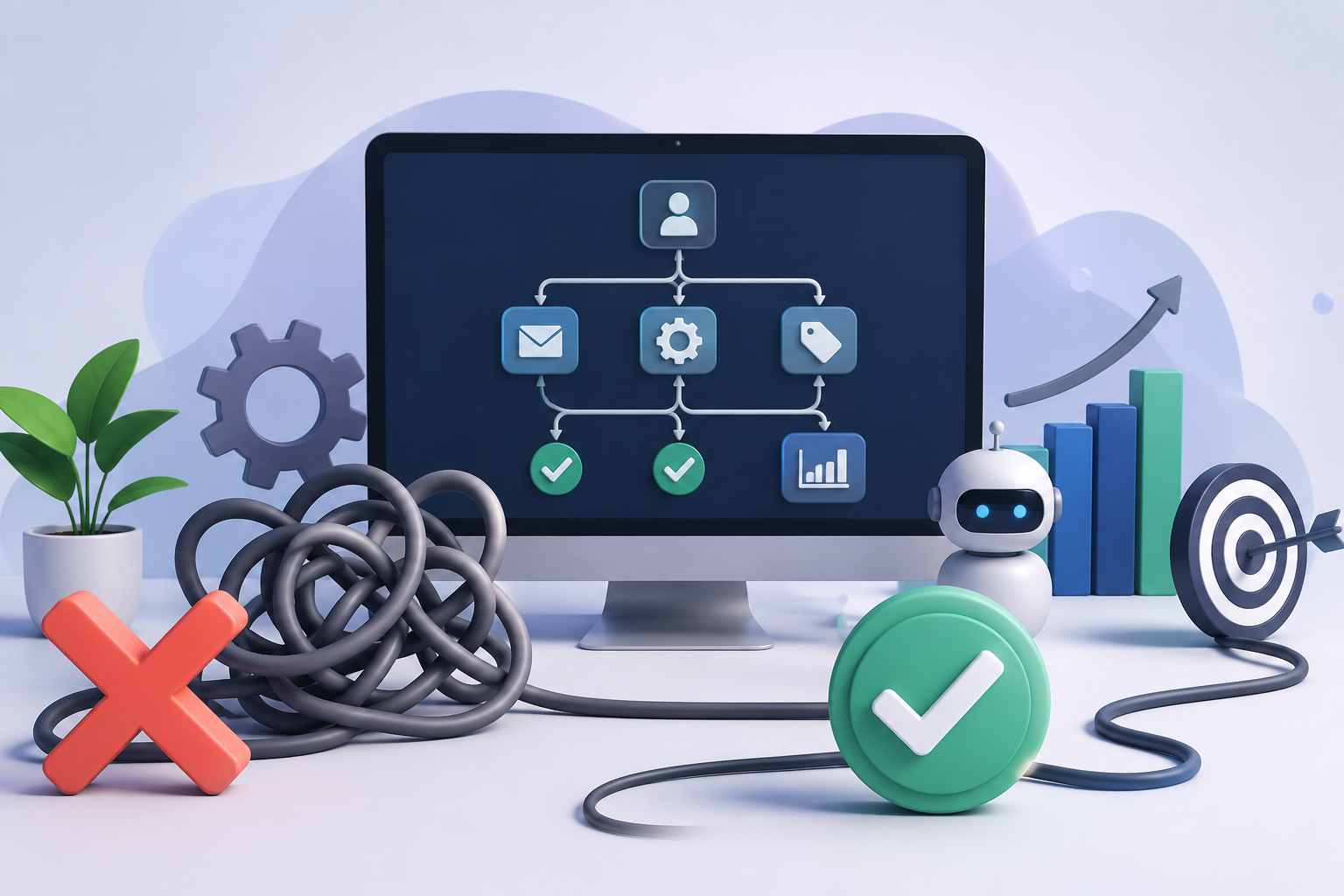
Automation platforms use first-party data to deliver personalized emails, targeted campaigns, and customer journeys based on user behavior.
Analytics and AI
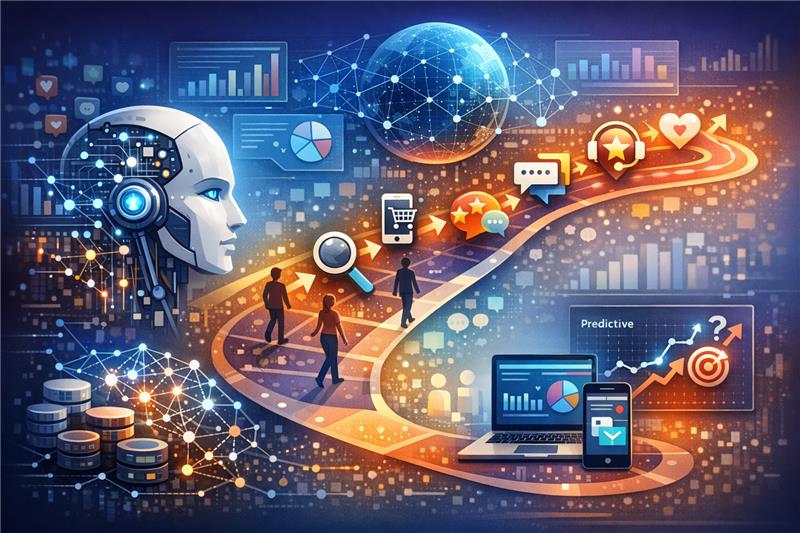
Artificial intelligence and advanced analytics help businesses uncover patterns, predict customer needs, and optimize marketing strategies without relying on third-party tracking.
Challenges to Consider
Transitioning to a first-party data strategy presents several challenges:
- Building sufficient data volume
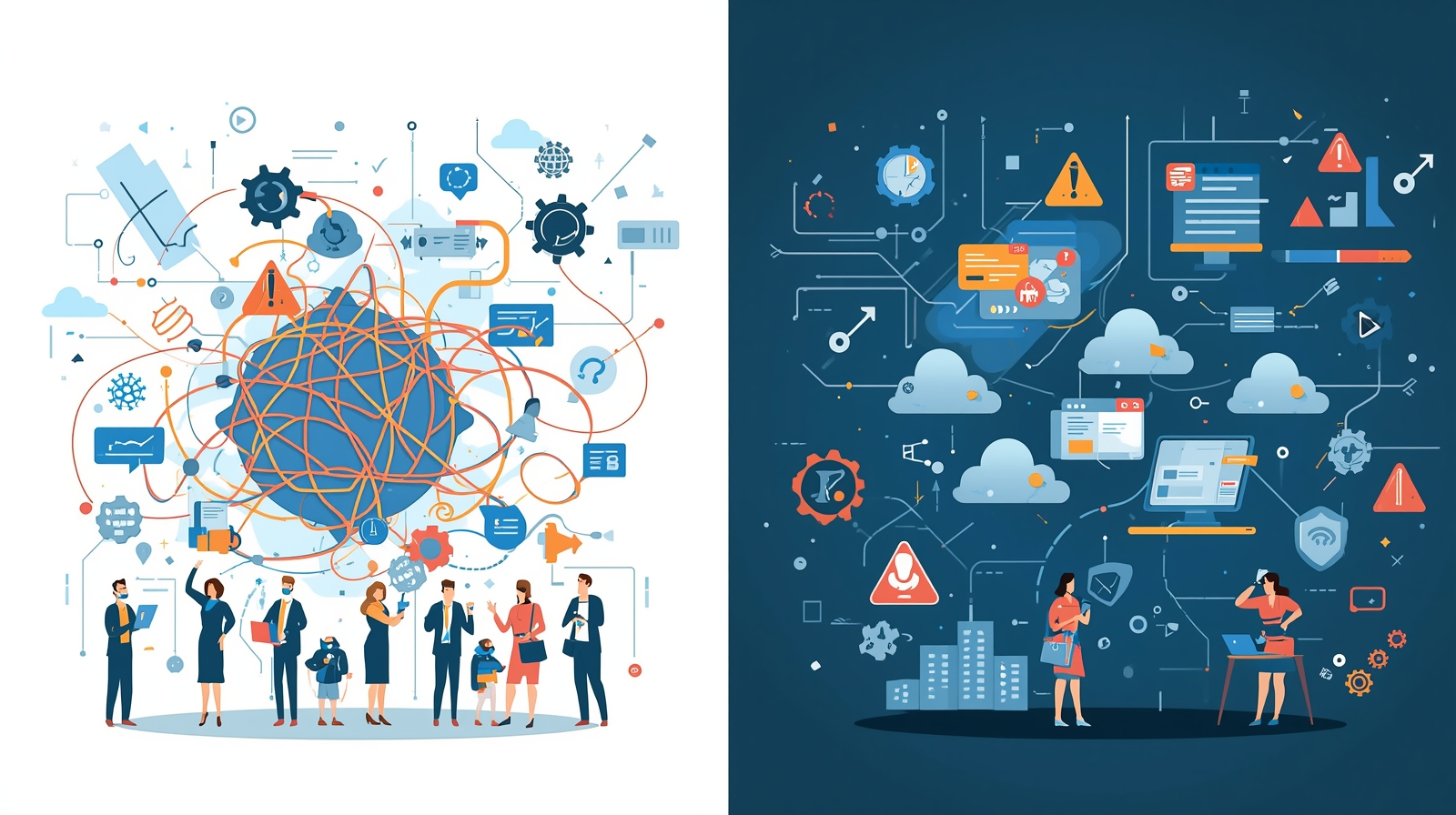
- Integrating data across multiple systems
- Ensuring regulatory compliance
- Maintaining data quality
- Earning ongoing customer trust
Organizations that address these challenges proactively will be better positioned for long-term success.
Preparing for the Future
The cookieless future represents more than a technological shift—it signals a broader transformation in how businesses build relationships with customers. Success will increasingly depend on transparency, trust, and delivering genuine value in exchange for customer information.
Companies that invest in ethical data collection, modern data infrastructure, and personalized customer experiences will gain a competitive advantage while strengthening customer loyalty.
Read Also: Building Automated Customer Journeys for Complex B2B Sales Cycles