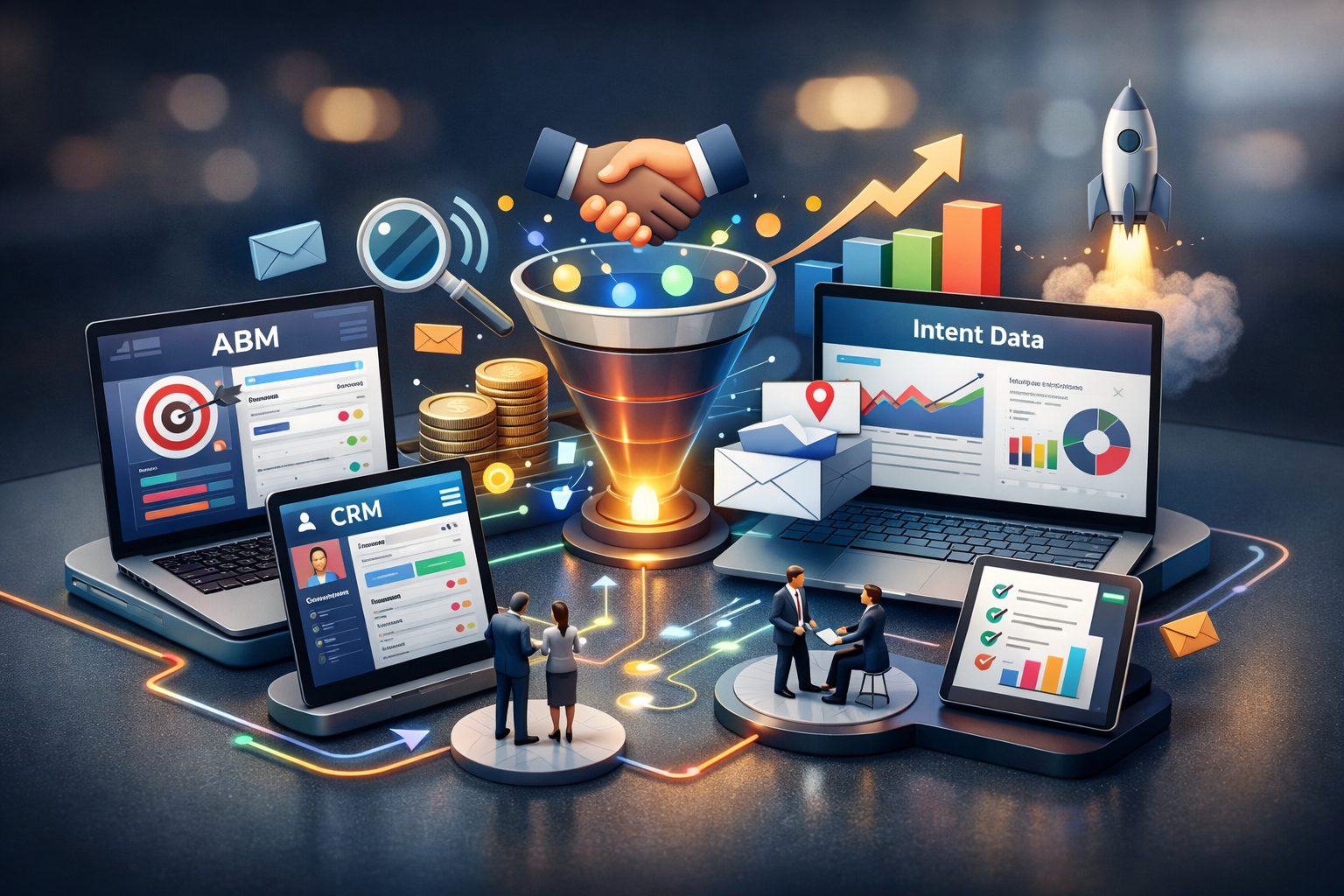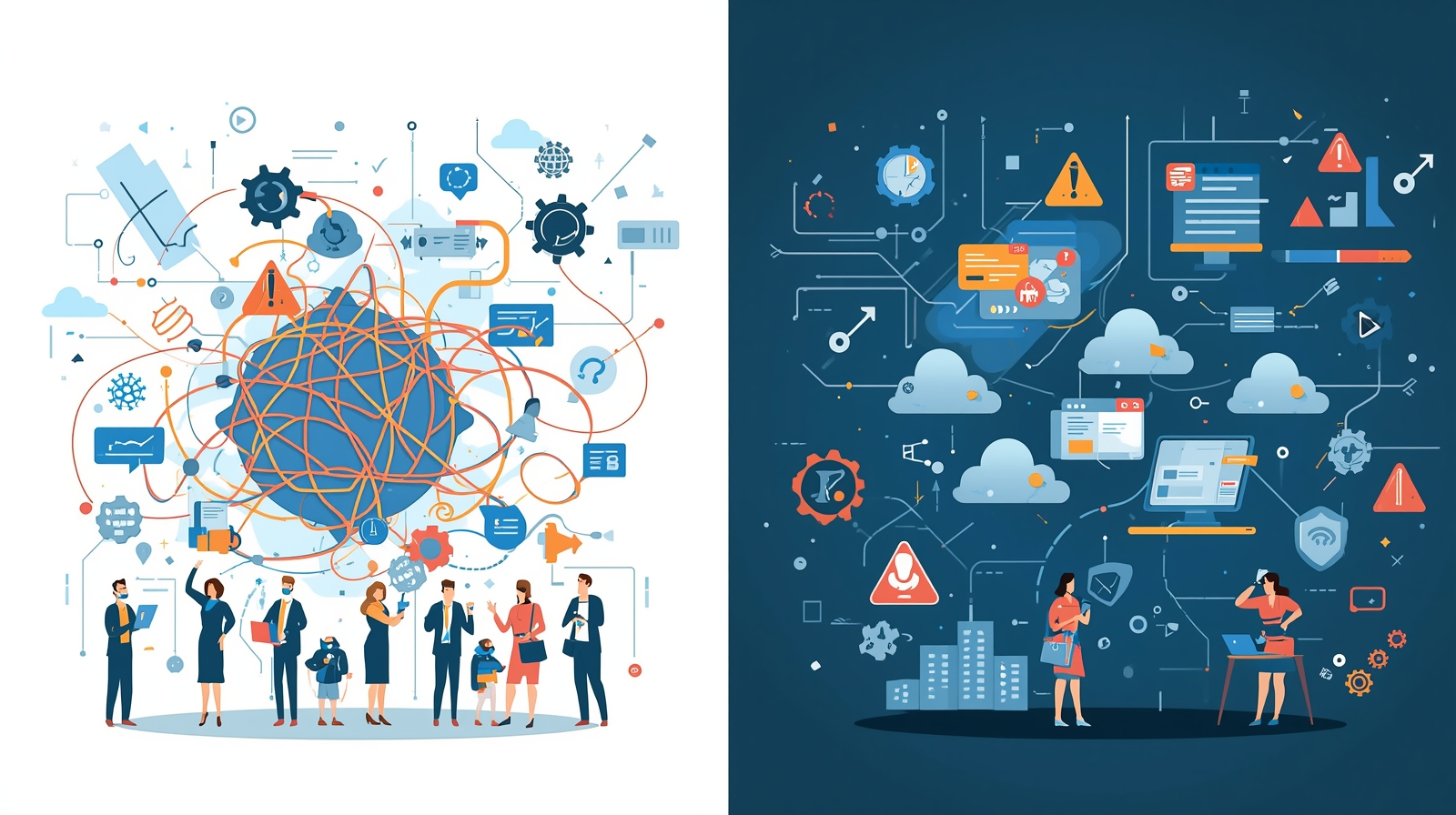
In today’s B2B landscape, buying decisions are no longer made by a single individual. Enterprise purchases often involve multiple stakeholders, lengthy evaluation periods, technical assessments, budget approvals, and legal reviews. These extended sales cycles create challenges for marketing and sales teams striving to maintain engagement without overwhelming prospects.
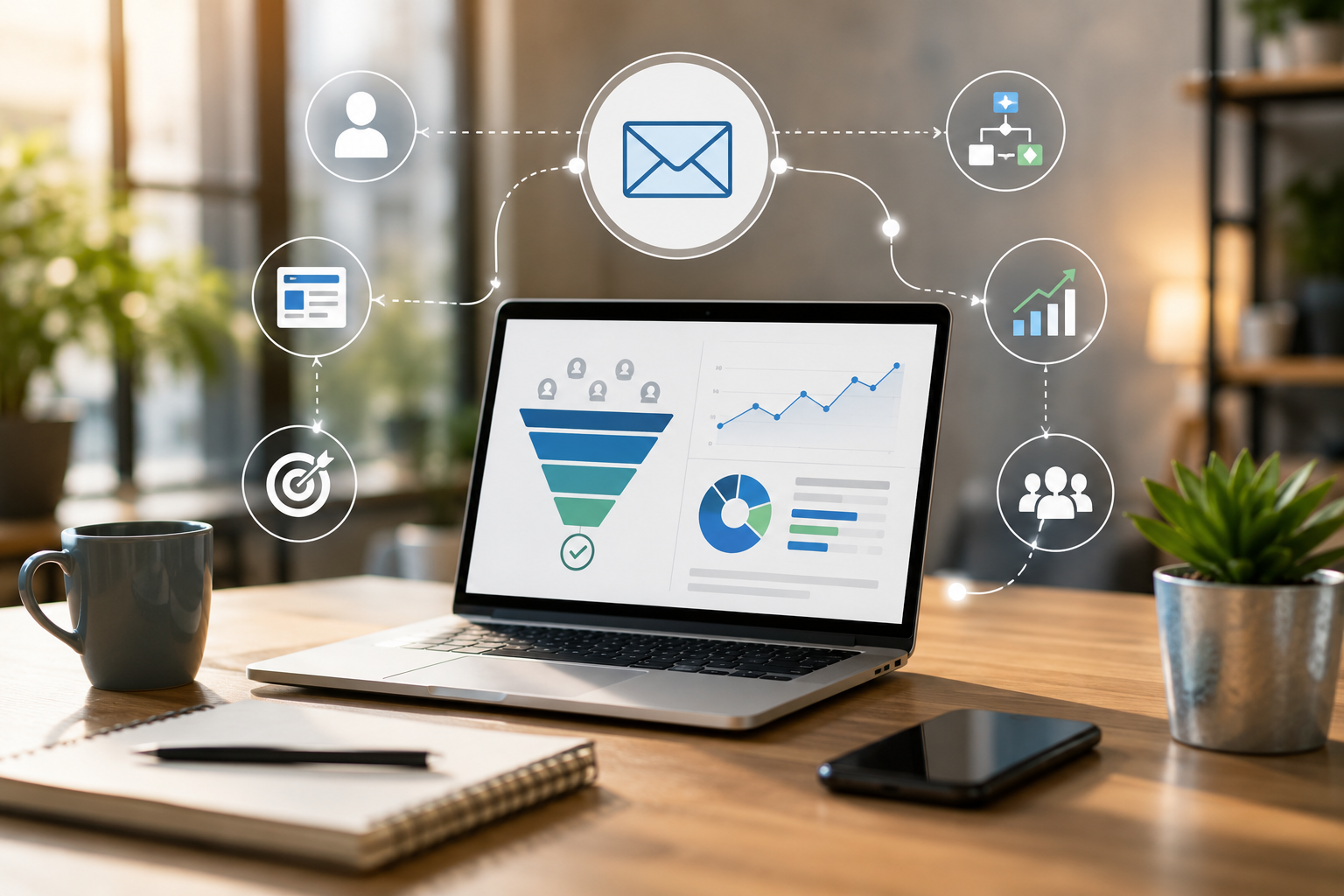
Marketing automation has evolved beyond sending scheduled emails. Modern customer journey automation enables businesses to deliver relevant, personalized experiences that adapt to each buyer’s actions, helping organizations build trust, accelerate decision-making, and improve conversion rates.
Why Complex B2B Sales Cycles Need Automation
Unlike B2C purchases that may conclude in minutes or days, B2B sales can extend over several months. During this time, prospects interact with various touchpoints including websites, webinars, product demonstrations, whitepapers, case studies, and sales representatives.
Without automation, organizations often face:
- Inconsistent communication across channels
- Delayed follow-ups after prospect interactions
- Generic messaging that fails to address buyer needs
- Lost opportunities due to poor lead nurturing
- Misalignment between marketing and sales teams
Automated customer journeys help eliminate these challenges by ensuring every interaction is timely, contextual, and aligned with the buyer’s stage in the purchasing process.
Understanding the Modern B2B Customer Journey
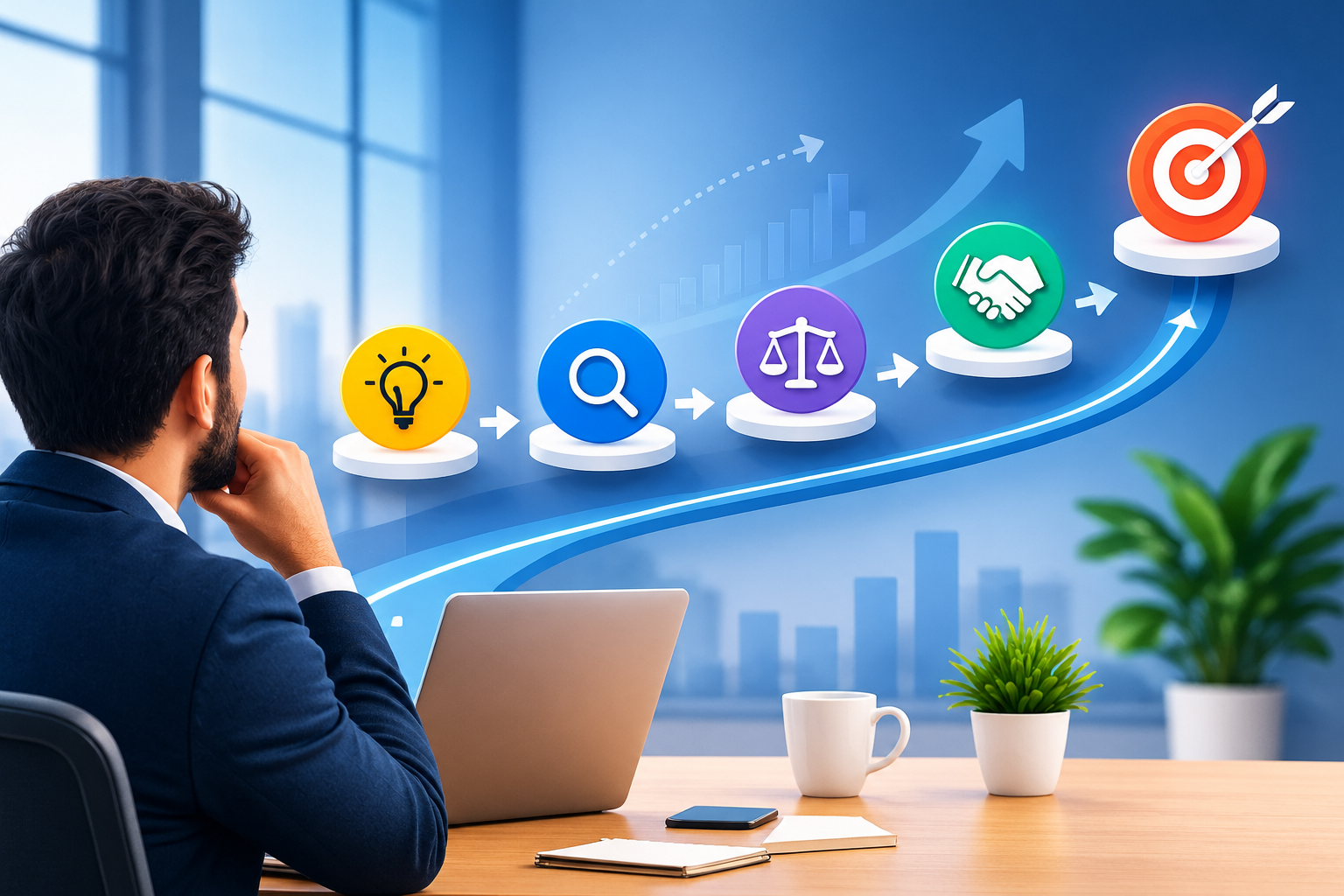
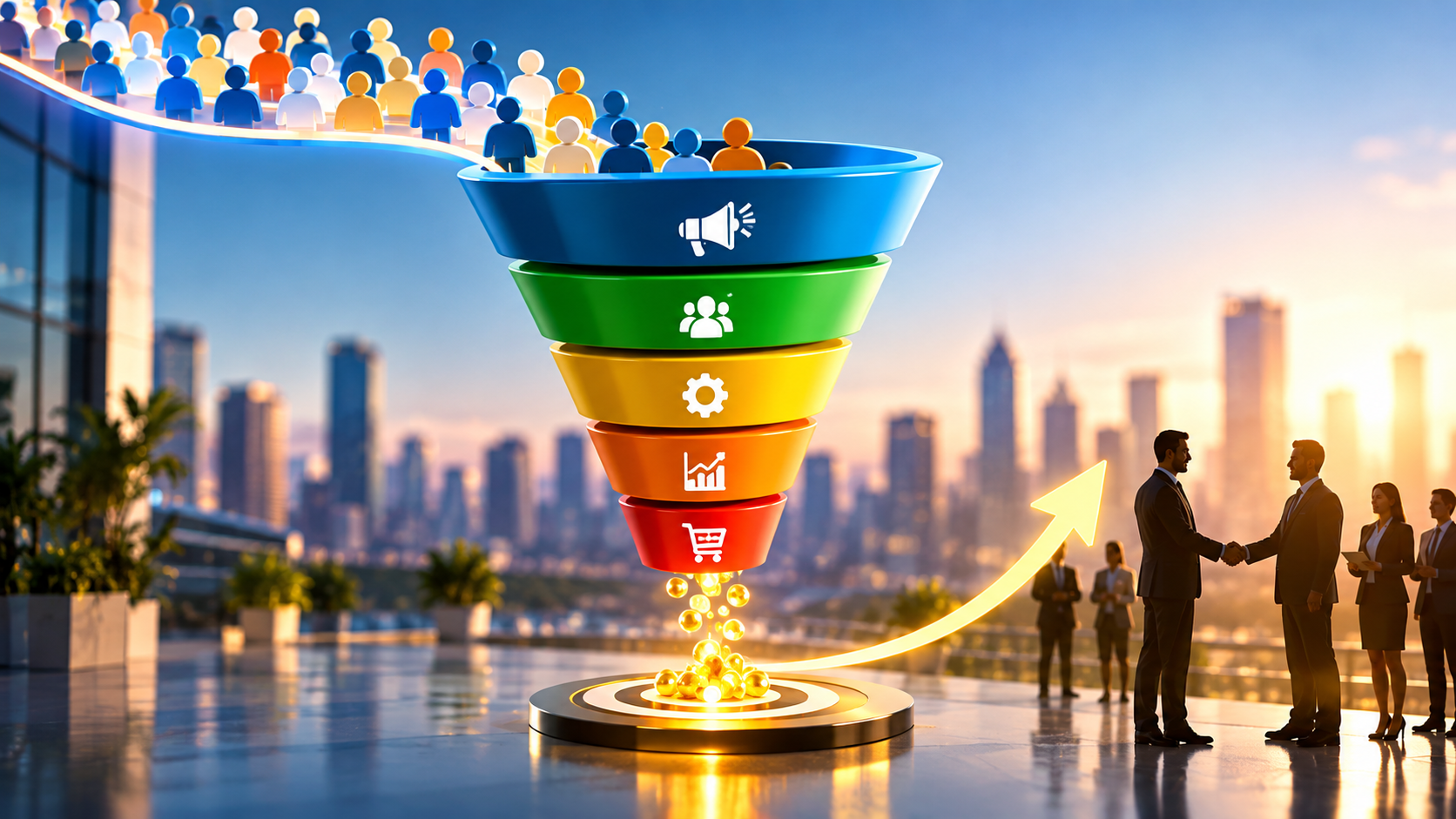
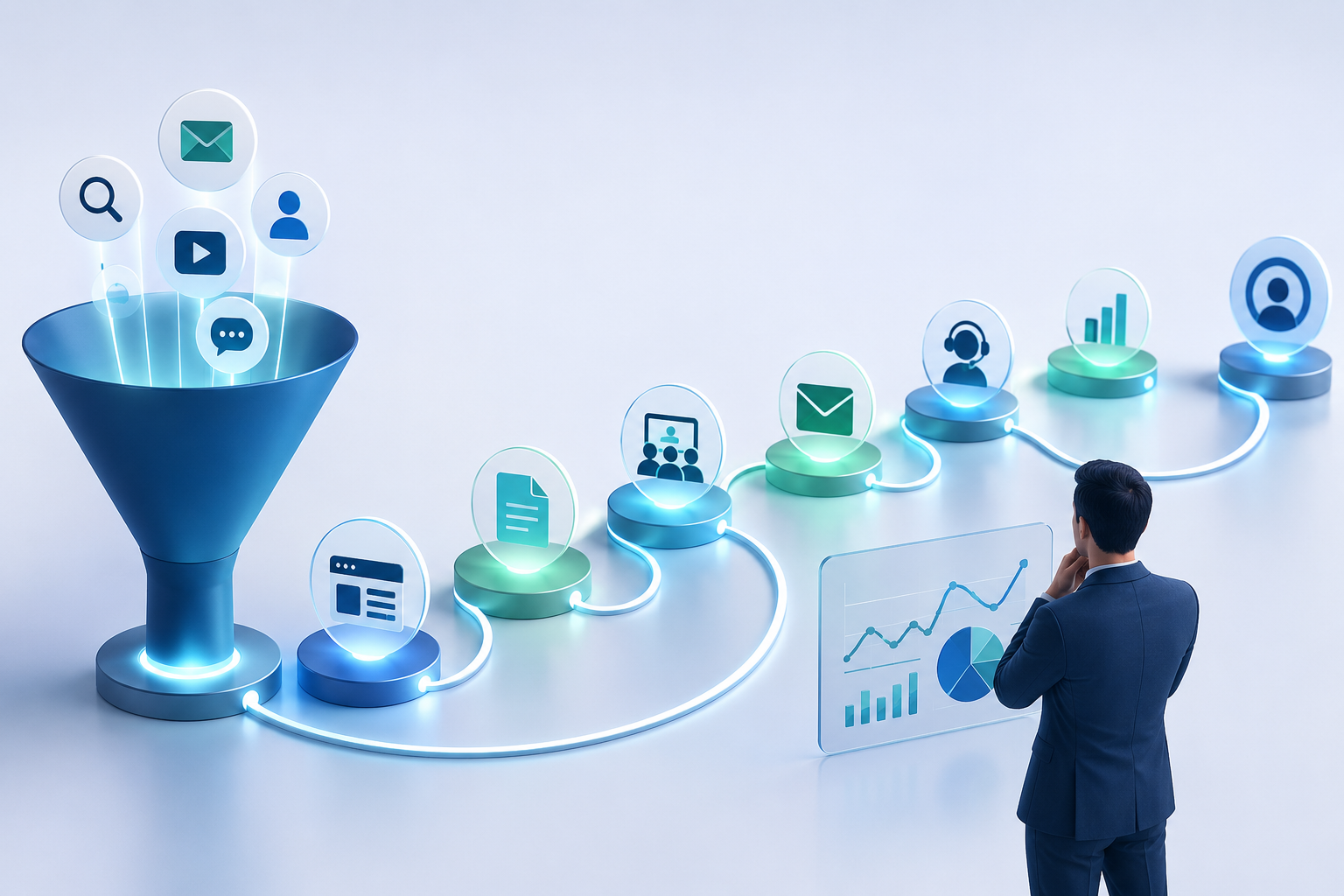
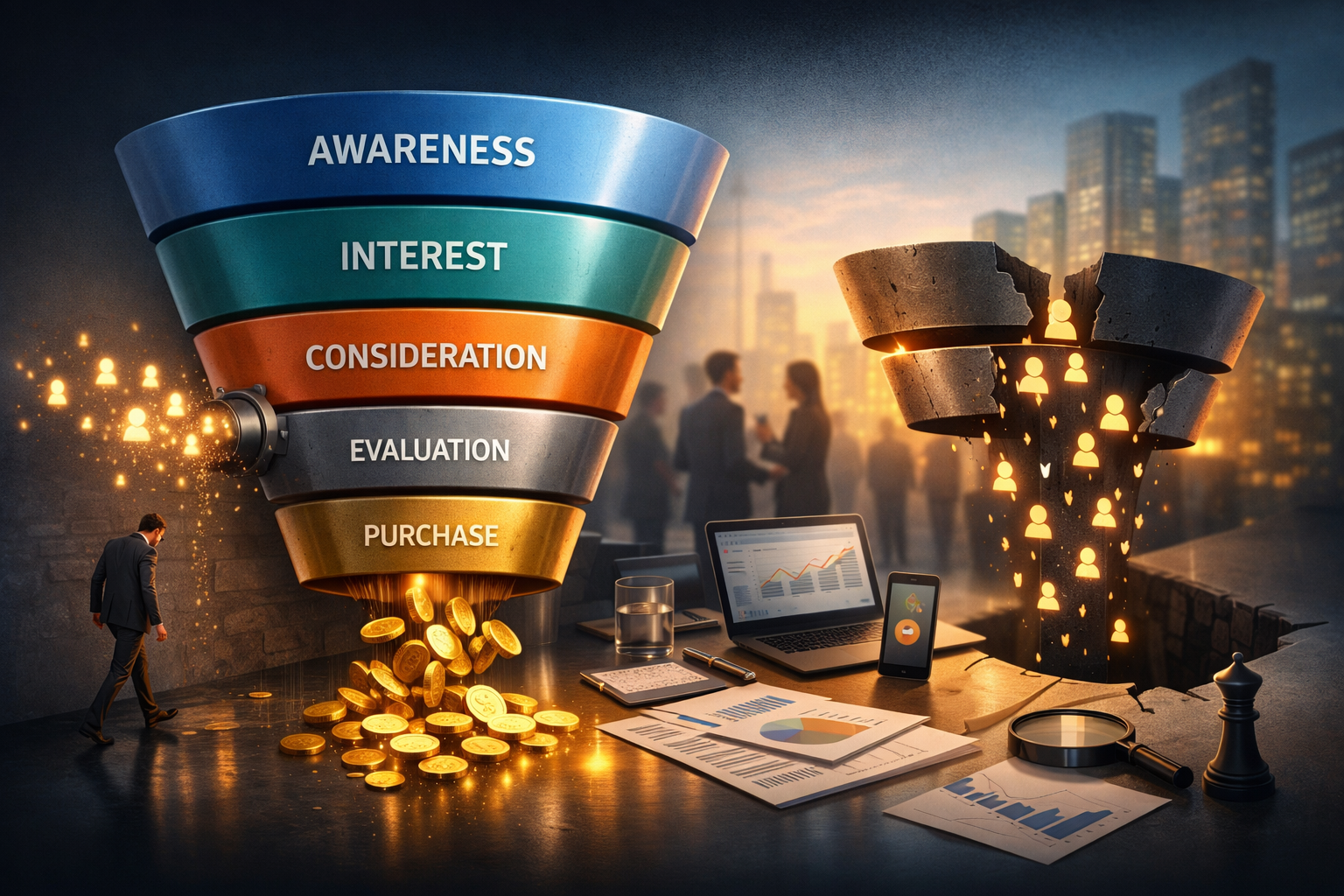
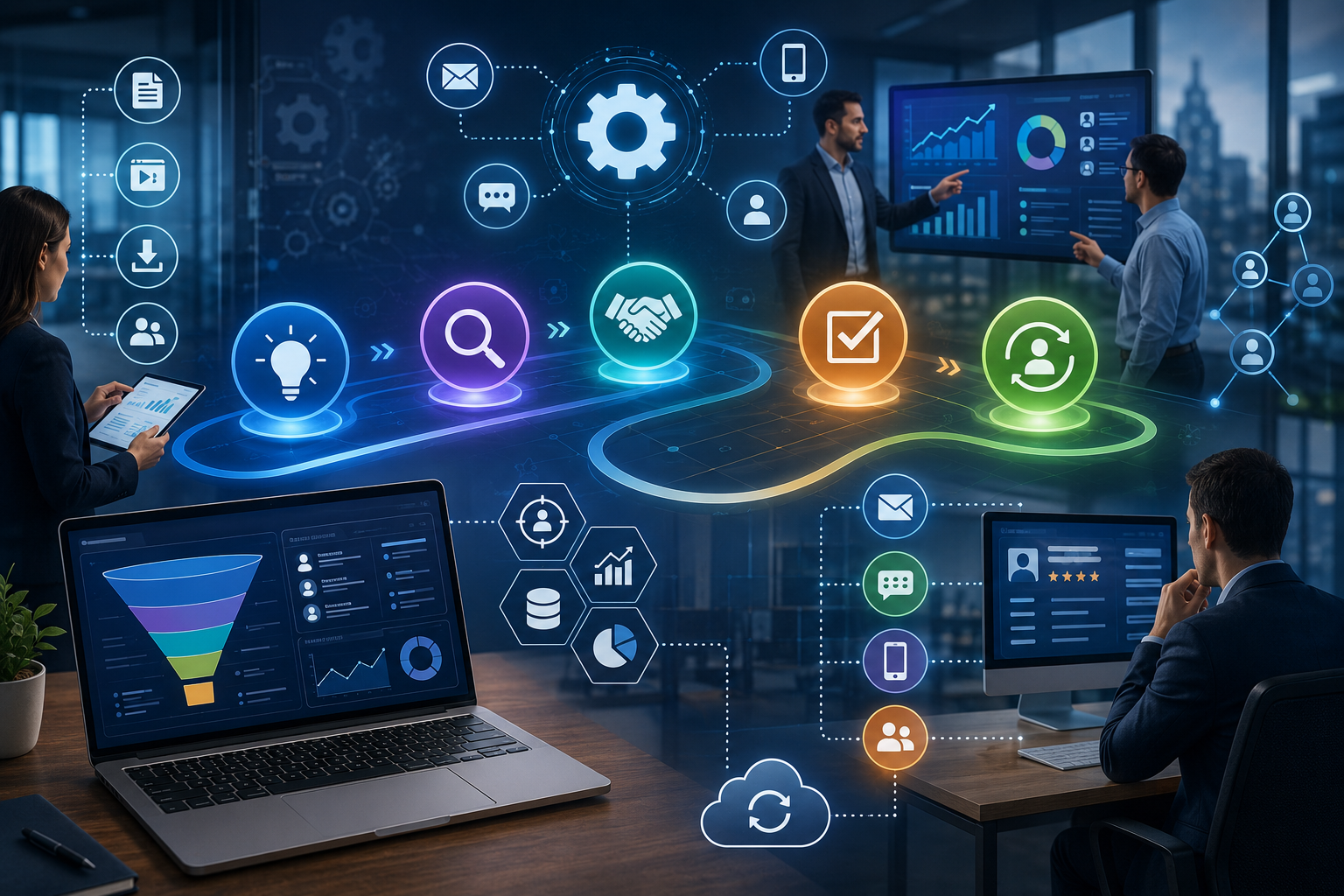
An effective automated journey begins with understanding how enterprise buyers make decisions. While every organization follows a unique path, most B2B journeys include several common stages.
1. Awareness
Potential customers recognize a business challenge and begin researching possible solutions. At this stage, educational content performs best, including:
- Industry reports
- Blog articles
- Research papers
- Infographics
- Educational webinars
Automation can identify visitor behavior and introduce additional relevant resources based on content consumption.
2. Consideration
Prospects compare vendors, evaluate features, and seek proof of expertise.
Automated workflows can deliver:
- Case studies relevant to their industry
- Product comparison guides
- Customer success stories
- ROI calculators
- Expert webinars
Behavioral triggers ensure prospects receive content aligned with their interests rather than generic promotional messages.
3. Decision
As buying committees narrow their choices, automation supports sales teams by delivering:
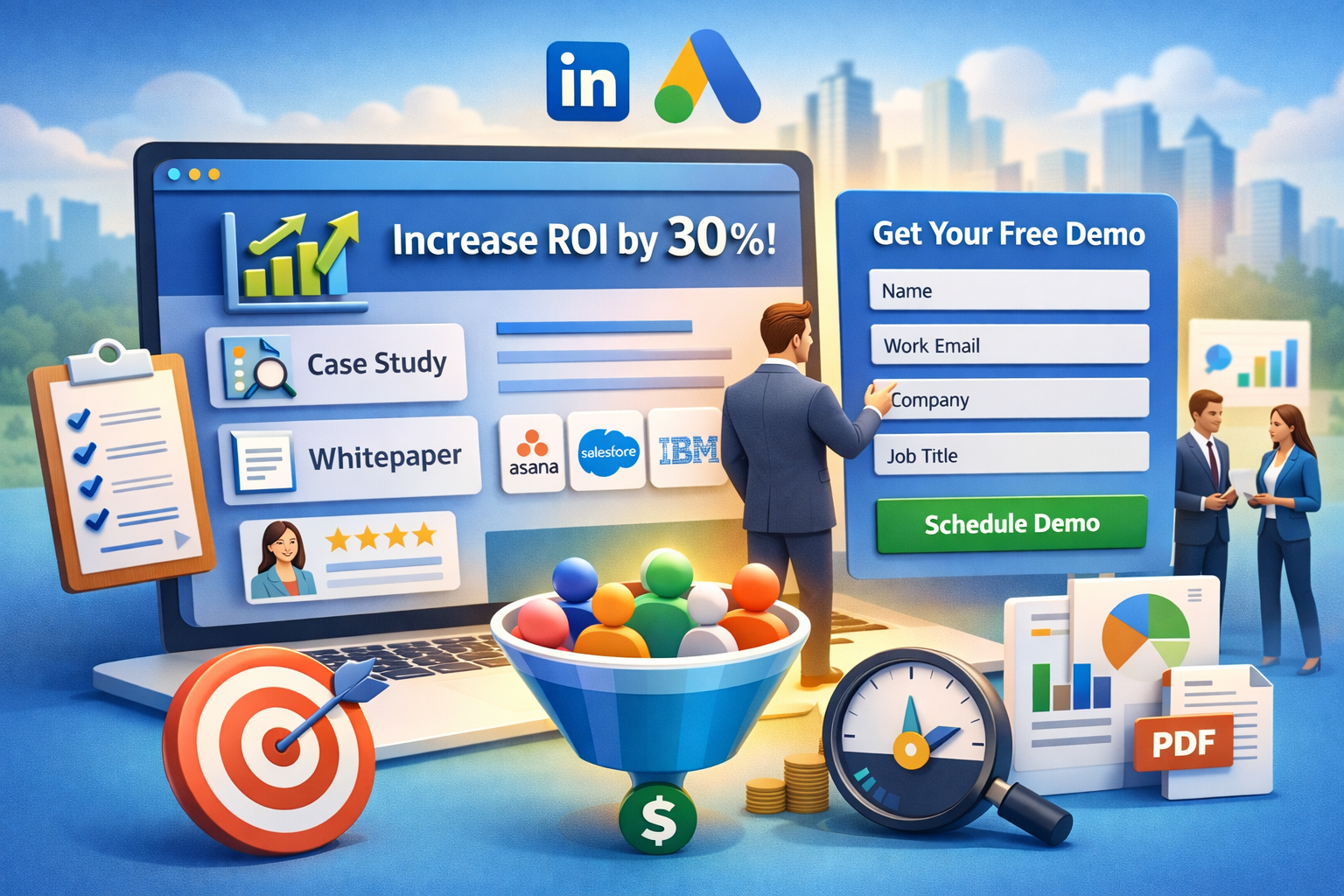
- Personalized demo invitations
- Pricing information
- Implementation guides
- Security documentation
- Customer references
Simultaneously, internal alerts notify sales representatives when prospects demonstrate high purchase intent.
4. Post-Purchase
Automation shouldn’t stop after closing the deal.
Successful organizations automate:
- Customer onboarding
- Product training
- Feature adoption campaigns
- Renewal reminders
- Upsell opportunities
- Customer satisfaction surveys
This continuous engagement improves retention and customer lifetime value.
Core Components of an Automated B2B Customer Journey
Behavioral Triggers
Instead of relying solely on time-based email campaigns, modern automation responds to buyer behavior.
Examples include:
- Downloading a whitepaper
- Visiting pricing pages
- Watching product videos
- Registering for webinars
- Opening multiple emails
- Returning to the website repeatedly
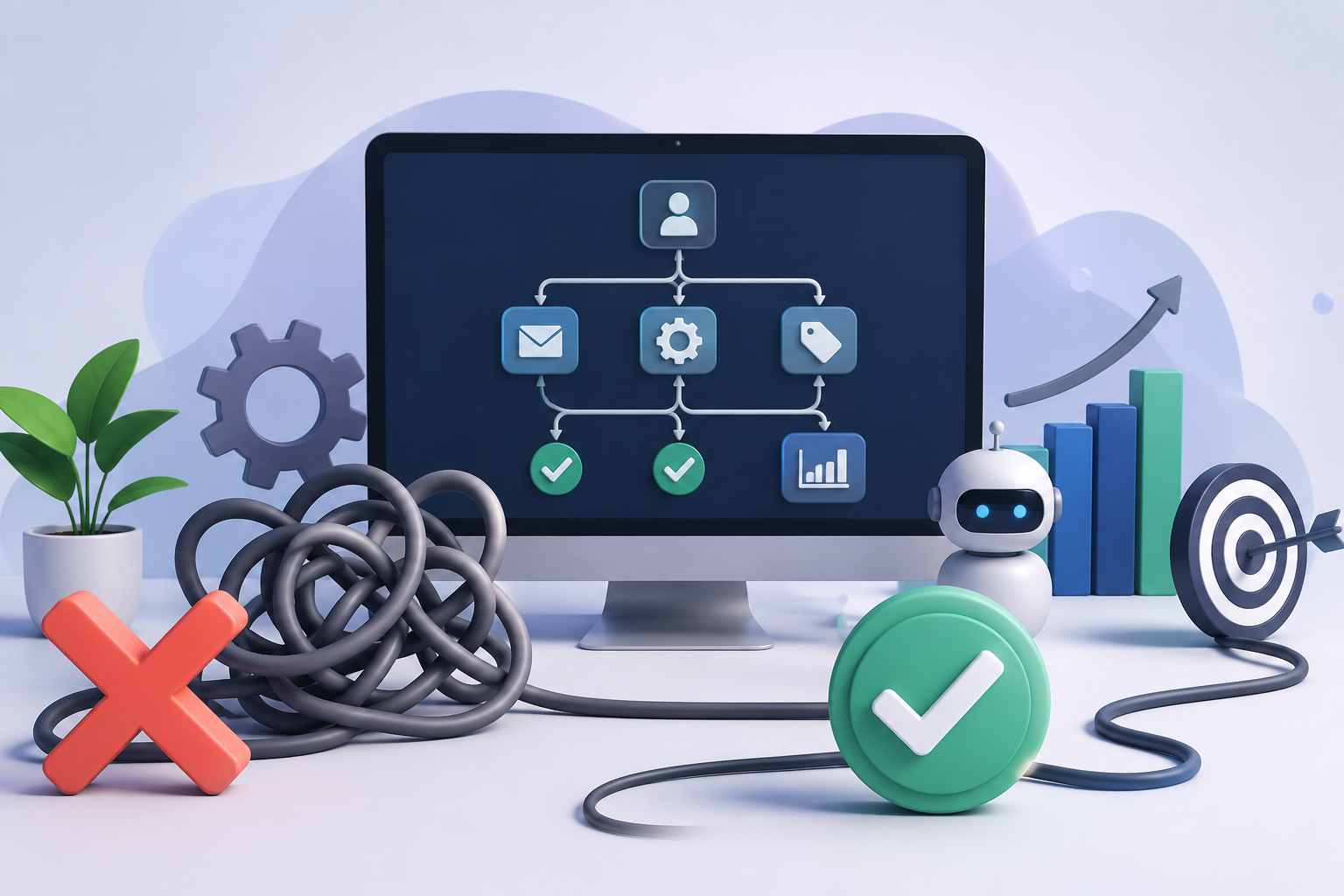
Each action can trigger the next best interaction automatically.
Lead Scoring
Not every lead is sales-ready.
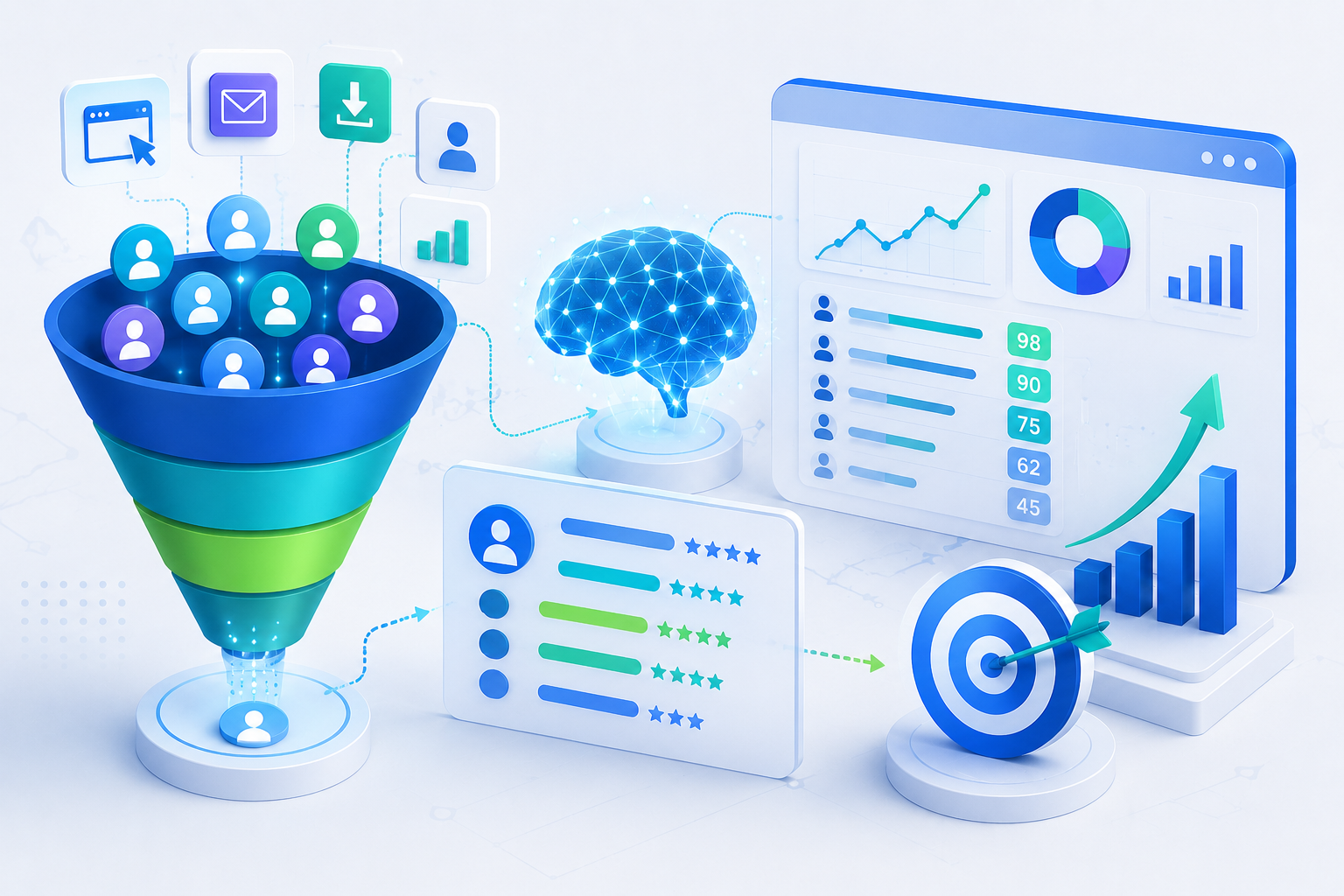
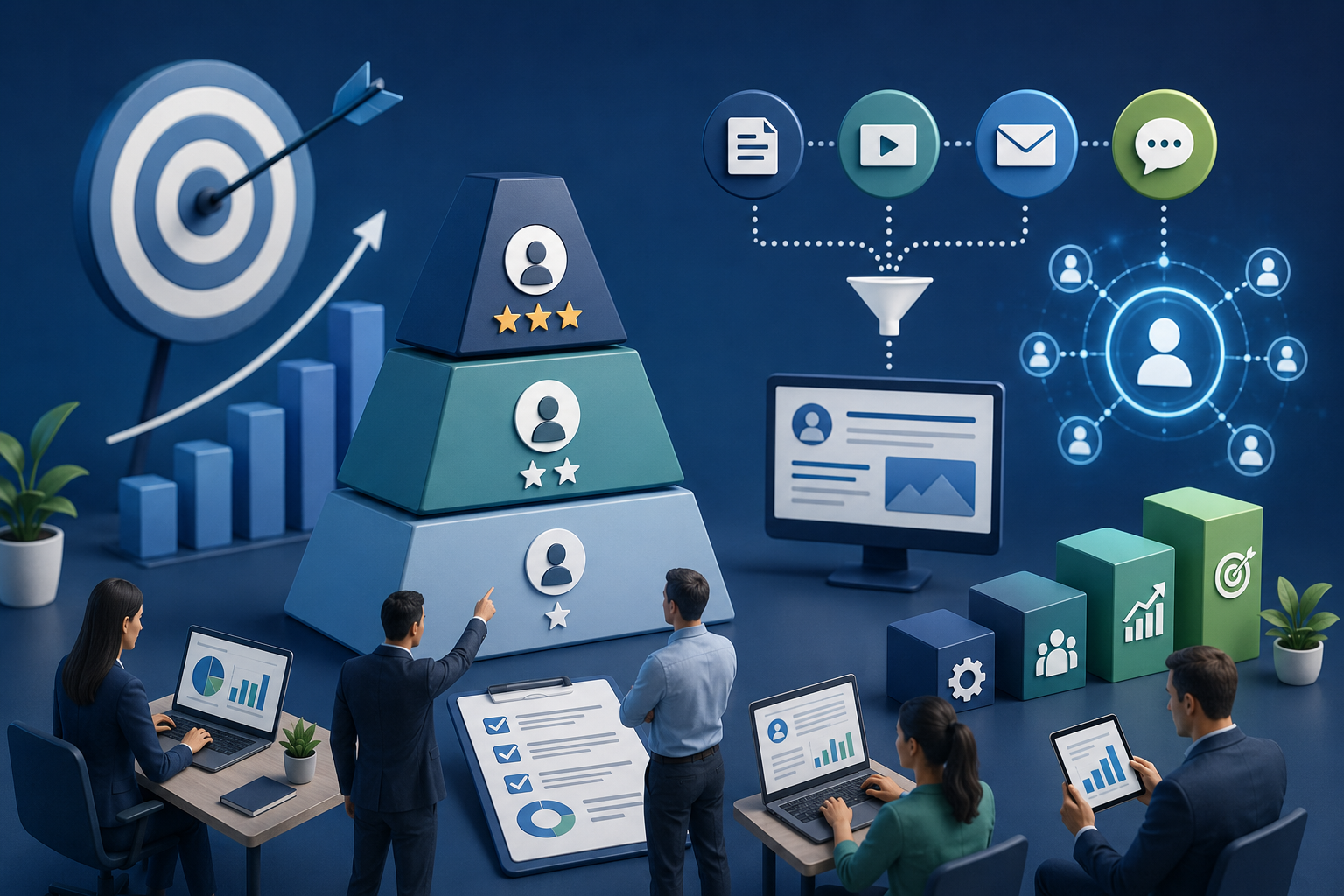
Lead scoring assigns values to prospect behavior, demographics, and engagement levels. Automation platforms can notify sales teams once predefined thresholds are reached, ensuring representatives focus on the highest-quality opportunities.
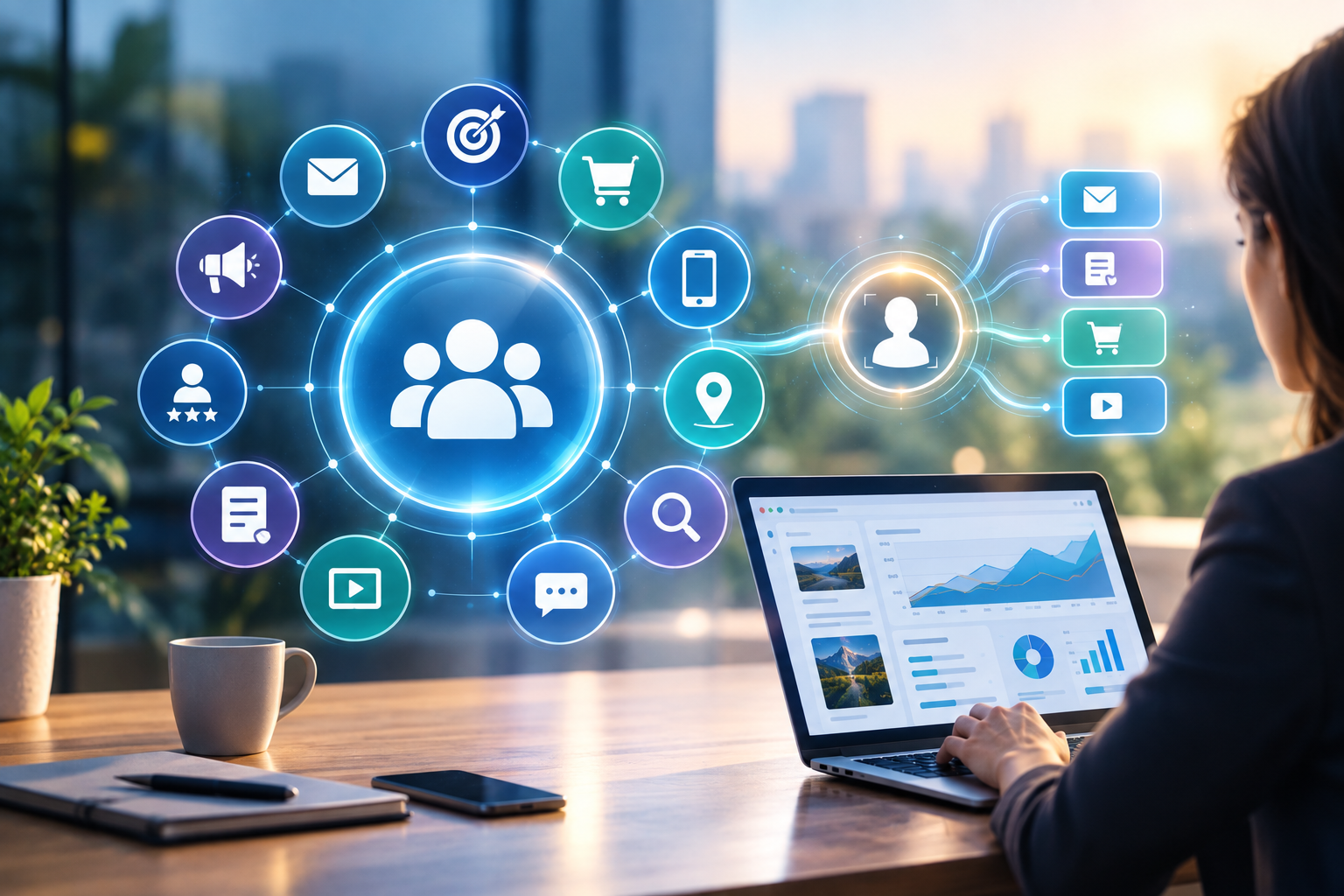
Dynamic Segmentation
Buyer interests change throughout the sales cycle.
Automated segmentation continuously updates prospect groups based on:
- Industry
- Company size
- Job title
- Engagement history
- Product interests
- Geographic region
This enables highly personalized messaging at scale.
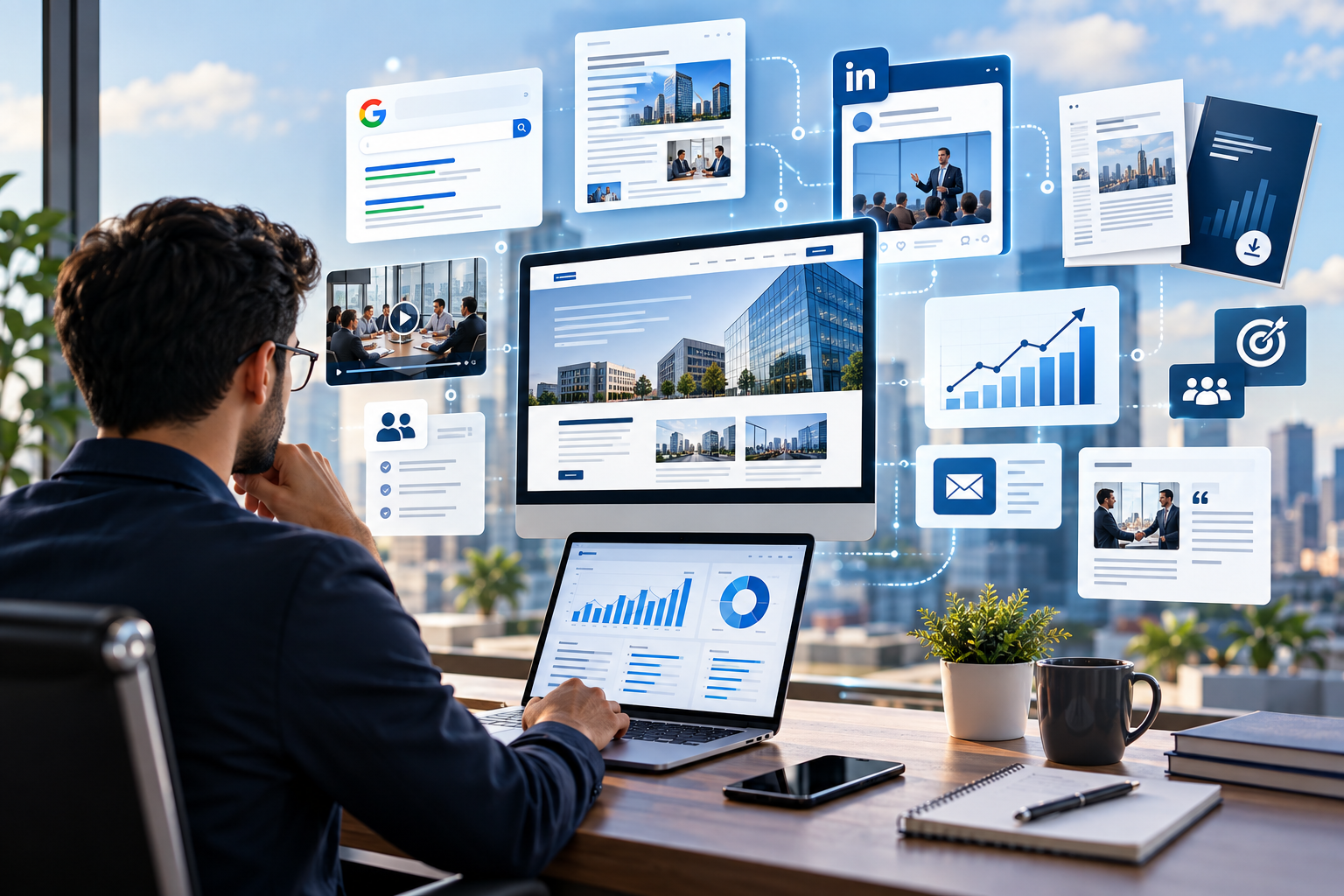
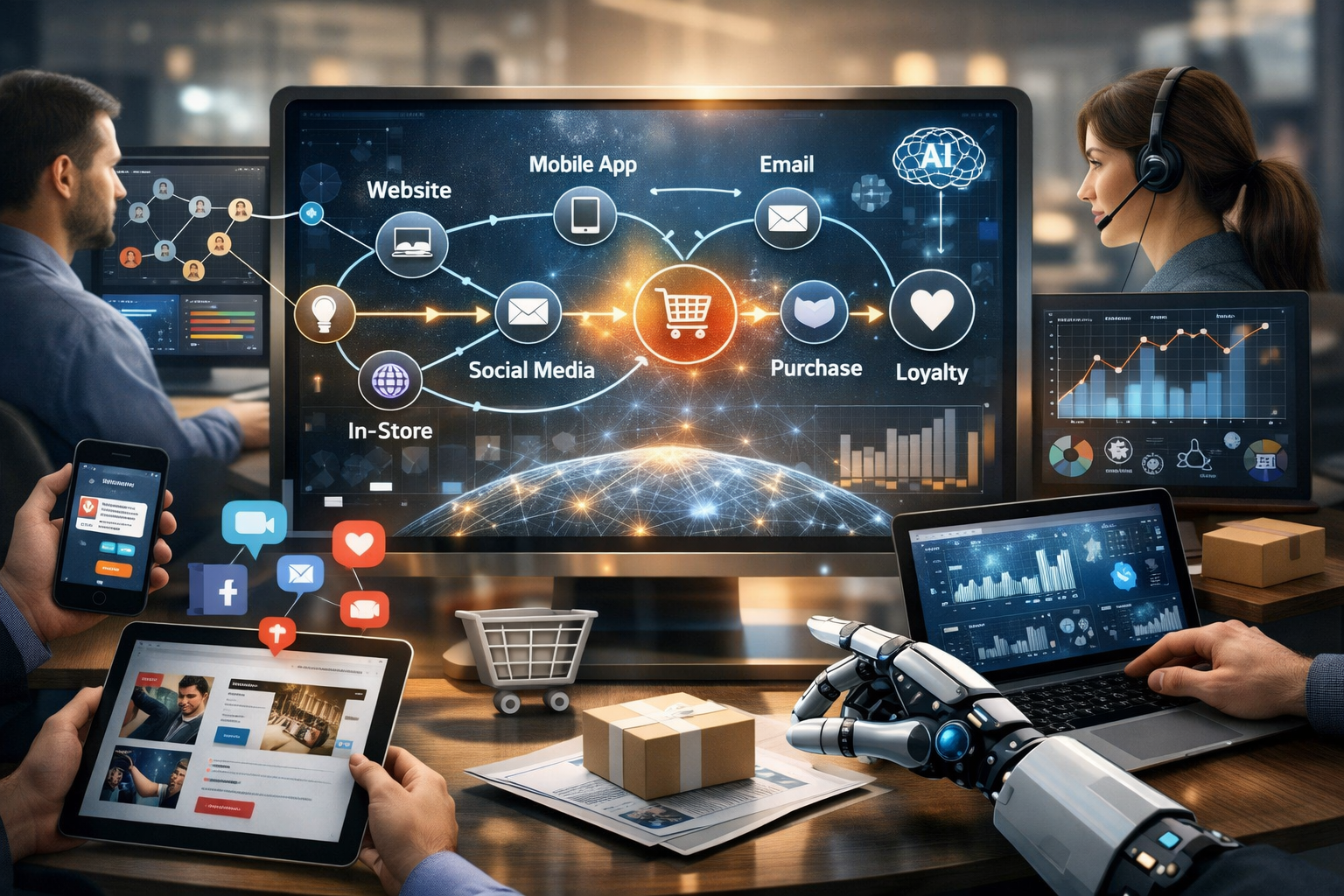
Multi-Channel Engagement
Today’s buyers move seamlessly between channels.
A well-designed automated journey includes:
- Email campaigns
- Website personalization
- SMS notifications (where appropriate)
- Retargeting ads
- Social media engagement
- Webinar invitations
- Sales outreach
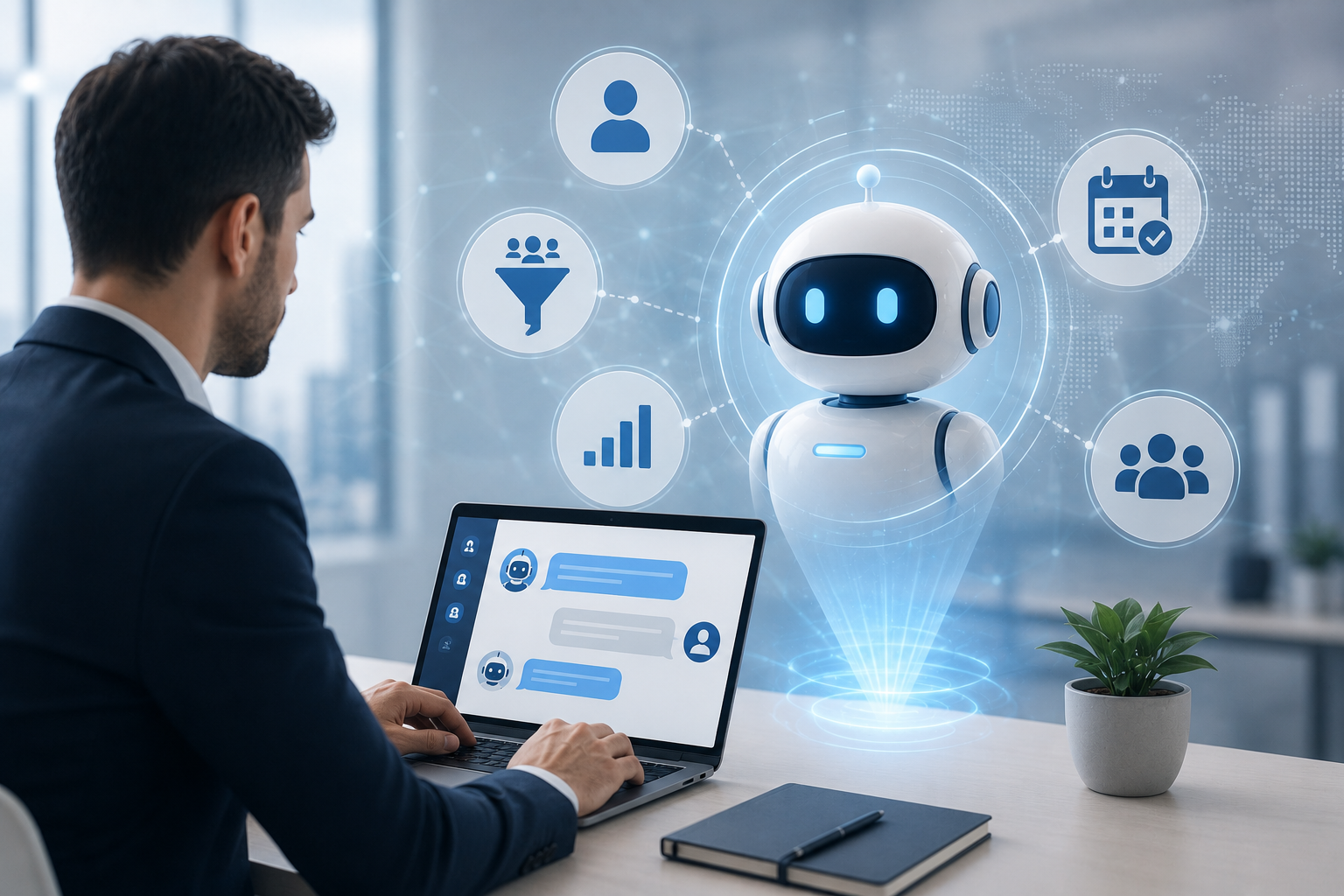
- Live chat interactions
Consistent messaging across channels creates a cohesive customer experience.
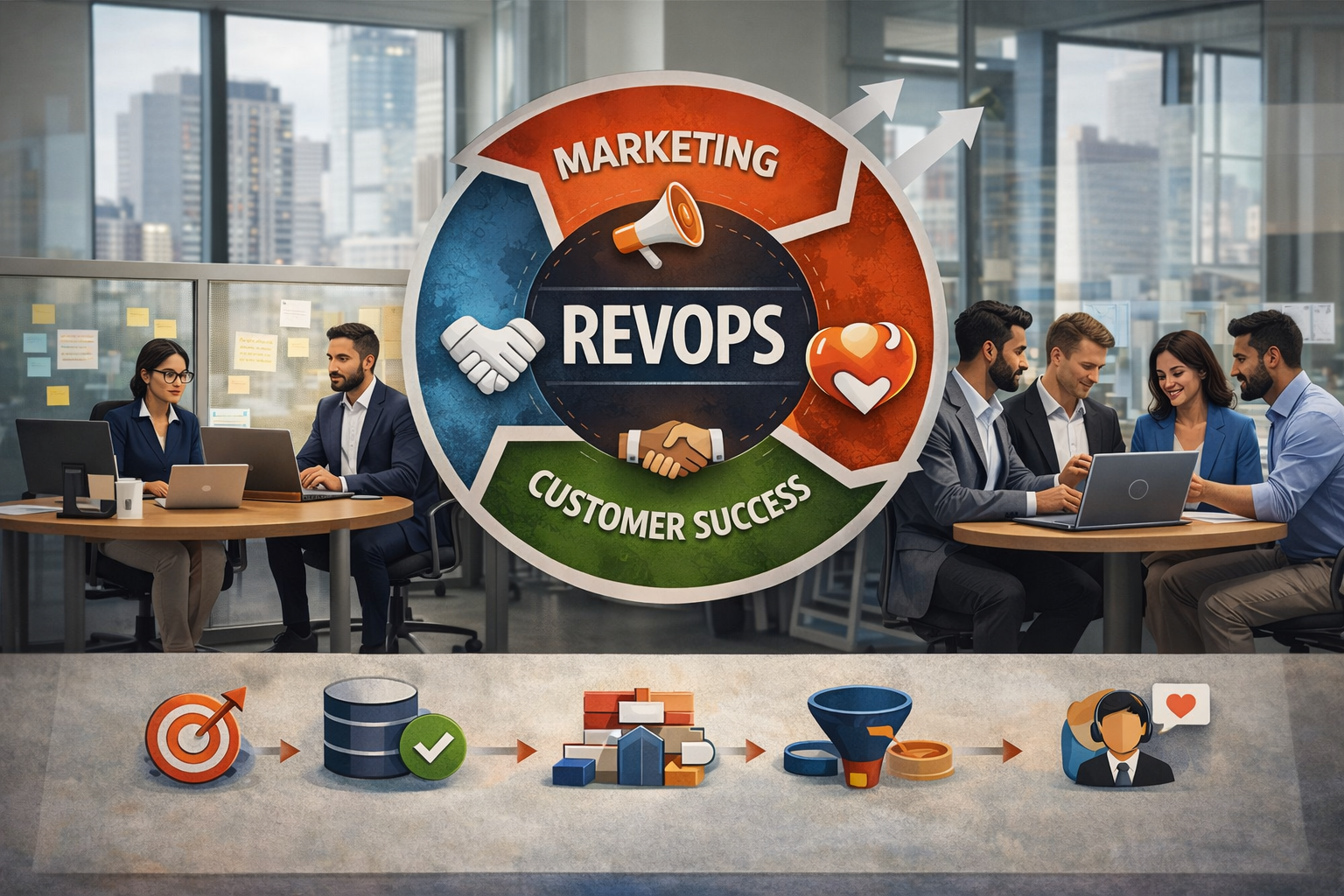
Aligning Marketing and Sales Through Automation
One of the greatest advantages of journey automation is improved collaboration between marketing and sales.
Automation platforms provide shared visibility into:
- Prospect activity
- Content engagement
- Lead scores
- Buying signals
- Meeting requests
- Product interests
When both teams access the same customer data, handoffs become smoother and conversations become more relevant.
For example, if a prospect downloads an implementation guide after attending a webinar, the assigned sales representative immediately receives an alert with context for a personalized follow-up.
Personalization Beyond First Names
Modern personalization extends far beyond inserting a prospect’s name into an email.
Advanced automation enables personalization based on:
- Industry-specific challenges
- Business size
- Previous interactions
- Product interests
- Buyer role
- Purchase stage
- Geographic location
A CFO evaluating financial software requires different messaging than an IT director reviewing security capabilities. Automated journeys ensure each stakeholder receives information that aligns with their priorities.
Measuring Journey Performance
Successful automation requires continuous optimization.
Key performance indicators include:
- Email open and click-through rates
- Landing page conversions
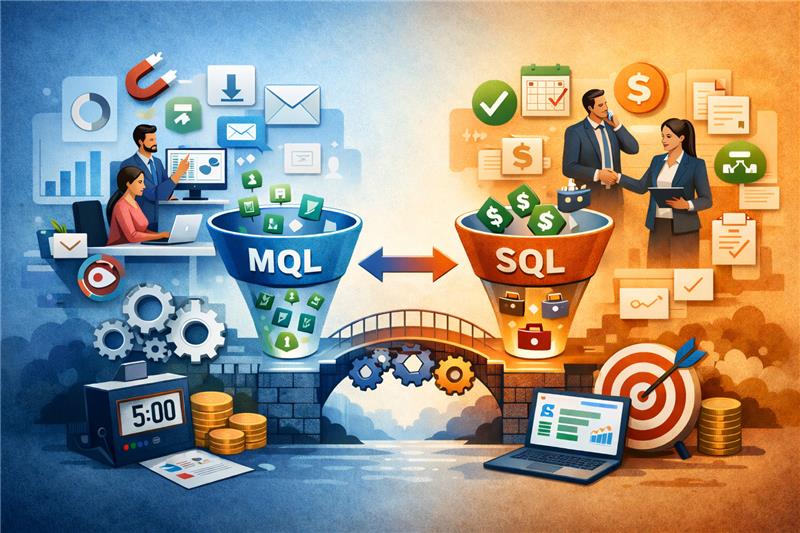
- Marketing Qualified Leads (MQLs)
- Sales Qualified Leads (SQLs)
- Demo requests
- Opportunity creation
- Sales cycle duration
- Customer acquisition cost
- Revenue influenced by marketing
- Customer retention rate
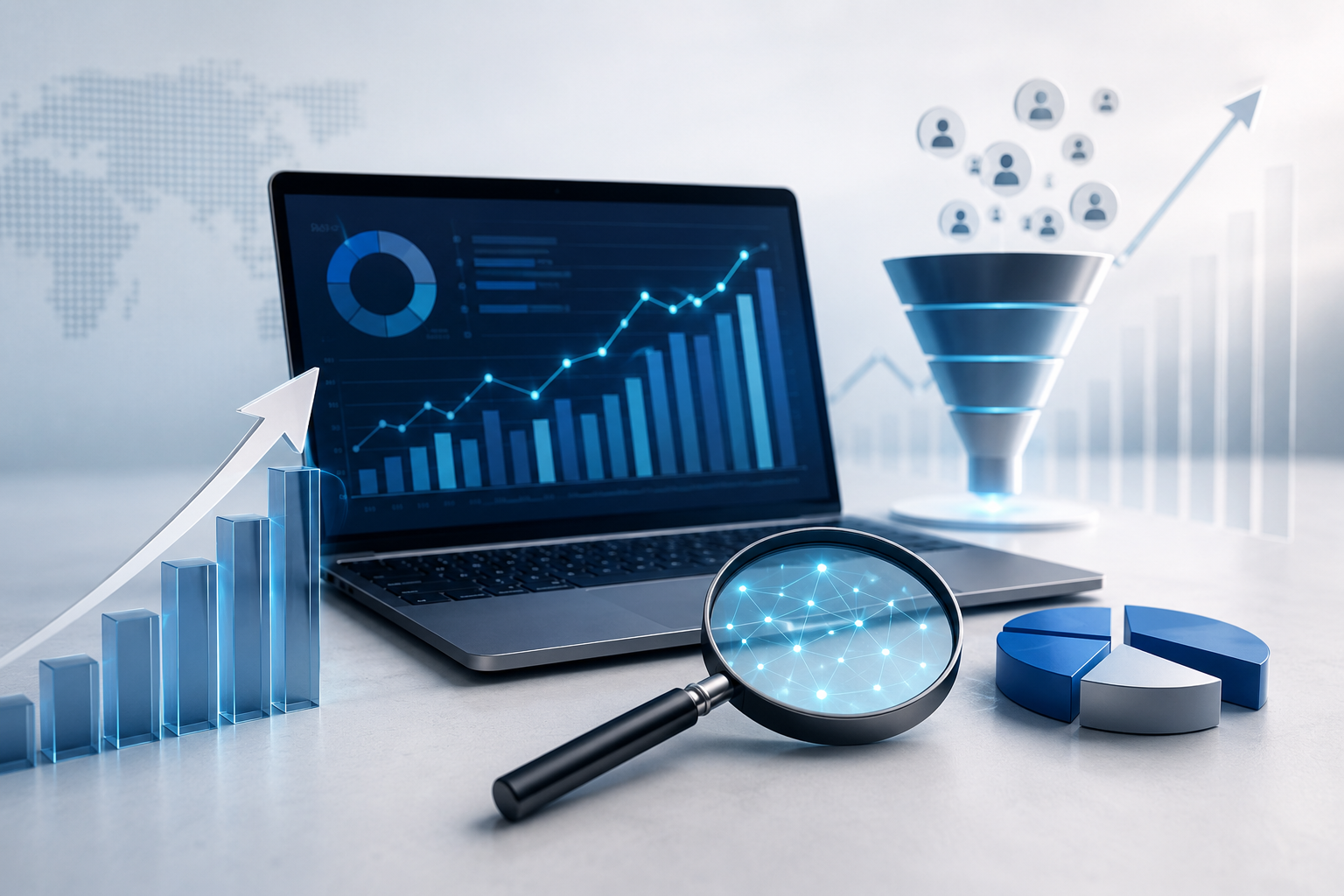
Analyzing these metrics helps organizations identify bottlenecks and improve journey effectiveness over time.
Common Mistakes to Avoid
Even sophisticated automation strategies can fail if not implemented thoughtfully.
Avoid these common pitfalls:
- Automating poor processes instead of improving them
- Sending excessive communications
- Ignoring customer behavior
- Failing to integrate CRM and marketing systems
- Neglecting mobile optimization
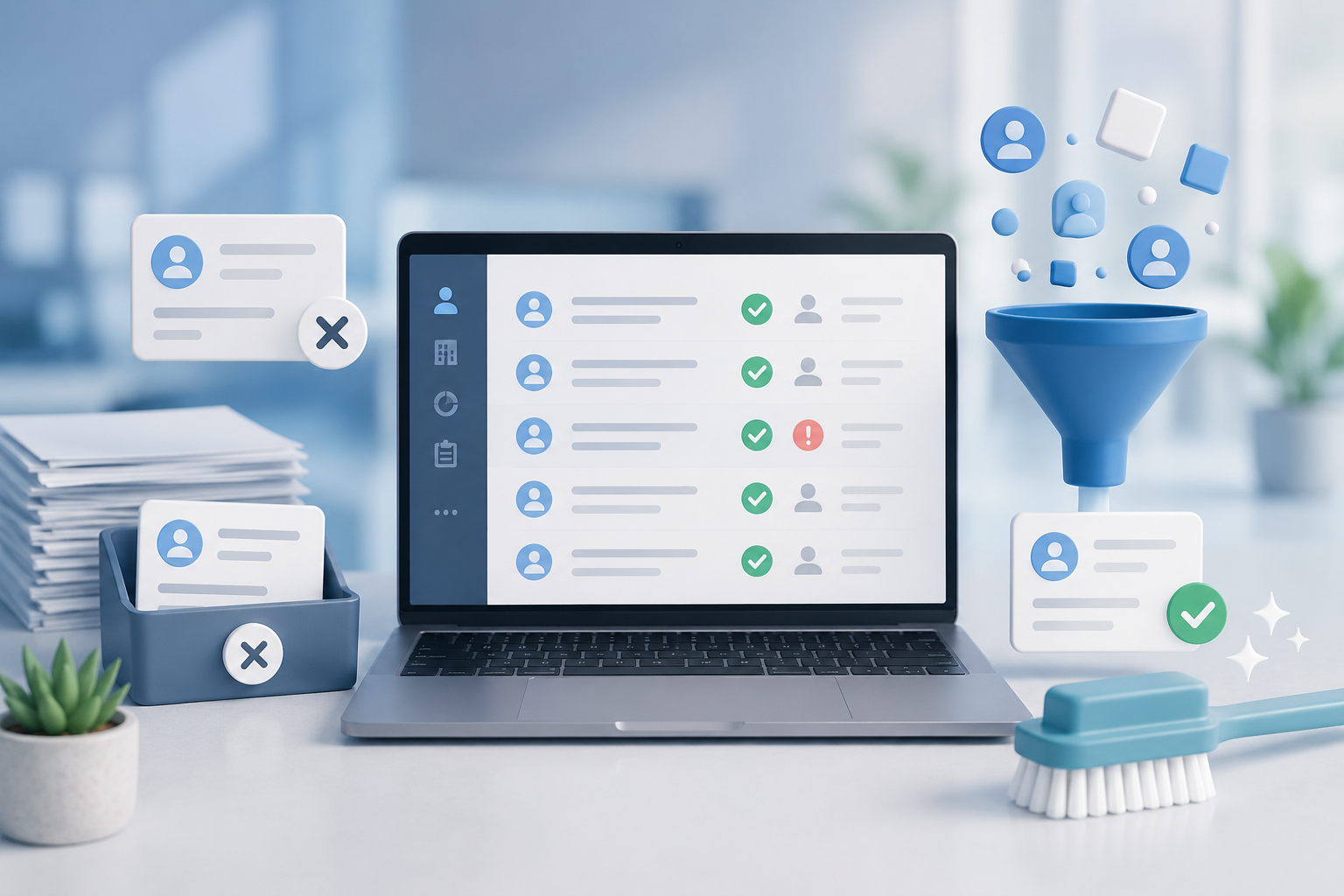
- Using outdated customer data
- Treating all stakeholders the same
Automation should enhance human relationships, not replace meaningful engagement.
Best Practices for Building Effective Automated Journeys
To maximize results:
- Map the complete buyer journey before building workflows.
- Define clear goals for each stage.
- Use behavioral data to trigger communications.
- Align marketing and sales around shared KPIs.
- Test subject lines, content, and workflow timing regularly.
- Continuously refine lead scoring models.
- Personalize messaging based on buyer intent.
- Monitor analytics and optimize workflows based on performance.
The Future of B2B Customer Journey Automation
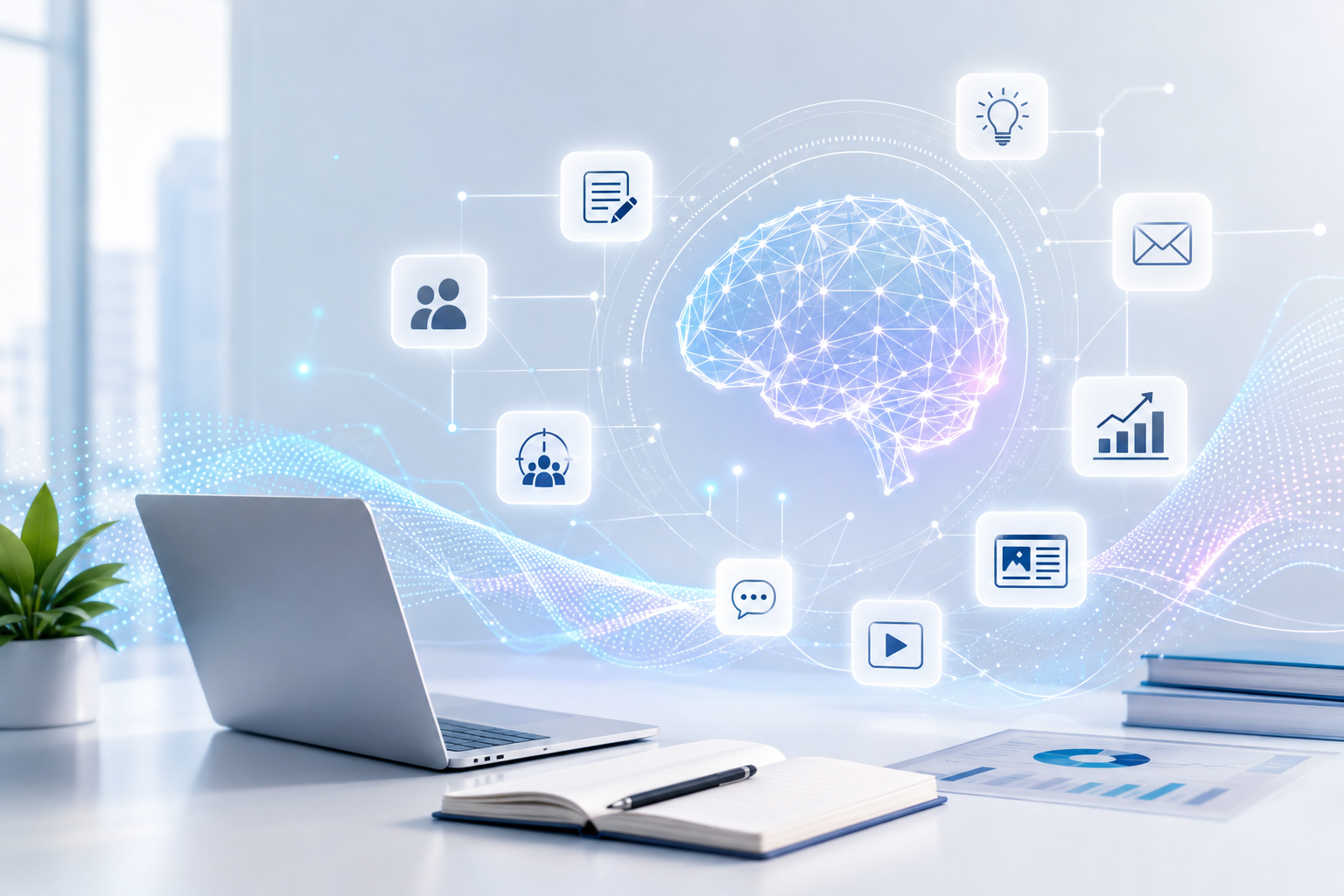
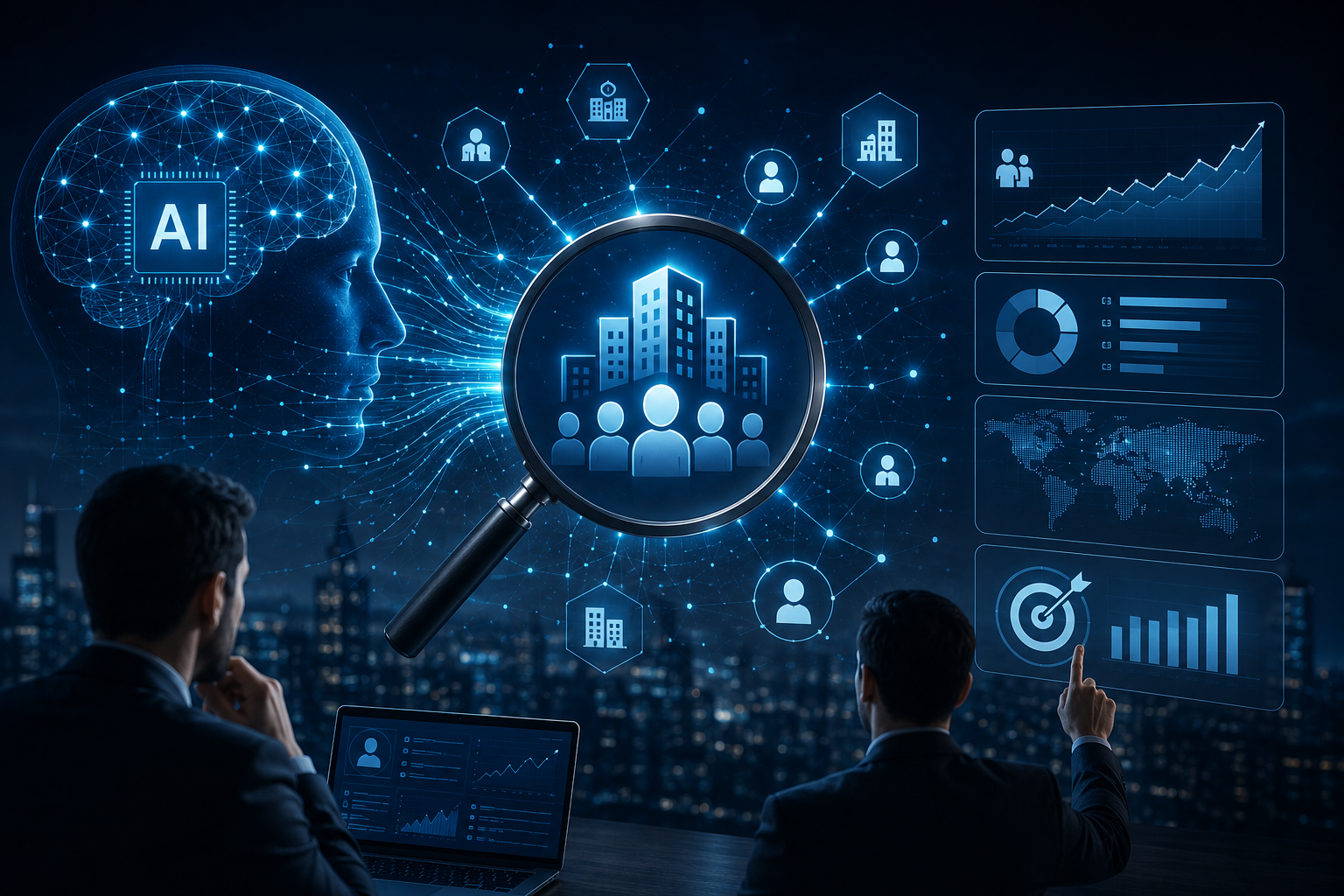
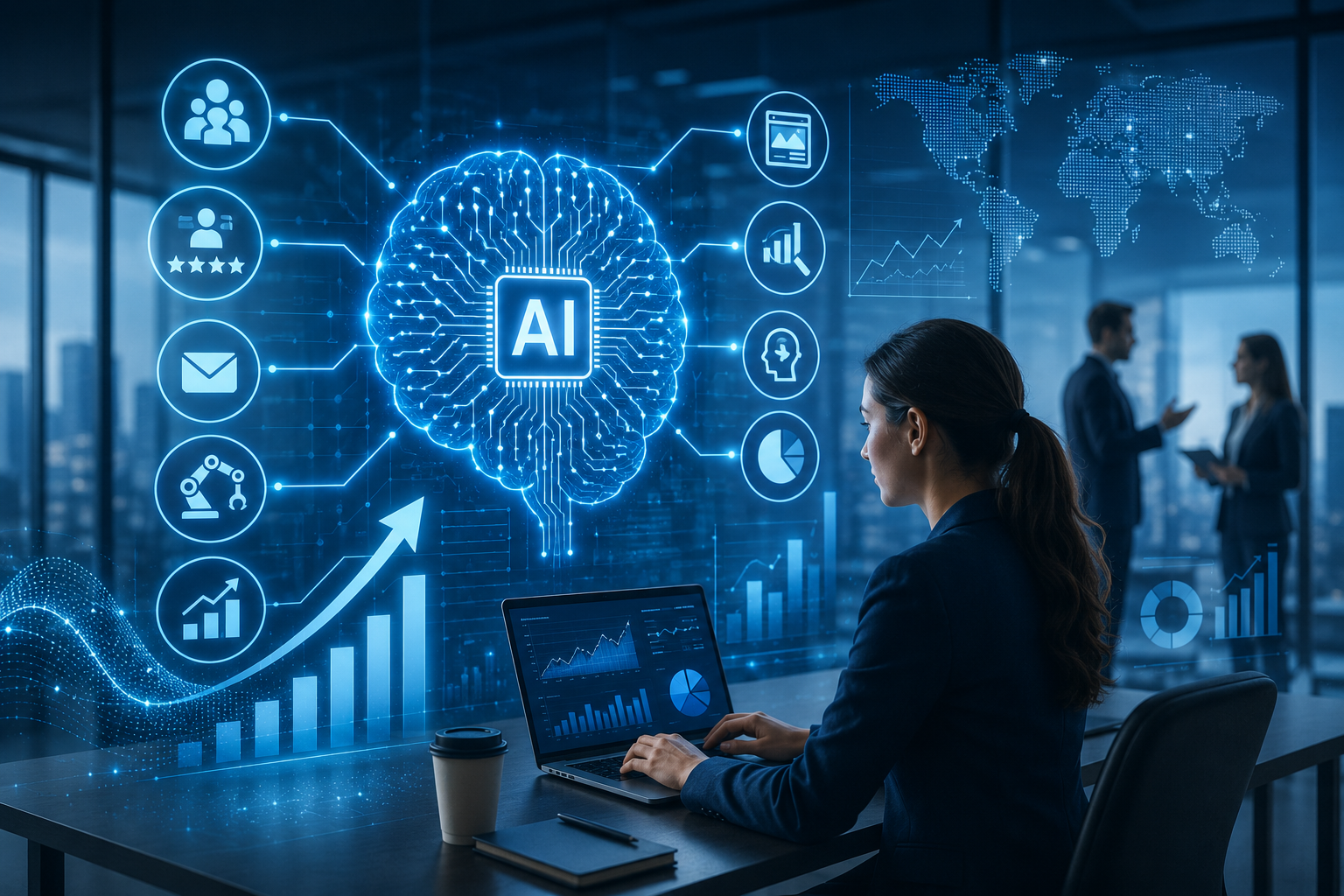
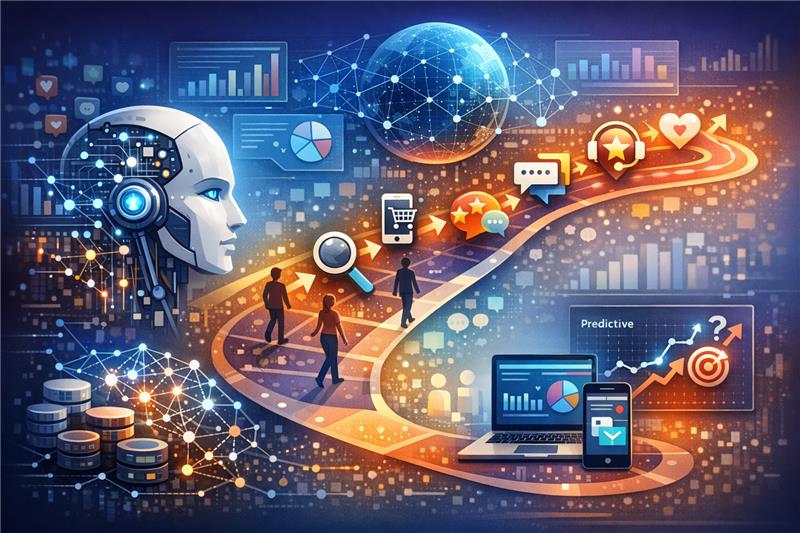
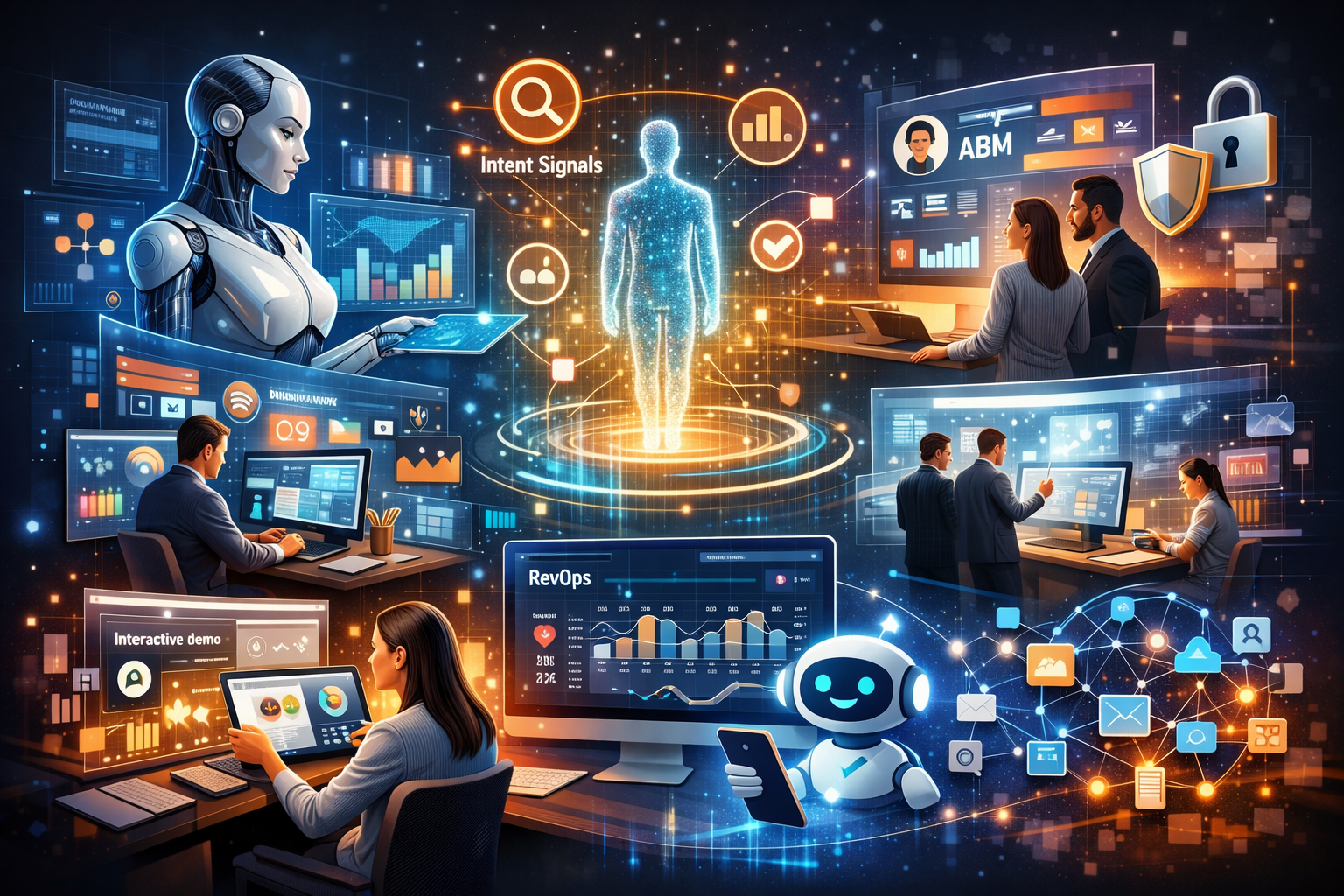
Artificial intelligence is reshaping marketing automation by enabling predictive analytics, intelligent lead scoring, automated content recommendations, and real-time personalization.
Rather than relying solely on predefined workflows, AI-powered platforms can anticipate customer needs, recommend the next best action, and help sales teams prioritize opportunities with greater accuracy.
As buying journeys become increasingly digital and self-directed, organizations that invest in intelligent automation will be better positioned to deliver seamless, personalized experiences that build trust and accelerate revenue growth.
Read Also: The Future of Autonomous Marketing Systems: How AI Is Transforming Modern Marketing