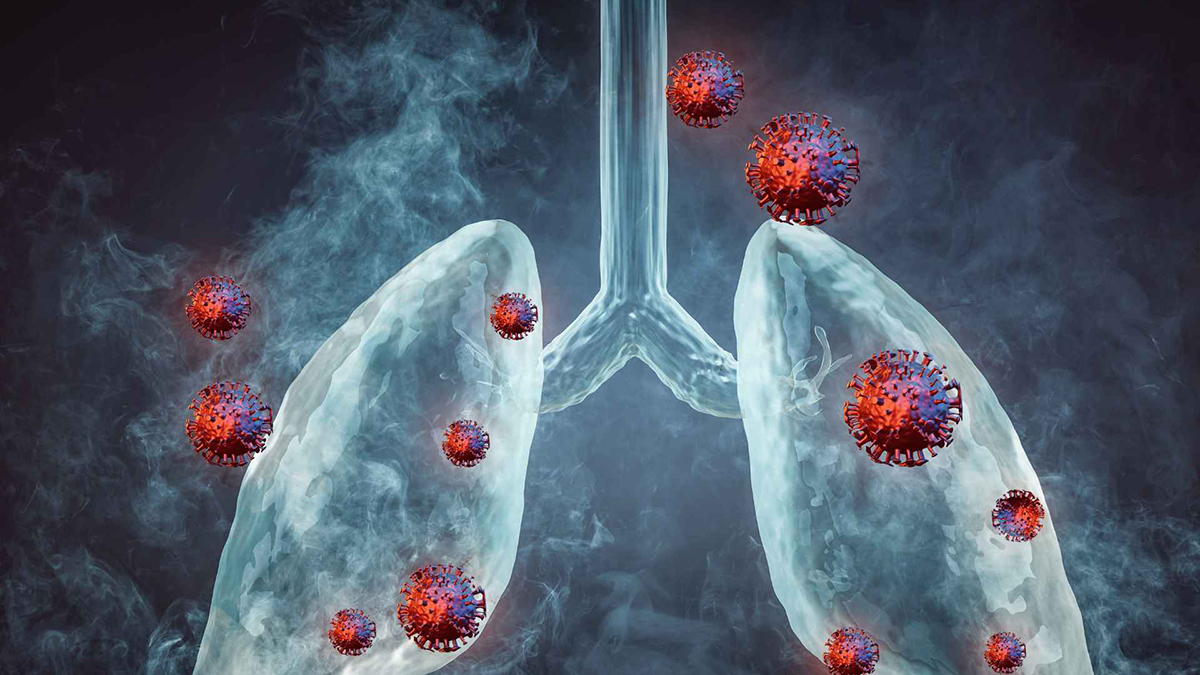

Endeavor BioMedicines (“Endeavor”), a clinical-stage biotechnology company developing medicines with the potential to deliver transformational clinical benefits to patients with life-threatening diseases, today announced that both the European Commission (EC) and the U.S. Food and Drug Administration (FDA) have granted Orphan Drug Designation to its investigational therapy, taladegib (ENV-101), for the treatment of idiopathic pulmonary fibrosis (IPF). Endeavor is currently enrolling patients in the Phase 2b WHISTLE-PF (Wound-remodeling Hedgehog-Inhibitor ILD Study Testing Lung Function Endpoints-PF) clinical trial of taladegib in IPF, a chronic, progressive lung disease with limited treatment options. Enrollment in the WHISTLE-PF trial is on track and expected to be completed in 2026.
“Receiving Orphan Drug Designation for taladegib in both the United States and European Union underscores the significant unmet medical need for patients with IPF,” said Lisa Lancaster, M.D., Chief Medical Officer, Endeavor BioMedicines. “We are encouraged by the potential of taladegib to reverse the course of disease across multiple measures of IPF, which is a major step forward from current standard-of-care. I am very proud of our team, which is executing the Phase 2b WHISTLE-PF trial with a remarkable sense of purpose, driven by our mission to push the boundaries of what is possible and restore hope to patients and their families.”
Orphan Drug Designation in the European Union (EU) is granted by the EC based on a positive opinion from the European Medicines Agency’s Committee for Orphan Medicinal Products. It is intended to encourage the development of drugs that may provide significant benefit to patients suffering from rare, life-threatening diseases with a prevalence of not more than five in 10,000 in the EU. The designation provides special incentives for sponsors, including eligibility for protocol assistance and exemptions or reductions in certain regulatory fees, as well as 10 years of marketing exclusivity if the product is approved for the designated use.
The FDA grants Orphan Drug Designation to drugs and biologics intended for the treatment, diagnosis or prevention of rare diseases or conditions affecting fewer than 200,000 people in the U.S. Orphan Drug Designation provides sponsors certain benefits, including financial incentives to support clinical development and the potential for up to seven years of market exclusivity for the drug for the designated orphan indication in the U.S. if the drug is ultimately approved for that use.