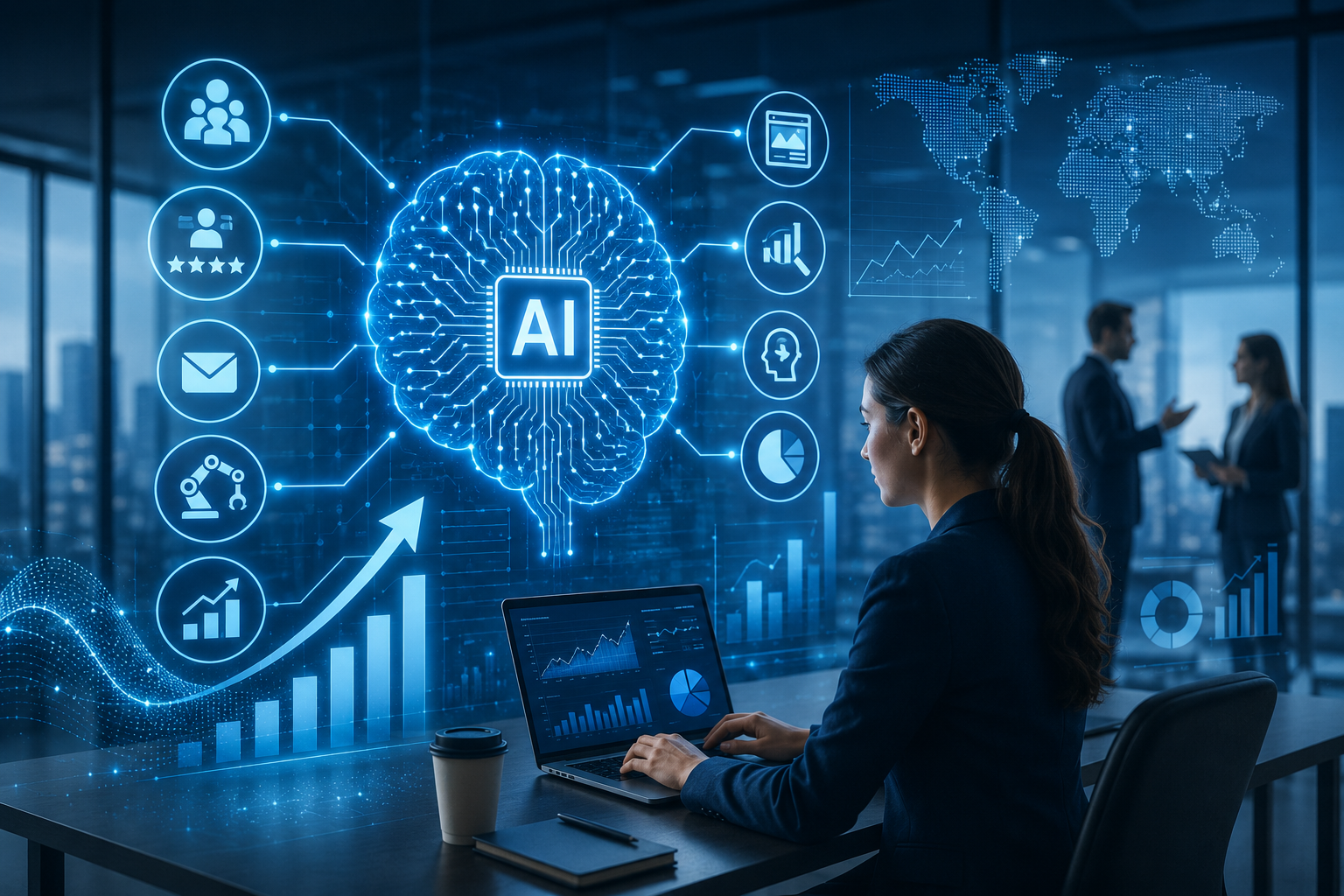

For years, artificial intelligence has helped marketers automate repetitive tasks—from email segmentation and lead scoring to content recommendations and campaign optimization. While these capabilities have improved efficiency, they still rely heavily on human direction.
A new era is emerging.
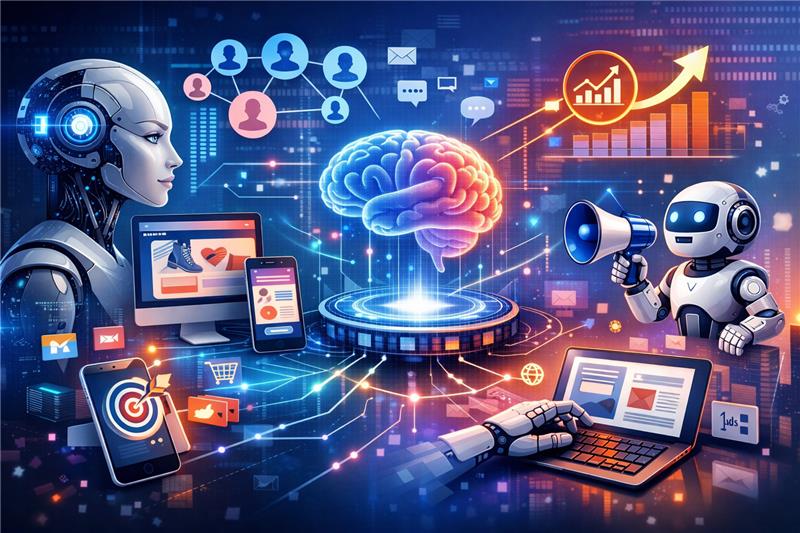
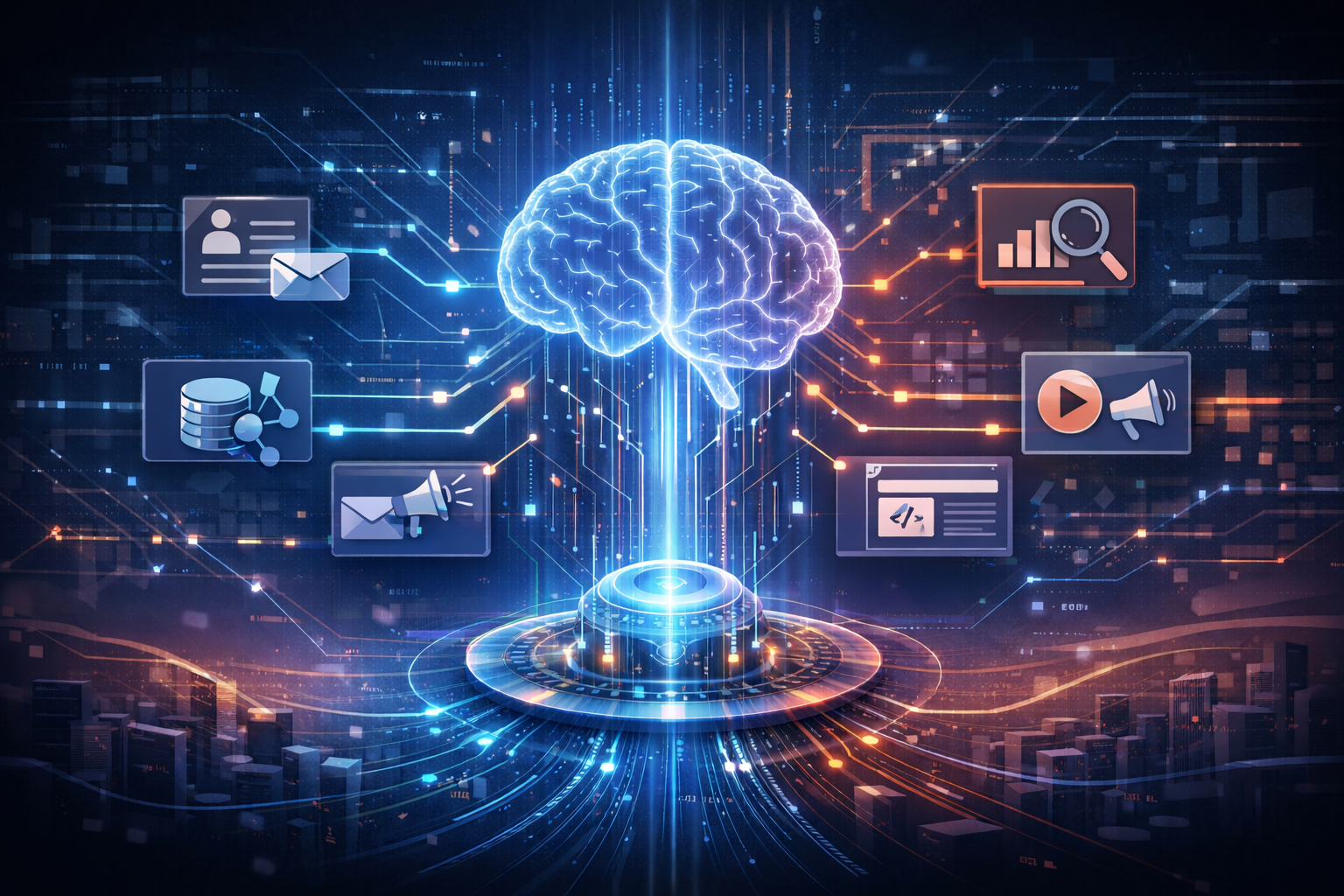
Agentic AI represents the next evolution of artificial intelligence, where AI systems don’t just respond to prompts—they proactively plan, make decisions, execute complex workflows, and continuously optimize outcomes based on defined business goals.
For B2B marketing teams navigating longer sales cycles, multiple stakeholders, and increasing pressure to deliver measurable ROI, Agentic AI has the potential to fundamentally reshape how marketing operates.
What Is Agentic AI?
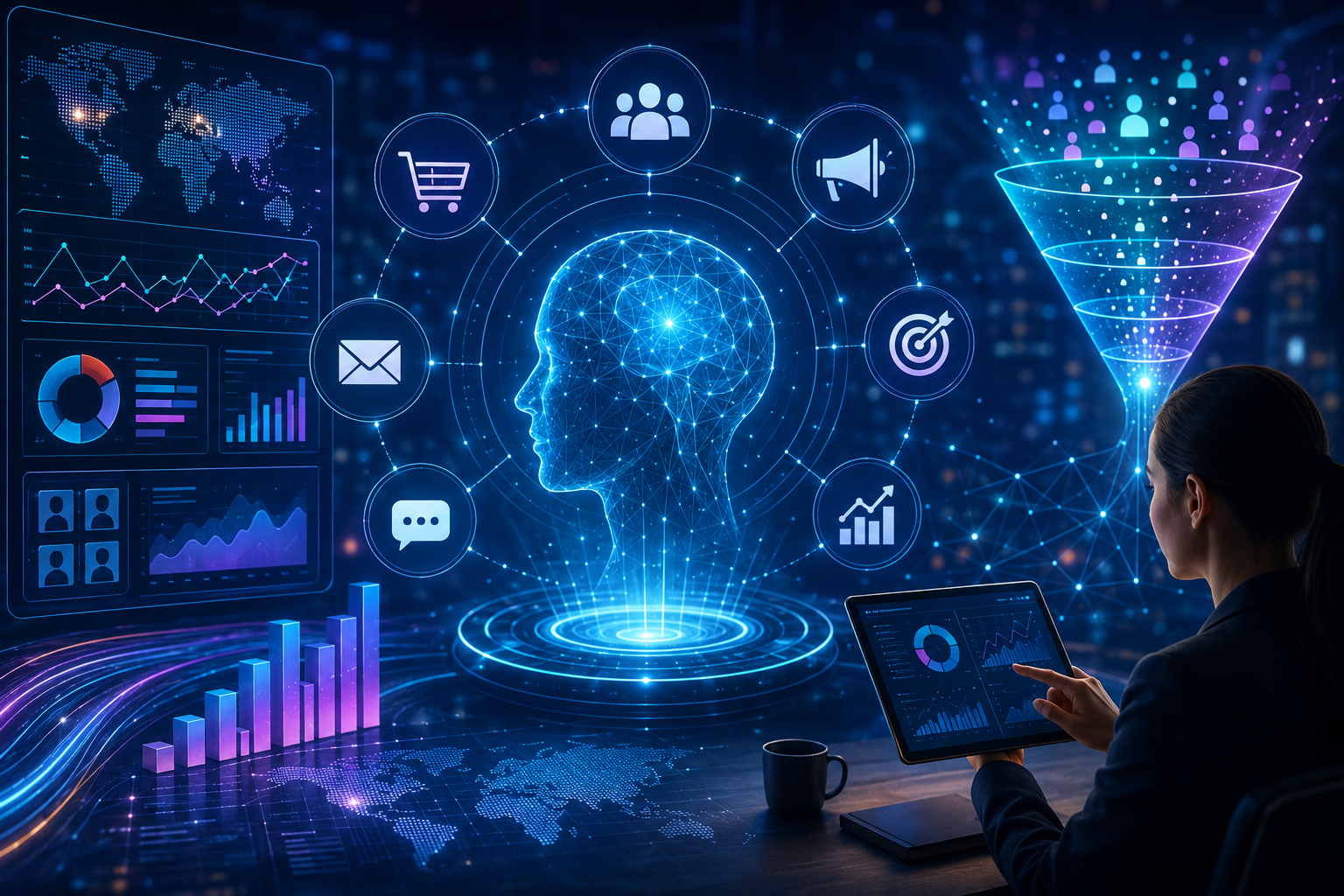
Agentic AI refers to AI systems that function as autonomous agents capable of understanding objectives, breaking them into actionable tasks, collaborating with other systems, learning from outcomes, and adapting strategies over time.
Unlike traditional AI tools that require constant human input, agentic systems can independently manage multi-step processes while keeping humans involved for governance and strategic oversight.
Think of the difference this way:
- Traditional AI answers questions.
- Generative AI creates content.
- Agentic AI gets work done.
Instead of asking AI to write one email, you might assign it a broader goal:
“Generate 500 qualified enterprise leads in the manufacturing sector this quarter.”
The AI agent can then research target accounts, analyze intent signals, personalize outreach, optimize campaigns across channels, monitor performance, and recommend adjustments—all while reporting progress against business objectives.
Why Agentic AI Matters for B2B Marketing
B2B marketing has become increasingly complex.
Today’s buyers interact with brands across websites, webinars, LinkedIn, email, partner ecosystems, review platforms, and sales conversations before making purchasing decisions.
Marketing teams manage:
- Large volumes of customer data
- Multiple marketing technologies
- Complex buying committees
- Personalized customer journeys
- Performance measurement across channels
The challenge isn’t a lack of data.
It’s turning data into coordinated action.
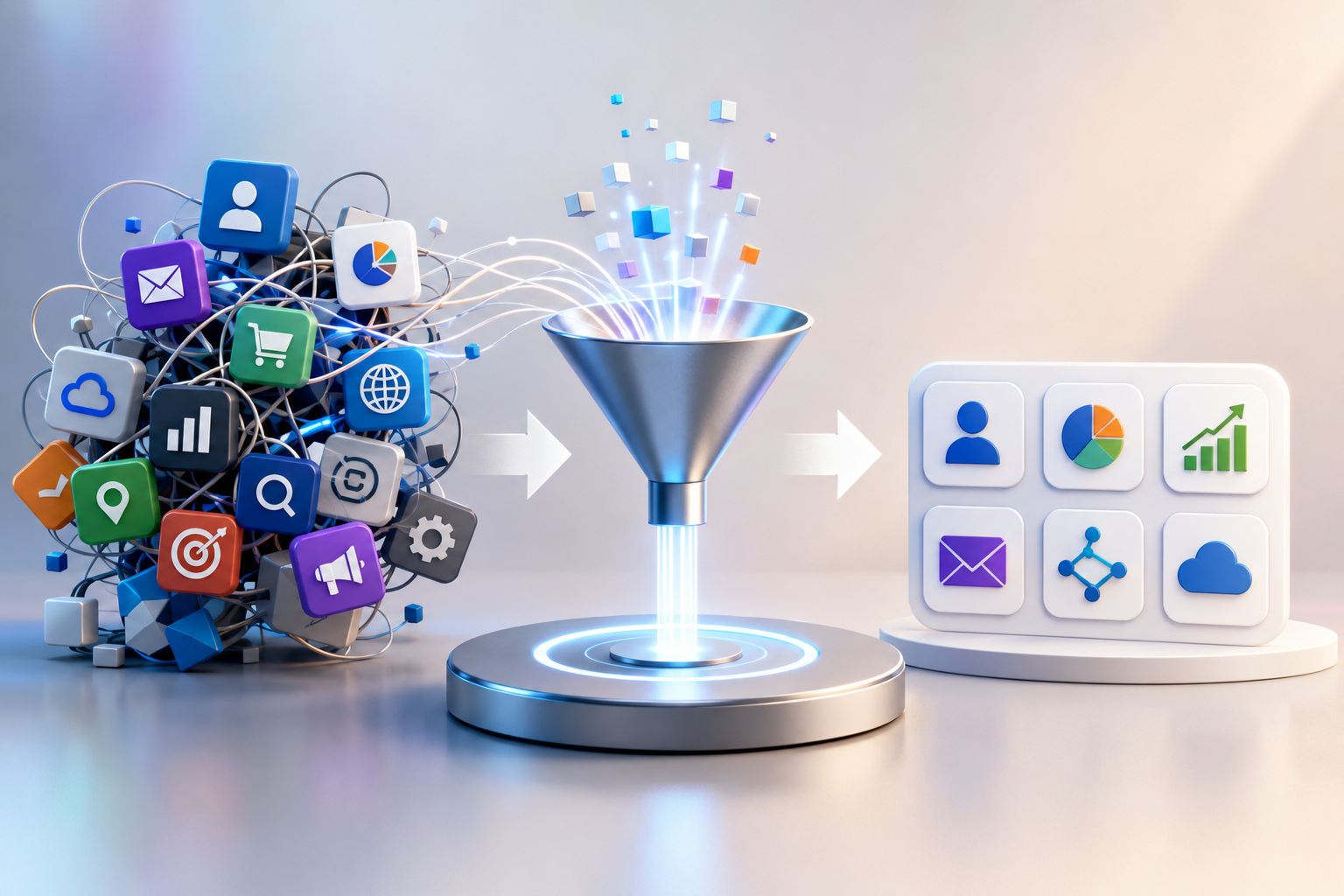
Agentic AI bridges this gap by acting as an intelligent coordinator that connects insights with execution.
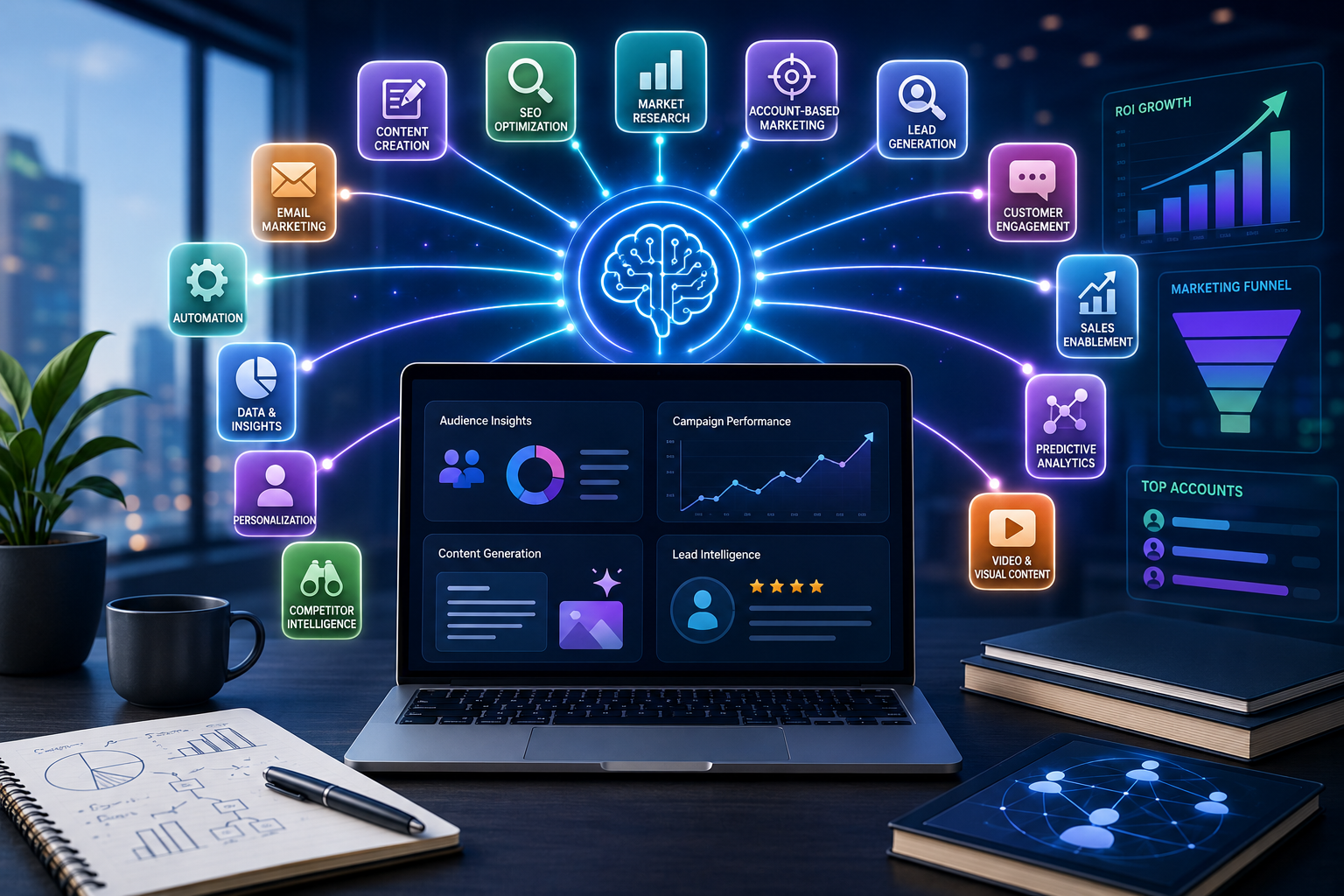
Key Applications of Agentic AI in B2B Marketing
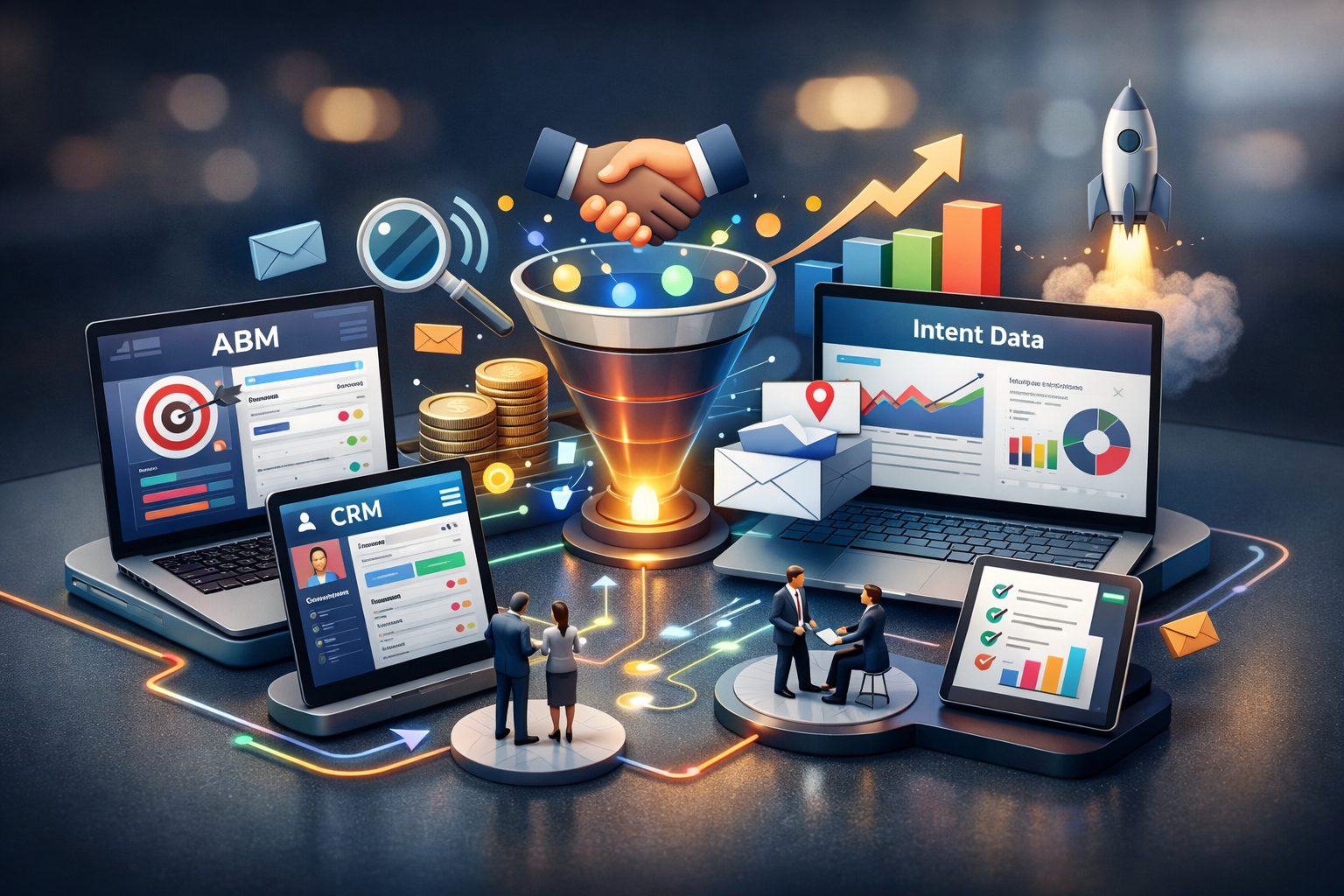
1. Intelligent Account-Based Marketing (ABM)
Traditional ABM campaigns require significant manual effort.
Agentic AI can continuously monitor target accounts by analyzing company news, hiring trends, technology adoption, funding announcements, website activity, and engagement signals.
When buying intent increases, the AI can automatically:
- Prioritize high-value accounts
- Recommend personalized messaging
- Launch targeted campaigns
- Notify sales teams
- Schedule follow-up activities
The result is faster response times and more relevant engagement.
2. Hyper-Personalized Content at Scale
Personalization has moved beyond simply inserting a recipient’s name into an email.
Agentic AI can create tailored content based on:
- Industry
- Company size
- Business challenges
- Buying stage
- Previous interactions
- Decision-maker role
Imagine a technology company targeting CIOs, CFOs, and Operations leaders.
Instead of creating three static campaigns, an AI agent generates dynamic content customized for every stakeholder while maintaining consistent brand messaging.
3. Autonomous Campaign Management
Campaign optimization traditionally involves marketers reviewing dashboards, identifying trends, and making manual adjustments.
Agentic AI continuously monitors campaign performance and can:
- Shift budgets toward higher-performing channels
- Pause underperforming ads
- Adjust bidding strategies
- Test creative variations
- Optimize email timing
- Recommend new audience segments
Instead of weekly optimization cycles, campaigns improve continuously.
4. Smarter Lead Qualification
Lead scoring models often rely on historical rules.
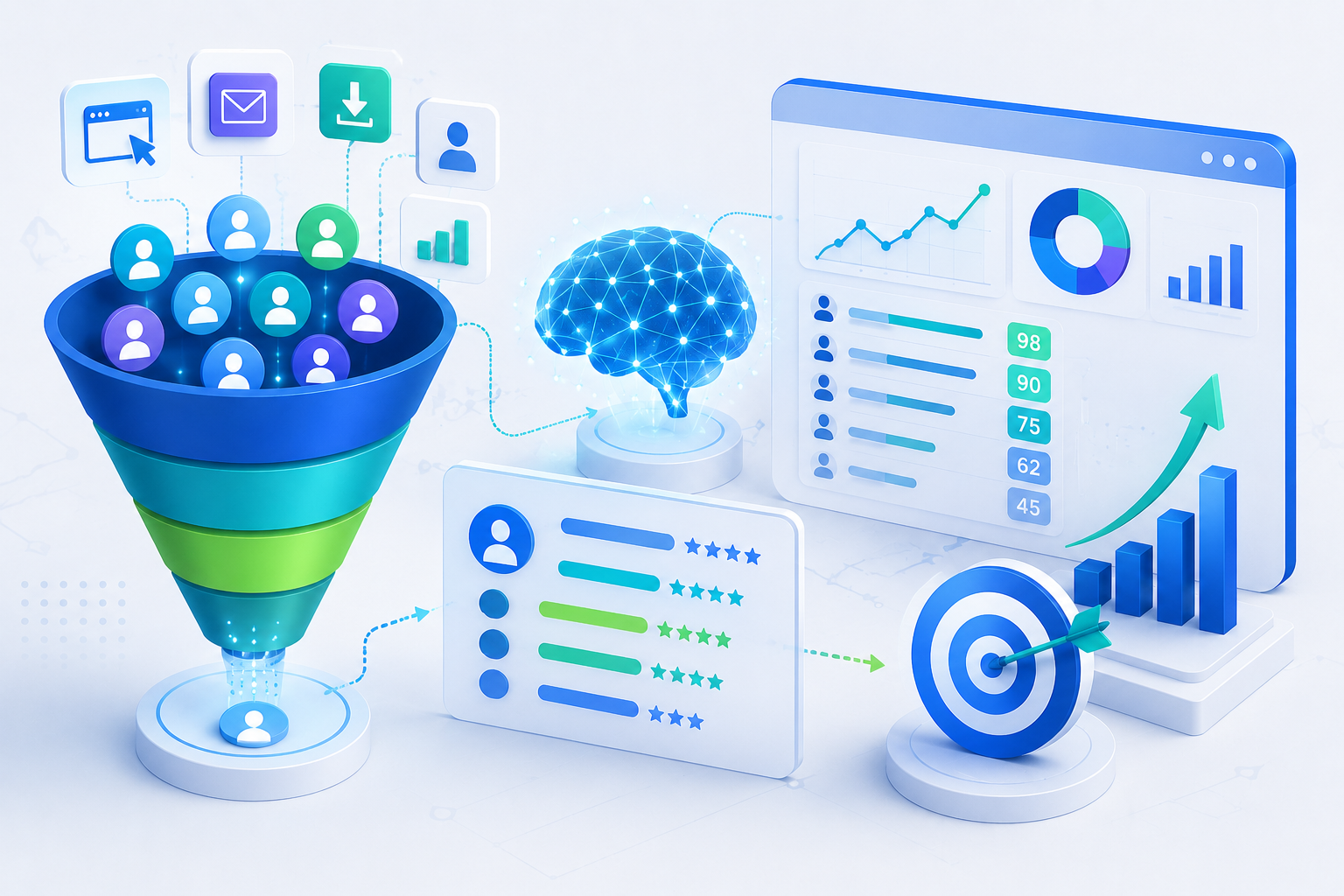
Agentic AI combines behavioral signals, CRM history, intent data, website interactions, product usage, and engagement patterns to evaluate buyer readiness in real time.
Rather than assigning a static score, the AI continuously updates purchase probability and recommends the next best action for marketing or sales.
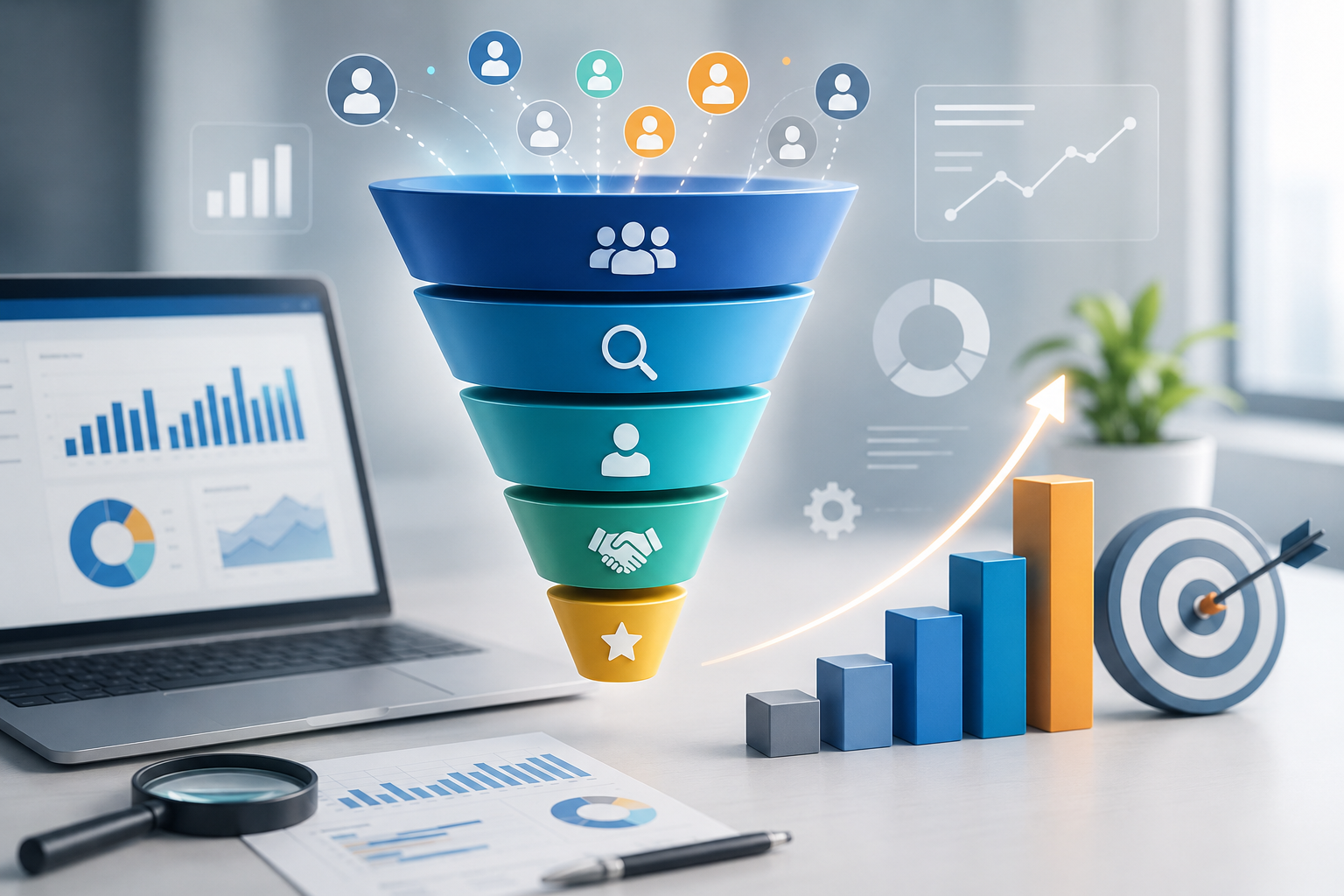
This helps sales teams focus on opportunities with the highest likelihood of conversion.
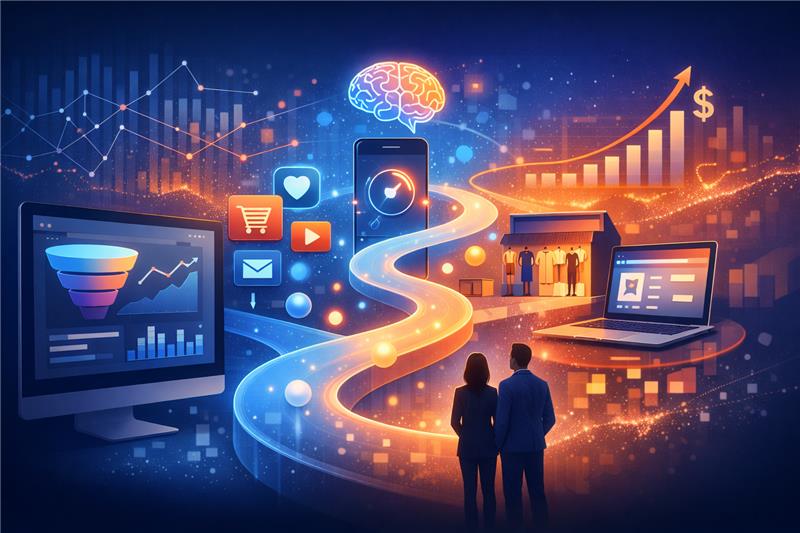
5. AI-Driven Customer Journey Orchestration
Modern B2B buying journeys are rarely linear.
Prospects may:
- Download a white paper
- Attend a webinar
- Visit pricing pages
- Engage with social content
- Speak with sales
- Return months later
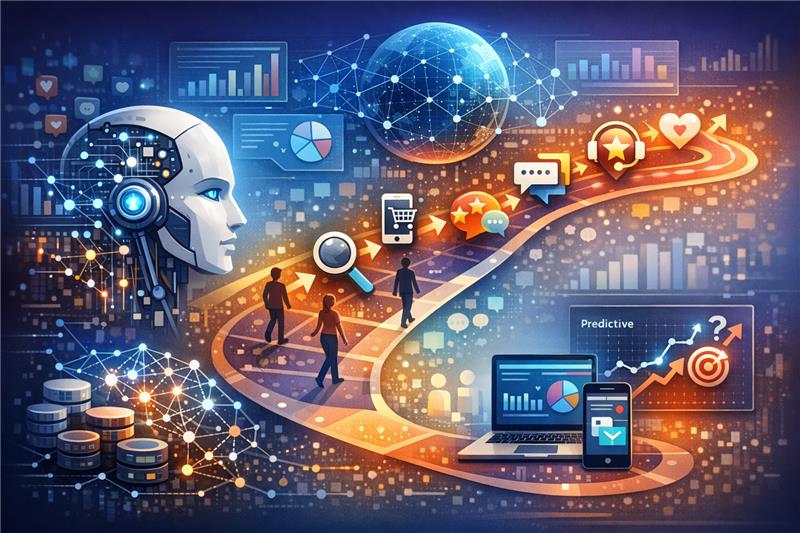
Agentic AI tracks these interactions and dynamically adjusts customer journeys.
Instead of relying on predefined workflows, AI determines the most effective next interaction for each individual buyer.
The Shift from Marketing Automation to Marketing Autonomy
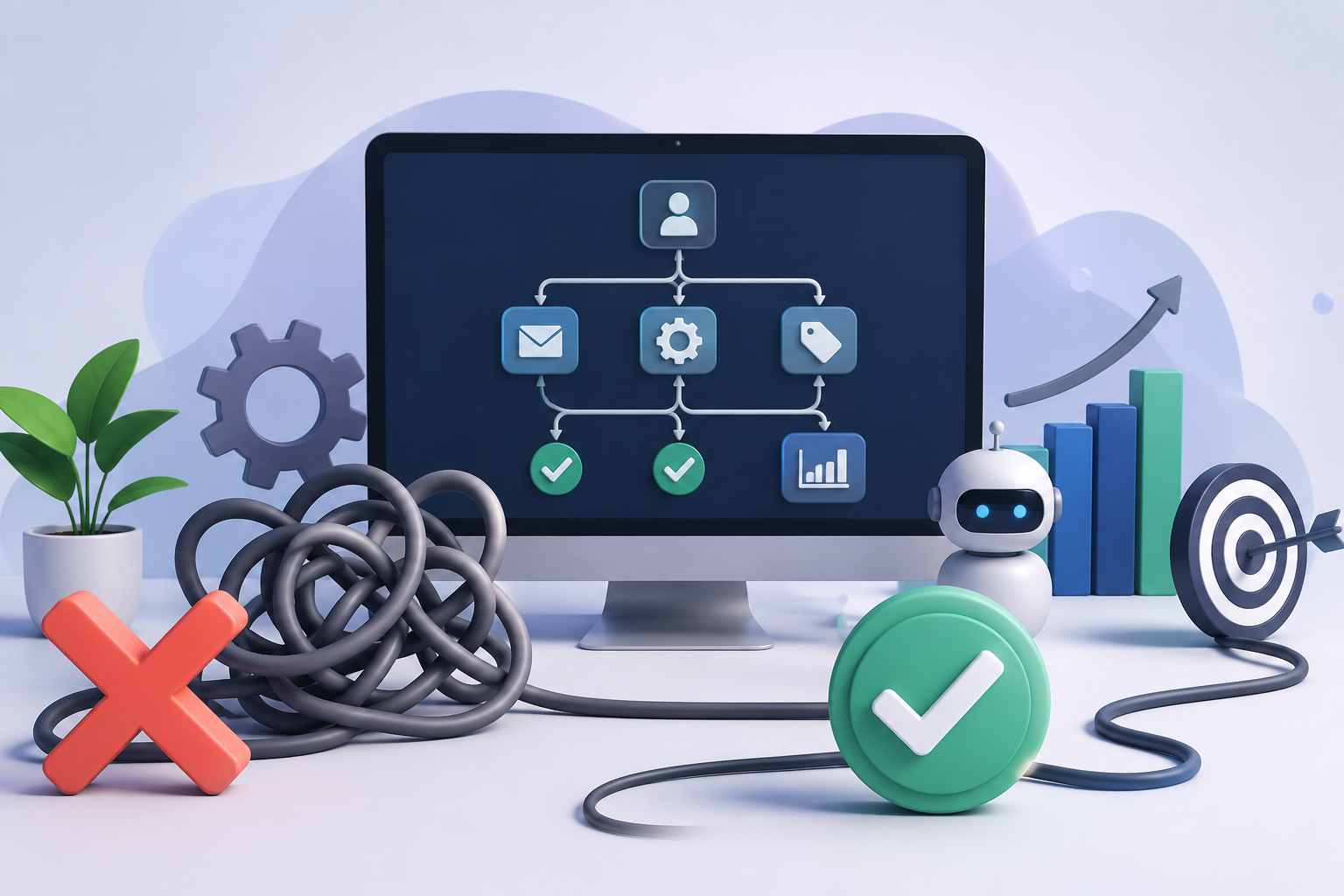
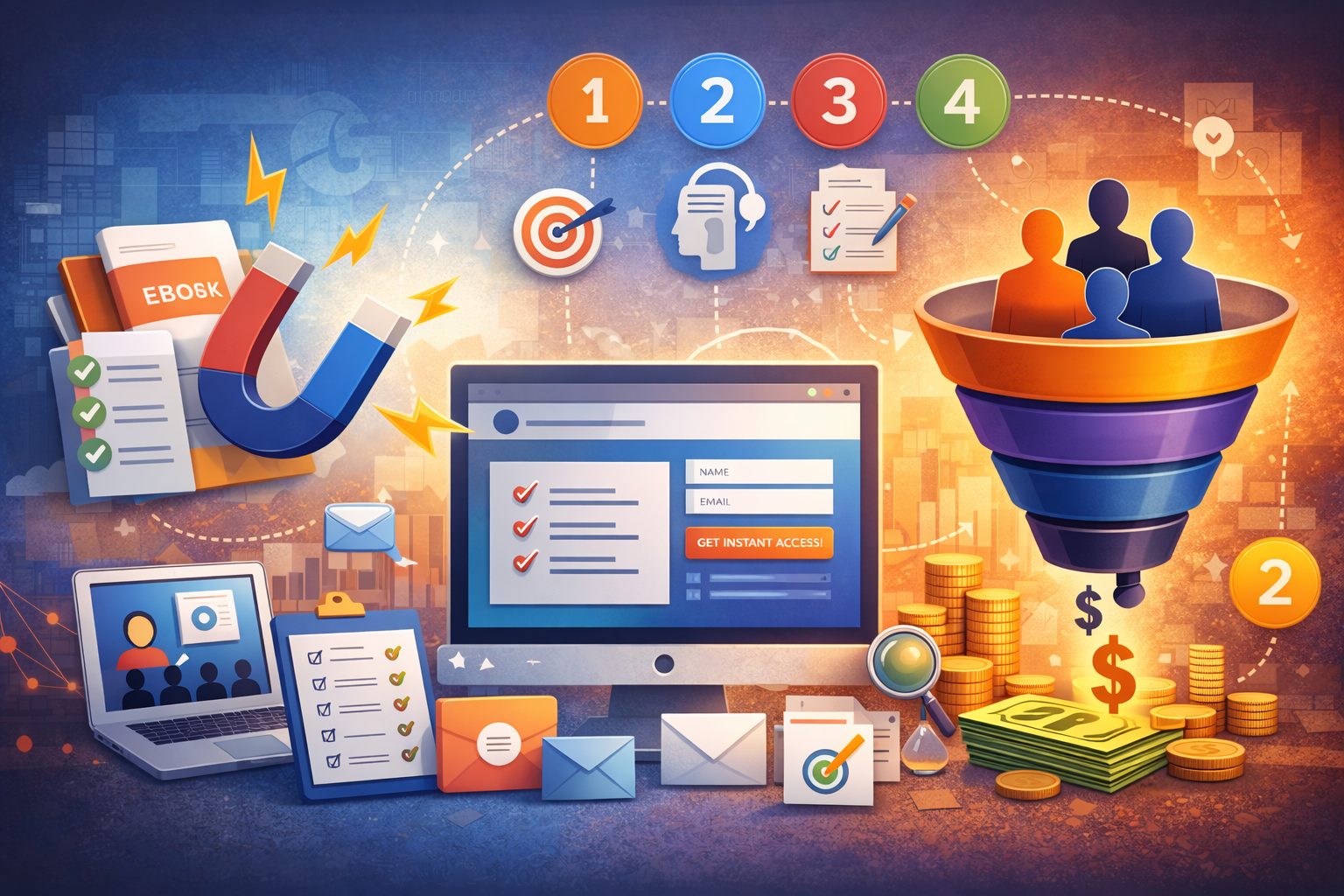
Marketing automation follows predefined rules.
If a customer downloads an ebook, send Email A.
If they click, send Email B.
If they don’t respond, stop.
Agentic AI moves beyond fixed workflows.
It evaluates changing customer behavior, business priorities, campaign performance, and market conditions before deciding what action should happen next.
This creates adaptive marketing systems that continuously learn and improve rather than simply executing predefined sequences.
Benefits for B2B Organizations
Organizations adopting Agentic AI can expect benefits such as:
Increased Efficiency
Marketing teams spend less time on repetitive operational work and more time on strategy, creativity, and customer relationships.
Better Customer Experiences
Every interaction becomes more timely, relevant, and personalized.
Faster Decision-Making
AI agents analyze thousands of data points in seconds, helping organizations respond to market changes more quickly.
Higher Marketing ROI
Continuous optimization improves campaign performance while reducing wasted spending.
Stronger Sales and Marketing Alignment
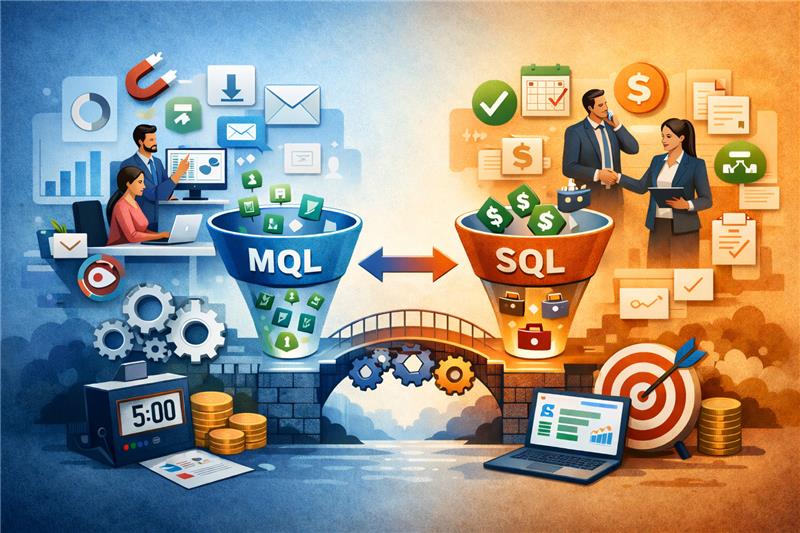
Agentic AI acts as an intelligent bridge between marketing and sales by ensuring both teams work from the same customer insights and priorities.
Challenges to Consider
While the opportunities are significant, successful adoption requires thoughtful implementation.
Data Quality
AI is only as effective as the data it receives.
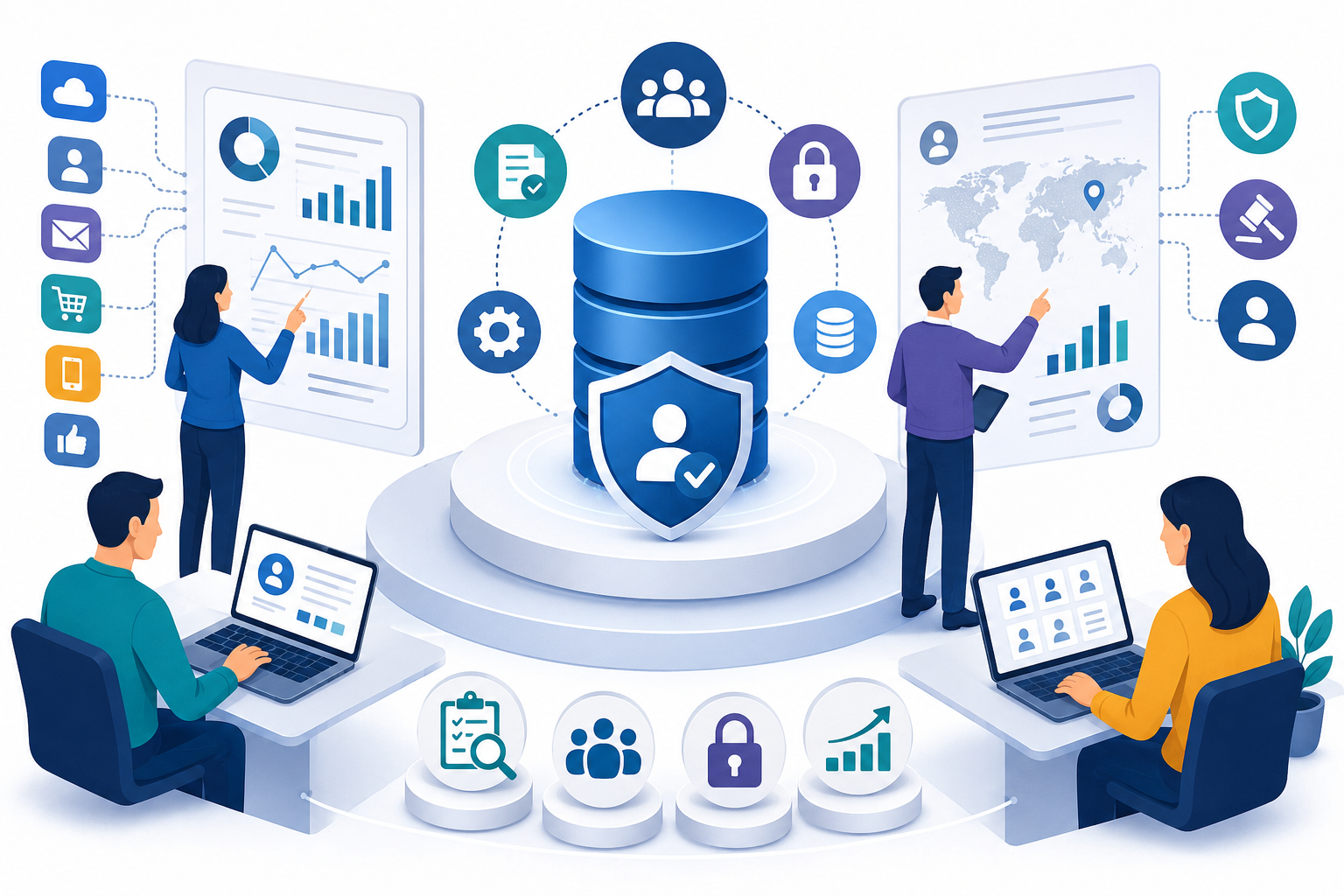
Organizations need clean, integrated, and well-governed data across CRM, marketing automation, analytics, and customer platforms.
Governance and Trust
Autonomous decision-making requires clear guardrails.
Marketing leaders should define approval workflows, compliance standards, brand guidelines, and escalation processes to ensure AI actions remain aligned with organizational goals.
Human Oversight
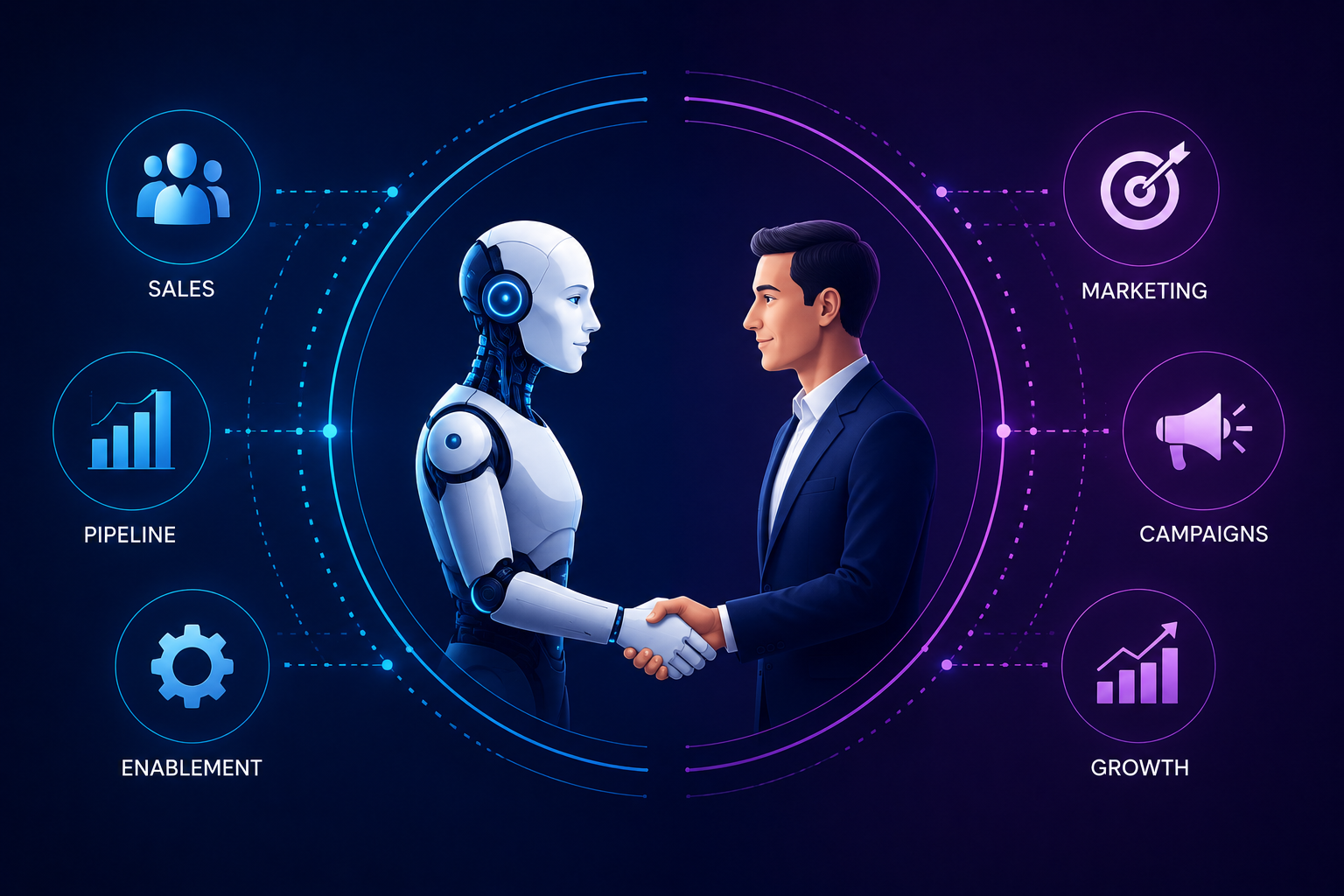
Agentic AI should augment marketers—not replace them.
Strategy, creativity, ethics, relationship building, and long-term brand development remain uniquely human strengths.
The future belongs to teams where humans and AI collaborate effectively.
Preparing for the Agentic Future
Organizations don’t need to replace their entire marketing technology stack overnight.
Instead, they can begin by:
- Identifying repetitive marketing workflows
- Integrating customer data across platforms
- Experimenting with AI-powered campaign optimization
- Establishing governance frameworks
- Training teams to work alongside AI agents
- Measuring business outcomes rather than AI activity
Small, targeted implementations often generate valuable learning before expanding to enterprise-wide adoption.
Looking Ahead
Agentic AI marks a fundamental shift in how B2B marketing operates.
The question is no longer whether AI can generate content or automate workflows. The real opportunity lies in enabling AI to act as an intelligent partner that can plan, execute, optimize, and learn while marketers focus on strategic growth and customer relationships.
As B2B buying becomes more complex and customer expectations continue to rise, organizations that successfully combine human expertise with autonomous AI systems will be better positioned to deliver personalized experiences, accelerate revenue growth, and build lasting competitive advantage.
The future of B2B marketing is not fully autonomous—but it is increasingly agentic. And the companies that begin preparing today will be the ones shaping tomorrow’s customer experiences.
Read Also: First-Party Data Strategies in a Cookieless Future