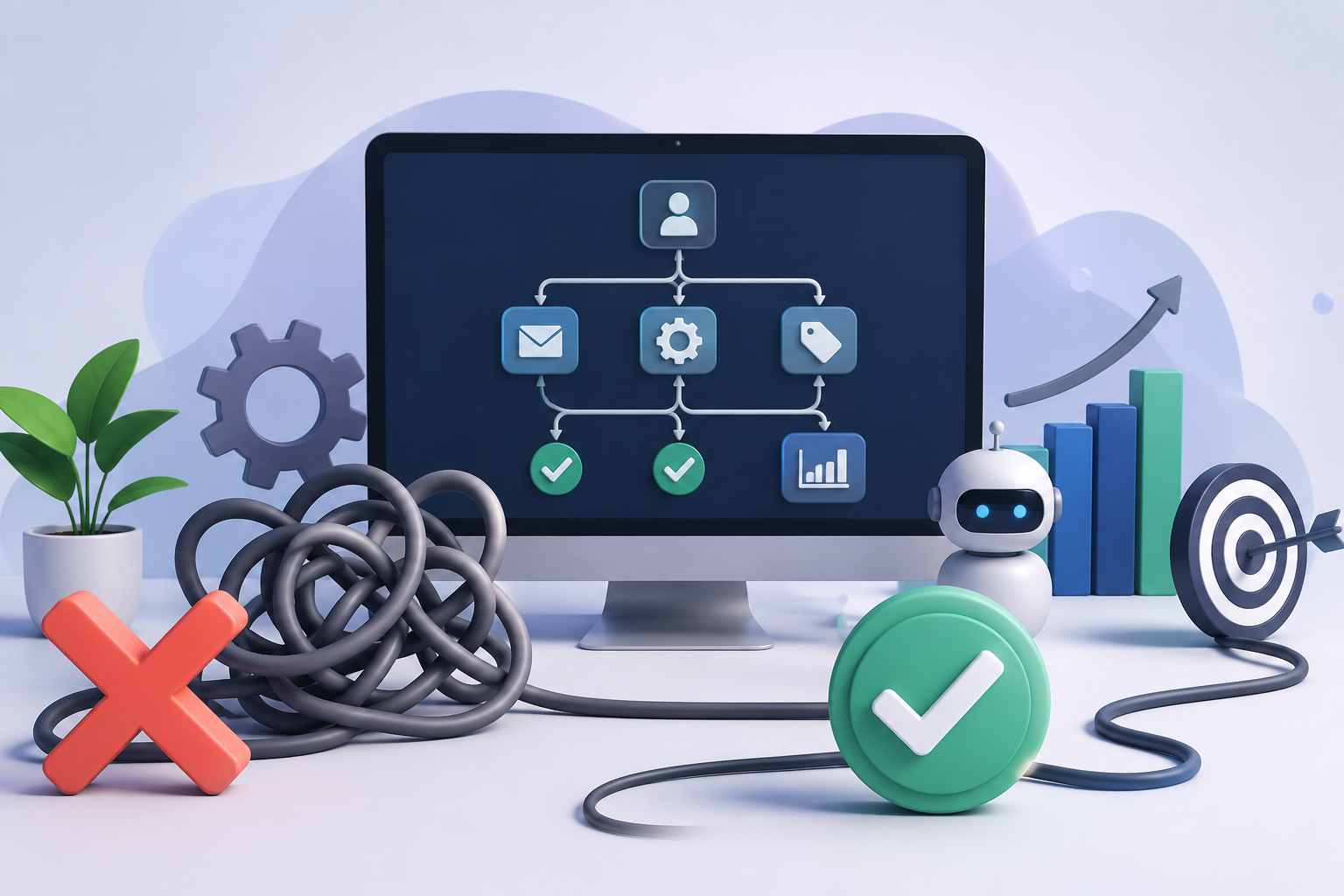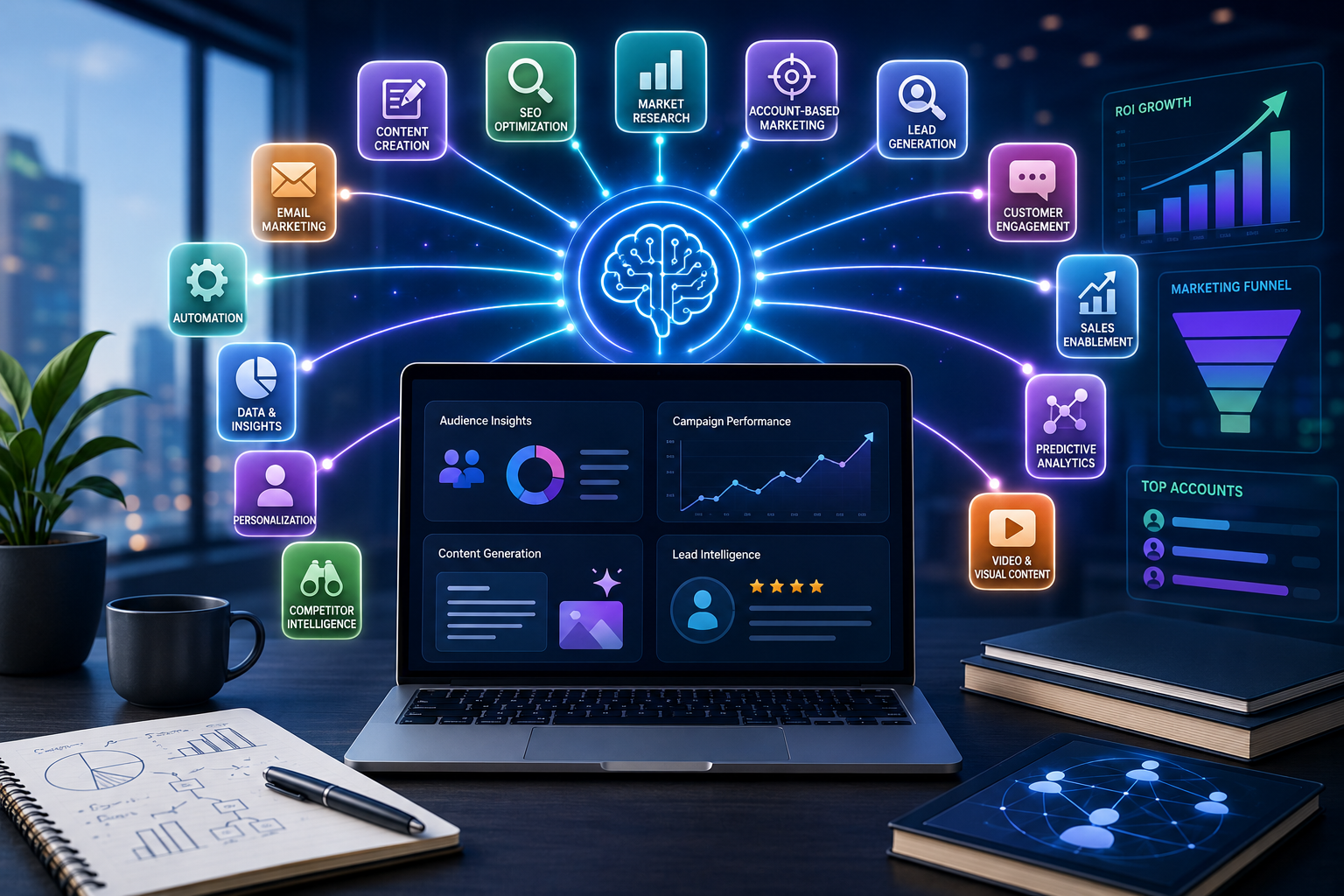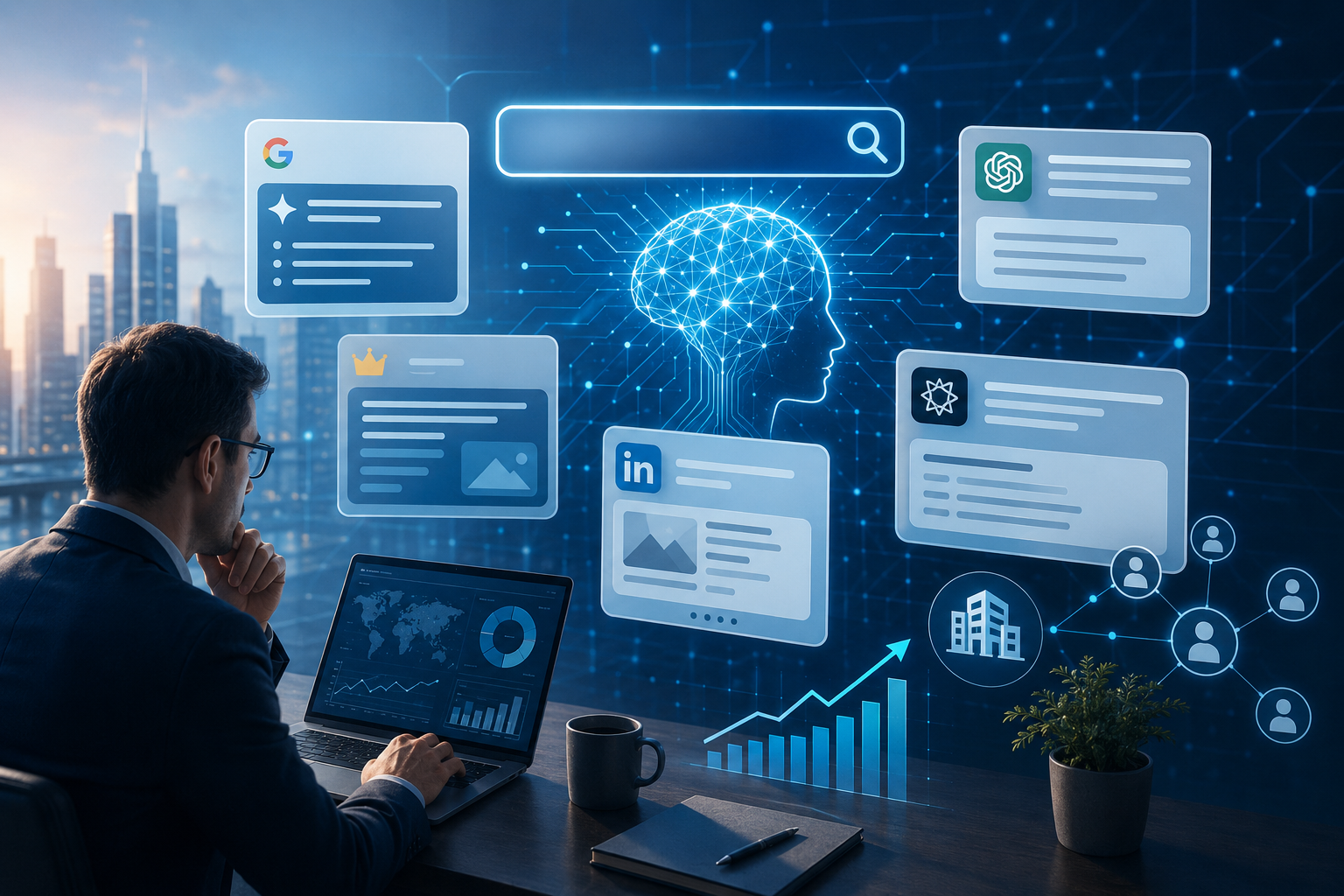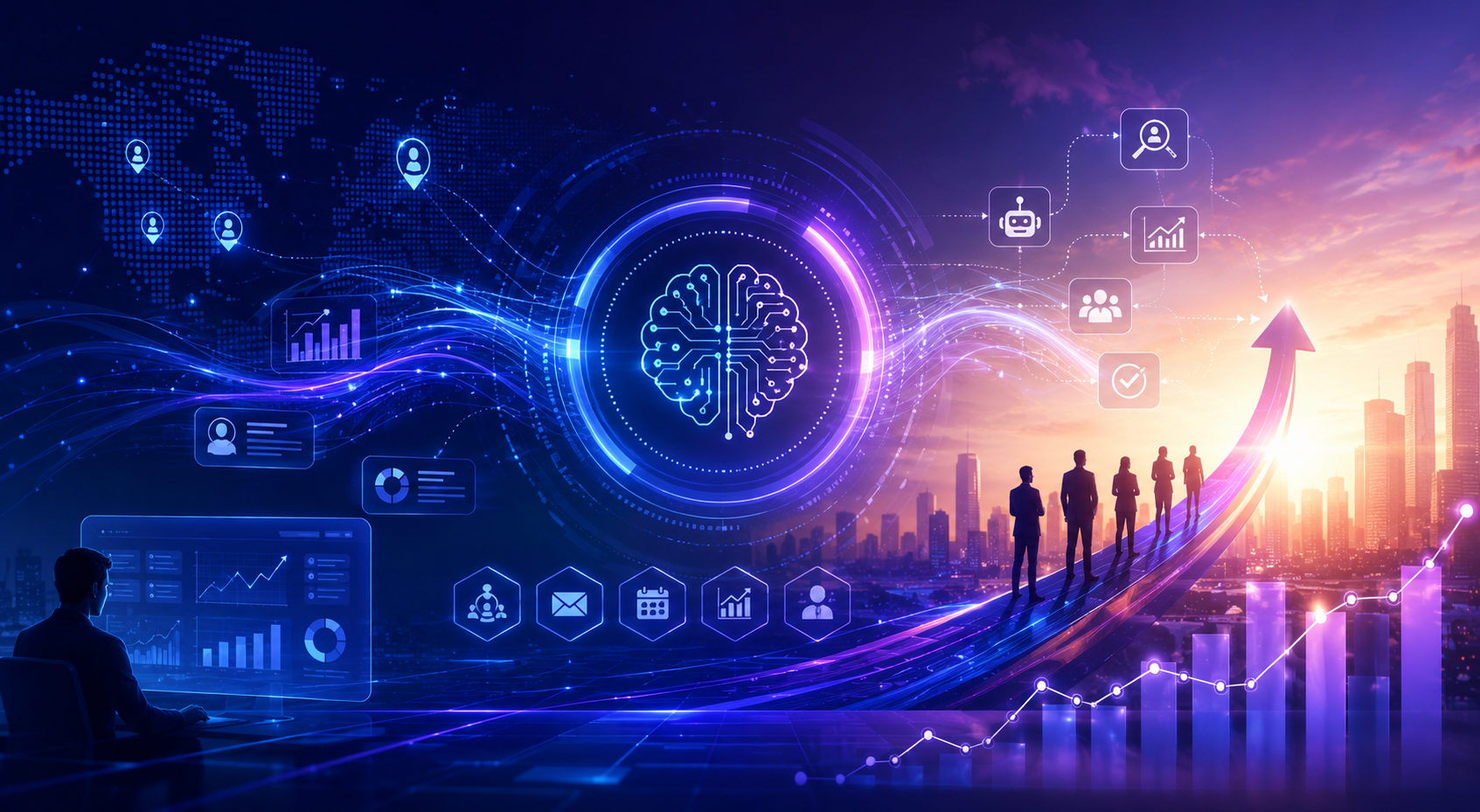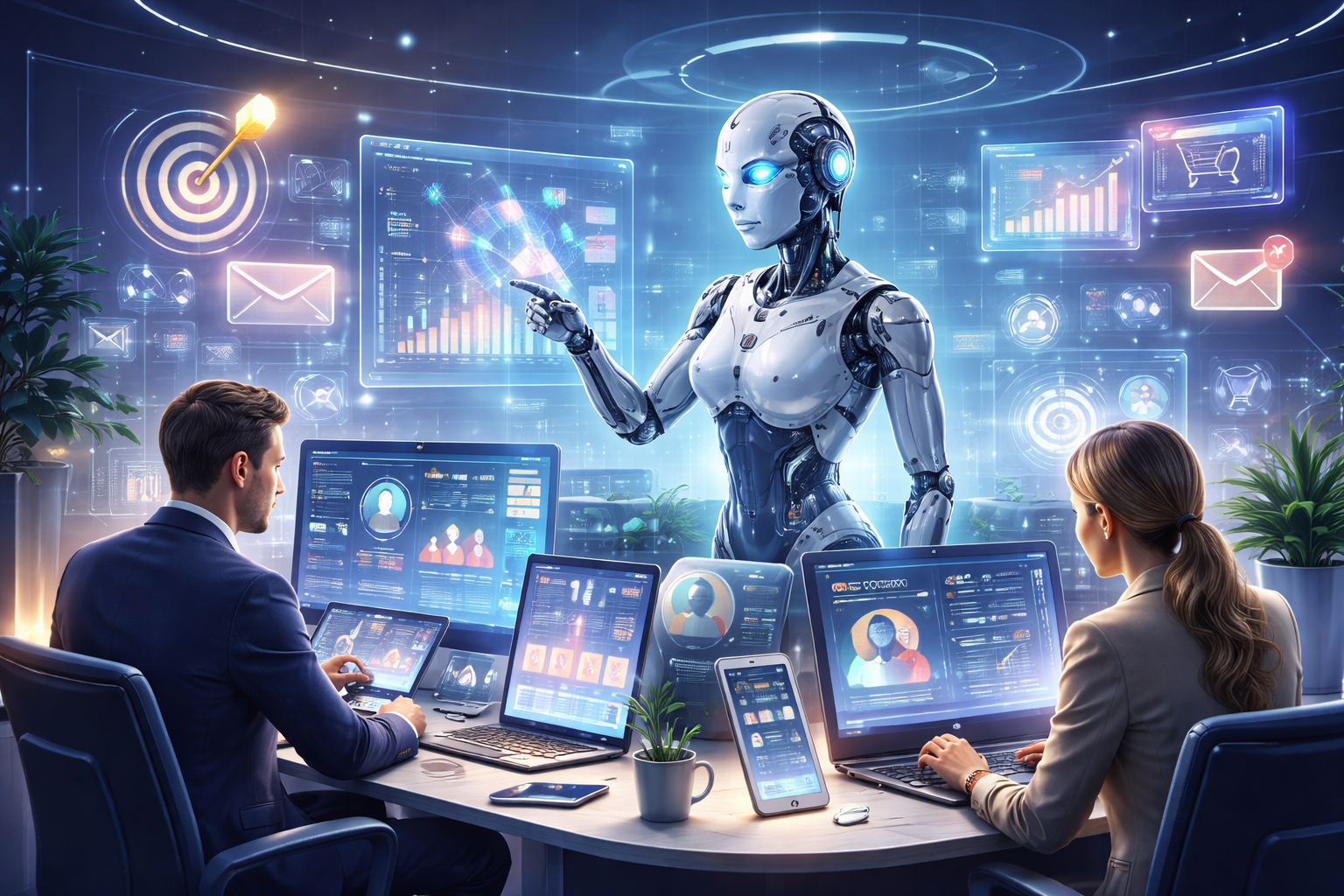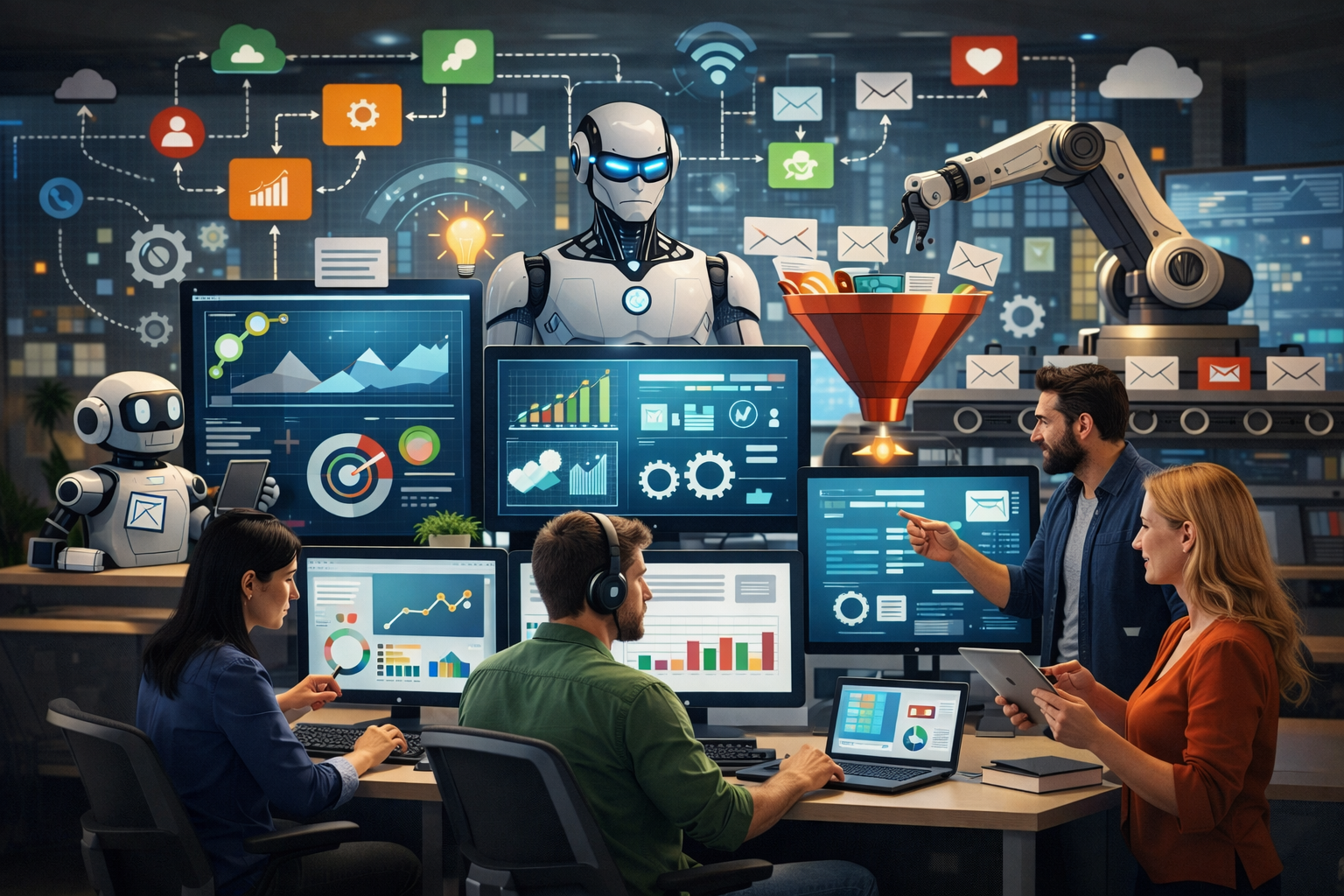
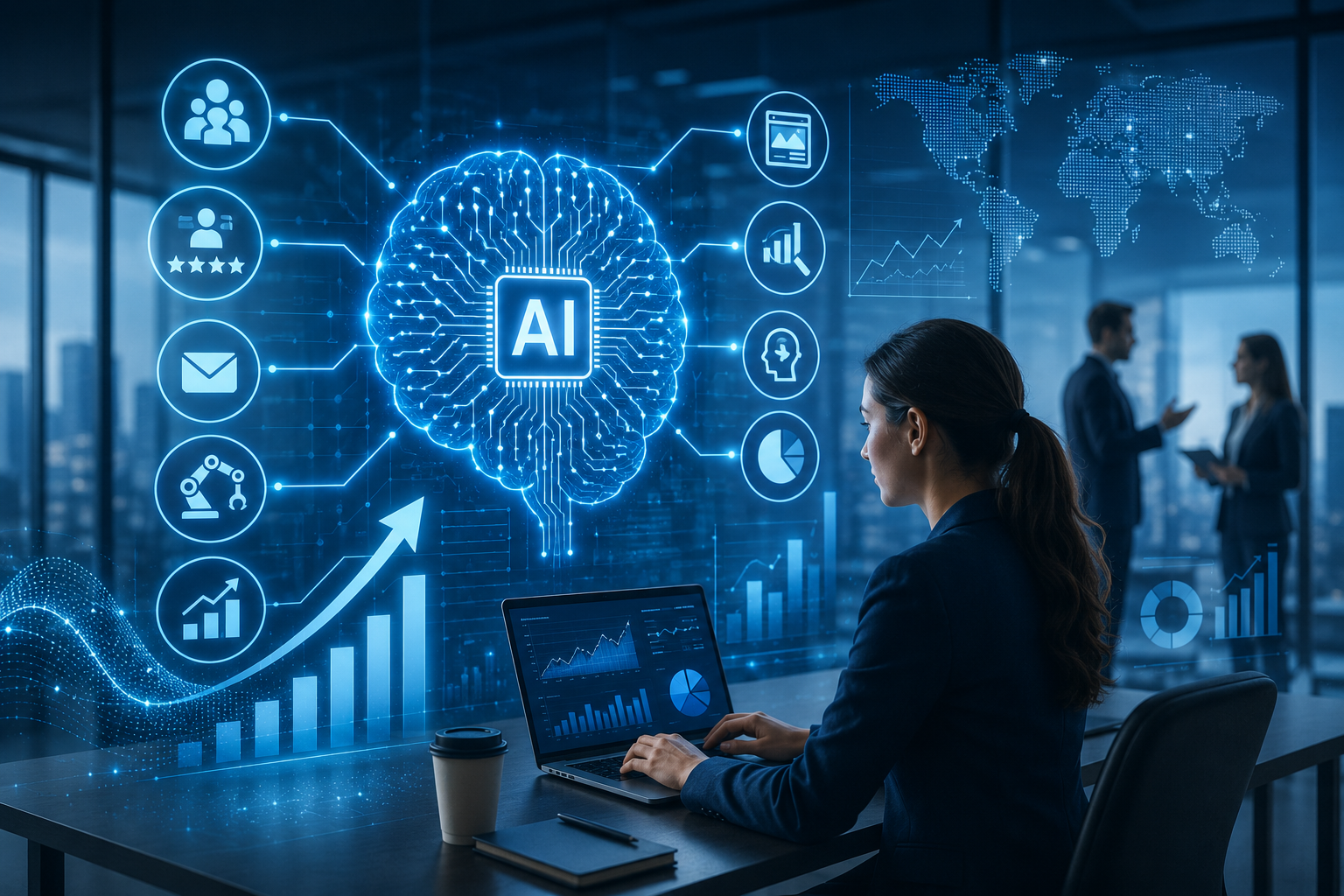
Artificial intelligence (AI) is no longer a futuristic concept—it has become a practical tool that is transforming the way B2B organizations plan, execute, and optimize their marketing operations. As businesses face increasing pressure to generate qualified leads, personalize customer experiences, and demonstrate measurable ROI, AI is helping marketing teams work smarter, faster, and more strategically.
From automating repetitive tasks to delivering predictive insights, AI is reshaping every stage of the B2B marketing lifecycle. Organizations that embrace AI are not replacing marketers; they are empowering them to focus on creativity, strategy, and relationship-building while AI handles data-intensive and time-consuming processes.
The Growing Role of AI in B2B Marketing
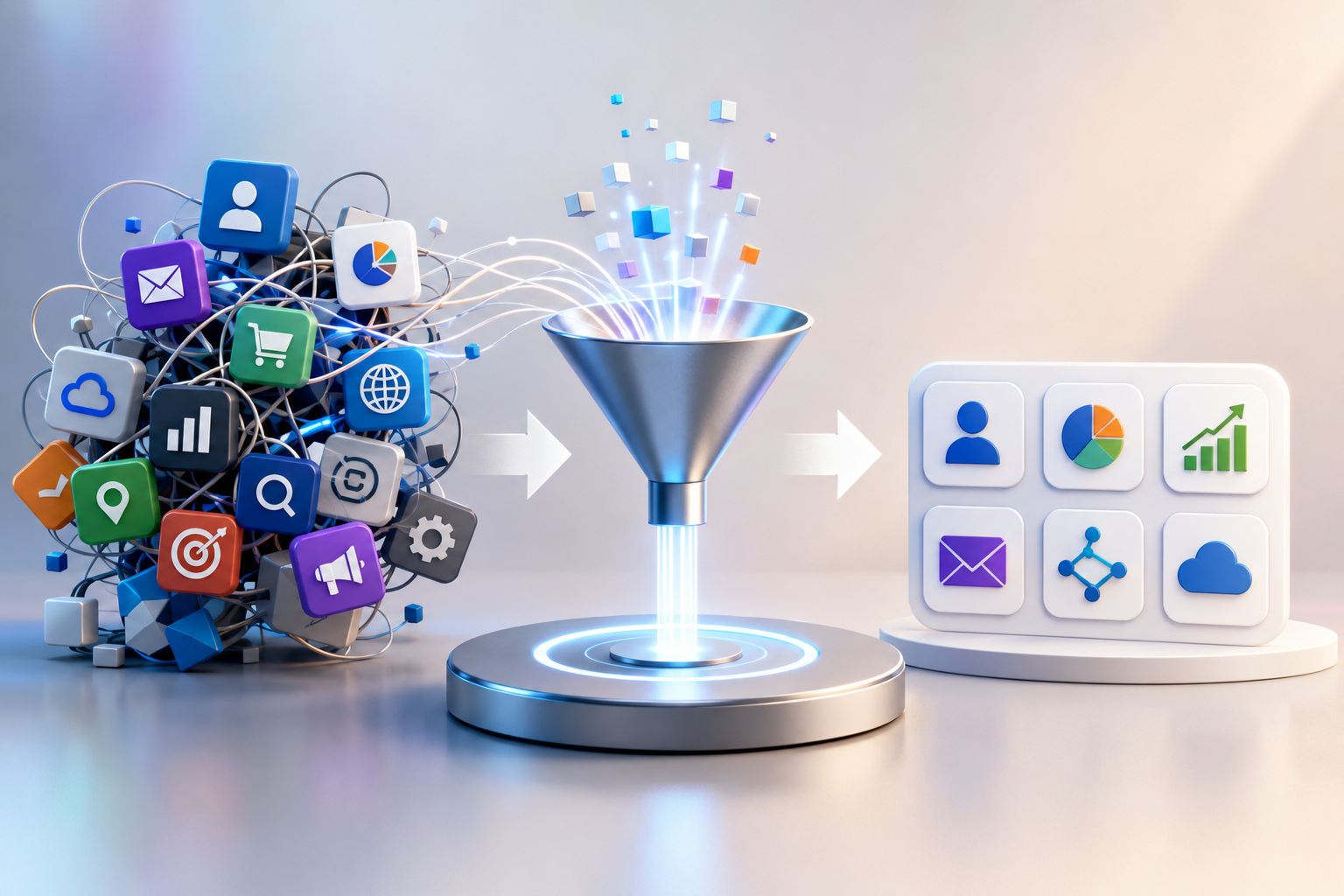
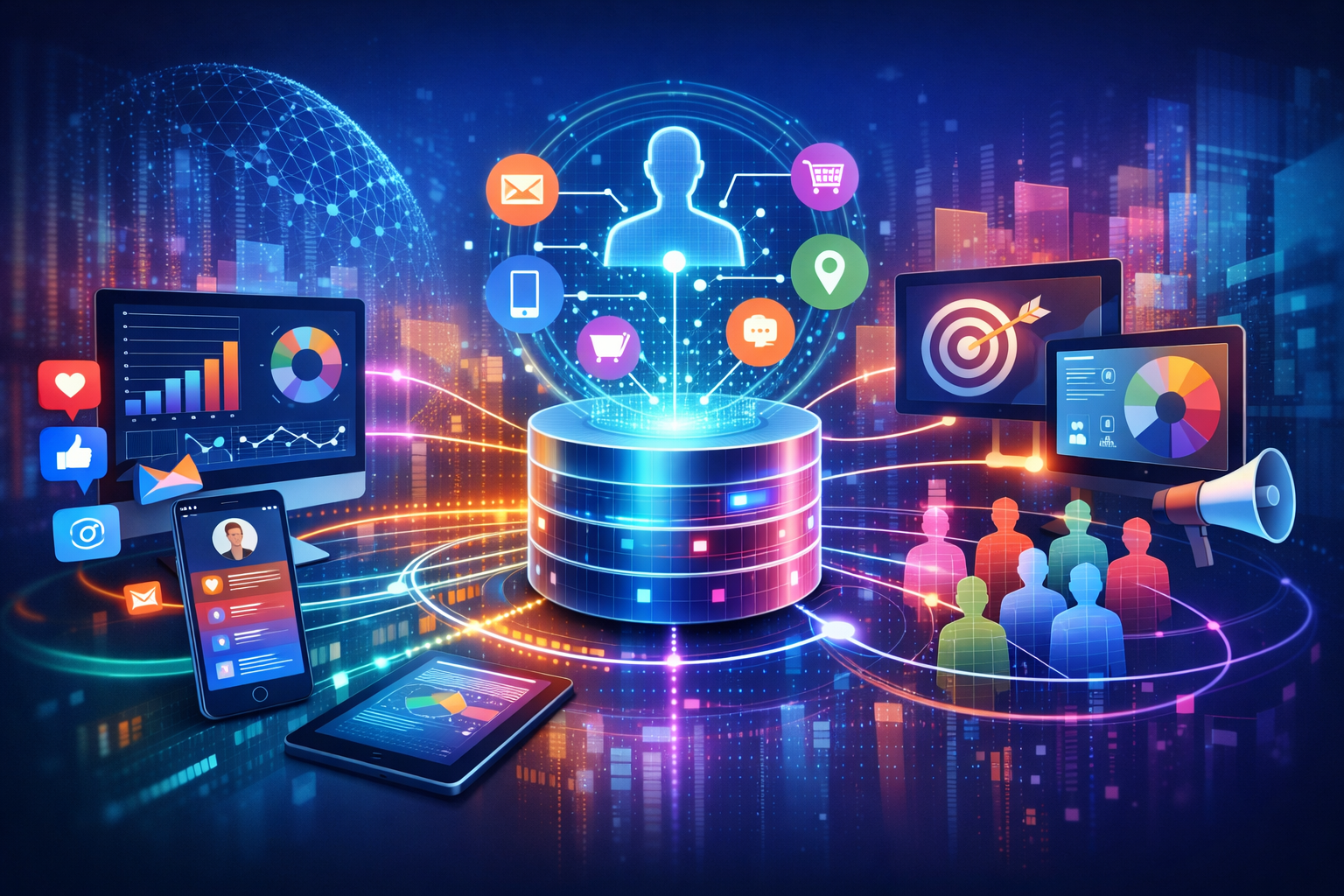
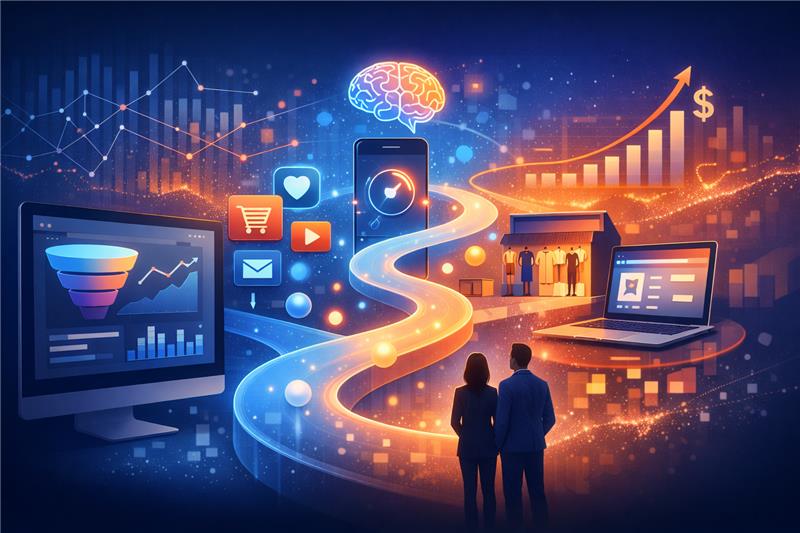
B2B marketing often involves long sales cycles, multiple decision-makers, and complex customer journeys. Traditional marketing approaches struggle to keep pace with the sheer volume of data generated across websites, CRM systems, email campaigns, webinars, and social media platforms.
AI addresses this challenge by analyzing large datasets in real time, identifying patterns, and providing actionable recommendations that improve decision-making and campaign performance.
Key Ways AI Is Transforming Marketing Operations
1. Smarter Lead Scoring
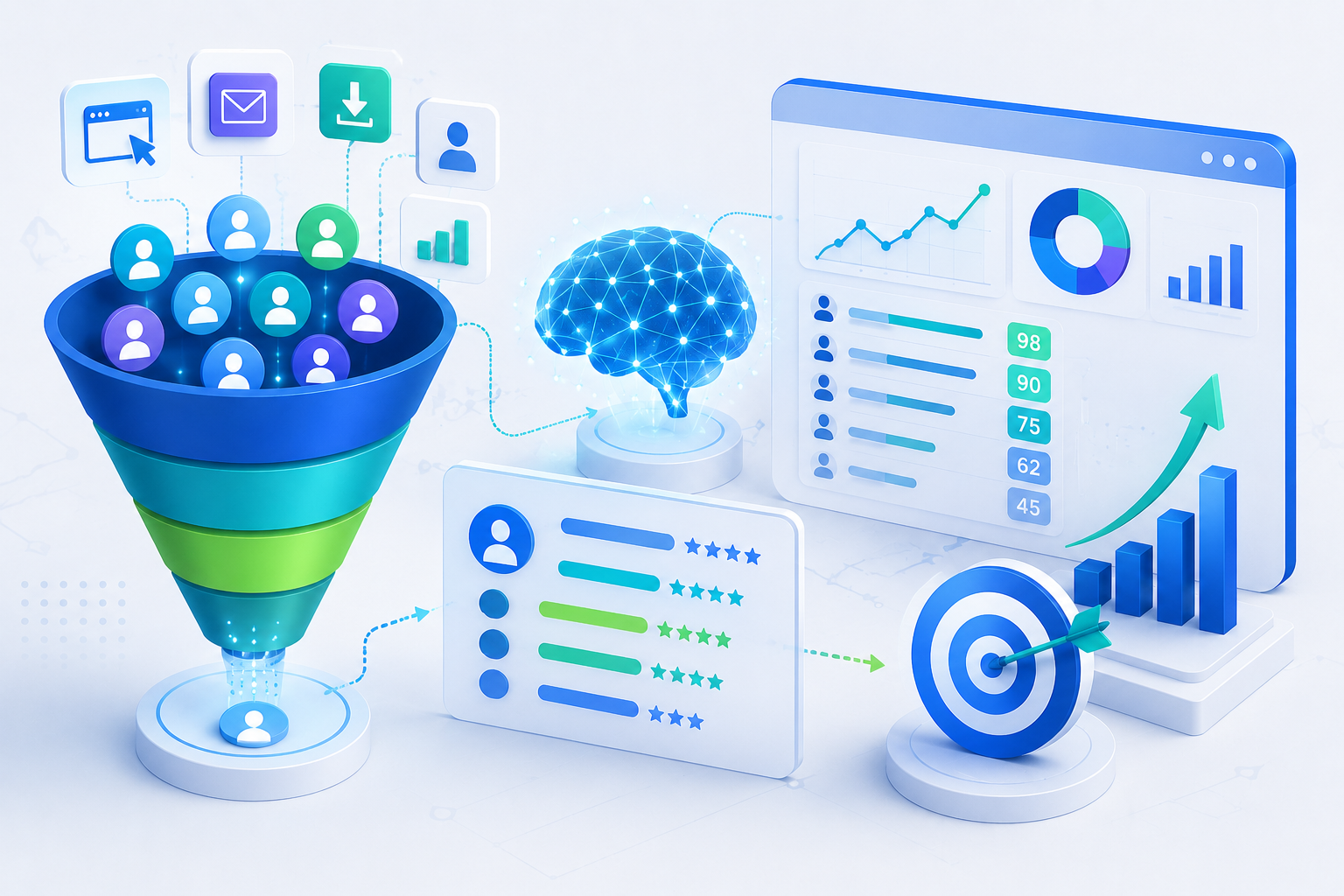
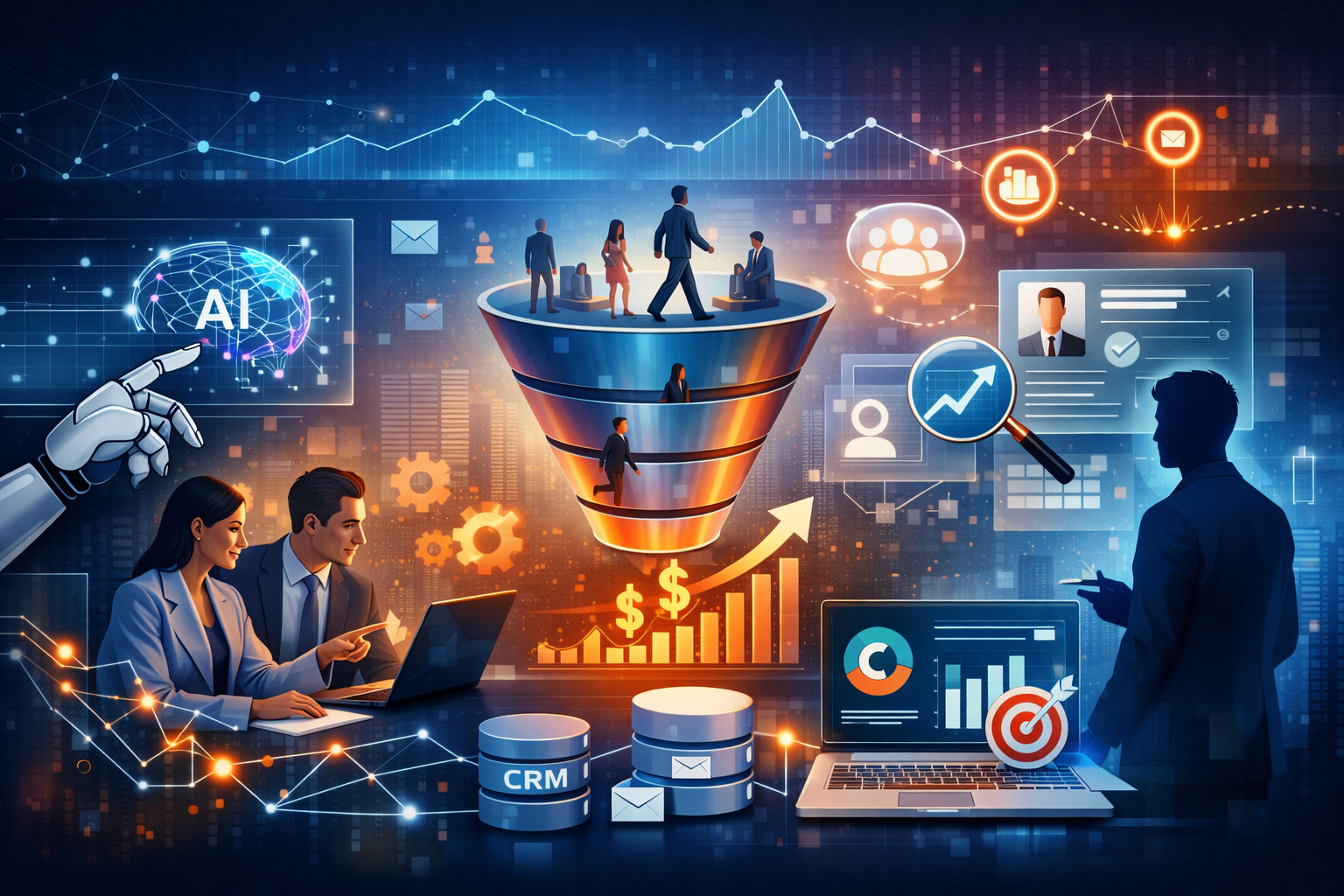
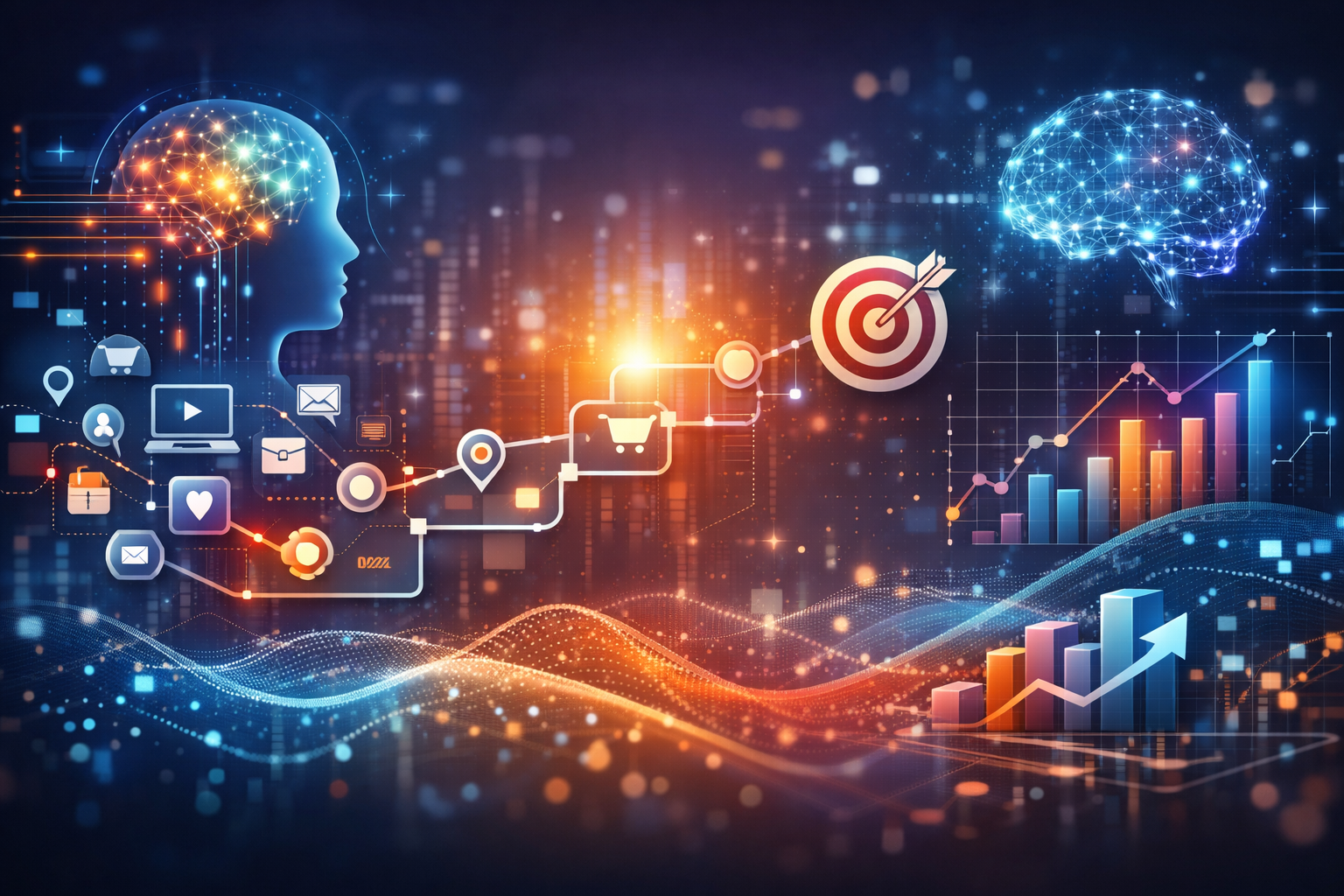
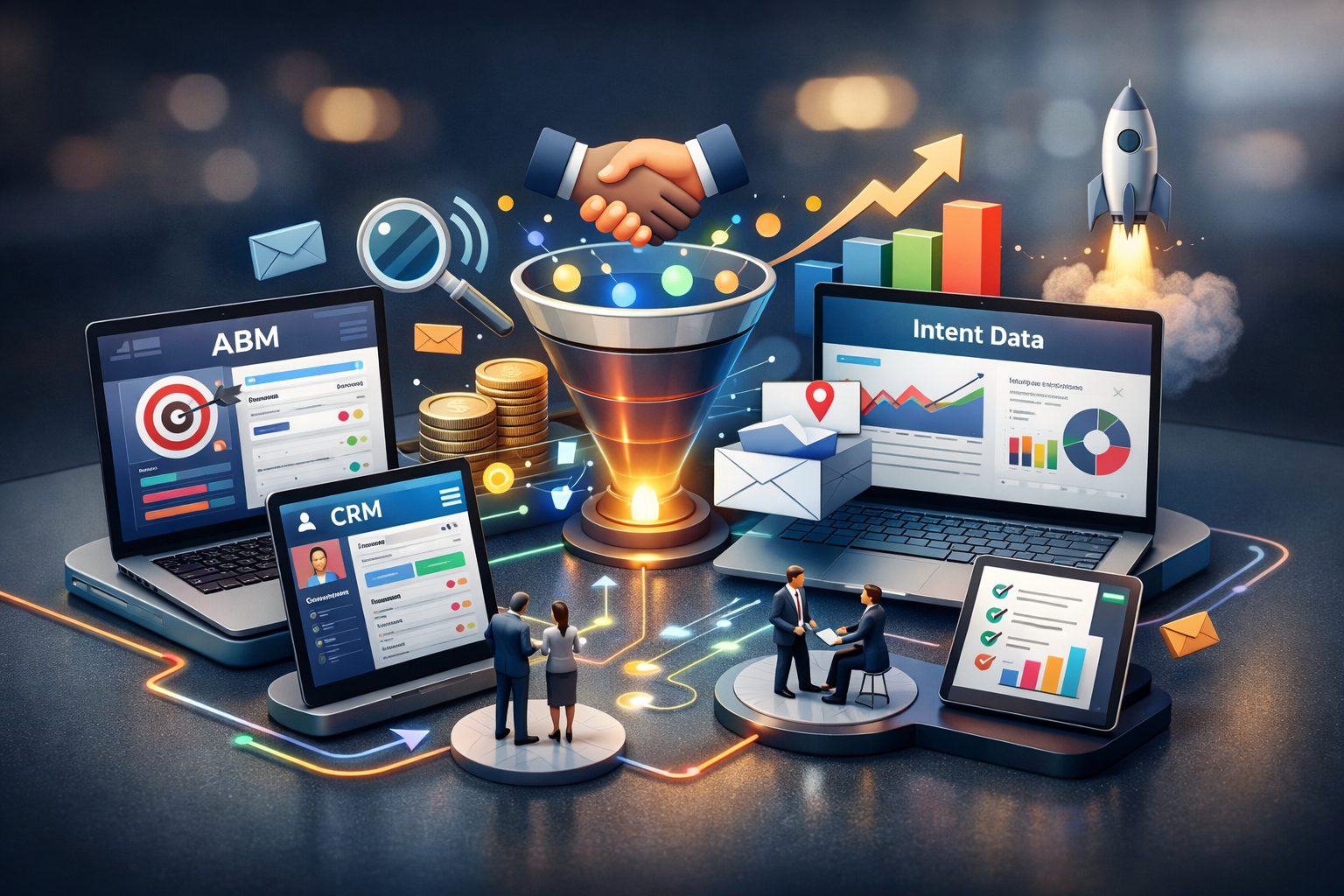
One of the biggest challenges in B2B marketing is identifying which prospects are most likely to convert. AI-powered lead scoring evaluates customer behavior, engagement history, firmographics, and buying intent to prioritize high-value leads.
Instead of relying solely on predefined rules, AI continuously learns from historical data, enabling sales teams to focus on prospects with the highest conversion potential.
2. Personalized Customer Experiences at Scale
Modern buyers expect personalized experiences throughout their purchasing journey. AI enables businesses to deliver tailored content, product recommendations, and email campaigns based on user behavior, industry, job role, and previous interactions.
This level of personalization improves engagement, increases trust, and enhances conversion rates without significantly increasing marketing effort.
3. Content Creation and Optimization
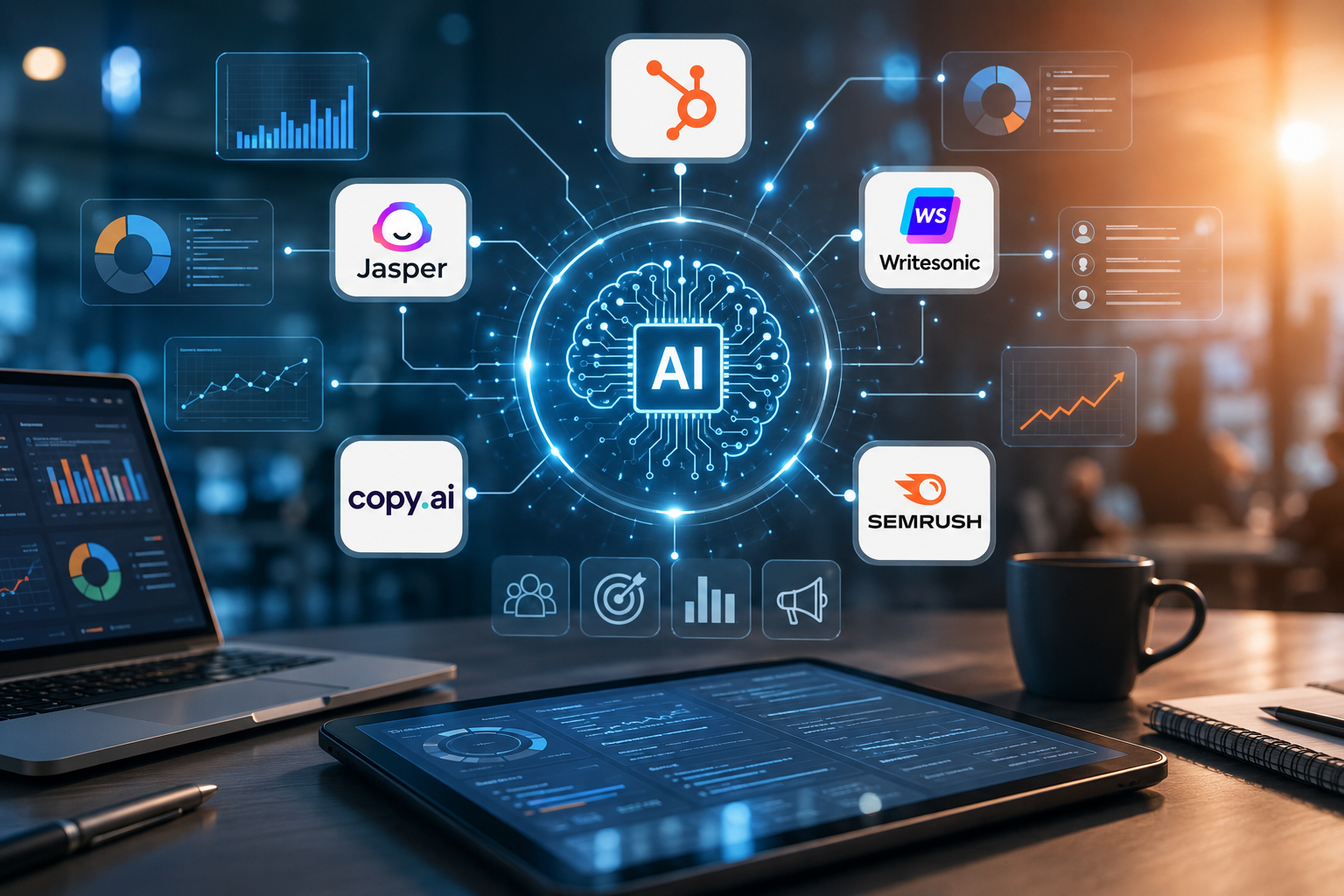
Creating consistent, high-quality content is resource-intensive. AI assists marketing teams by generating blog outlines, drafting articles, creating email campaigns, producing social media content, and suggesting SEO improvements.
AI can also analyze content performance and recommend updates that improve search rankings and audience engagement.
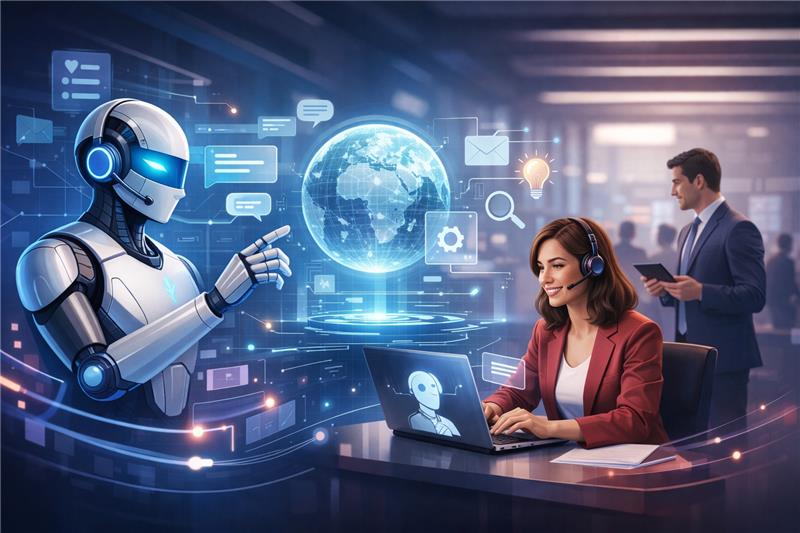
Rather than replacing human creativity, AI serves as a collaborative assistant that accelerates content production while allowing marketers to refine messaging and maintain brand voice.
4. Marketing Automation
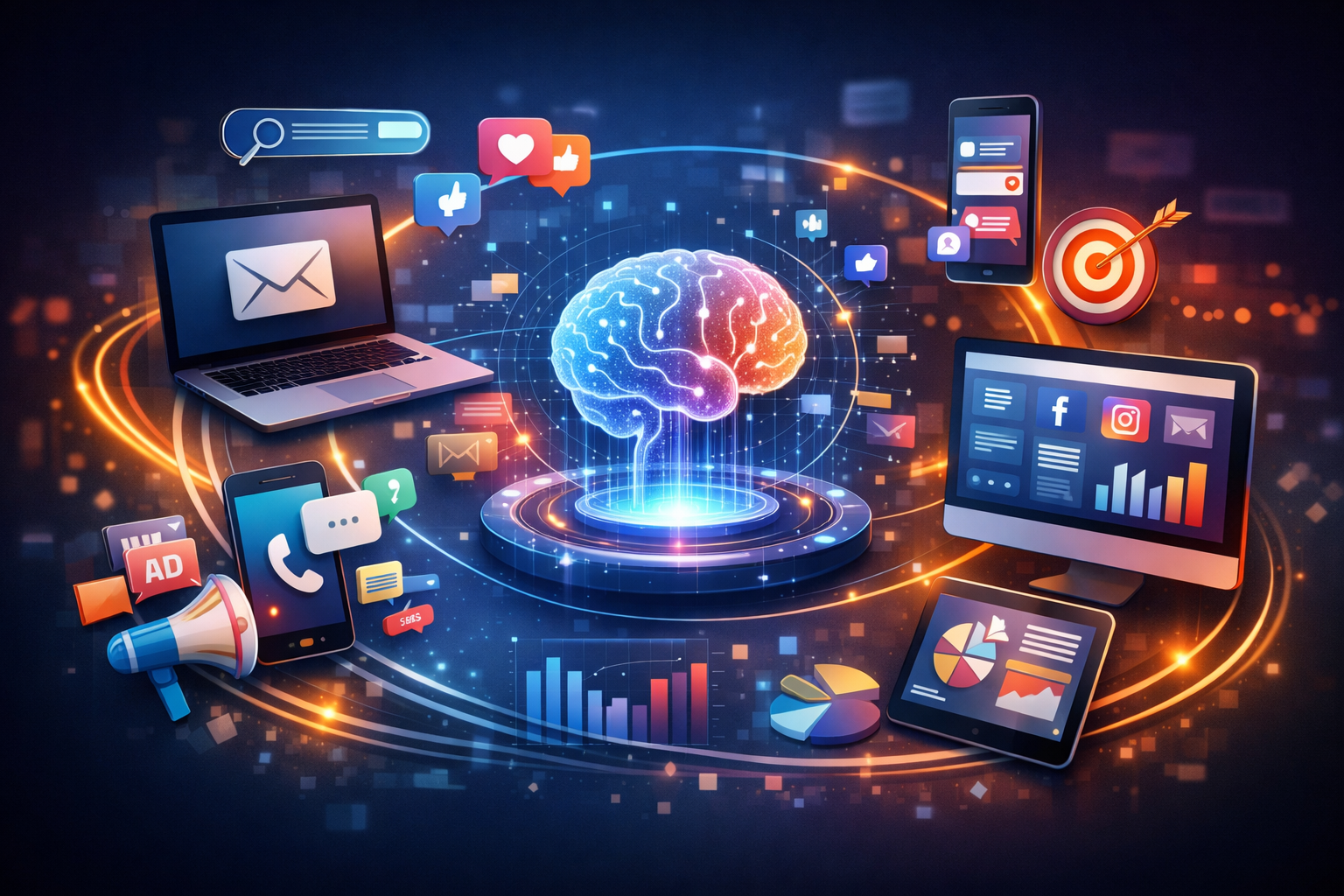
AI enhances traditional marketing automation by making workflows more intelligent. Instead of simply triggering emails based on predefined rules, AI can optimize send times, personalize messaging, segment audiences dynamically, and recommend the next best action for each prospect.
This results in more relevant customer interactions and improved campaign performance.
5. Predictive Analytics
AI helps organizations move beyond reporting historical data by predicting future outcomes.
Marketing teams can forecast campaign performance, estimate customer lifetime value, identify churn risks, and anticipate future buying behavior. These predictive insights enable better planning and more efficient budget allocation.
6. Improved Customer Segmentation
Traditional segmentation often relies on basic demographics or company size. AI analyzes behavioral patterns, purchasing habits, engagement levels, and intent signals to create highly refined audience segments.
This allows marketers to design campaigns that resonate more effectively with each target group.
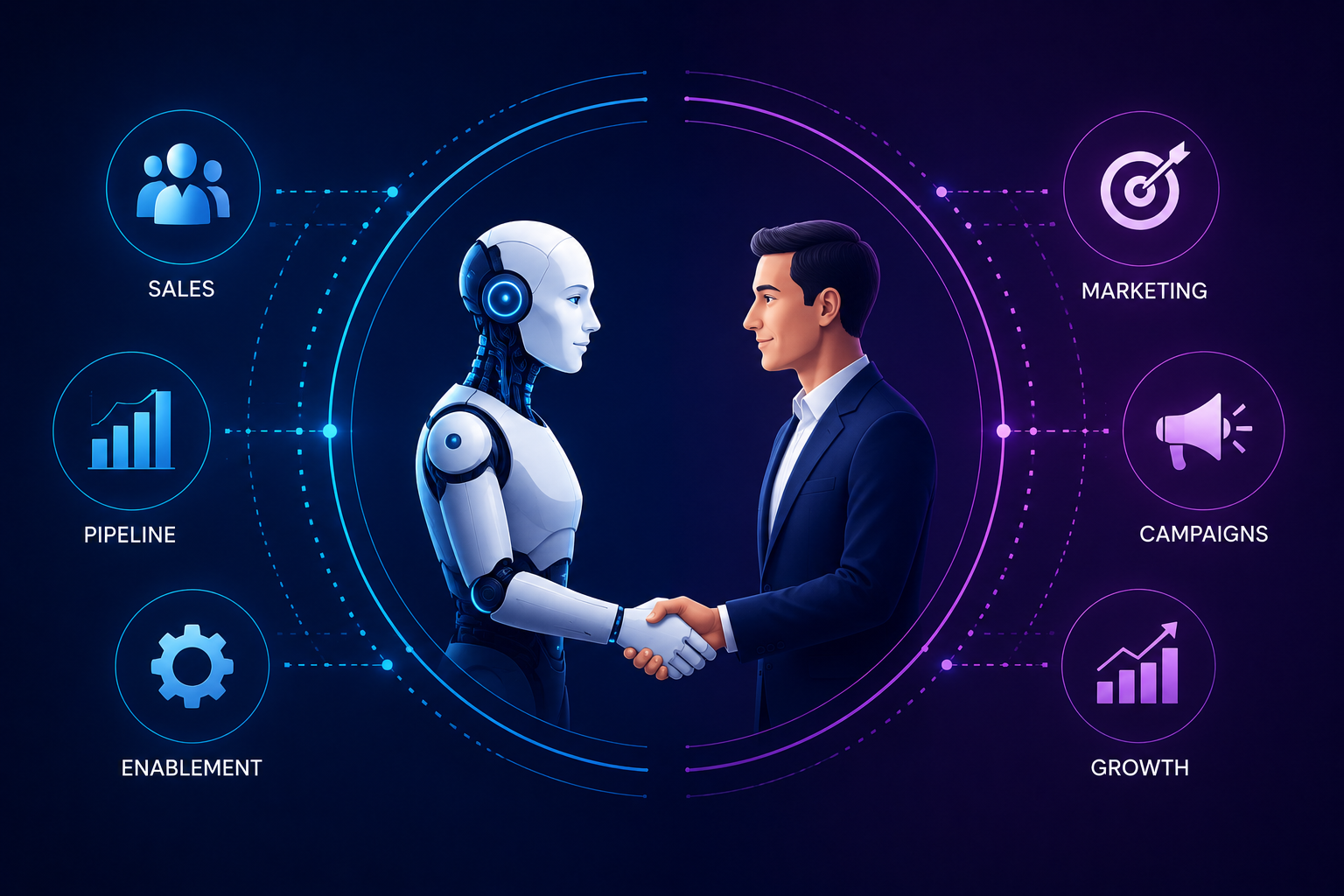
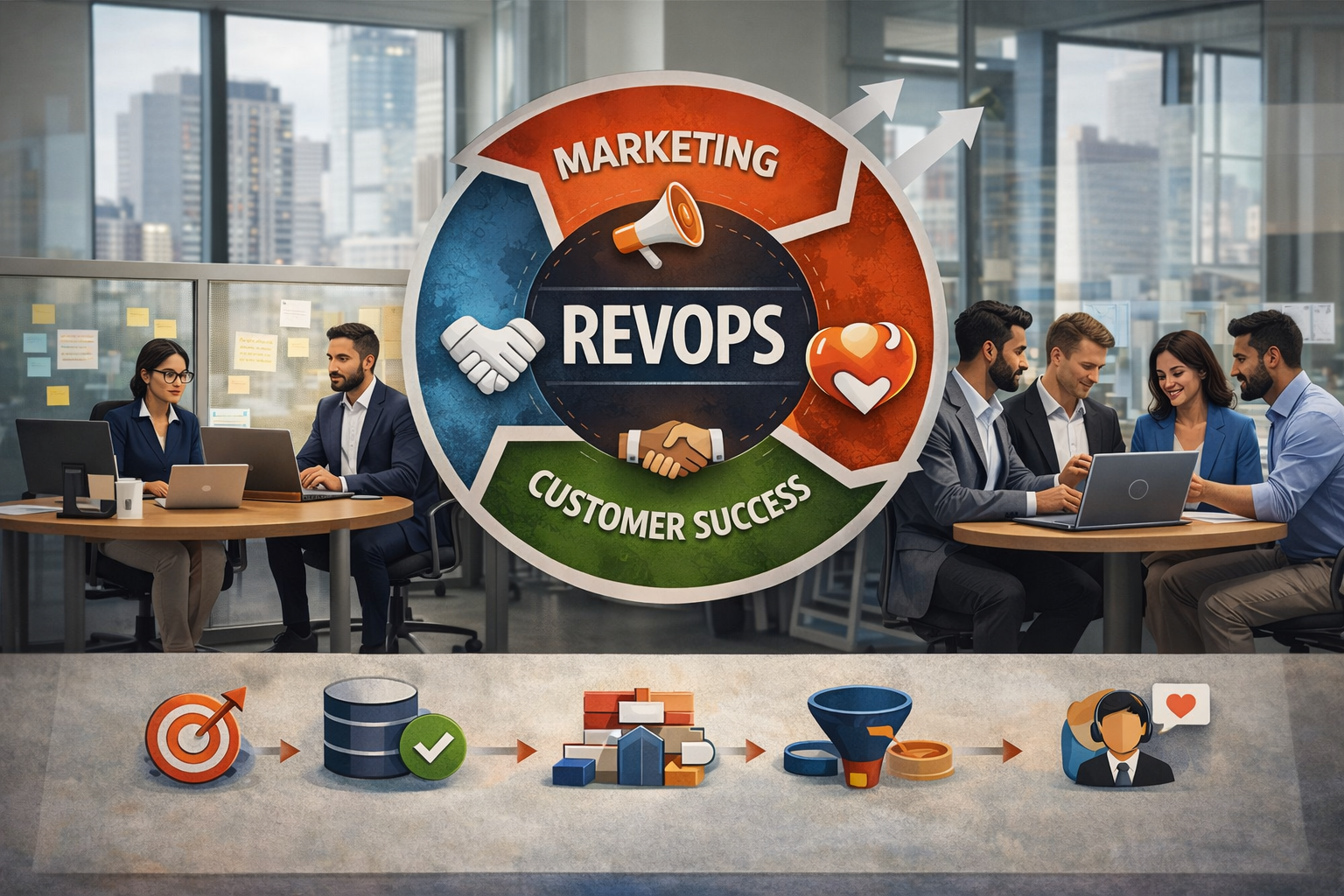
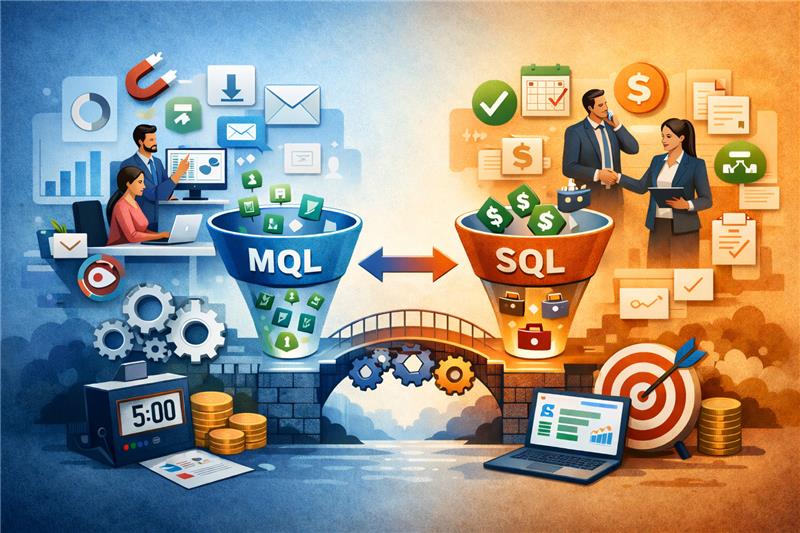
7. Enhanced Sales and Marketing Alignment
AI bridges the gap between sales and marketing by providing shared insights into customer behavior, buying intent, and engagement history.
Sales representatives gain access to richer prospect intelligence, while marketing teams receive feedback that helps refine campaigns and improve lead quality.
This collaboration leads to shorter sales cycles and higher conversion rates.
Benefits of AI in B2B Marketing Operations
Organizations adopting AI are experiencing several measurable advantages:
- Increased marketing efficiency through automation
- Better lead quality and conversion rates
- More accurate forecasting and reporting
- Improved customer engagement and personalization
- Faster campaign execution
- Higher return on marketing investment
- Data-driven decision-making across teams
These benefits enable marketing departments to become strategic growth drivers rather than operational support functions.
Challenges to Consider
While AI offers significant opportunities, successful implementation requires thoughtful planning.
Organizations should consider:
- Ensuring high-quality, well-governed data
- Protecting customer privacy and complying with regulations
- Maintaining transparency in AI-assisted decisions
- Training employees to effectively use AI tools
- Balancing automation with human creativity and judgment
AI delivers the best results when it complements experienced marketers rather than replacing them.
The Future of AI in B2B Marketing
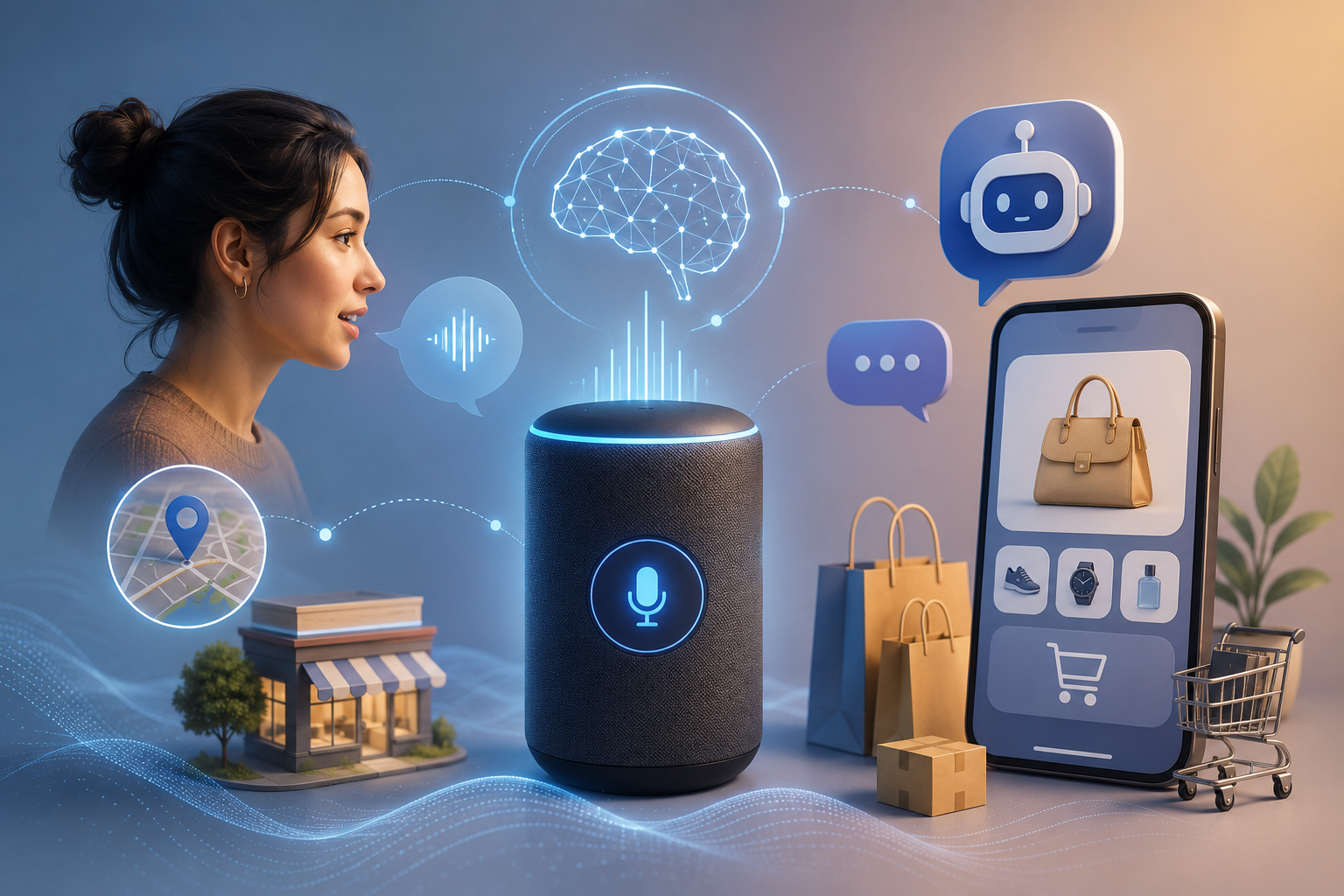
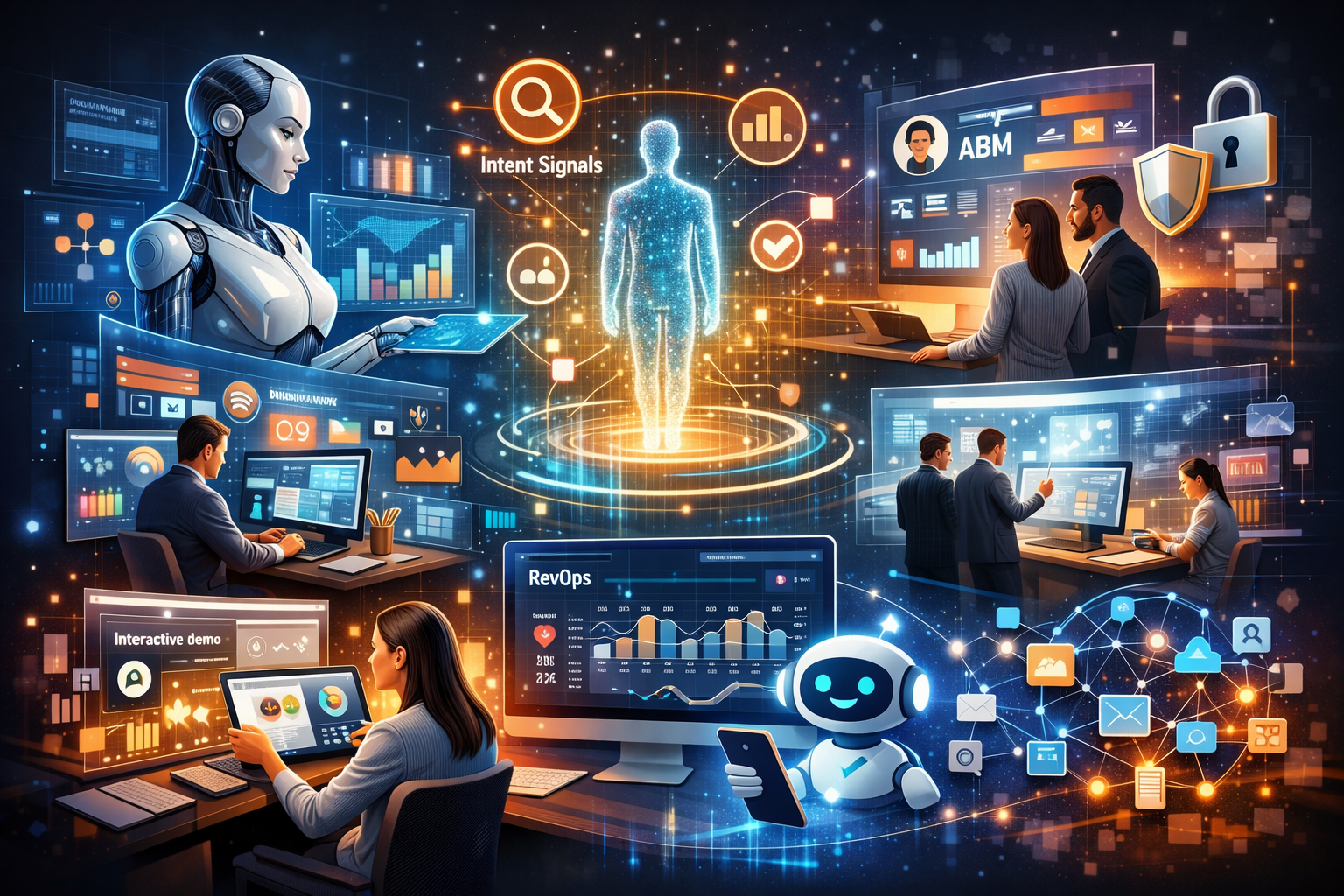
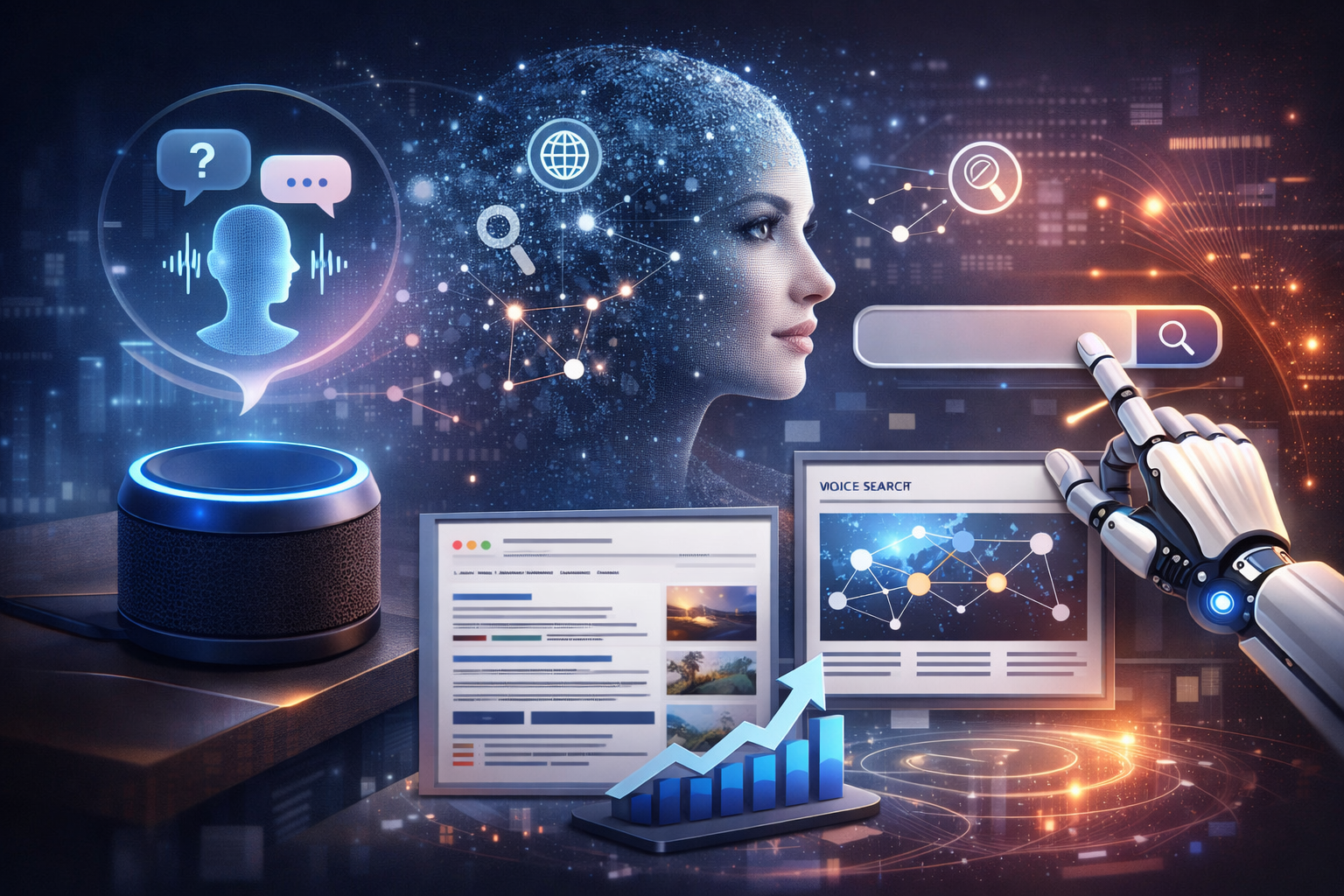
As AI technologies continue to evolve, B2B marketing will become increasingly intelligent, predictive, and customer-centric. Emerging capabilities such as conversational AI, autonomous campaign optimization, multimodal content generation, and advanced intent analysis will further transform marketing operations.
Companies that invest in AI today will be better positioned to adapt to changing customer expectations, improve operational efficiency, and gain a competitive advantage in their industries.
Read Also: Common Marketing Automation Mistakes and How to Avoid Them