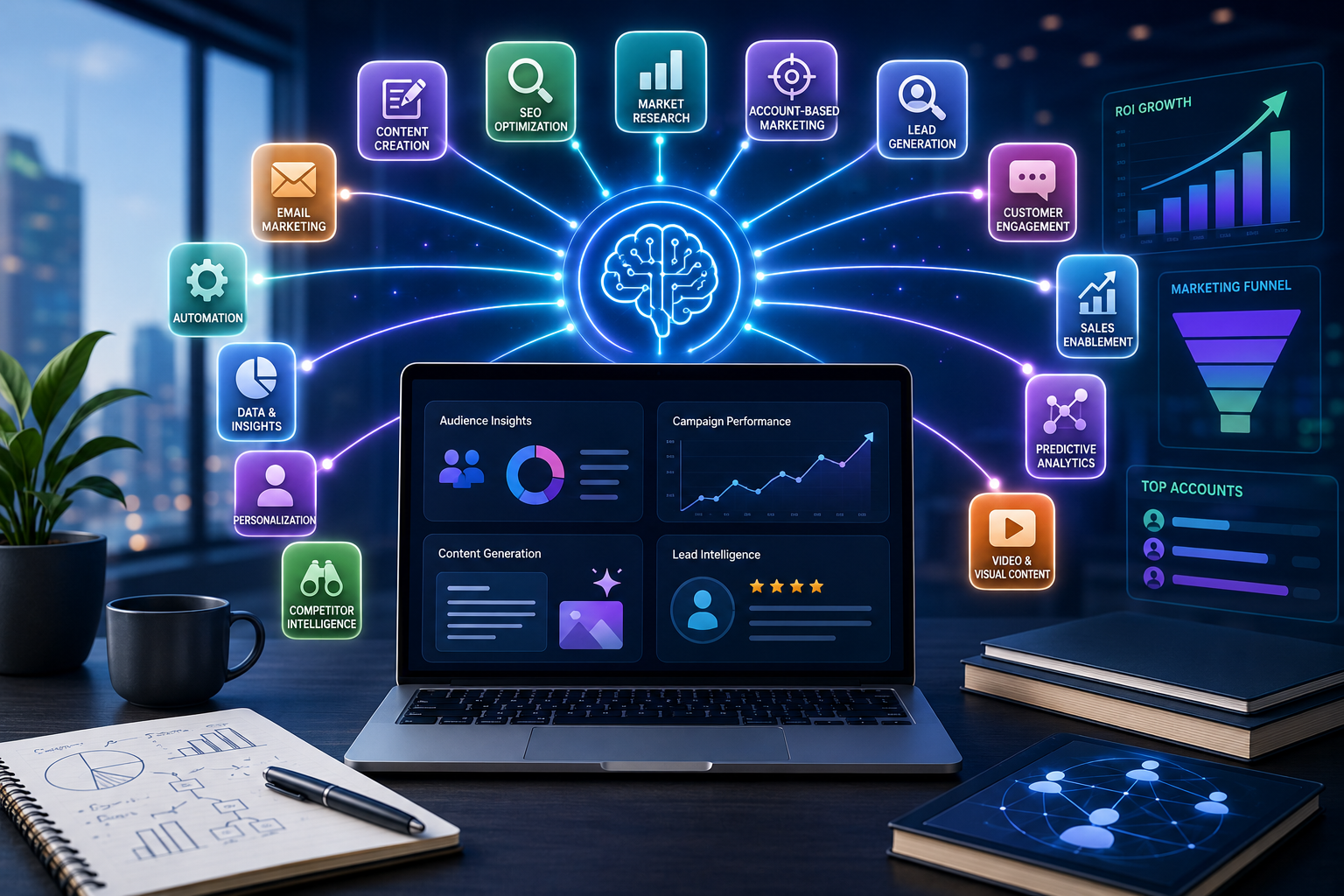
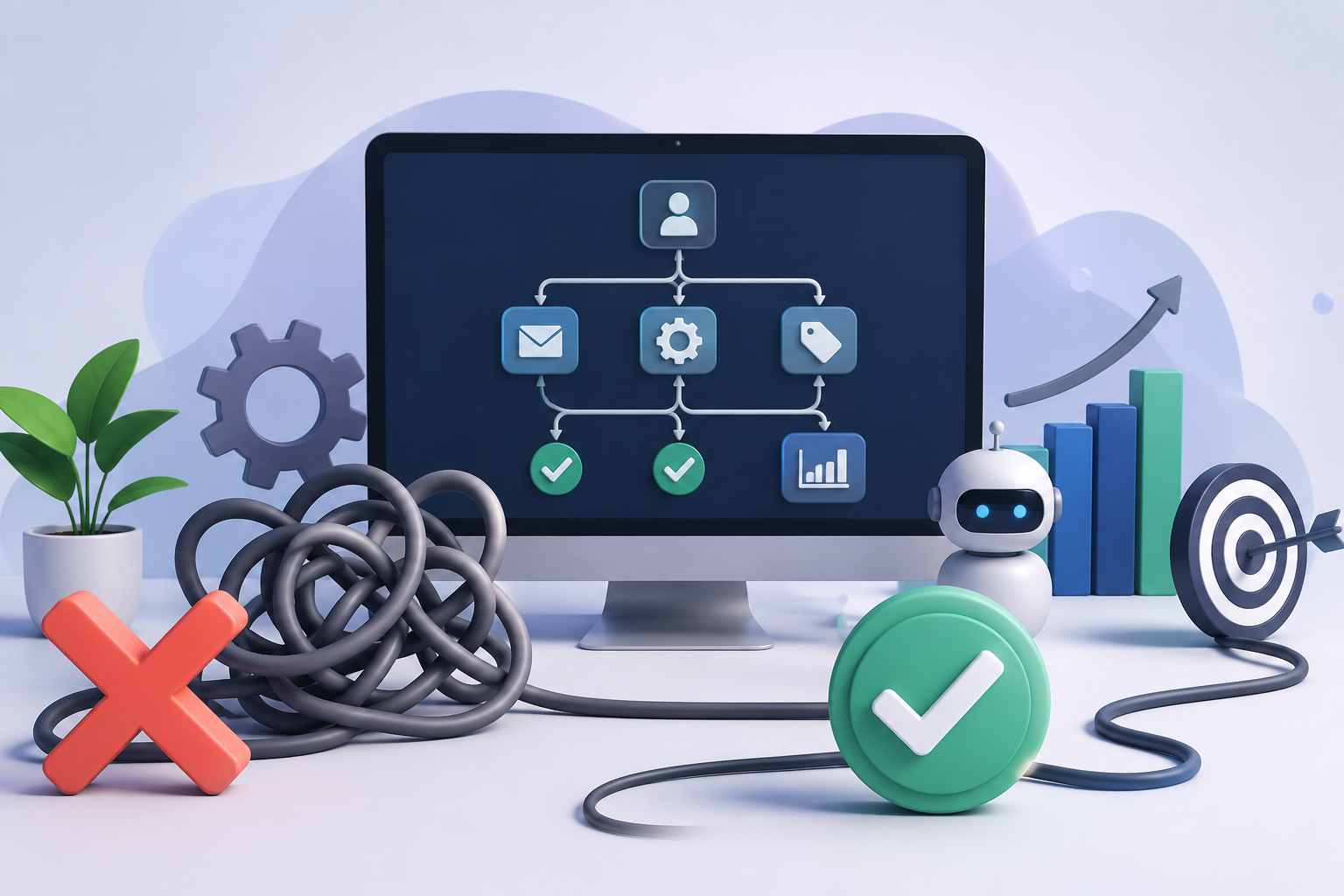
Marketing automation has transformed the way businesses connect with customers. From nurturing leads and sending personalized emails to tracking customer behavior and managing campaigns across multiple channels, automation can save time while improving results.
However, automation is only as effective as the strategy behind it. Many businesses invest in marketing automation tools expecting instant success, only to face low engagement, poor conversions, and frustrated customers because of avoidable mistakes.
In this blog, we’ll explore the most common marketing automation mistakes and practical ways to avoid them.
Why Marketing Automation Matters
Marketing automation helps businesses:
- Save time by automating repetitive tasks
- Deliver personalized customer experiences
- Improve lead nurturing
- Increase marketing efficiency
- Generate better insights through analytics
- Strengthen customer relationships
But without proper planning, automation can create more problems than it solves.
1. Automating Without a Clear Strategy
One of the biggest mistakes businesses make is implementing automation before defining their marketing goals.
Many companies purchase automation software simply because competitors are using it, without understanding how it fits into their customer journey.
How to Avoid It
Before launching automation:
- Define your marketing objectives
- Identify your target audience
- Map the customer journey
- Decide which processes truly need automation
- Set measurable KPIs
Automation should support your marketing strategy—not replace it.
2. Sending the Same Message to Everyone
Customers expect personalized experiences.
Sending identical emails or offers to every contact often results in:
- Low open rates
- Poor click-through rates
- Increased unsubscribes
- Reduced customer trust
How to Avoid It
Segment your audience based on:
- Demographics
- Purchase history
- Browsing behavior
- Interests
- Customer lifecycle stage
Use dynamic content to deliver relevant messages that match each audience segment.
3. Over-Automating Customer Communication
Automation should make communication easier—not make it feel robotic.
Some businesses send too many automated emails, notifications, and reminders, overwhelming customers.
Warning Signs
- Daily promotional emails
- Repetitive follow-ups
- Generic responses
- Excessive notifications
How to Avoid It
Create communication rules such as:
- Frequency limits
- Smart delays between emails
- Trigger-based messaging
- Exit conditions for workflows
Always prioritize quality over quantity.
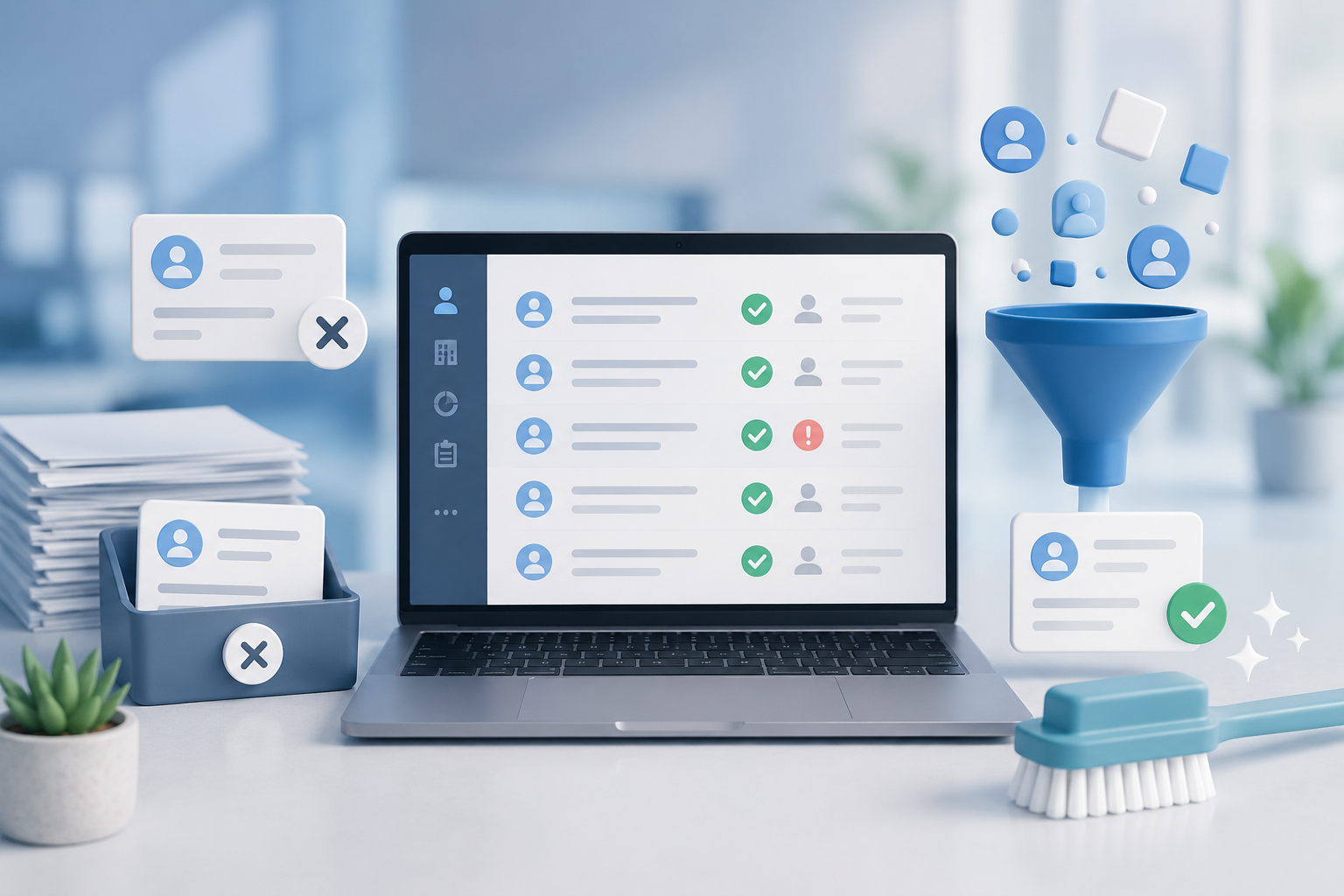
4. Ignoring Customer Data Quality
Automation relies heavily on accurate data.
Poor-quality data leads to:
- Duplicate contacts
- Incorrect personalization
- Failed email delivery
- Misleading analytics
How to Avoid It
Regularly:
- Clean your database
- Remove inactive contacts
- Verify customer information
- Standardize data formats
- Merge duplicate records
Clean data leads to better automation performance.
5. Forgetting Mobile Users
A large percentage of customers interact with marketing emails and websites using smartphones.
Poor mobile experiences can significantly reduce conversions.
Common Issues
- Emails that don’t display properly
- Small buttons
- Slow landing pages
- Difficult forms
How to Avoid It
Always:
- Use responsive email templates
- Optimize landing pages for mobile
- Keep forms short
- Test campaigns across devices
6. Not Testing Automation Workflows
Even small workflow errors can affect thousands of customers.
Examples include:
- Broken email sequences
- Wrong personalization tags
- Incorrect trigger settings
- Duplicate emails
How to Avoid It
Before launching:
- Test every workflow
- Review email content
- Check links
- Verify triggers
- Run internal testing
Regular audits help identify issues before customers do.
7. Focusing Only on Email Automation
While email remains effective, modern customers interact across multiple channels.
Limiting automation to email means missing valuable engagement opportunities.
Expand Your Automation
Consider integrating:
- SMS campaigns
- Push notifications
- Social media
- WhatsApp messaging
- CRM updates
- Live chat
An omnichannel approach creates a more seamless customer experience.
8. Neglecting Lead Scoring
Treating every lead equally wastes time and sales resources.
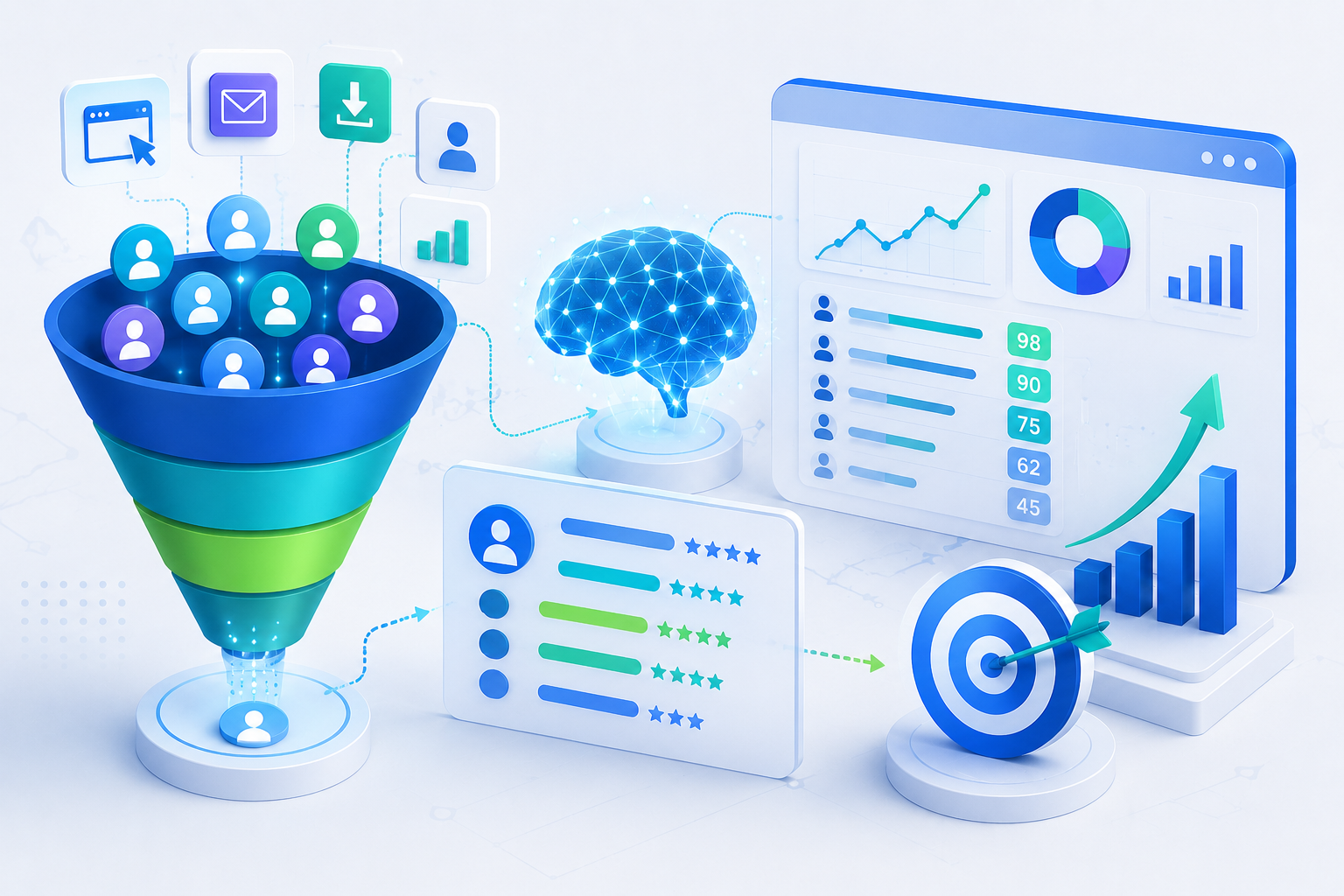
Without lead scoring, sales teams may focus on unqualified prospects while overlooking high-intent buyers.
How to Avoid It
Assign scores based on:
- Website visits
- Email engagement
- Form submissions
- Content downloads
- Purchase intent
This helps prioritize leads that are more likely to convert.
9. Creating Complex Automation Workflows
More automation doesn’t always mean better automation.
Complicated workflows can become difficult to manage, troubleshoot, and optimize.
How to Avoid It
Keep workflows:
- Simple
- Goal-focused
- Easy to monitor
- Easy to update
Start with basic automation and expand gradually as your marketing matures.
10. Ignoring Analytics and Performance Metrics
Automation isn’t a “set it and forget it” solution.
Without monitoring performance, businesses miss opportunities to improve campaigns.
Track Metrics Such As
- Open rates
- Click-through rates
- Conversion rates
- Bounce rates
- Unsubscribe rates
- Revenue generated
- Customer lifetime value
Review campaign performance regularly and adjust workflows based on insights.
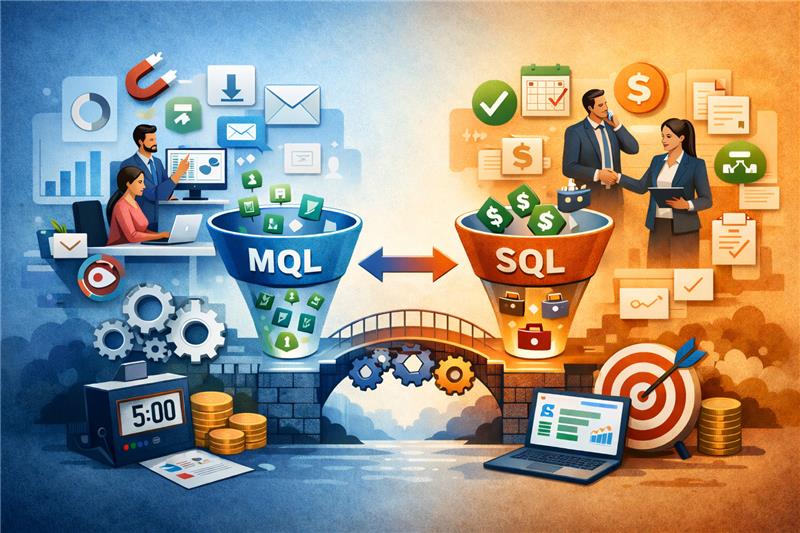
11. Failing to Align Marketing and Sales Teams
Marketing automation works best when marketing and sales share common goals.
Misalignment often results in:
- Poor lead handoffs
- Missed follow-ups
- Conflicting customer communication
How to Avoid It
Ensure both teams agree on:
- Lead qualification criteria
- Follow-up timelines
- Customer journey stages
- Reporting metrics
Regular communication improves overall campaign effectiveness.
12. Ignoring Customer Feedback
Customers often provide valuable insights into what’s working—and what isn’t.
Ignoring their feedback can weaken your automation strategy over time.
Collect Feedback Through
- Surveys
- Reviews
- Support tickets
- Customer interviews
- Social media interactions
Use this information to refine messaging and improve customer experiences.
Best Practices for Successful Marketing Automation
To maximize the value of marketing automation:
- Start with clear business goals.
- Keep customer experience at the center of every workflow.
- Personalize communication using reliable customer data.
- Regularly clean and update your database.
- Test every workflow before launching.
- Monitor campaign performance continuously.
- Optimize workflows based on analytics.
- Balance automation with genuine human interaction.
- Keep workflows simple and scalable.
- Stay compliant with data privacy regulations and obtain proper consent before sending marketing communications.