The pedestrian entrance control systems market is set for strong growth, with projections indicating it will reach US$3.4 billion by 2033. According to insights from Persistence Market Research, the market is expected to be valued at around US$2.0 billion in 2026 and expand at a CAGR of 7.8% during the forecast period. Rising security concerns and increasing adoption of smart infrastructure are key drivers behind this growth.
Pedestrian entrance control systems, including turnstiles, speed gates, and integrated access control software, are becoming essential components of modern security strategies. As organizations prioritize safety and operational efficiency, demand for advanced entrance management solutions continues to accelerate.
Rising Security Investments Drive Market Growth
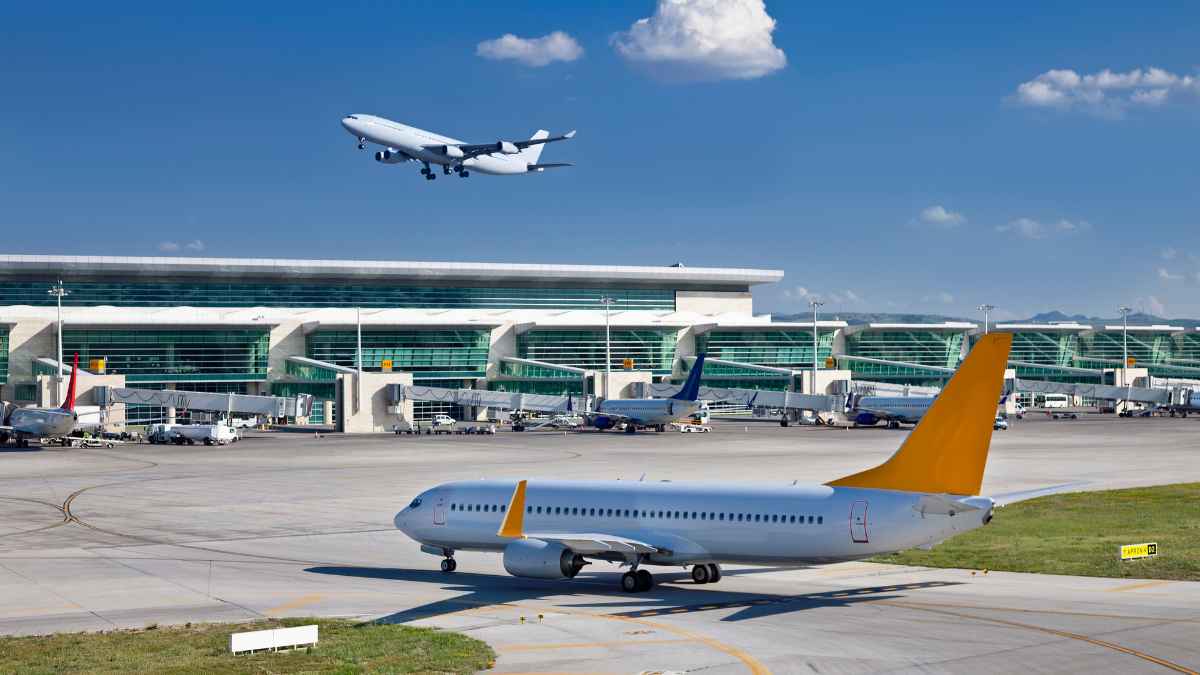
Growing concerns over unauthorized access, asset protection, and regulatory compliance are fueling demand for reliable entrance control solutions. Governments, transportation authorities, and commercial enterprises are increasing investments in security infrastructure. Consequently, pedestrian entrance control systems are being deployed across airports, metro stations, office buildings, stadiums, and industrial facilities.
Moreover, stricter anti-terrorism measures and workplace safety regulations are encouraging modernization of access control systems. Advanced biometric technologies, including facial recognition and contactless mobile credentials, are now widely adopted. These technologies enhance both security and hygiene, especially in high-traffic environments.
Smart Infrastructure and Biometric Adoption
The integration of pedestrian entrance control systems with smart city initiatives is another major growth factor. Modern urban centers and transit hubs are implementing intelligent access solutions with real-time monitoring and analytics. As a result, facilities can manage pedestrian flow efficiently while maintaining high security standards.
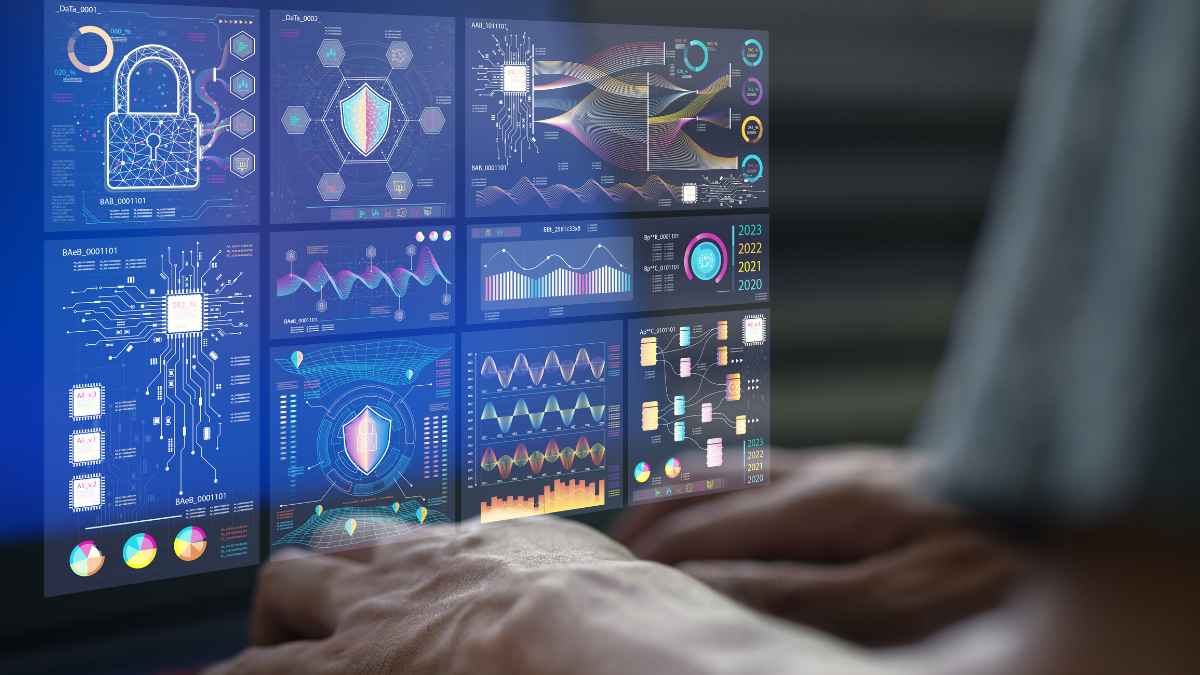
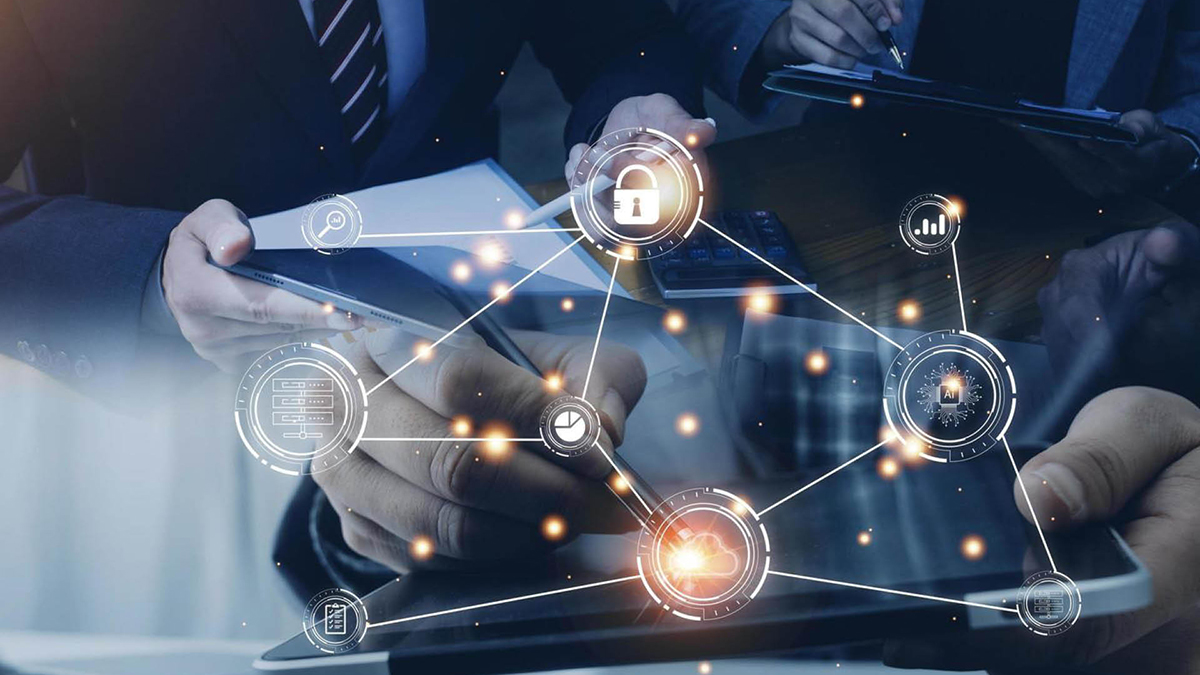
In addition, supply chains have strengthened, enabling faster deployment of smart entrance control systems. Real-time data tracking, cloud-based platforms, and AI-driven analytics further improve safety and operational visibility.
Regional Outlook
Asia Pacific currently leads the pedestrian entrance control systems market. Rapid urbanization and large-scale infrastructure projects in countries such as China and India are driving strong adoption. Southeast Asia is also witnessing significant growth due to expanding smart city developments.
North America follows closely, supported by regulatory compliance requirements and widespread use in government and enterprise environments. Meanwhile, Europe continues to expand its market presence. Strict data protection and biometric regulations shape technology deployment across the region.
Future Market Outlook
Looking ahead, the pedestrian entrance control systems market will benefit from continued innovation in biometric authentication, AI-powered analytics, and contactless technologies. As security expectations rise globally, organizations are expected to invest further in intelligent and scalable entrance management solutions.
With steady growth through 2033, the market is positioned to play a critical role in supporting secure, connected, and smart infrastructure worldwide.
Read Also: Fractus Expands U.S. Connected Safety Licensing with RPX Deal