
Regenerative Medicine Strategy Targets Root Causes
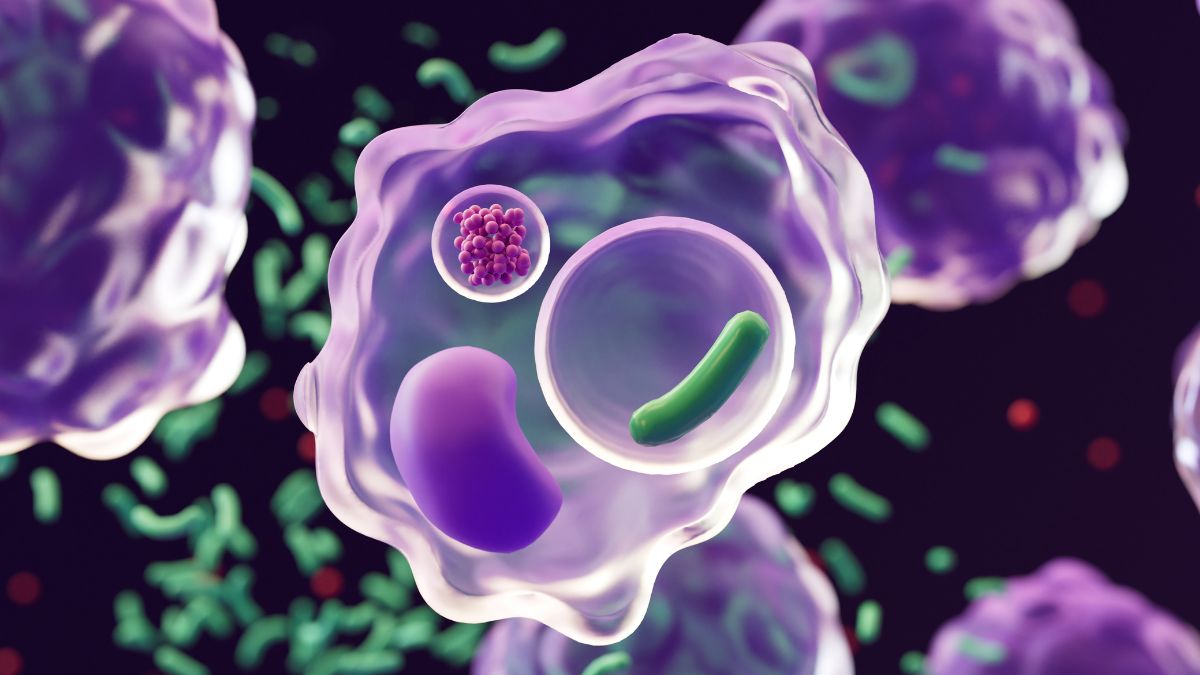
Regenerative cell therapy is at the center of a newly released white paper from Clonell Therapeutics, Inc., outlining treatment models for 34 conditions widely considered incurable. The company presents a clinical framework designed to replace damaged or aging cells with biologically renewed, patient-compatible cells. As a result, this strategy moves beyond symptom management and instead focuses on restoring organ function at the cellular level.
The white paper outlines potential applications in serious conditions such as Alzheimer’s disease and Parkinson’s disease, along with cardiovascular disease, cancer, and age-related degeneration. Moreover, the approach directly addresses cellular senescence, a key biological driver behind many chronic illnesses.
How Regenerative Cell Therapy Works
Unlike conventional treatments that slow disease progression, regenerative cell therapy aims to rebuild tissues using laboratory-developed cells that closely match the patient’s biology. According to Dr. Hyo-Sang Lee, Chief Scientific Officer at Clonell and former researcher at Oregon Health & Science University, two elements are essential for effective organ restoration: immune compatibility and youthful cellular vitality.
Previously, medicine struggled to achieve both simultaneously. However, Clonell’s research focuses on generating cells that meet these dual requirements under strict scientific and regulatory oversight. Therefore, the therapy seeks to reduce immune rejection risks while enhancing regenerative potential.
Ethical and Clinical Considerations
Importantly, the company emphasizes that its platform operates within established bioethical standards. Rather than pursuing reproductive applications, the technology is used exclusively for therapeutic development. Consequently, the focus remains on clinical outcomes and patient safety.
Furthermore, by prioritizing responsible innovation, Clonell aims to contribute to the broader advancement of regenerative medicine. While additional clinical validation remains necessary, the publication signals progress toward more definitive biological treatments.
In summary, regenerative cell therapy represents a potential shift in how modern medicine approaches chronic and degenerative diseases. If validated through trials and regulatory approvals, this strategy could open new pathways for addressing conditions long viewed as irreversible.
Read Also: Seaport Therapeutics Shares GAD Placebo Response Meta-Analysis at ISCTM 2026