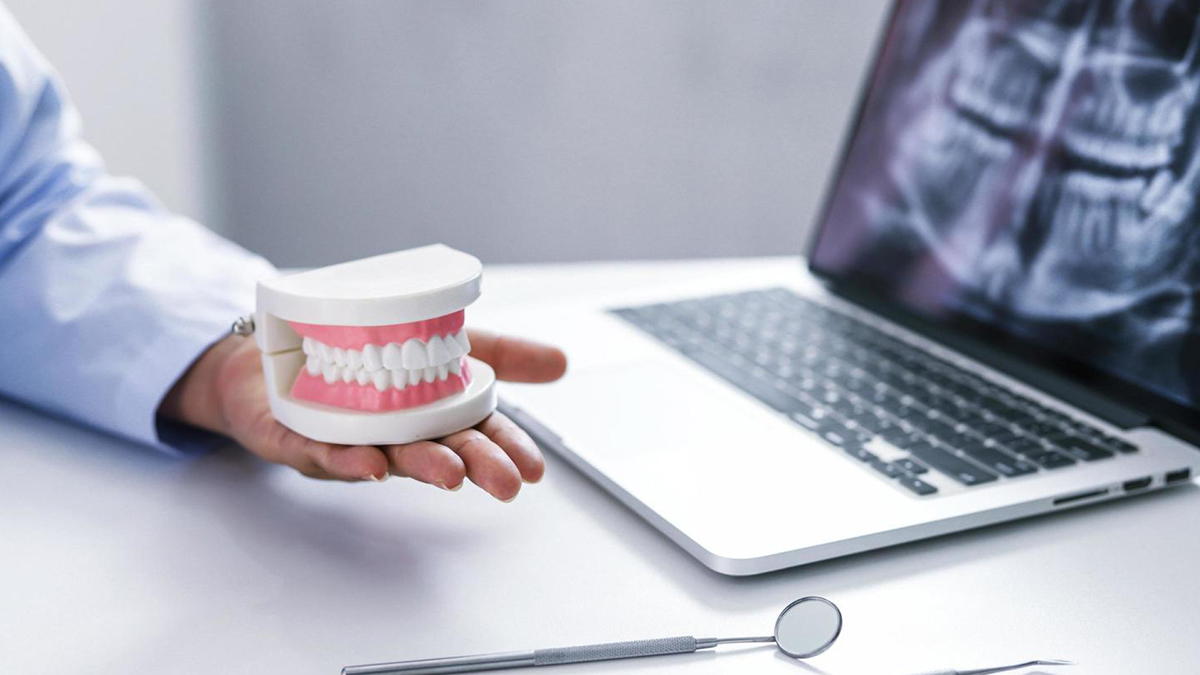
The study, recently published in the Journal of Prosthetic Dentistry (Elsevier), found that patients with occlusomuscular temporomandibular disorders (TMD) experienced a significant reduction in salivary cortisol—a known biological marker of stress—after undergoing Disclusion Time Reduction (DTR) therapy, a computer-guided bite adjustment dental treatment designed to optimize bite function and markedly lower muscle activity.
Temporomandibular disorders affect the jaw joint and surrounding muscles and are often associated with symptoms such as facial pain, headaches, jaw clicking, and muscle tension. According to the National Institute of Dental and Craniofacial Research, an estimated 5–12% of Americans experience TMD, affecting millions of people nationwide.
While stress has long been associated with TMD symptoms, the relationship between jaw function and physiological stress responses has remained unclear. This new study sought to determine whether improving bite mechanics could influence measurable stress indicators in the body.
“Many patients with TMD report symptoms that seem closely tied to stress, including chronic jaw tension, frequent stress headaches, nightly bouts of tooth grinding and clenching, and jaw muscle fatigue,” said Dr. Robert Kerstein, co-author of the study and a retired prosthodontist in Boston. “This study was designed to explore whether correcting bite mechanics could influence the body’s stress response in a measurable way.”
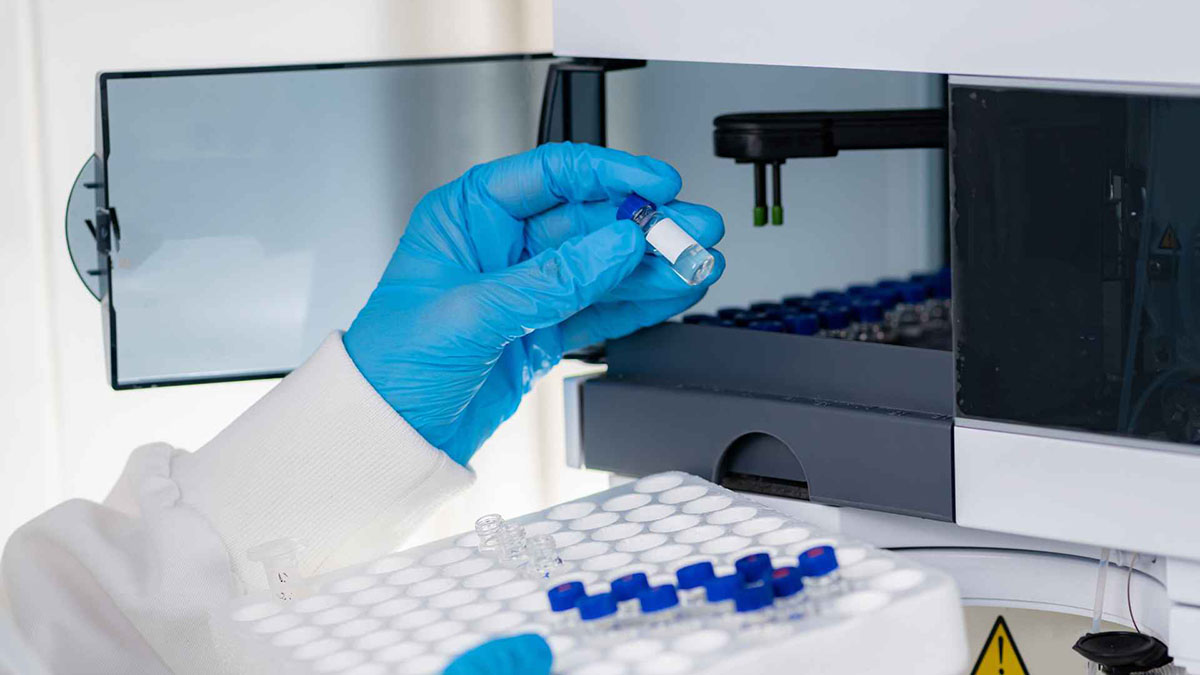
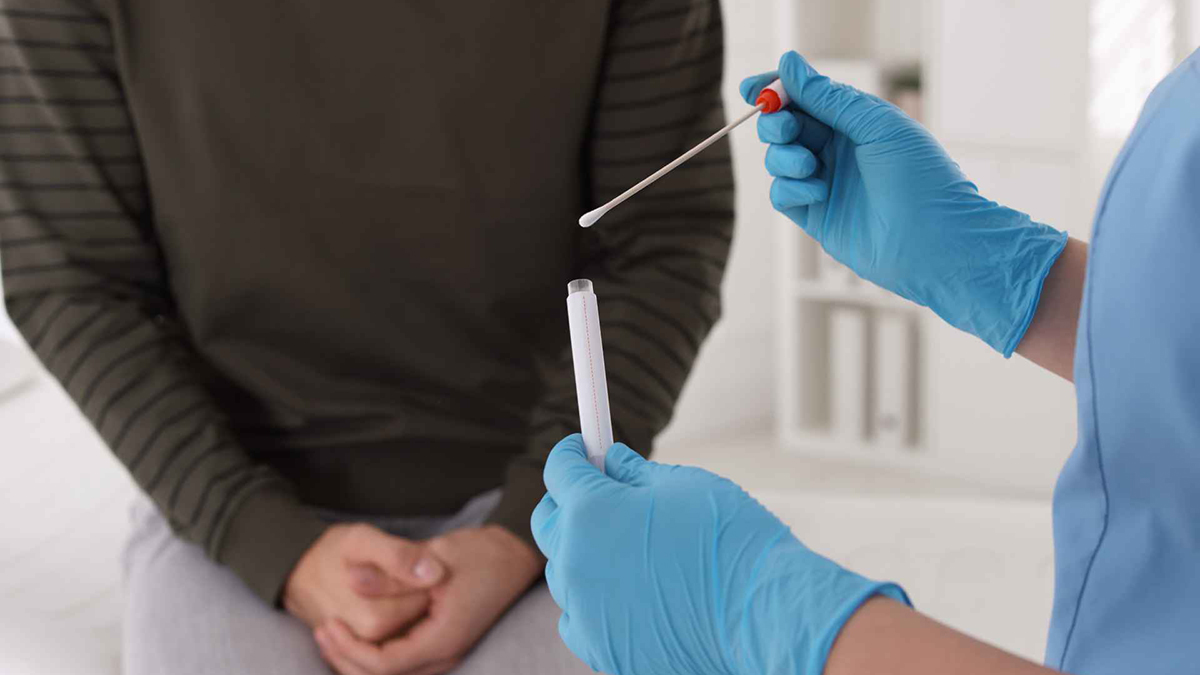
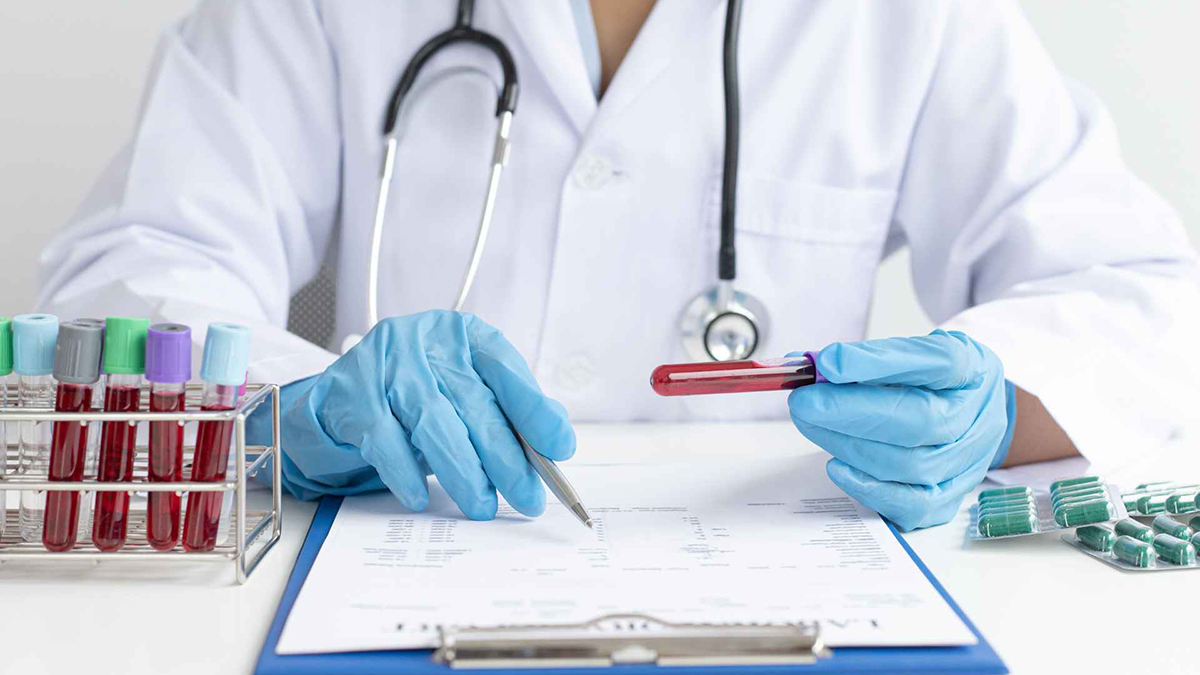
In the clinical study, researchers evaluated 30 patients diagnosed with occlusomuscular TMD by measuring their salivary cortisol levels before treatment and again one month after undergoing DTR therapy.
The results showed meaningful physiological improvements following treatment:
- Average salivary cortisol levels dropped significantly, decreasing from 11.43 ng/mL before treatment to 6.57 ng/mL after therapy
- Patients experienced an average 42% reduction in cortisol levels following treatment
- Disclusion times, the duration teeth remain in frictional contact during chewing movements, were reduced dramatically from more than two seconds to approximately 0.28 seconds
“These findings provide objective evidence that improving occlusal function can influence measurable biological stress markers,” said Kerstein. “By using computer-guidance to precisely adjust how long teeth frictionally interact during jaw movements, we were able to reduce abnormal muscle activity and induce a significant reduction in cortisol levels, solely through high-precision computer guided treatment. These reductions occurred without the use of nightguards, splints, Botox, TENS therapy, medications, or dietary interventions, which are common symptomatic treatments that never address the true underlying bite causation.”
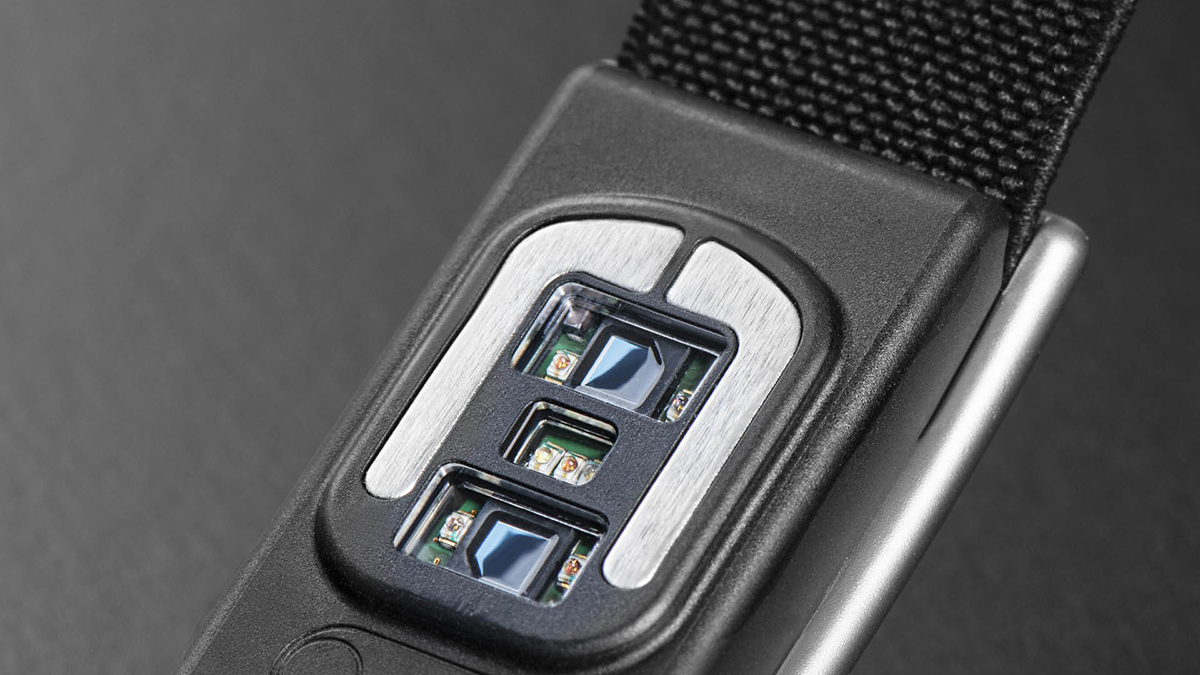
Researchers used the T-Scan 10 Novus digital occlusion analysis system (Tekscan Inc., Norwood, MA, USA), synchronized with surface electromyography (sEMG; BioEMG III, Bioresearch Assoc., Milwaukee, WI), to precisely measure and adjust bite dynamics during treatment.
In addition to improvements in bite function, the study found significant changes in muscle activity in the temporalis and masseter muscles, two key muscles involved in jaw movement and chewing.
The findings suggest that targeted, computer-guided occlusal adjustments influence the neuromuscular pathways associated with stress responses, markedly reducing cortisol production in patients with occlusomuscular TMD.
The study adds to growing interest in how physical conditions within the musculoskeletal and oral systems may influence broader physiological stress mechanisms. As conversations around cortisol and nervous system regulation continue to gain attention in both medical and consumer health discussions, this research highlights the potential role that oral biomechanics and dental neurophysiology may play in overall stress regulation.
Read Also: STAT Welcomes New Business Leader