
Future of Allergy Treatment Begins at Notre Dame
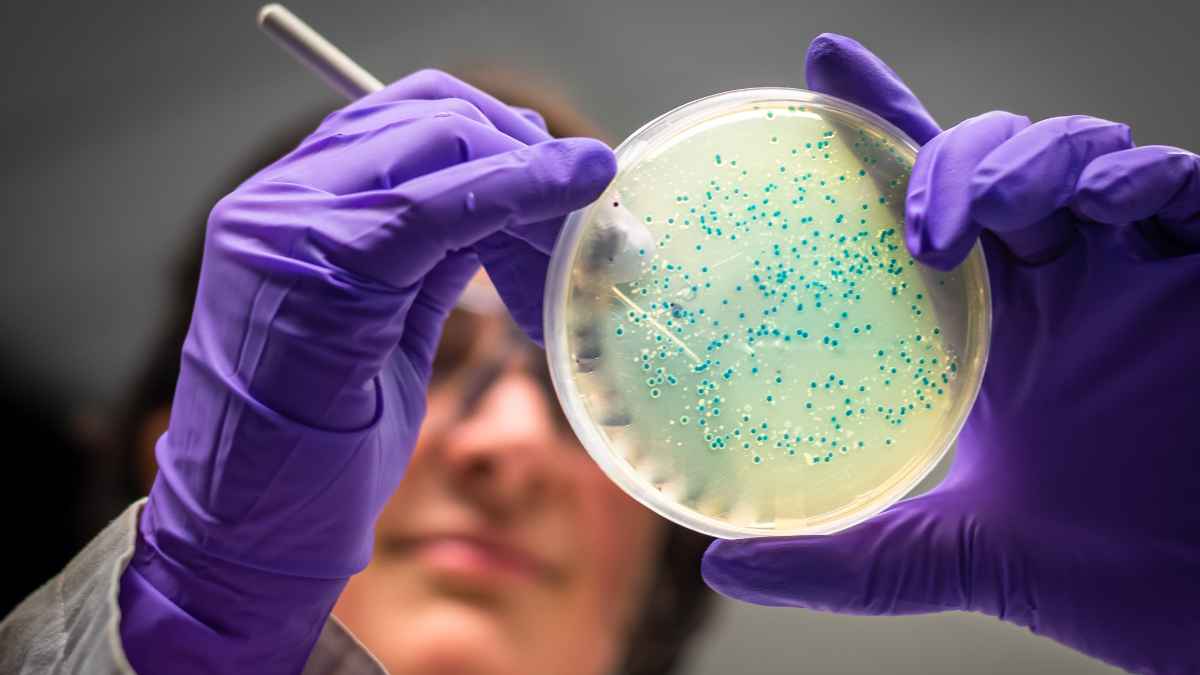
The future of allergy treatment may be taking shape at the University of Notre Dame, where researchers are developing a new way to prevent severe allergic reactions before they begin. Peanut allergies affect millions of Americans and can trigger symptoms ranging from hives to life-threatening anaphylaxis. However, despite decades of research, there is still no true cure.
In 2017, twelve-year-old Lauren Eglite attended a Notre Dame football game with her father, Erik. Living with a severe peanut allergy required constant vigilance. During the game, an NBC Fighting For segment highlighted research led by Basar Bilgicer, whose lab focuses on blocking peanut allergens from triggering dangerous immune system responses.
That moment sparked a simple but powerful question: could this research help transform how allergies are treated?
A Preventive Approach to the Future of Allergy Treatment
Nearly a decade later, that question has helped reshape scientific progress. Bilgicer and Erik Eglite co-founded Artin Immunology to translate patented inhibitor technology into a drug designed to stop allergic reactions before they start.
Unlike existing therapies that manage symptoms after exposure, this innovative platform aims to prevent immune overreactions altogether. In other words, instead of treating an allergic response, the therapy blocks the trigger itself. As a result, patients may gain stronger protection from accidental exposure.
Proof-of-concept studies in humanized mice have already shown promising results. Furthermore, preparations for clinical trials are underway. If development continues as planned, the company hopes to bring a treatment to market by the end of the decade.
Beyond Peanuts: Expanding the Future of Allergy Treatment
Importantly, the implications extend beyond peanut allergies. Researchers believe the same inhibitor platform could be adapted to address other allergens, including shellfish and penicillin. In addition, it may offer new strategies for managing asthma-related triggers.
Therefore, this breakthrough could redefine care for millions of individuals living with chronic allergic disease. Rather than relying solely on avoidance and emergency medication, patients may eventually have access to preventive protection.
While regulatory approval remains ahead, the research marks a significant step forward. Ultimately, the work at Notre Dame highlights how curiosity, collaboration, and scientific innovation can shape the future of allergy treatment.
Read Also: The Vitamin Shoppe Launches The Suppies to Celebrate Supplement Innovation