
Scinai IIA support has been expanded following an additional review by the Israel Innovation Authority (IIA). Scinai Immunotherapeutics Ltd. (Nasdaq: SCNI) announced that its robotic aseptic fill & finish platform project has been approved for full grant utilization.
Under the updated approval, Scinai will now access the entire NIS 5 million grant budget over two years. Approximately 66% of the funding is non-dilutive, reinforcing the company’s disciplined capital strategy while accelerating sterile manufacturing innovation.
Advancing Robotic Aseptic Fill & Finish Capabilities
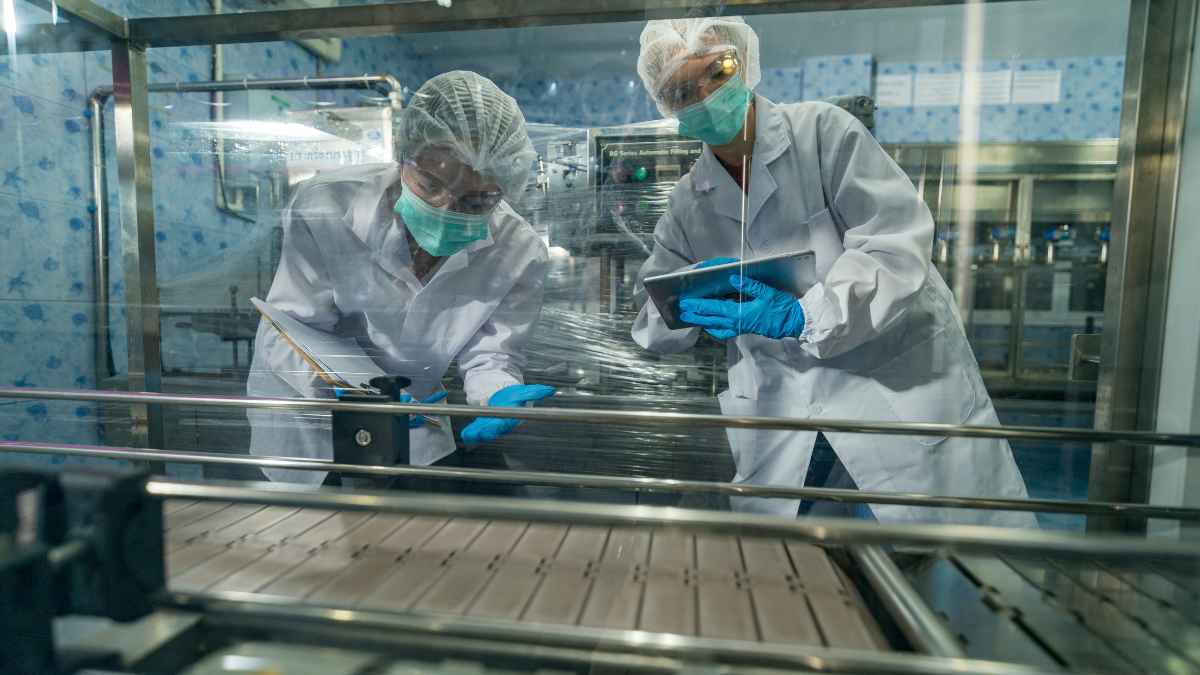
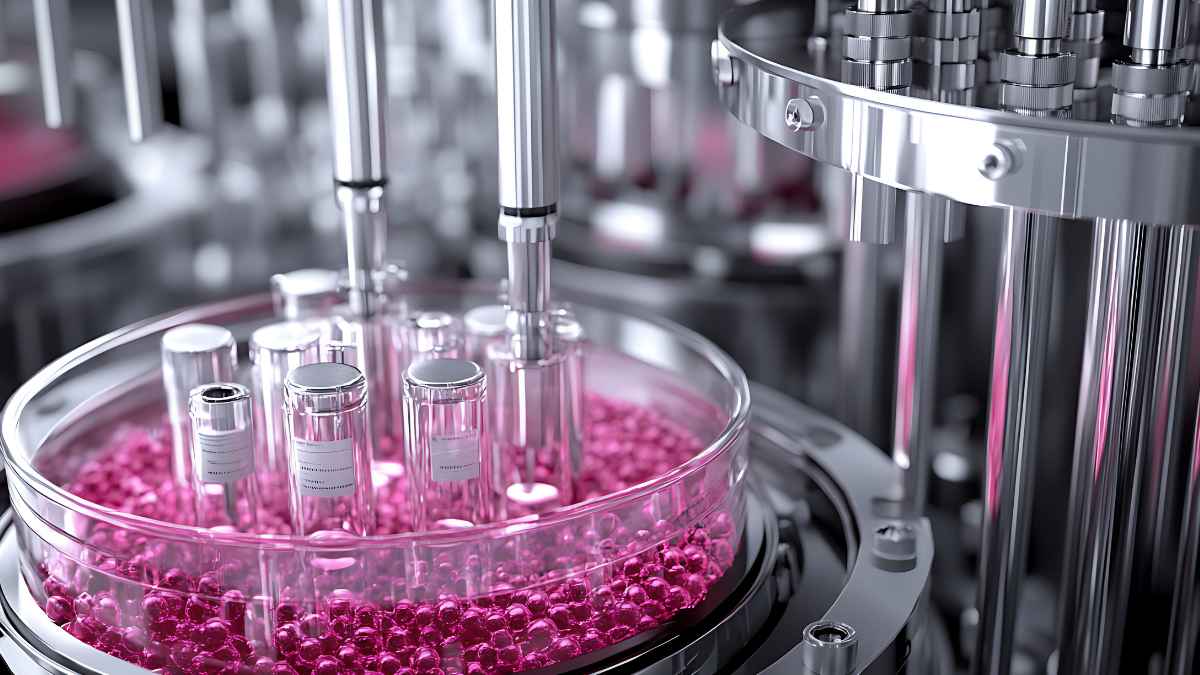
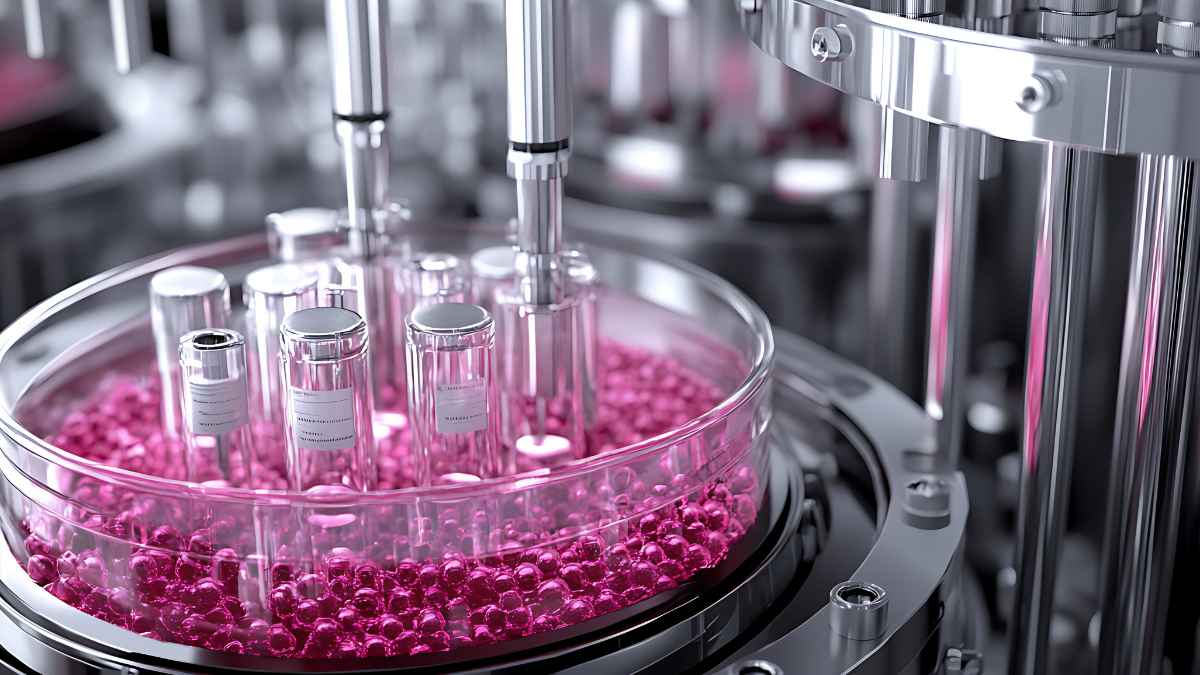
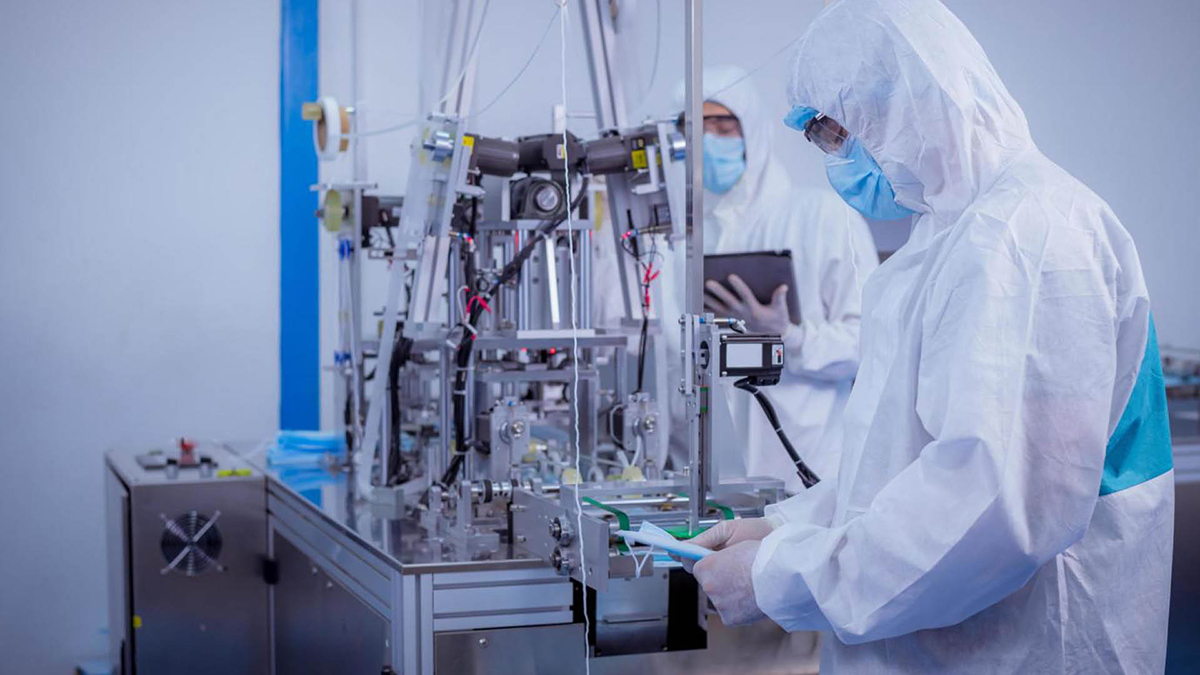
The Scinai IIA support program enables the acquisition and validation of a fully automated robotic-arm aseptic fill & finish system. The platform is designed to align with EU GMP Annex 1 standards, ensuring compliance with stringent sterile manufacturing requirements.
Validation of the system is targeted for completion in the third quarter of 2026. Once operational, the system is expected to significantly enhance Scinai’s clinical manufacturing capabilities.
Robotic aseptic processing reduces human intervention in sterile production. As a result, it improves batch consistency, strengthens contamination control, and enhances overall reproducibility. Therefore, the investment positions Scinai as a technology-driven CDMO partner for emerging biotech companies.
Strengthening a Two-Site CDMO Platform
The expanded Scinai IIA support aligns with the company’s broader CDMO growth strategy. This follows the recent acquisition of Recipharm Israel Ltd. and a strategic commercial collaboration with Recipharm.
Together, Scinai’s Jerusalem biologics facility and the newly acquired Yavne small-molecule site form an integrated two-site development and manufacturing platform. In addition, the Recipharm collaboration provides clients with a defined pathway from early clinical development to late-stage and commercial manufacturing within Recipharm’s global network.
According to CEO Amir Reichman, the expanded Israel Innovation Authority support strengthens Scinai’s ability to invest in next-generation sterile manufacturing while maintaining disciplined capital allocation. Moreover, maximizing non-dilutive funding remains central to the company’s long-term CDMO expansion strategy.
Supporting Future Industrial Expansion
Beyond the current grant, Scinai is monitoring the potential launch of a new IIA program focused on industrial CAPEX investments. This program would be subject to approval of Israel’s 2026 state budget and formal announcement by the Authority.
If additional non-dilutive support becomes available, Scinai may evaluate further capability enhancements at its Yavne small-molecule site. Consequently, the company continues to align innovation funding with its broader CDMO growth roadmap.
Overall, the expanded Scinai IIA support marks a significant milestone in strengthening automated aseptic manufacturing capabilities and scaling a modern, technology-enabled CDMO platform.
Read Also: Anti-PACAP Therapy: Slate Medicines Raises $130M to Advance Migraine Prevention