
Antibody therapies are transforming the treatment of cancer, inflammatory diseases, and infectious disorders. However, many promising drug candidates fail during late-stage clinical trials. A new study published in Science Immunology highlights how the genO-hFcγR mouse model from genOway improves the prediction of antibody efficacy and safety in humans.
Why Antibody Therapies Often Fail
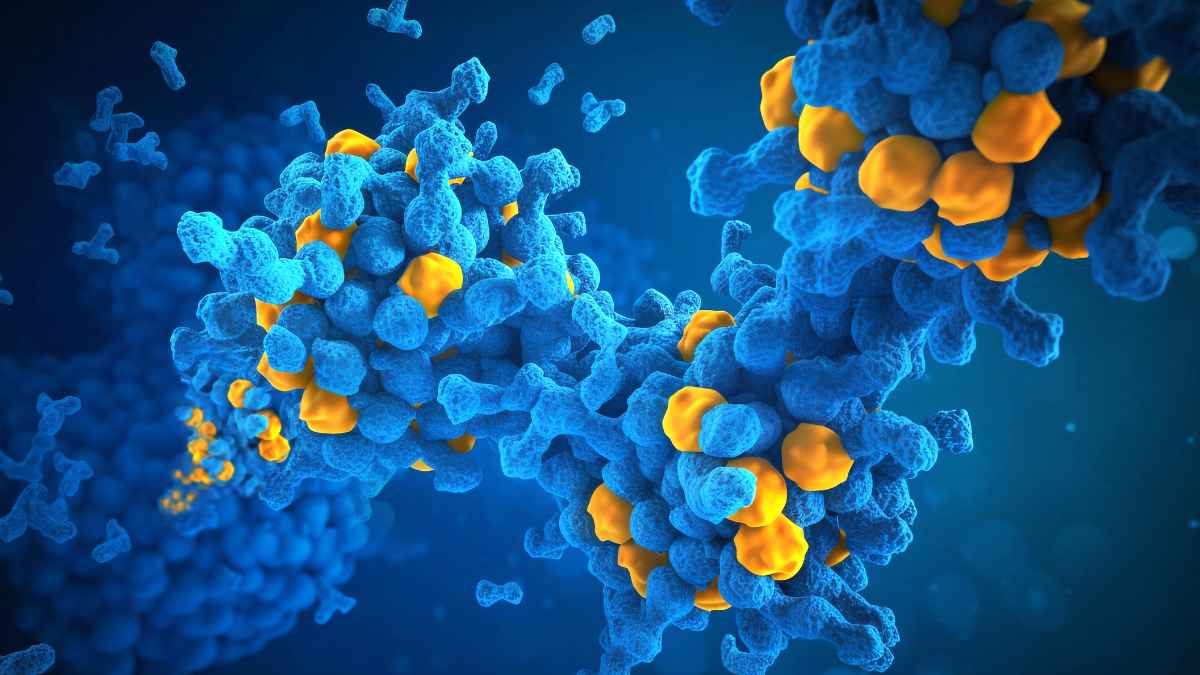
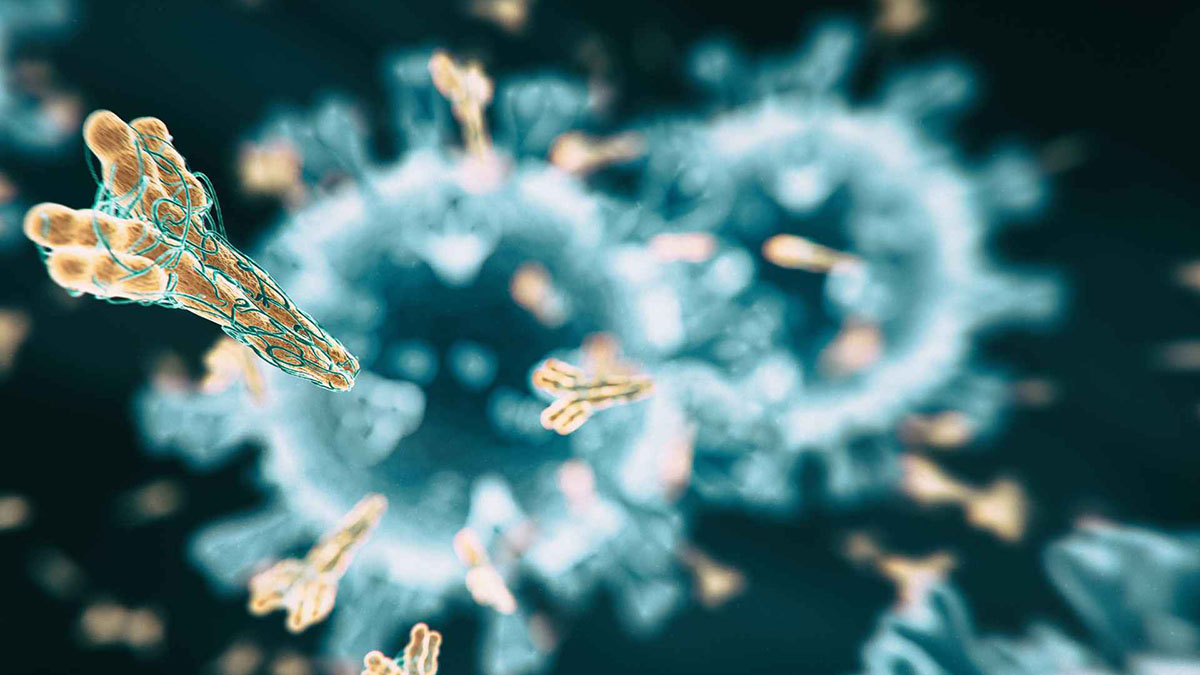
Antibody therapies partly work by binding to Fc gamma (Fcγ) receptors. These receptors sit on immune cells and regulate key functions such as antibody-mediated cell killing and inflammation.
However, Fcγ receptors differ significantly between humans and standard laboratory mice. As a result, preclinical studies conducted in conventional mouse models may generate unreliable efficacy data or overlook potential safety risks. Consequently, developers face costly late-stage failures and delays in patient access to new treatments.
The genO-hFcγR Mouse Model Explained
The genO-hFcγR mouse model introduces humanized Fcγ receptors into mice. This innovation enables researchers to better replicate human immune responses during preclinical testing.
According to the study, the model allows scientists to:
-
Rank antibody candidates based on predicted human performance
-
Measure immune cell targeting accuracy
-
Evaluate potential impact on disease progression
-
Assess safety profiles earlier in development
Therefore, the genO-hFcγR mouse model supports more informed go/no-go decisions. Early predictive insights reduce development risk and accelerate timelines.
Backed by Science Immunology
The findings were published in Science Immunology, demonstrating strong scientific validation. The research mapped Fc receptor expression and regulation to show how this model closely mirrors human immune biology.
This publication reinforces the model’s relevance for translational research and therapeutic antibody development.
International Collaboration Behind the Breakthrough
Developing the genO-hFcγR mouse model required deep expertise in mouse genetics, antibody engineering, and immunology.
The international consortium included:
-
genOway (France), developer of predictive preclinical models
-
argenx (Belgium), specializing in Fc-engineering and FcRn biology
-
Innate Pharma (France), focused on natural killer cell immunotherapies
-
Vir Biotechnology (USA), advancing immunotherapy solutions
-
VIB-Ghent University (Belgium), which contributed immunology expertise and coordinated the publication
Through this collaboration, the consortium co-developed and validated the model to address species-specific limitations in antibody testing.
A Platform Available to the Scientific Community
The genO-hFcγR mouse model builds on earlier Fcγ receptor humanization work initiated in 2008. Since its broader launch in 2024, it has been adopted by biopharmaceutical companies and nonprofit organizations, including global health initiatives supported by the Gates Foundation.
As adoption expands, the model is positioned to become a new standard for predictive antibody testing. By improving translational accuracy, the genO-hFcγR mouse model helps reduce late-stage failure risk and enhances confidence in antibody therapy development.