
A biotechnology company specializing in innovative healing solutions, announced it has received a $215,000 social-mission investment from the Richard King Mellon Foundation. The funding will support formulation optimization and preclinical testing of Zegen-15, a small-molecule cream designed to treat chronic wounds, beginning with Diabetic Foot Ulcers (DFUs).
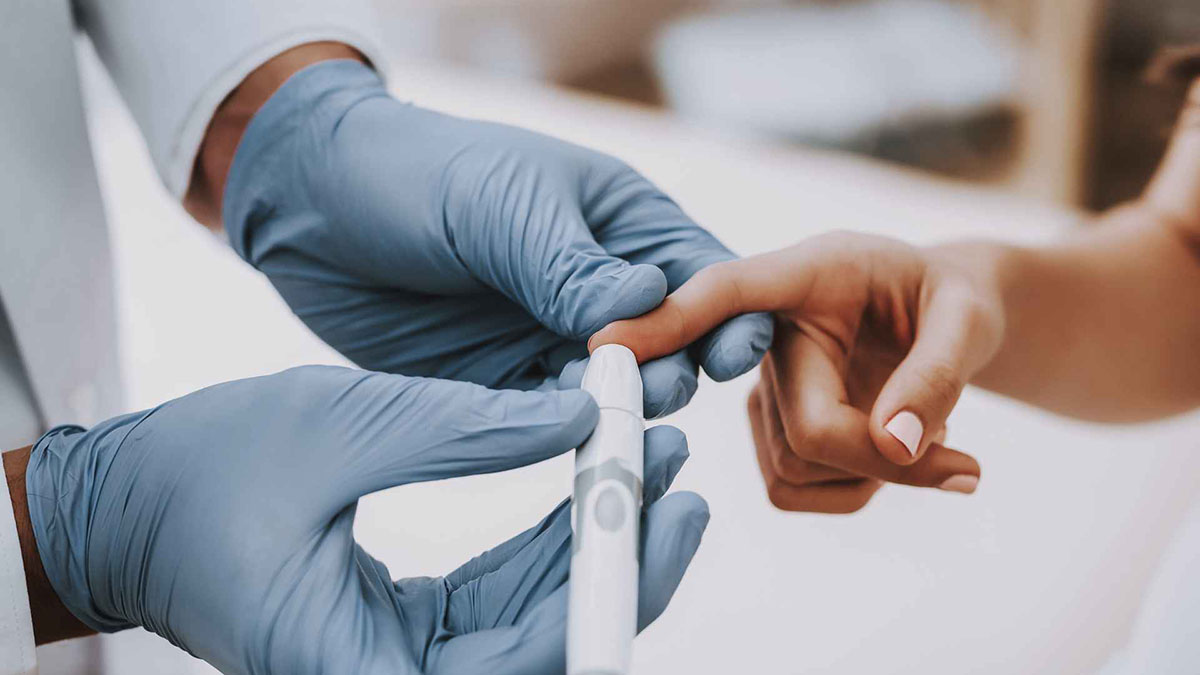
Chronic wounds like DFUs represent a critical unmet medical need. In the United States alone, an estimated 1.6 million patients suffer from DFUs each year, and approximately 150,000 undergo lower-limb amputations when their ulcers fail to heal. Existing growth-factor therapies have dominated the market for decades, but reach only about 6% of patients due to the high cost of biologic treatments and limited insurance coverage. It is estimated that the United States spends between $9-13 billion a year directly on treating and caring for DFU patients. Developing new treatments will expand access for patients and help reduce the overall burden of health care costs.
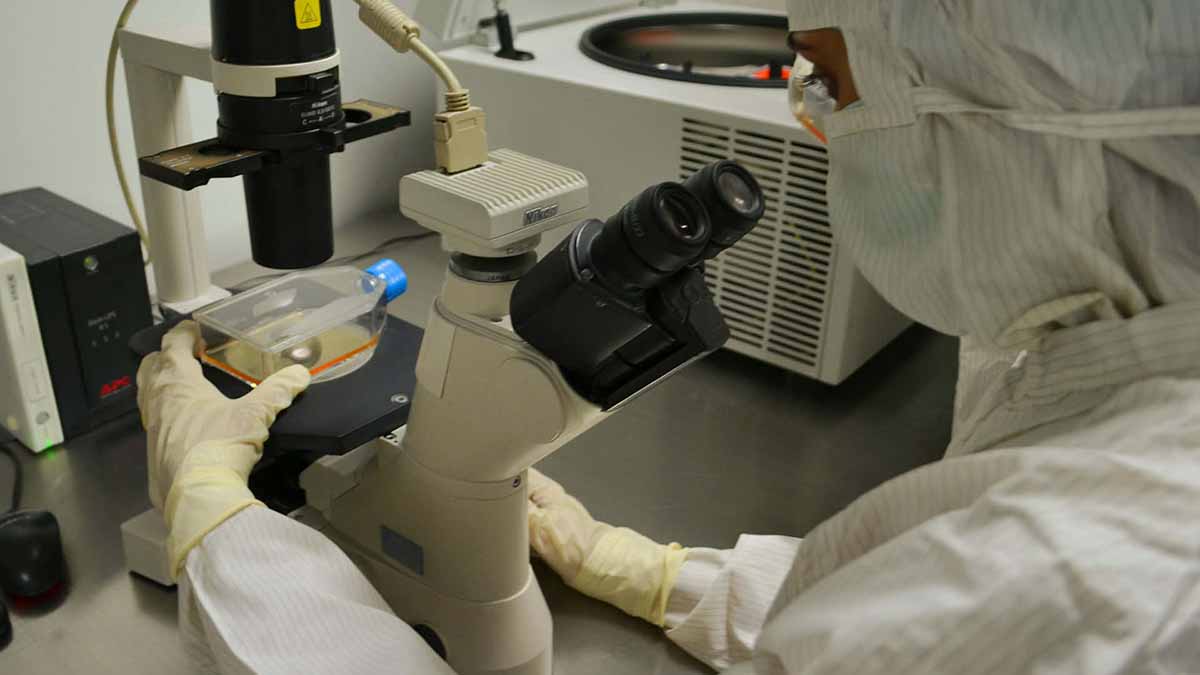
Zegenex is pioneering a new approach to chronic wound care. After a decade of drug discovery studies in Dr. Michael Tsang’s Lab at the University of Pittsburgh, a series of small molecules were identified to potentially enhance wound healing. Backed by regenerative medicine research, mechanistic studies, and validated in clinically relevant models, the company aims to offer a safe and cost-effective solution for healing chronic wounds such as DFUs. Its lead candidate, Zegen-15, is a topical cream that delivers an active small-molecule directly to the wound site. The small molecule works by removing biological “roadblocks” and reactivating the body’s natural healing process, stimulating new skin growth, restoring blood flow, and enabling wound closure. Unlike protein-based therapies, Zegen-15’s small-molecule remains stable in harsh, highly acidic wound environments and can be manufactured at a fraction of the cost, making it accessible to more patients. Beyond its potential in clinical settings, Zegenex’s innovation also promises outsized benefits for rural and underserved communities, where access to care for DFU patients and those at risk is often limited.
“Our mission is bold and clear: to empower the body to heal itself, fully and naturally,” said Manush Saydmohammed, PhD, MBA, Co-Founder & CEO of Zegenex. “The support from the Richard King Mellon Foundation accelerates our work to bring forward a safe, effective, and scalable solution for the millions living with chronic wounds.”
Partnerships with Cardinal Health Regulatory, the McGowan Institute for Regenerative Medicine at the University of Pittsburgh, and active membership in the National Patient Safety Board, Zegenex combines cutting-edge science with a commitment to patient safety and affordability.
The Richard King Mellon Foundation’s investment in Zegenex is made through its Social-Impact Investment Program, which funds for-profit startups with a social mission aligned with the Foundation’s philanthropic strategy.