
Autobahn Therapeutics, a biotechnology company developing restorative treatments for people affected by neuropsychiatric and neuroimmunologic disorders, today announced the presentation of new preclinical data for elunetirom, the company’s lead asset currently in Phase 2 clinical development for adjunctive major depressive disorder (MDD) and bipolar depression, at the 64th Annual American College of Neuropsychopharmacology (ACNP) Annual Meeting taking place in Nassau, Bahamas.
“These preclinical data demonstrate the potential for elunetirom to deliver rapid antidepressant effects by enhancing neuroplasticity and driving the persistent strengthening of neuronal synapses,” said Jonathan Meyer, MD, Voluntary Clinical Professor of Psychiatry at the University of California, San Diego. “Selective and potent activation of thyroid-beta hormone receptors in the brain (CNS-TRs) to modulate plasticity represents a different approach to treating depression than other strategies, including the nonselective TR agonist triiodothyronine. This new mechanism may address underlying neural dysfunction in patients who have not benefited from existing therapies. Given that millions of patients living with MDD and bipolar depression do not achieve adequate relief with their current treatment, novel pharmacological approaches like this are critically needed. I very much look forward to seeing the data emerging from elunetirom’s clinical development program.”
“We are pleased to highlight new preclinical data for elunetirom at ACNP which further characterize its direct impact on regulating the major drivers of synaptic formation and strengthening, such as BDNF,” said Gudarz Davar, M.D., Executive Vice President, Head of Research and Development for Autobahn. “These data provide strong mechanistic support for elunetirom’s role in driving energy-dependent neuroplasticity, increasing our confidence in our ongoing Phase 2 studies and the potential for elunetirom to offer a meaningful new treatment option for patients living with MDD and bipolar depression.”
Elunetirom is currently being evaluated as a potential adjunctive treatment for MDD in the ongoing Phase 2 AMPLIFY study and for bipolar depression in the ongoing Phase 2 AMPLIFY-BD study. Autobahn anticipates reporting topline data from AMPLIFY-BD and AMPLIFY in the second and third quarter of 2026, respectively.
ACNP Poster Presentation Summary
Title: Elunetirom, a first-in-class, brain-targeting, antidepressant candidate in Ph2 development, triggers robust hippocampal synaptogenesis and cognitive benefits in preclinical studies
- The effects of elunetirom were examined in a series of in vitro and in vivo assays relevant to neuroplasticity and the treatment of MDD and bipolar depression.
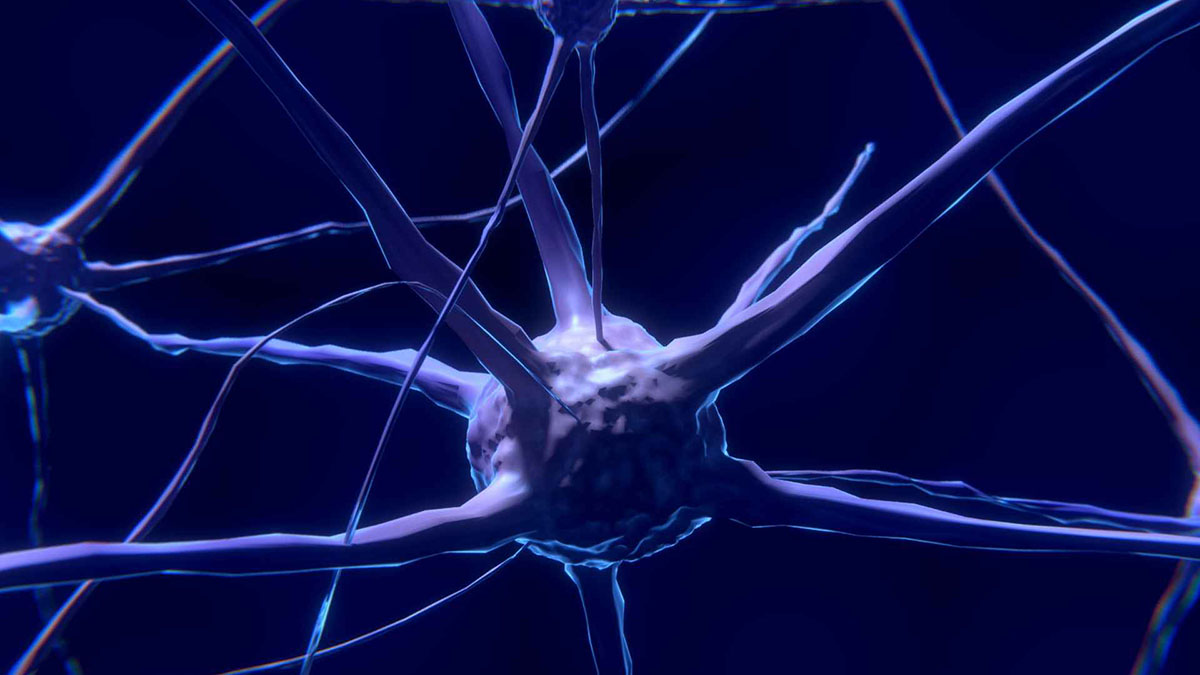
- In a primary culture of cortical neurons, the active metabolite showed significant increases in number of neurons, neurite length, number of roots, and number of neurite extremities. In a primary culture of mature hippocampal neurons, elunetirom also significantly increased markers of neuritogenesis and synaptogenesis, essential processes for building neuronal networks. In both experiments, the effects were comparable to those achieved with optimal concentrations of the positive control BDNF.
- Elunetirom significantly improved spontaneous alternation in aged mice (12-mo) and scopolamine-treated mice in a T-maze after seven days of treatment, indicating an improvement in cognition potentially stemming from improvements in neuronal plasticity.
- These potential therapeutic effects are likely the result of direct actions on the genes that drive restorative neuroplasticity in brain (e.g., BDNF).
Read Also: Arches Medical Rhode Island Reports Progress in Primary Care Turnaround