
Argus Research provides objective analytics, data, and advice to clients worldwide. With more than 120 employees, the firm serves markets across North America, Europe, and parts of Asia. To protect its operations, Argus Research relied on a traditional storage area network (SAN) for its on-premises repository and maintained off-site disaster recovery for backups to ensure business continuity. The firm sought to strengthen resilience to evolving cybersecurity risks like ransomware with on-premises immutable backup storage.
While evaluating new technology, Argus Research identified several critical requirements, including:
- seamless integration with Veeam;
- on-premises storage for maximum recovery speed;
- adherence to Zero Trust best practices to ensure legal compliance;
- scalability to support business growth;
- and proactive protection to stay ahead of evolving cyber threats.
Object First proved to be the ideal solution, significantly strengthening Argus Research’s cyber-defense posture. Once deployed, it demonstrated impressive performance in testing and recovery of critical terminal servers took just minutes. Compared to alternatives, Object First delivered a far more streamlined approach with simpler deployment, tighter Veeam integration, and reduced management overhead. Today, Argus Research benefits from absolutely immutable, ransomware-proof backups with scalable capacity to support future growth.
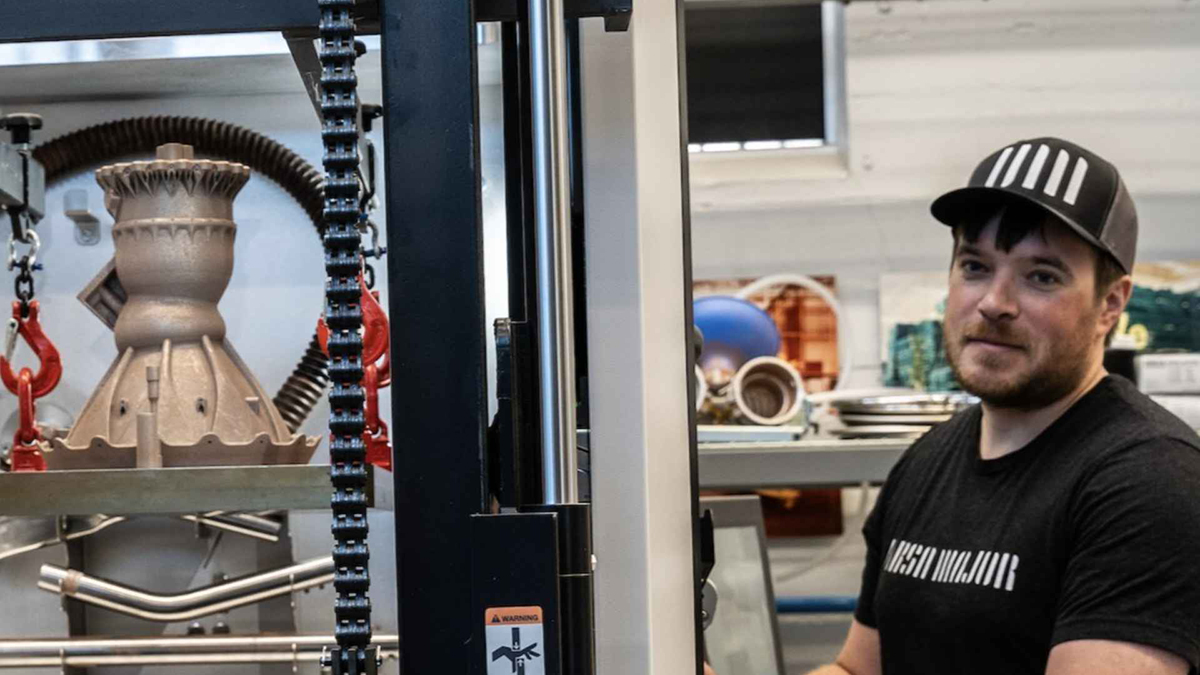
“Thanks to our partnership with Object First, we are confident that the integrity of our on-prem disaster recovery is iron-clad,” said Tyler Jacobson, Network and Security Analyst, Argus Research. “We were also particularly impressed by the quick and easy implementation process and the ongoing support provided by Object First.”
“Argus Research exemplifies how modern organizations can strengthen cyber resilience without adding complexity,” said Eric Schott, Chief Product Officer, Object First. “With our absolutely immutable backup storage, we help organizations like Argus protect data with technology that’s easy to manage and that allows them to focus on innovation instead of storage troubleshooting.”