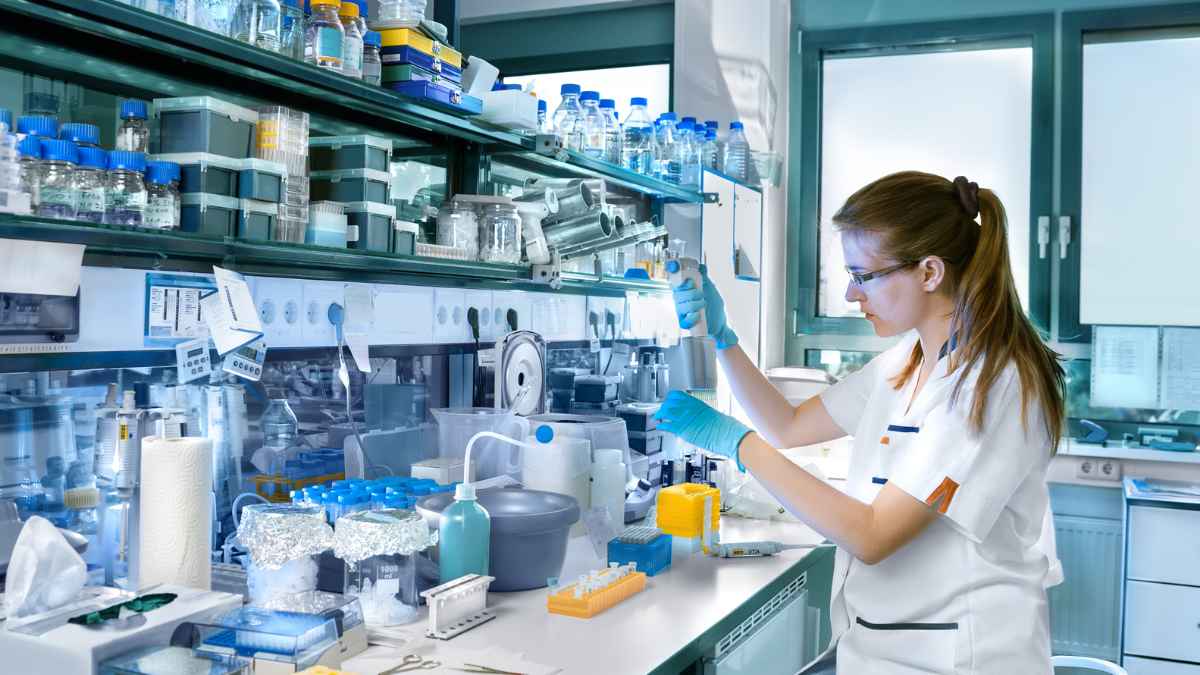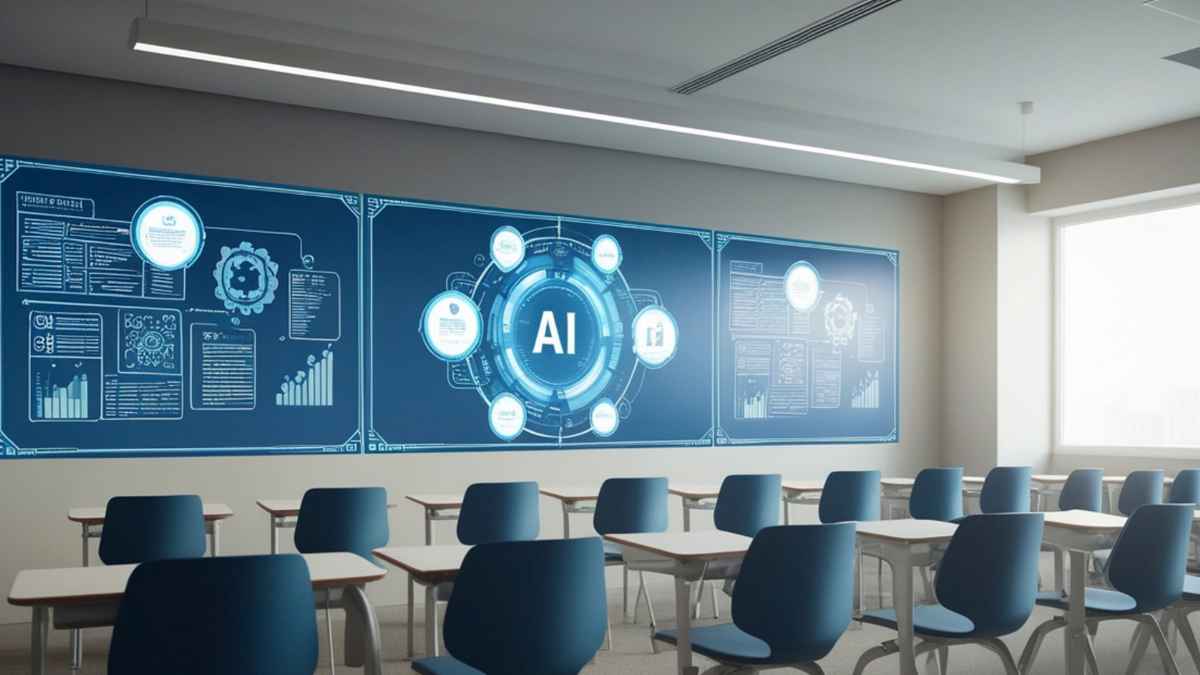

Today, BioTalent Canada and Propero Learning Systems launched AI Fundamentals for the Bio-economy, a new foundational Artificial Intelligence training course geared to small and medium-sized companies in Canada’s bio-economy. With it, Canada’s bio-economy will now have access to AI training tailored to the sector’s unique needs, and employers and their teams will have a human-centred, sector-built AI learning experience that reflects how the bio-economy actually works.
Despite growing interest in artificial intelligence, Canada continues to fall behind peer countries in AI literacy and training. Recent international research from KPMG International and the University of Melbourne found that Canada ranks near the bottom among advanced economies in AI skills development and public trust in AI systems, highlighting a significant gap between the technology’s potential and the workforce’s readiness to use it responsibly. For regulated, science-driven sectors like the bio-economy, this gap presents real risks, from misuse of tools to missed productivity gains and underscores the need for practical, sector-specific AI training.
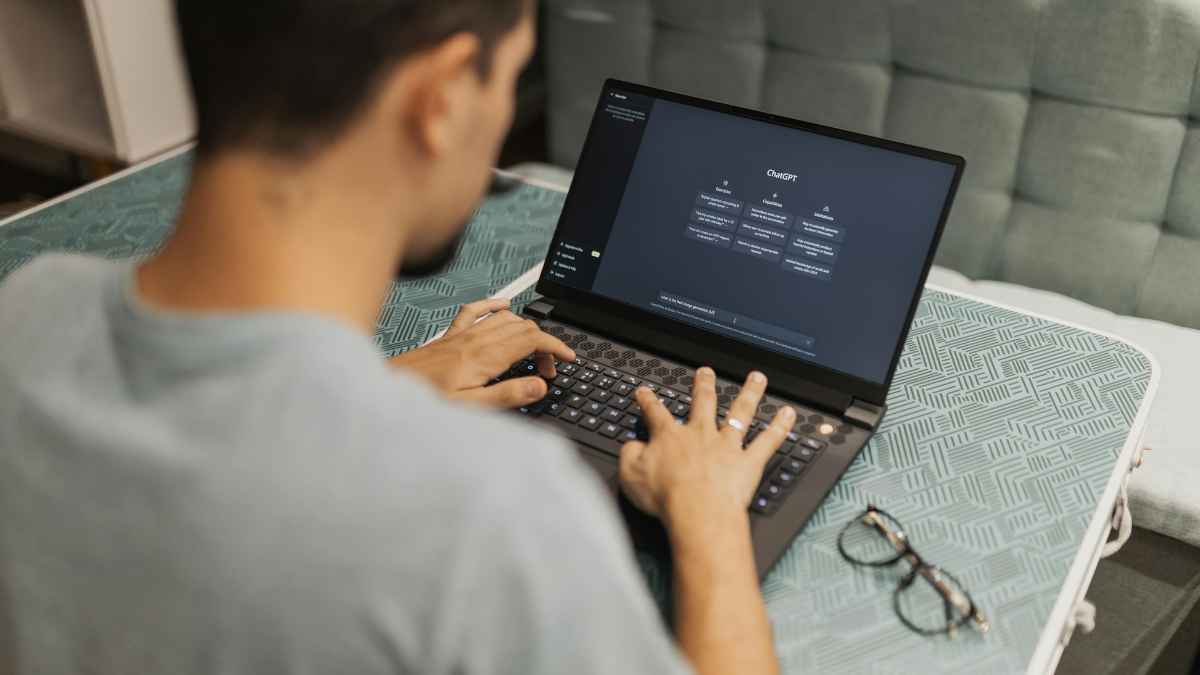
The self-paced online course helps professionals and employers across the bio‑economy build confidence using AI tools responsibly in their day-to-day work. Each module guides learners through practical exercises using tools such as ChatGPT and Perplexity, culminating in a personalized “AI in My Work” implementation guide.
“AI is changing how work gets done in every corner of the bio-economy, yet most training available is generic,” says Rob Henderson, President and CEO of BioTalent Canada. “This course was intentionally built for the bio-economy, by the bio-economy. Designed with the needs and expertise of scientists, technicians, legal and business professionals in mind, it focuses on responsible, practical use of AI that supports good science and sound decision making rather than replacing it.”
BioTalent Canada partnered with Propero Learning Systems Inc. to ensure the training was grounded in how work actually happens across Canada’s bio-economy. Propero brings deep experience designing competency-based learning for regulated, science-driven sectors, with a focus on practical application, responsible use and employer relevance. This partnership ensured the course goes beyond generic AI concepts to deliver training that reflects real workflows, real constraints and real decision-making environments faced by bio-economy professionals.
The course tackles barriers to AI adoption in the sector, including data privacy, intellectual property protection, accuracy in regulated environments and concerns about job displacement. Learners may explore how to use AI safely by incorporating human review and clear guardrails, so that AI becomes an assistant rather than an unchecked automation tool.
“Bio-economy professionals told us clearly: they want AI to sharpen their expertise, not sideline it. They asked for training grounded in real workflows; built around the regulated environments they work in every day. AI Fundamentals for the Bio-economy was designed from their insights, with sector-specific case studies and hands-on practice that learners can apply immediately,” says Scott MacDonald, Partner, Propero Learning Systems Inc.
Unlike one-time training that quickly becomes outdated, BioTalent Canada’s AI course is designed to evolve alongside the technology and the sector. New use cases, tools and examples will be added over time, and insights from learners and employers will continue to shape future modules.
A group of bio-economy leaders was brought together to review the course and provide feedback to ensure the content met the industry’s needs. Here is what one early adopter, Corinne Prince, Special Advisor for the Association for Canadian Studies and Metropolis Institute had to say: “Before taking this course, I had never used an AI tool. My first reaction was, ‘If I can do it, you can too.’ The training helped me understand what AI actually does, what it can do well, and what it cannot do. This kind of training is important for everyone because it builds confidence and helps people see where AI truly fits into their day-to-day work.”
Read Also: The Deerborne Group to Attend American Association for Cancer Research (AACR) Annual Meeting