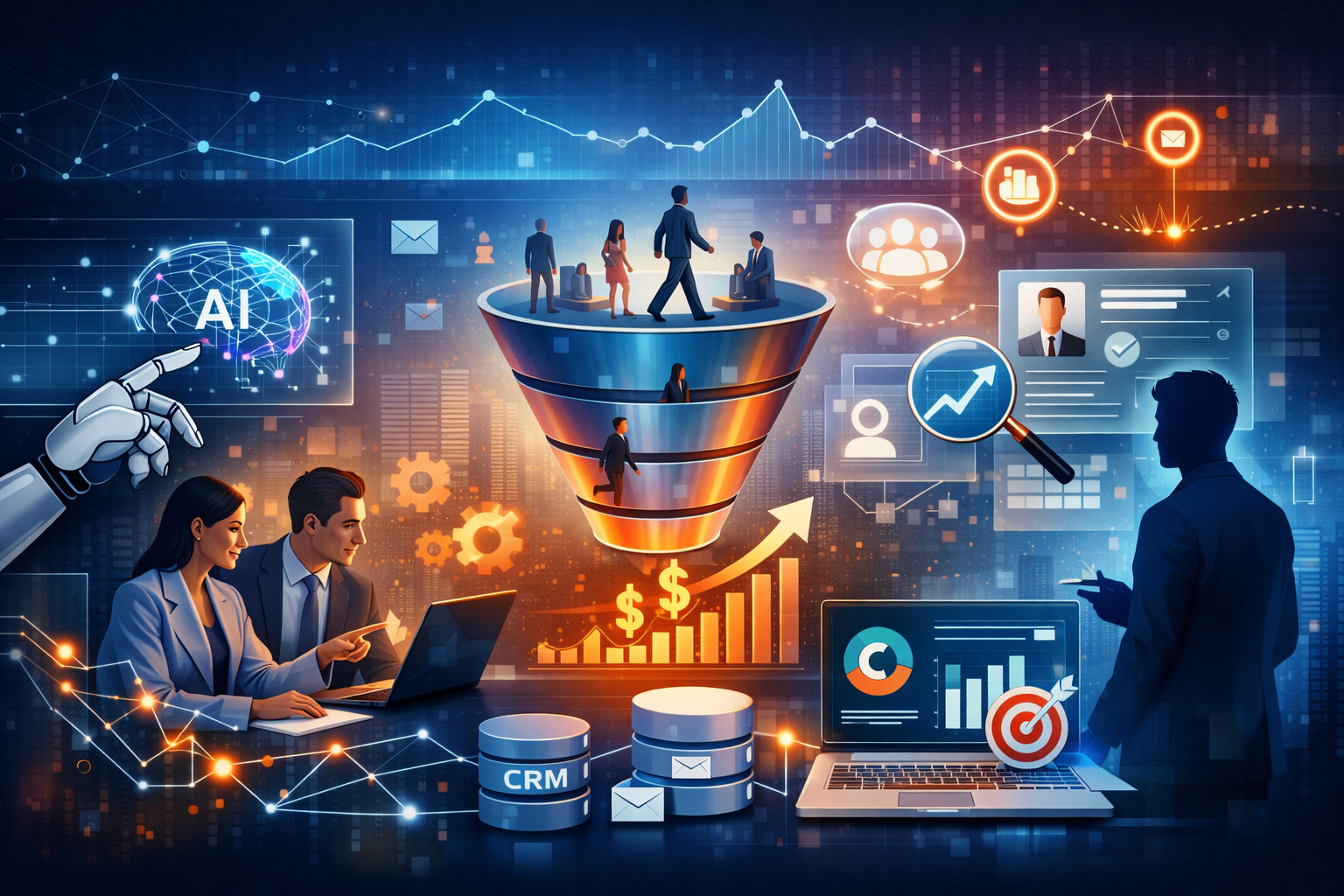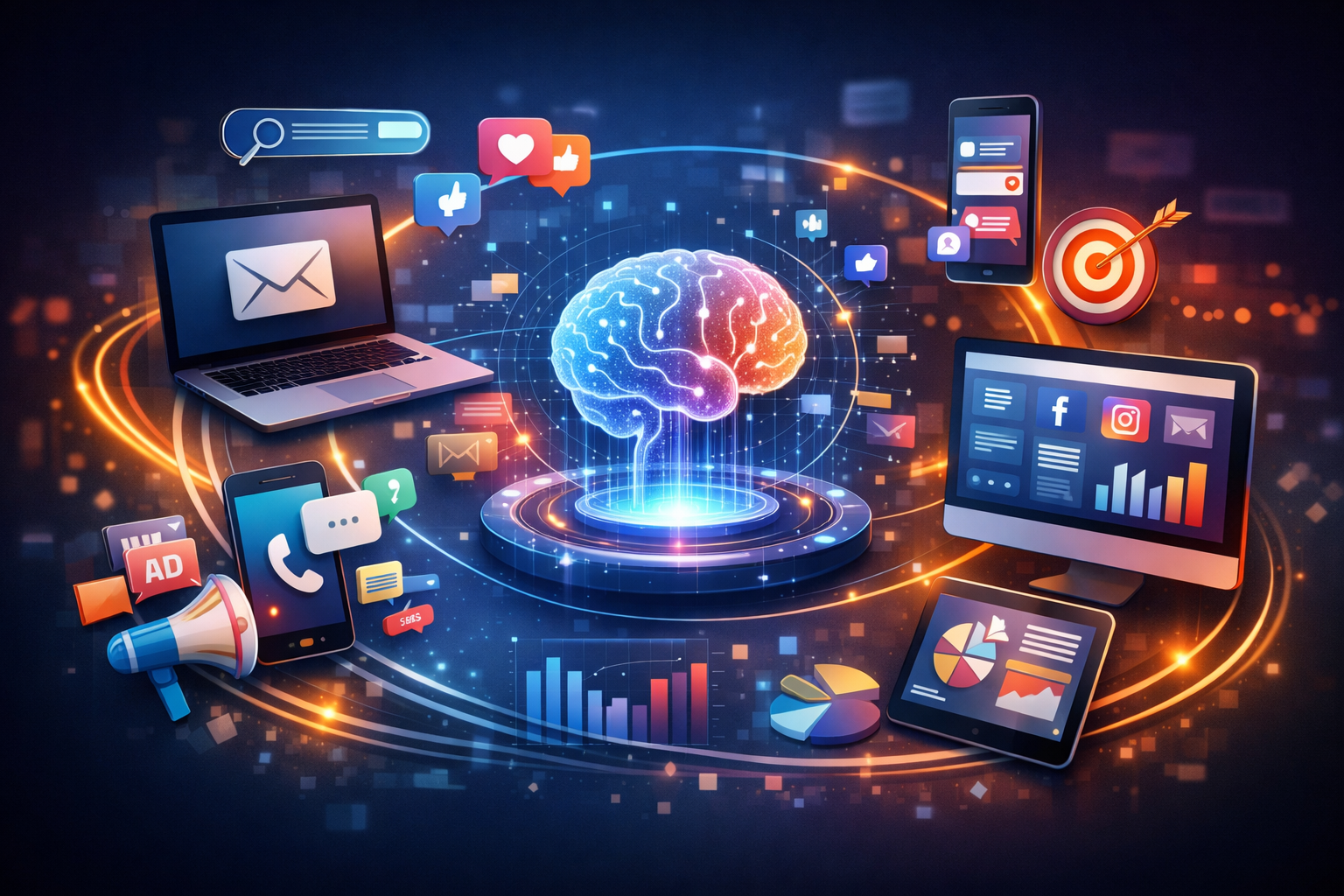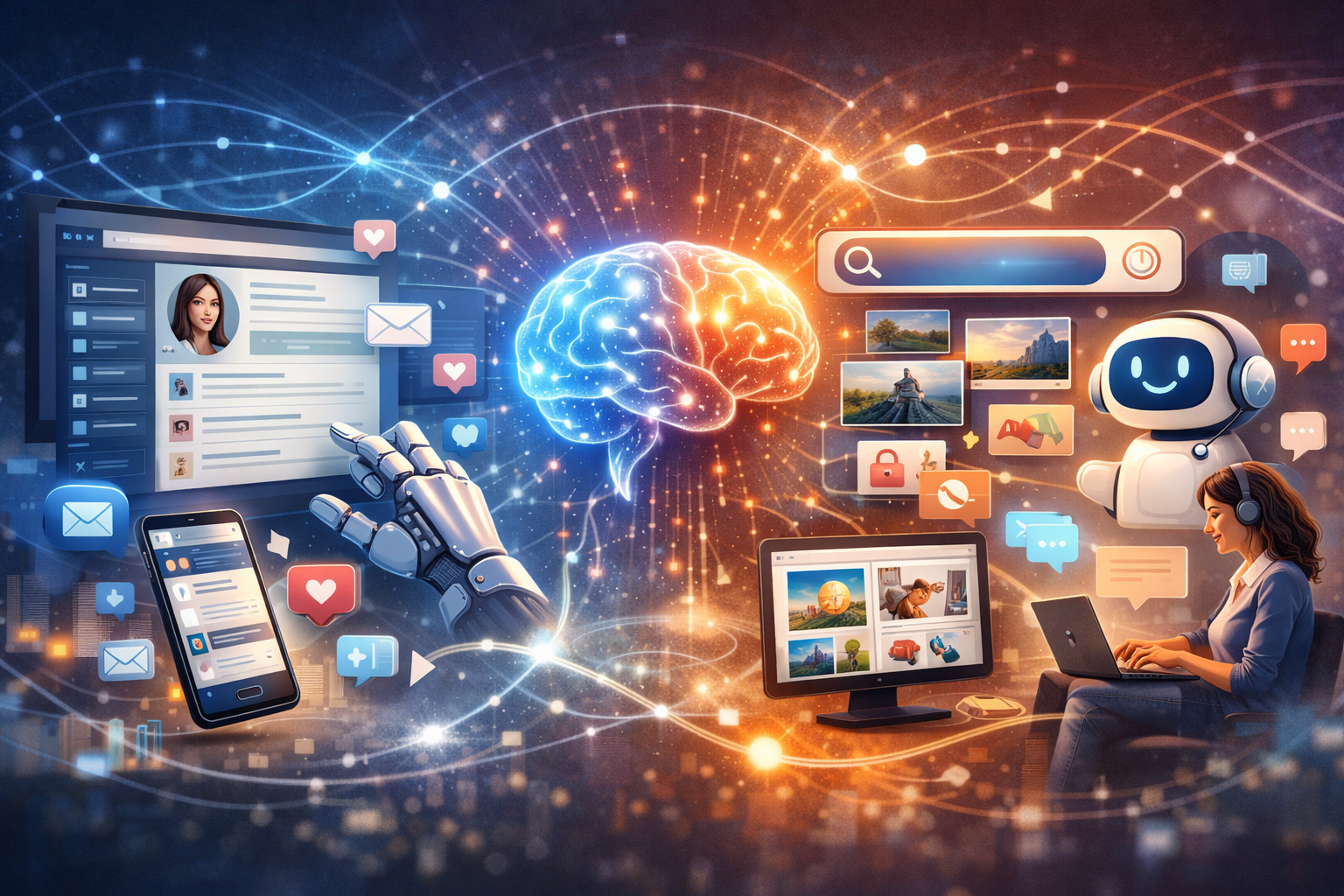

Marketing has always evolved alongside technology—but the pace today is different. With the rise of AI, machine learning, and advanced integrations, we’re entering the era of hyper-automation. For marketing teams, this isn’t just about saving time—it’s about redefining how work gets done, how decisions are made, and how customers are engaged.
What is Hyper-Automation?
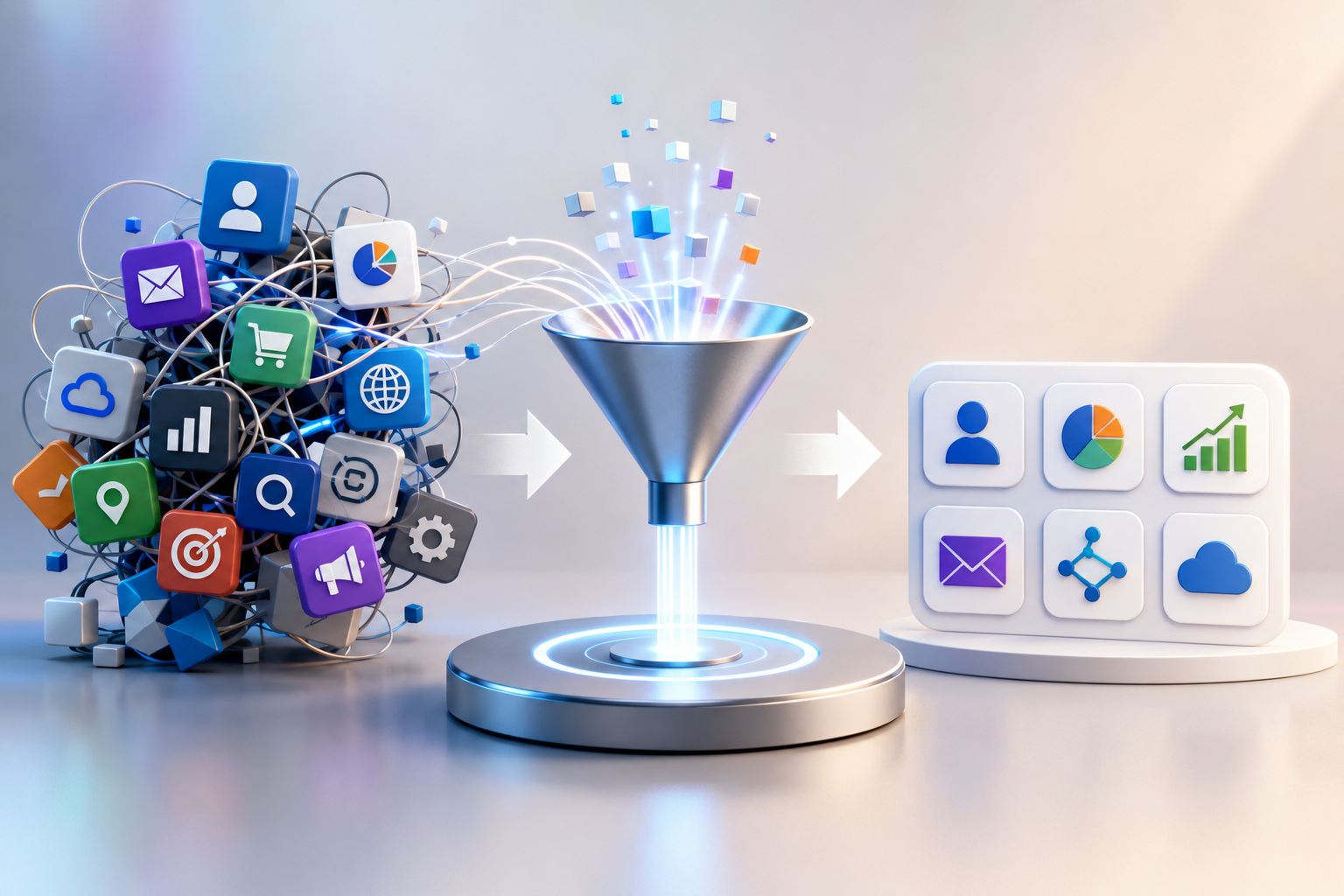
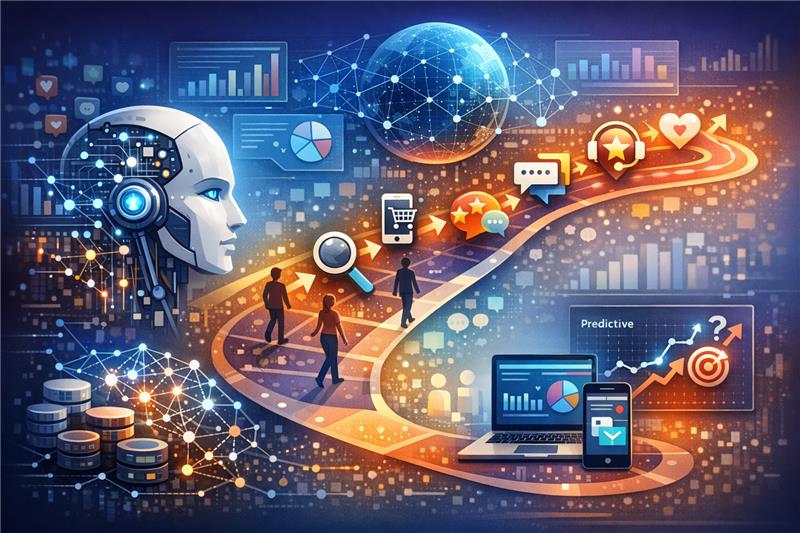
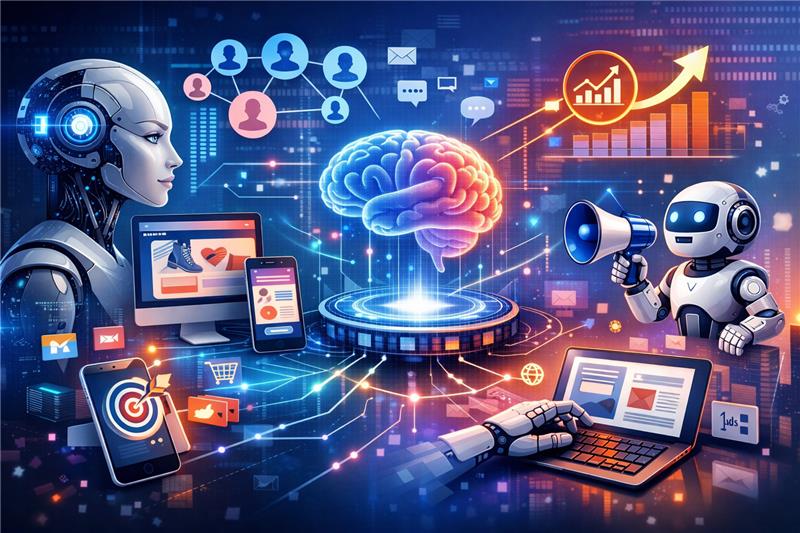
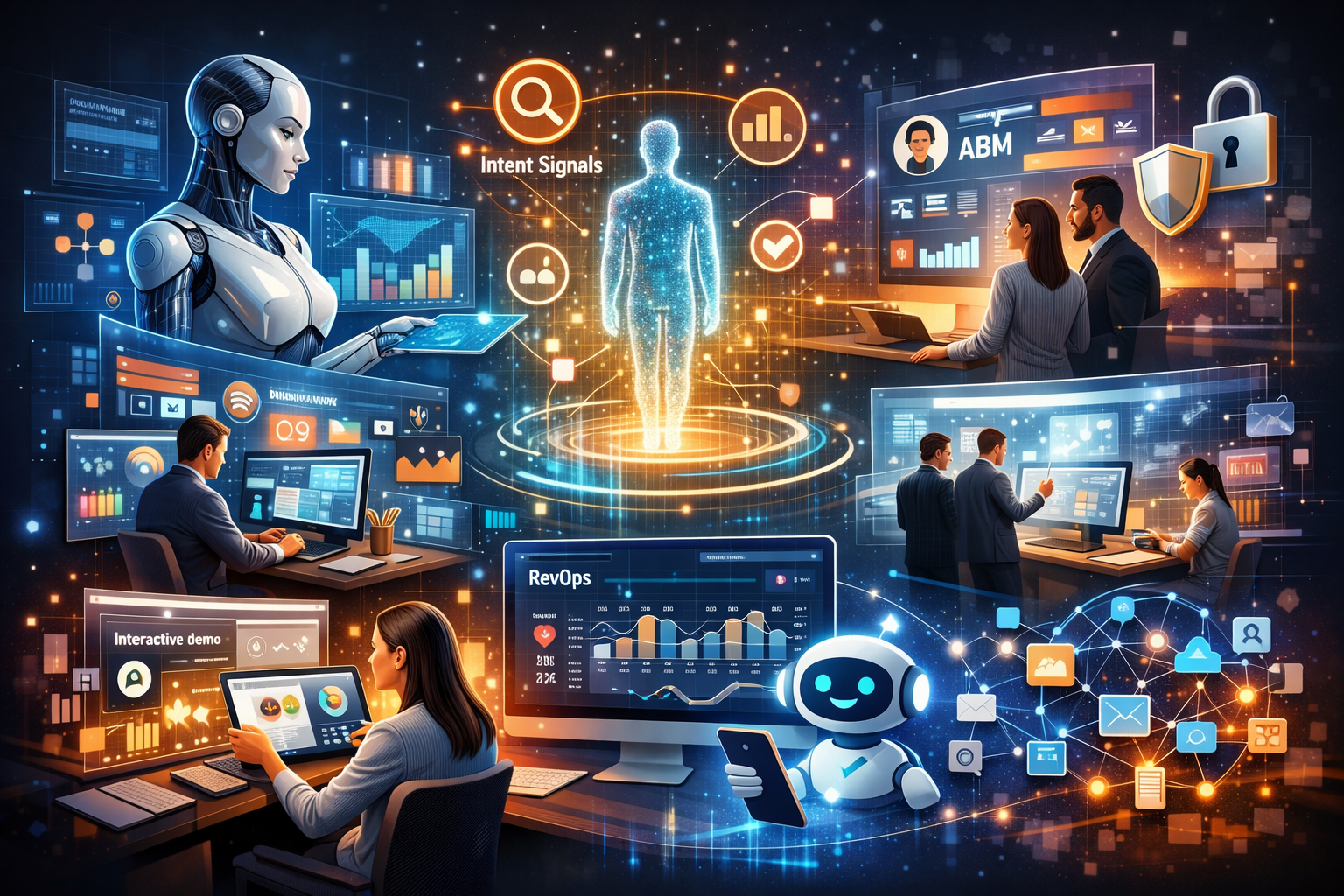
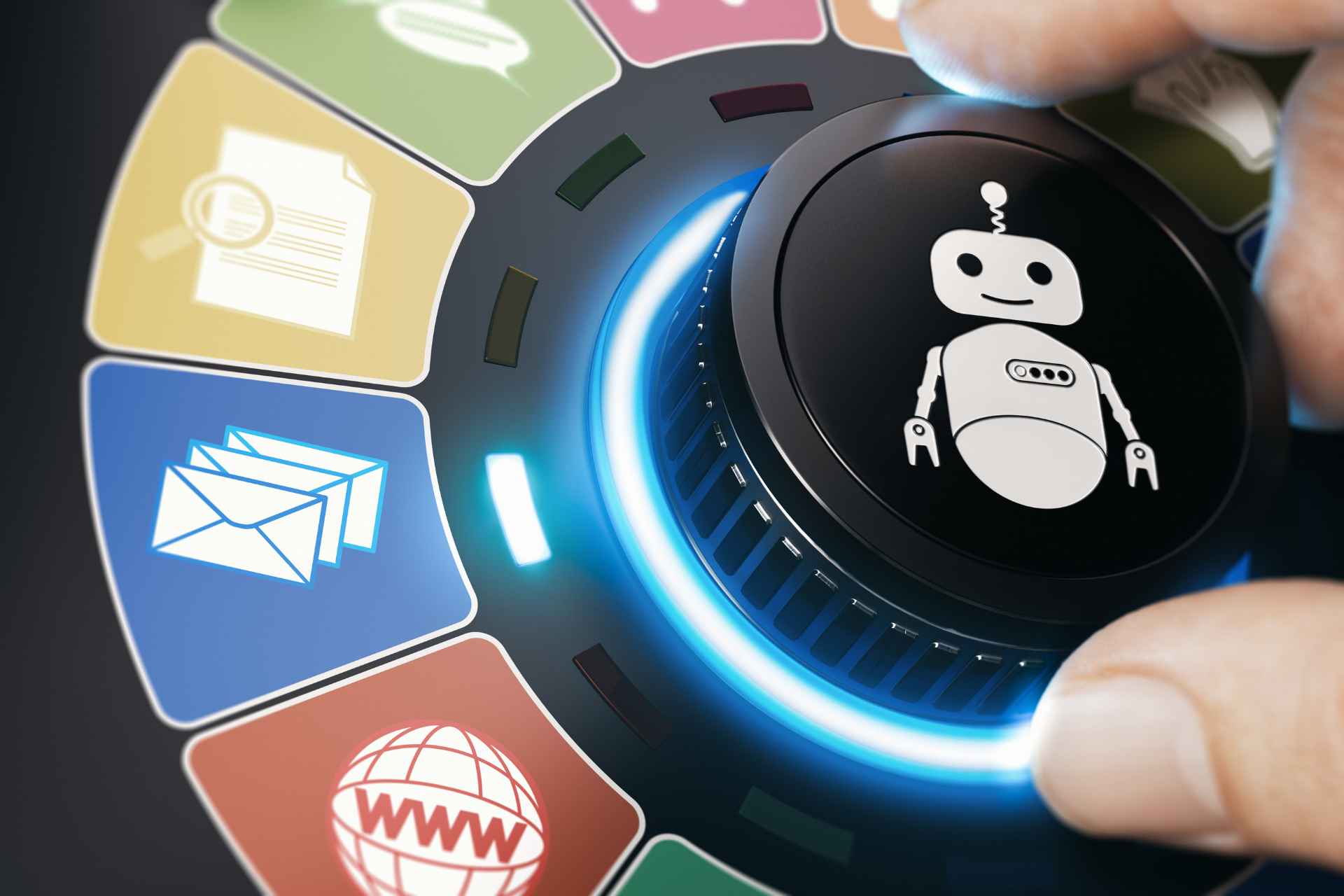
Hyper-automation goes beyond traditional automation. While basic automation focuses on repetitive tasks (like email scheduling or social media posting), hyper-automation connects multiple tools, data sources, and intelligent systems to create end-to-end automated workflows.
It combines:
- Artificial intelligence (AI)
- Machine learning (ML)
- Robotic process automation (RPA)
- Customer data platforms (CDPs)
- Advanced analytics
The goal? Automate as much of the marketing ecosystem as possible—intelligently and adaptively.
Why It Matters in Marketing
Modern marketing is complex. Teams manage multiple channels, vast datasets, and increasingly personalized customer journeys. Hyper-automation helps by:
1. Eliminating Manual Bottlenecks
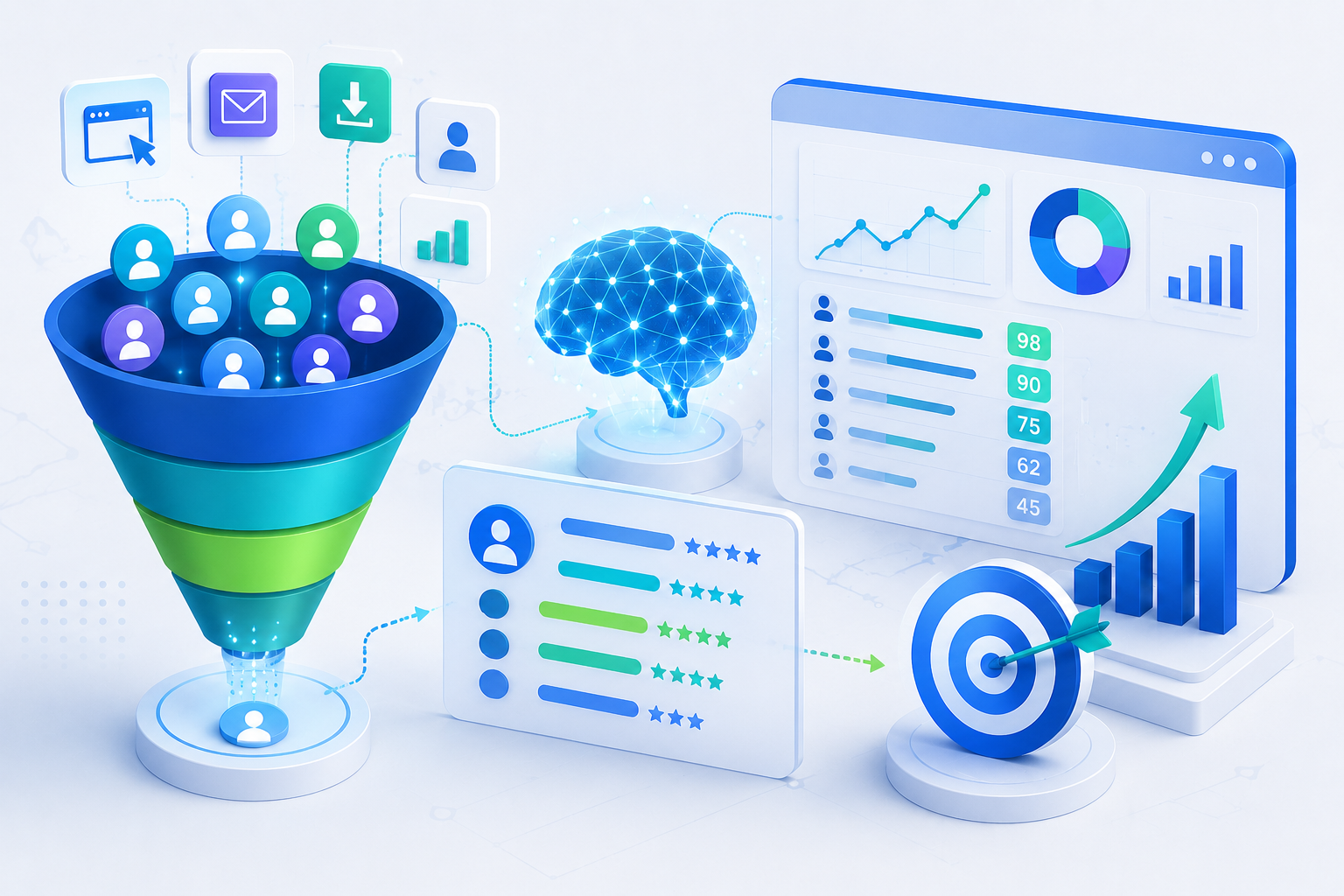
Tasks like lead scoring, campaign tracking, reporting, and segmentation can run automatically—freeing teams from repetitive work.
2. Enabling Real-Time Decision Making
Hyper-automation systems can analyze data instantly and adjust campaigns on the fly, improving performance without human delay.
3. Delivering Personalization at Scale
Instead of broad audience targeting, marketers can deliver highly personalized messages based on behavior, preferences, and intent.
4. Improving ROI
Smarter automation reduces wasted spend and improves targeting, ultimately increasing campaign effectiveness.
What It Means for Marketing Teams
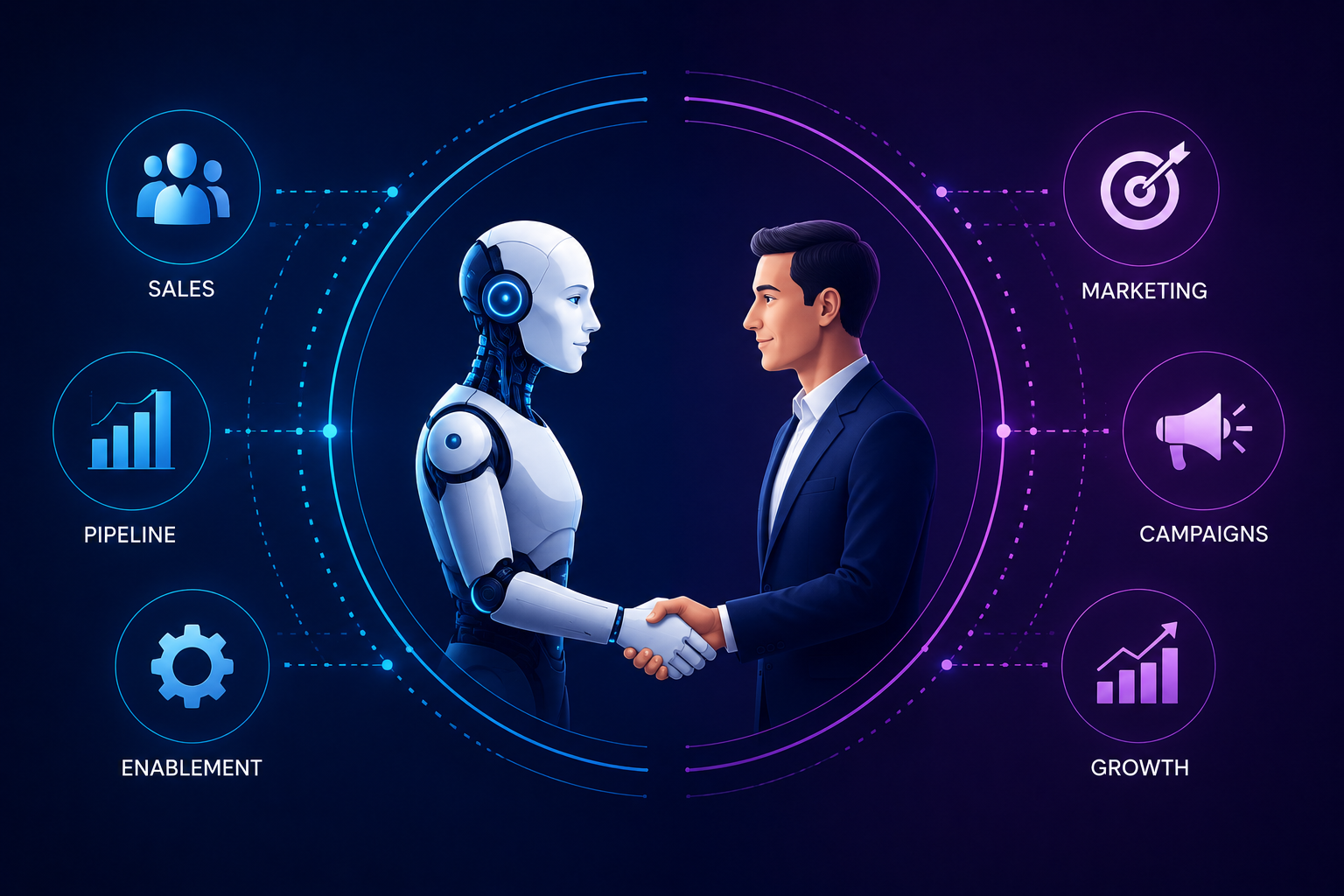
Hyper-automation doesn’t replace marketing teams—it transforms them.
1. Shift from Execution to Strategy
Marketers spend less time executing campaigns and more time:
- Designing customer journeys
- Crafting brand narratives
- Analyzing insights
2. Demand for Hybrid Skill Sets
Teams now need a mix of:
- Creative thinking
- Data literacy
- Technical understanding of tools and integrations
Marketers don’t need to be engineers, but they must understand how systems work together.
3. Collaboration Across Functions
Hyper-automation blurs the line between marketing, IT, and data teams. Success depends on tighter collaboration across departments.
4. Continuous Optimization Mindset
Campaigns are no longer “set and forget.” Teams must monitor, refine, and guide automated systems to ensure they align with business goals.
Key Use Cases of Hyper-Automation in Marketing
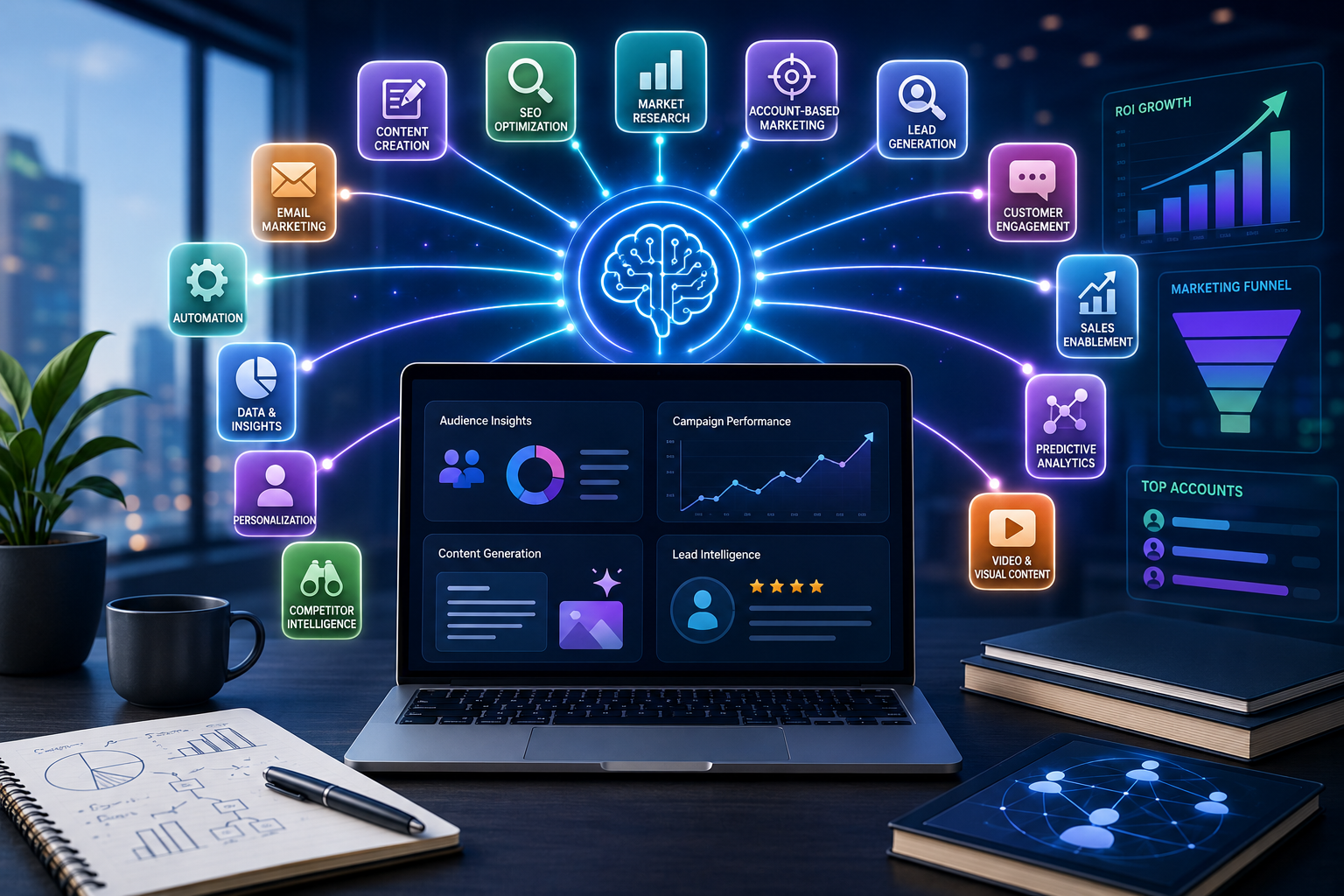
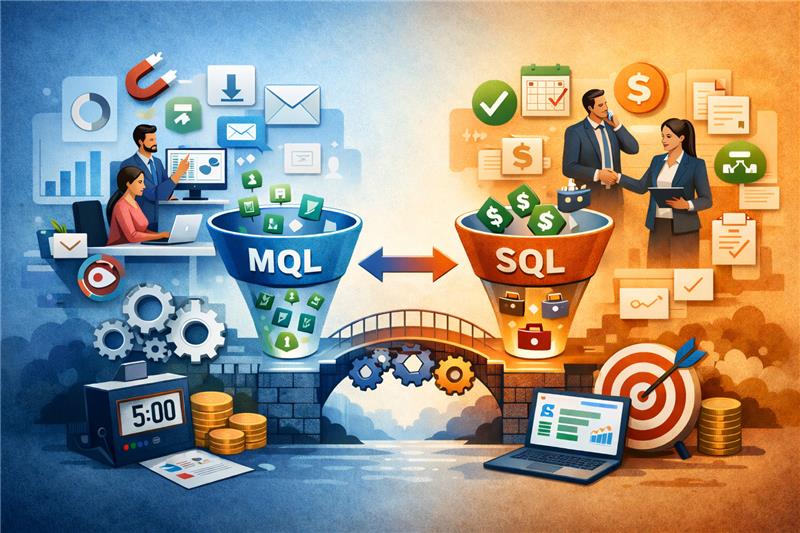
- Lead Management: Automated scoring, nurturing, and routing
- Customer Segmentation: Dynamic audience creation based on behavior
- Content Personalization: AI-driven recommendations across channels
- Campaign Optimization: Real-time budget and channel adjustments
- Reporting & Analytics: Automated dashboards with predictive insights
Challenges to Consider
While powerful, hyper-automation comes with challenges:
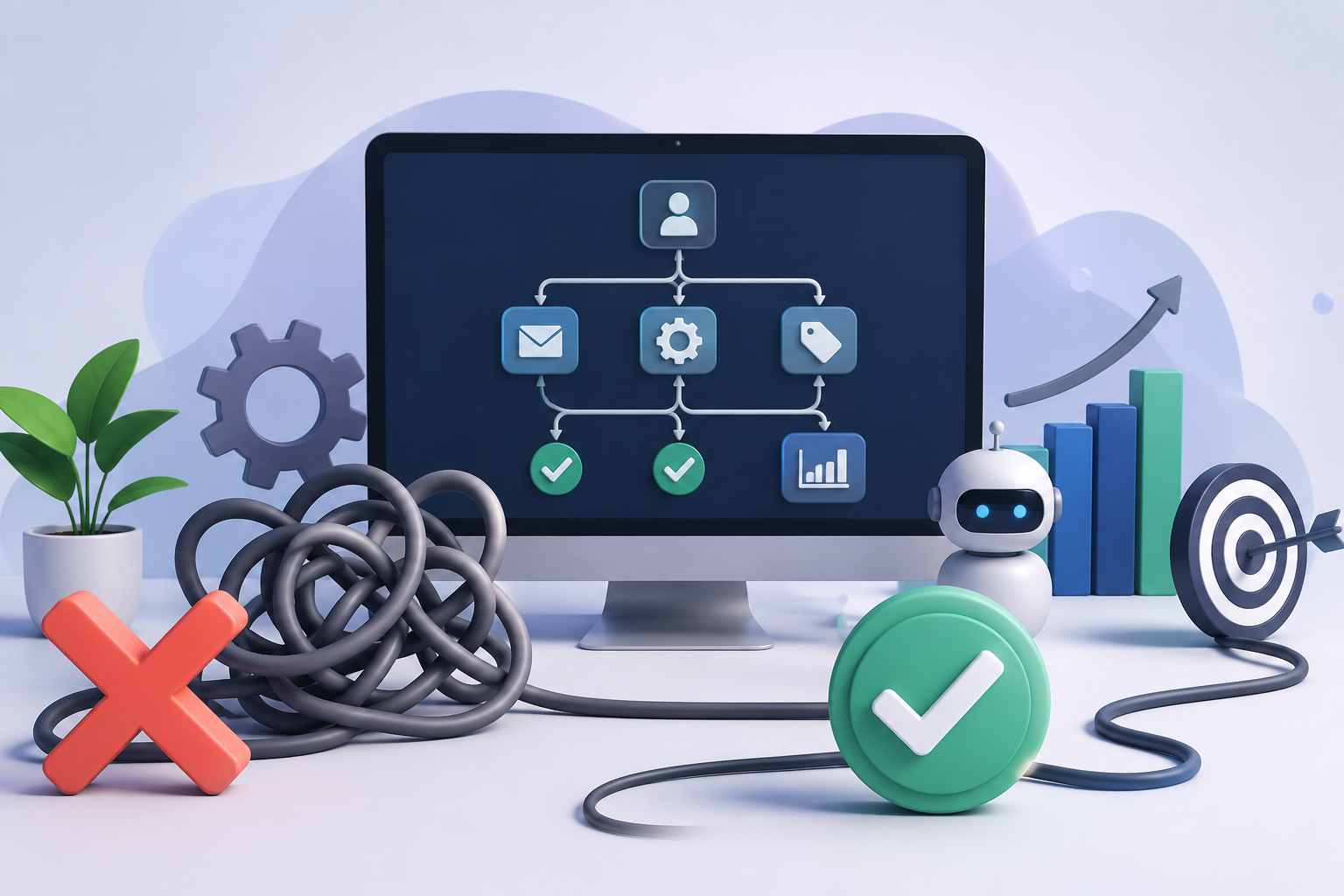
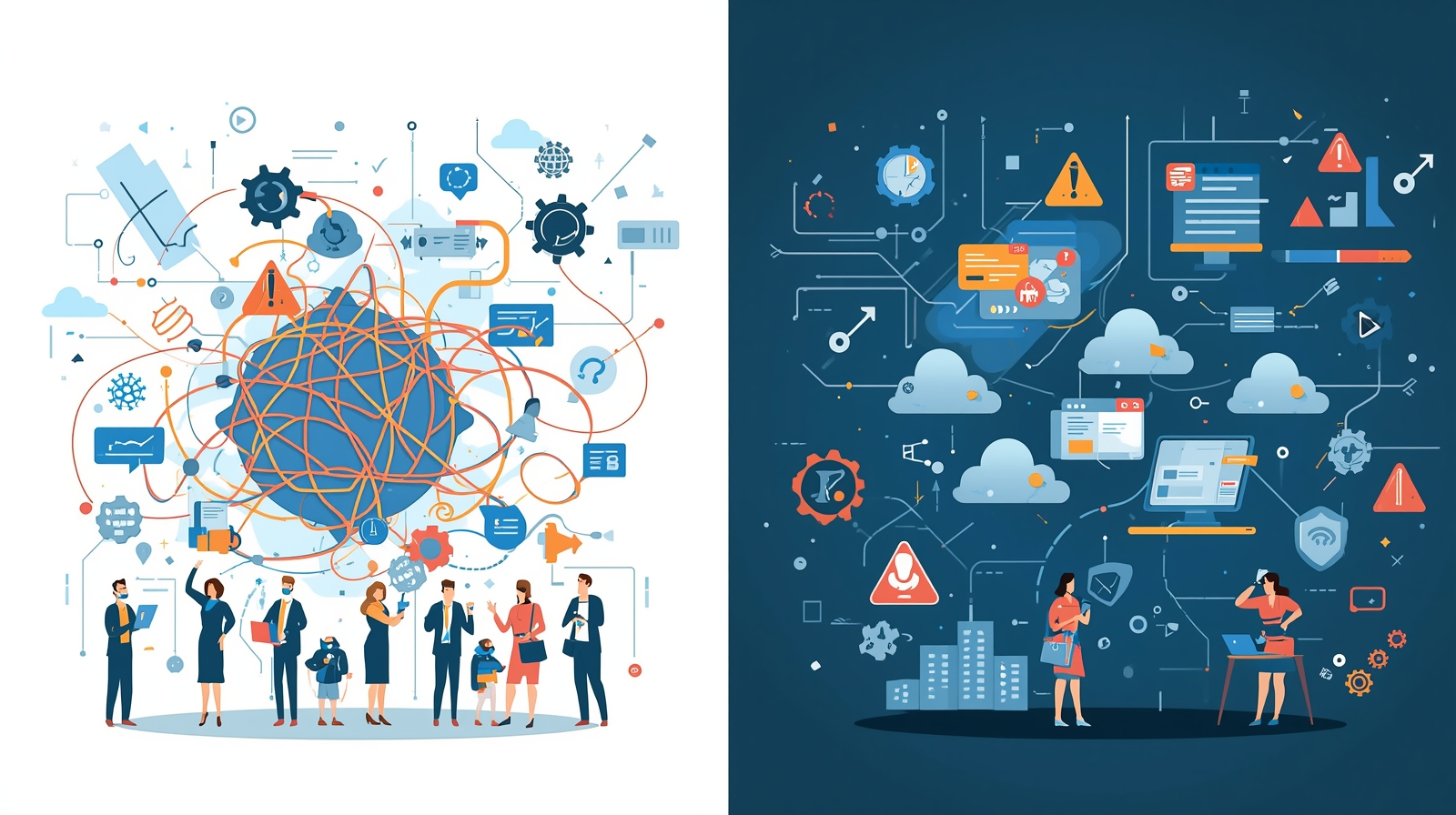
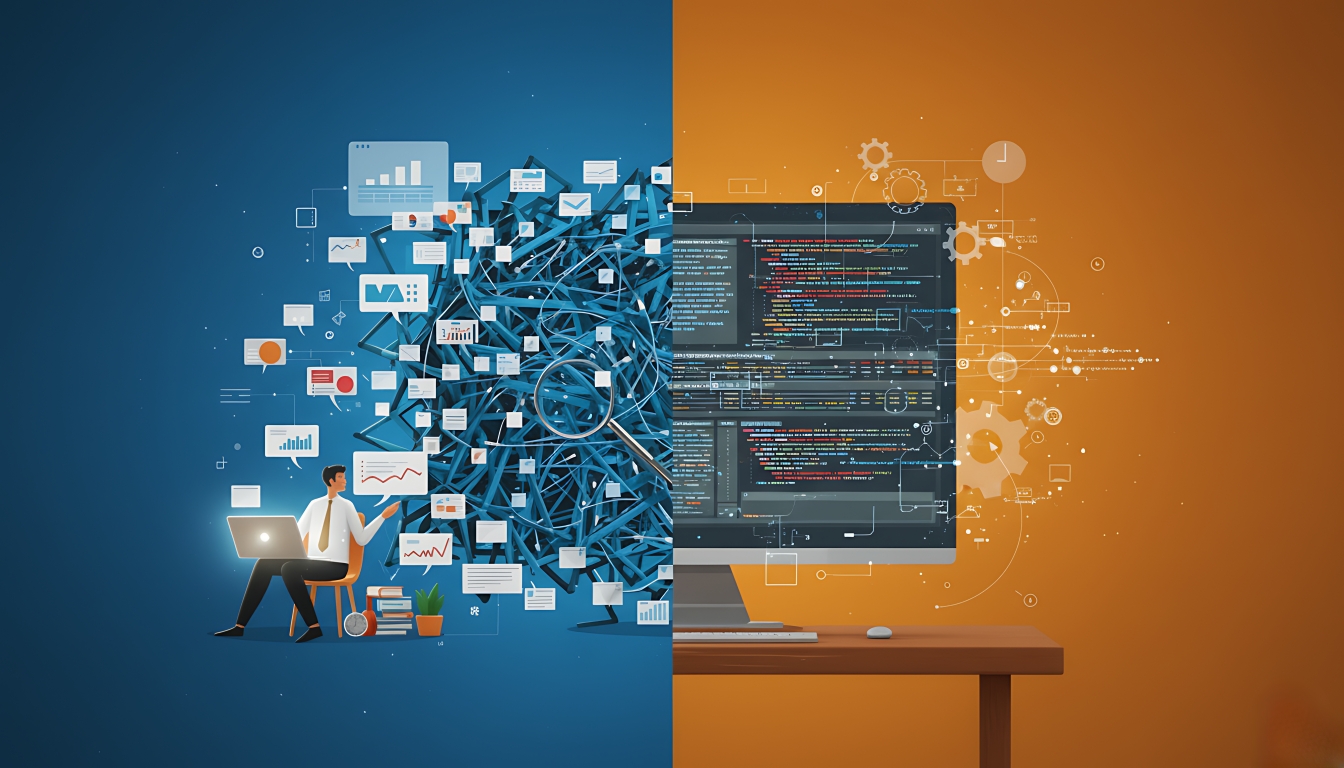
- Tool Overload: Too many platforms can create complexity instead of clarity
- Data Quality Issues: Automation is only as good as the data behind it
- Change Management: Teams may resist new workflows or fear job displacement
- Integration Gaps: Systems must communicate seamlessly for true automation
Getting Started
For teams looking to adopt hyper-automation:
- Audit Existing Processes – Identify repetitive and high-impact tasks
- Start Small – Pilot automation in one area (e.g., email campaigns)
- Invest in Integration – Ensure tools can connect and share data
- Upskill Your Team – Provide training in data and automation tools
- Measure and Iterate – Continuously refine workflows based on results
The Future of Marketing Teams
Hyper-automation is not a distant concept—it’s already reshaping marketing organizations. The most successful teams will be those that embrace it not just as a tool, but as a strategic capability.
In this new landscape, marketers become:
- Architects of customer experiences
- Interpreters of data
- Strategists guiding intelligent systems
The question is no longer whether to adopt hyper-automation—but how quickly teams can adapt to stay competitive.
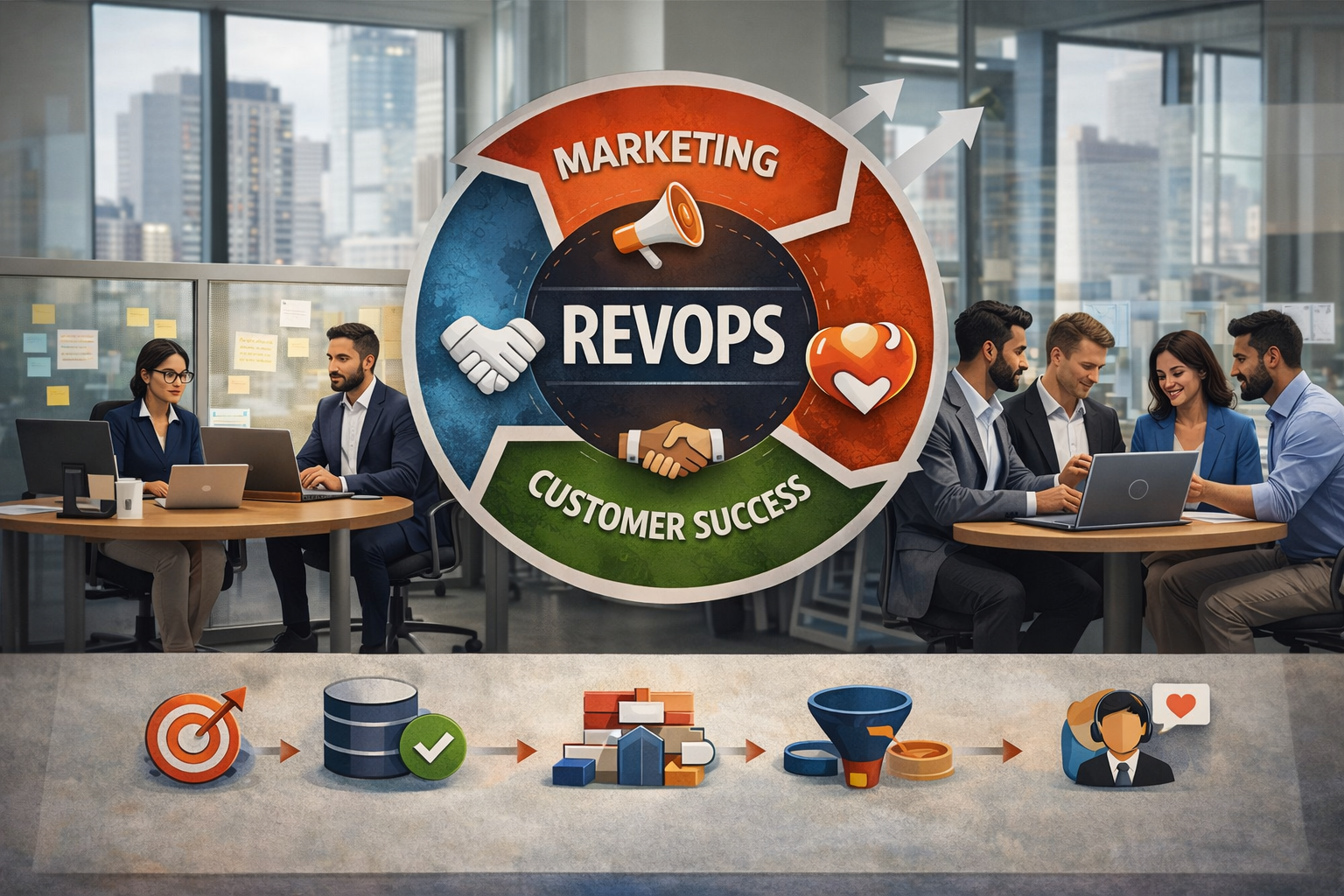
Read Also: How RevOps Is Changing Marketing and Sales Alignment