
For years, marketing technology (martech) and advertising technology (adtech) existed as two distinct pillars within the digital ecosystem. Martech focused on owned channels—email, CRM systems, marketing automation—while adtech powered paid media, programmatic advertising, and audience targeting across the open web. But today, that once-clear boundary is rapidly dissolving.
This convergence is not accidental. It is being driven by shifts in consumer behavior, data privacy regulations, and the growing need for unified customer experiences. As a result, businesses are rethinking how they approach technology, data, and marketing strategy.
Why the Lines Are Blurring
At the heart of this transformation lies data. Martech platforms traditionally relied on first-party data—information collected directly from customers through interactions like website visits, purchases, and subscriptions. Adtech, on the other hand, leaned heavily on third-party data to target users across different platforms.
With the decline of third-party cookies and stricter privacy laws, adtech is being forced to adopt strategies long used in martech. First-party data is now the most valuable currency in digital marketing. This shift is pushing both ecosystems toward a shared goal: building deeper, more direct relationships with customers.
Another factor is the demand for personalization at scale. Consumers expect seamless, relevant experiences across every touchpoint—whether they are seeing an ad, opening an email, or browsing a website. Delivering this level of consistency requires integration between systems that were once siloed.
The Rise of Unified Platforms
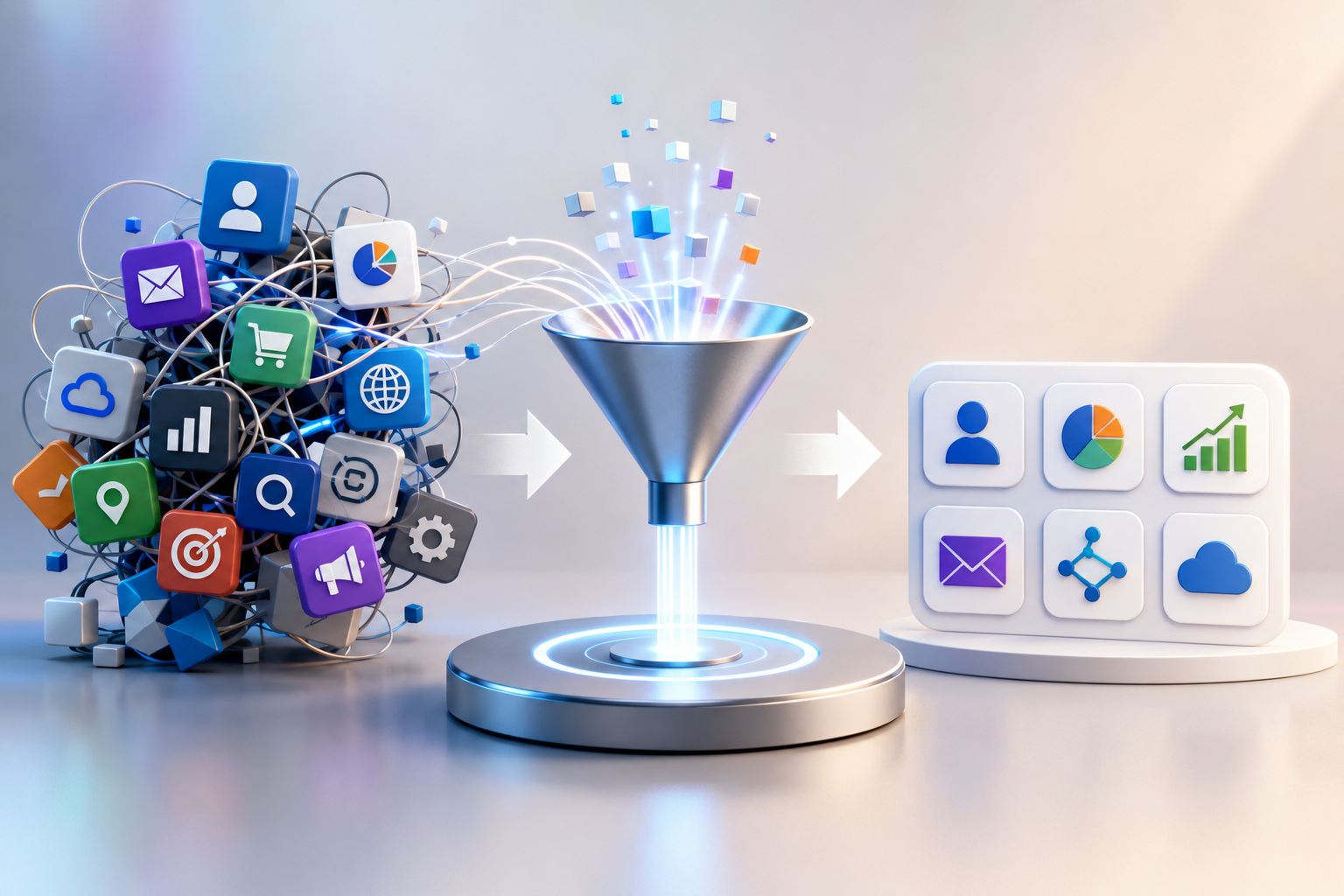
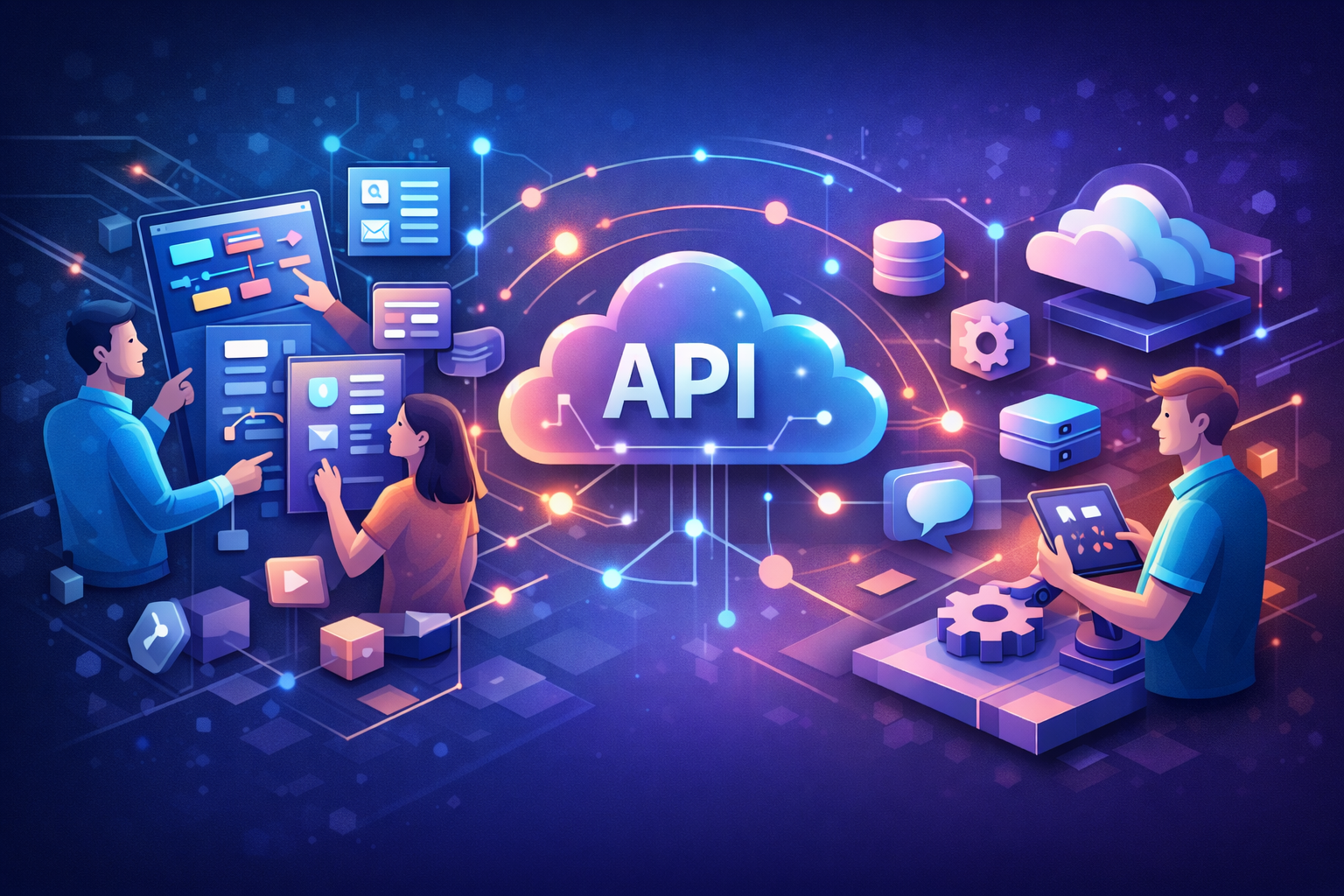
To meet these demands, we are seeing the emergence of unified platforms that combine capabilities from both martech and adtech. Customer Data Platforms (CDPs), for example, act as a central hub for collecting, organizing, and activating customer data across channels. These systems enable marketers to use the same data for both advertising campaigns and personalized customer engagement.
Similarly, major tech providers are expanding their offerings to cover the full customer journey—from acquisition to retention. This “end-to-end” approach reduces fragmentation and allows businesses to orchestrate campaigns more efficiently.
Implications for Marketers
For marketers, this convergence presents both opportunities and challenges.
On the positive side, it enables a more holistic view of the customer. Instead of managing separate datasets and tools, teams can work from a single source of truth. This leads to better targeting, improved ROI, and more meaningful customer interactions.
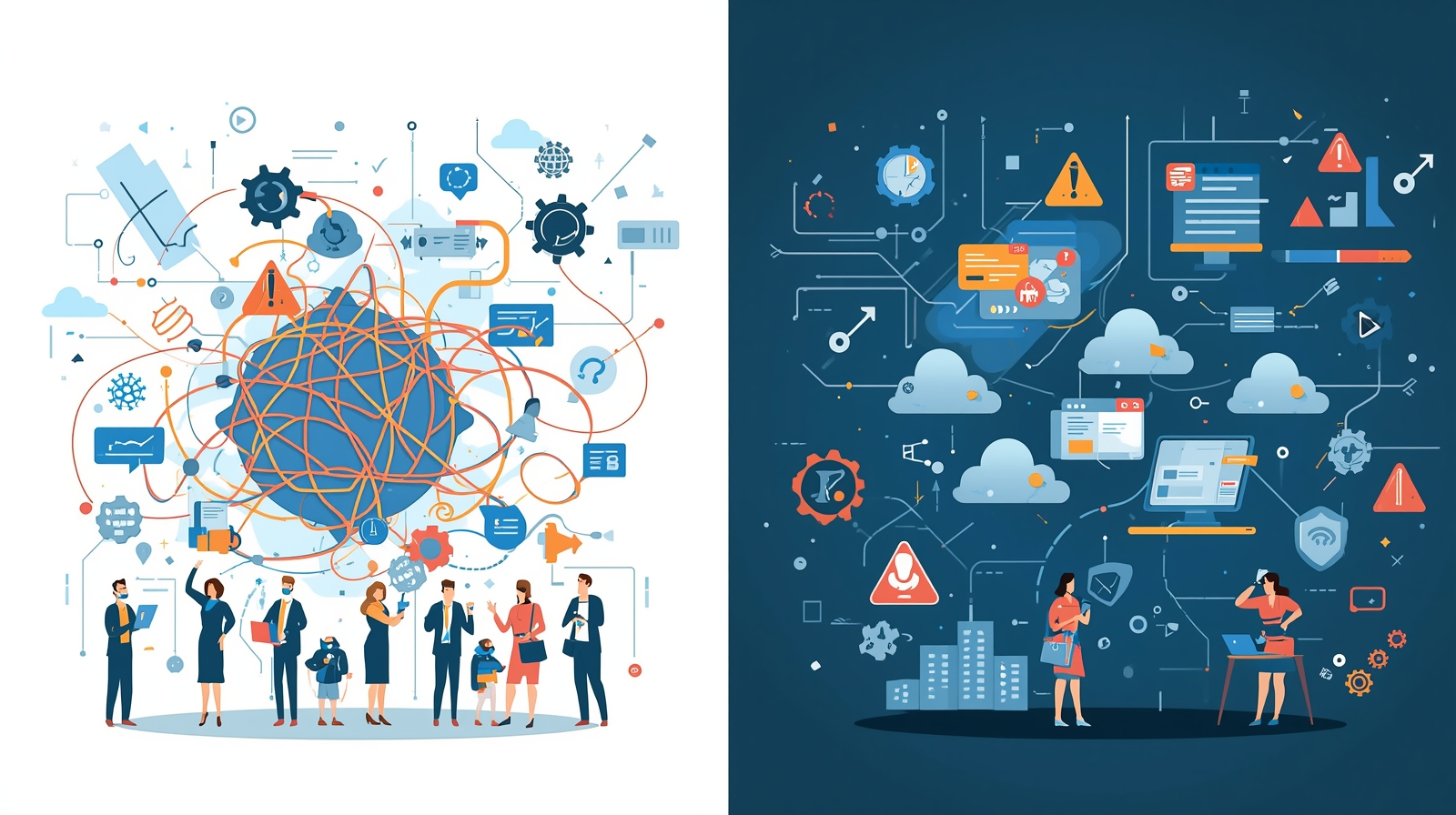
However, it also increases complexity. Integrating systems, ensuring data quality, and maintaining compliance with privacy regulations require significant investment and expertise. Organizations must also rethink their internal structures, as the traditional separation between media teams and CRM teams becomes less relevant.
The Role of Privacy and Trust
As martech and adtech merge, the importance of trust cannot be overstated. Consumers are more aware of how their data is used, and they expect transparency and control. Businesses that prioritize ethical data practices and clear communication will have a competitive advantage.
Privacy-centric approaches, such as consent management and data minimization, are becoming foundational. Rather than viewing these as constraints, forward-thinking organizations see them as opportunities to build stronger, more authentic relationships with their audiences.
What the Future Holds
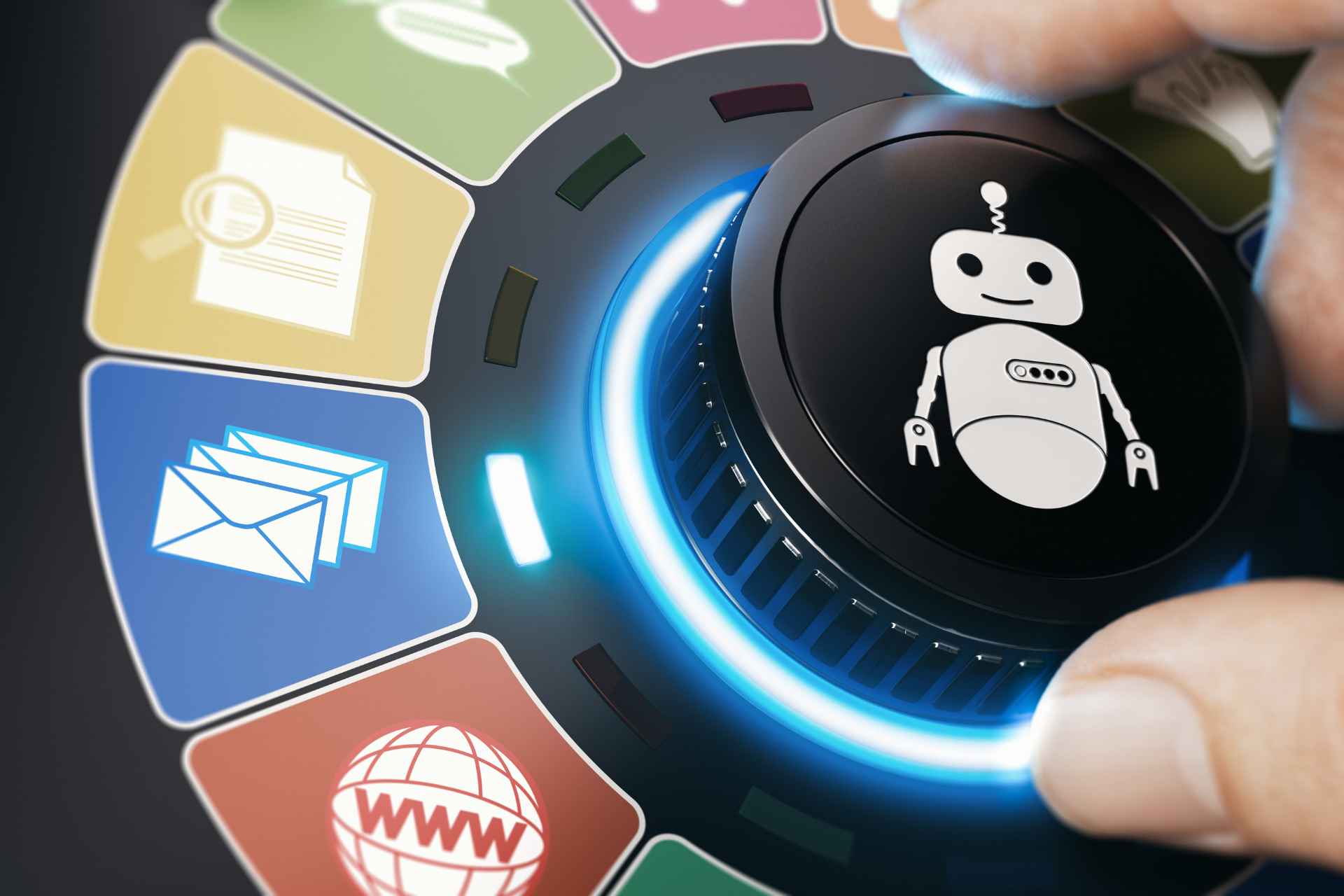
Looking ahead, the convergence of martech and adtech is likely to accelerate. Artificial intelligence and machine learning will play a key role in unifying data, automating decision-making, and delivering hyper-personalized experiences in real time.
We may eventually reach a point where the distinction between martech and adtech disappears entirely—replaced by a single, integrated ecosystem focused on customer experience.
Read Also: Real-Time Marketing: Delivering the Right Message at the Right Time