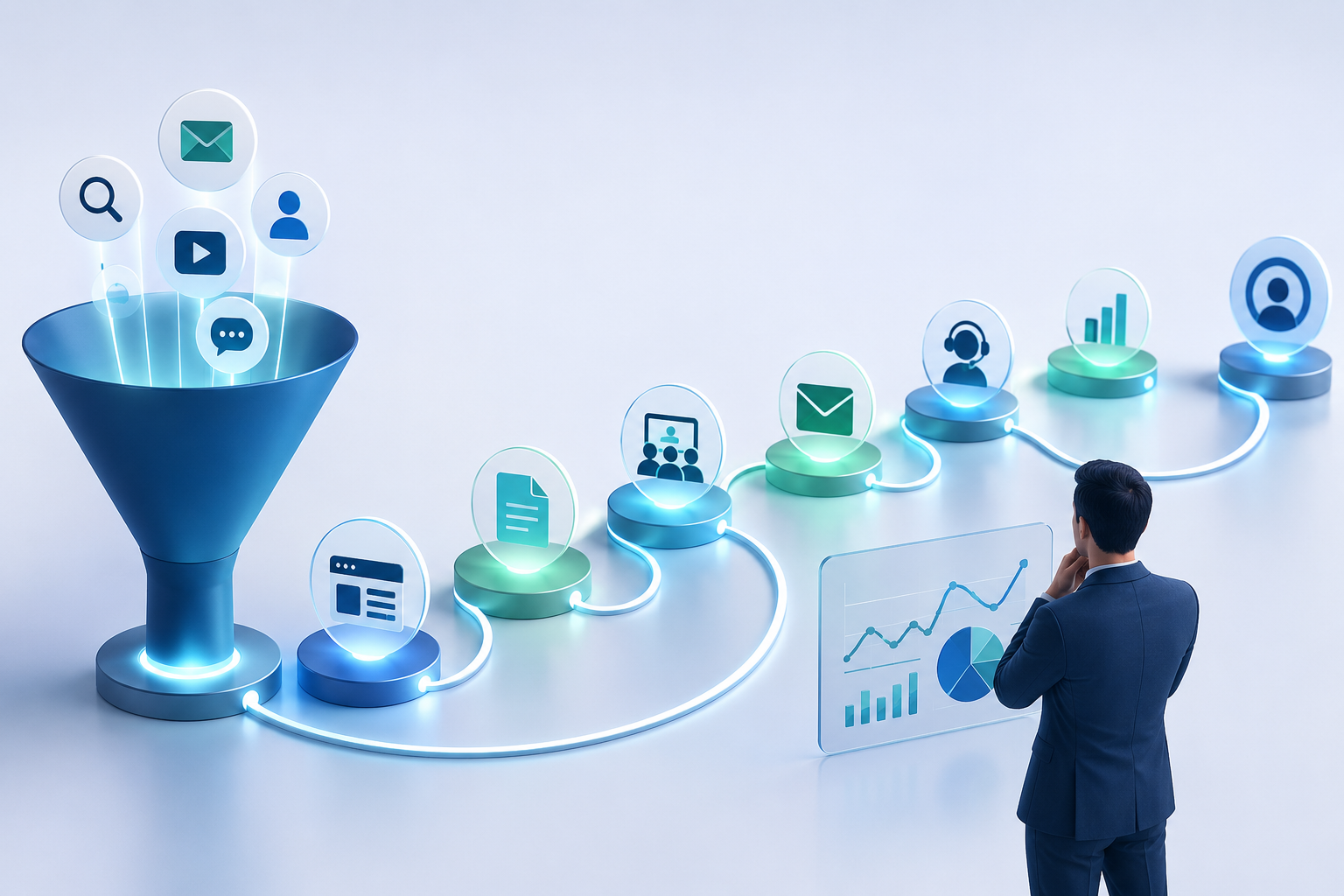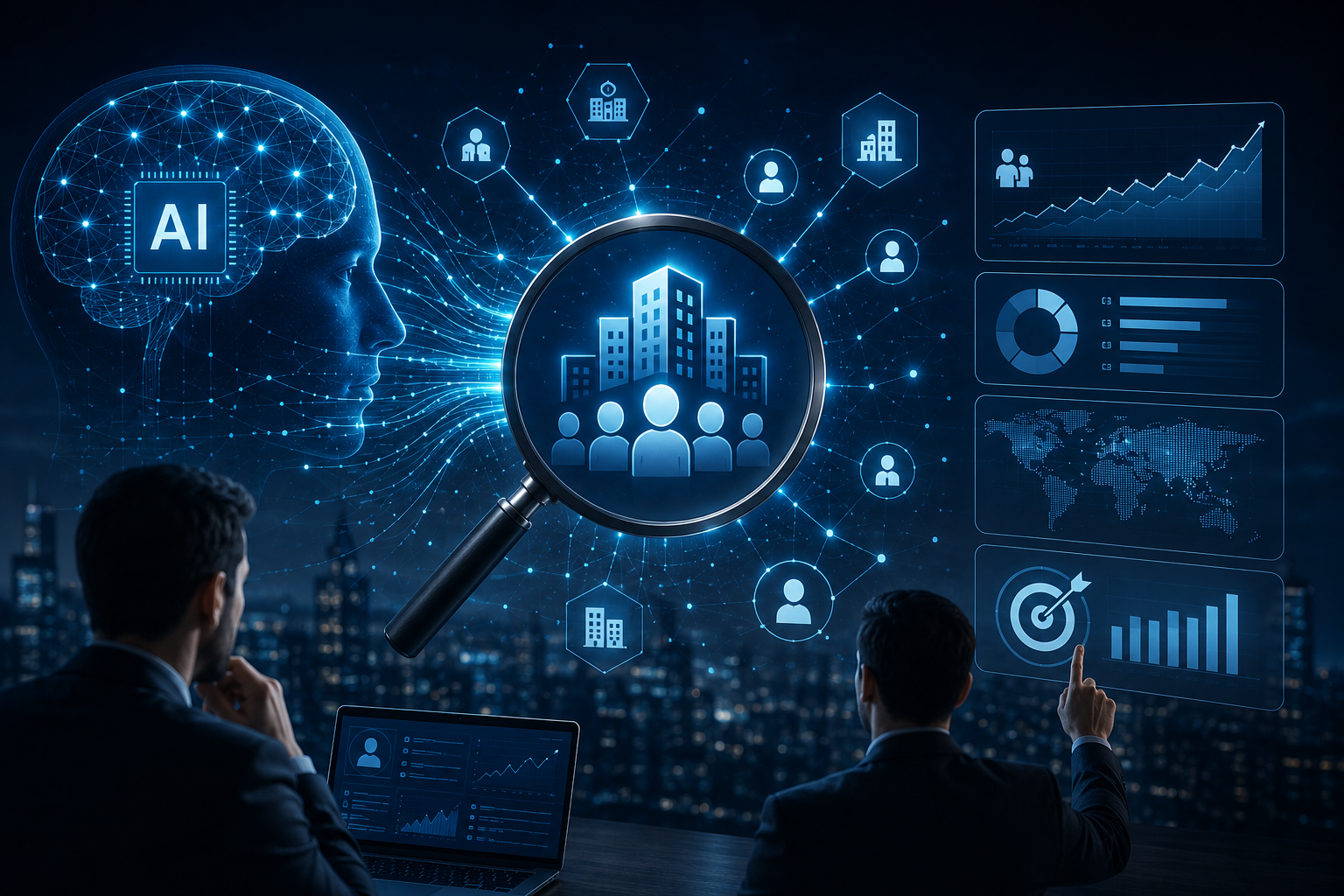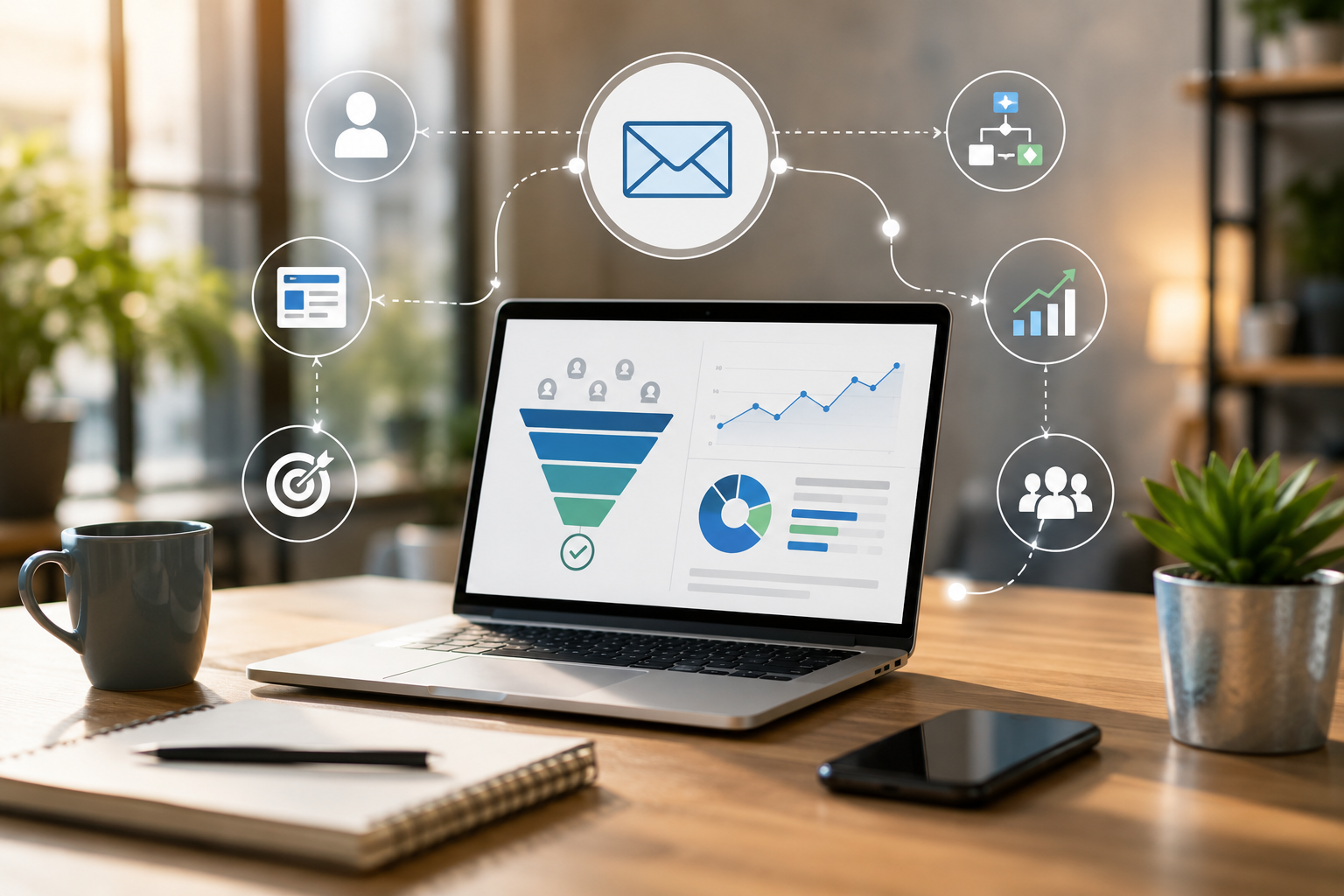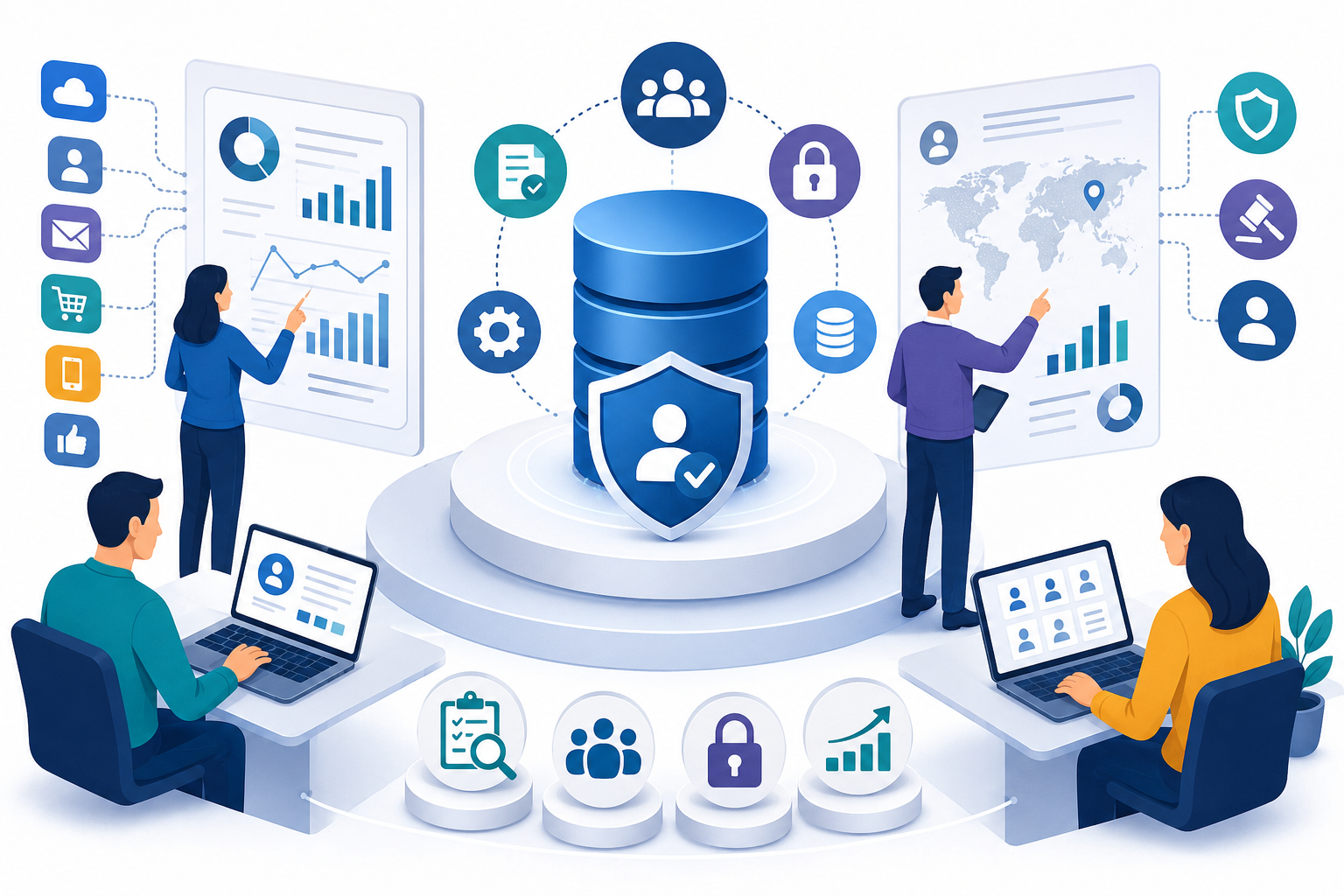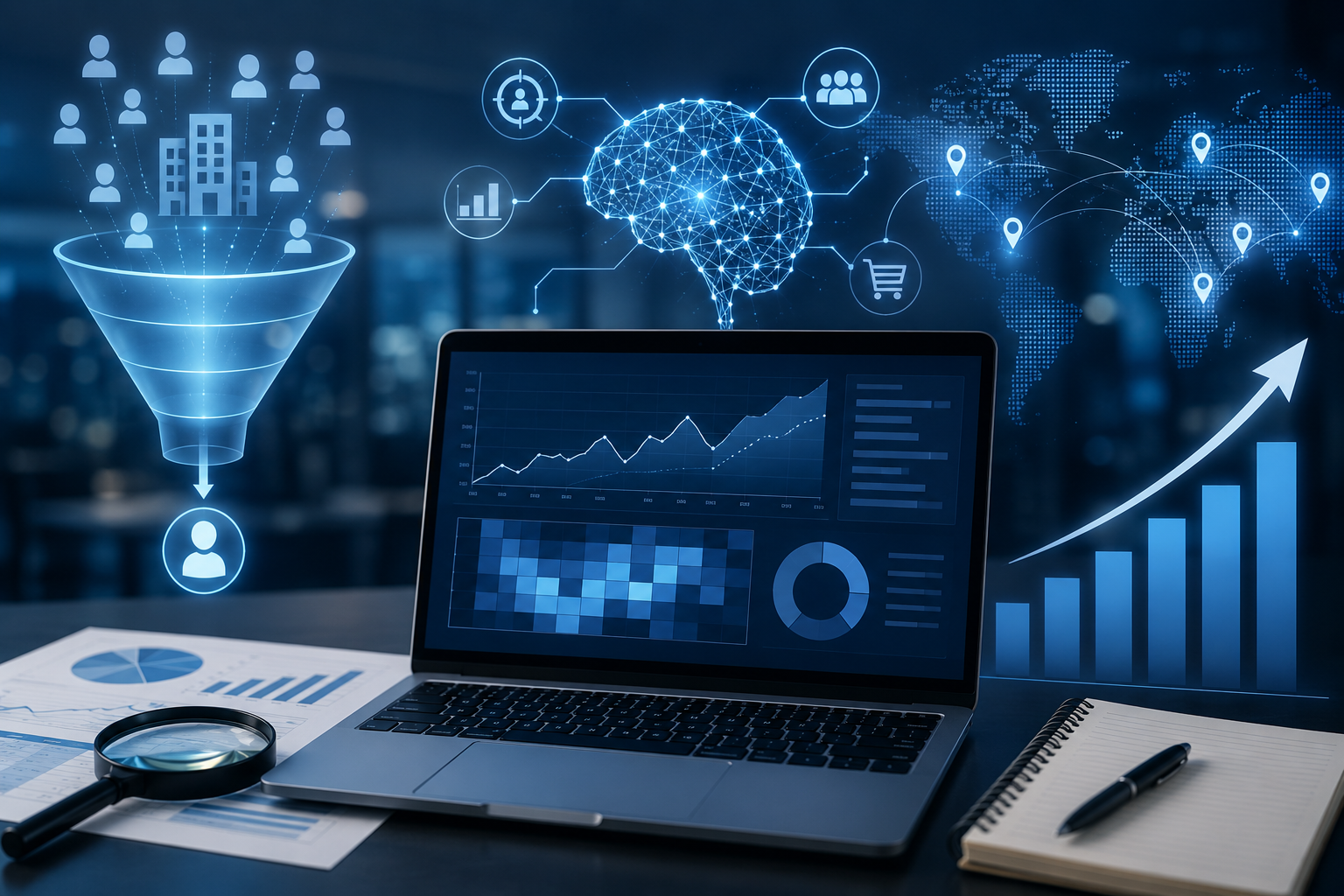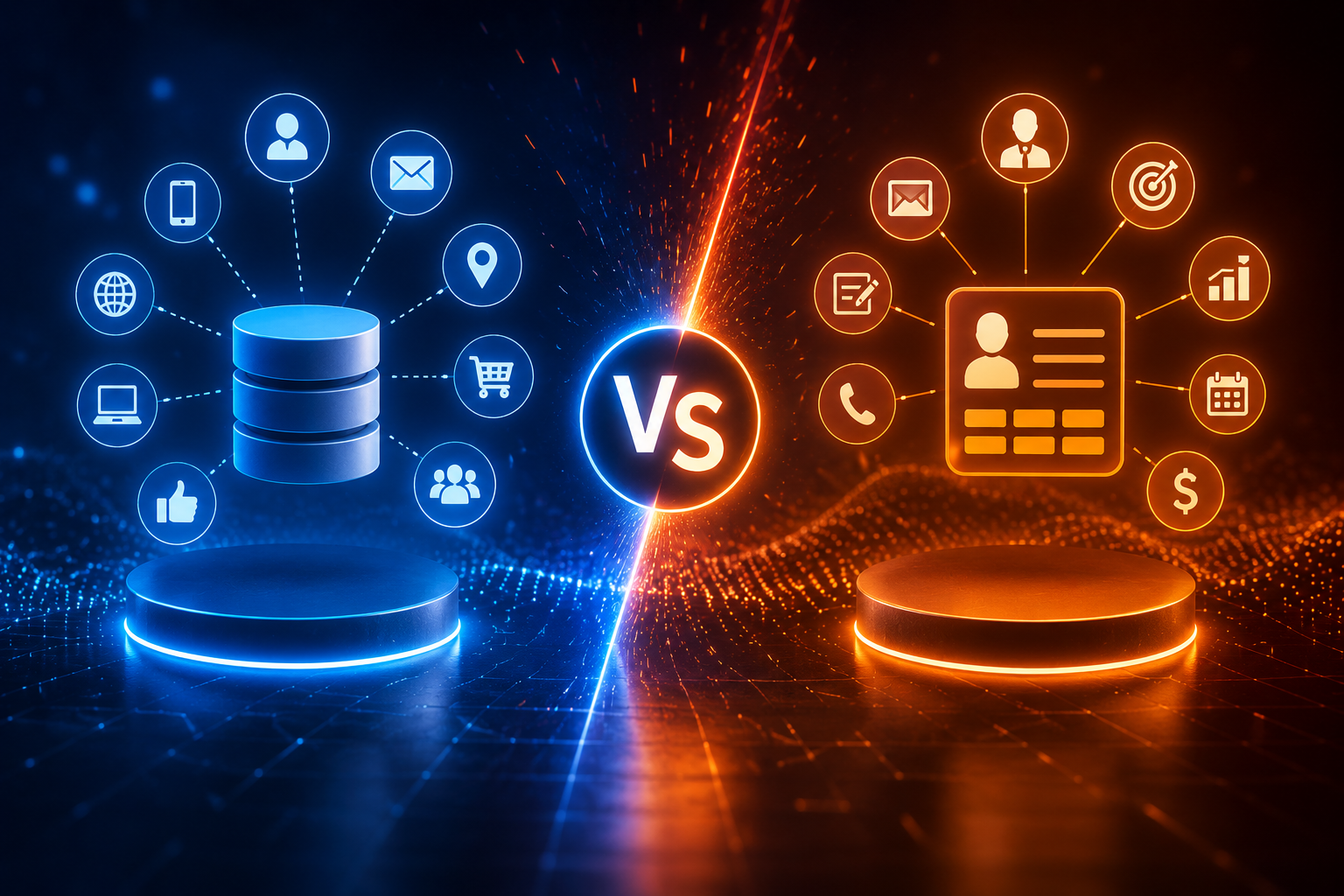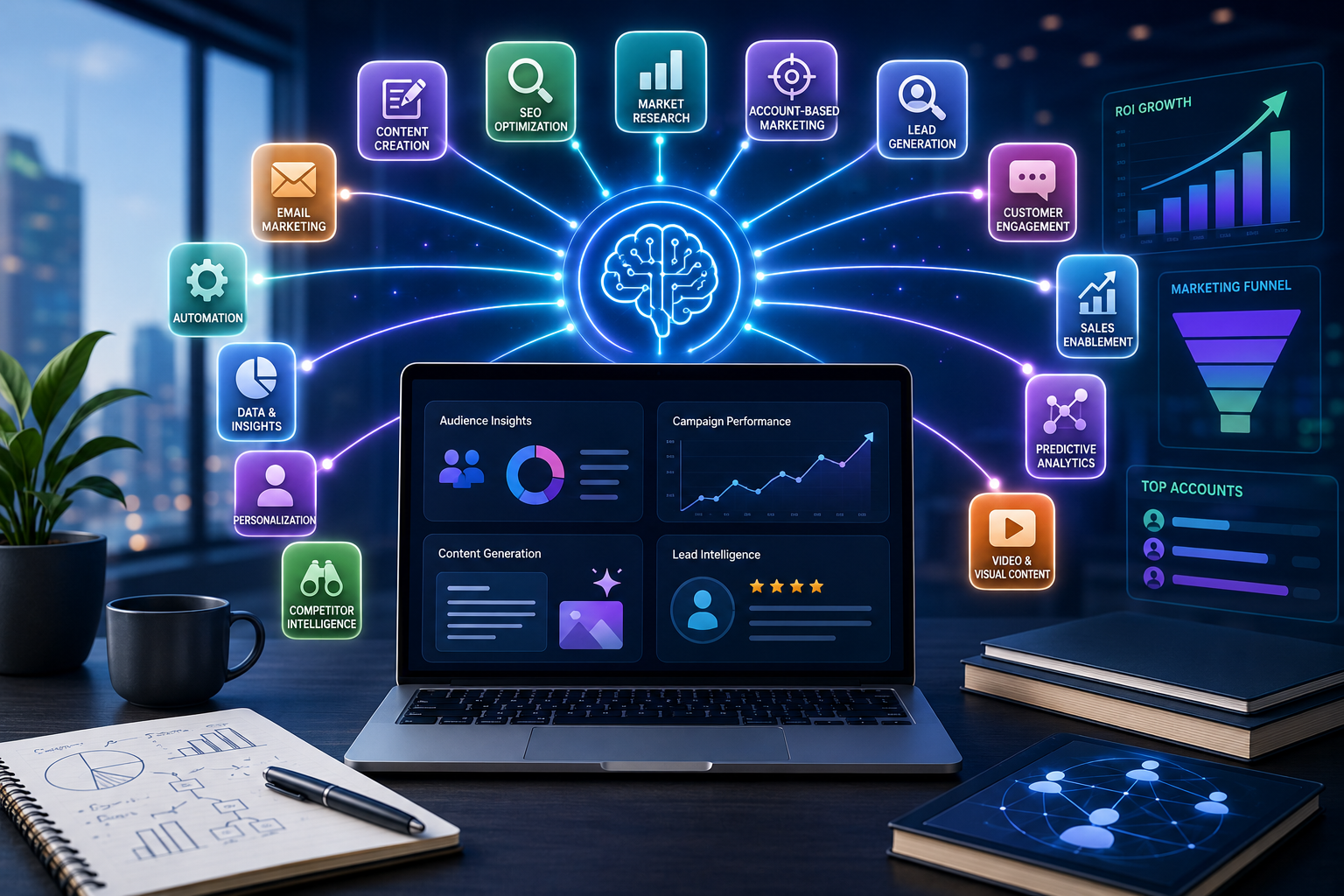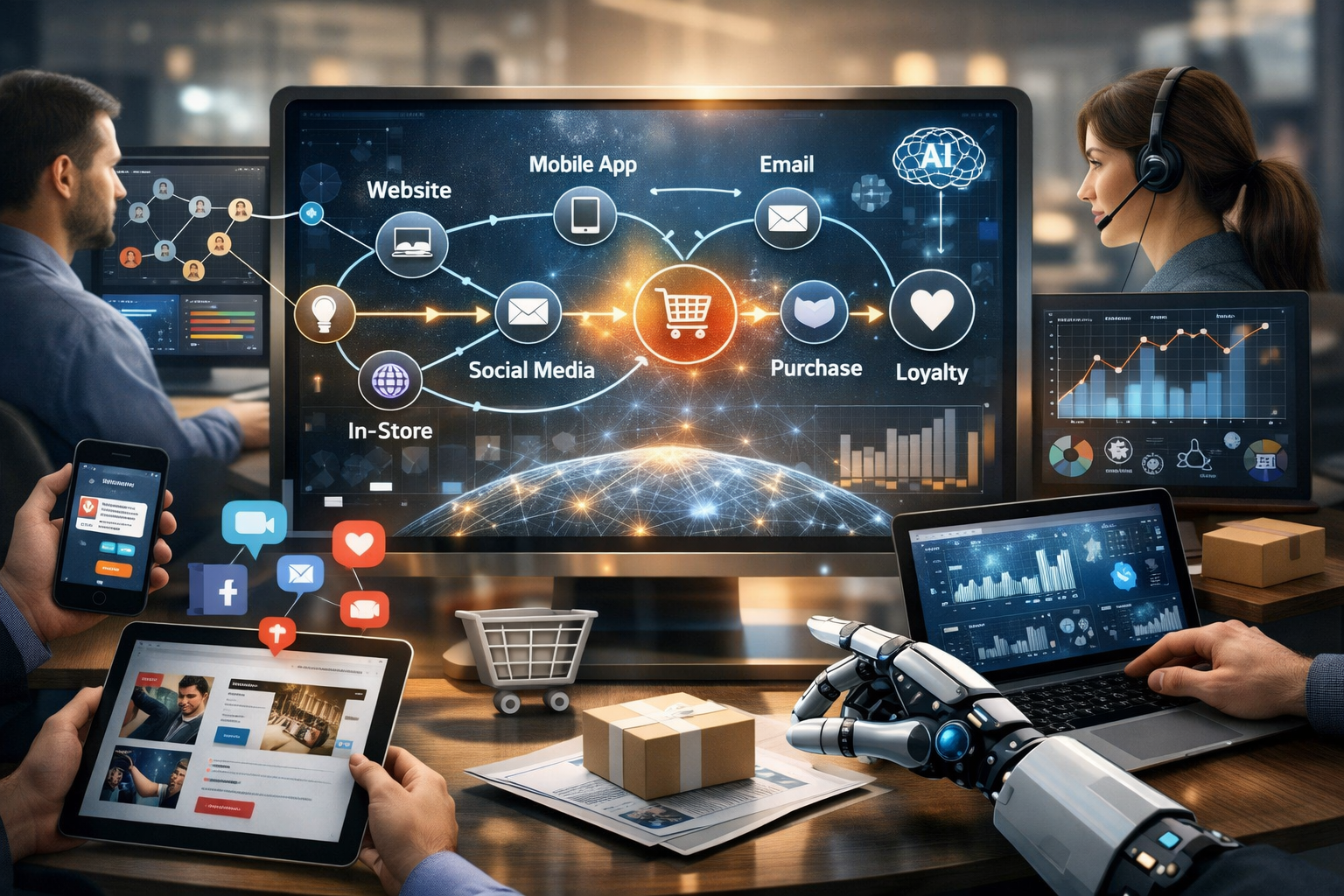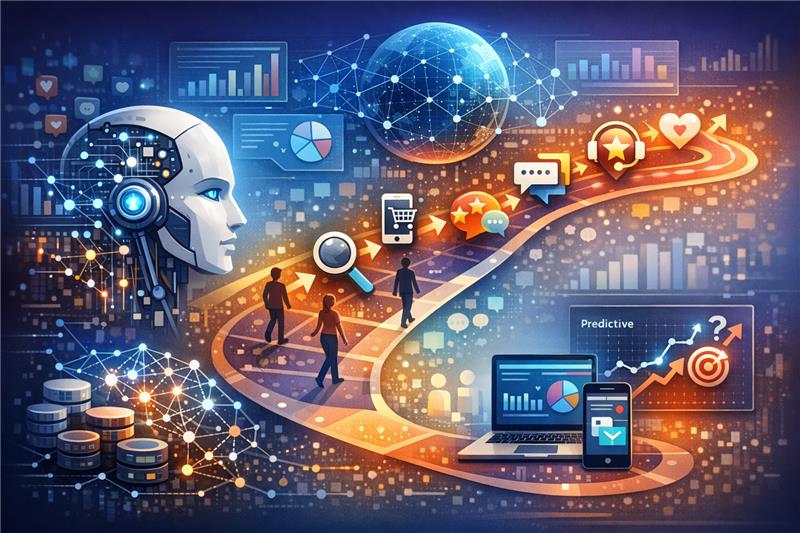

In today’s digital economy, businesses generate enormous amounts of customer data every day. From website visits and email interactions to social media engagement and purchase history, consumers leave behind valuable behavioral signals across multiple channels. The challenge for marketers is no longer collecting data — it is understanding how to use that data effectively. This is where predictive analytics has emerged as a game-changing technology in modern marketing.
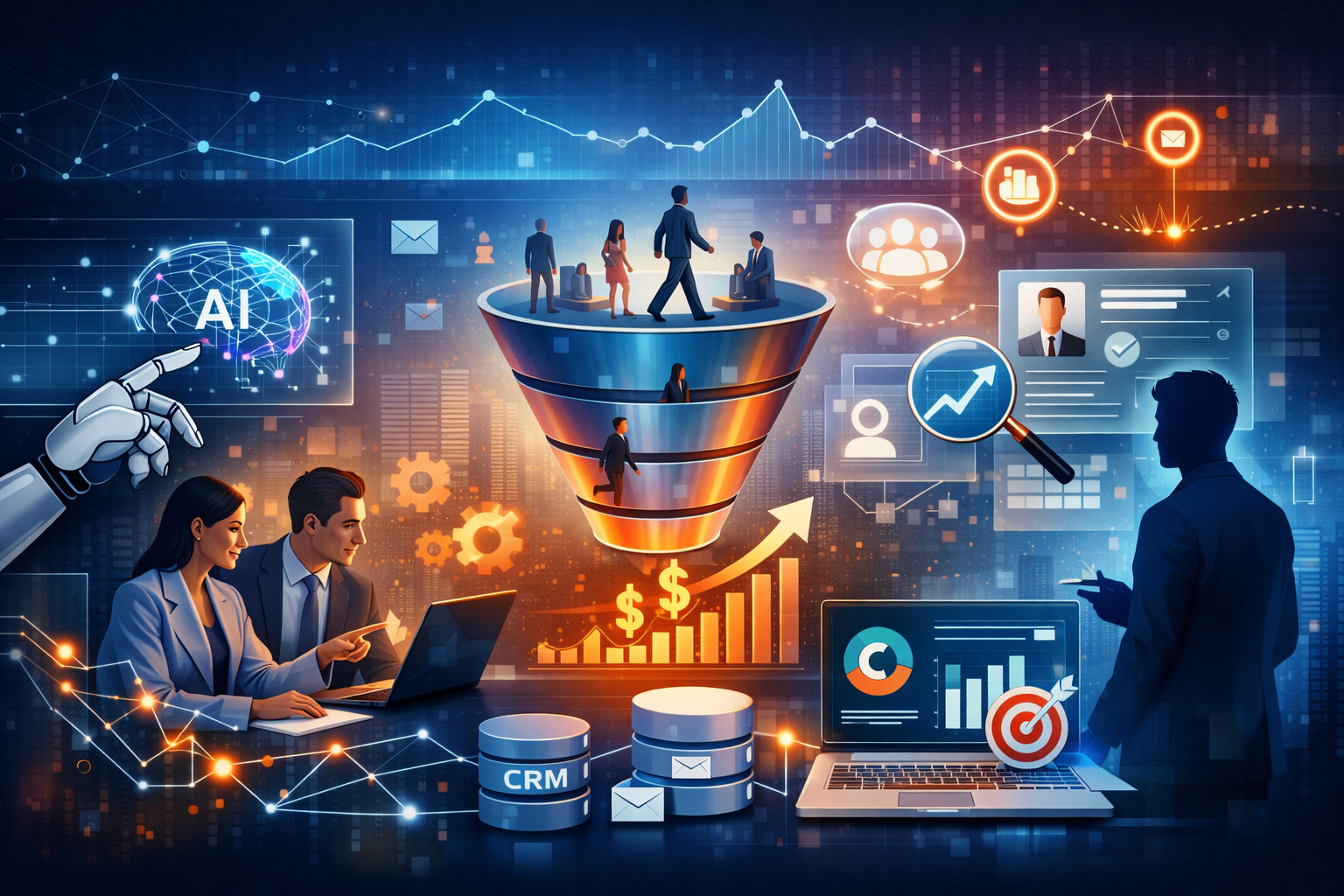
Predictive analytics enables businesses to forecast customer behavior, identify opportunities, reduce marketing waste, and make smarter strategic decisions. By combining historical data, artificial intelligence (AI), machine learning, and statistical modeling, marketers can anticipate future outcomes with increasing accuracy.
What Is Predictive Analytics?
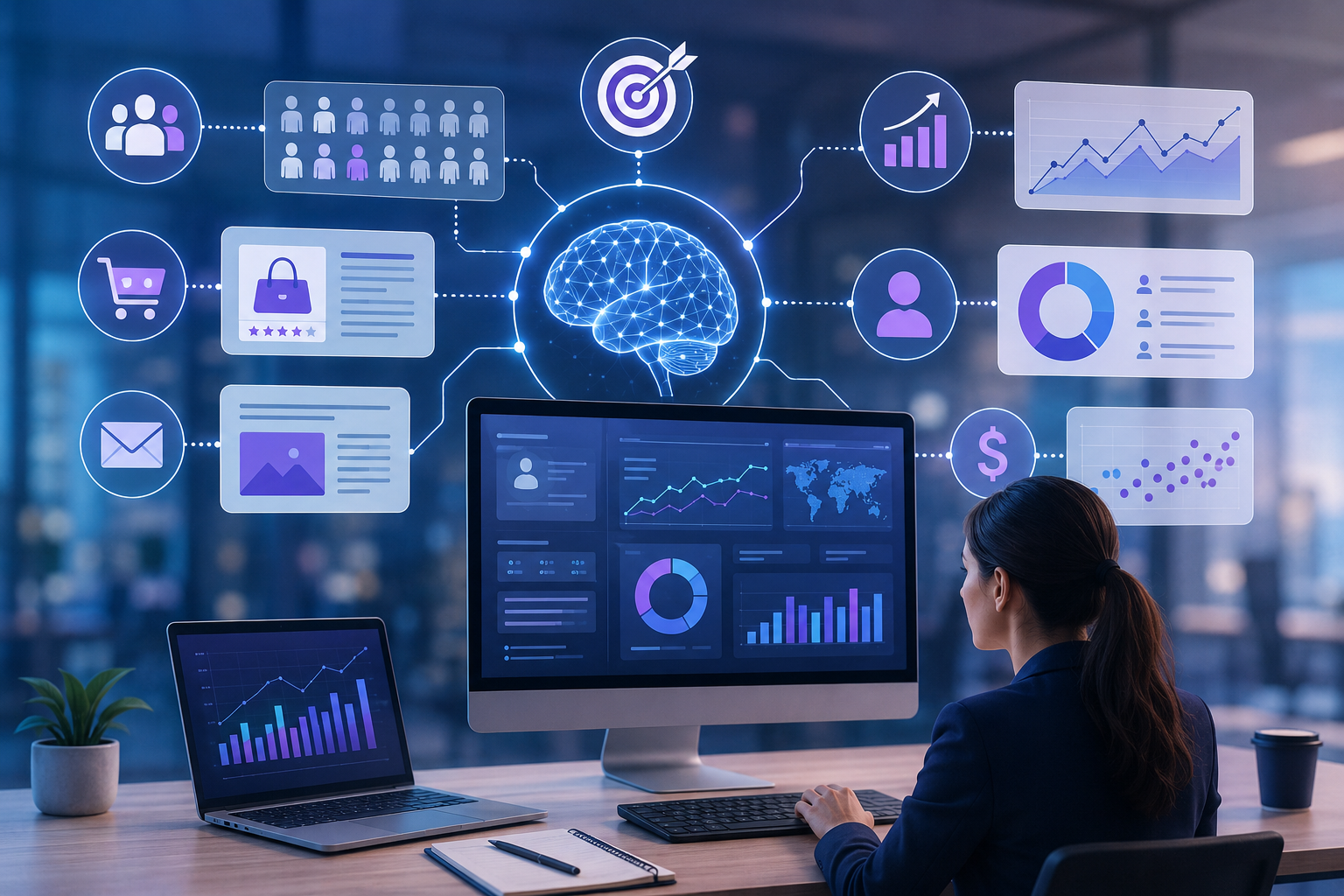
Predictive analytics refers to the use of data, algorithms, and machine learning techniques to predict future customer actions and business outcomes. Instead of relying solely on past performance reports, marketers use predictive models to estimate what customers are likely to do next.
For example, predictive analytics can help businesses determine:
- Which leads are most likely to convert
- Which customers are at risk of churn
- What products a customer may purchase next
- The best time to send marketing emails
- Which campaigns are likely to generate the highest ROI
By identifying patterns in historical data, predictive analytics helps companies make proactive marketing decisions rather than reactive ones.
Why Predictive Analytics Matters in Marketing
Modern consumers expect highly personalized and relevant experiences. Generic advertising and mass communication strategies are becoming less effective. Predictive analytics helps marketers understand customer intent and deliver targeted experiences at the right time.
1. Improved Customer Targeting
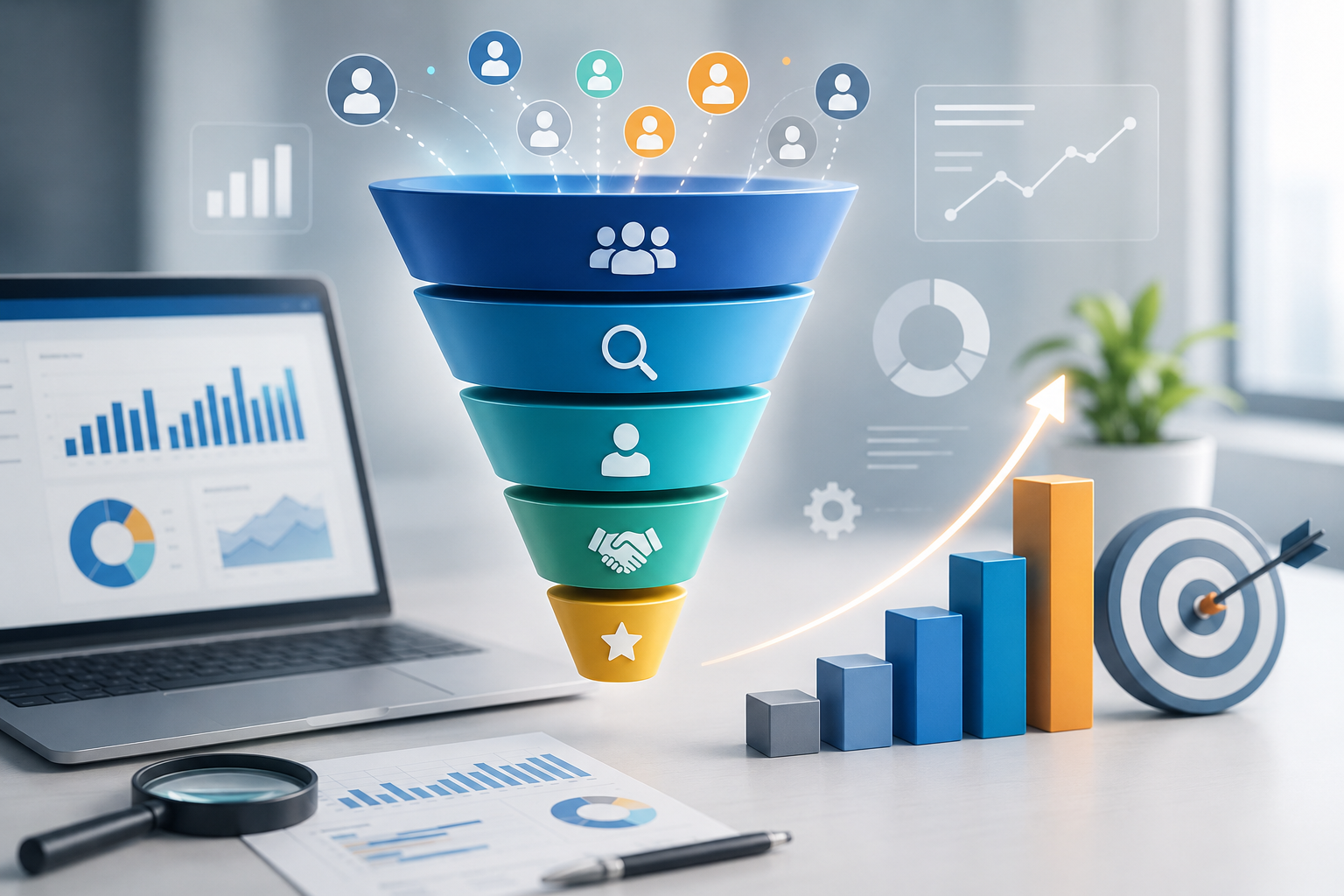
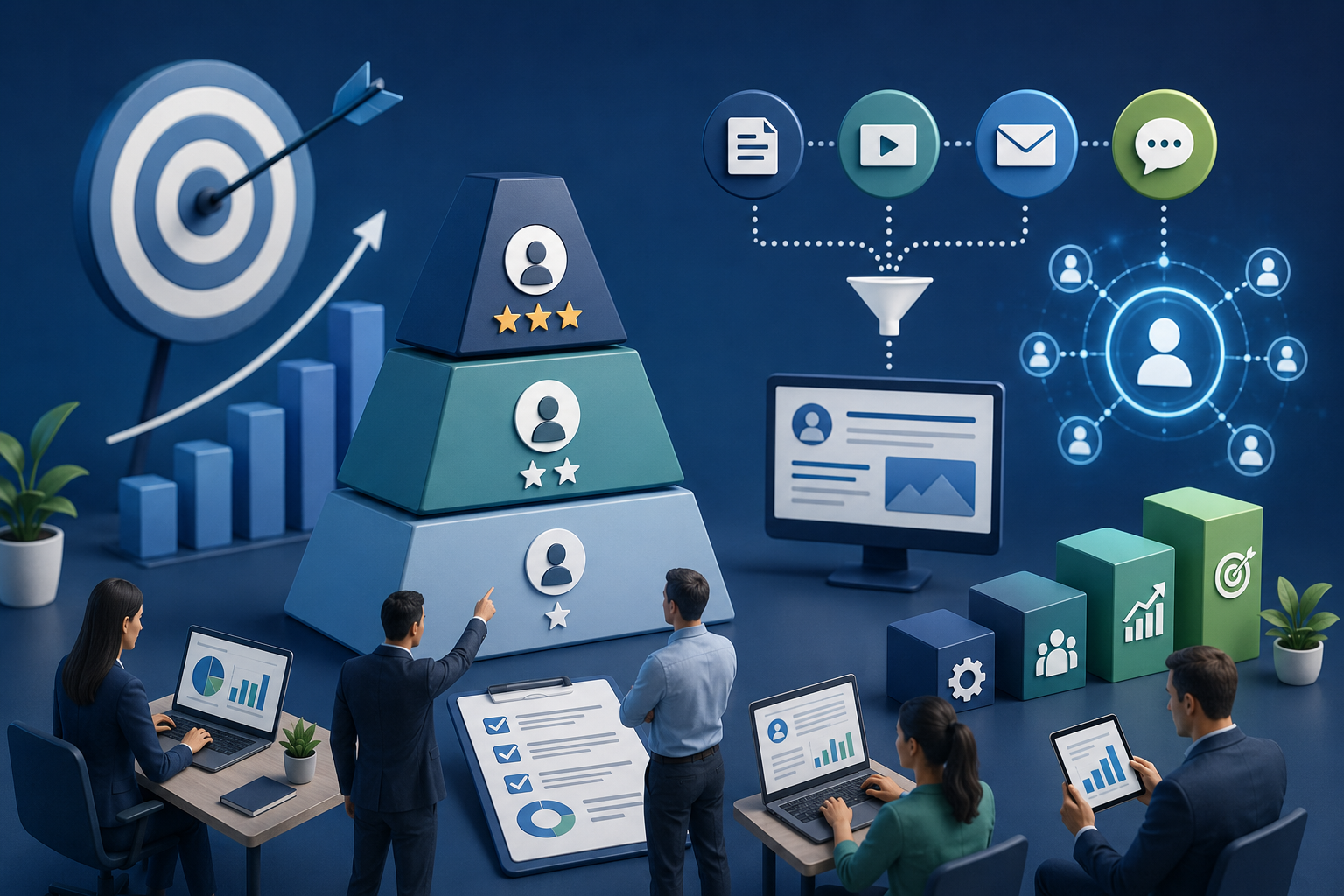
Predictive analytics allows marketers to segment audiences more accurately based on behavior, demographics, purchase patterns, and engagement history. Businesses can identify high-value customers and focus marketing efforts on audiences with the greatest conversion potential.
This improves:
- Campaign efficiency
- Conversion rates
- Customer acquisition costs
- Return on advertising spend (ROAS)
Instead of targeting everyone, brands can prioritize customers who are most likely to respond positively.
2. Personalized Customer Experiences
Personalization has become a core driver of customer engagement. Predictive analytics helps businesses recommend products, customize content, and tailor messaging based on individual preferences.
Streaming platforms, e-commerce websites, and digital retailers frequently use predictive recommendation engines to increase user engagement and sales. Customers are more likely to interact with brands that understand their interests and anticipate their needs.
3. Customer Retention and Churn Prevention
Acquiring new customers is often more expensive than retaining existing ones. Predictive analytics helps marketers identify warning signs that indicate customer dissatisfaction or disengagement.
For instance, a predictive model may detect:
- Reduced app usage
- Lower email engagement
- Declining purchase frequency
- Increased customer support complaints
Businesses can then launch retention campaigns, loyalty offers, or personalized outreach before customers leave.
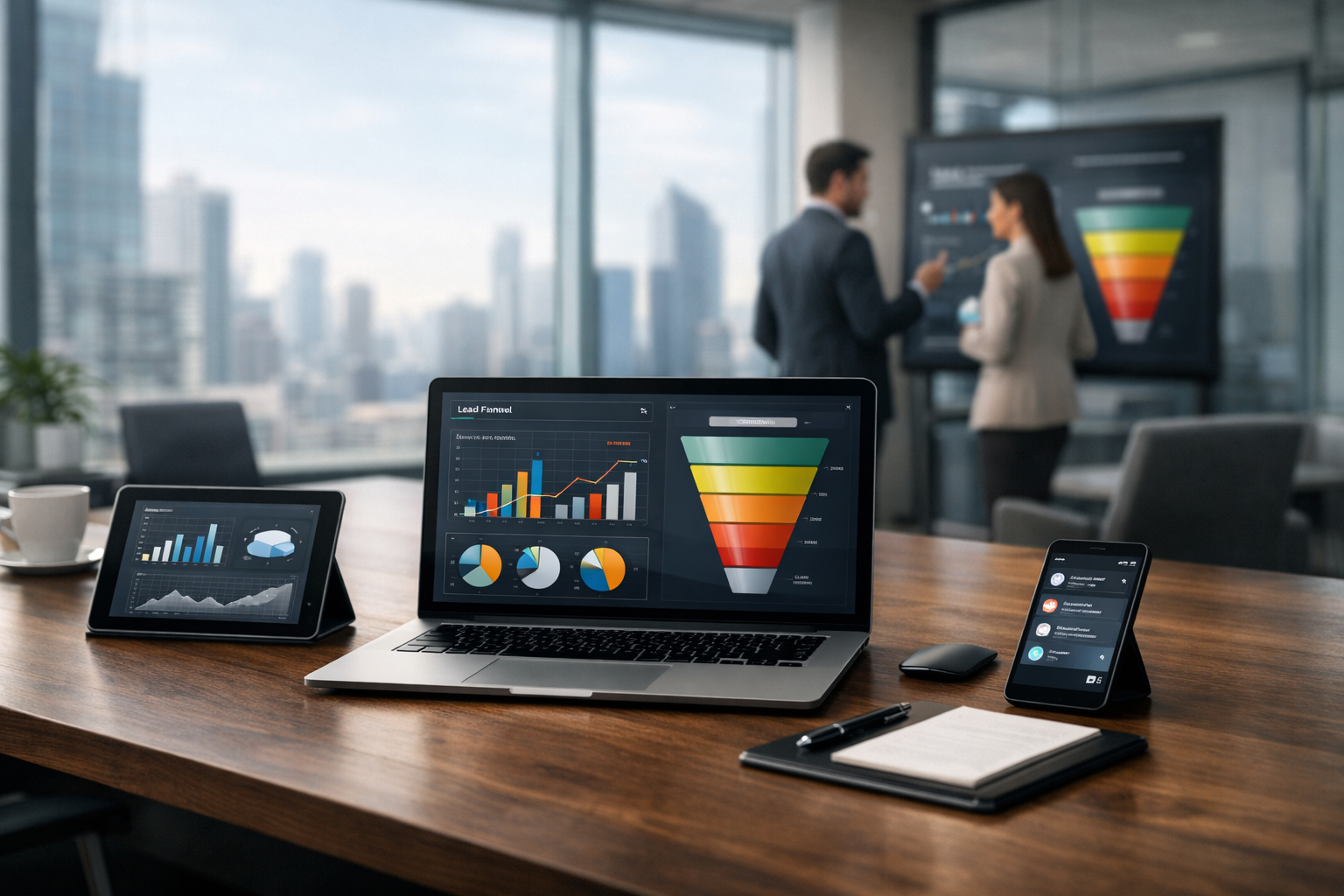
4. Better Lead Scoring
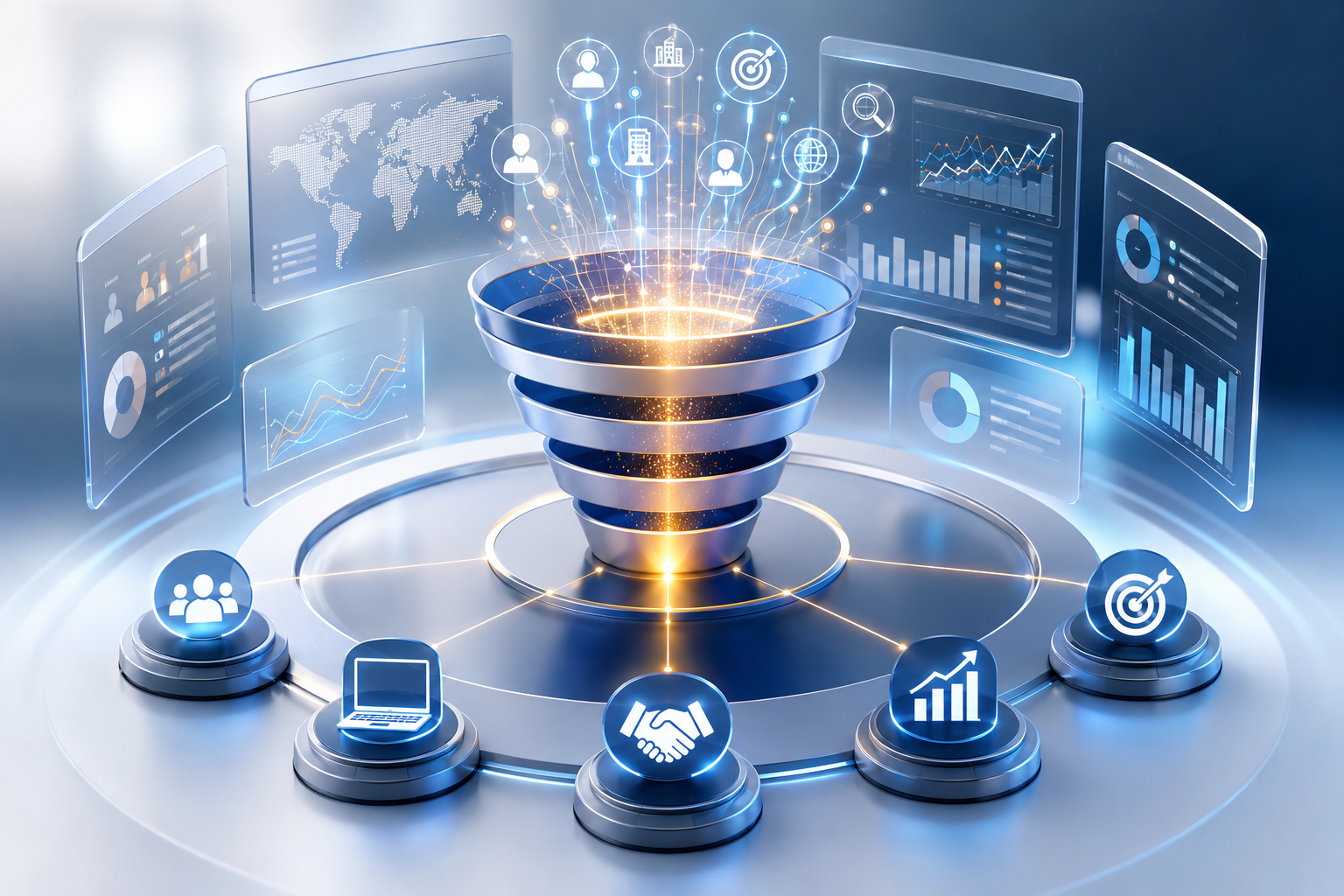
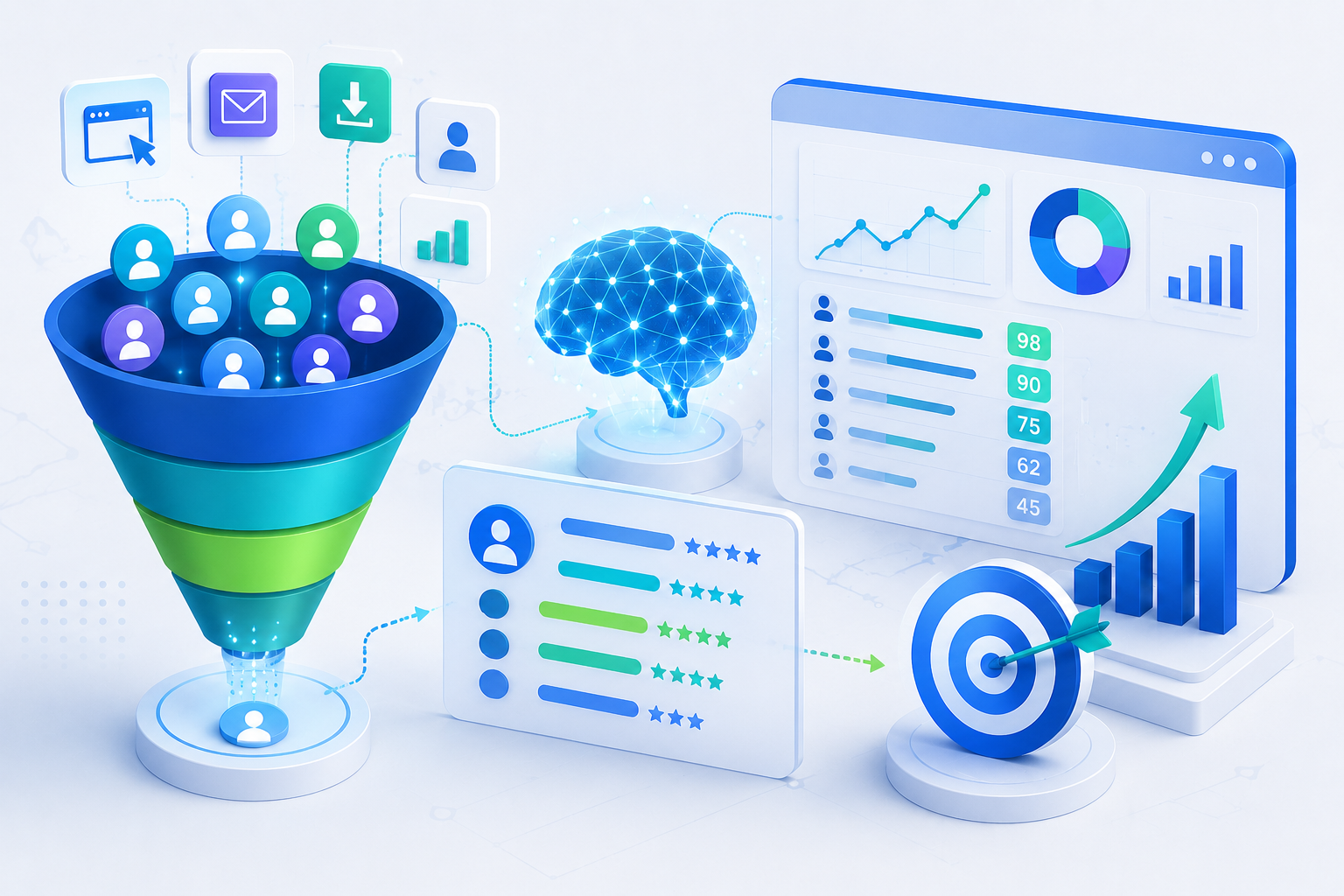
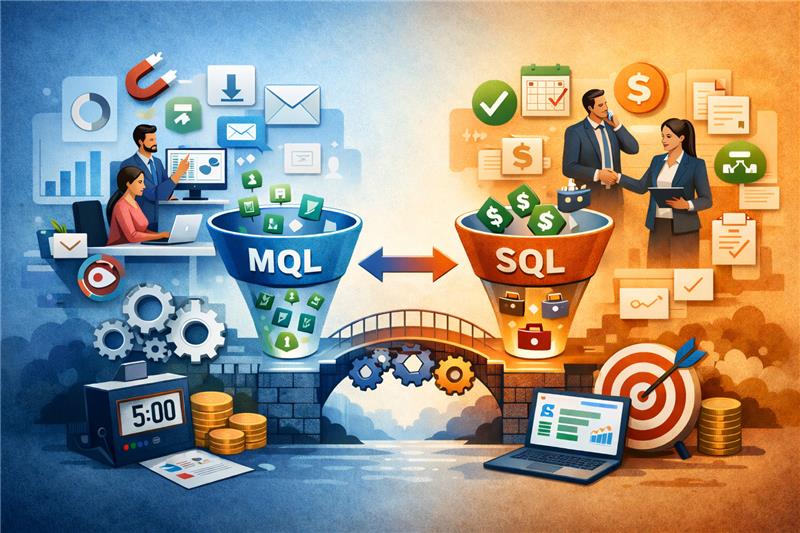
Sales and marketing teams often struggle to identify which leads deserve immediate attention. Predictive lead scoring analyzes customer behavior and historical conversion data to rank leads based on their likelihood to convert.
This helps:
- Improve sales productivity
- Shorten sales cycles
- Increase conversion efficiency
- Align marketing and sales teams
As a result, companies can focus resources on the most promising opportunities.
5. Smarter Marketing Campaigns
Predictive analytics improves campaign performance by forecasting outcomes before campaigns are launched. Marketers can test variables such as:
- Audience segments
- Ad creatives
- Email subject lines
- Timing and frequency
- Budget allocation
By predicting campaign effectiveness, businesses can optimize strategies and reduce wasted spending.
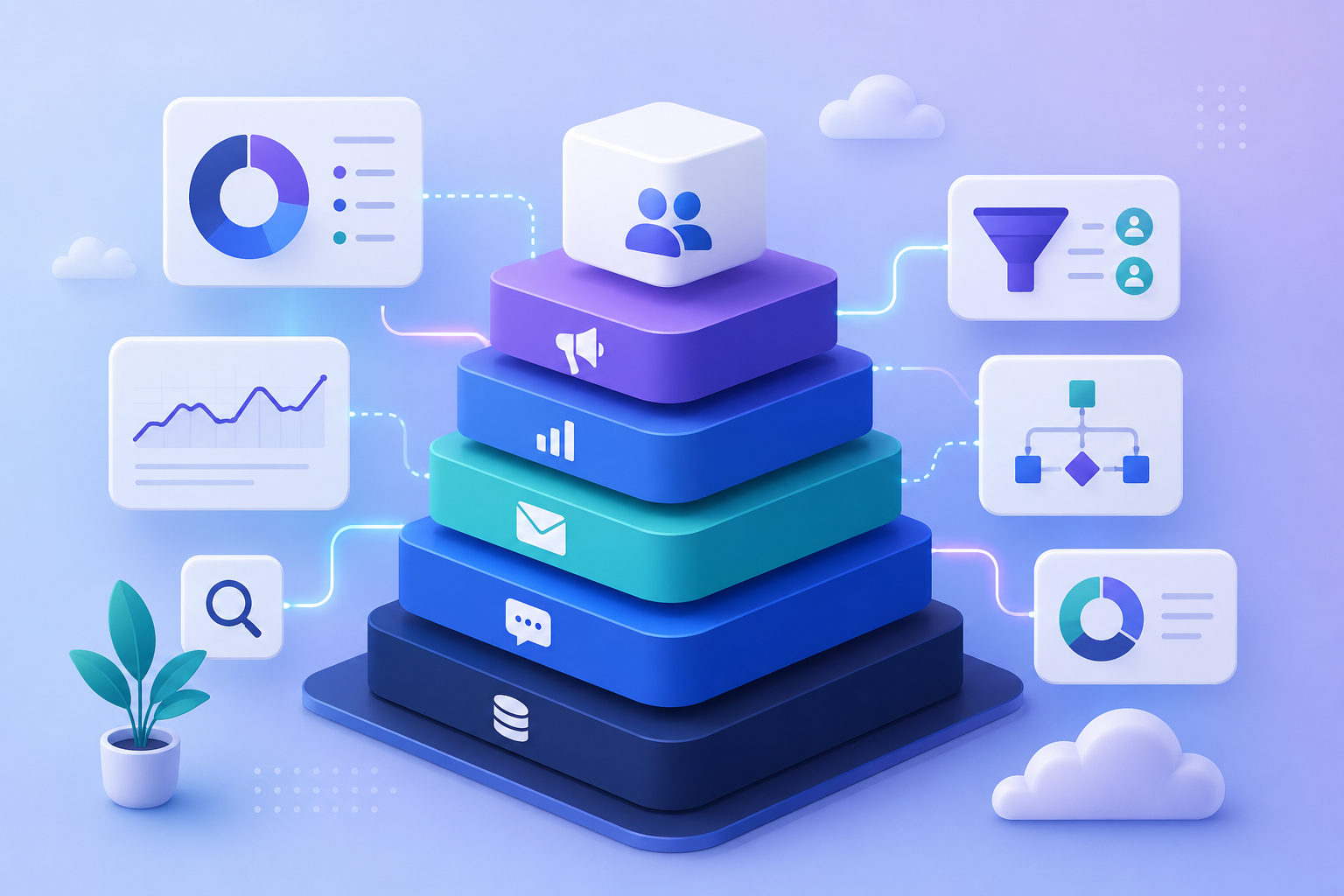
Technologies Powering Predictive Analytics
Several advanced technologies contribute to predictive marketing systems:
Artificial Intelligence and Machine Learning
AI models continuously learn from customer behavior and improve prediction accuracy over time.
Big Data Platforms
Large-scale data processing systems enable marketers to analyze millions of customer interactions quickly.
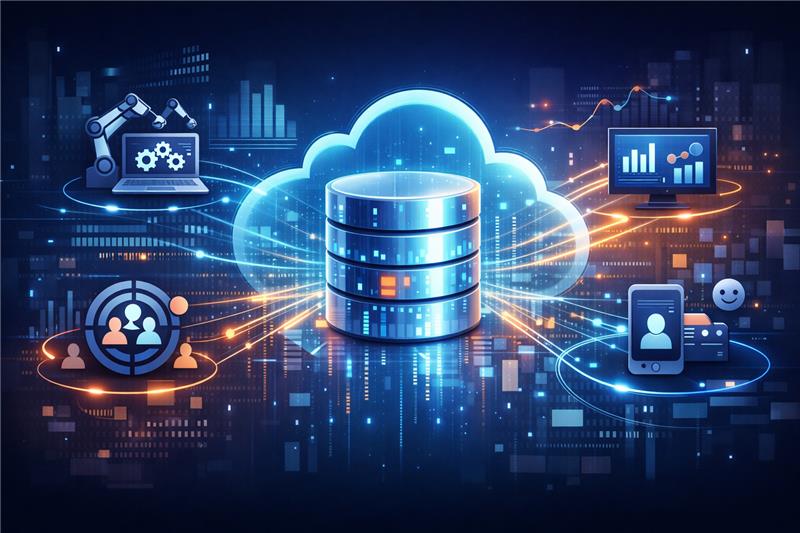
Customer Data Platforms (CDPs)
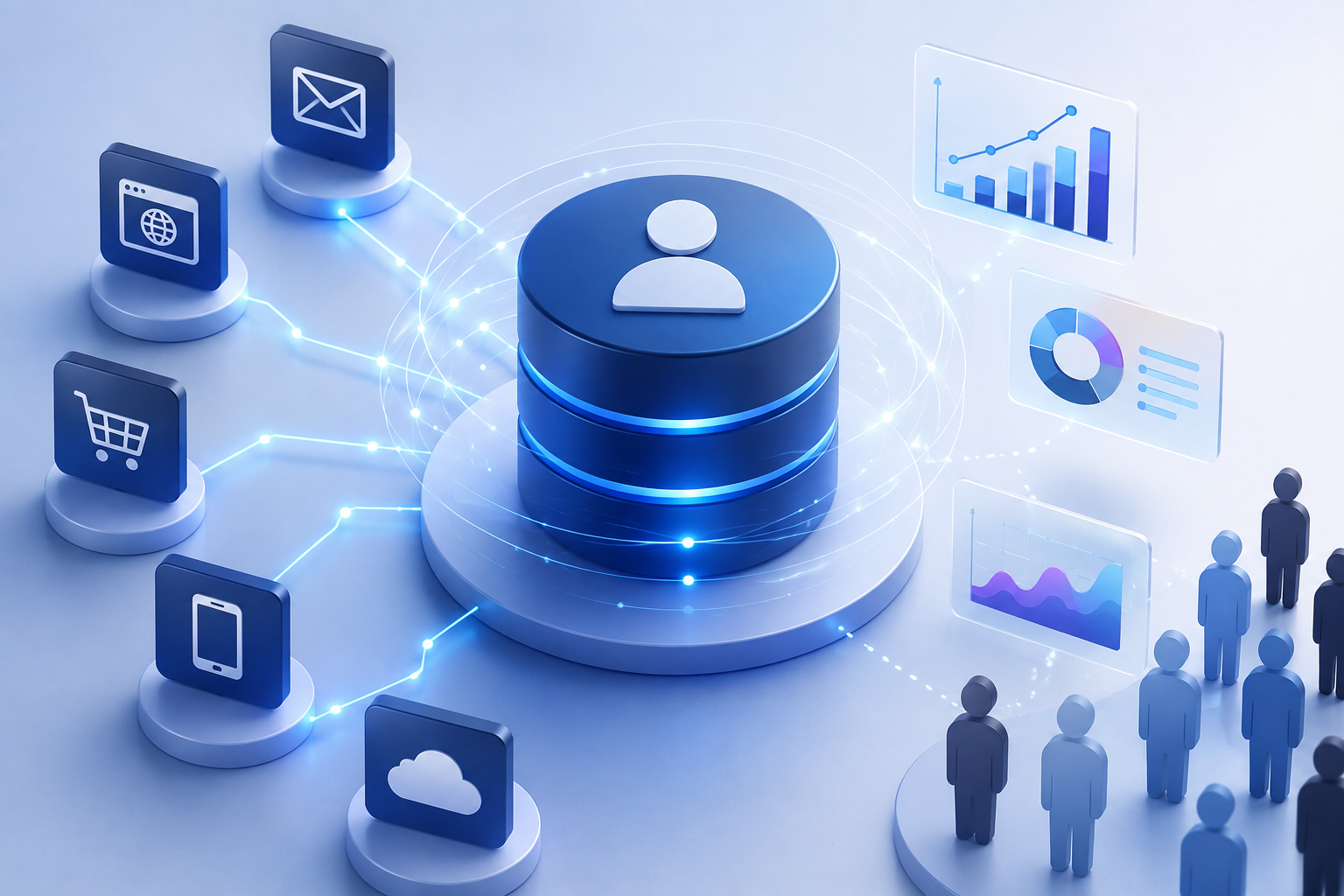
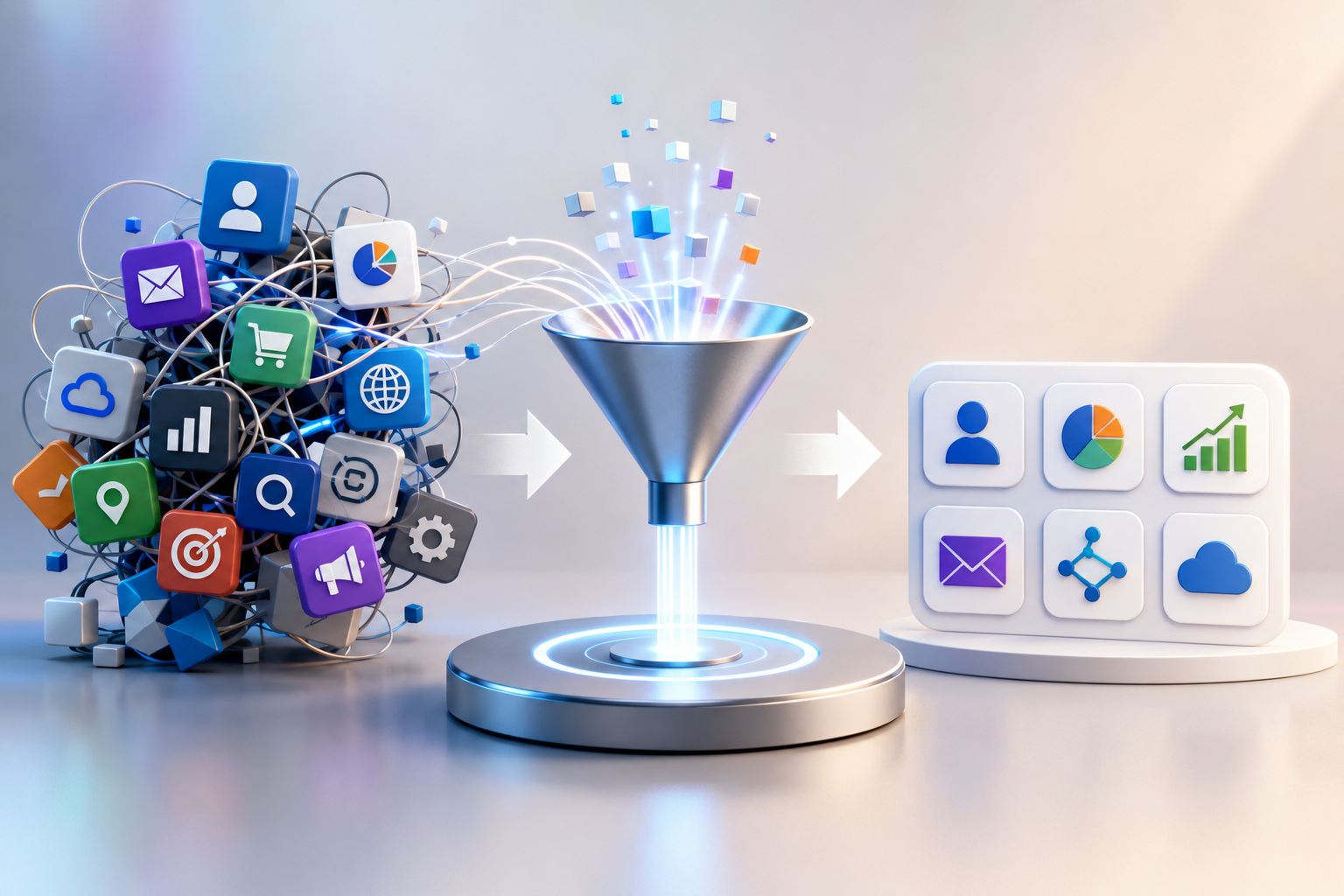
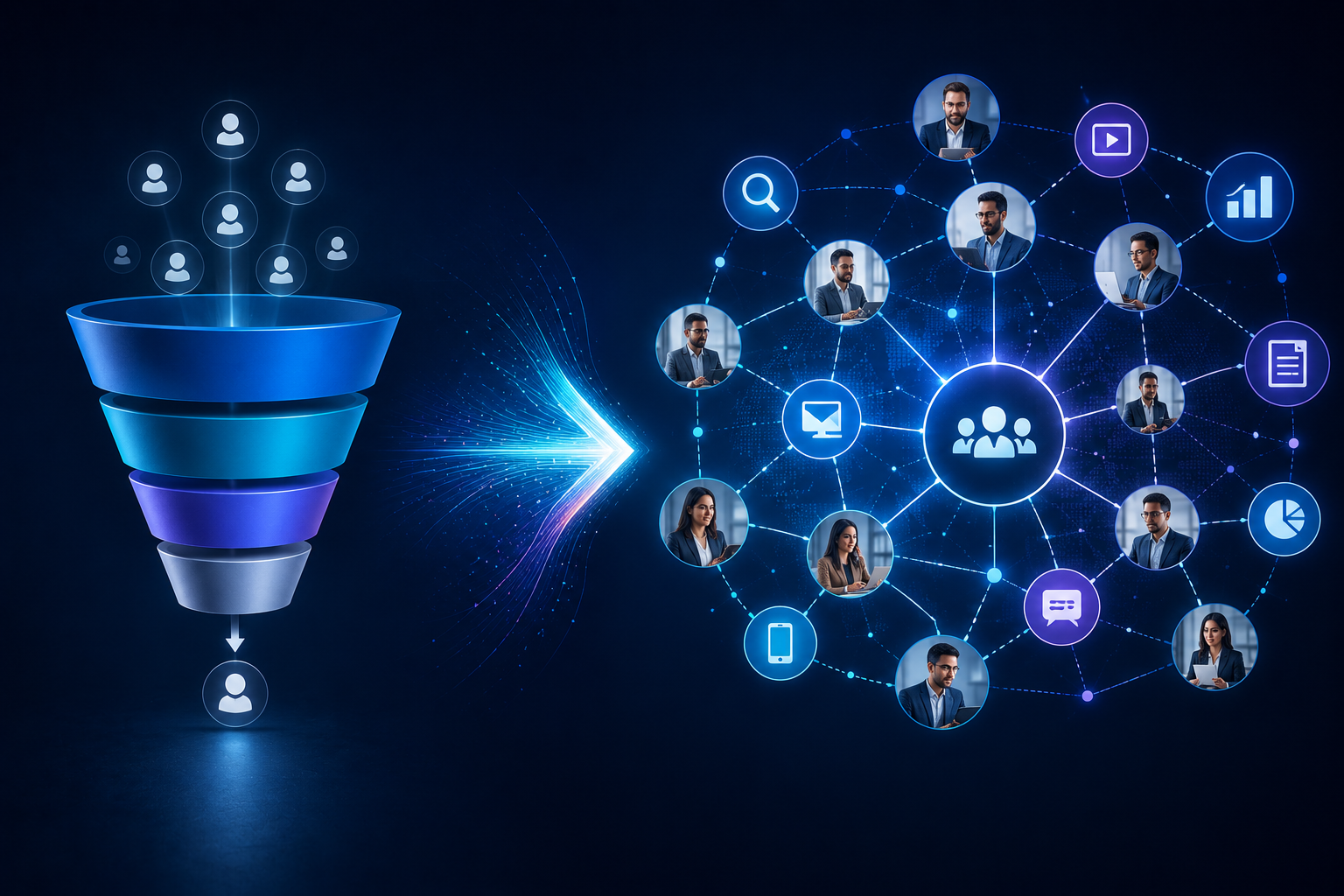
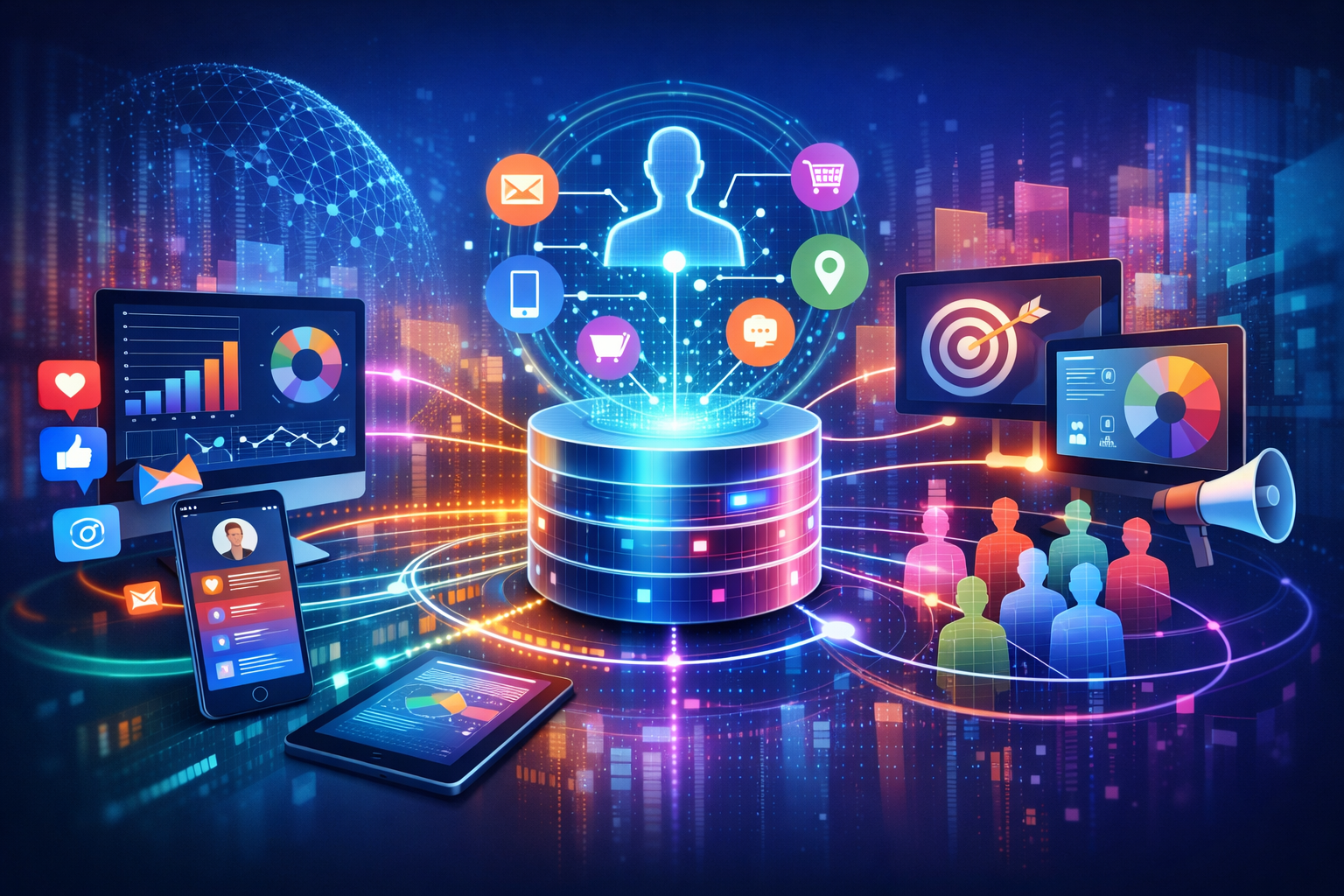
CDPs unify customer information from multiple channels into a single view.
Cloud Computing
Cloud infrastructure allows businesses to process predictive models efficiently and at scale.
Real-Time Analytics
Modern systems can analyze customer activity instantly and trigger automated responses in real time.
Real-World Applications of Predictive Analytics
Predictive analytics is widely used across industries:
E-Commerce
Online retailers recommend products based on browsing behavior and purchase history.
Banking and Finance
Financial institutions detect fraud patterns and personalize financial product recommendations.
Healthcare
Healthcare providers predict patient needs and improve treatment planning.
Media and Entertainment
Streaming platforms recommend content based on viewing habits.
SaaS and B2B Marketing
Software companies identify high-intent leads and improve customer onboarding strategies.
Challenges of Predictive Analytics
Despite its advantages, predictive analytics also presents challenges.
Data Privacy Concerns
As data collection increases, businesses must comply with privacy regulations and maintain customer trust.
Data Quality Issues
Predictive models are only as good as the data used to train them. Inaccurate or incomplete data can lead to poor predictions.
Integration Complexity
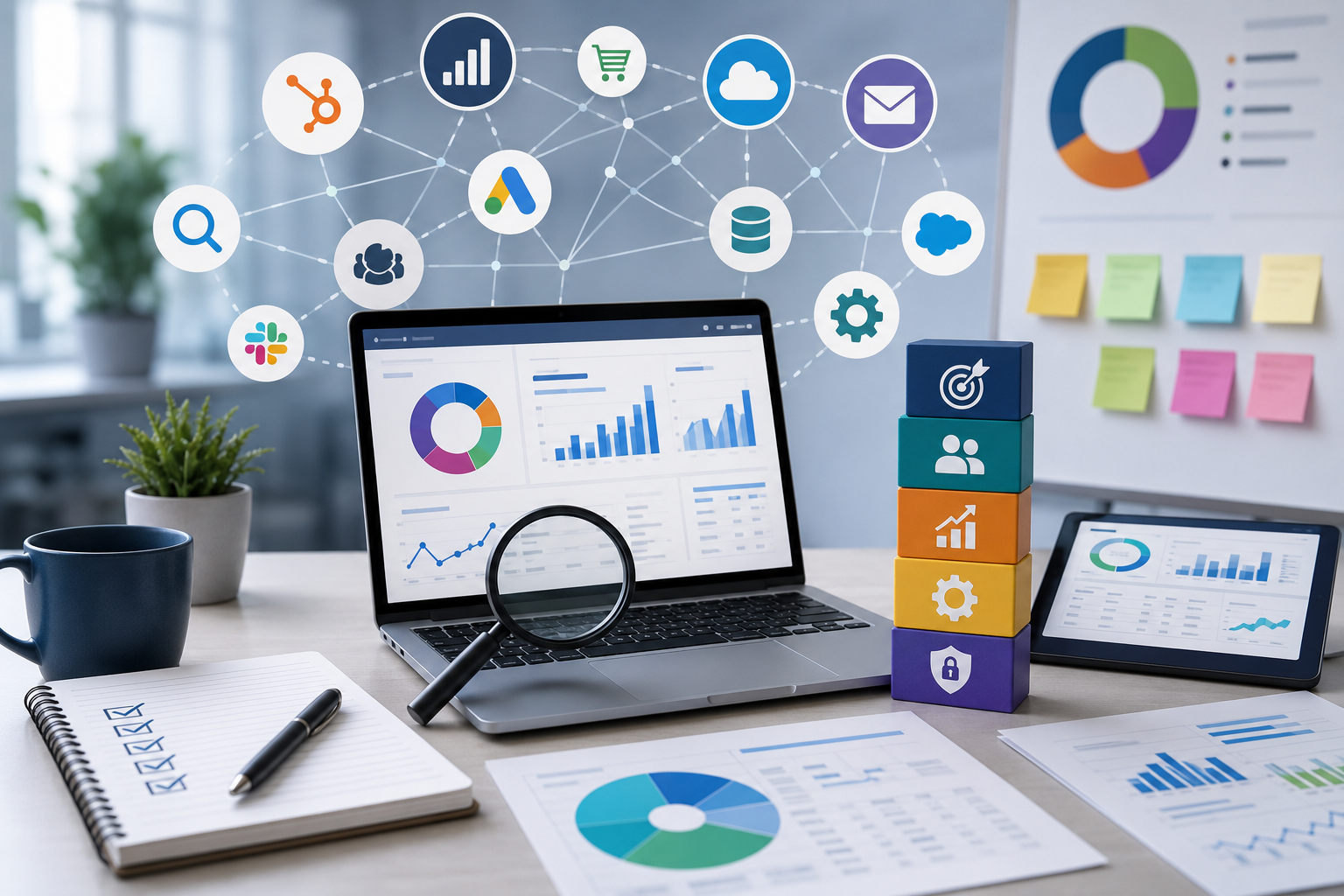
Many organizations use disconnected systems, making it difficult to create unified customer insights.
Skill Gaps
Implementing predictive analytics often requires expertise in data science, AI, and marketing technology.
The Future of Predictive Marketing
Predictive analytics will continue evolving as AI technologies become more advanced. Future marketing systems are expected to become:
- More automated
- More personalized
- Faster in decision-making
- Better at predicting customer intent
- More integrated across channels
The rise of generative AI, real-time data processing, and AI agents will further transform how marketers engage with consumers.
Businesses that invest in predictive capabilities today will gain a competitive advantage by delivering smarter, more relevant customer experiences.
Read Also: Composable Martech: Why All-in-One Platforms Are Dying