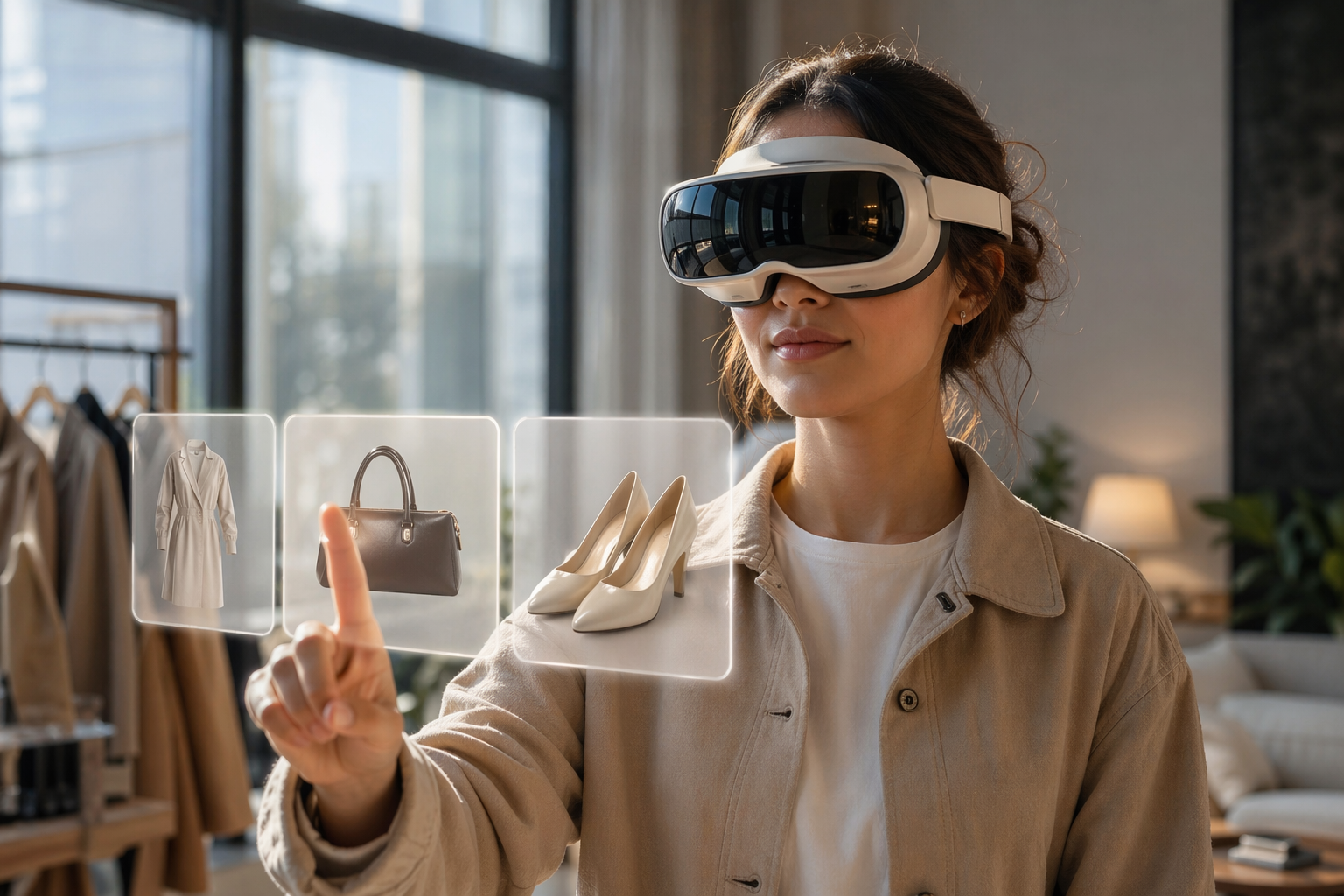
In an era where attention is the most valuable currency, marketers are constantly searching for innovative ways to engage audiences. Augmented Reality (AR) and Virtual Reality (VR) have emerged as two of the most talked-about technologies in recent years. But the question remains—are they truly transforming marketing, or are they just another overhyped trend?
Understanding AR and VR in Marketing
Before diving into the debate, it’s important to distinguish between the two:
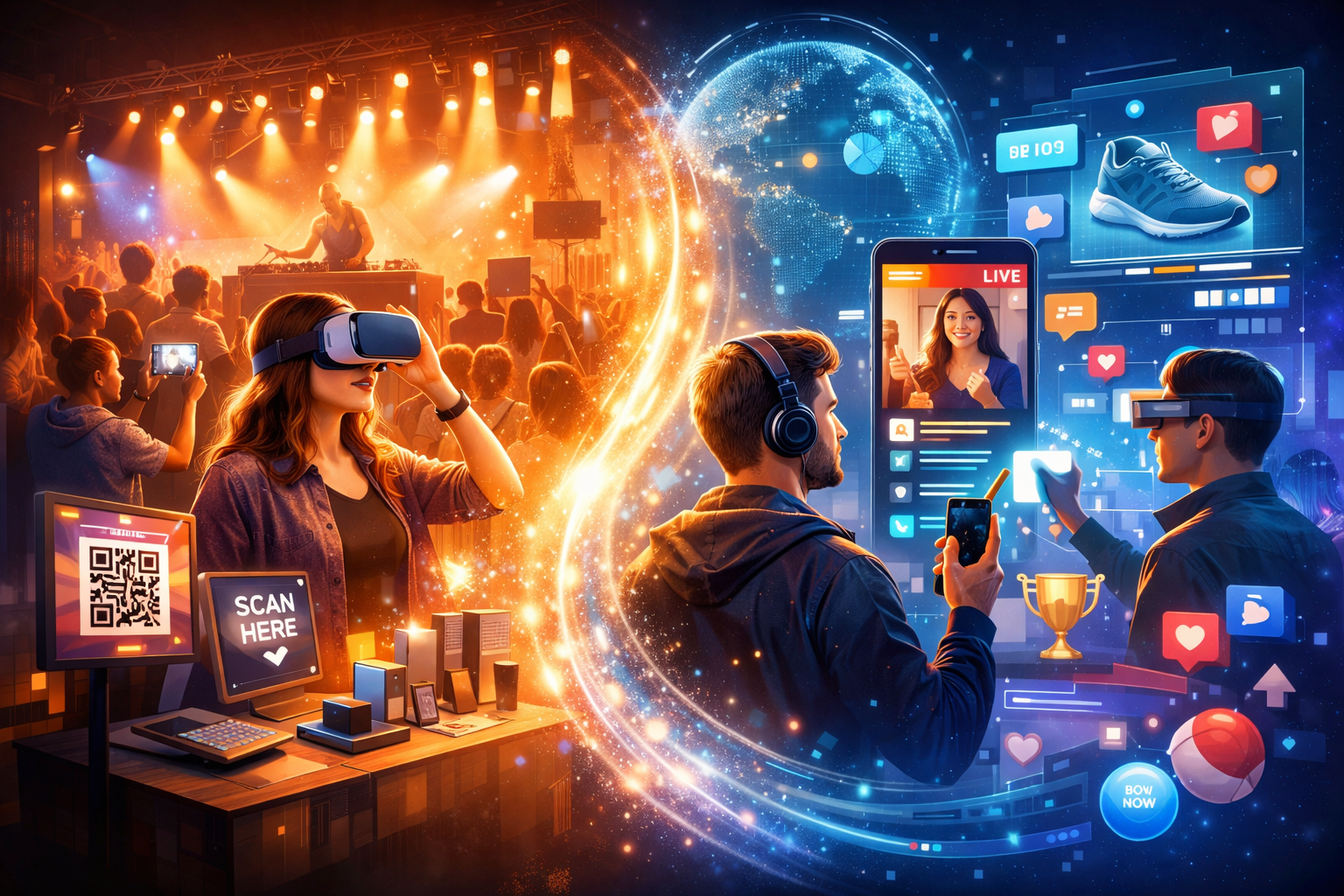
- Augmented Reality (AR) overlays digital elements onto the real world (think social media filters or virtual try-ons).
- Virtual Reality (VR) creates fully immersive digital environments that users can explore using headsets.
Both technologies aim to create immersive experiences—but their accessibility and use cases differ significantly.
Why AR/VR Feels Like the Future
1. Unmatched Customer Engagement
AR and VR offer interactive experiences that traditional ads simply can’t match. Many studies suggest that consumers feel more engaged with brands using immersive technologies, and these experiences often improve product recall.
Instead of just seeing a product, customers can experience it.
2. “Try Before You Buy” Revolution
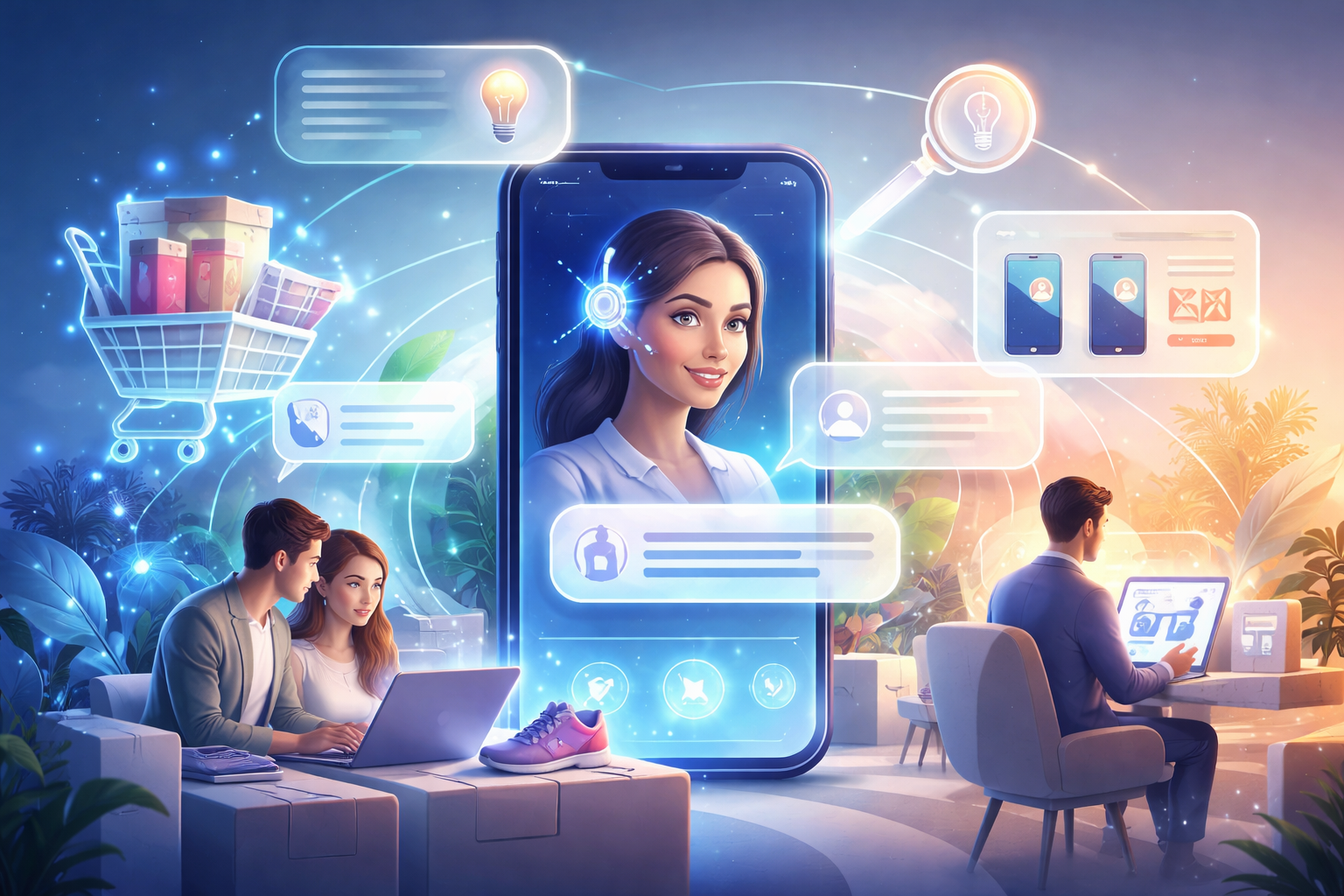
From virtual furniture placement to digital clothing trials, AR allows users to visualize products in real life. This reduces uncertainty and can boost conversion rates.
Common applications include:
- Virtual showrooms for retail
- AR-powered product demos
- VR-based travel previews
3. Memorable Brand Storytelling
VR, in particular, enables brands to tell immersive stories—placing users inside experiences rather than presenting them passively. This creates stronger emotional connections and improves brand recall.
4. Growing Market Momentum
Immersive technologies are seeing increased adoption across industries, with more brands investing in AR/VR as part of their digital strategy.
This signals a shift from experimentation toward real business use.
The Case for “Hype”
Despite the excitement, AR/VR marketing still faces significant challenges.
1. High Costs
Developing AR/VR campaigns requires specialized skills, tools, and content—making it expensive, especially for smaller brands.
2. Limited Reach
Not every consumer has access to VR headsets or advanced AR-enabled devices. While smartphones make AR more accessible, VR adoption is still relatively limited.
3. Technical Friction
Issues like lag, app downloads, and device compatibility can disrupt the user experience and reduce effectiveness.
4. The “Gimmick” Risk
Some campaigns focus more on novelty than value. If the experience doesn’t solve a real problem or improve the customer journey, it can feel like a gimmick rather than a meaningful innovation.
Hype vs Reality: The Truth Lies in the Middle
AR/VR is neither pure hype nor fully mainstream reality—it’s in a transition phase.
Where It Is Reality:
- E-commerce (virtual try-ons, product previews)
- Experiential marketing campaigns
- High-end brand storytelling
- Training and simulation experiences
Where It’s Still Hype:
- Mass adoption of VR experiences
- Everyday consumer usage beyond novelty
- Clear ROI for smaller campaigns
Success depends on delivering measurable outcomes—not just immersive experiences.
Key Takeaways for Marketers
- Focus on utility, not novelty – solve real customer problems
- Start with AR, not VR – lower barrier to entry
- Integrate with existing channels – don’t isolate the experience
- Measure ROI carefully – engagement alone isn’t enough
Read Also: Why Video Is Becoming the Core of Martech Strategy