In today’s digital economy, businesses rely heavily on seamless communication between systems, applications, and partners. As companies expand their operations and collaborate with multiple vendors, suppliers, and clients, efficient data exchange becomes essential. This is where APIs (Application Programming Interfaces) play a crucial role in B2B integration.
APIs allow different software systems to communicate with each other in a standardized and automated way. By enabling secure data sharing between organizations, APIs help businesses streamline operations, improve efficiency, and create better customer experiences.
What is B2B Integration?
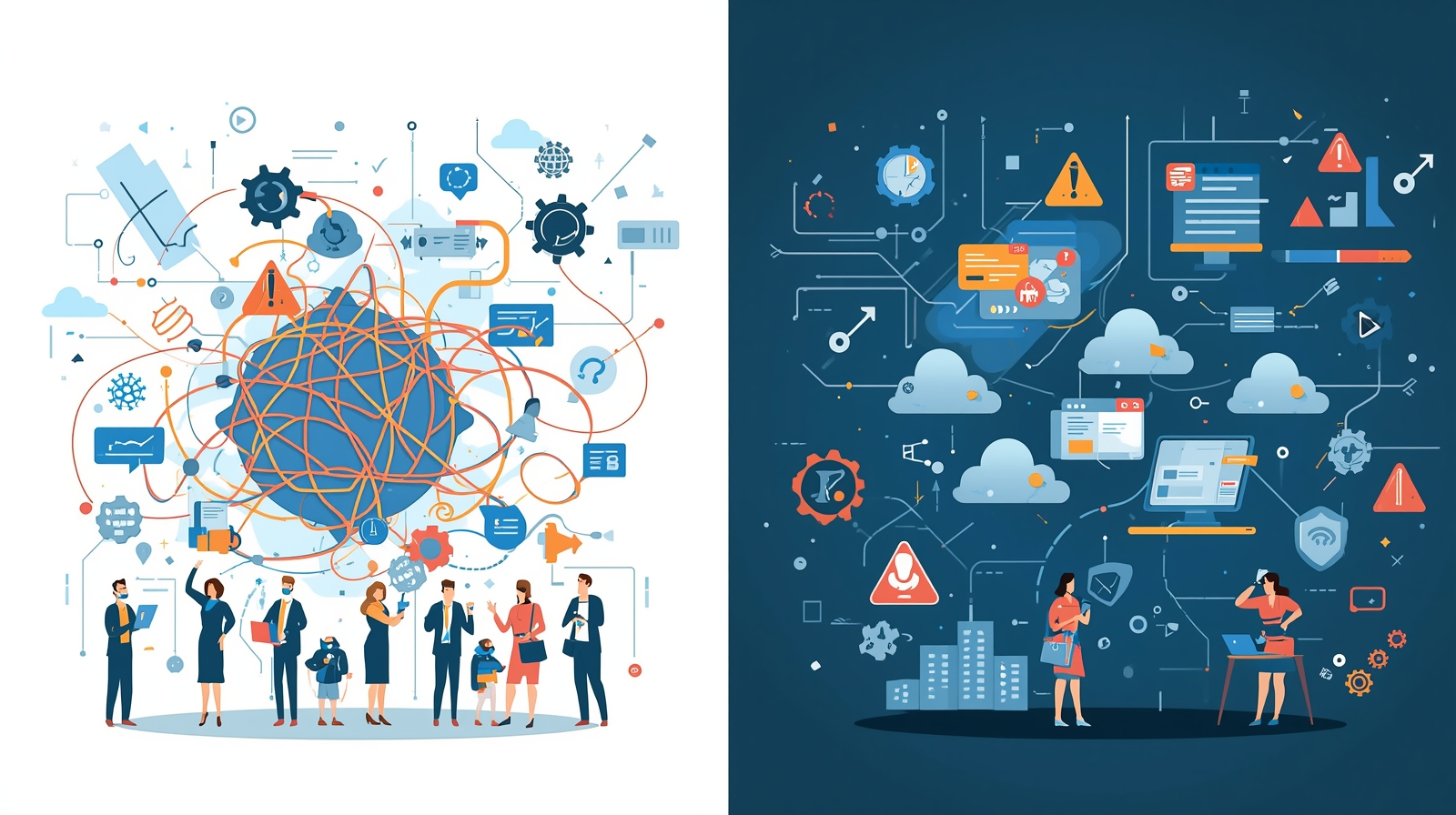
B2B (Business-to-Business) integration refers to the digital connection between systems of different organizations to exchange data and automate business processes. Traditionally, companies relied on manual data entry or outdated methods like file transfers and email-based communication. These methods often caused delays, errors, and inefficiencies.
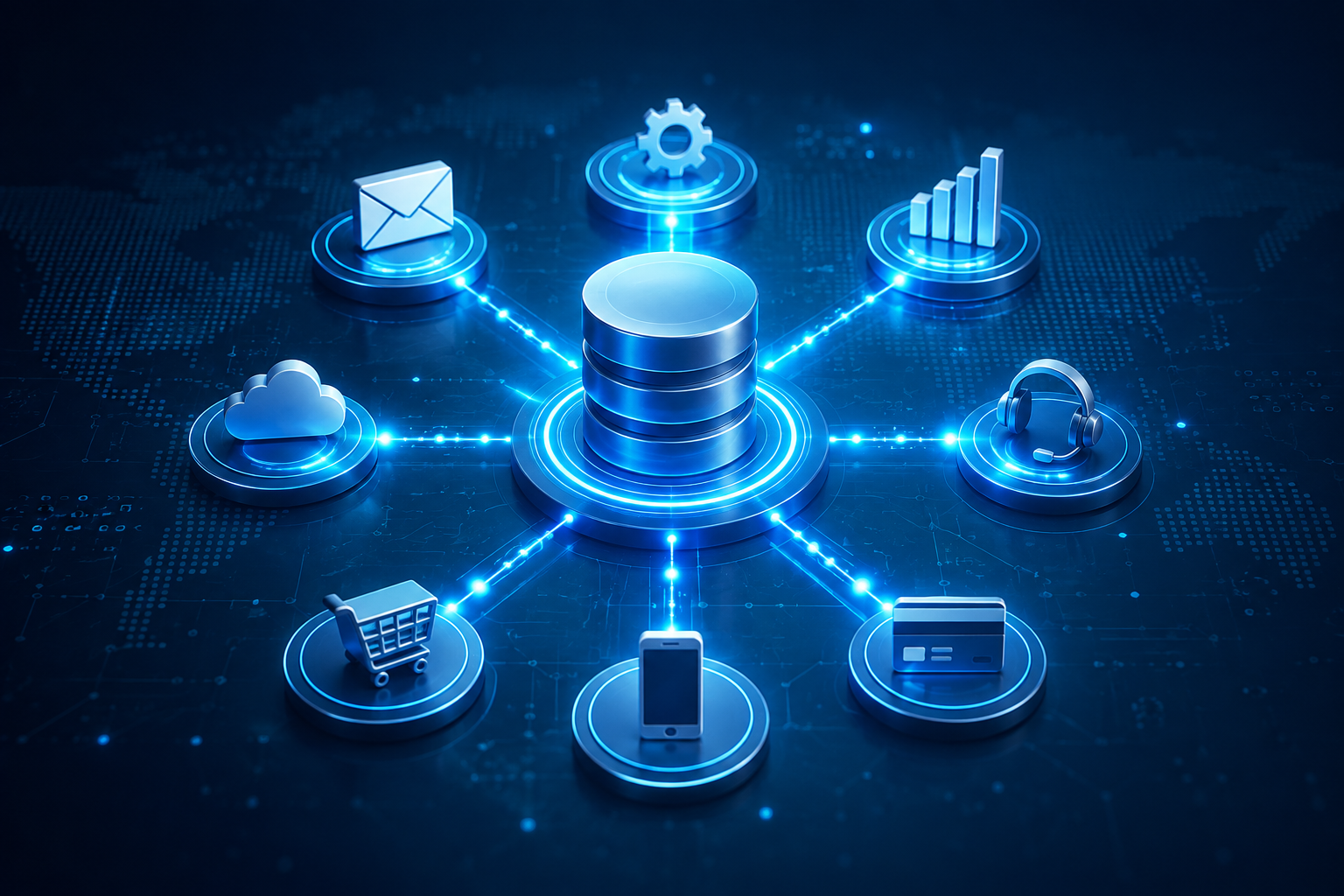
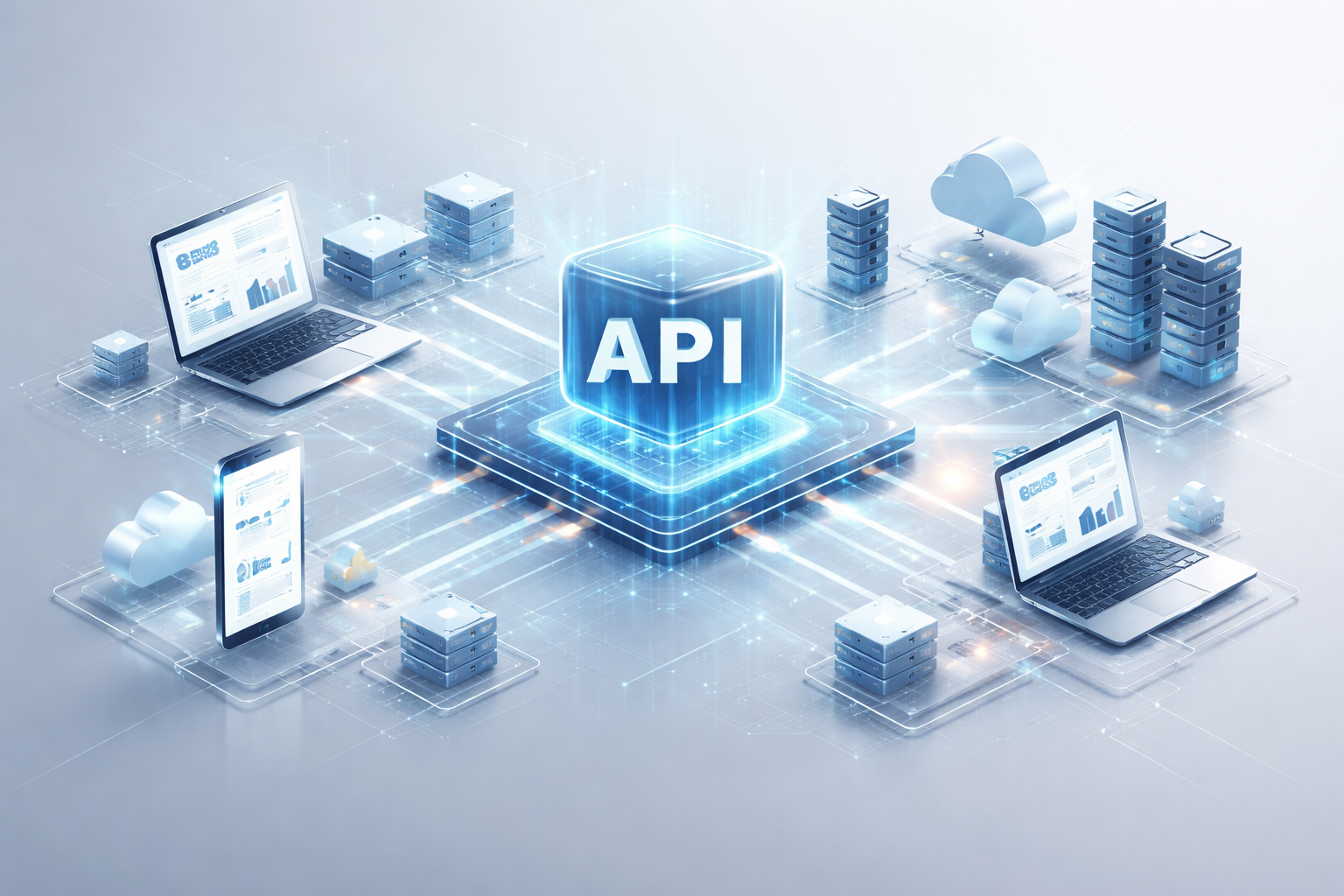
Modern B2B integration uses APIs to connect enterprise systems such as:
- ERP (Enterprise Resource Planning)
- CRM (Customer Relationship Management)
- Supply chain management systems
- Payment platforms
- E-commerce platforms
With API-driven integration, data flows automatically between these systems in real time.
What Are APIs?
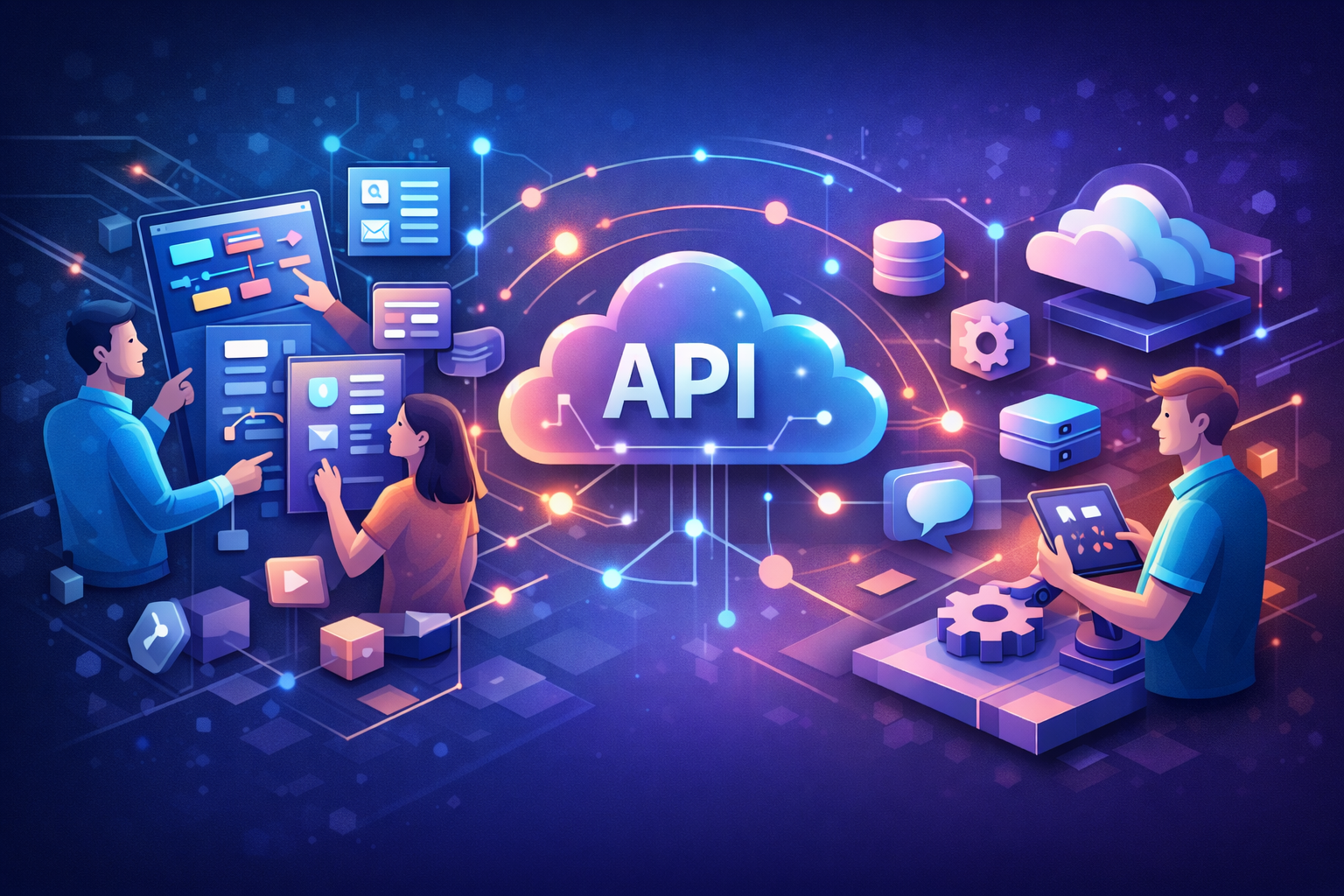
An API (Application Programming Interface) is a set of rules and protocols that allows different software applications to communicate with each other.
Think of an API as a digital messenger that takes a request from one system, sends it to another system, and then returns the response.
For example:
- A retailer’s system can automatically send orders to a supplier’s system.
- A payment gateway can confirm transactions instantly.
- A logistics system can update delivery status in real time.
APIs make these interactions smooth and automated.
Why APIs Are Important in B2B Integration
1. Real-Time Data Exchange
APIs allow businesses to share information instantly between systems. This means updates such as orders, inventory levels, and payment confirmations can be processed in real time.
Real-time communication helps businesses make faster decisions and improve operational efficiency.
2. Improved Automation
APIs eliminate the need for manual data entry and repetitive tasks. Automated workflows reduce human errors and increase productivity.
For example:
- Orders can automatically move from a sales platform to an ERP system.
- Inventory updates can synchronize across multiple platforms.
Automation saves time and reduces operational costs.
3. Better Partner Collaboration
B2B businesses often work with multiple partners, including suppliers, distributors, and service providers. APIs allow these partners to integrate their systems and share data securely.
This level of connectivity improves transparency, coordination, and overall business relationships.
4. Scalability and Flexibility
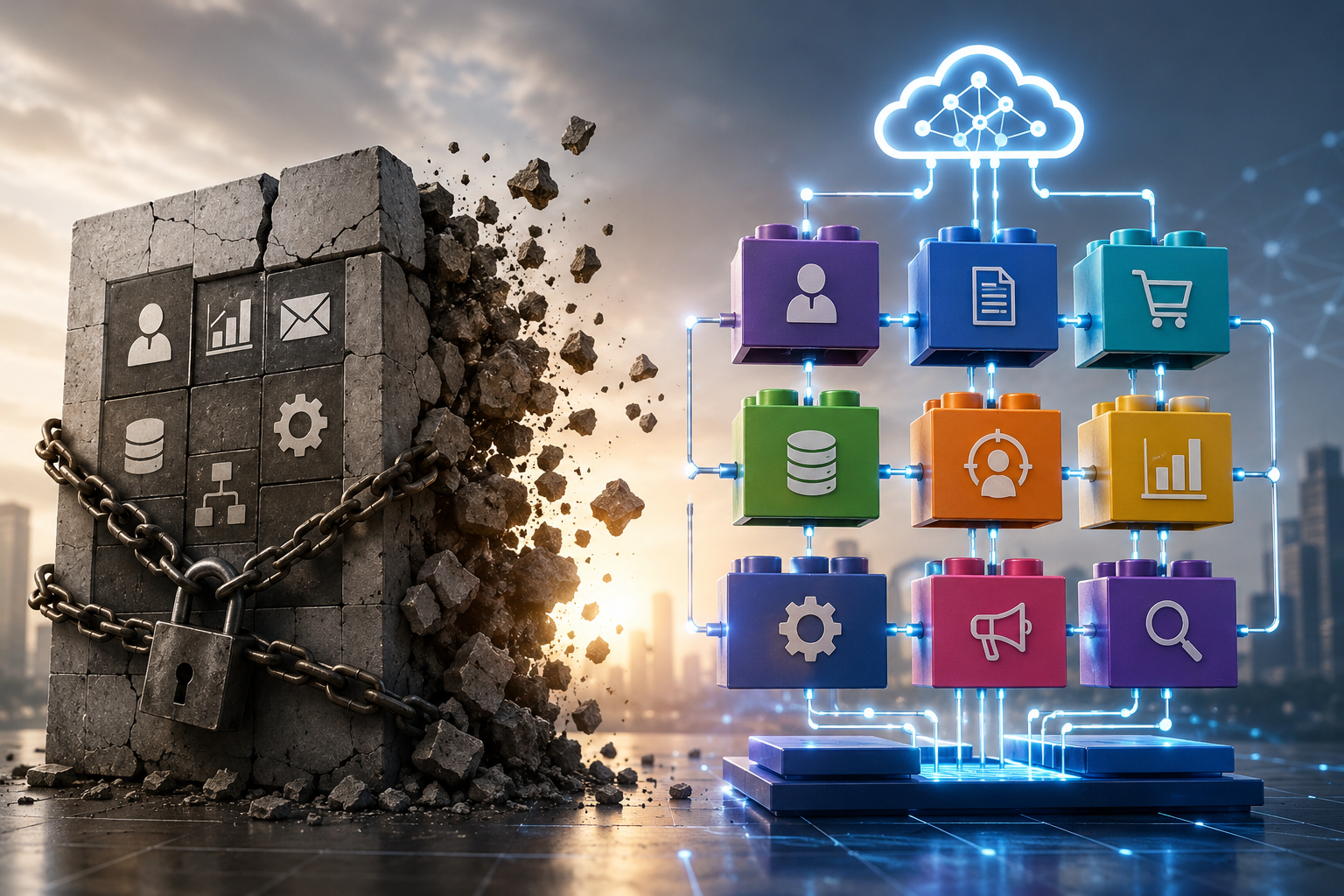
As businesses grow, they need systems that can adapt quickly to new partners, technologies, and markets. APIs make it easier to integrate new platforms without rebuilding the entire infrastructure.
Companies can quickly add new tools, services, or partners while maintaining smooth operations.
5. Enhanced Customer Experience
API-driven integration ensures faster processing of orders, accurate data, and timely updates. This improves customer satisfaction and builds trust.
For instance:
- Customers receive real-time order tracking.
- Businesses can respond quickly to inquiries or service requests.
Better system connectivity leads to better service delivery.
Common Use Cases of APIs in B2B Integration
Supply Chain Management
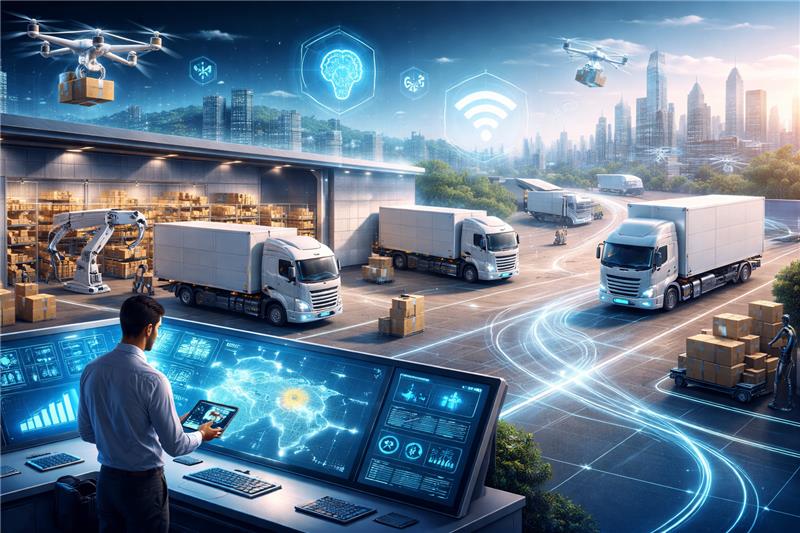
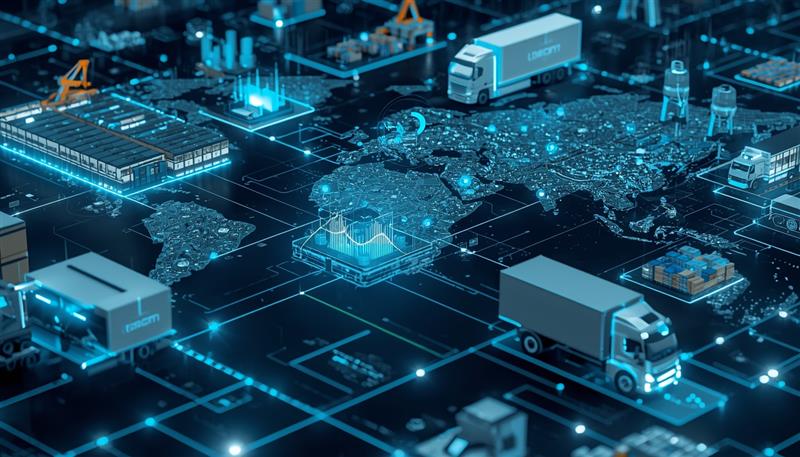
APIs connect suppliers, manufacturers, and distributors, enabling seamless data sharing across the supply chain. Businesses can track inventory, shipments, and orders in real time.
E-Commerce Integration
Online B2B platforms use APIs to connect with payment gateways, inventory systems, and shipping providers. This ensures that product information, pricing, and availability remain accurate.
Financial Transactions
APIs enable secure communication between financial systems for payments, invoicing, and billing. This simplifies financial operations and reduces processing delays.
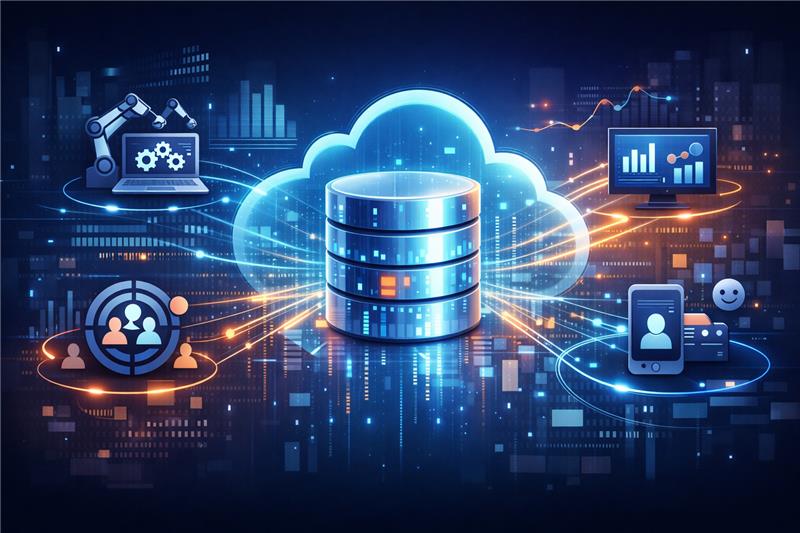
Data Synchronization
Companies often use multiple platforms to manage operations. APIs ensure that data remains synchronized across systems, preventing inconsistencies and duplication.
Challenges in API-Based B2B Integration
Although APIs provide many benefits, businesses must address certain challenges:
- Security risks: Sensitive business data must be protected with strong authentication and encryption.
- Compatibility issues: Different systems may use different data formats or standards.
- Integration complexity: Poorly designed APIs can lead to technical difficulties.
Proper API management and security practices are essential for successful implementation.
Best Practices for Implementing APIs in B2B Integration
Businesses can maximize the benefits of APIs by following these best practices:
- Use secure authentication methods such as OAuth or API keys.
- Implement clear documentation for developers and partners.
- Monitor API performance and usage regularly.
- Use standardized data formats like JSON or XML.
- Maintain version control to avoid disruptions when updating APIs.
Following these practices ensures reliable and secure integration.
The Future of APIs in B2B Integration
The role of APIs in B2B integration will continue to grow as businesses adopt digital transformation strategies. Technologies such as cloud computing, artificial intelligence, and the Internet of Things (IoT) are increasing the need for seamless system connectivity.
Modern businesses are moving toward API-first architectures, where systems are designed with integration in mind from the beginning. This approach allows companies to innovate faster and collaborate more effectively.
Read Also: 10 Proven B2B Lead Generation Strategies to Grow Your Business