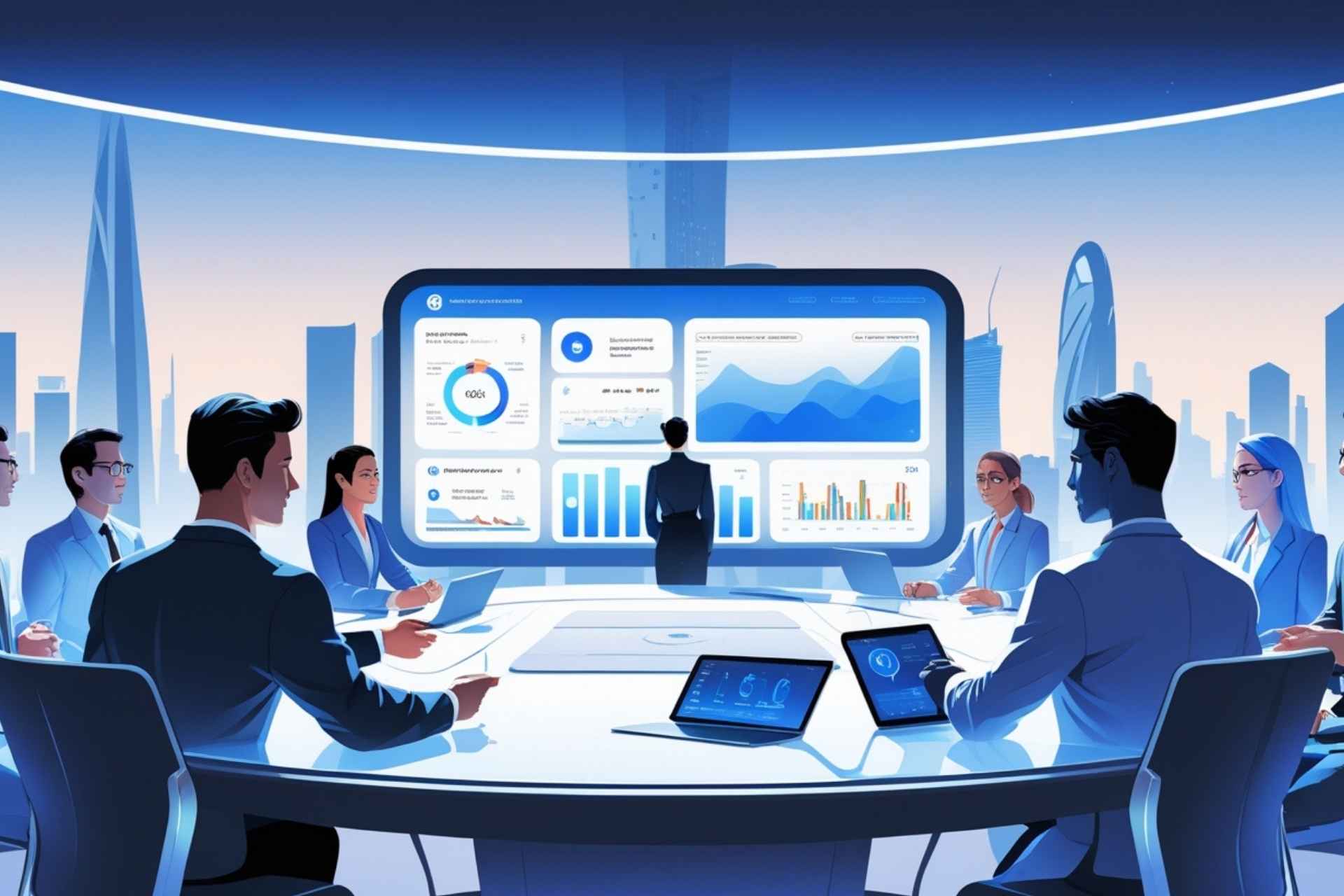

In today’s competitive business landscape, customer experience (CX) has become a vital differentiator not just for B2C companies, but increasingly for B2B organizations as well. Historically, B2B businesses have relied on product features, pricing, and long-standing relationships to retain clients. However, buyer expectations have shifted dramatically. Business customers now demand the same seamless, personalized, and efficient experiences they enjoy as consumers. Ignoring this change can be costly.
1. B2B Buyers Are Also Consumers
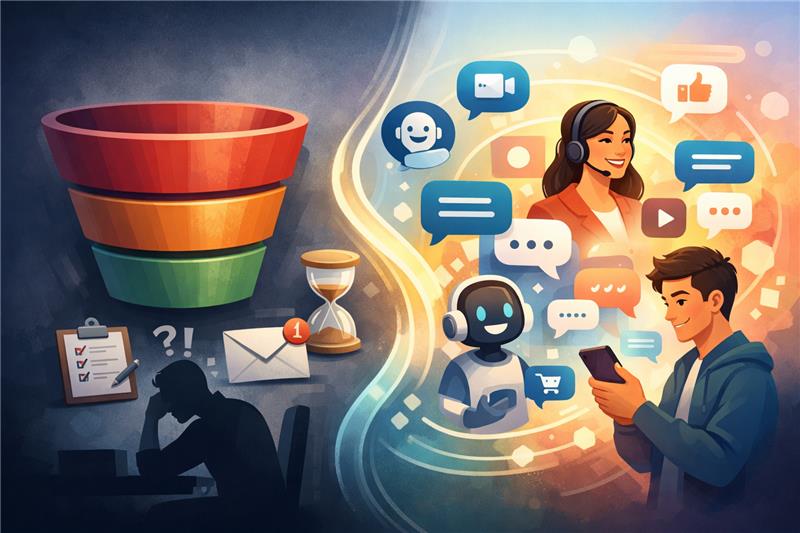
Today’s B2B decision-makers are digital natives who expect intuitive, streamlined interactions. They’re used to platforms like Amazon, Netflix, and Uber—brands that have redefined convenience and responsiveness. When B2B companies fail to deliver comparable experiences, they risk falling behind.
Providing a high-quality customer experience isn’t just about keeping up with expectations—it’s about setting your business apart in a crowded marketplace.
2. CX Directly Impacts Revenue
According to research from PwC and Salesforce, more than 70% of B2B buyers say customer experience influences their purchasing decisions. A positive experience leads to higher customer retention, increased upselling opportunities, and strong word-of-mouth referrals. In contrast, a poor experience can drive clients straight to your competitors—even if your product is superior.
Happy customers are more loyal, and loyalty in the B2B world often translates to long-term, high-value contracts.
3. The Complexity of B2B Needs Better Navigation
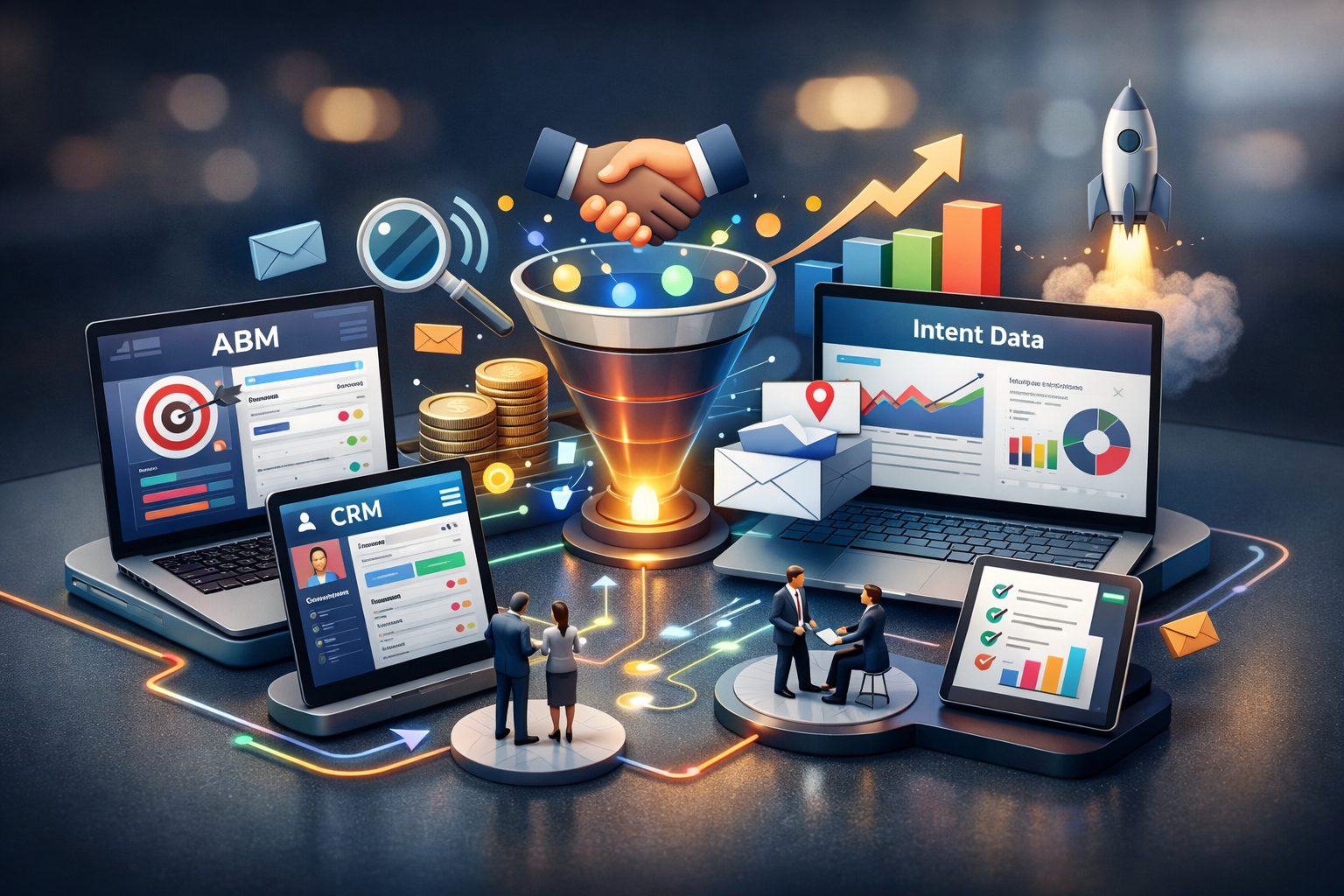
B2B transactions are often more complex than B2C, involving longer sales cycles, multiple decision-makers, and customized solutions. This complexity makes customer experience even more critical. Businesses that invest in clear communication, smooth onboarding, and responsive support can simplify the process for clients—turning a potential friction point into a competitive advantage.
4. Personalization Matters in B2B Too
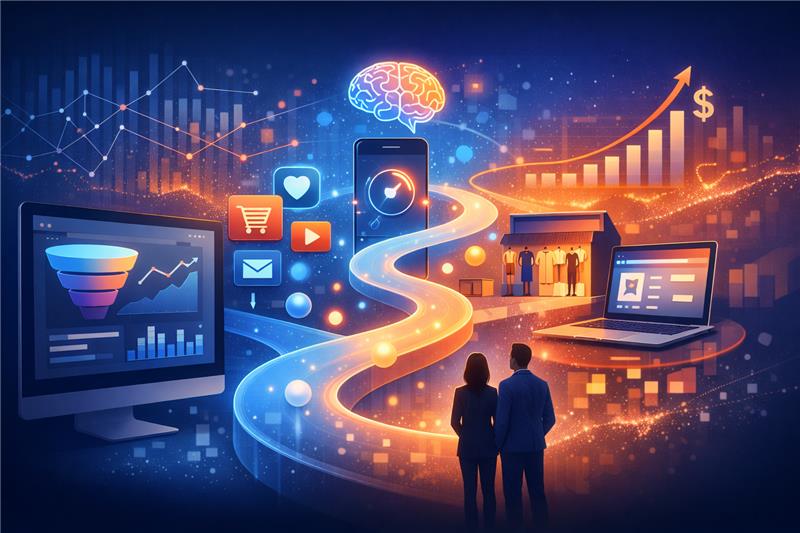
Personalization is not just a B2C strategy. In fact, B2B customers expect vendors to understand their industry, business model, and challenges. By leveraging data and insights to tailor communications, offerings, and services, B2B companies can forge deeper, more meaningful relationships with clients.
This approach not only increases trust but also makes your brand indispensable to your customer’s success.
5. Customer Experience Fuels Innovation
Engaging with clients through a CX-driven lens gives businesses valuable feedback and insights. These can inform product development, inspire new services, and uncover unmet needs. CX-focused companies are better positioned to adapt, evolve, and stay ahead of market trends.
6. Reputation and Referrals Depend on Experience
In the B2B world, referrals and reputation are everything. A strong customer experience strategy can turn satisfied clients into vocal advocates. On the other hand, even one bad experience can spread quickly through professional networks.
In industries where trust and reliability are paramount, delivering excellent CX isn’t just good practice—it’s essential for survival.
Final Thoughts
Customer experience is no longer a “nice to have” for B2B businesses—it’s a critical factor in growth and sustainability. Companies that prioritize CX stand to gain more than just satisfied clients; they’ll cultivate loyalty, earn advocacy, and build a competitive edge that can’t be easily replicated.
B2B brands must recognize that their clients are not just businesses, but people. And people remember how you make them feel.
Read Also: Overcoming Challenges in the Digital Transformation of B2B Companies