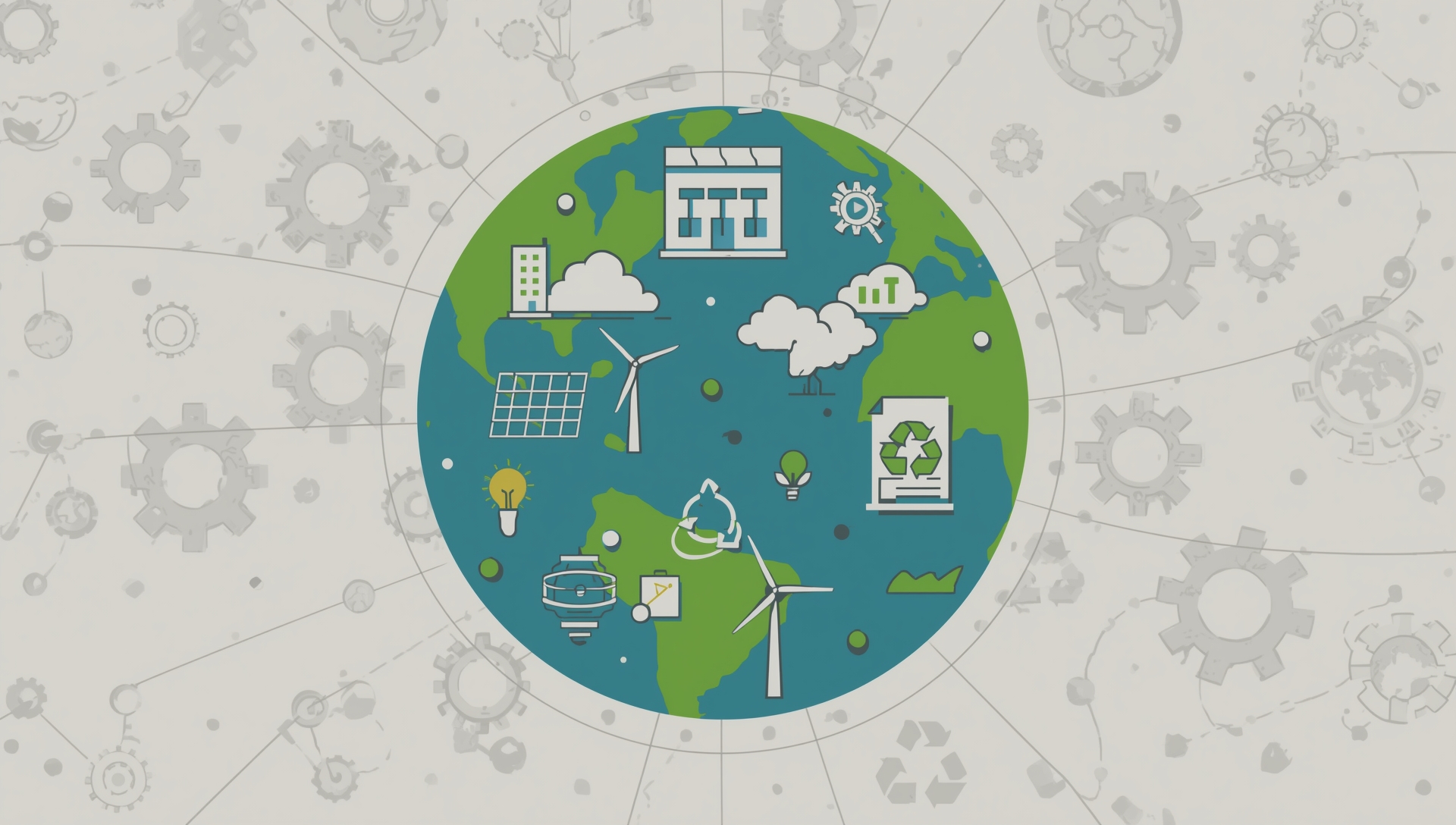

In the past, sustainability was often viewed as a differentiator—a nice-to-have element that set forward-thinking companies apart. Today, it has become a non-negotiable. From supply chain partners to corporate buyers, stakeholders increasingly expect B2B organizations to operate responsibly, communicate openly, and prove their commitments with real data.
For B2B companies, embracing sustainability and transparency isn’t just about ethics. It’s about long-term competitiveness, regulatory alignment, and resilience in a rapidly changing marketplace.
- Growing Buyer Expectations
Modern procurement teams conduct deeper due diligence than ever. ESG (Environmental, Social, and Governance) criteria are now embedded into purchasing decisions. Large enterprises are asking suppliers to:
- Disclose environmental impact
- Demonstrate responsible sourcing
- Show labor and safety standards compliance
- Track carbon footprints
B2B suppliers who cannot provide transparent sustainability data risk losing contracts, even if they offer superior pricing or product quality.
- Regulatory Pressures Are Increasing
Governments worldwide are tightening sustainability disclosure requirements. Regulations like the EU’s Corporate Sustainability Reporting Directive (CSRD) and emerging climate-risk guidelines in the U.S. are pushing sustainability reporting from voluntary to mandatory.
B2B companies that act early can avoid rushed compliance efforts, reduce legal risks, and build systems that scale with future regulations.
- Supply Chain Resilience Depends on Sustainability
Unethical sourcing, poor waste management, and resource-intensive practices expose companies to operational disruptions. Sustainable approaches—such as responsible sourcing, energy efficiency, and waste reduction—improve:
- Resource availability
- Cost stability
- Risk management
- Long-term operational continuity
Transparent communication strengthens trust within the supply chain, making it easier to collaborate and respond to disruptions.
- Transparency Builds Trust and Competitive Differentiation
In B2B markets, trust is currency. When companies openly share sustainability metrics, audit results, or improvement plans, they demonstrate accountability and reliability.
Transparency builds stronger relationships with customers, investors, and partners—and can be a deciding factor in competitive bidding.
- Sustainability Drives Innovation and Efficiency
Sustainability is not just a cost center; it’s a catalyst for innovation. Companies that embrace sustainable practices often discover:
- More efficient operations
- Lower energy and material costs
- New product opportunities
- Better talent attraction and retention
In many cases, sustainability becomes a driver of profitability rather than an expense.
- Future-Proofing the Business
Markets are evolving. Buyers want partners who can operate responsibly for decades—not just meet quarterly targets. By investing in sustainability and transparency today, B2B companies:
- Strengthen brand reputation
- Adapt to economic shifts
- Align with global expectations
- Build long-term value
Sustainable businesses are simply better prepared for the future.
Read Also: Manual Processes vs. Automation in B2B Transactions: Which One Wins?