
1. AI-Driven Hyper-Personalization
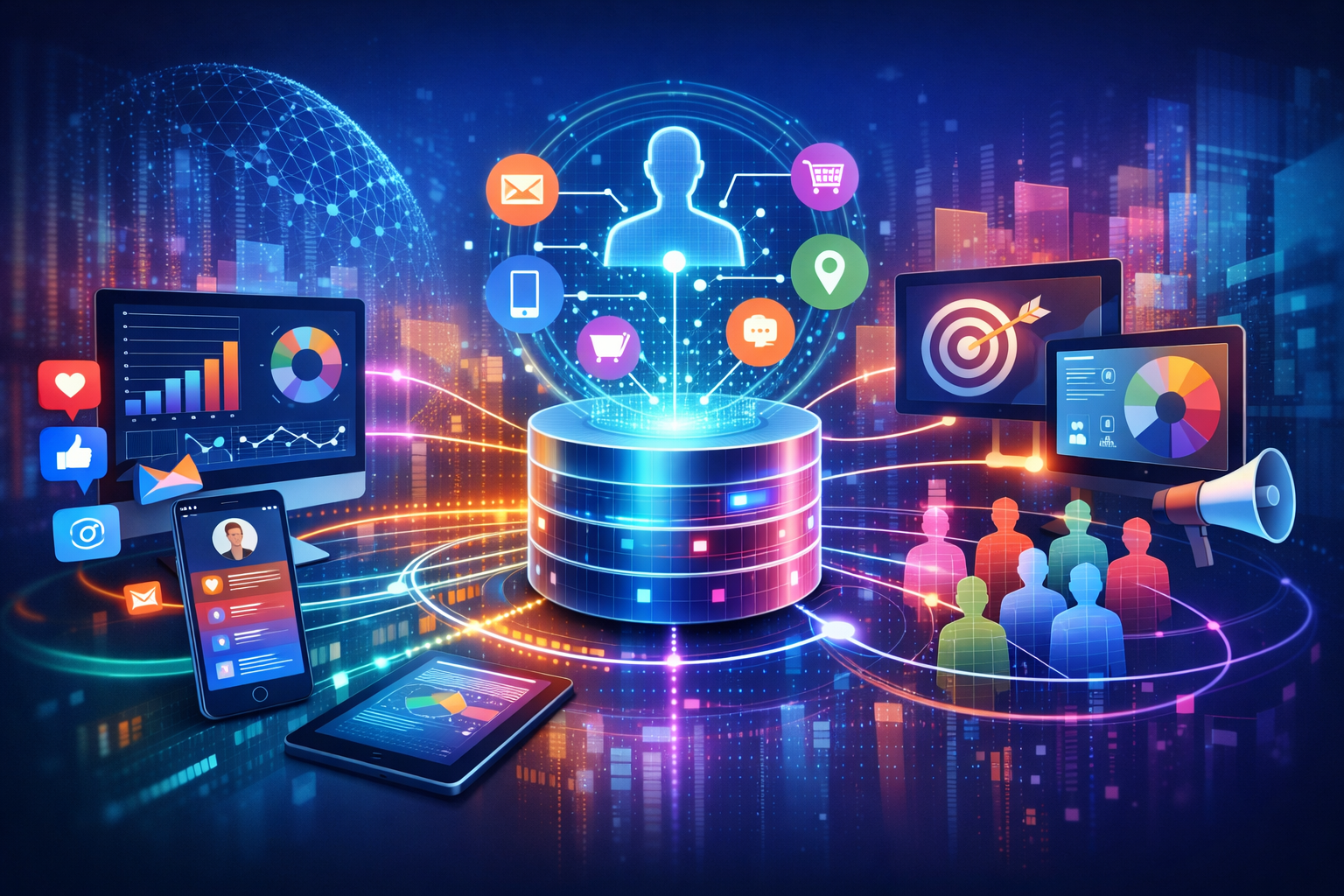
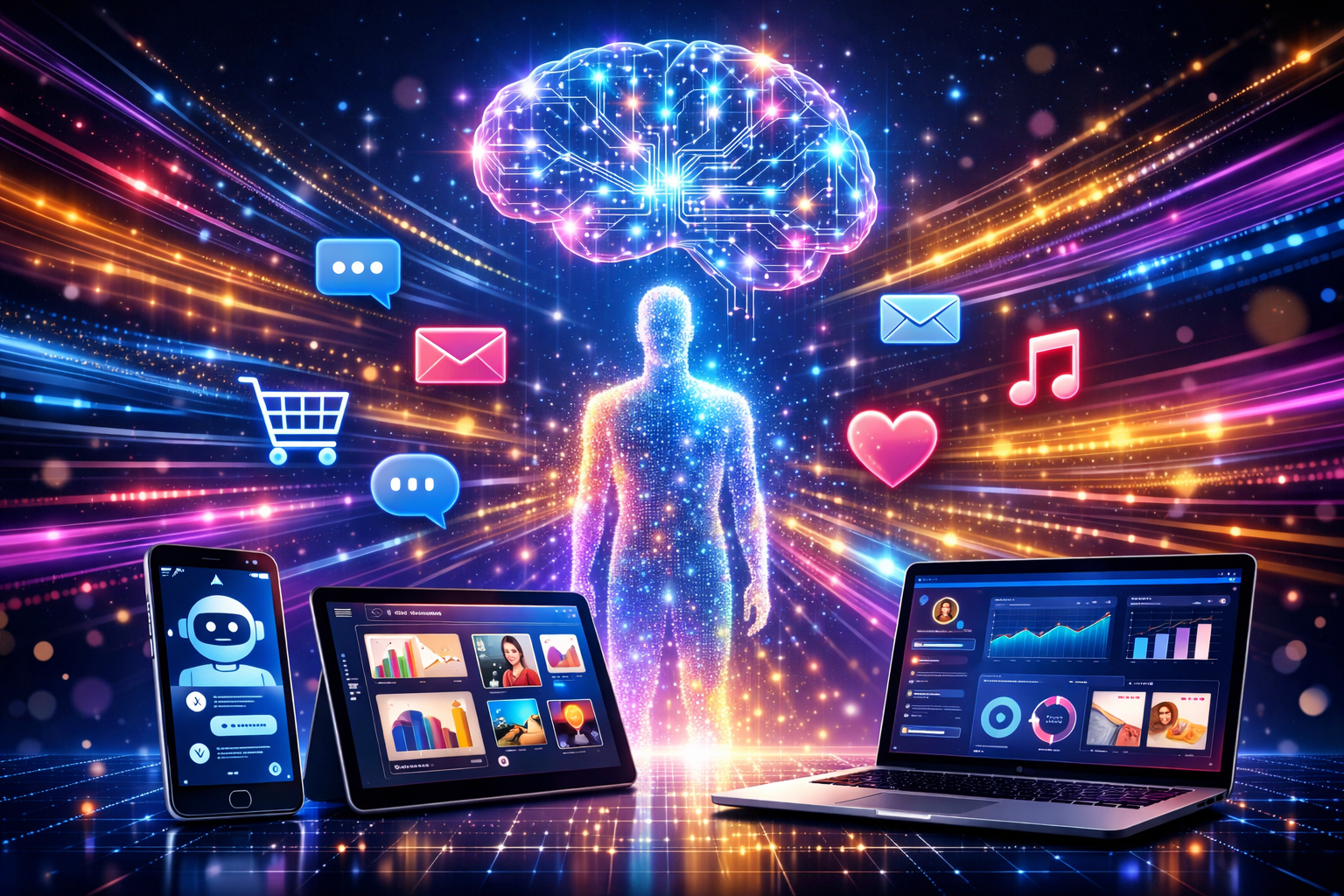
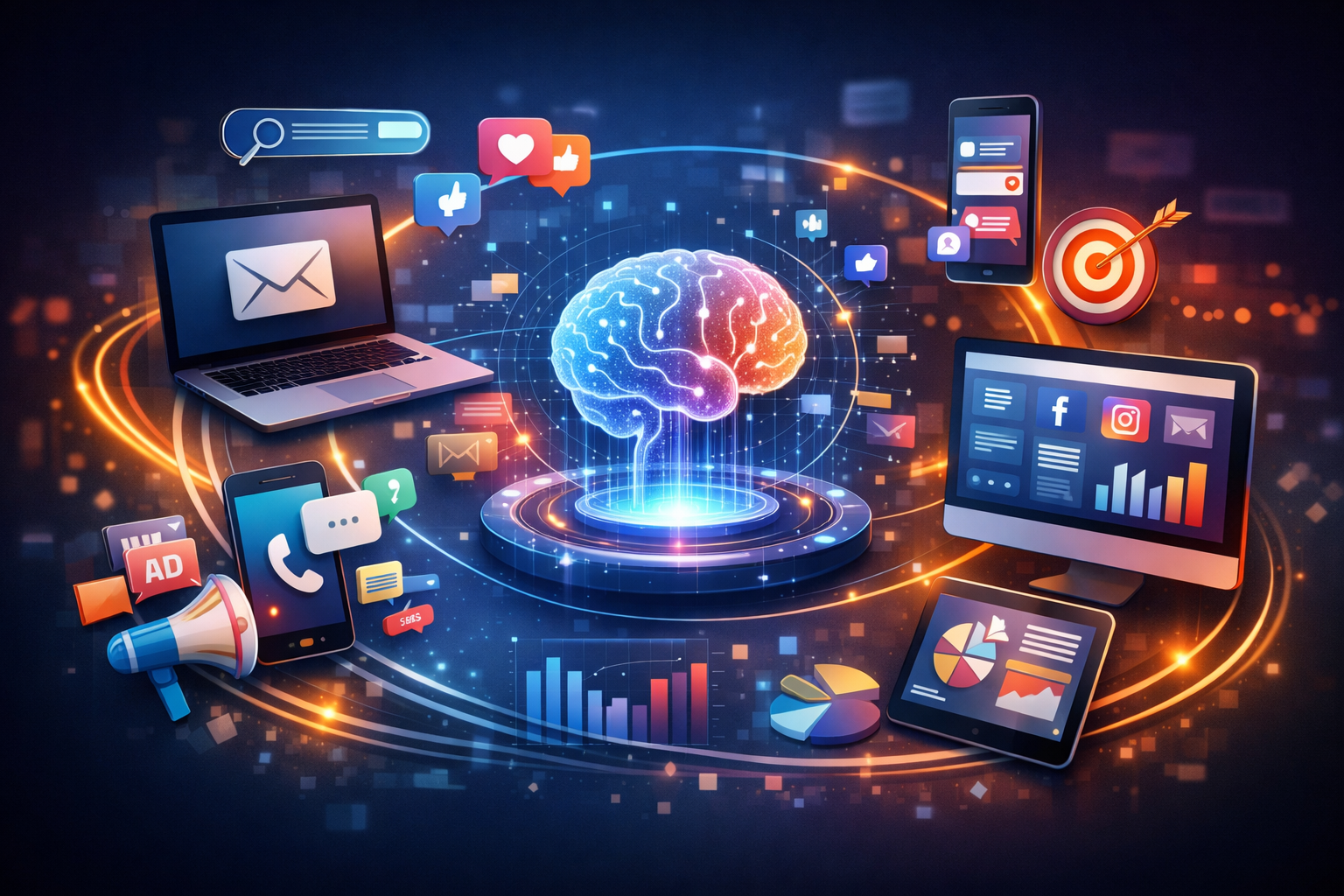
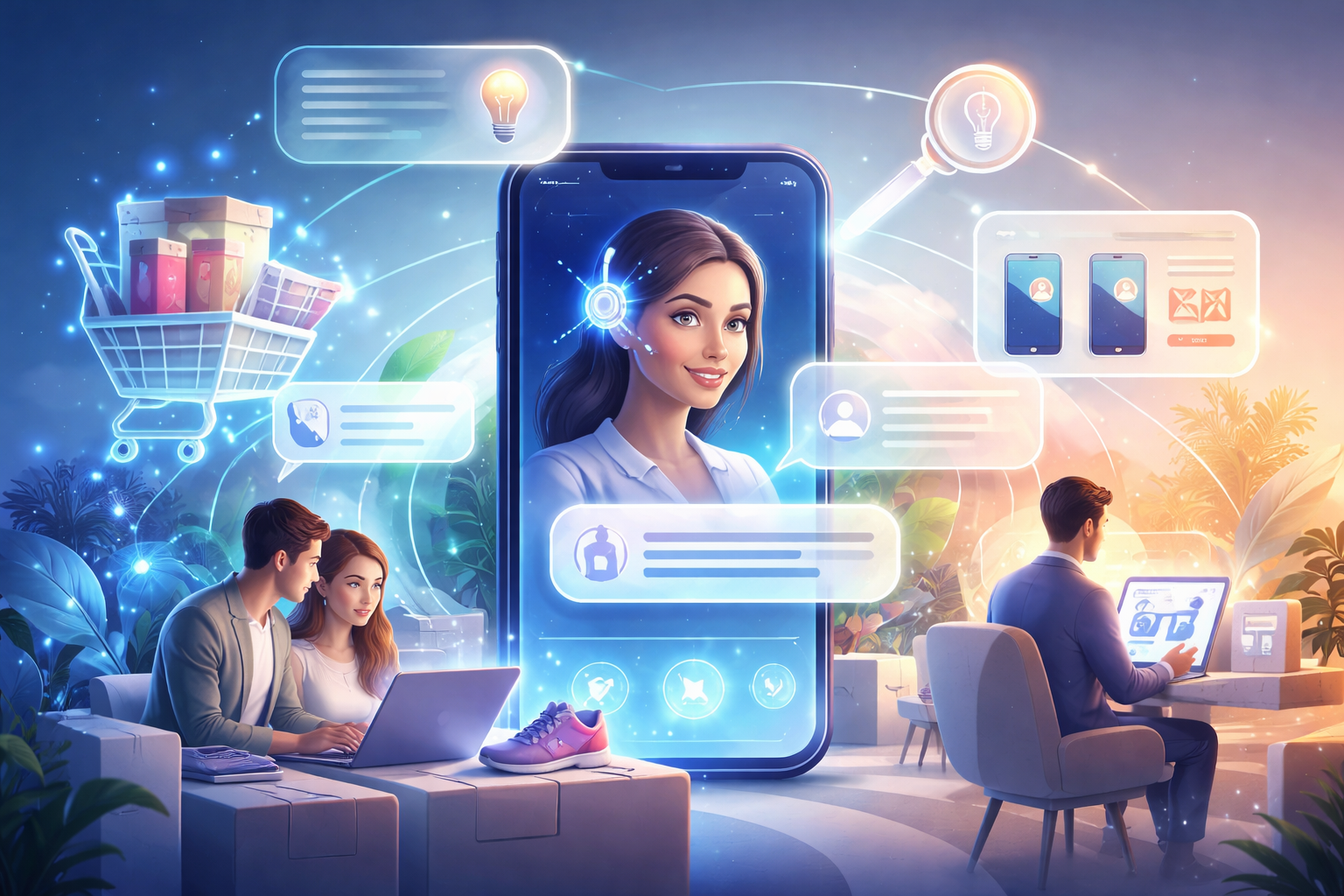
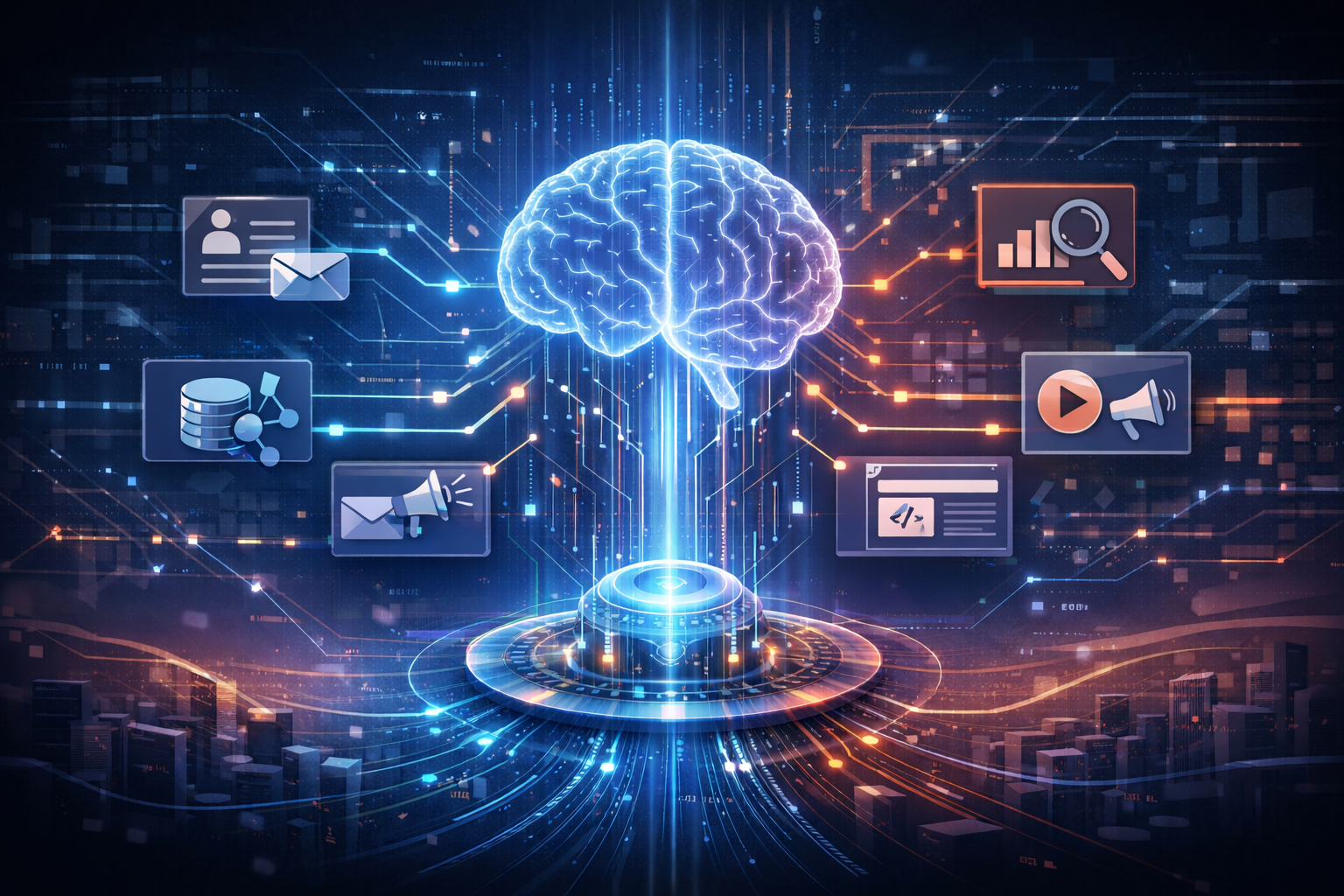
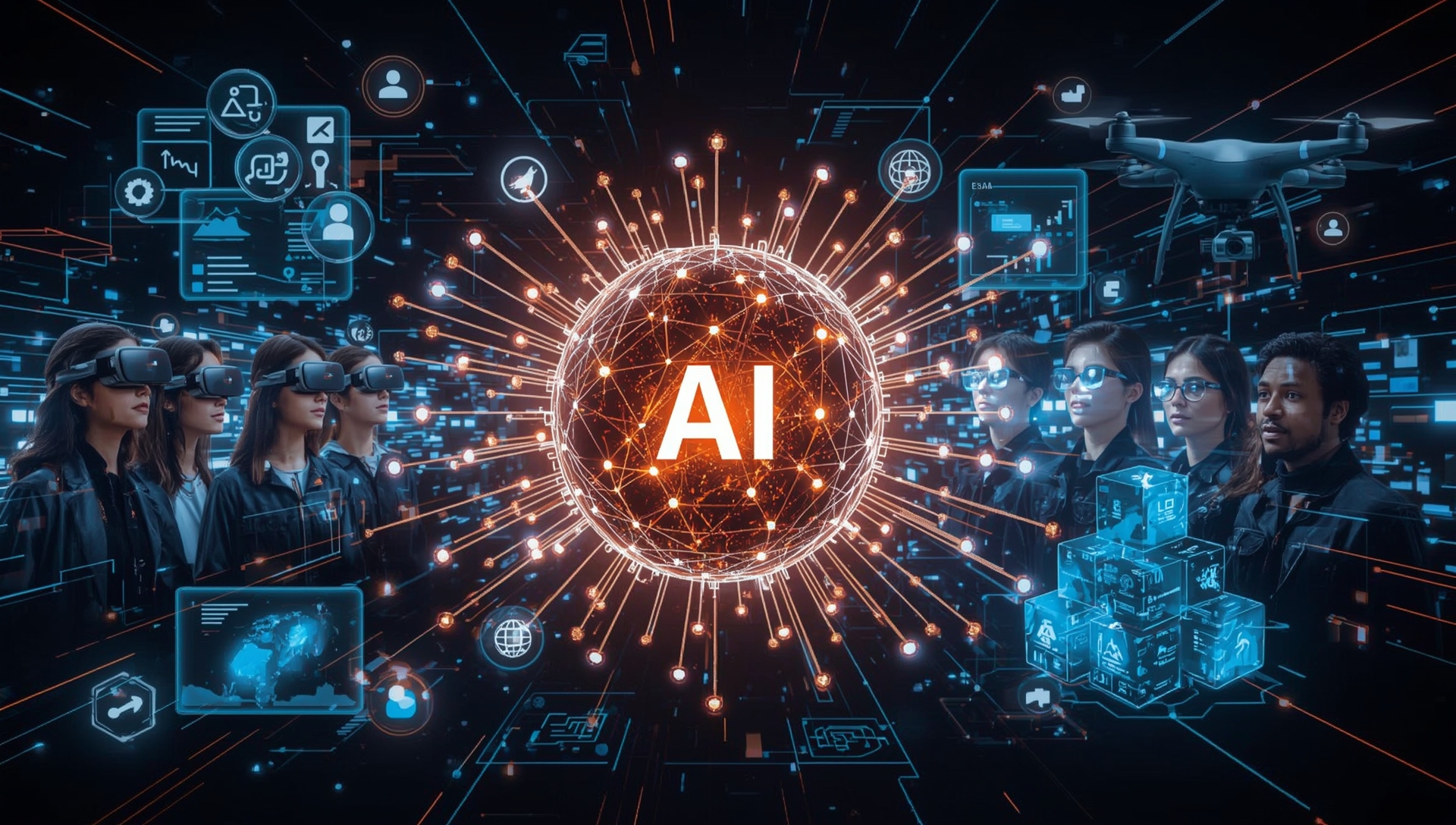
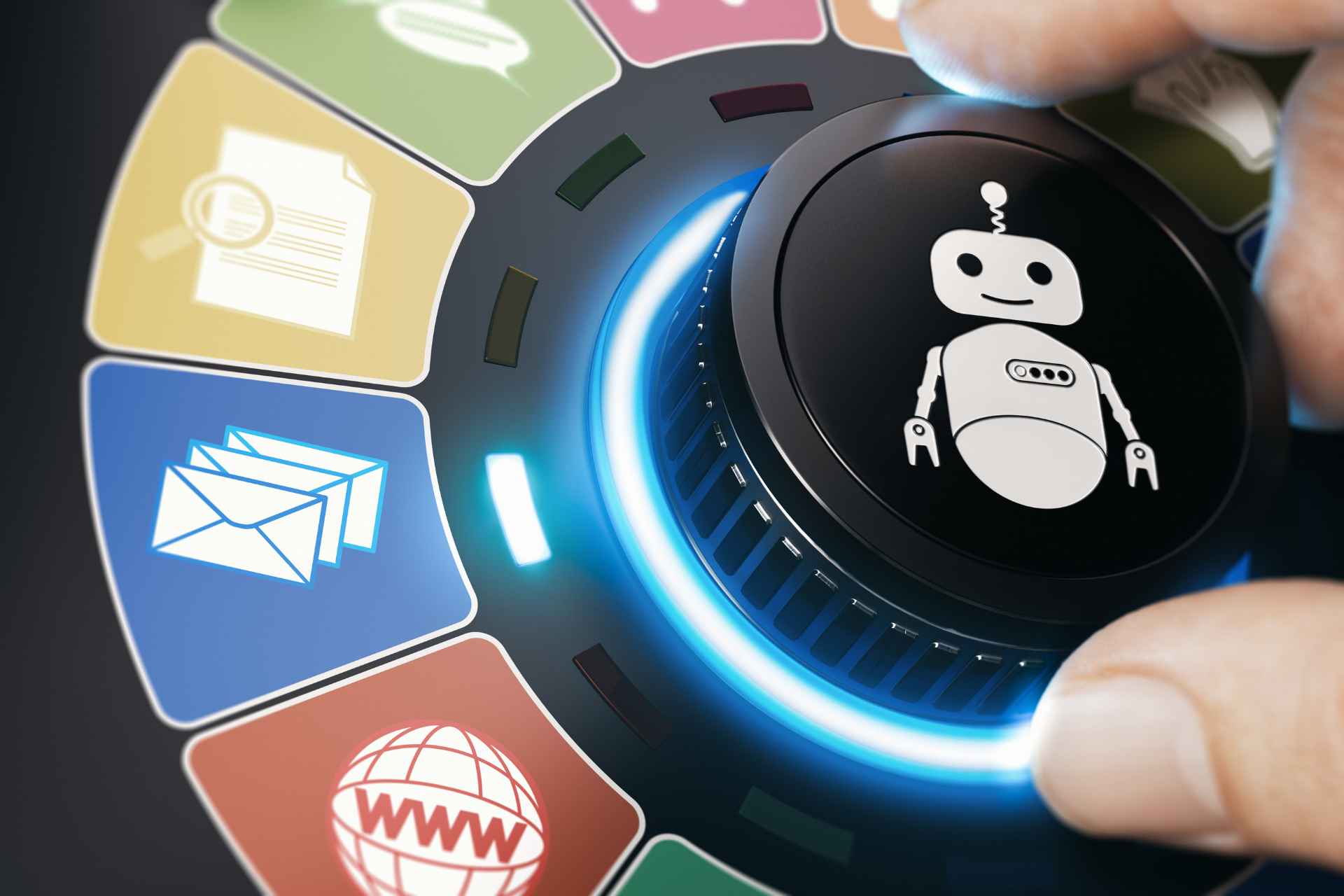
- Leveraging AI and machine learning to tailor content, messaging, and recommendations at an individual level, in real-time. This hyper-personalized approach amplifies engagement and relevance.
2. Omnichannel Marketing Orchestration
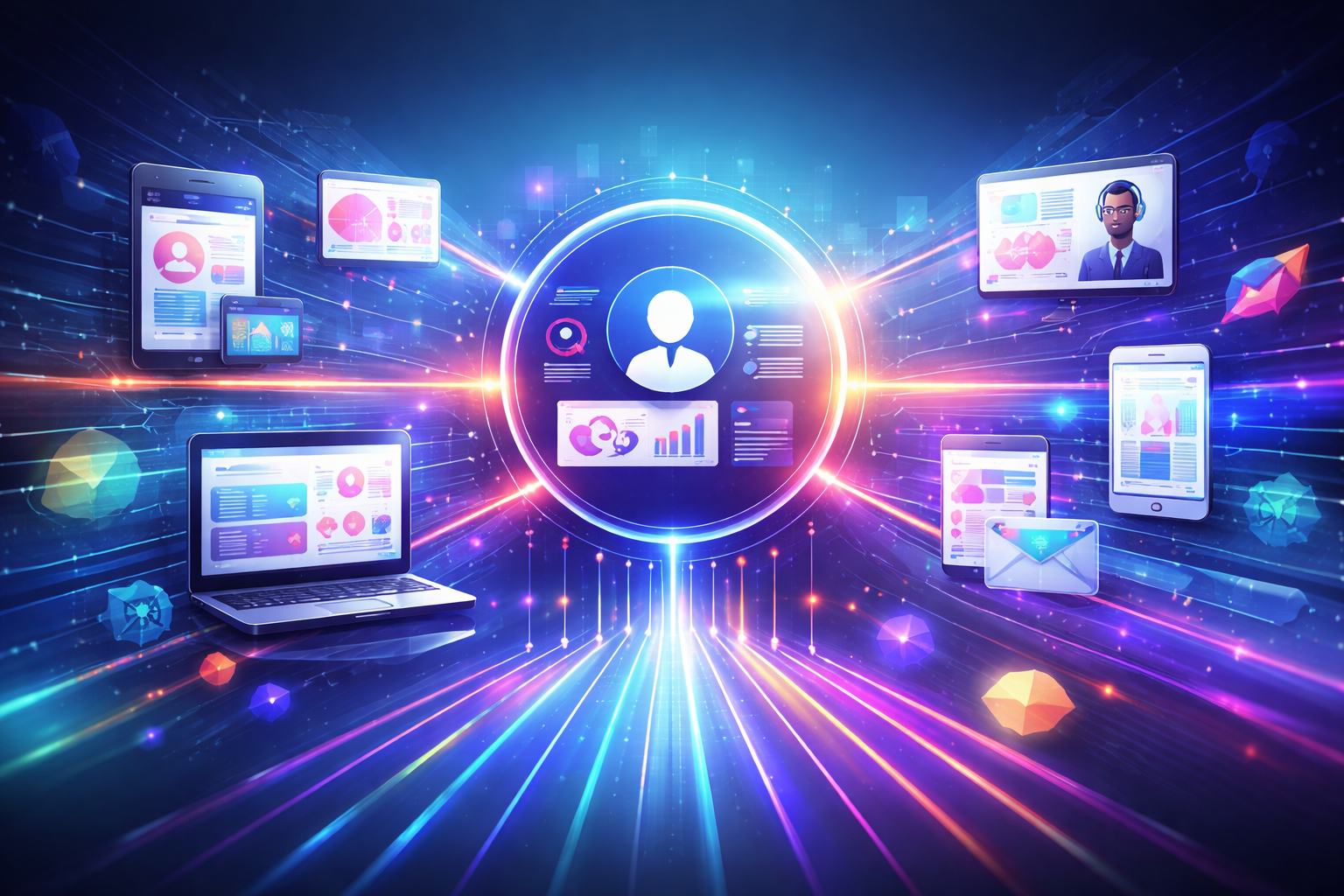
- Seamlessly coordinating messaging across email, social, SMS, mobile apps, web, and conversational platforms (e.g., WhatsApp) ensures consistent and convenient brand experiences.
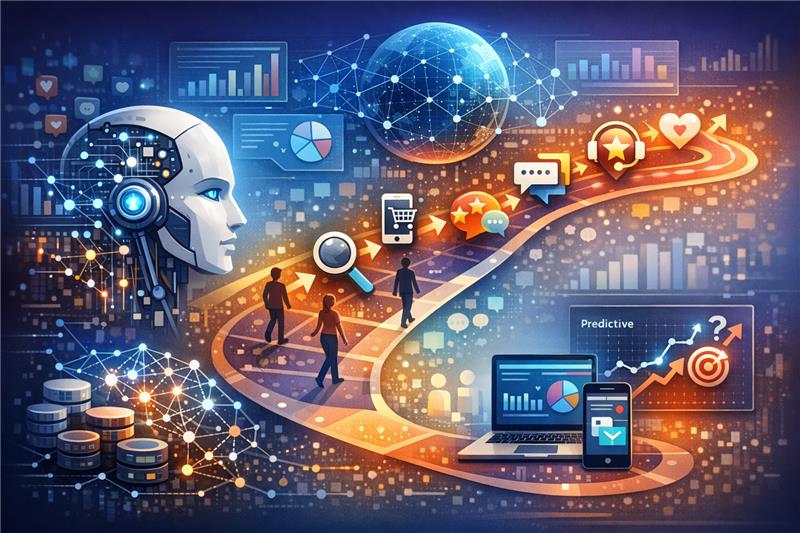
3. Predictive Analytics & Lead Scoring
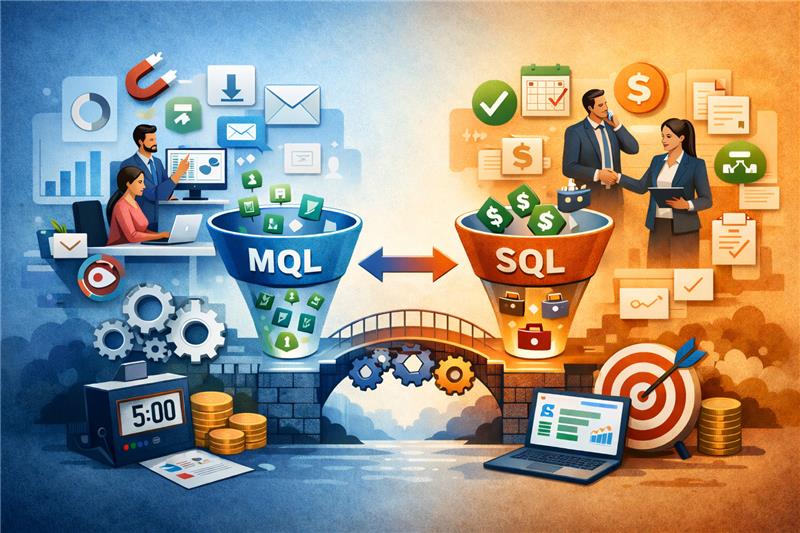
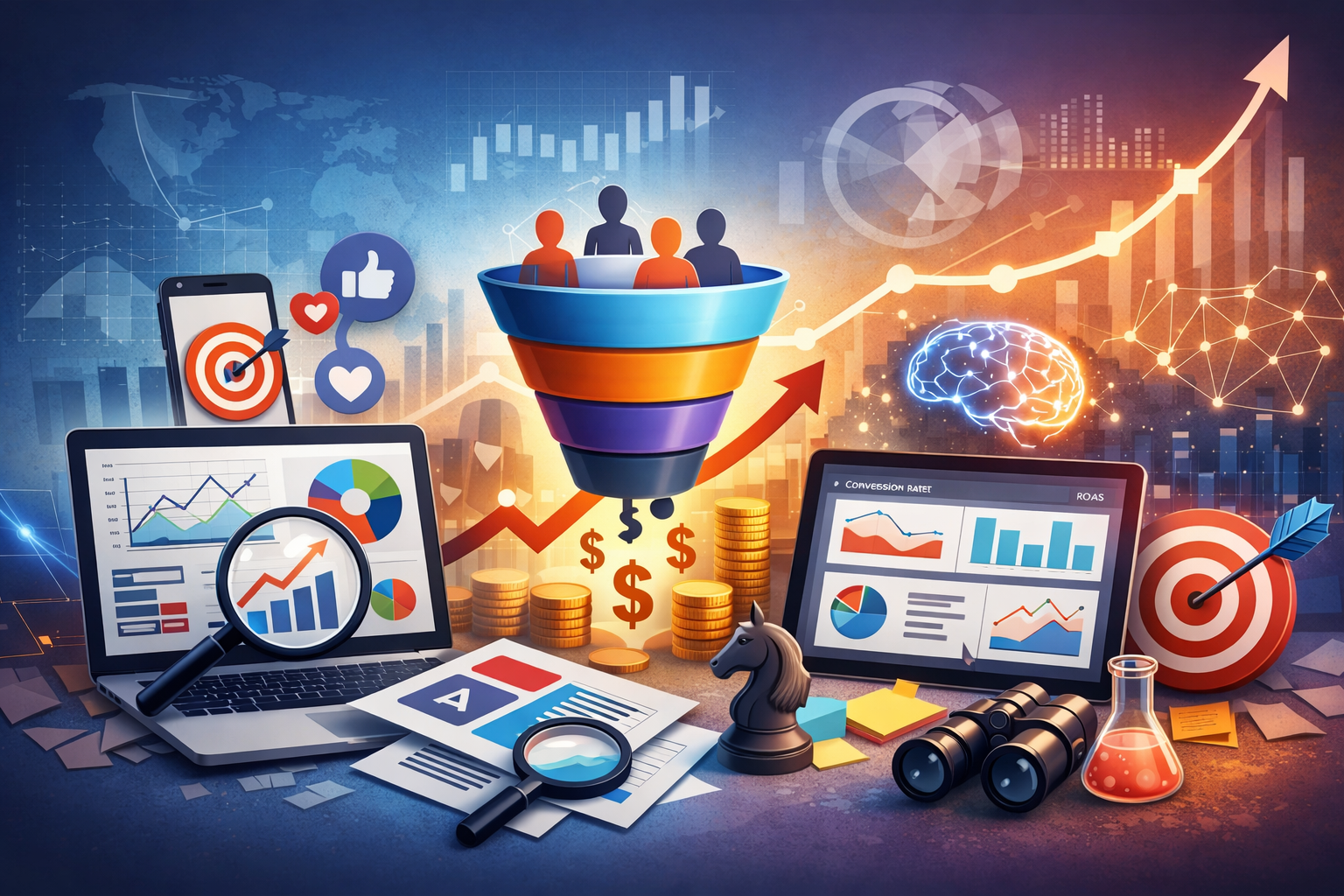
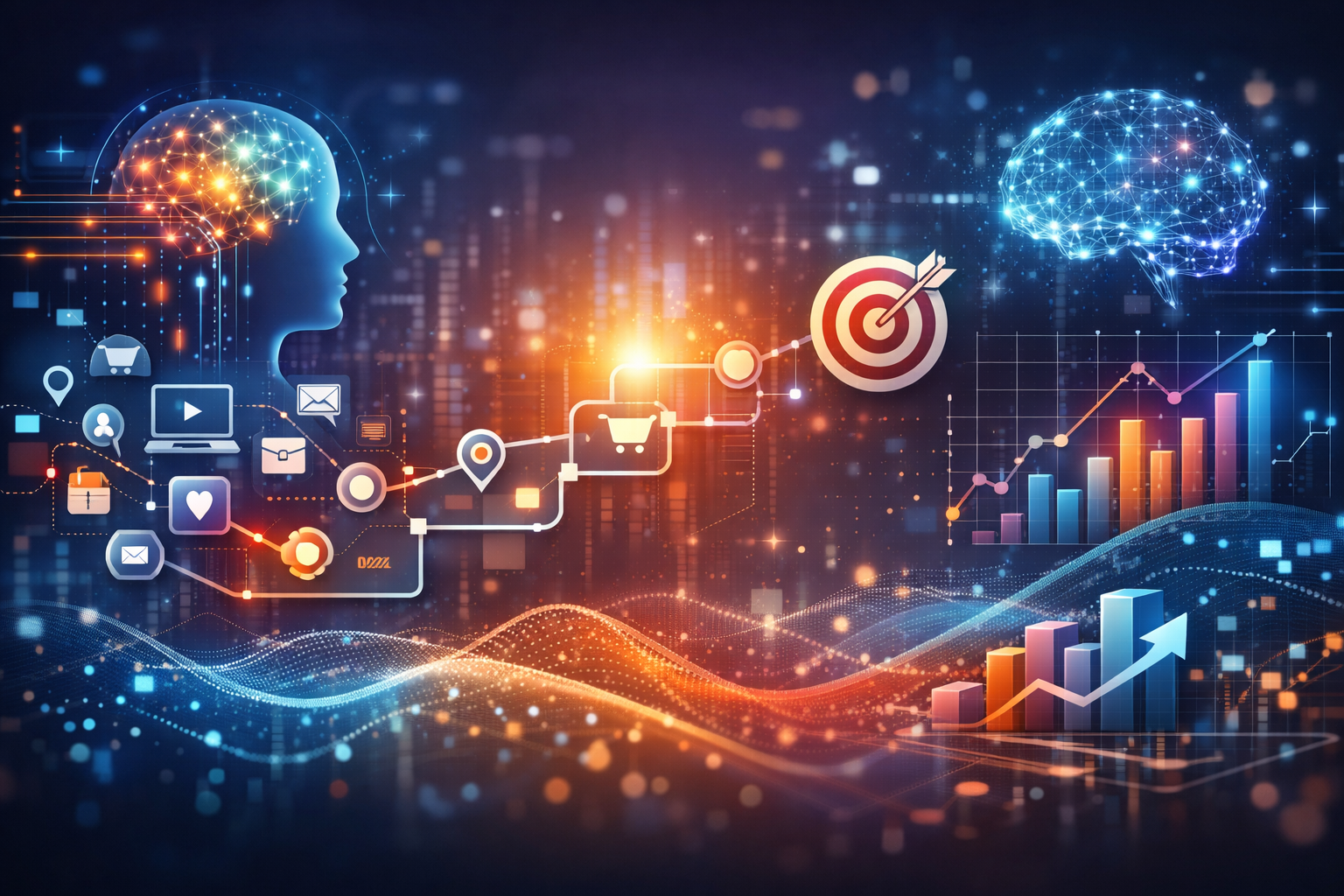
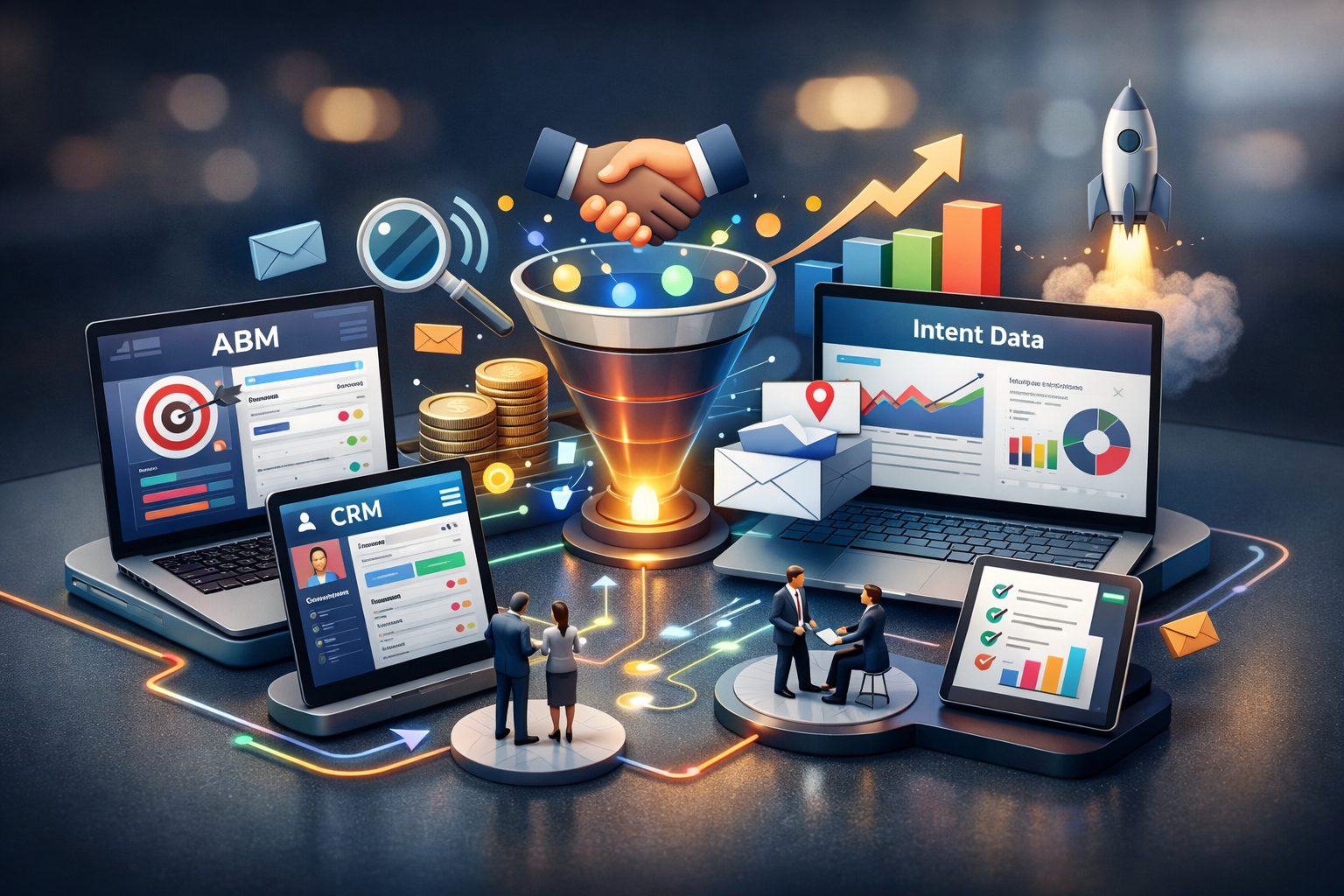
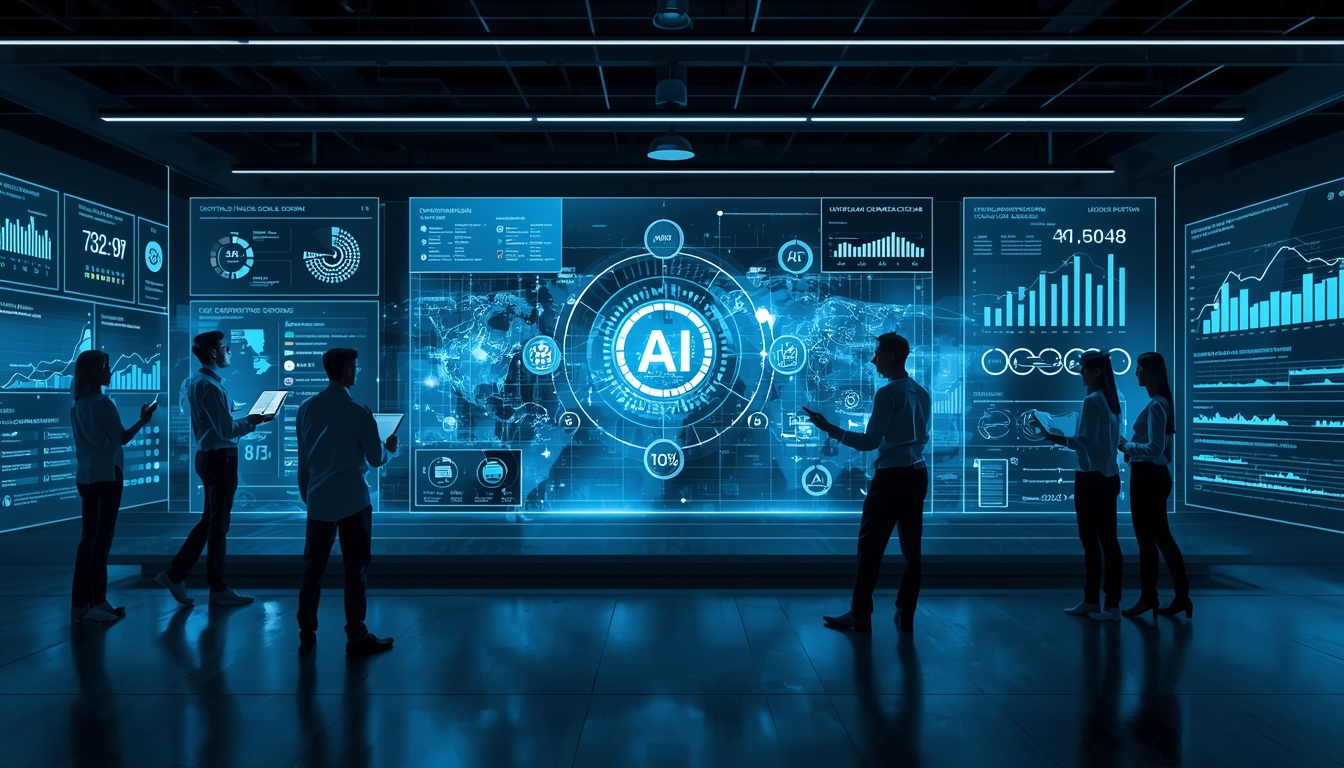
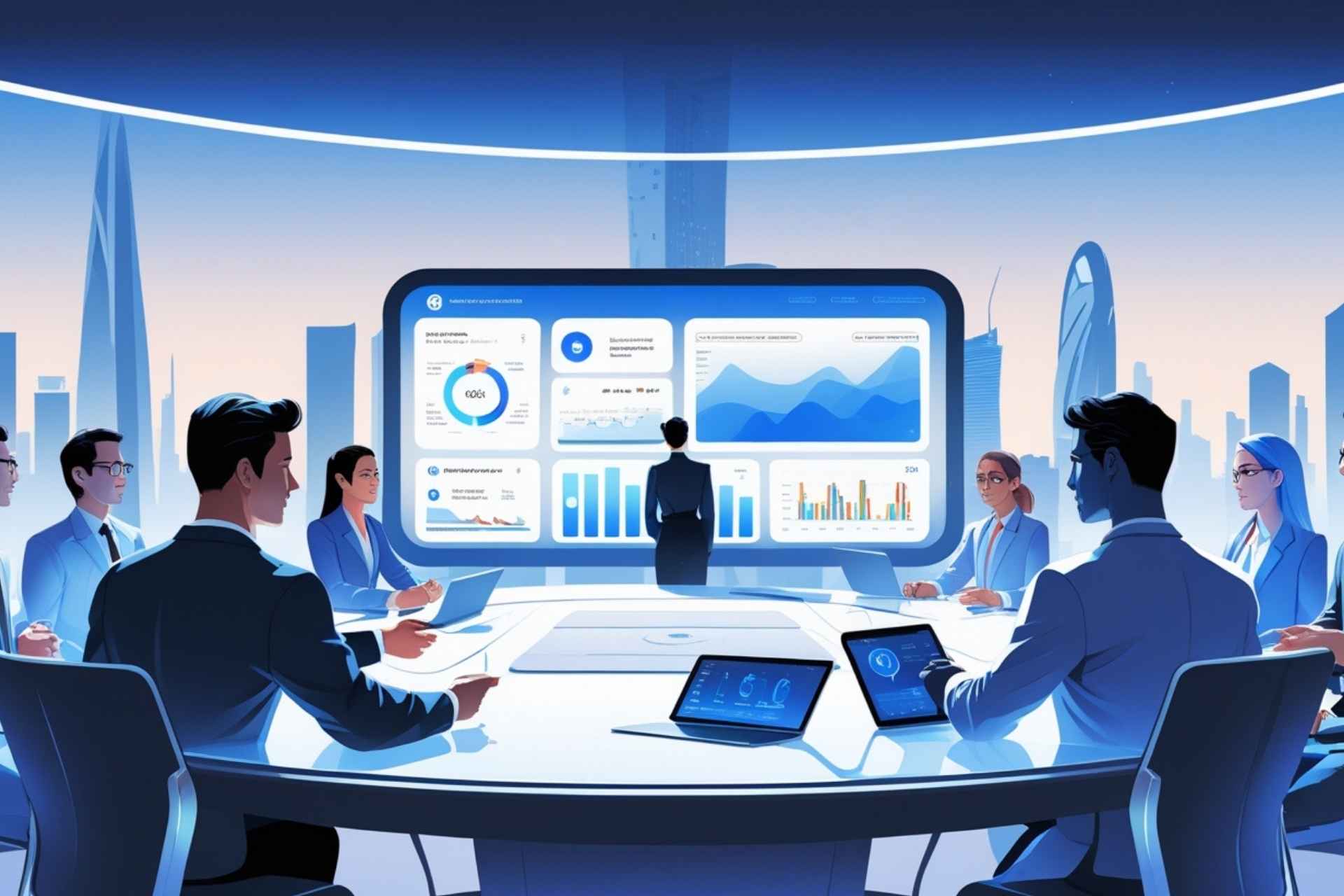
- AI-powered models identify high-conversion leads and forecast campaign performance, enabling smarter targeting and resource allocation.
4. Conversational Marketing (Chatbots & Voice)
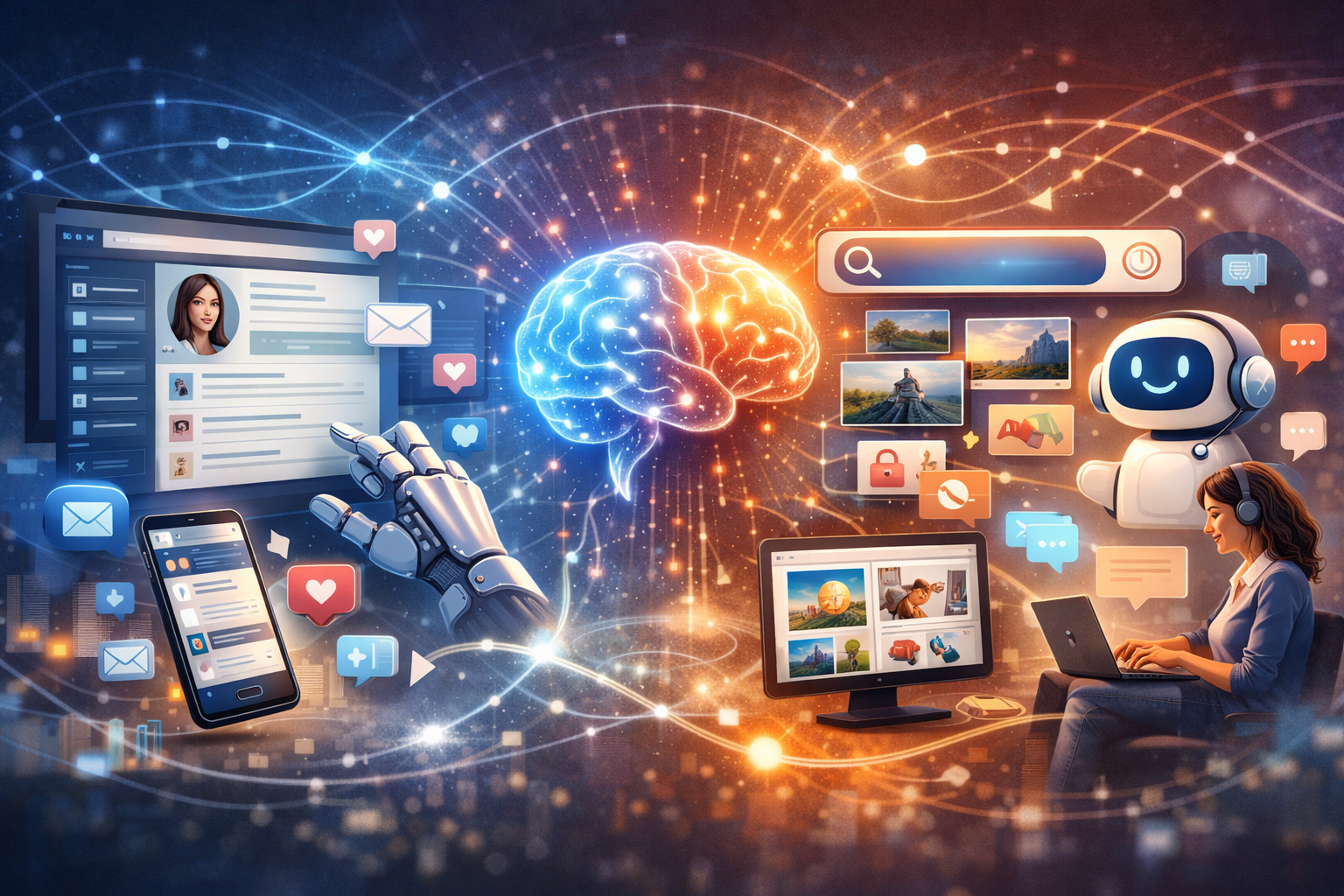
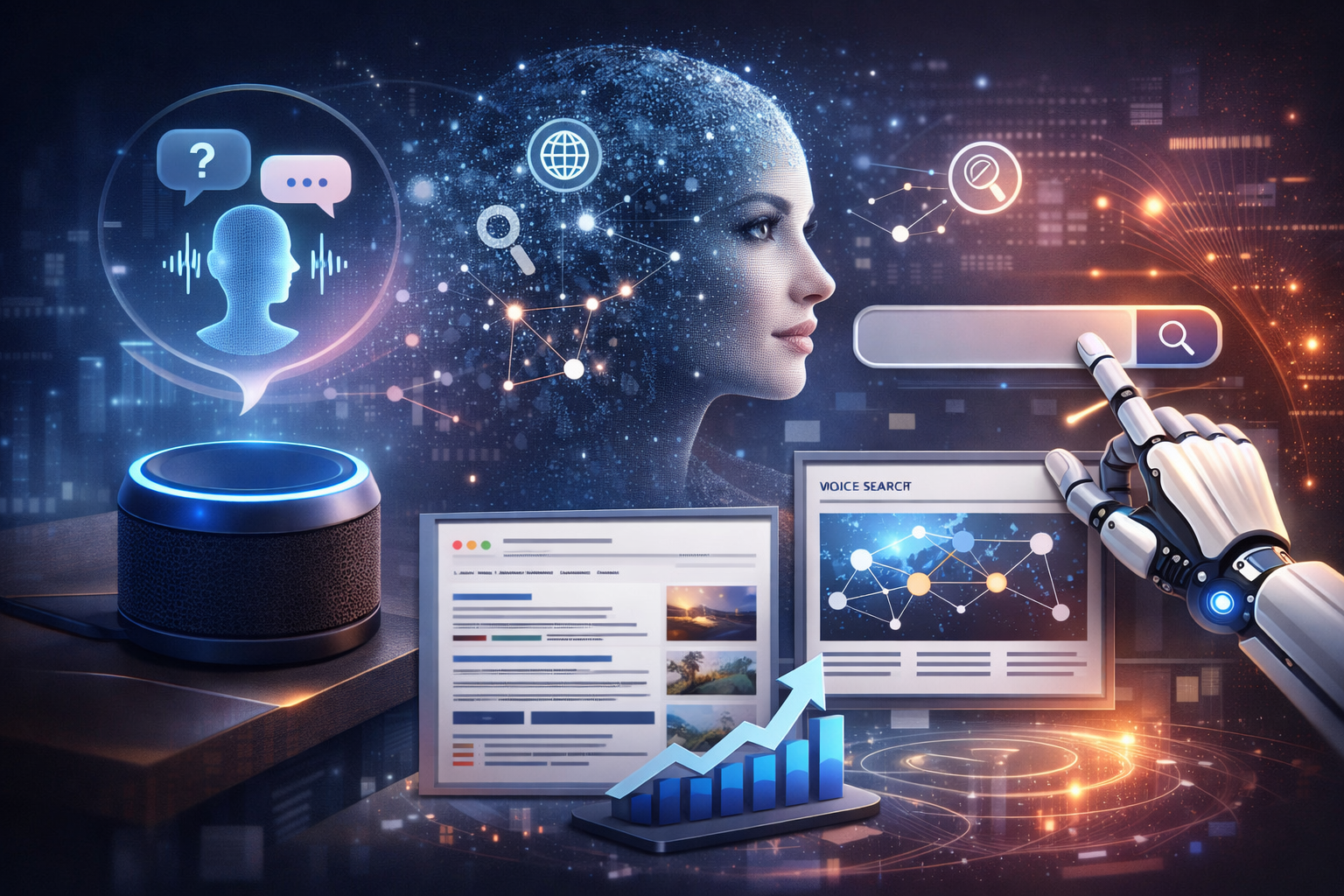
- Advanced chatbots and voice-enabled tools now offer human-like, 24/7 interactions. Automation supports support, lead capture, and engagement through natural language interfaces.
5. No-Code / Low-Code Automation
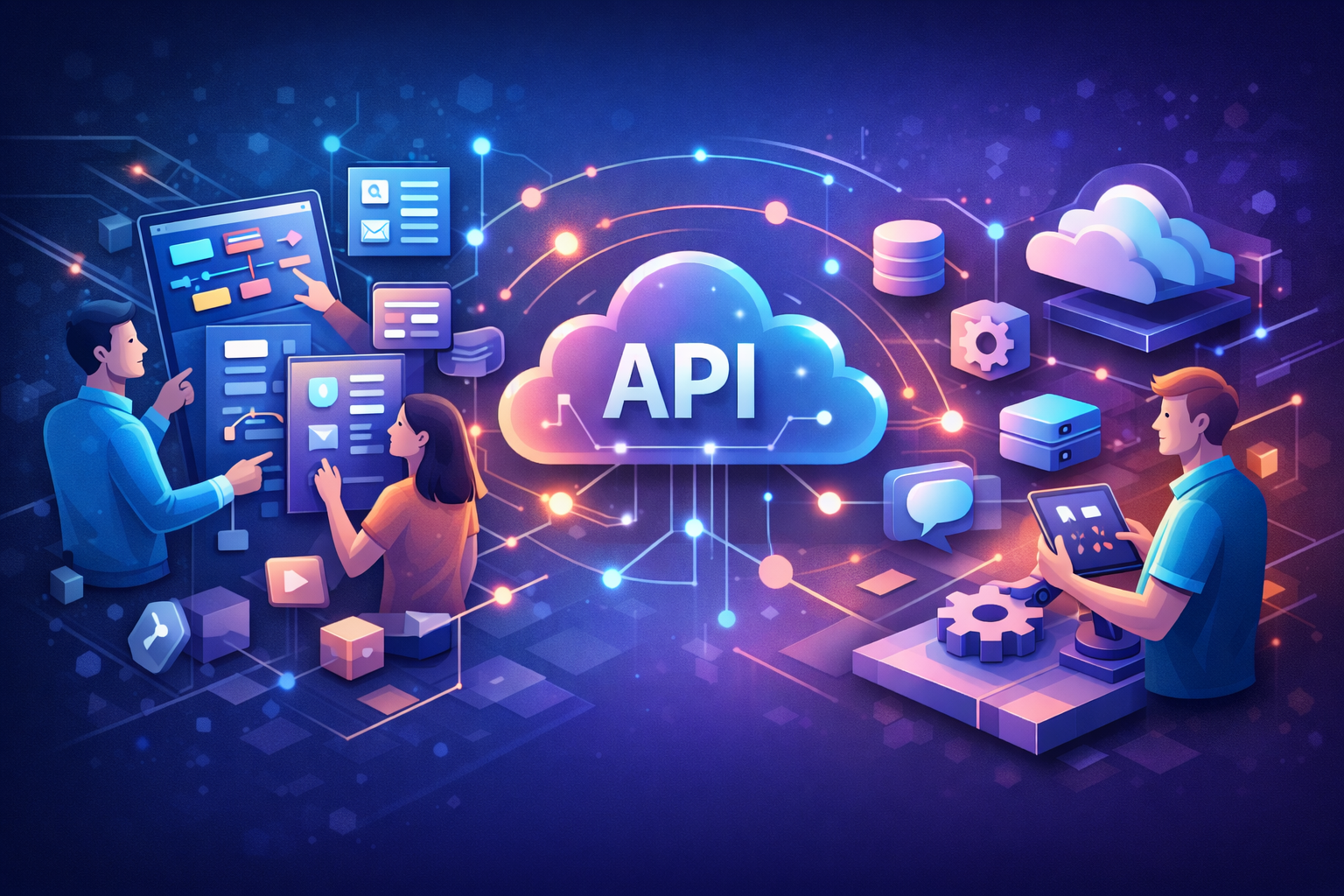
- Drag-and-drop platforms allow marketers to build complex automation workflows without developer help. Tools like Zapier, HubSpot Workflows, and Marketo Smart Campaigns are gaining popularity.
6. Privacy-First, First-Party Data Strategies
- As third-party cookies fade and privacy regulations tighten, marketers are pivoting to first- and zero-party data collection, with transparent consent management and ethical personalization.
7. Dynamic & Behavioral Triggering
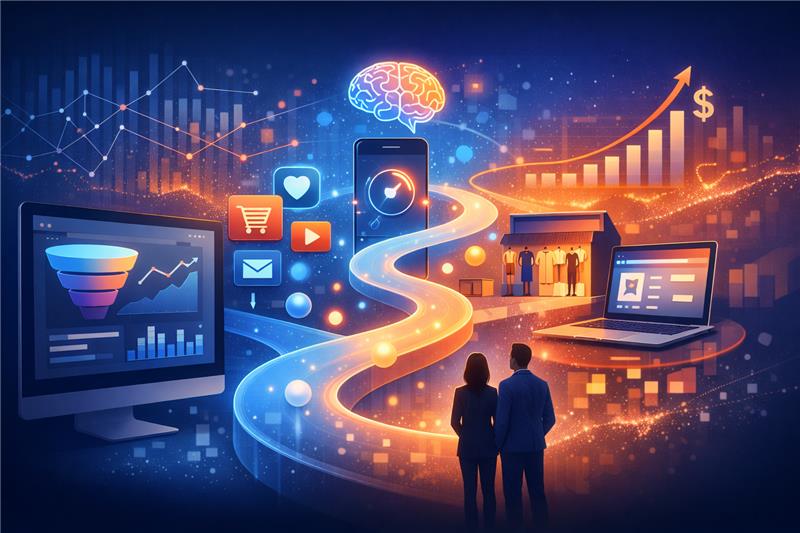
- Content, campaigns, and offers are increasingly triggered in real-time based on user behavior—visits, cart abandonment, content engagement—to enhance timing and relevance.
8. Augmented Reality (AR) for Immersive Engagement
- AR-enabled automation platforms allow customers to visualize products in real-time—like virtually trying on items—boosting experience and conversions (some report +65% uplift).
9. Blockchain-Enabled Transparency
- Blockchain technology is being explored to bring trust and verification into marketing—ensuring ad delivery clarity, combating fraud, and automating partnership agreements through smart contracts.
10. Automated Customer Retention
- Automation is shifting focus from acquisition to retention—identifying churn risks and triggering personalized loyalty campaigns to re-engage and upsell existing customers.
11. Voice-Based Marketing Automation
- Platforms are now enabling voice-driven lead generation, nurturing, and service workflows—automating calls, SMS, IVR scoring, routing, and CRM integration for phone-based channels.
Read Also: Understanding Customer Journey Mapping & the Role of MarTech