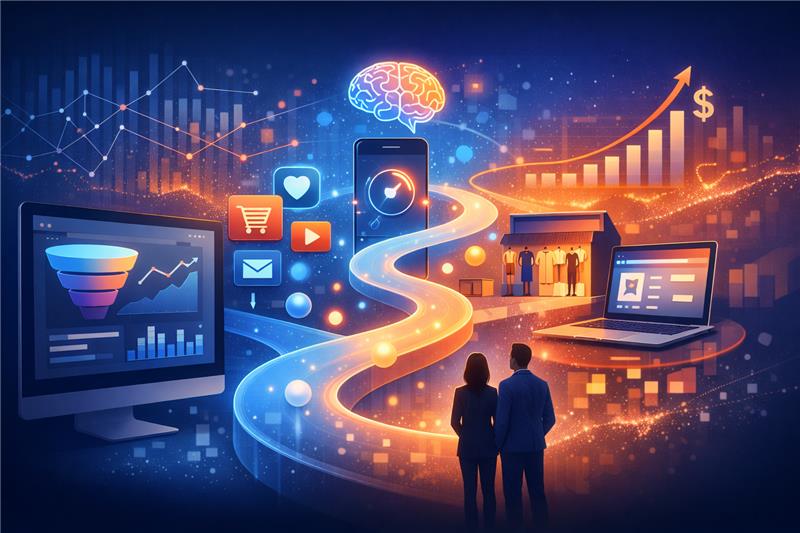
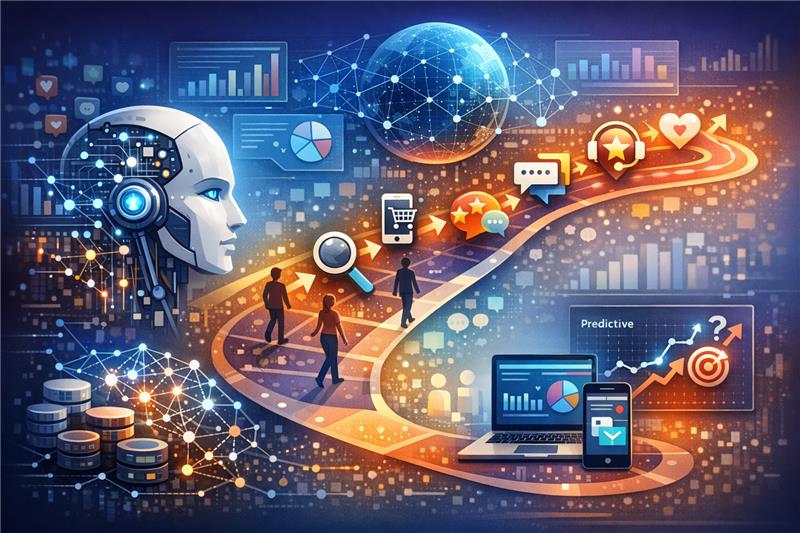
Understanding how customers interact with a brand—from first discovery to long-term loyalty—is essential for successful marketing. This process is known as customer journey mapping, and it helps businesses visualize every touchpoint a customer has with their brand. However, traditional journey mapping methods often rely on limited data and manual analysis.
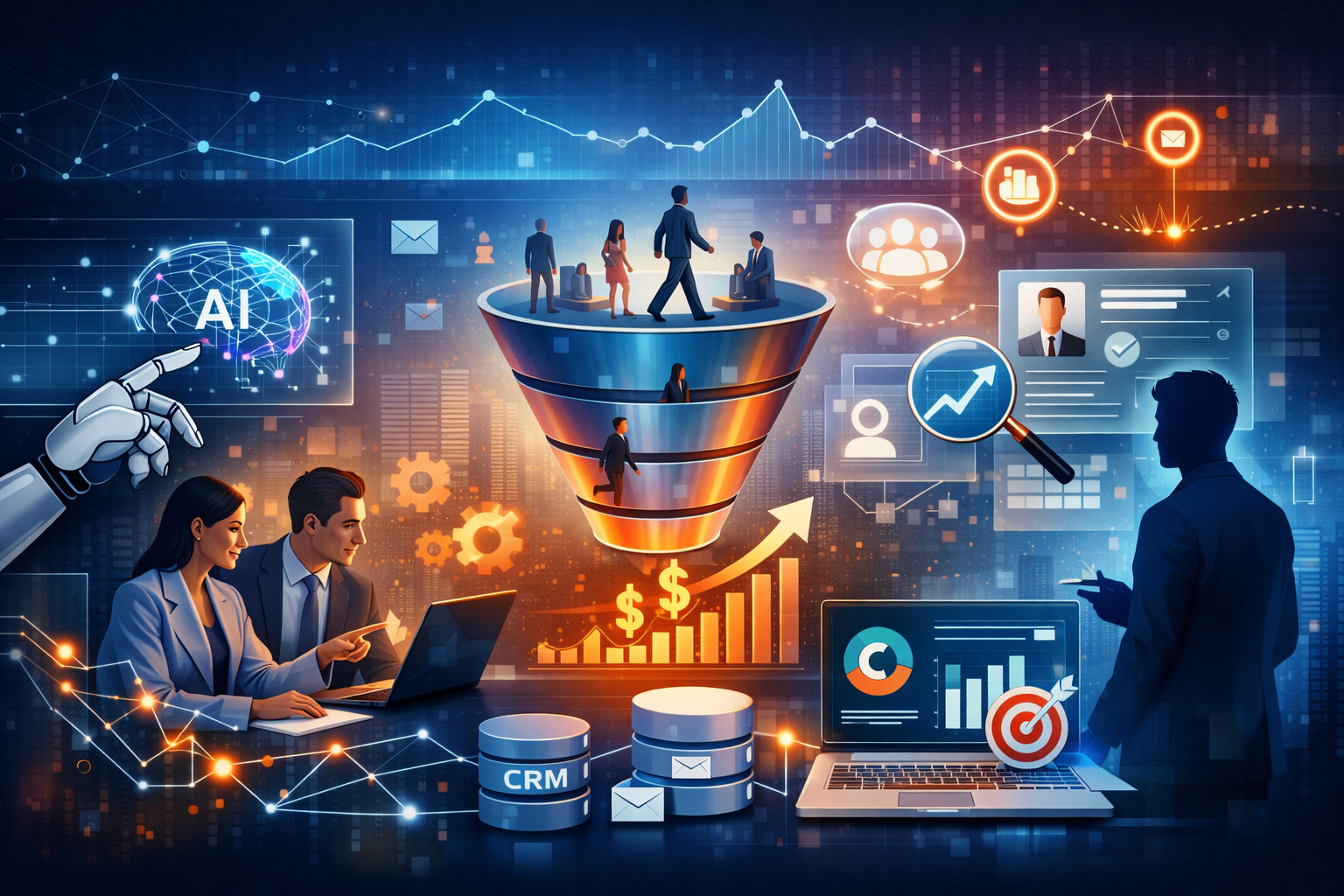
This is where Machine Learning (ML) is transforming the process. By analyzing large datasets and identifying patterns in customer behavior, machine learning allows businesses to create smarter, more dynamic customer journey maps that lead to better customer experiences and improved marketing results.
What Is Customer Journey Mapping?
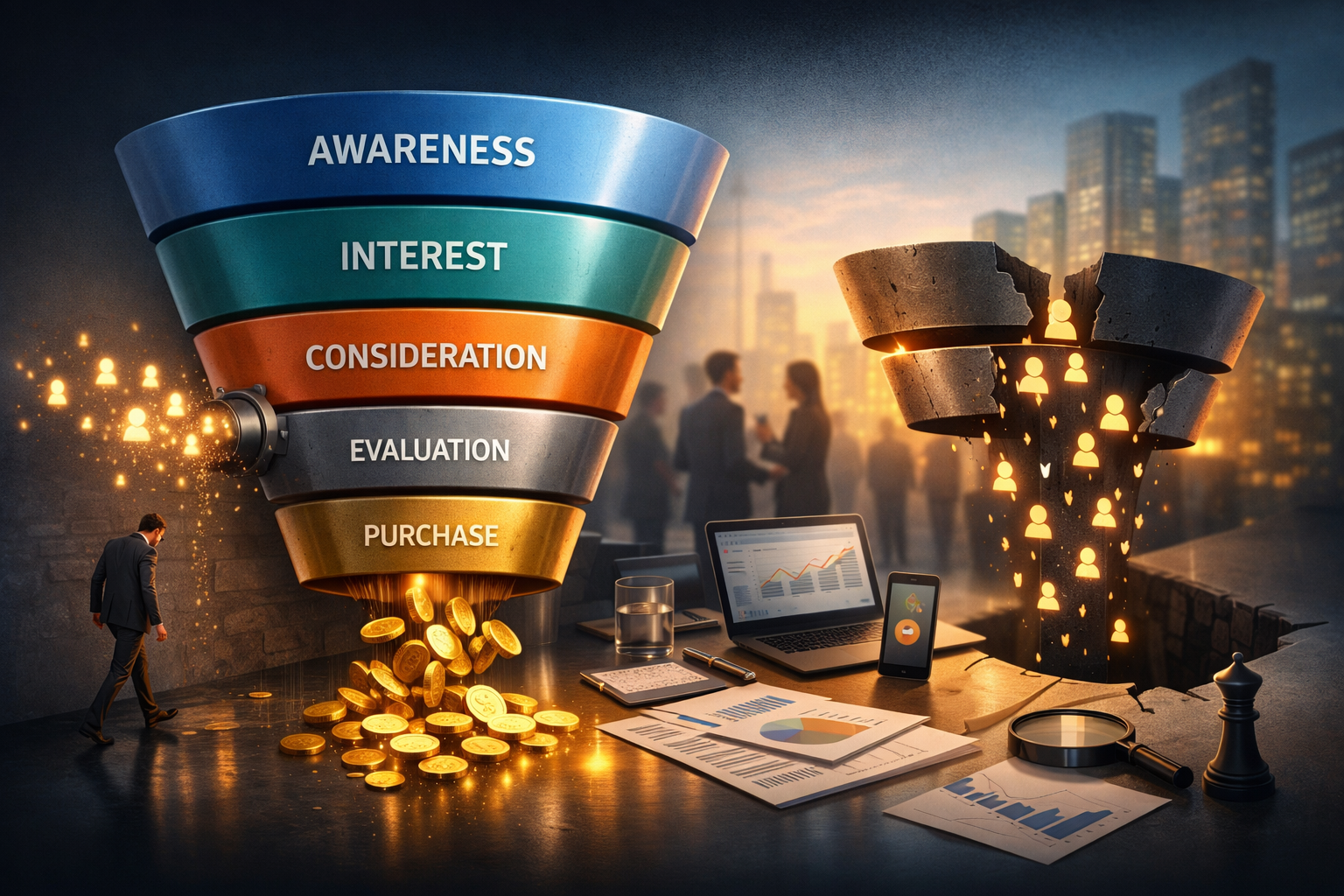
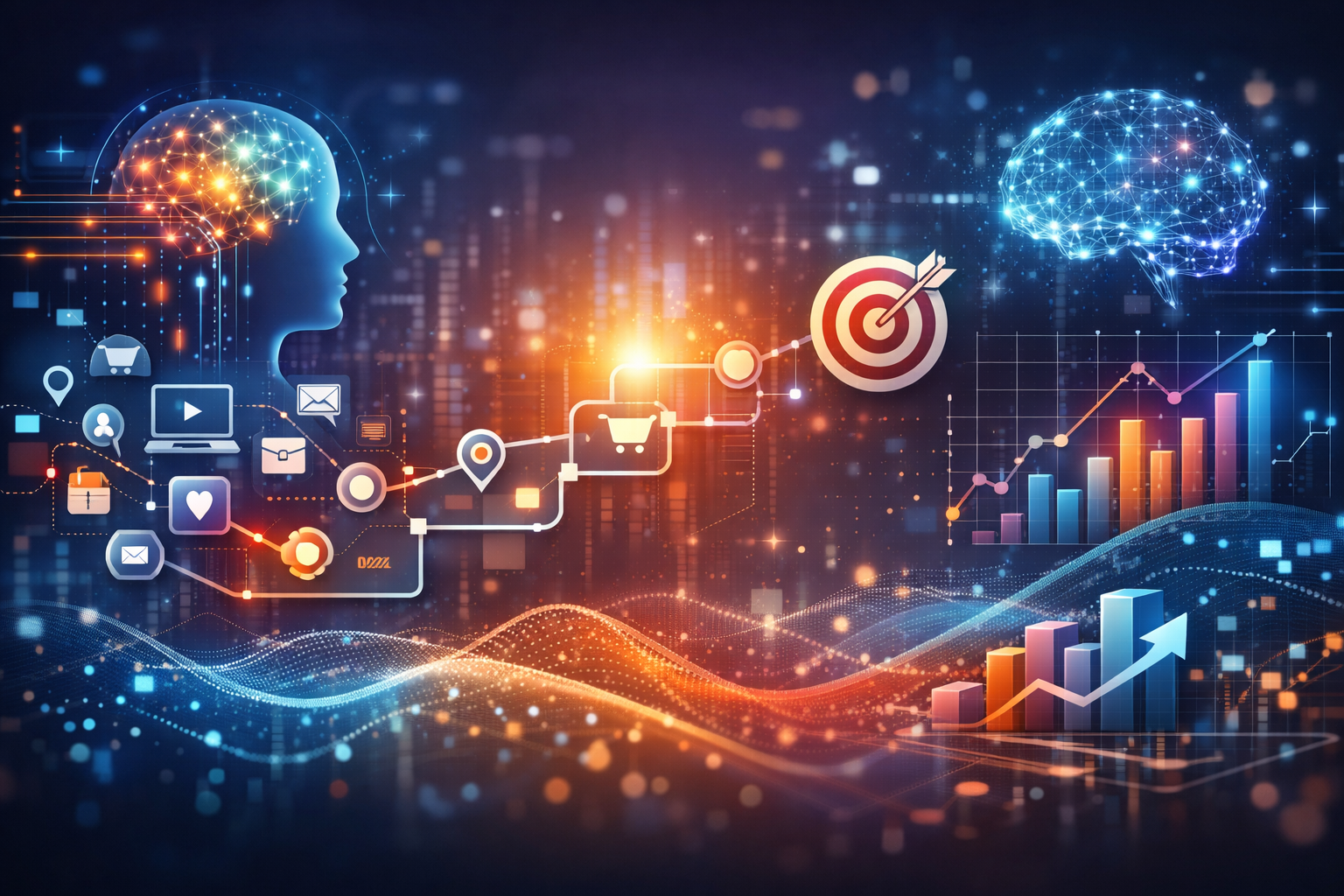
Customer journey mapping is the process of visualizing the steps customers take when interacting with a business. These steps may include:
- Discovering a product through search or social media
- Visiting a website
- Reading reviews
- Comparing products
- Making a purchase
- Engaging with customer support
- Becoming a repeat customer
A journey map helps businesses understand customer motivations, expectations, and pain points at every stage of the buying process.
What Is Machine Learning?
Machine learning is a branch of artificial intelligence that allows computers to learn from data and improve their performance over time without being explicitly programmed. ML algorithms analyze large datasets, identify patterns, and make predictions or recommendations based on the insights they discover.
When applied to customer journey mapping, machine learning helps businesses uncover hidden patterns in customer behavior and predict future actions.
How Machine Learning Enhances Customer Journey Mapping
1. Advanced Customer Behavior Analysis
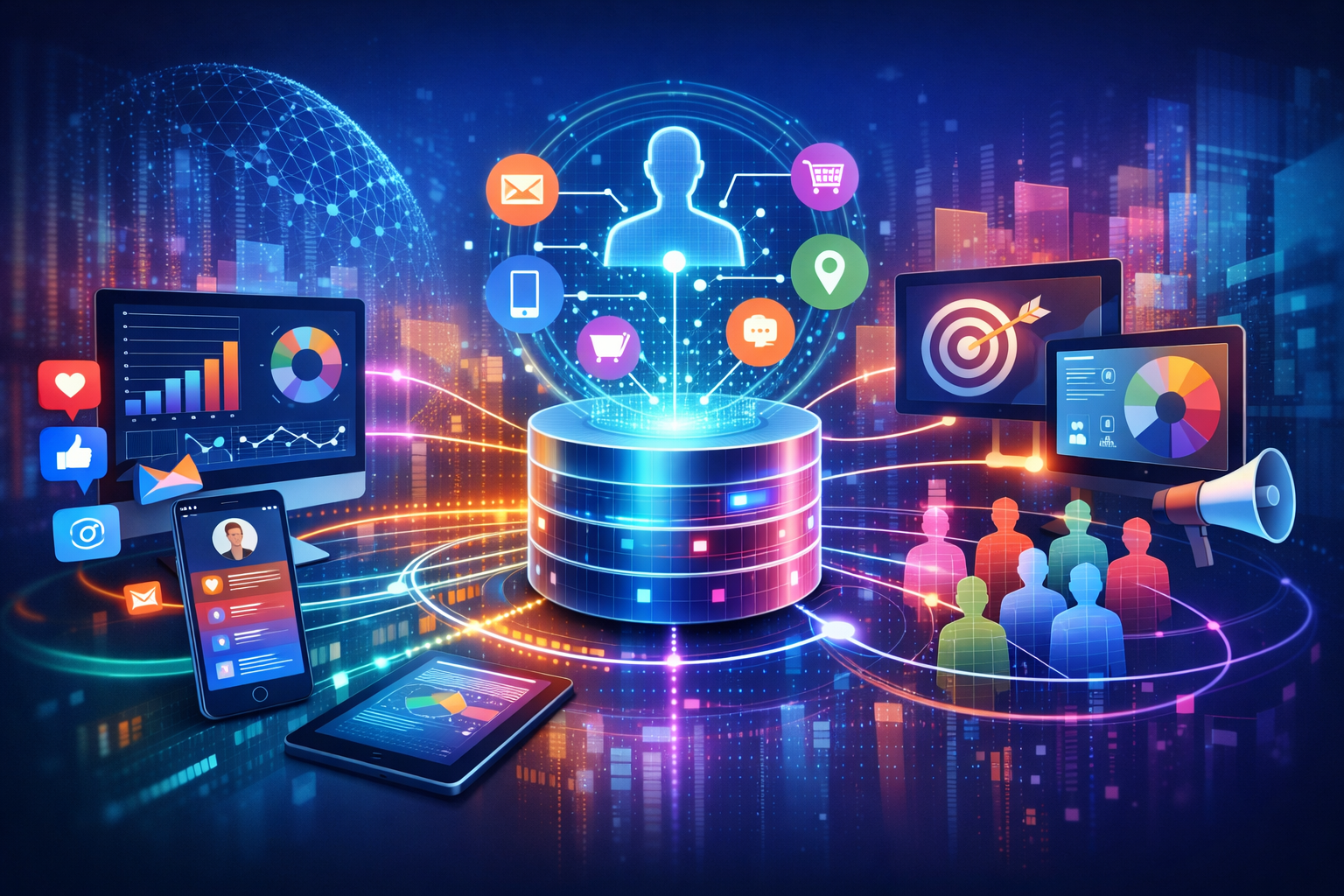
Machine learning can process vast amounts of customer data from multiple sources, such as:
- Website interactions
- Mobile apps
- Social media engagement
- Email campaigns
- Purchase history
- Customer support interactions
By analyzing this data, ML algorithms can identify behavioral patterns that reveal how customers move through different stages of the journey. This enables businesses to understand what influences customer decisions and where improvements are needed.
2. Predictive Customer Insights
One of the most powerful capabilities of machine learning is predictive analytics. ML models can predict:
- Which customers are likely to convert
- When a customer might abandon a purchase
- Which users are at risk of churn
- What products customers may buy next
These insights allow companies to proactively adjust marketing strategies and deliver targeted content at the right time.
3. Personalized Customer Experiences
Personalization is a key factor in modern marketing. Machine learning helps businesses tailor experiences based on individual customer preferences and behaviors.
For example, ML can help deliver:
- Personalized product recommendations
- Customized email campaigns
- Targeted advertisements
- Dynamic website content
By personalizing each stage of the customer journey, companies can increase engagement, satisfaction, and loyalty.
4. Real-Time Journey Optimization
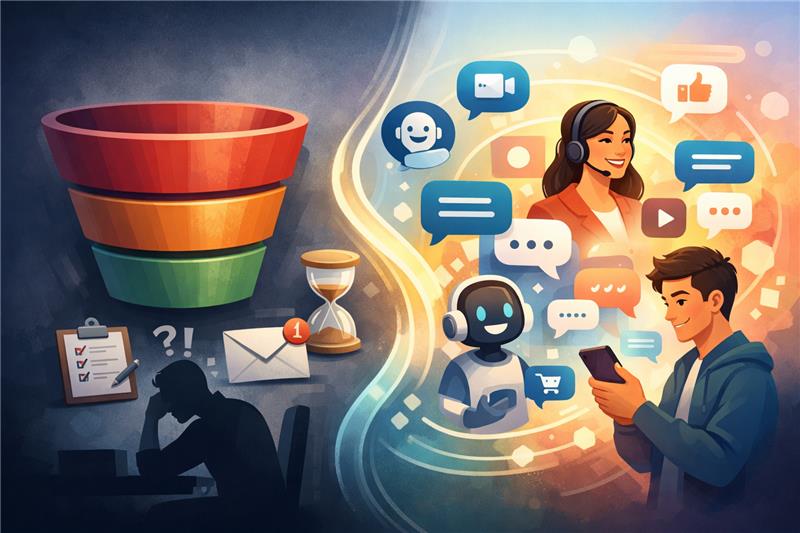
Traditional customer journey maps are static and updated periodically. Machine learning enables real-time journey mapping, where businesses can continuously analyze new data and adapt strategies instantly.
This allows companies to:
- Detect customer drop-off points quickly
- Adjust marketing campaigns in real time
- Improve website or app experiences immediately
- Deliver timely customer support
As a result, businesses can respond faster to changing customer behavior.
5. Identifying Customer Pain Points
Machine learning algorithms can detect patterns that indicate where customers experience difficulties during their journey. These pain points might include:
- Complex checkout processes
- Slow website performance
- Poor customer support experiences
- Confusing product information
By identifying these issues early, companies can make improvements that enhance the overall customer experience.
6. Segmentation and Targeting
Machine learning helps businesses segment customers more effectively based on behaviors, preferences, and engagement levels.
Instead of broad categories like age or location, ML can create detailed customer segments such as:
- High-value repeat customers
- First-time buyers
- Price-sensitive shoppers
- Customers likely to churn
This advanced segmentation enables more targeted and effective marketing strategies.
Benefits of Using Machine Learning in Customer Journey Mapping
Integrating machine learning into customer journey mapping offers several advantages:
- Improved decision-making through data-driven insights
- Higher customer engagement with personalized experiences
- Better conversion rates through predictive targeting
- Reduced churn by identifying at-risk customers early
- More efficient marketing campaigns
These benefits help businesses create smoother, more satisfying customer journeys.
Challenges and Considerations
Despite its benefits, using machine learning in customer journey mapping comes with some challenges:
Data Quality and Integration
Machine learning models require large amounts of accurate data from multiple sources. Poor data quality can lead to incorrect insights.
Privacy and Data Security
Companies must ensure that customer data is handled responsibly and complies with privacy regulations.
Technical Expertise
Implementing ML solutions requires skilled professionals who understand both data science and marketing strategies.
The Future of Machine Learning in Customer Journey Mapping
As machine learning technology continues to evolve, customer journey mapping will become even more sophisticated. Future developments may include:
- AI-powered autonomous marketing systems
- deeper behavioral analysis through advanced algorithms
- fully personalized customer journeys across all channels
- predictive experiences that anticipate customer needs before they arise
Businesses that adopt these technologies early will gain a competitive advantage by delivering more meaningful and seamless customer experiences.
Read Also: How Generative AI Is Transforming Content Marketing