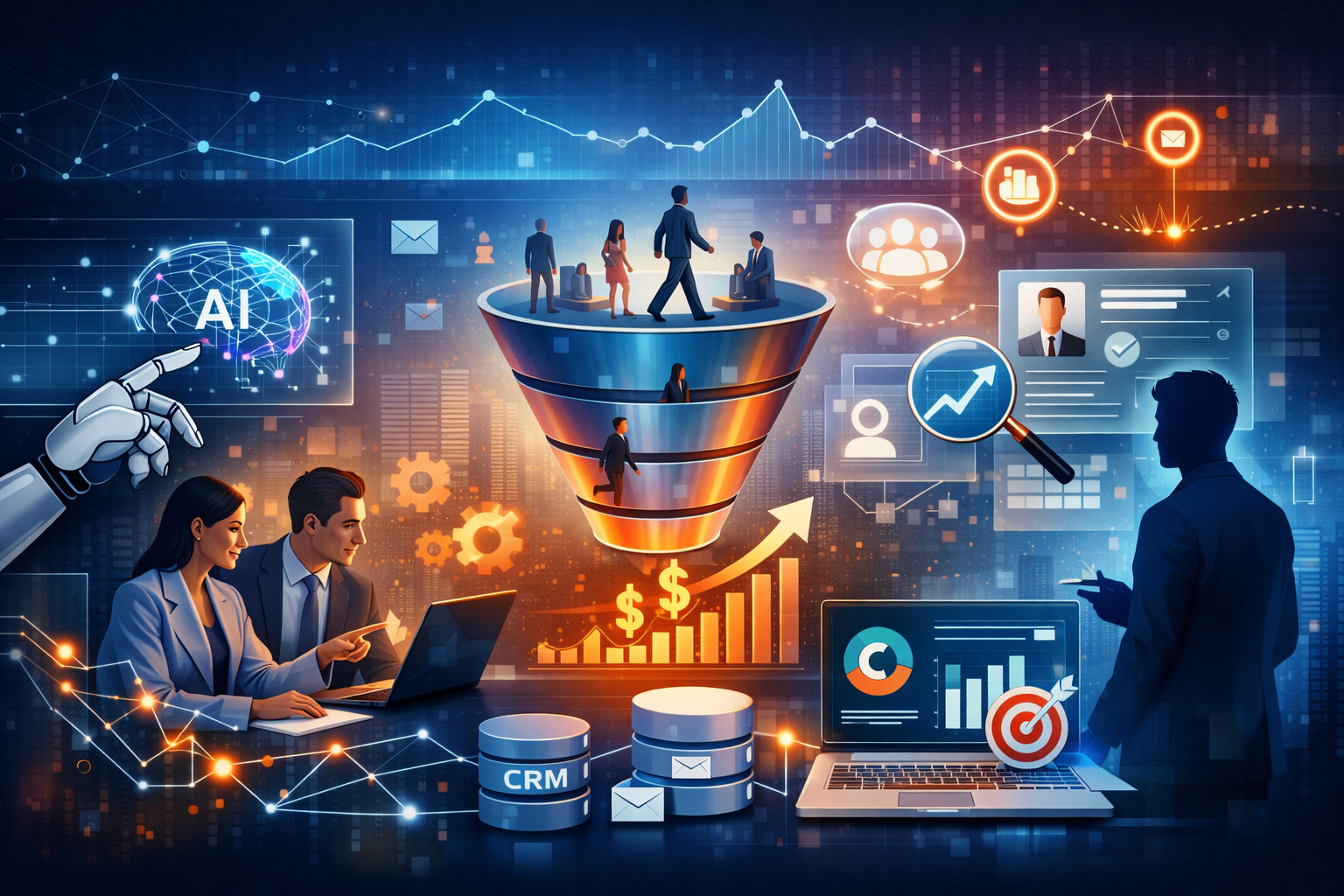

In today’s hyper-competitive B2B landscape, data isn’t just an advantage — it’s the foundation of smarter, faster, and more strategic decision-making. From optimizing sales pipelines to enhancing customer experiences, data analytics is redefining how businesses operate and compete.
1. From Gut Feel to Data-Driven Strategy
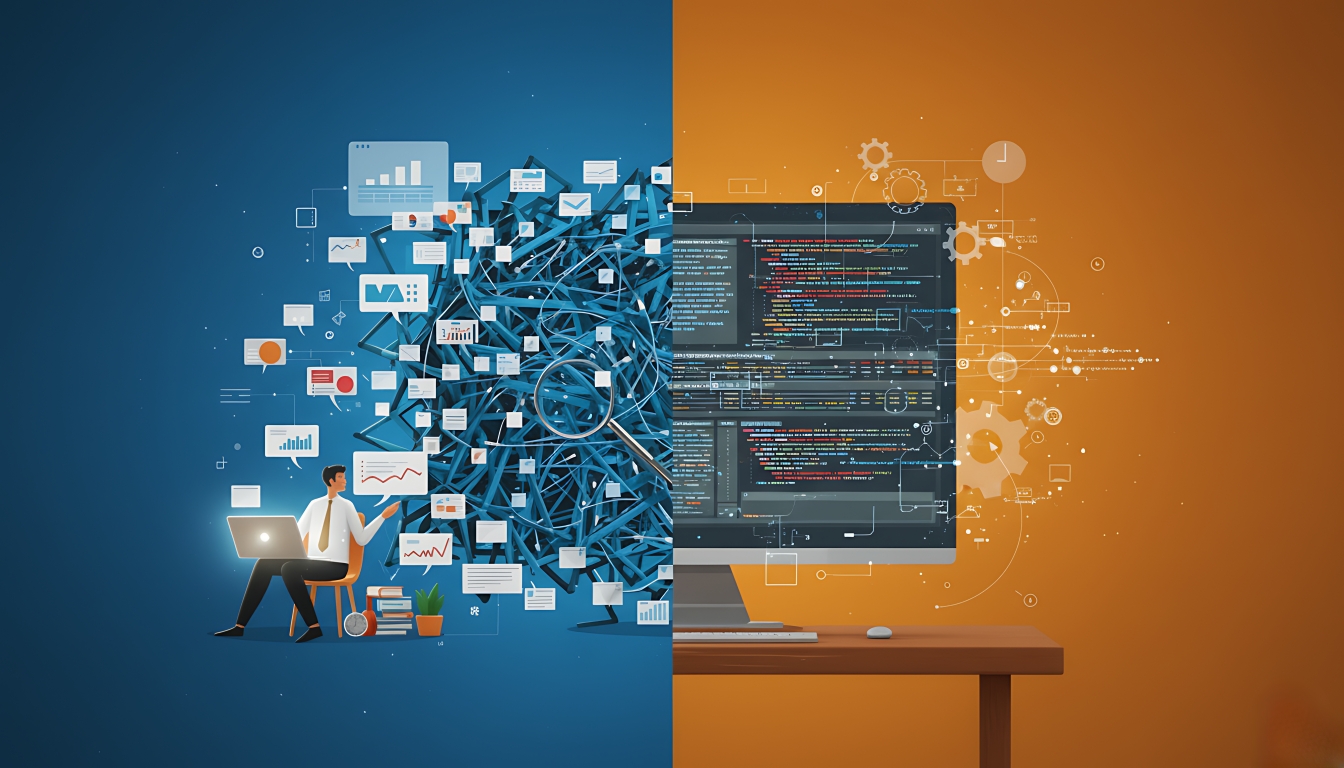
Historically, many B2B decisions relied on experience and intuition. While expertise still matters, analytics has transformed business decision-making into a science. Modern organizations now leverage vast datasets — from CRM interactions to supply chain metrics — to identify trends, predict outcomes, and make evidence-based decisions that reduce risk and increase ROI.
2. Understanding the B2B Data Landscape
B2B ecosystems generate enormous amounts of data across touchpoints:
- Customer and account data: Engagement history, buying patterns, and contract value.
- Operational data: Supply chain performance, production efficiency, and logistics.
- Market and competitive intelligence: Industry trends, pricing movements, and competitor benchmarks.
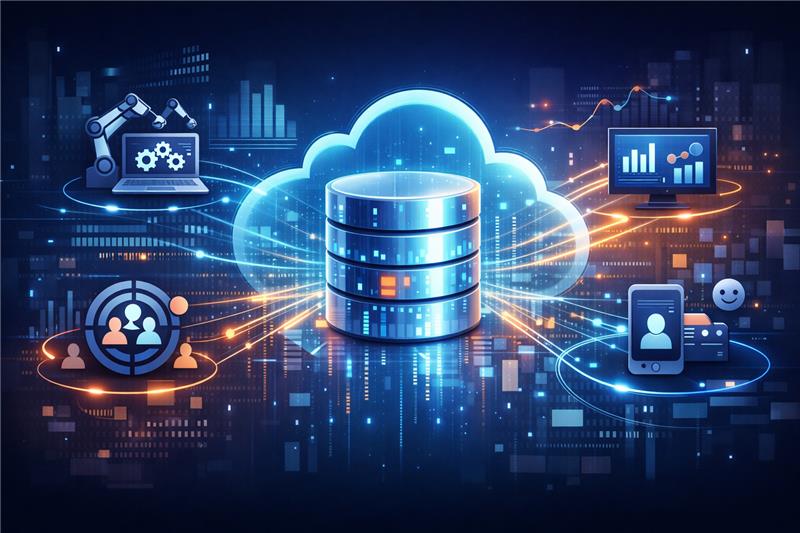
By integrating these sources through advanced analytics platforms, businesses gain a 360° view of their operations and relationships.
3. Predictive Insights for Better Outcomes
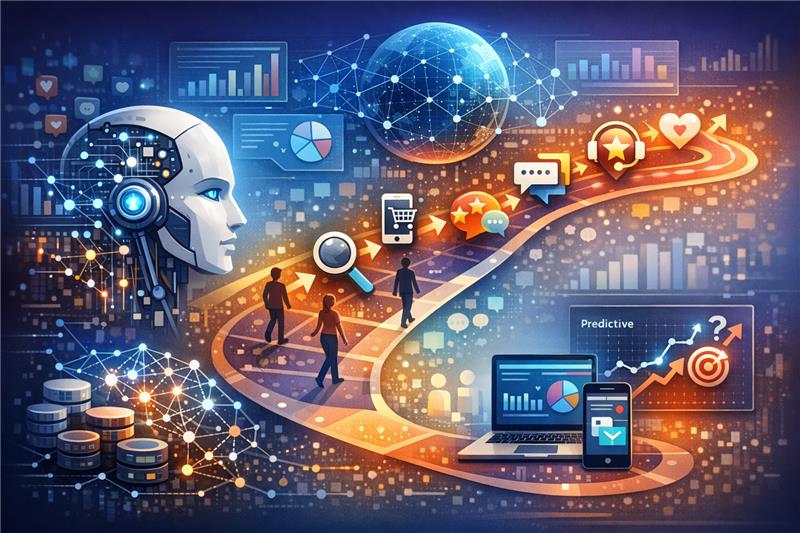
Predictive analytics enables companies to forecast trends before they happen. For example:
- Sales teams can identify high-probability leads based on behavioral patterns.
- Procurement departments can anticipate price fluctuations or demand surges.
- Finance teams can forecast cash flow more accurately using real-time data.
This proactive approach helps B2B organizations allocate resources efficiently and seize opportunities before competitors do.
4. Personalization at Scale
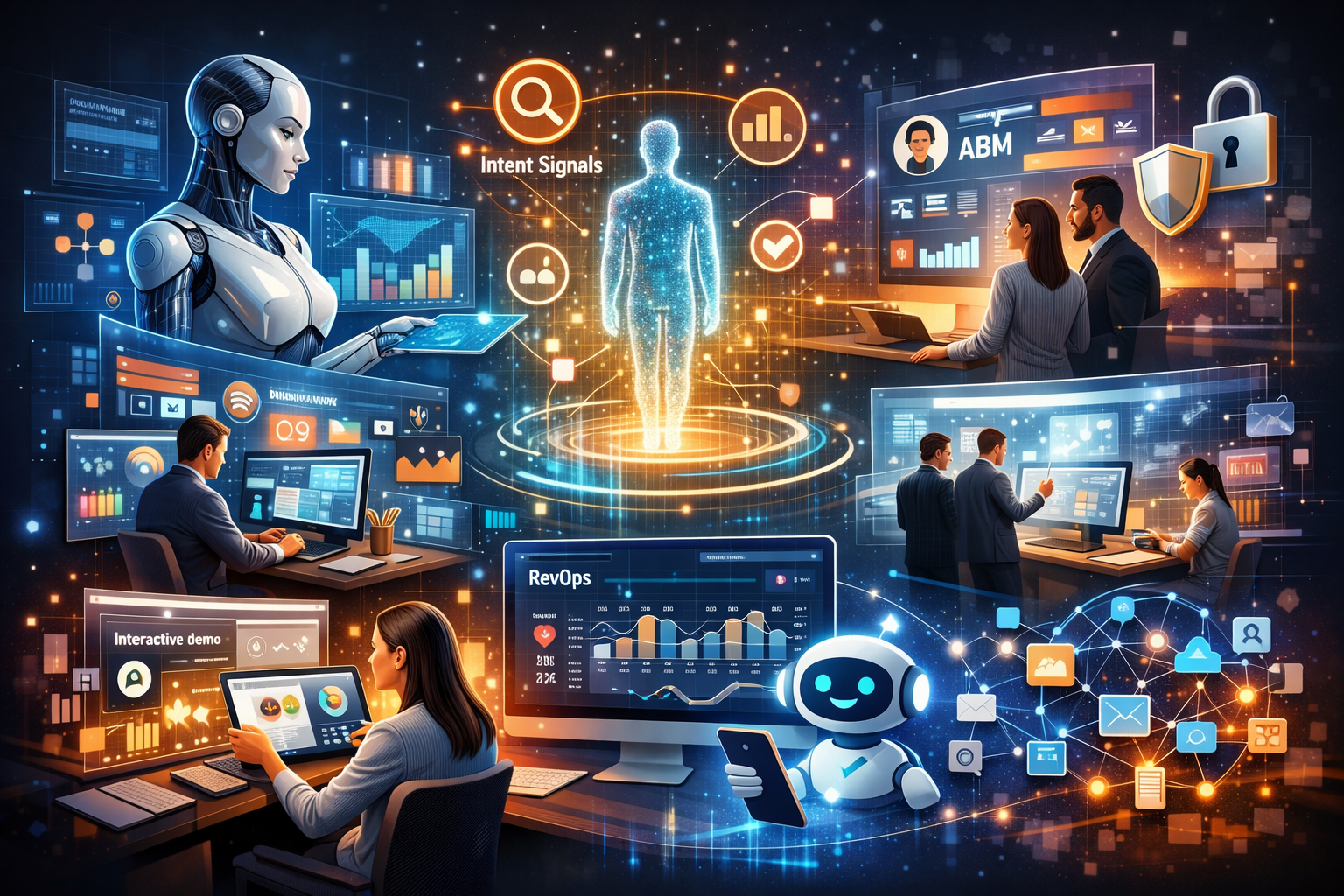
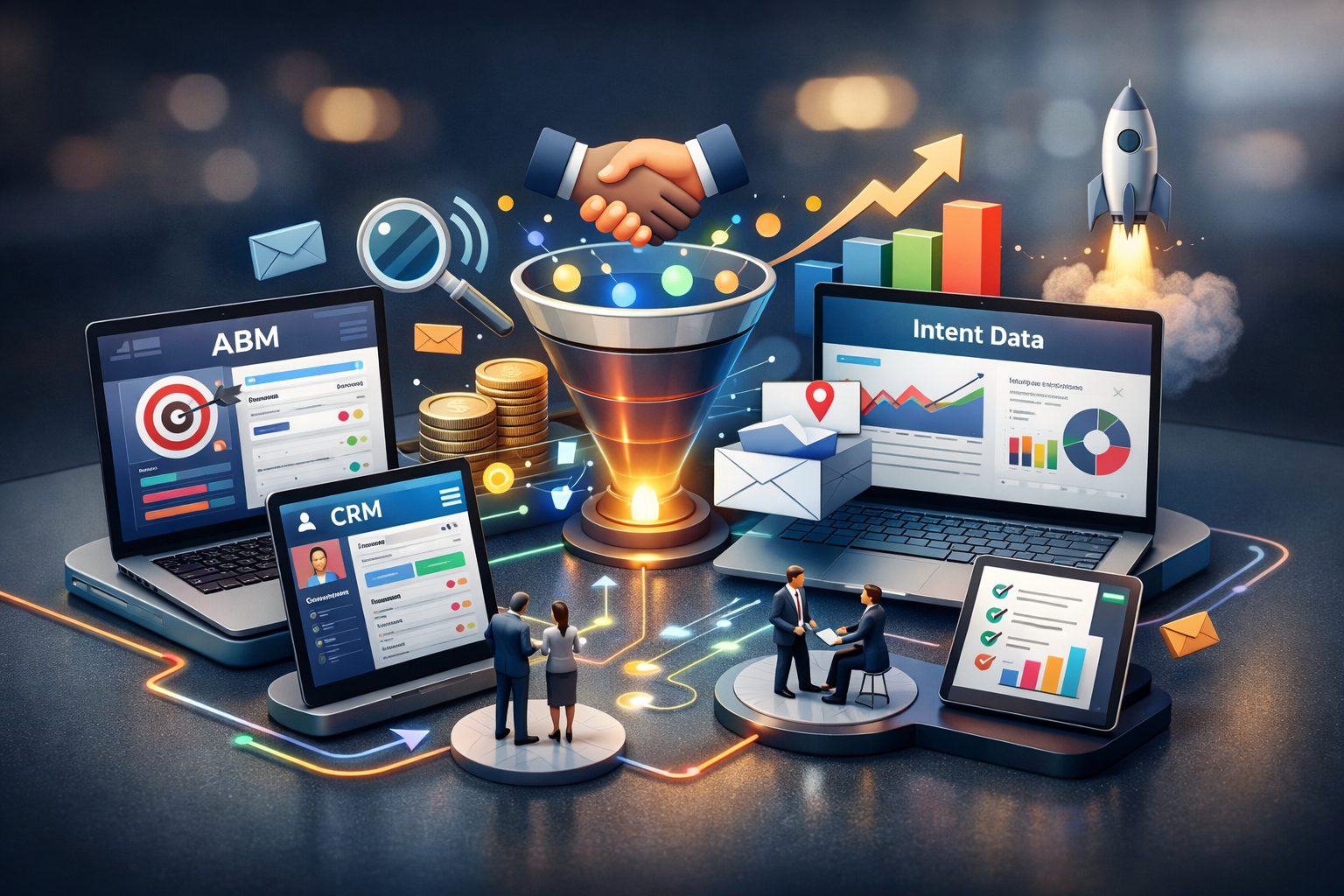
Even in B2B, personalization matters. Data analytics allows businesses to tailor offerings to the specific needs of each client or segment. Through techniques like account-based marketing (ABM), companies can deliver targeted content, pricing, and support — improving satisfaction and retention.
5. Real-Time Decision-Making with AI and Automation
Artificial intelligence (AI) and machine learning (ML) are taking analytics to the next level. Automated dashboards and intelligent algorithms process real-time data streams to support instant decisions. For example, an AI system can alert a logistics manager about supply chain disruptions and recommend optimal rerouting within seconds.
6. Overcoming Common Challenges
While the benefits are clear, many B2B organizations face barriers such as:
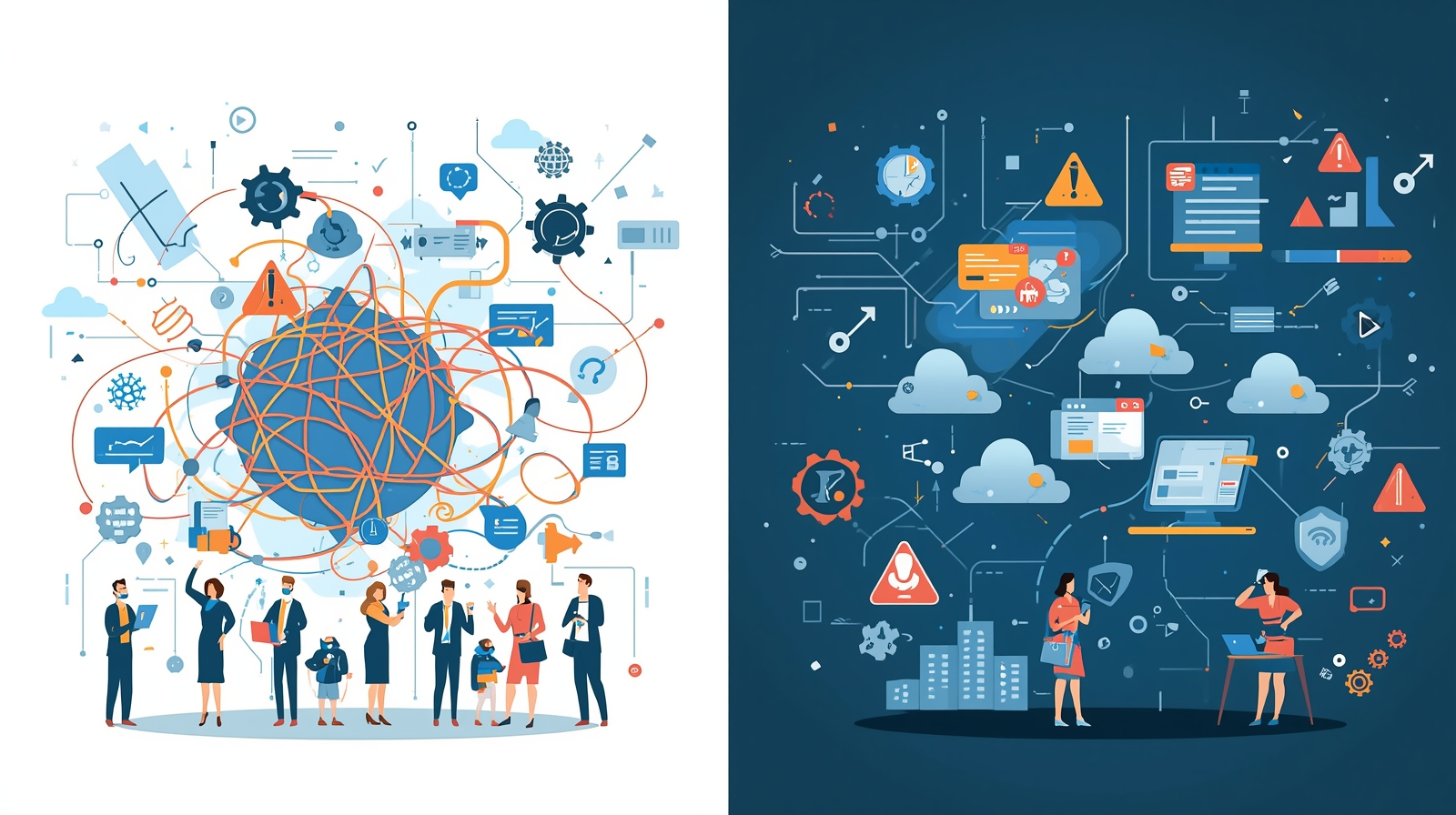
- Data silos: Fragmented systems prevent a unified view.
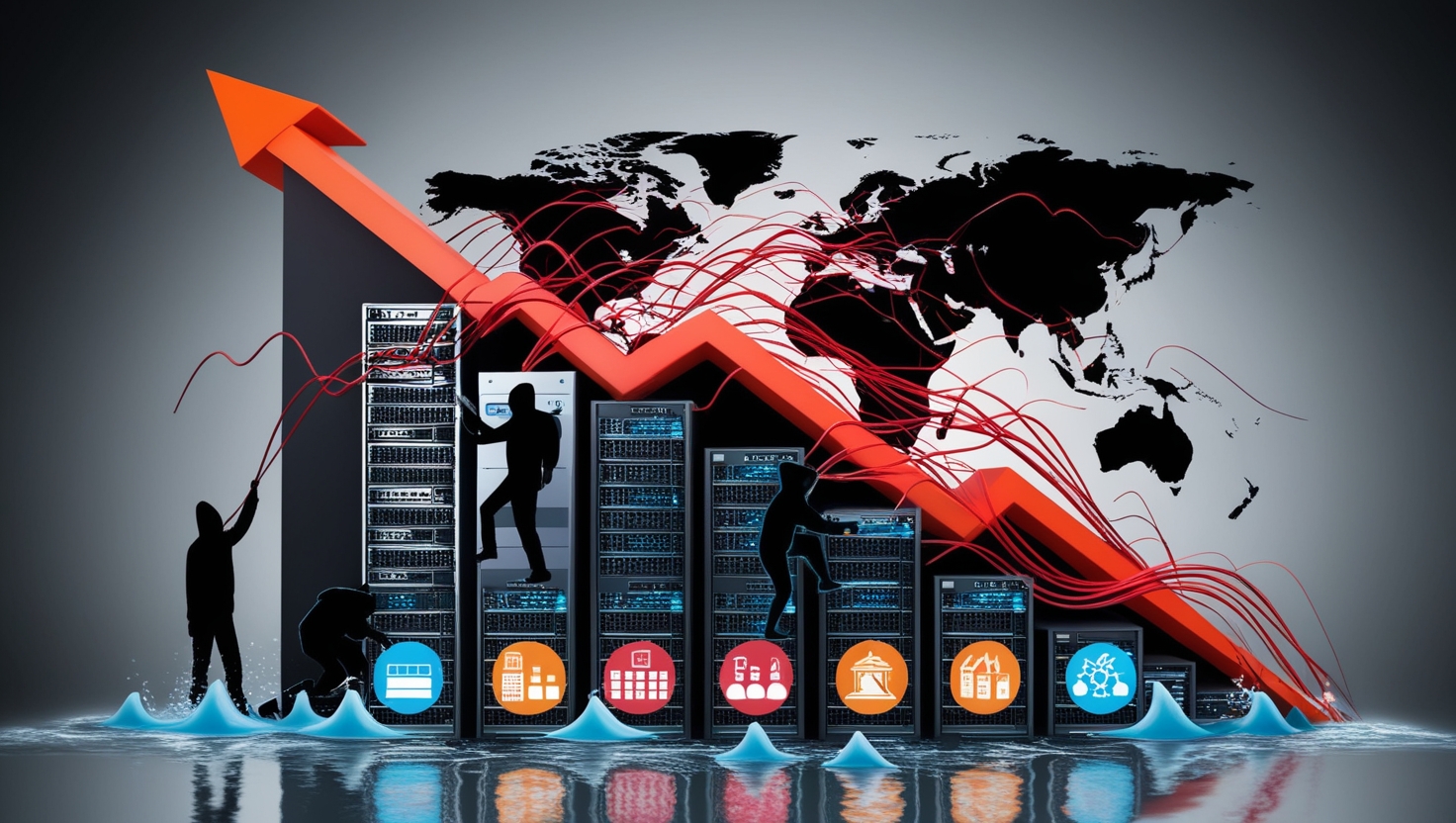
- Data quality issues: Inaccurate or incomplete data skews insights.
- Skill gaps: Teams may lack the expertise to interpret complex analytics.
Addressing these challenges requires strong data governance, integration tools, and investment in analytics talent or training.
7. The Road Ahead: Smarter, Connected Ecosystems
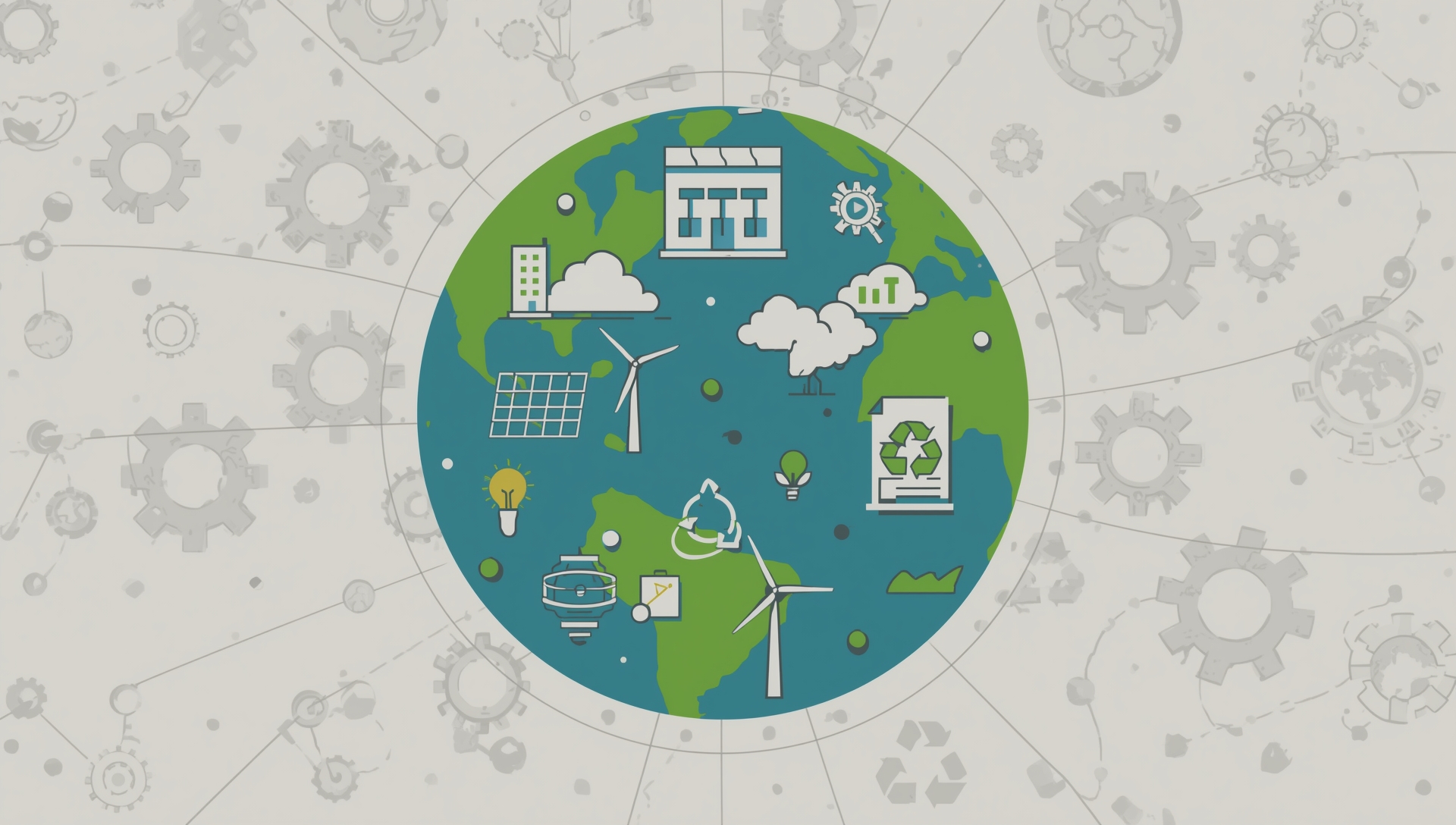
The future of B2B decision-making lies in connected ecosystems — where analytics, AI, and IoT converge. Organizations that build data-centric cultures will be better positioned to adapt, innovate, and thrive in a world where every decision counts.
Read Also: The Ultimate Guide to B2B Lead Nurturing and Conversion