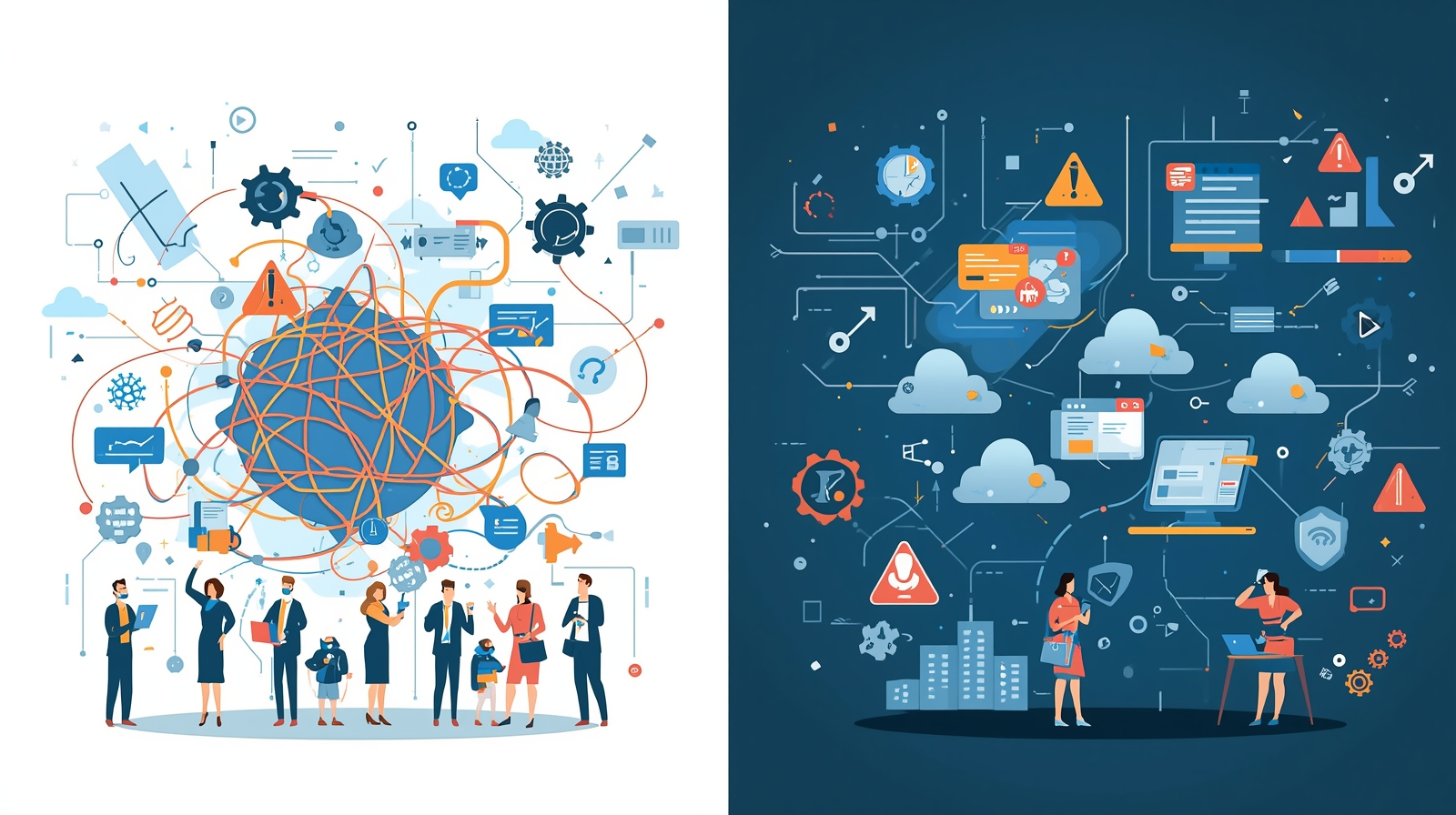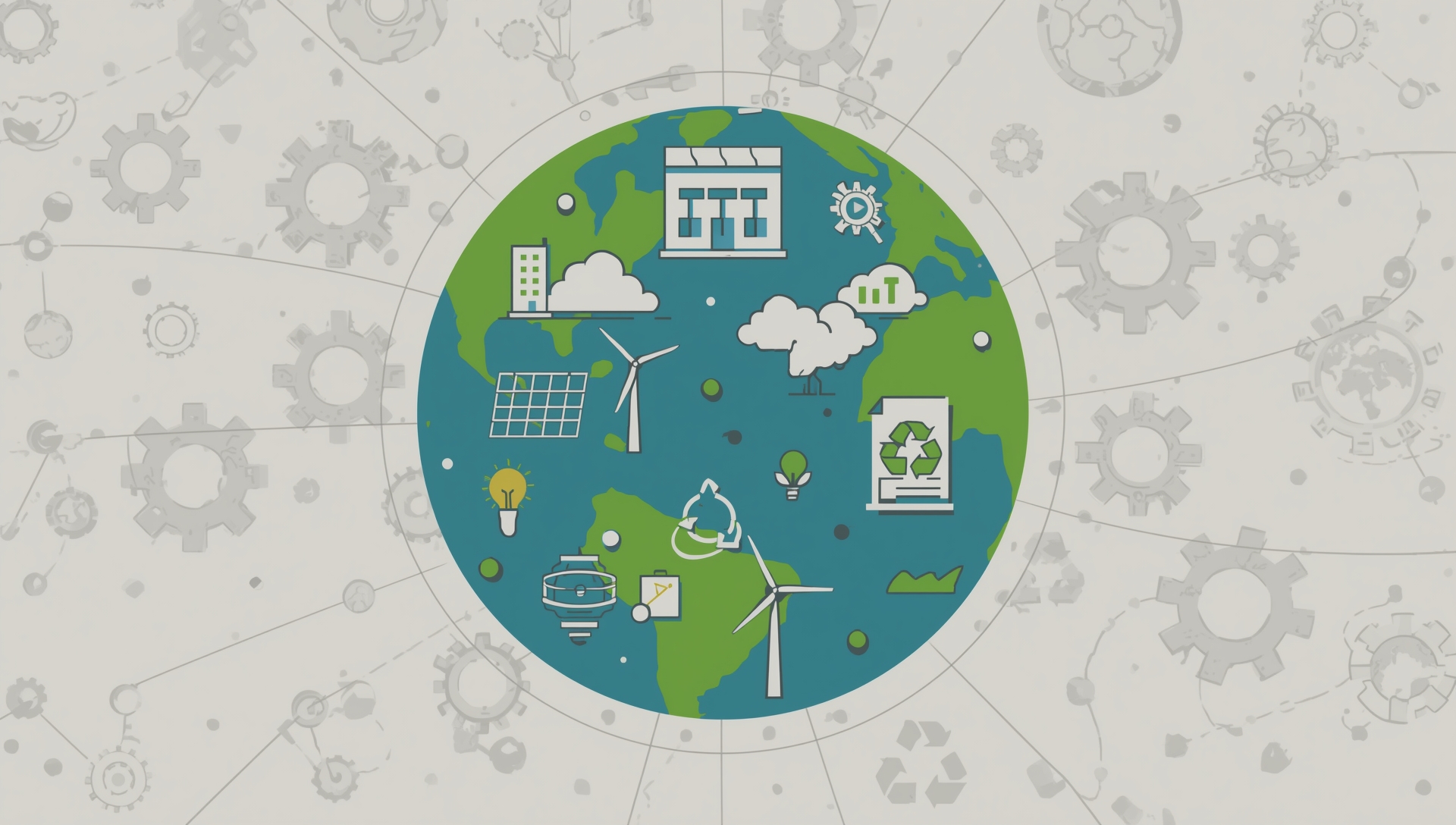

In an increasingly interconnected world, business-to-business (B2B) collaboration is no longer limited by geography. Organizations routinely work with partners, suppliers, and customers across continents, time zones, and cultures. While globalization has expanded opportunity, it has also introduced complexity—communication gaps, operational inefficiencies, regulatory differences, and coordination challenges. Artificial Intelligence (AI) is emerging as a powerful enabler, helping businesses collaborate more effectively on a global scale.
This blog explores how AI is transforming global B2B collaboration, the key use cases driving value, and what the future holds.
Breaking Down Communication Barriers
One of the most persistent challenges in global B2B collaboration is communication. Language differences, cultural nuances, and asynchronous working hours can slow down decision-making and create misunderstandings.
AI-powered language translation and natural language processing (NLP) tools are helping bridge these gaps. Real-time translation in emails, chats, and virtual meetings allows teams to communicate seamlessly in their native languages. Advanced NLP systems also analyze tone and context, helping businesses craft clearer, more culturally appropriate messages.
Beyond translation, AI-driven virtual assistants can summarize meetings, highlight action items, and ensure that key stakeholders—regardless of location—stay aligned.
Enhancing Data Sharing and Decision-Making
Global B2B partnerships rely heavily on data sharing—sales forecasts, inventory levels, performance metrics, and market insights. However, data is often siloed across systems and regions, making it difficult to gain a unified view.
AI helps by integrating and analyzing large volumes of structured and unstructured data from multiple sources. Machine learning models can identify patterns, predict demand, and surface actionable insights in real time. This enables partners to make faster, more informed decisions together, even when operating in different markets.
For example, AI-driven analytics can help a manufacturer and its global distributors align production schedules with regional demand, reducing waste and improving service levels.
Streamlining Cross-Border Operations
Operational coordination across borders involves logistics, compliance, and risk management—areas that are often complex and resource-intensive.
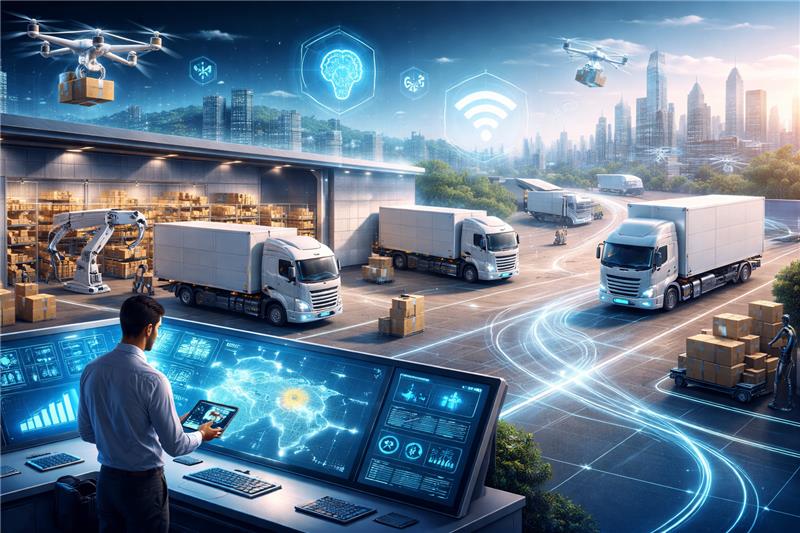
AI-powered systems can optimize supply chains by predicting disruptions, recommending alternative routes, and dynamically adjusting inventory levels. In procurement, AI can automate vendor selection, contract analysis, and price negotiations, ensuring consistency and transparency across regions.
In addition, AI can monitor regulatory changes in different countries and flag potential compliance risks, helping B2B partners stay aligned with local laws and standards without manual oversight.
Building Trust Through Transparency and Automation
Trust is the foundation of successful B2B collaboration. When partners operate across borders, building and maintaining that trust can be challenging.
AI-driven automation reduces reliance on manual processes that are prone to errors and delays. Smart contracts, anomaly detection systems, and AI-based auditing tools improve transparency by providing real-time visibility into transactions, performance metrics, and compliance status.
By ensuring consistent execution and objective decision-making, AI helps create a more predictable and trustworthy collaboration environment.
Personalizing Partner Experiences
Just as AI enables personalization in B2C interactions, it is increasingly being used to tailor B2B relationships. AI can analyze partner behavior, preferences, and performance to deliver customized recommendations, pricing models, and engagement strategies.
For global enterprises managing hundreds or thousands of partners, this level of personalization strengthens relationships and improves long-term collaboration. Partners feel better understood and supported, regardless of their size or location.
Challenges and Considerations
While AI offers significant benefits, organizations must also address key challenges:
- Data privacy and security: Cross-border data sharing must comply with varying regulations and standards.
- Bias and fairness: AI models must be trained on diverse datasets to avoid reinforcing regional or cultural biases.
- Integration complexity: Legacy systems and fragmented IT infrastructures can slow AI adoption.
- Change management: Teams and partners need training and trust in AI-driven processes.
A thoughtful, ethical approach to AI implementation is essential for sustainable collaboration.
The Future of Global B2B Collaboration
As AI technologies continue to evolve, global B2B collaboration will become more intelligent, autonomous, and resilient. We can expect greater use of AI agents that negotiate, coordinate, and optimize processes on behalf of businesses, as well as deeper integration of AI into collaborative platforms.
Ultimately, AI is not replacing human relationships in B2B collaboration—it is enhancing them. By reducing friction, improving insight, and enabling smarter coordination, AI empowers organizations to work together more effectively across borders and unlock new levels of global growth.
Read Also: Data Privacy Challenges for AI-Driven B2B Platforms