The digital marketing landscape is undergoing a major transformation. For years, marketers relied heavily on third-party cookies to track users across the web, build detailed profiles, and deliver targeted advertising. However, growing privacy concerns, stricter regulations, and browser restrictions are rapidly bringing this era to an end.
As the industry moves toward a cookieless future, first-party data has emerged as one of the most valuable assets for businesses. Organizations that successfully collect, manage, and activate their own customer data are gaining a significant competitive advantage.
Understanding First-Party Data
First-party data refers to information that a company collects directly from its own audience through its digital channels and customer interactions. This data comes from sources such as:
- Website activity and user behavior
- Purchase history and transaction records
- Email subscriptions and sign-up forms
- Mobile app usage
- Customer feedback and surveys
Because it is gathered directly from users interacting with a brand, first-party data tends to be more accurate and reliable than data purchased from external providers.
Unlike third-party cookies that track users across different websites, first-party data reflects real engagement with a brand’s own platform.
Why the Cookieless Shift Is Happening
Several factors are driving the decline of third-party cookies:
- Privacy Regulations
Laws such as GDPR and CCPA have introduced stricter rules on how companies collect and use personal data. - Browser Restrictions
Major browsers have started blocking or phasing out third-party cookies to protect user privacy. - Consumer Awareness
Modern consumers are increasingly concerned about how their data is collected and used online.
As a result, marketers must rethink how they gather insights about their customers.
Why First-Party Data Matters More Than Ever
1. Greater Accuracy and Reliability
First-party data is collected directly from customers, making it more trustworthy than third-party data that may be outdated or inferred.
This improves decision-making and ensures marketing campaigns are built on accurate customer insights.
2. Stronger Customer Relationships
When customers willingly share their information with a brand, it creates a transparent value exchange. Businesses can offer:
- Personalized recommendations
- Exclusive content
- Loyalty rewards
- Targeted offers
These interactions strengthen trust and long-term customer relationships.
3. Better Personalization
First-party data allows companies to understand user preferences, behaviors, and interests more clearly.
Marketers can use this data to:
- Segment audiences more effectively
- Send personalized email campaigns
- Recommend products based on browsing behavior
- Create tailored website experiences
This level of personalization often leads to higher engagement and conversion rates.
4. Compliance with Privacy Standards
Because first-party data is typically collected with user consent, it aligns better with modern privacy regulations and ethical marketing practices.
This makes it a more sustainable data strategy for the future.
Strategies for Building a Strong First-Party Data Ecosystem
To thrive in a cookieless world, companies must adopt new strategies to collect and use their own data.
Create Value Exchanges
Users are more likely to share their information when they receive something valuable in return, such as:
- Free resources or gated content
- Discounts and loyalty programs
- Exclusive newsletters or webinars
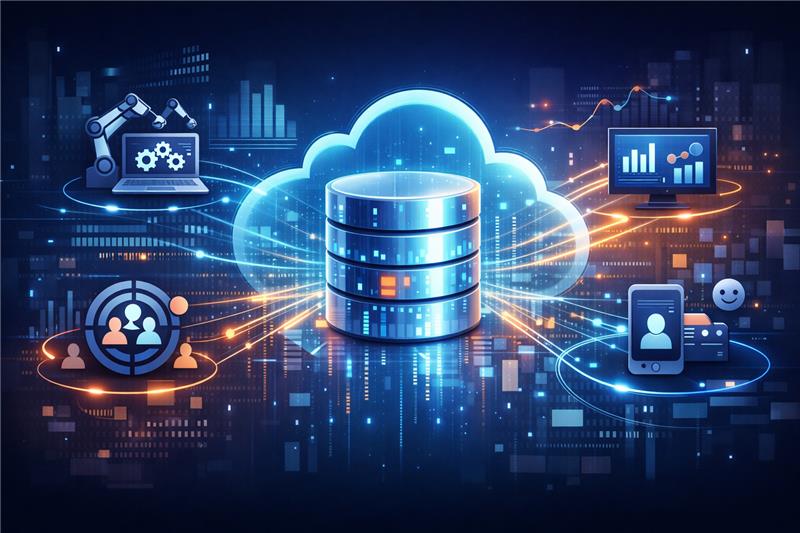
Invest in Data Infrastructure
Businesses need tools such as:
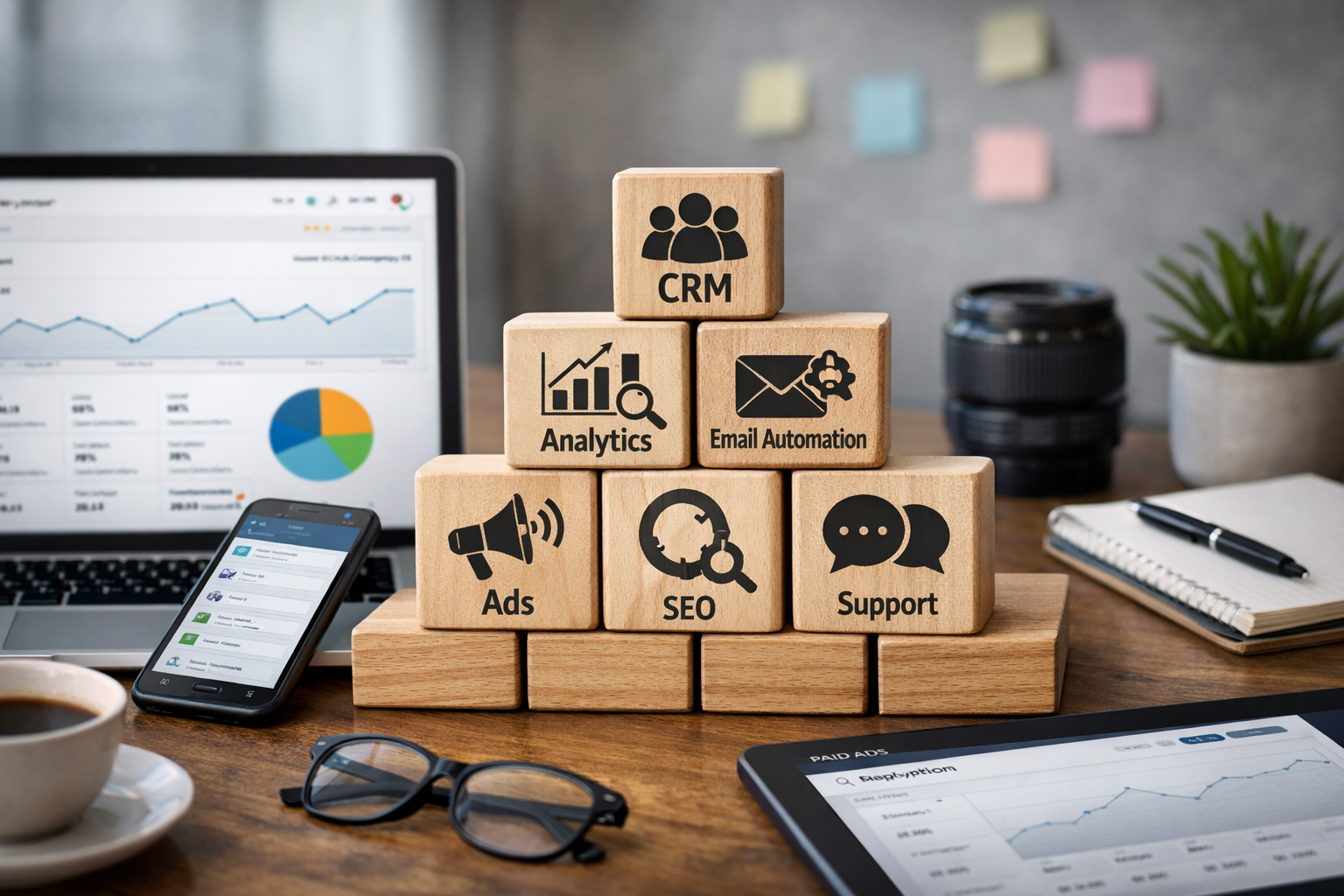
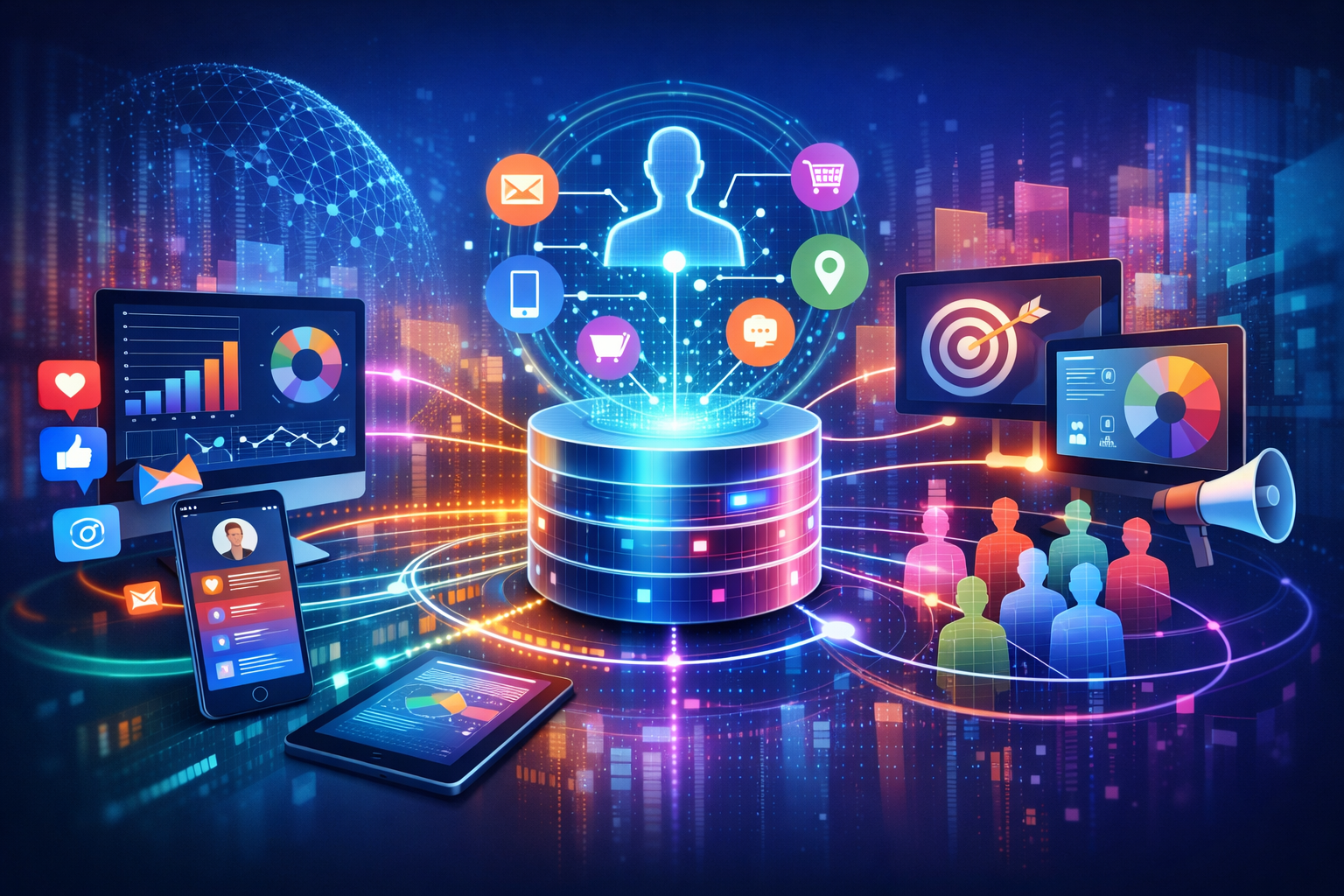
- Customer Data Platforms (CDPs)
- CRM systems
- Marketing automation platforms
These technologies help unify customer data and enable smarter marketing decisions.
Encourage Direct Customer Engagement
Owned channels are becoming more important than ever. Brands should focus on:
- Email marketing
- Mobile apps
- Communities and membership programs
- Interactive website experiences
These channels provide opportunities to collect meaningful customer data.
Challenges of First-Party Data
Although first-party data offers many benefits, it also presents some challenges:
- It requires strong infrastructure and technology.
- Data collection depends on building trust with customers.
- It may offer smaller audience reach compared to third-party data.
However, the long-term benefits often outweigh these challenges.
The Future of Marketing in a Cookieless World
The transition to a cookieless ecosystem represents a fundamental shift in digital marketing. Instead of relying on anonymous tracking across the internet, brands must focus on building direct relationships with their audiences.
First-party data empowers organizations to create more transparent, personalized, and privacy-conscious experiences for customers. Companies that prioritize ethical data collection and invest in strong customer relationships will be better positioned to succeed in the evolving digital landscape.
Read Also: How to Reduce Funnel Leakage in B2B: Turning Lost Leads into Revenue