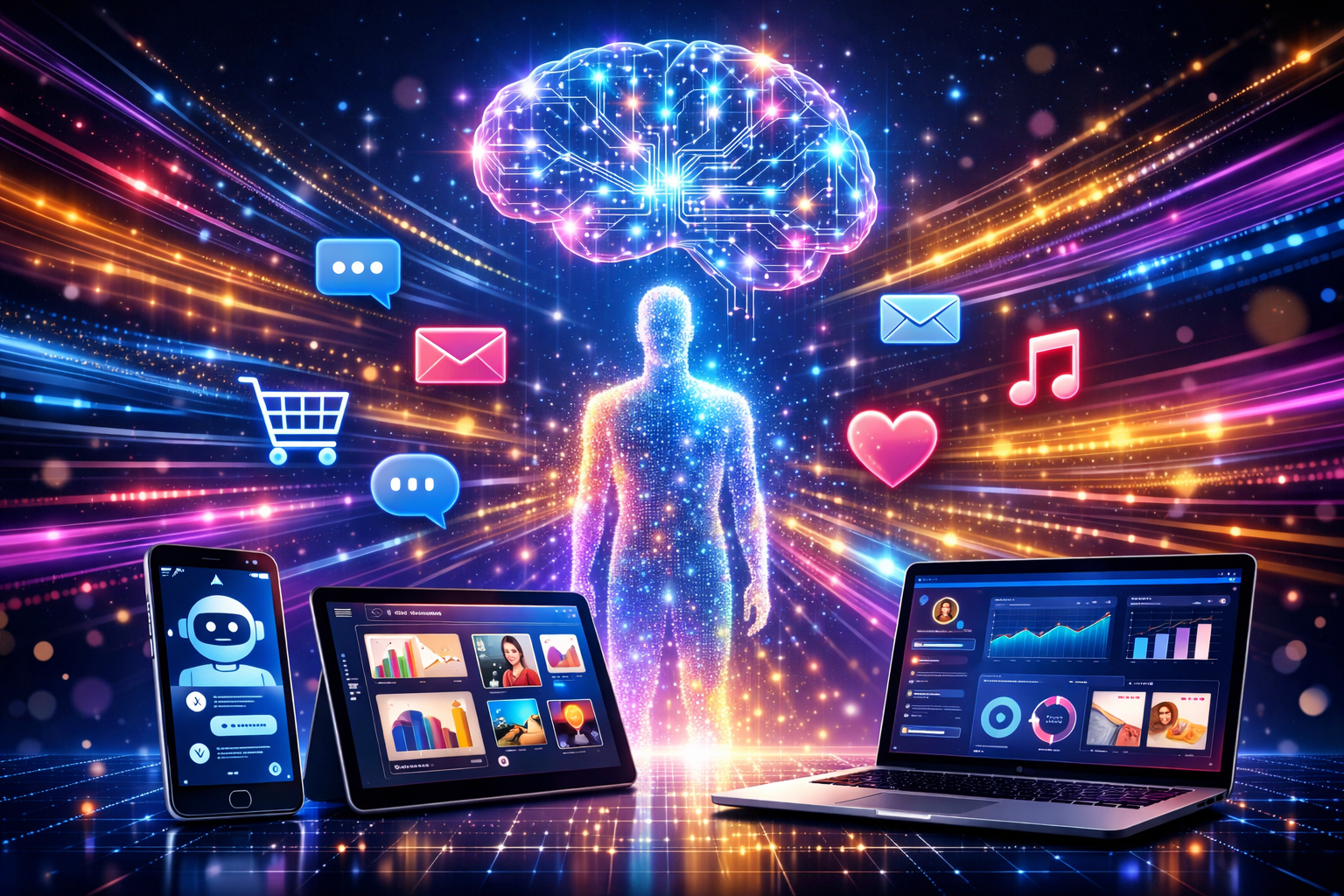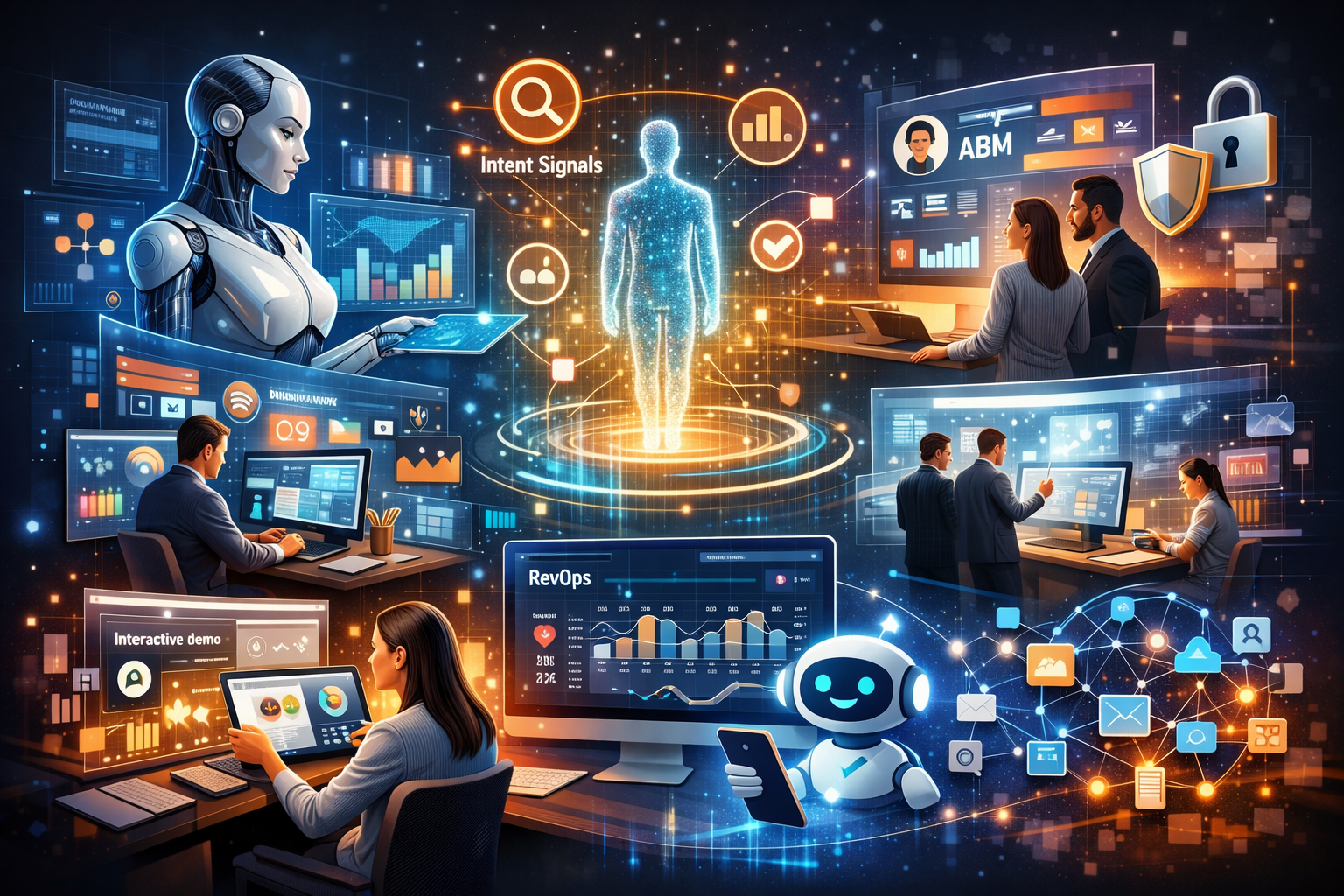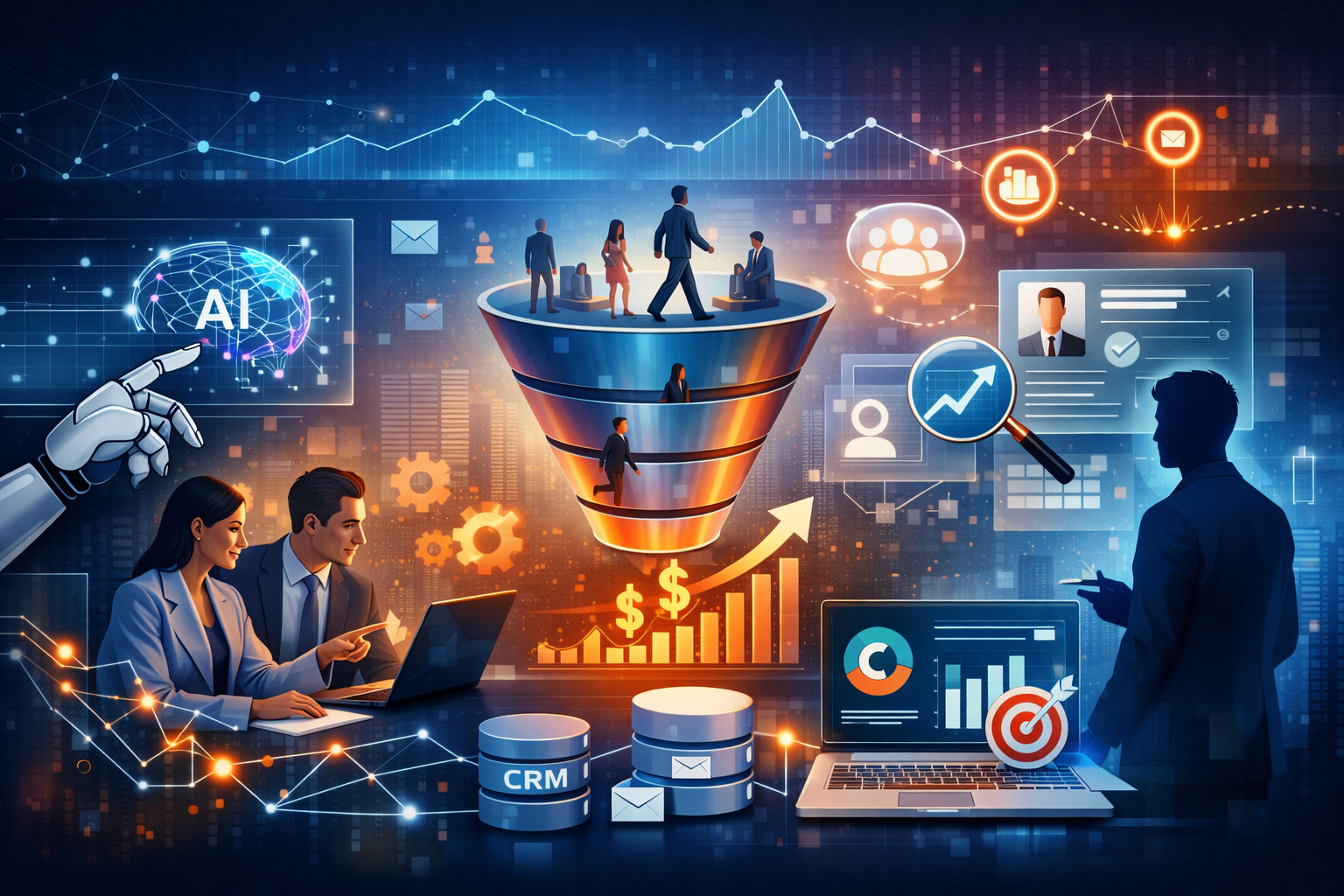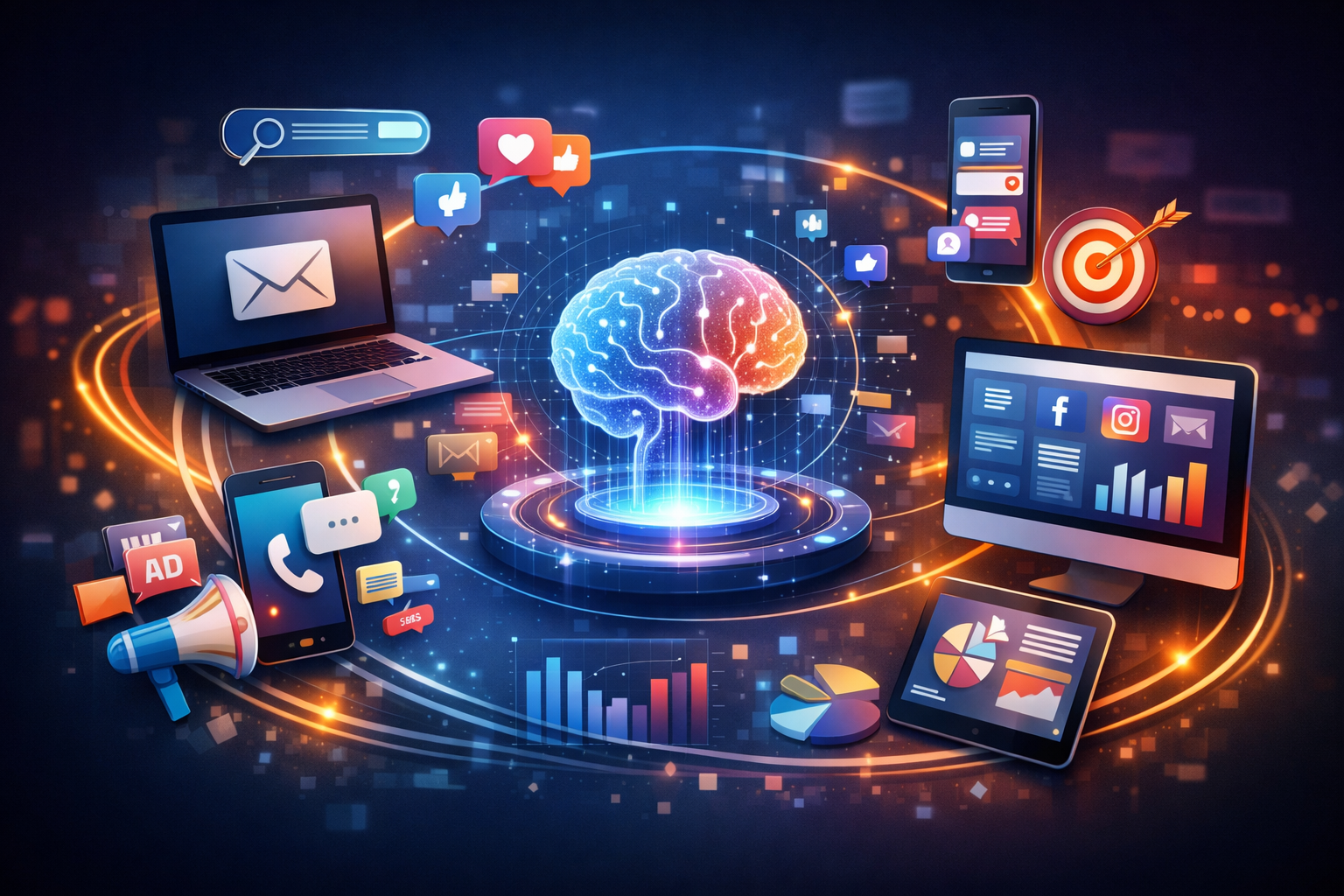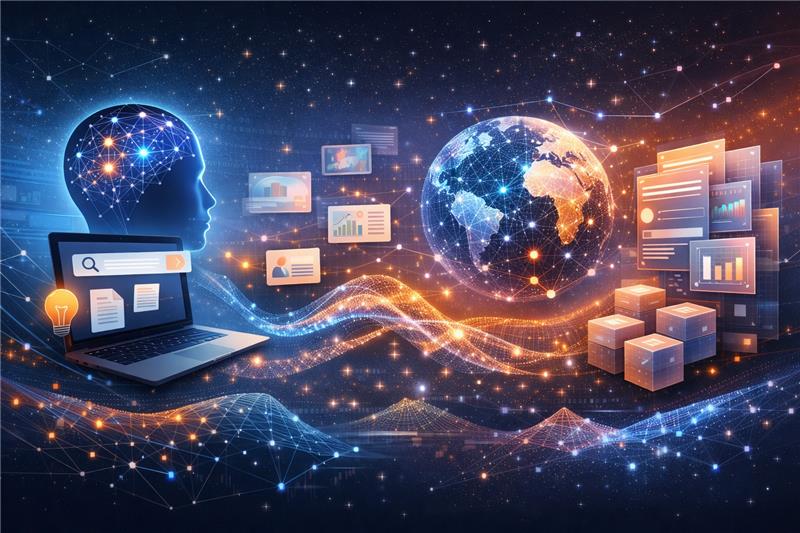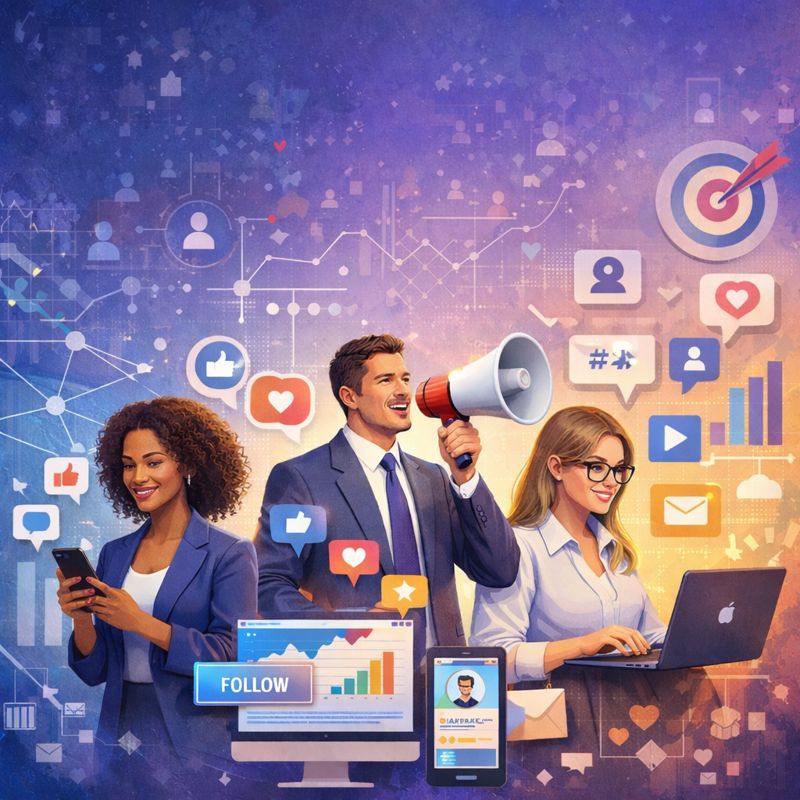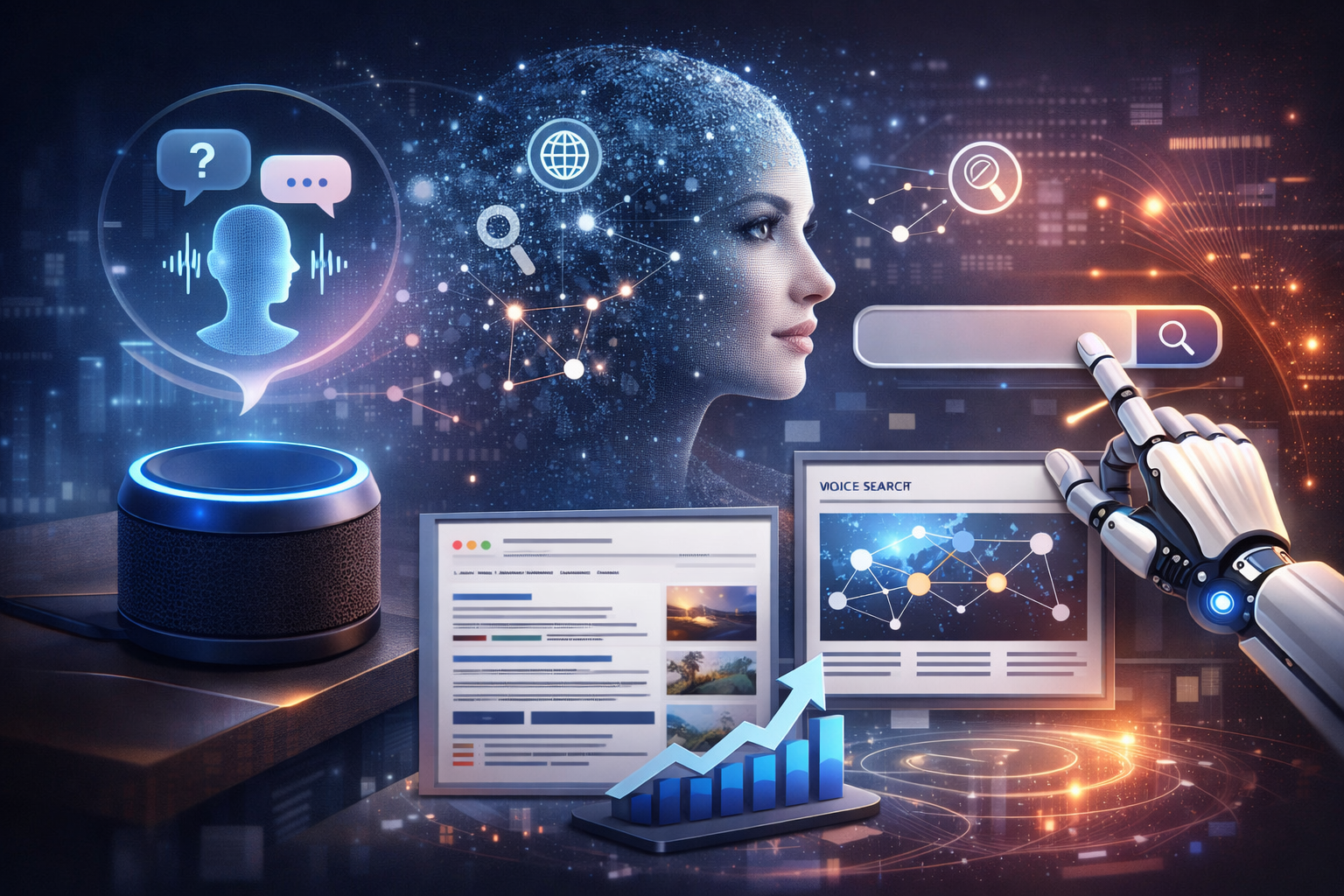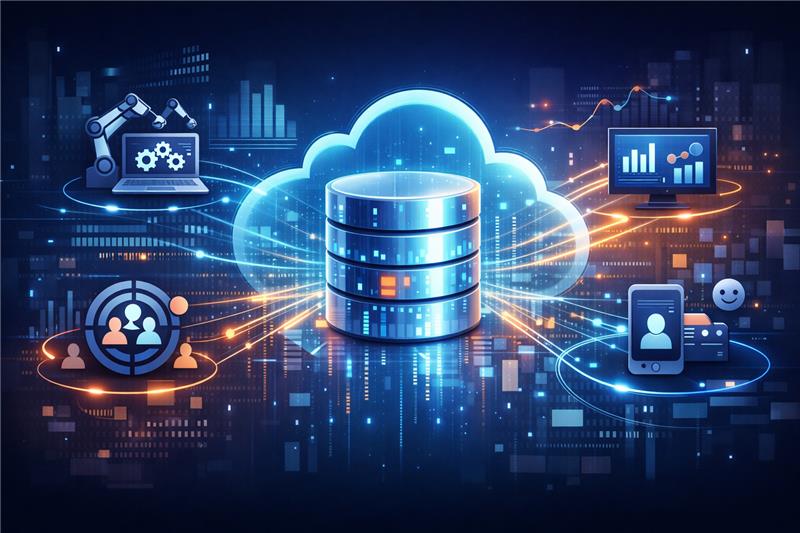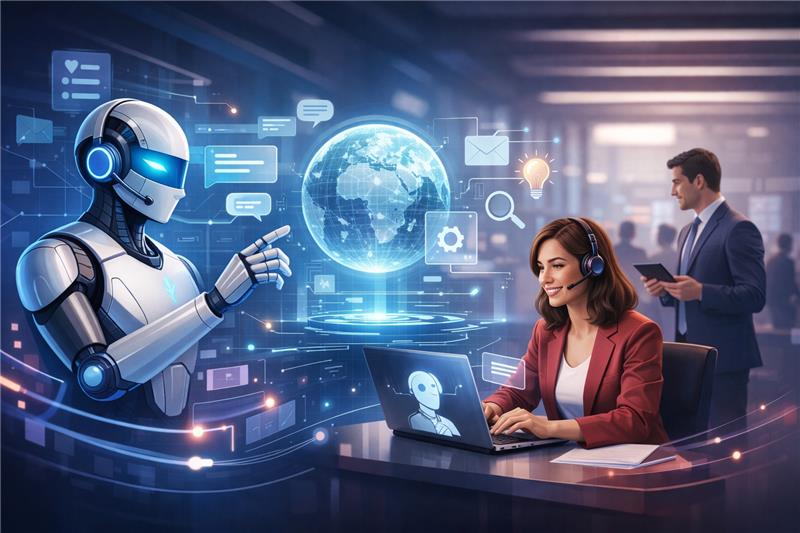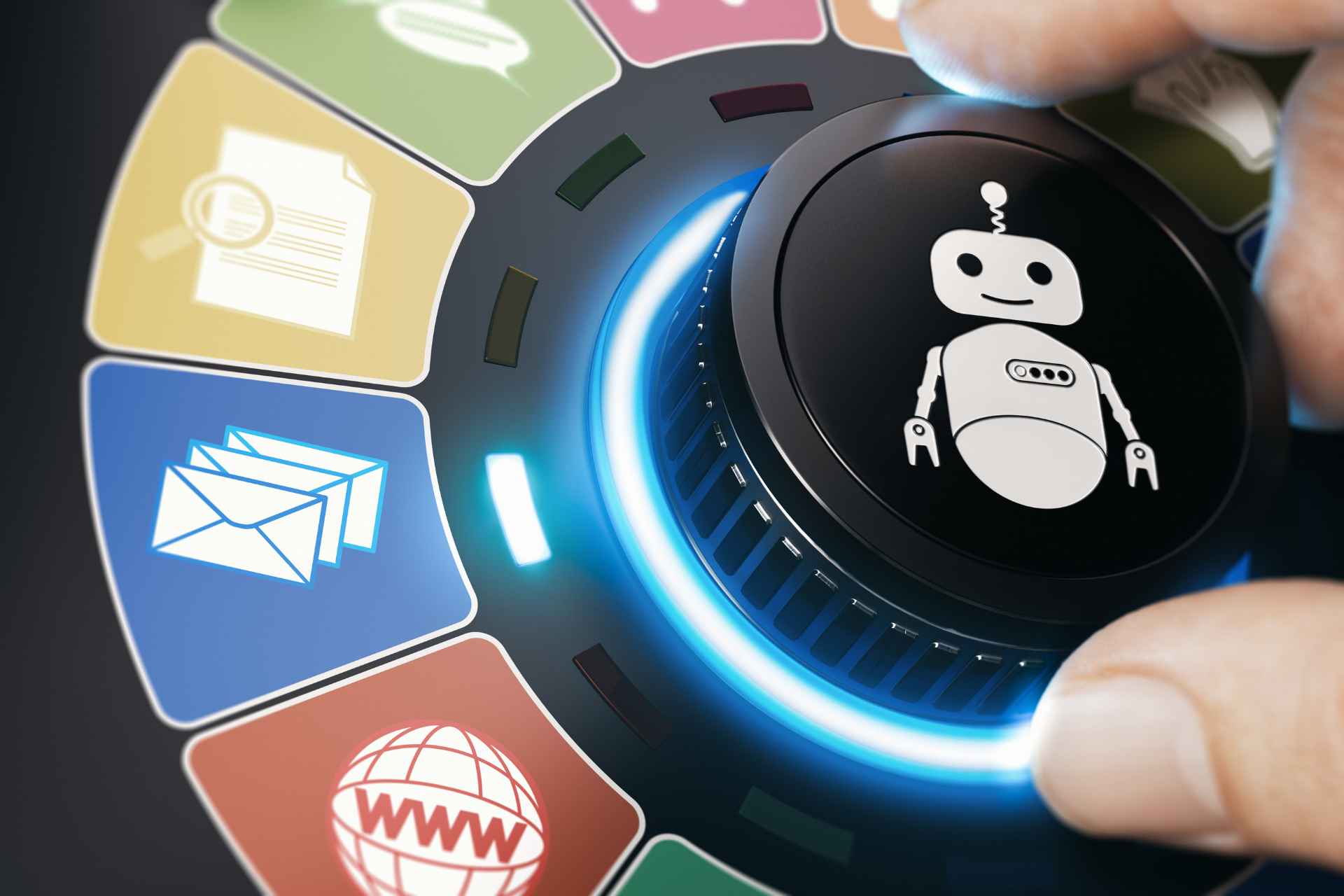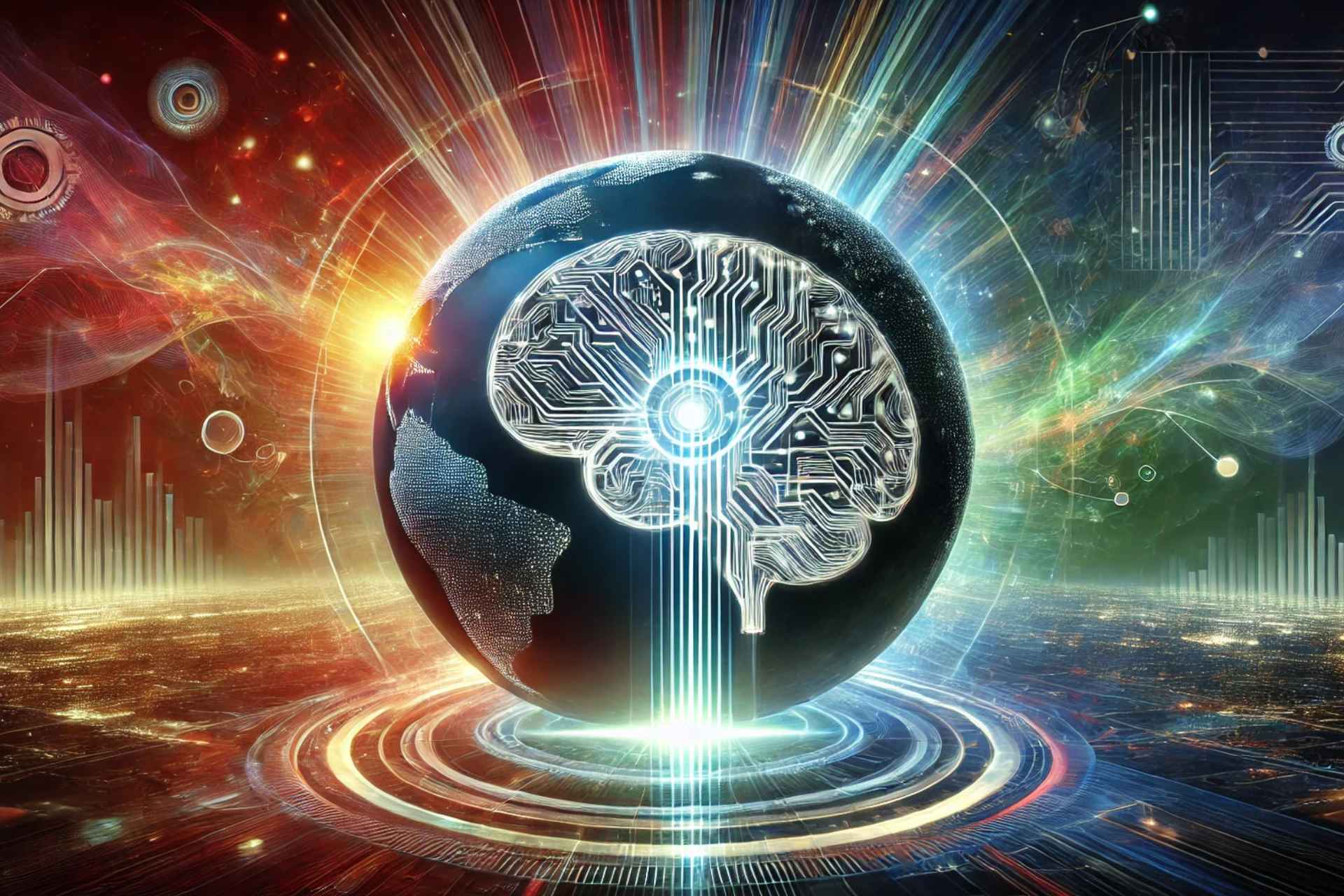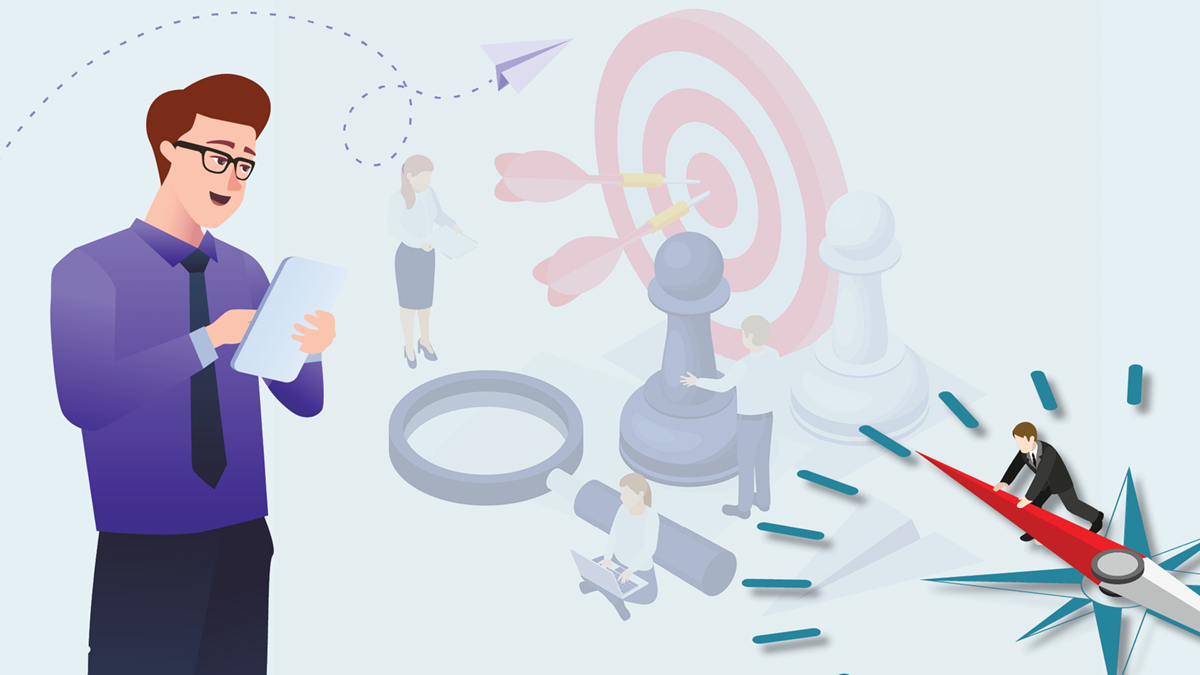

In a digital landscape defined by hyper-personalization and instant gratification, marketers are under increasing pressure to deliver smarter, faster, and more relevant experiences. Enter Artificial Intelligence (AI) — the powerhouse driving the next wave of marketing automation.
AI is no longer just a buzzword or a futuristic concept. Today, it’s deeply embedded in marketing tech stacks across industries, enabling businesses to do more with less — from real-time customer segmentation to predictive lead scoring. Let’s explore how AI is reshaping the marketing automation ecosystem and what this means for your business.
Read Also: AI-Generated Content vs. Human-Written Content: Which Works Best?
1. Smarter Customer Segmentation
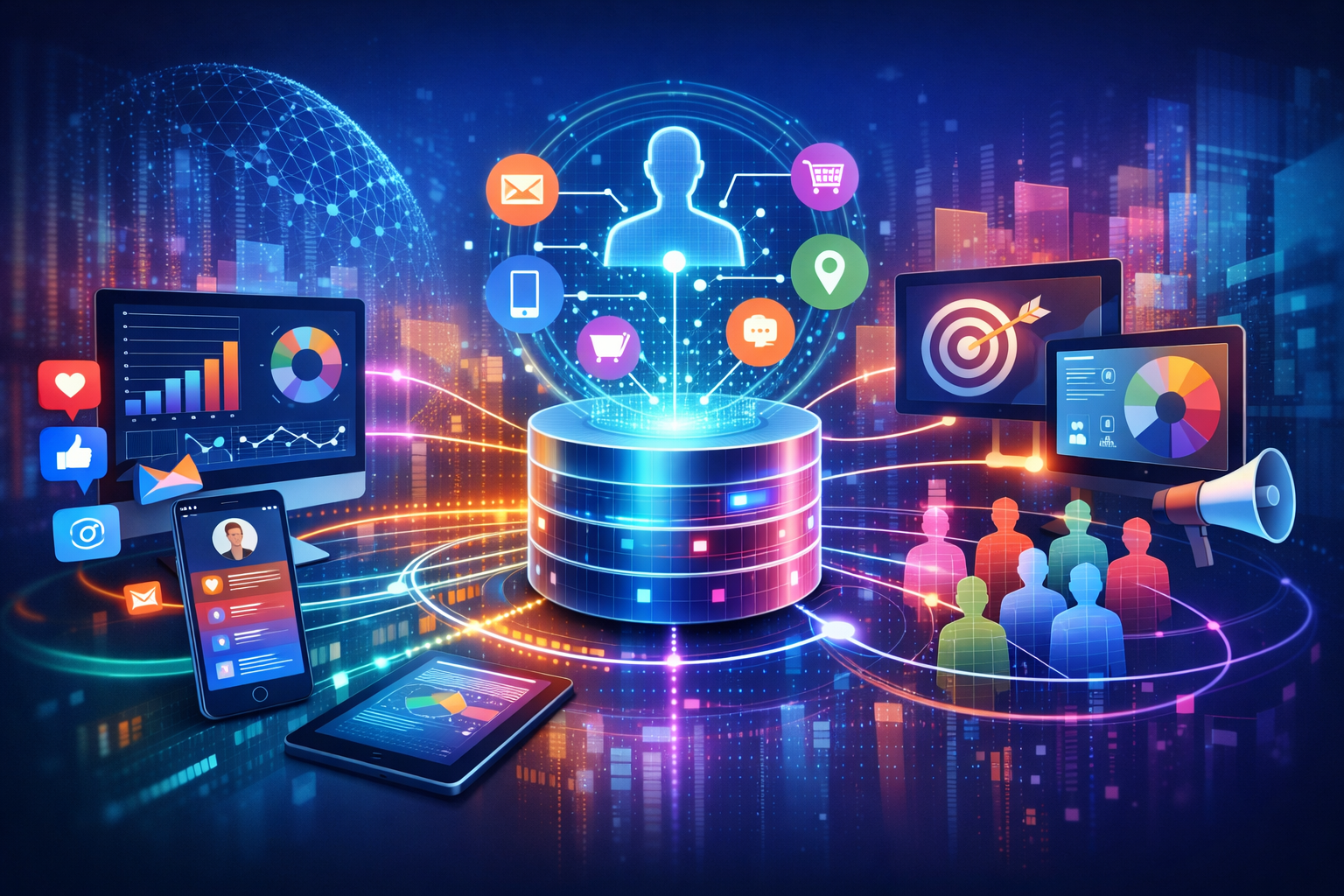
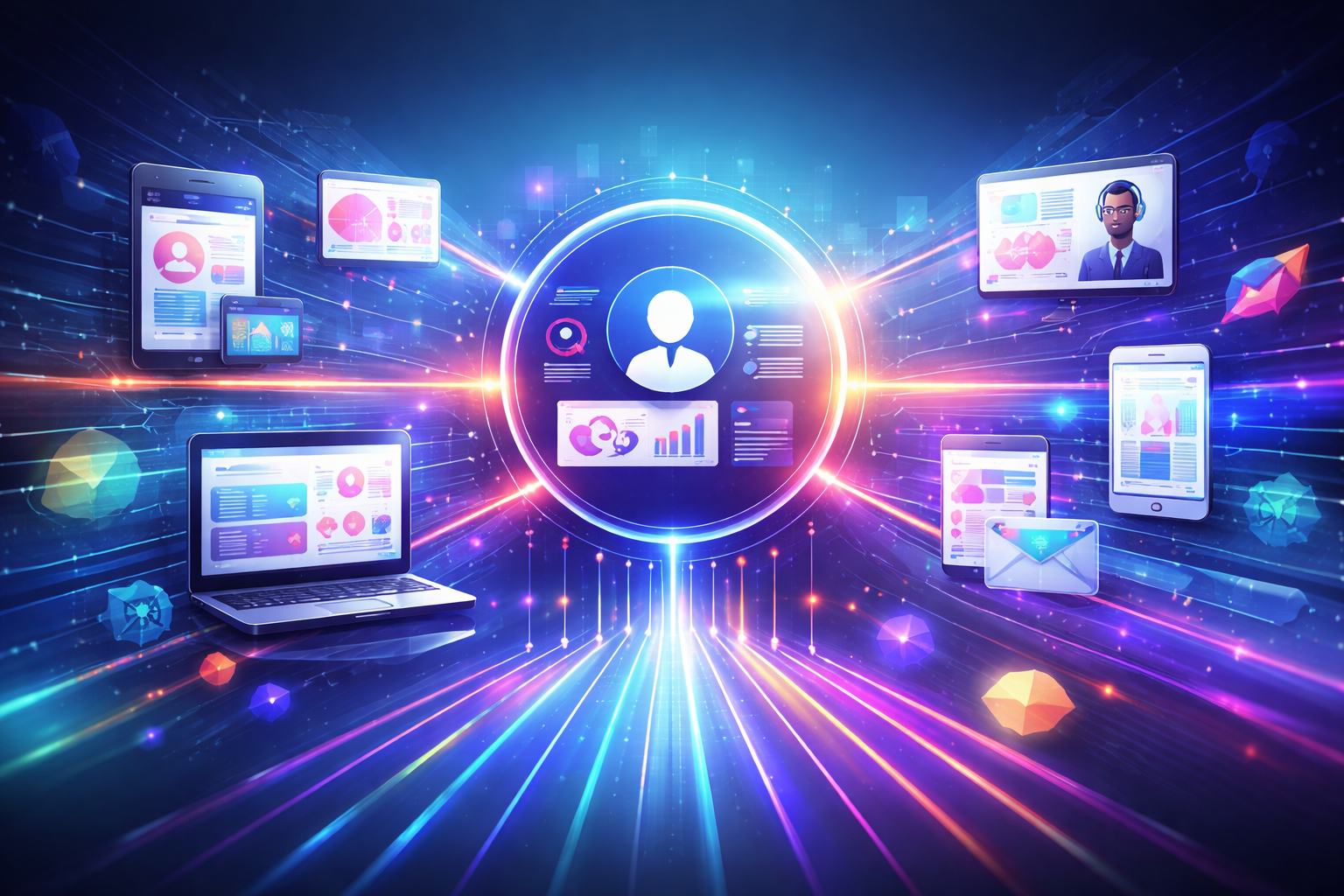
Traditional segmentation relies on static data like age, gender, or job title. AI takes it a step further by analyzing behavioral data, purchase history, and real-time interactions to create dynamic segments.
- Tools like Salesforce Einstein and Adobe Sensei use machine learning to identify micro-segments based on user patterns.
- These hyper-specific segments help tailor messaging at scale, increasing engagement and conversion rates.
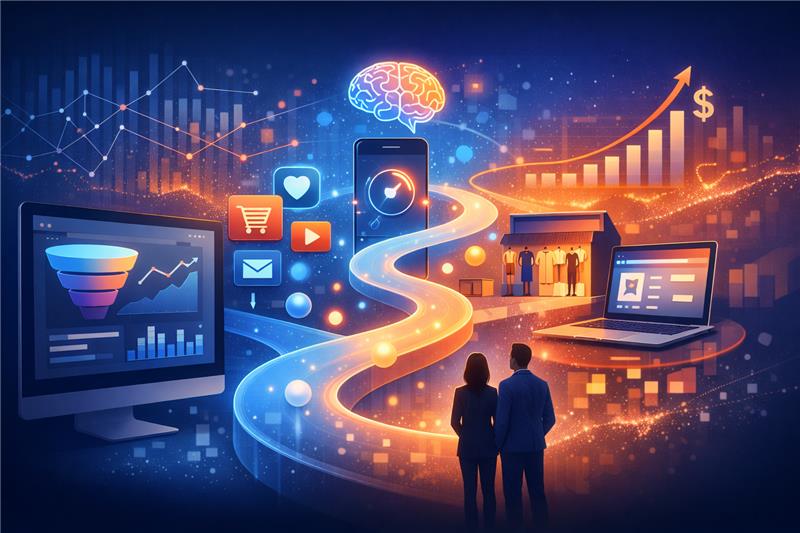
2. Predictive Analytics and Lead Scoring
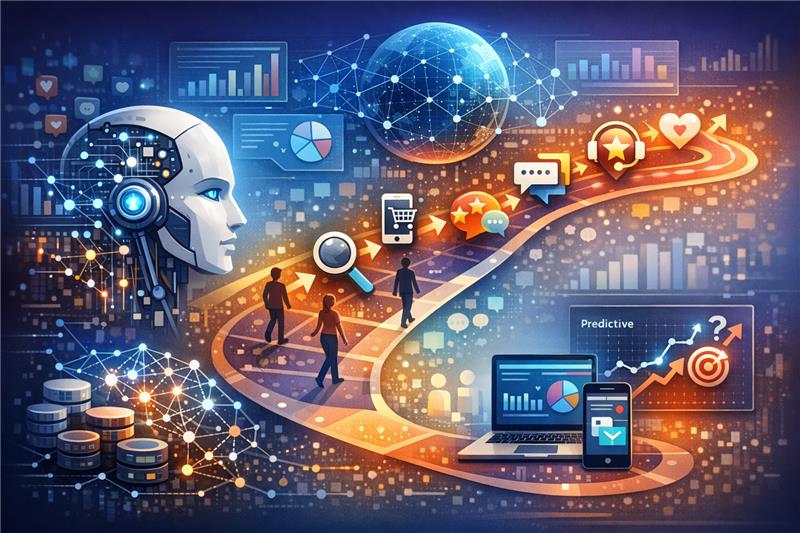
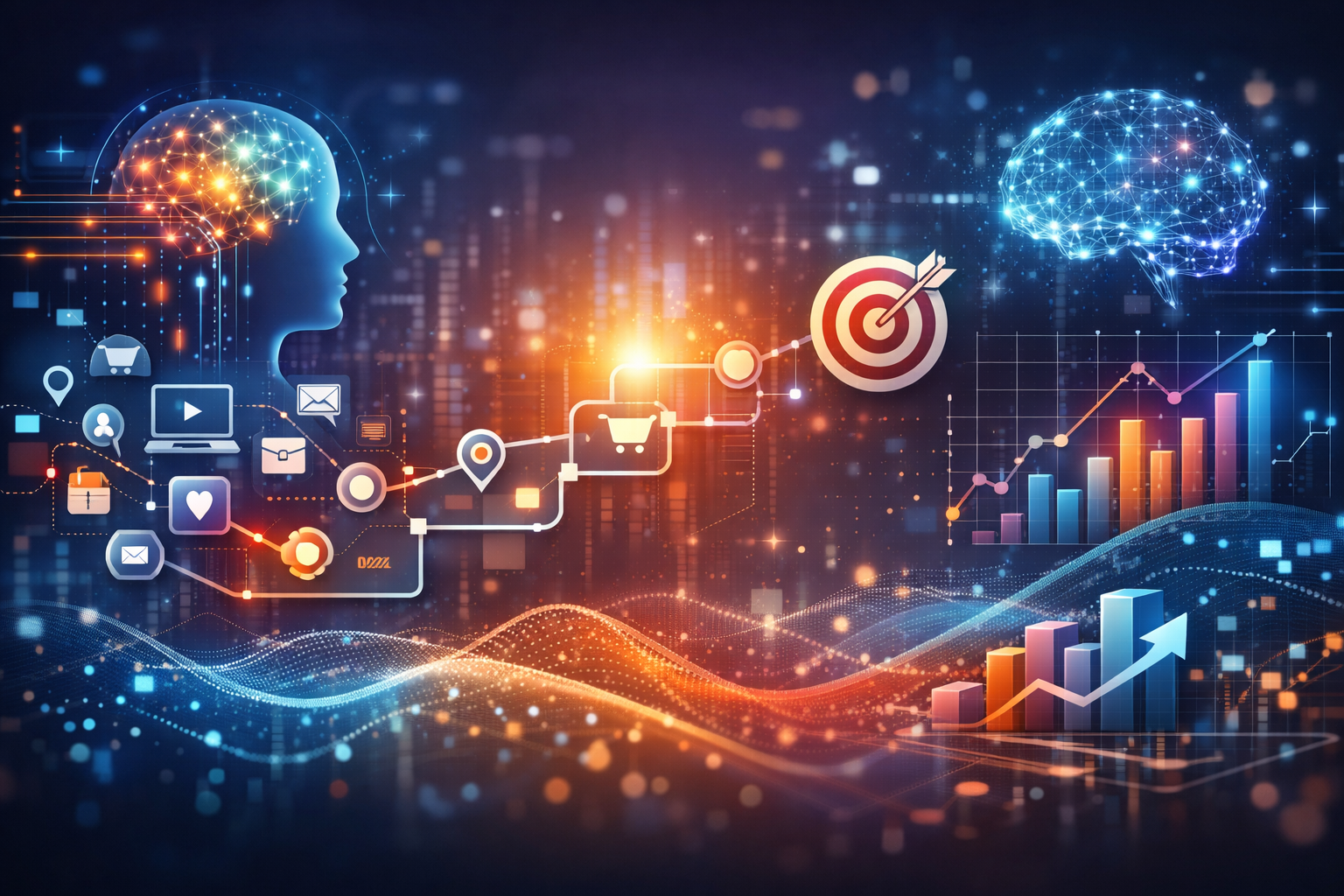
AI doesn’t just tell you what’s happening — it predicts what will happen next.
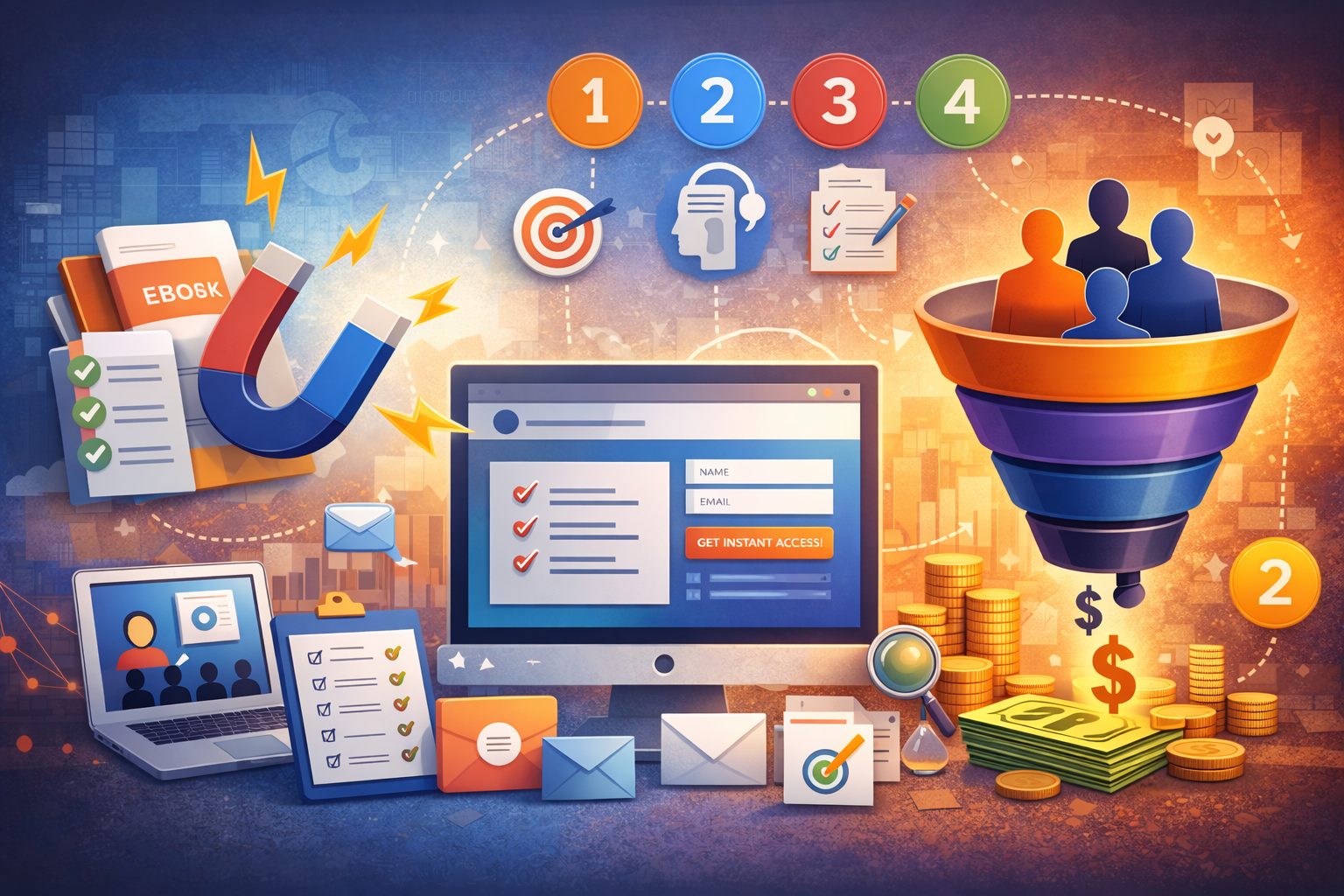
- Predictive lead scoring models analyze thousands of data points to determine which leads are most likely to convert.
- Marketers can then focus resources on high-value prospects, improving ROI and shortening the sales cycle.
Examples:
- HubSpot’s predictive lead scoring
- Marketo Engage’s AI-driven behavior scoring
3. Hyper-Personalization at Scale
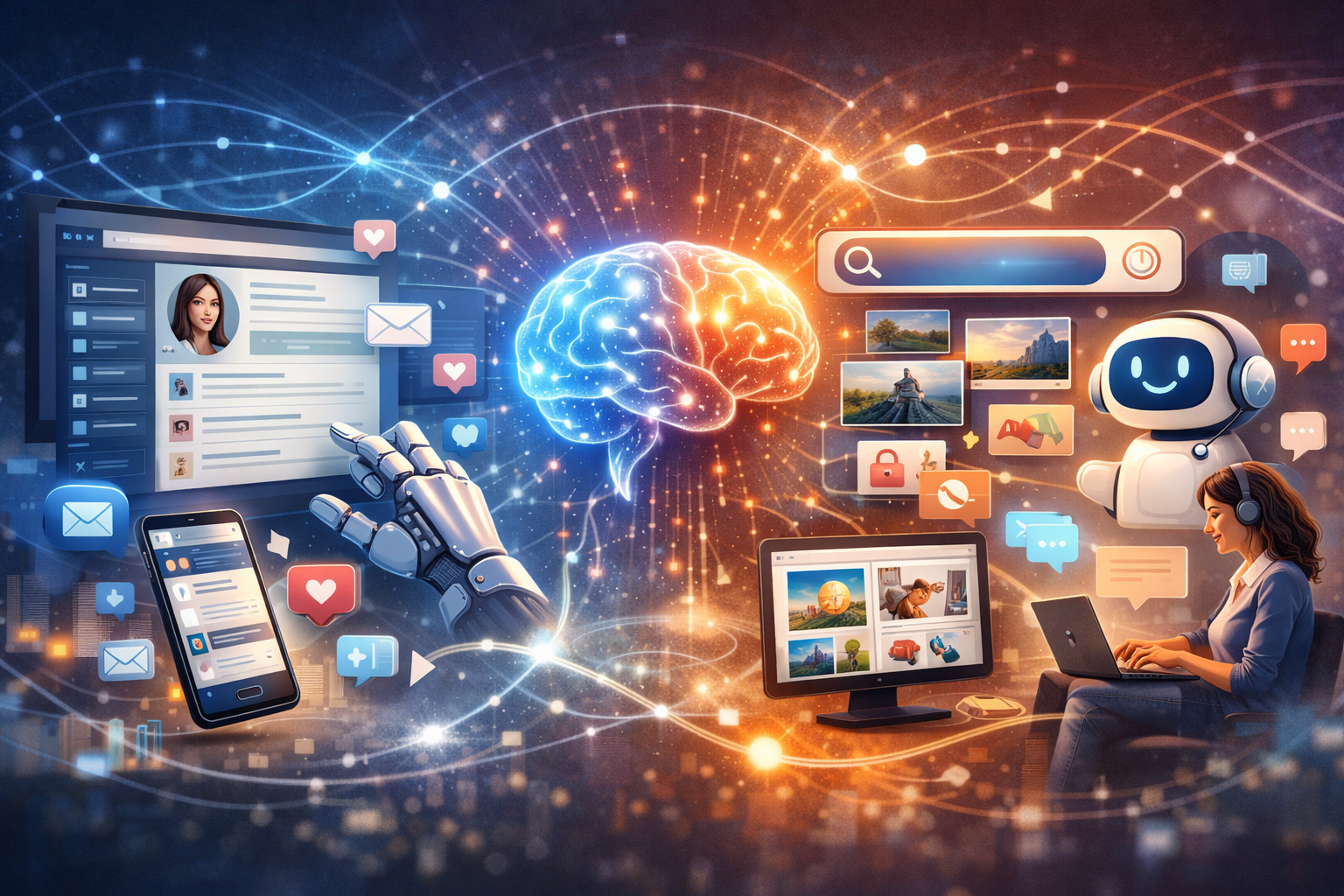
AI enables 1:1 personalization without manual effort.
- AI can automatically tailor subject lines, product recommendations, content blocks, and even entire email flows based on individual user behavior.
- Platforms like Dynamic Yield and Persado use AI to generate content that resonates emotionally with different audiences.
Stat: 80% of consumers are more likely to make a purchase when brands offer personalized experiences (Epsilon).
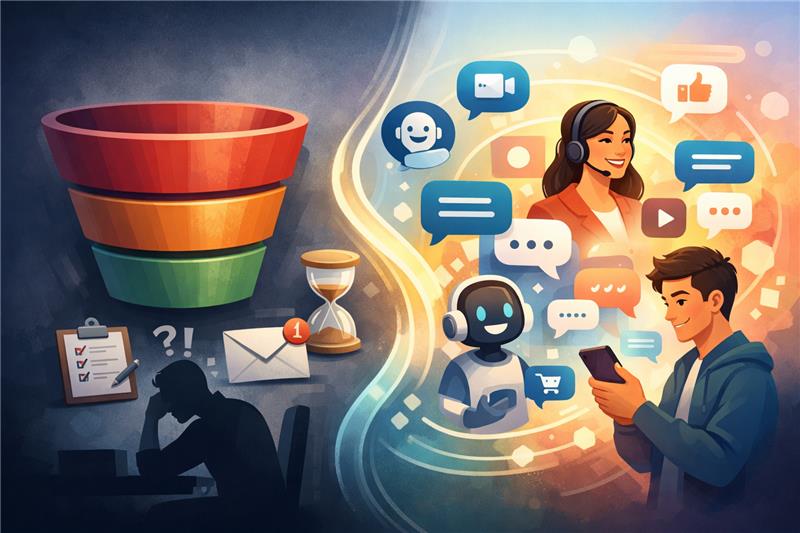
4. Chatbots and Conversational Marketing
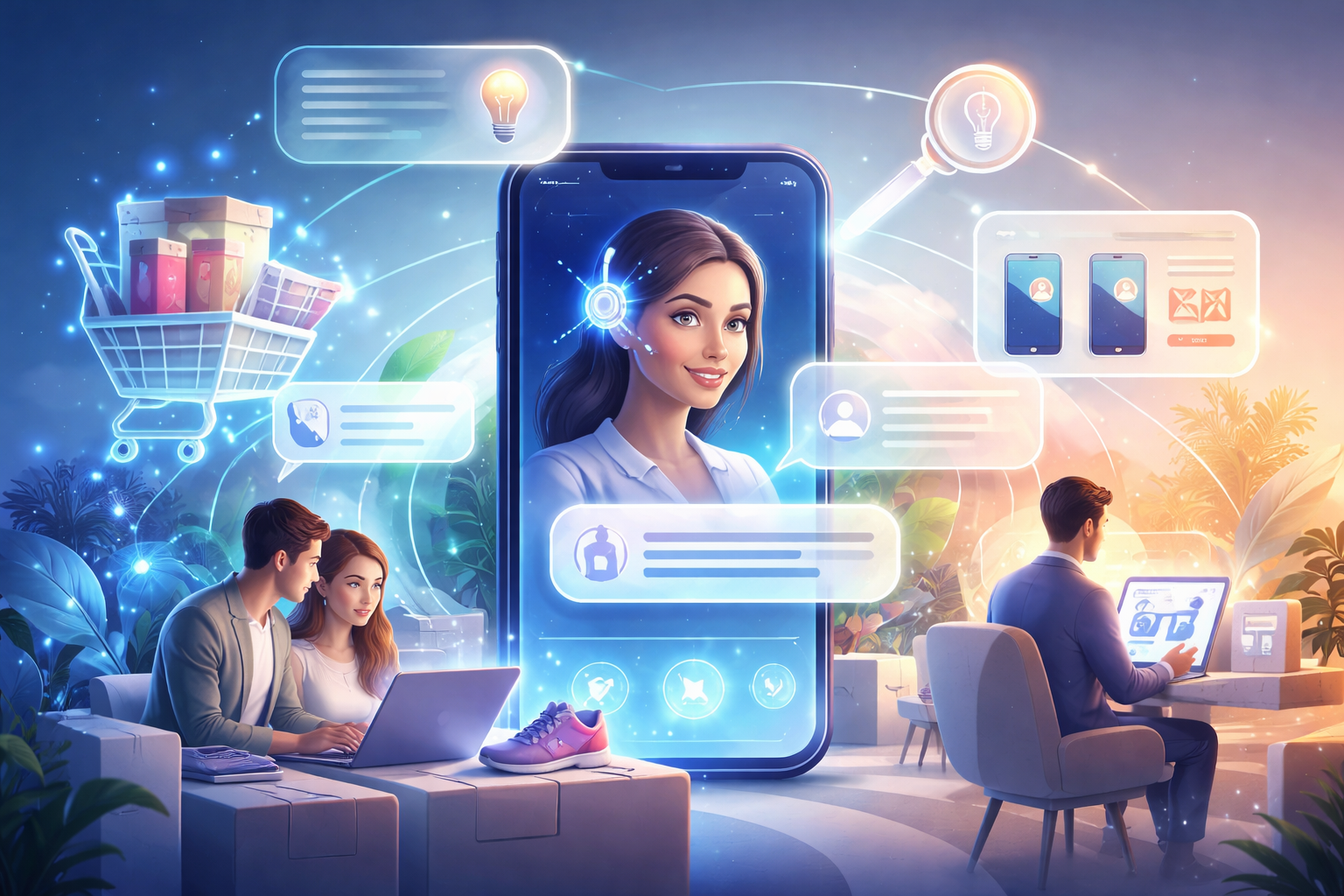
AI-powered chatbots are changing how businesses engage with customers in real-time.
- These bots can handle customer service queries, qualify leads, recommend products, and even schedule demos — all without human intervention.
- Tools like Drift, Intercom, and Zendesk AI are leading the way in conversational marketing.
5. AI-Driven Content Generation
With tools like ChatGPT, Jasper, and Copy.ai, marketers are leveraging AI to:
- Draft blog posts
- Generate ad copy
- Write email campaigns
- Localize content
While human oversight remains critical, these tools dramatically reduce production time and can serve as creative springboards.
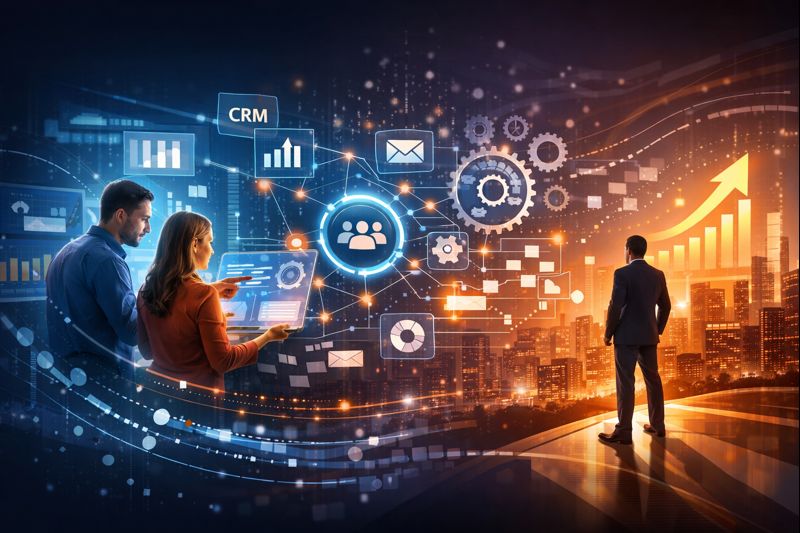
6. Marketing Workflow Optimization
AI automates not just customer-facing tasks, but also back-end workflows:
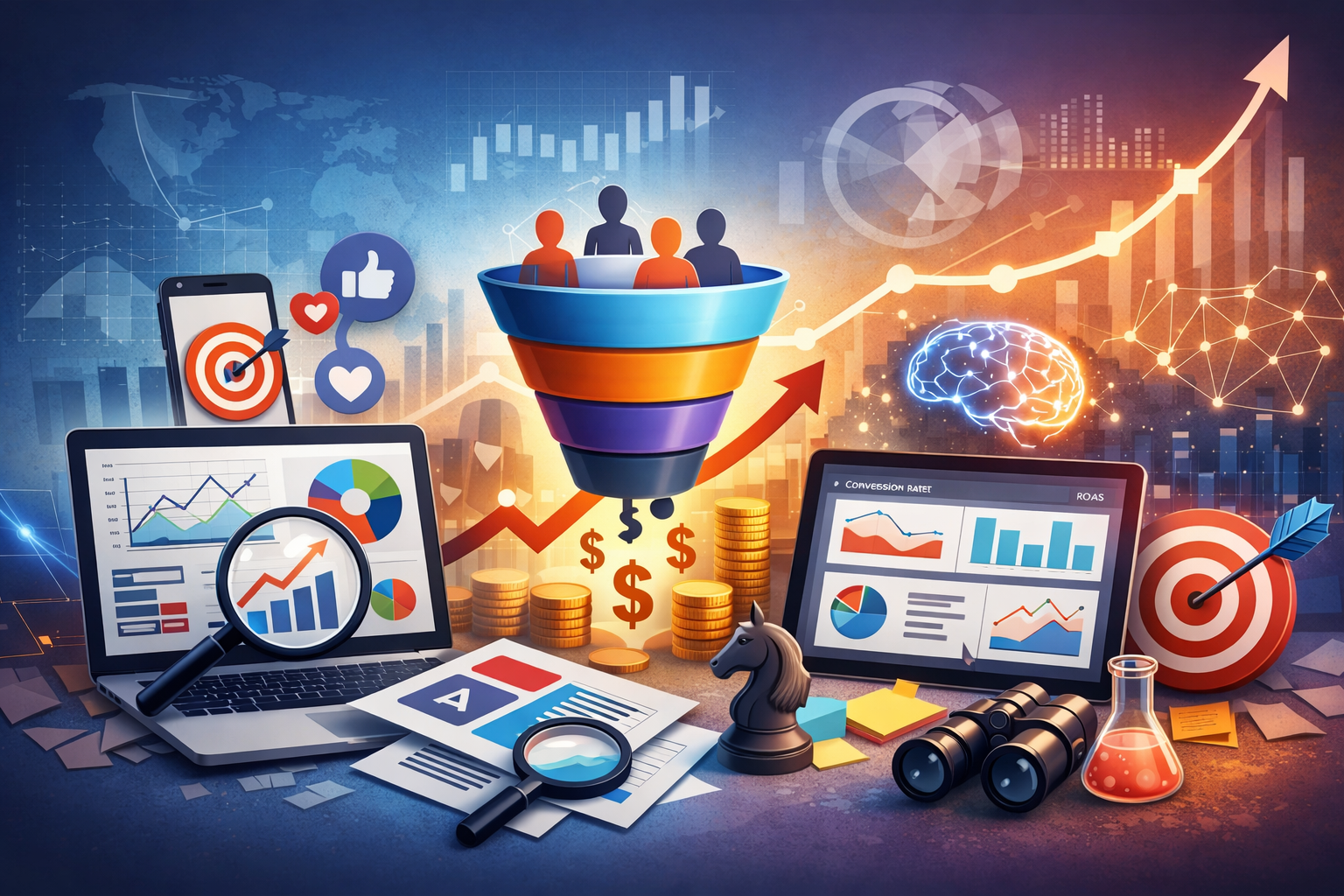
- A/B test orchestration: AI can dynamically run and optimize tests across campaigns.
- Budget allocation: Platforms use AI to shift ad spend in real-time for maximum ROI.
- Campaign performance forecasting: Predict how your campaign will perform before it even launches.
7. Ethical and Privacy Considerations
With great power comes great responsibility. As AI becomes more embedded in marketing:
- Transparency and data privacy are top concerns.
- Brands must ensure compliance with regulations like GDPR and CCPA, and avoid unethical targeting or biased algorithms.
Conclusion: The Future of AI in Marketing
AI is not replacing marketers — it’s amplifying their potential. By automating the mundane and providing deep insights, AI allows marketers to focus on strategy, creativity, and meaningful engagement.
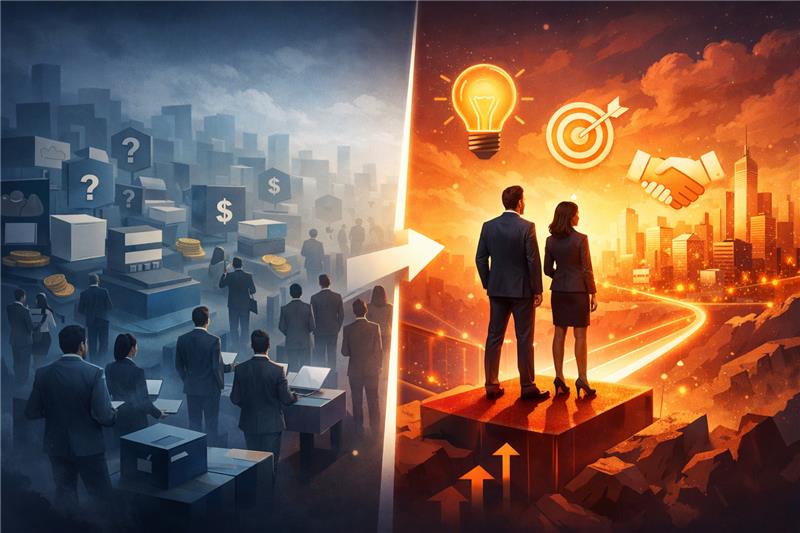
The rise of AI in marketing automation marks a turning point: the shift from reactive campaigns to predictive, personalized experiences at scale.
Read Also: How to Get More Reviews & Testimonials for Local Tech SEO