
In recent years, blockchain technology has evolved far beyond its association with cryptocurrencies like Bitcoin. Today, it’s reshaping how businesses interact, trade, and collaborate — especially in B2B (business-to-business) transactions. By offering transparency, security, and efficiency, blockchain is poised to redefine traditional business processes that once relied on intermediaries, paperwork, and trust-based systems.
- Understanding Blockchain in the B2B Context
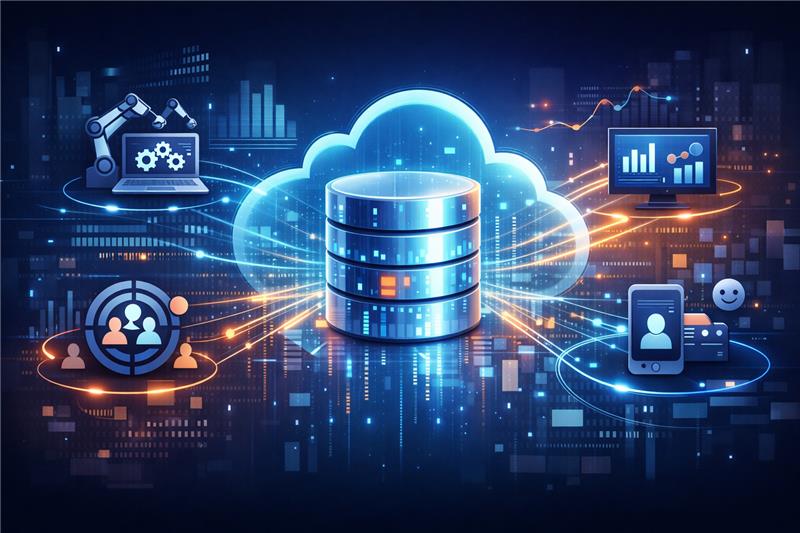
At its core, blockchain is a decentralized digital ledger that records transactions across a distributed network of computers. Every entry (or block) is verified, time-stamped, and linked to the previous one, creating an immutable chain of data.
In B2B ecosystems — where multiple stakeholders such as suppliers, manufacturers, distributors, and service providers collaborate — blockchain introduces a shared source of truth. This eliminates many of the inefficiencies caused by fragmented databases, manual verification, and inconsistent record-keeping.
- Transparency and Trust in Inter-Company Dealings
One of the biggest challenges in B2B transactions is trust. Businesses often rely on third parties, audits, or contracts to ensure reliability. With blockchain, all participants have real-time visibility into the same transaction data.
This shared transparency means:
- Reduced disputes over order fulfillment or payment terms.
- Easier compliance checks for audits and regulations.
- Improved accountability, since no single party can alter records retroactively.
Essentially, blockchain creates a trustless system — not because there’s no trust, but because the system itself ensures integrity.
- Smart Contracts: Automating the B2B Workflow
Blockchain’s potential extends through smart contracts — self-executing agreements coded on the blockchain that trigger actions once conditions are met.
For example:
- A supplier automatically receives payment once the shipment is verified.
- Discounts or penalties are applied instantly based on delivery timelines.
- Multi-party agreements can execute simultaneously, reducing administrative delays.
This automation reduces human error, paperwork, and delays, while increasing operational speed and efficiency.
- Enhancing Security and Reducing Fraud
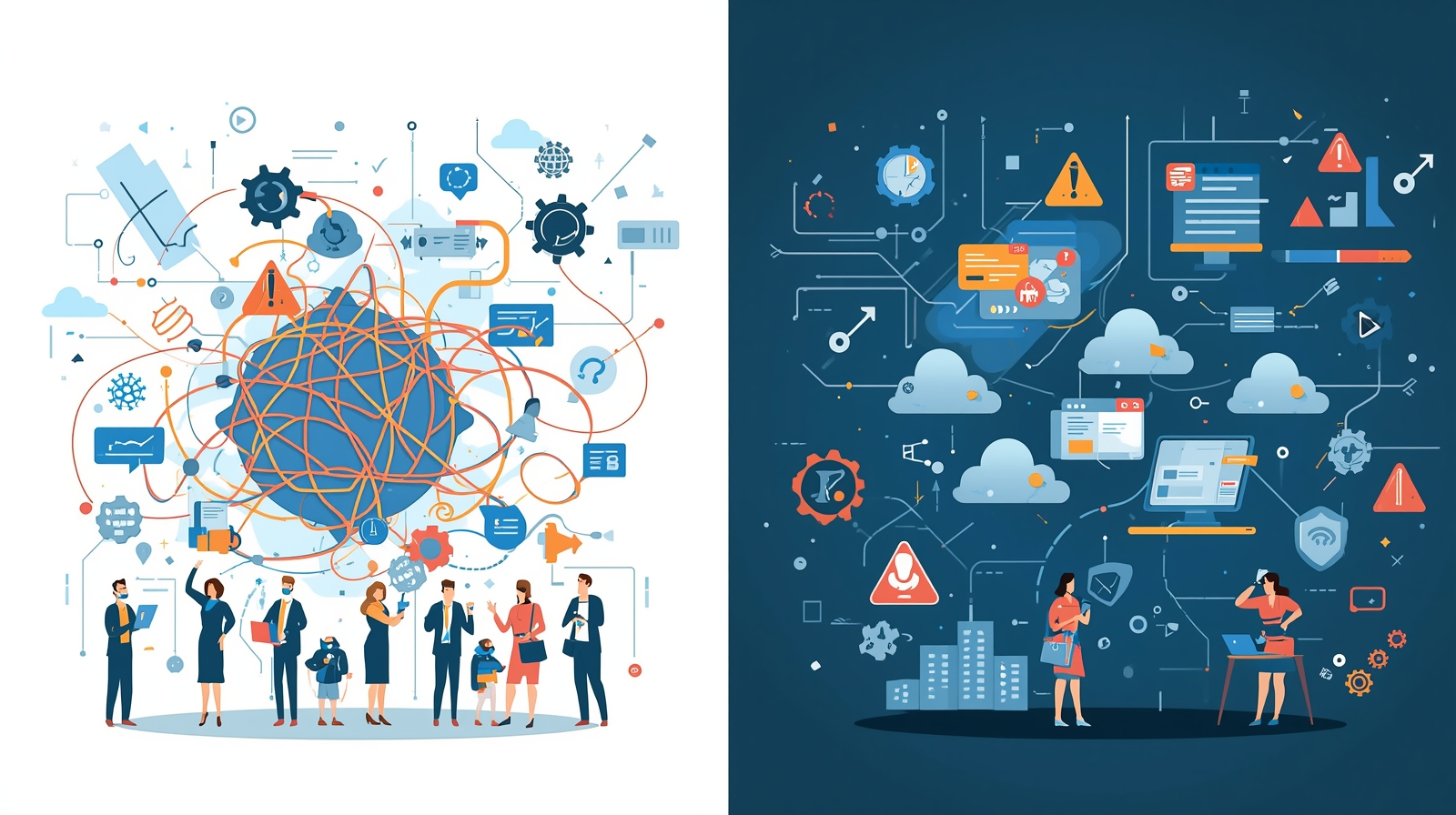
In traditional B2B systems, centralized databases are vulnerable to data breaches and unauthorized manipulation. Blockchain’s distributed nature, coupled with cryptographic encryption, makes it significantly harder for malicious actors to tamper with records.
This is particularly valuable in industries handling sensitive data — such as finance, healthcare, and logistics — where data integrity is paramount.
- Supply Chain and Procurement Revolution
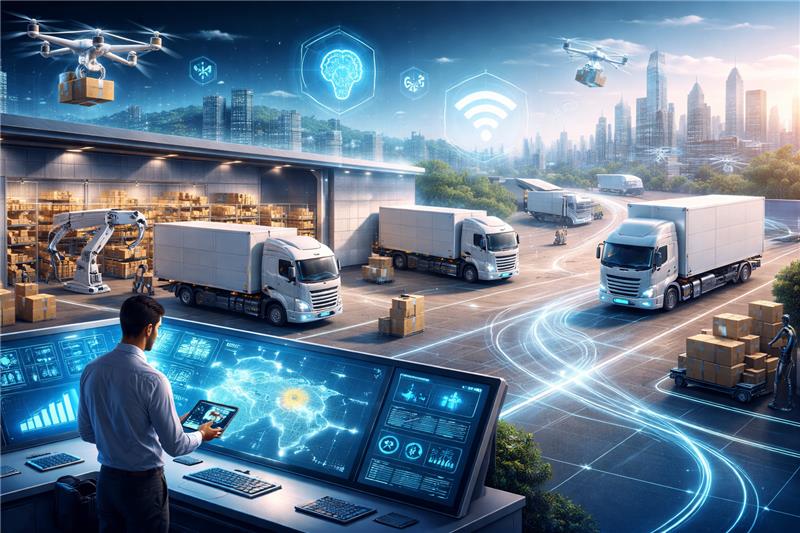
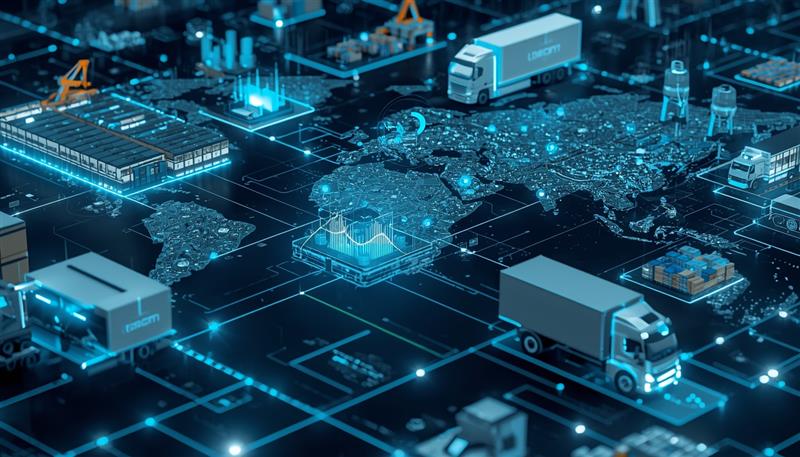
Supply chain management is one of the most promising areas for blockchain-driven transformation. From raw materials to end delivery, every step can be recorded transparently on a blockchain network.
This results in:
- Traceability: Businesses can track product origins and authenticity.
- Efficiency: Reduced administrative bottlenecks and improved demand forecasting.
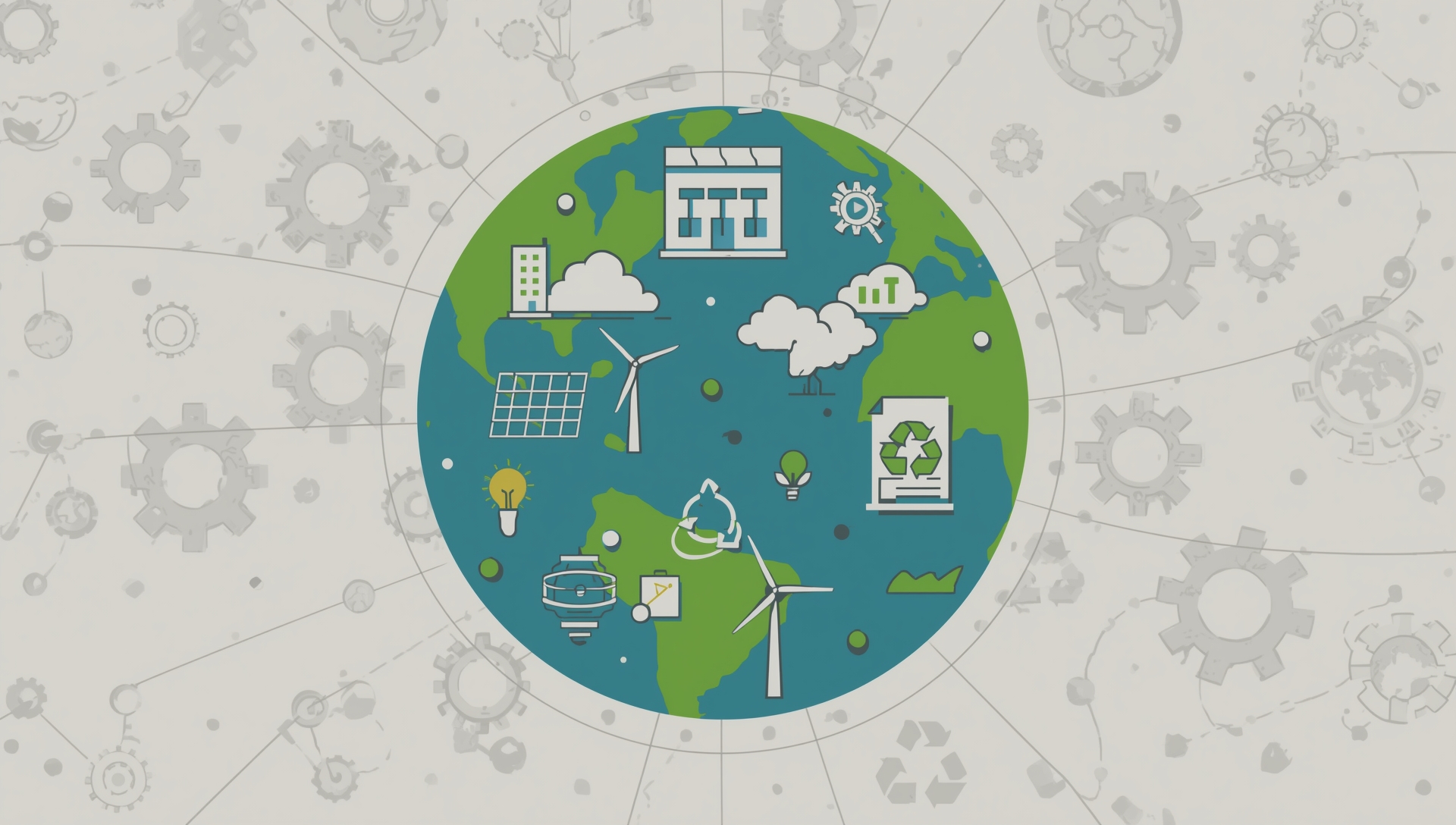
- Sustainability: Clear visibility into ethical sourcing and carbon impact.
Companies like IBM, Maersk, and Walmart have already implemented blockchain-based systems to improve global supply chain transparency.
- Cost Efficiency and Faster Settlements
Traditional B2B payments often involve intermediaries, cross-border fees, and long settlement times. Blockchain enables instant, peer-to-peer settlements using digital tokens or stablecoins — cutting out costly middlemen.
This leads to:
- Lower transaction costs
- Reduced reconciliation time
- Improved cash flow management
For multinational corporations, this can translate to millions in annual savings.
- Challenges and Adoption Barriers
Despite its potential, blockchain adoption in B2B transactions faces hurdles:
- Integration complexity: Legacy systems need to adapt to decentralized infrastructure.
- Regulatory uncertainty: Varying global standards for blockchain and crypto-assets.
- Scalability issues: Current blockchain networks may struggle with high transaction volumes.
However, as enterprise solutions like Hyperledger Fabric and Ethereum for Business mature, these challenges are gradually being addressed.
- The Future of B2B on the Blockchain
The future of B2B transactions will likely be interconnected, automated, and trustless — where blockchain serves as the digital backbone of commerce. As more industries adopt decentralized technologies, we can expect:
- Seamless cross-border trade
- Greater interoperability among enterprises
- Data-driven insights powered by secure, shared ledgers
Businesses that embrace blockchain early will gain a competitive advantage through efficiency, transparency, and trust.
Read Also: How B2B Companies Can Drive Social Responsibility Initiatives