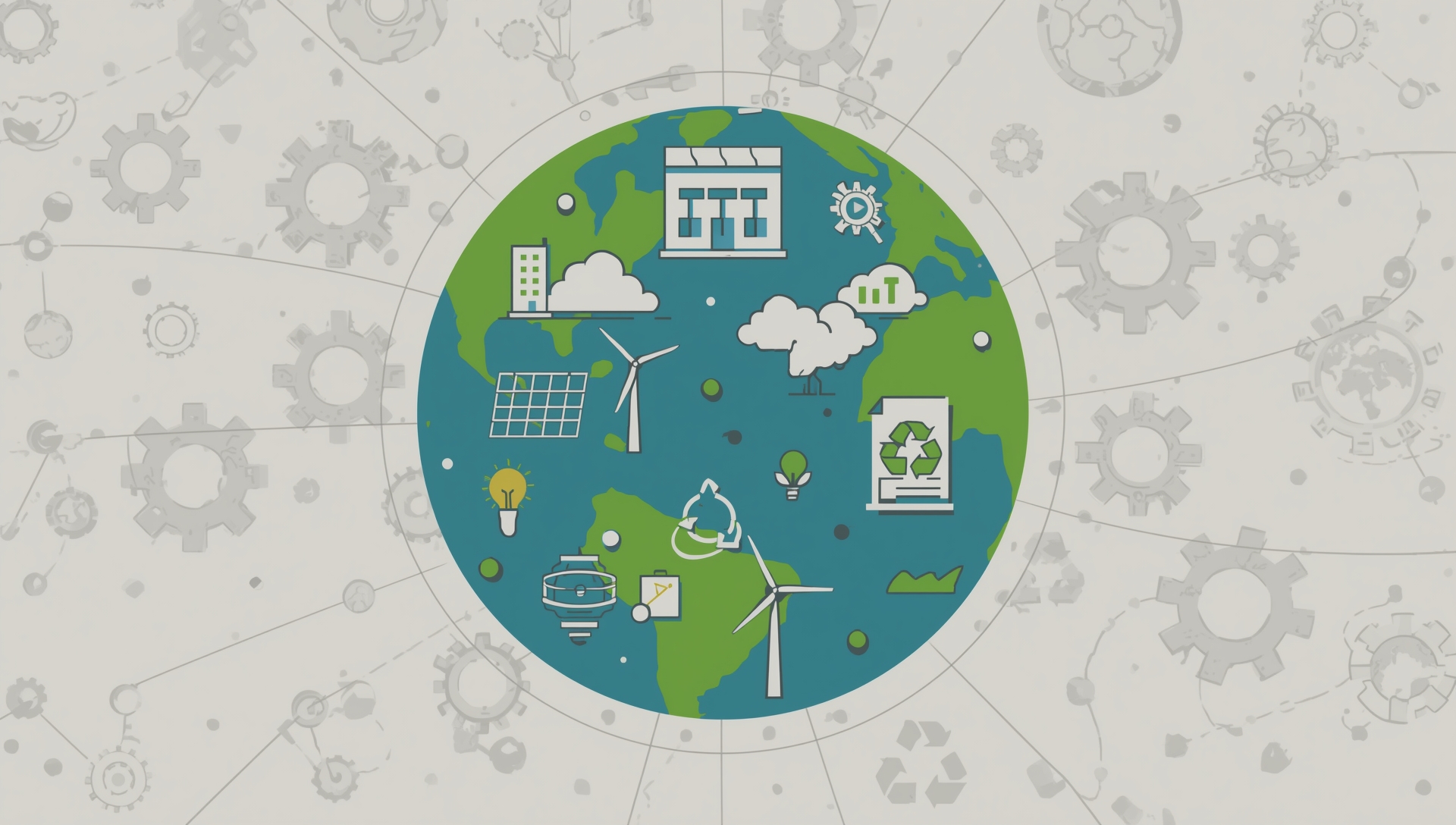

Business buyers today are under mounting pressure to align their procurement strategies with sustainability goals. This shift is driven by various factors:
- Corporate Social Responsibility (CSR) Commitments: Many organizations are making public commitments to reduce their environmental footprints. To meet these targets, they need sustainable supply chains.
- Regulatory Compliance: Governments worldwide are implementing stricter regulations around waste management, emissions, and resource utilization. Compliance often requires partnering with sustainable suppliers.
- Reputation and Brand Integrity: In an interconnected world, sustainability issues can damage a company’s reputation quickly. Collaborating with environmentally responsible partners mitigates this risk.
- Cost Efficiency: Sustainable practices often result in long-term savings through energy efficiency, waste reduction, and innovation.
Key Factors Influencing B2B Purchasing
The influence of sustainability on B2B purchasing is evident in several areas:
- Supplier Evaluation: Companies are integrating sustainability criteria into supplier assessments. Metrics such as carbon footprint, waste management, and fair labor practices are becoming standard.
- Life Cycle Assessment (LCA): Businesses assess the environmental impact of products throughout their life cycle, from raw material extraction to disposal. Suppliers with lower carbon footprints are favored.
- Third-Party Certifications: Labels like ISO 14001 and the Global Reporting Initiative (GRI) are essential indicators of a supplier’s commitment to sustainability.
- Sustainability Reporting: Buyers increasingly request detailed sustainability reports, demonstrating a supplier’s continuous efforts to reduce environmental impact.
Case Studies
- Tech Industry: A leading tech manufacturer recently switched to a supplier using 100% renewable energy, driven by the company’s commitment to carbon neutrality.
- Manufacturing Sector: An automotive parts company now favors suppliers with recycled material certifications, aiming to meet its own sustainable production targets.
Challenges in Integrating Sustainability
Despite growing awareness, challenges persist:
- Cost Concerns: Sustainable products or services can sometimes be more expensive upfront.
- Data Gaps: Inconsistent reporting standards make it challenging to evaluate suppliers accurately.
- Cultural Differences: Global supply chains mean differing regional standards, making universal sustainability practices complex.
The Road Ahead
The trend toward sustainability in B2B purchasing is accelerating. Companies that prioritize sustainable practices can strengthen their market position and foster long-term partnerships. By embedding sustainability into procurement policies, businesses not only enhance their reputation but also secure economic benefits and operational resilience.
Conclusion
As sustainability continues to shape the business landscape, B2B purchasing decisions will increasingly favor suppliers committed to responsible practices. Organizations that embrace this paradigm shift will not only meet regulatory and consumer expectations but also ensure sustainable growth.