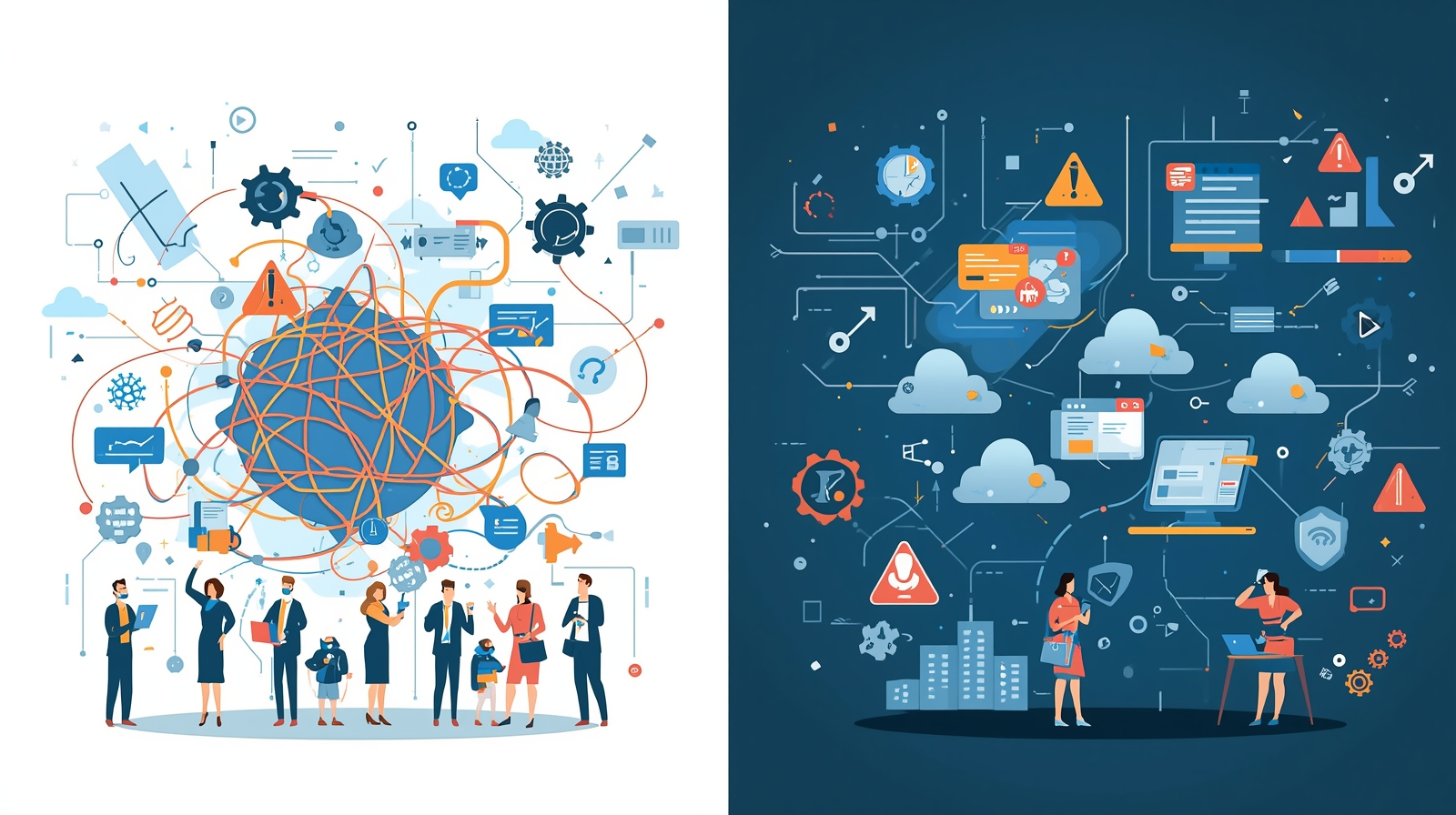

The B2B technology landscape is undergoing one of the most consequential transformations since the rise of cloud computing. What was once a market defined by linear workflows, siloed systems, and monolithic software is rapidly evolving into an ecosystem powered by artificial intelligence, autonomous operations, predictive insights, and highly adaptive digital experiences.
The next wave of B2B innovation will not only reshape how companies sell, procure, collaborate, and operate — it will redefine the very structure of enterprise value creation. Here’s what’s coming next.
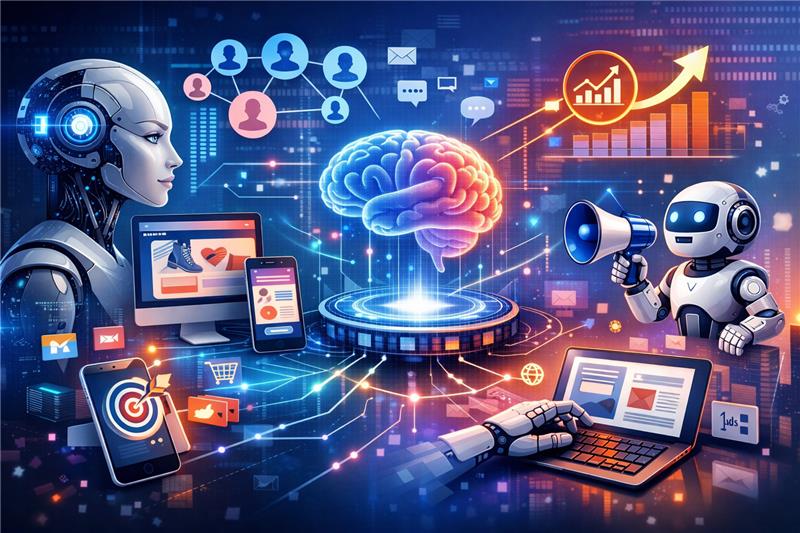
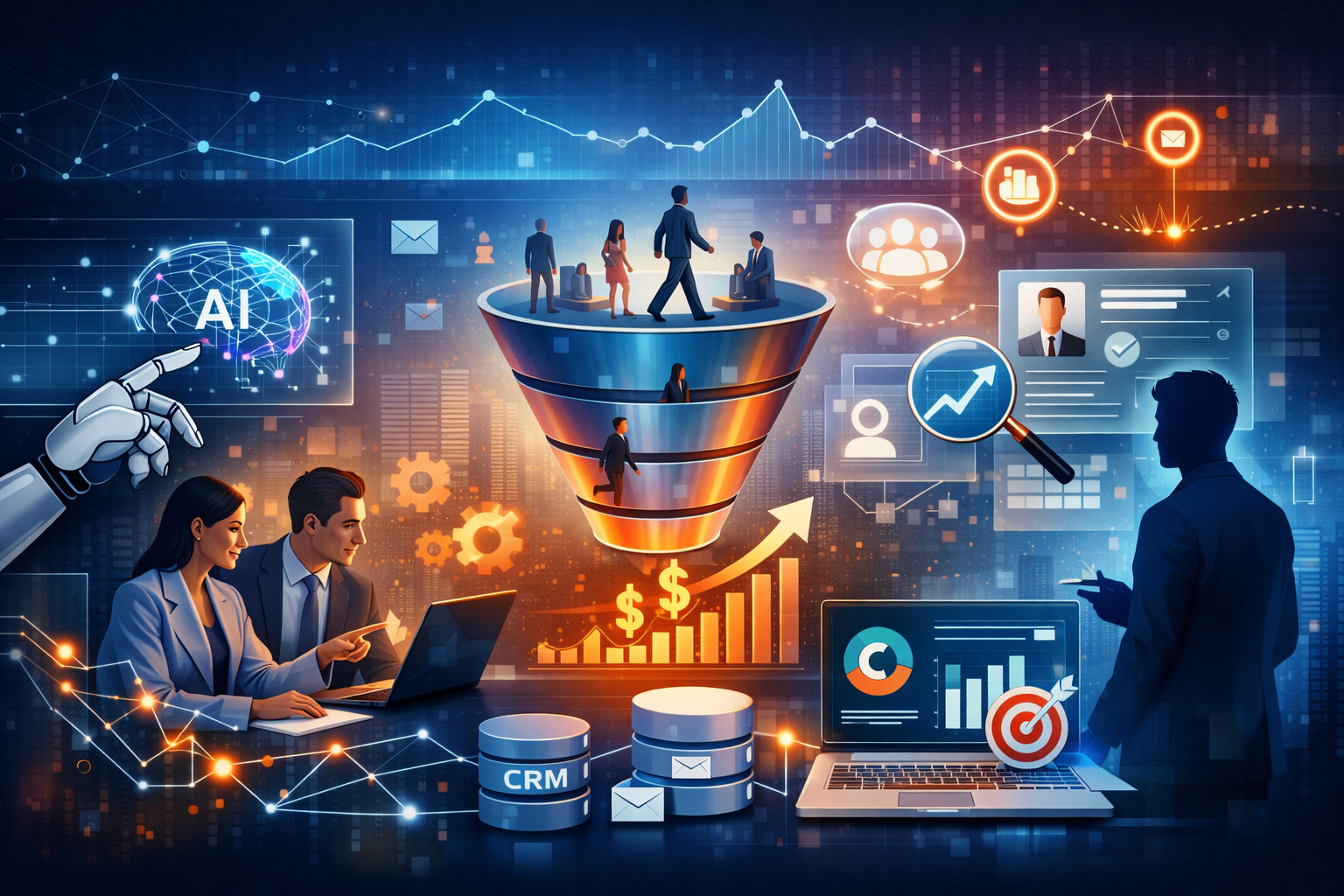
1. AI Agents Will Become Full-Time Digital Employees
If the last decade was about automation, the next will be about autonomy.
AI agents will shift from “assistants” to independent performers, capable of:
- Executing multi-step business processes
- Managing procurement workflows
- Handling customer support interactions
- Drafting proposals and agreements
- Coordinating cross-departmental tasks
- Monitoring KPIs and initiating corrective actions
These systems will plug into CRMs, ERPs, and SaaS platforms to act like tireless digital colleagues. As organizations adopt these agents, productivity curves will steepen and headcount allocations will shift toward high-judgment work.
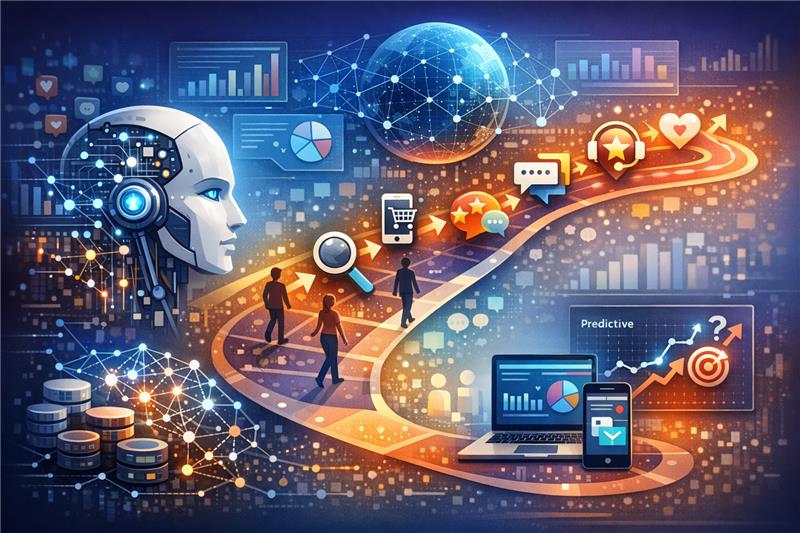
2. Predictive Intelligence Will Replace Reactive Decision-Making
Dashboards will evolve into decision engines.
Organizations will increasingly depend on predictive analytics to:
- Forecast churn, revenue, and cash flow
- Predict maintenance needs across supply chains
- Anticipate customer intent
- Identify risk before it materializes
- Recommend pricing strategies in real time
Instead of waiting for quarterly reviews or reports, businesses will rely on automated predictions that trigger immediate actions — compressing planning cycles from months to minutes.
3. Vertical SaaS Will Outpace Generalist Platforms
The days of one-size-fits-all enterprise software are numbered.
B2B buyers are looking for industry-specific platforms that understand their regulatory constraints, workflows, and data structures.
We’ll see accelerated growth in sectors such as:
- Healthcare
- Manufacturing
- Logistics & supply chain
- Construction & real estate
- Financial services
- Energy & utilities
Specialized solutions will outperform generic ones by offering built-in compliance, domain logic, and better integration with legacy systems.
4. Connected Operations: Edge, IoT, and Real-Time Data Take Over
While AI transforms digital workflows, operational industries will see a revolution at the edge.
The next wave will include:
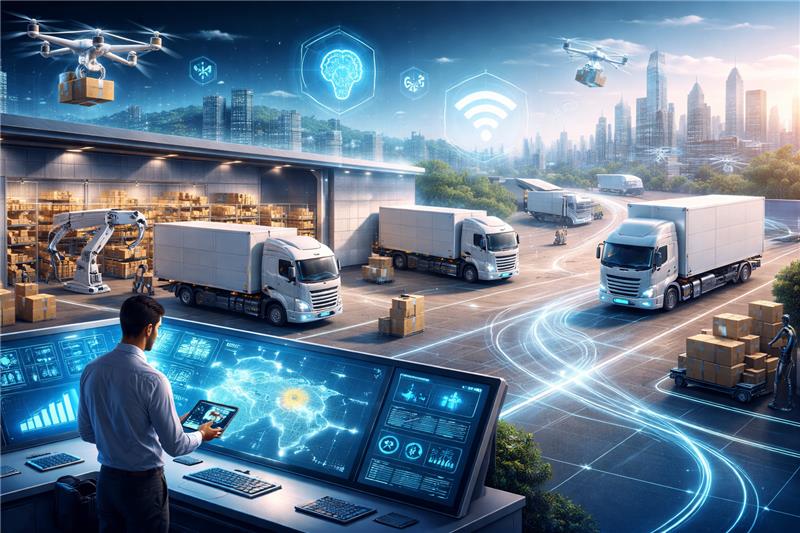
- IoT sensors embedded across factory floors and warehouses
- Real-time monitoring of equipment health
- Autonomous logistics routing
- Continuous quality management
- Energy optimization and sustainability tracking
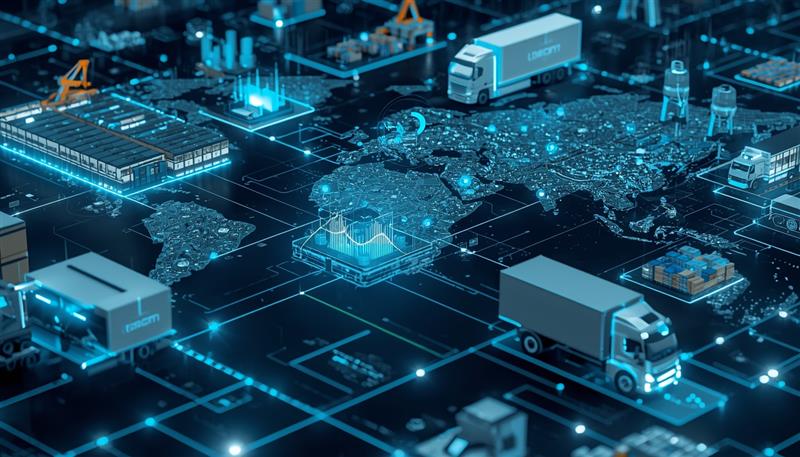
The combination of edge computing, 5G connectivity, and machine-generated data will redefine efficiency in manufacturing, retail, and infrastructure.
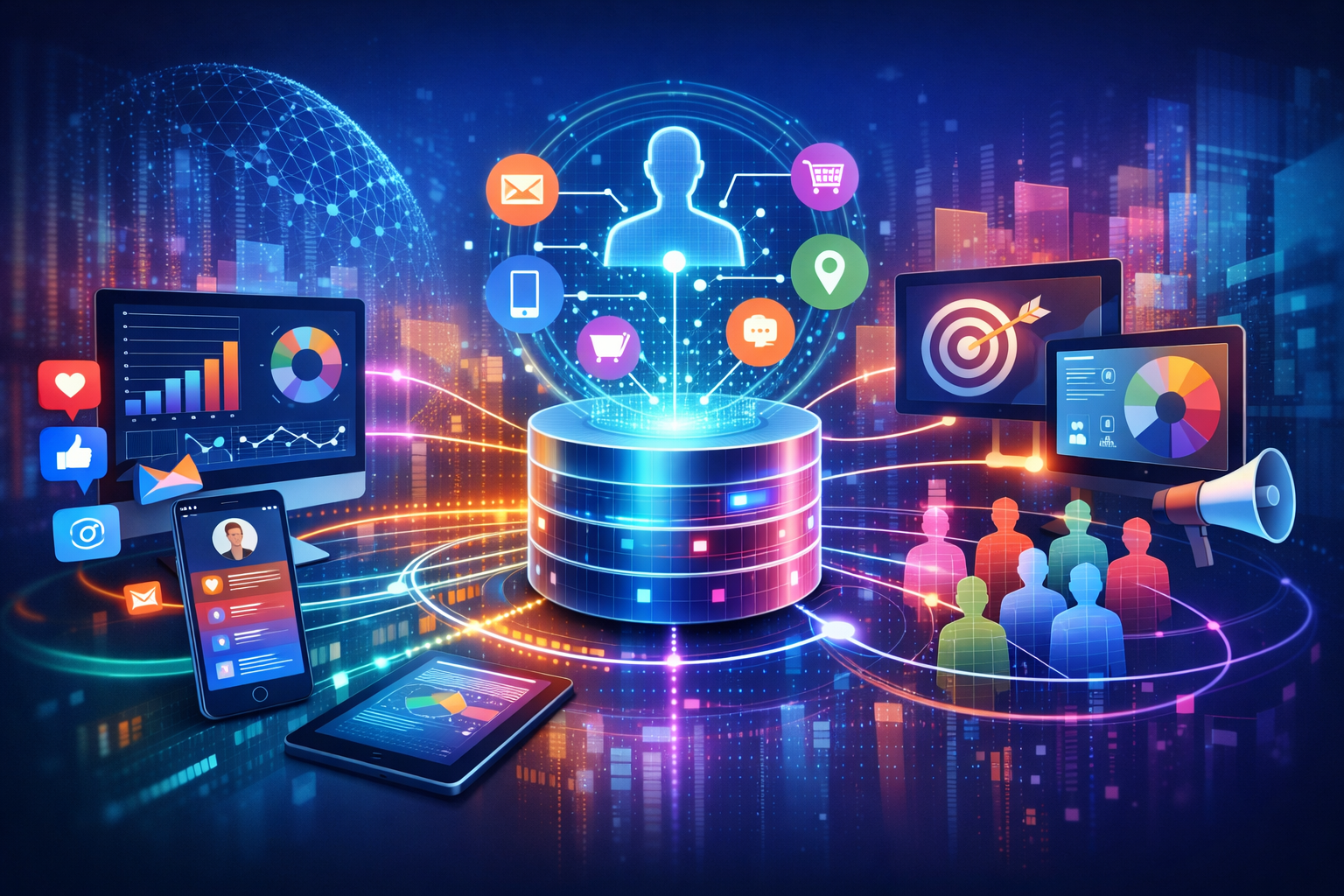
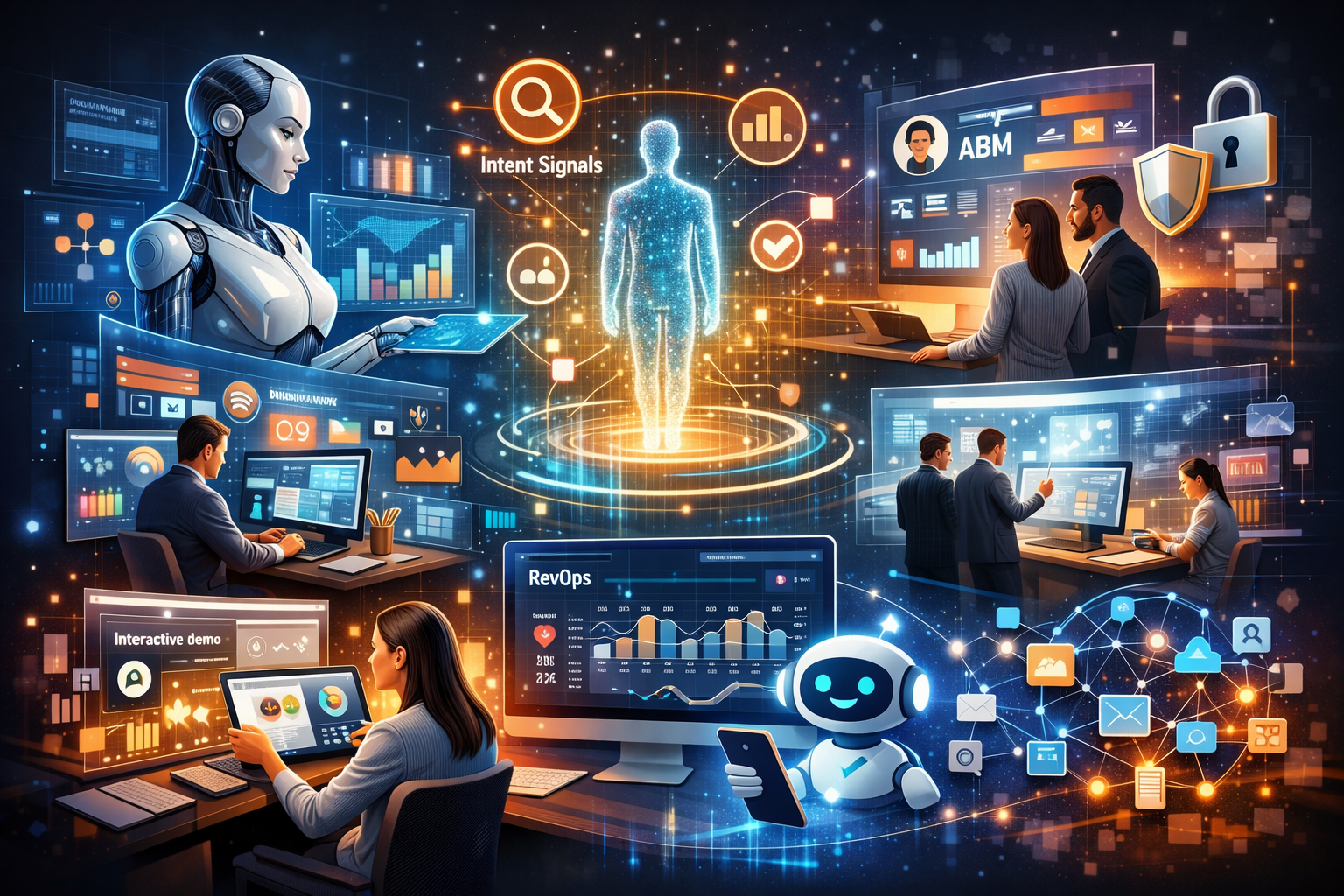
5. Hyper-Personalized B2B Experiences Will Become the Norm
The B2B buyer journey is becoming as tailored as B2C — but with far more complexity.
Future digital experiences will adjust automatically based on:
- User role (CFO vs. engineer)
- Stage of buying journey
- Past behavior
- Company size, industry, and needs
- Existing tech stack
- Real-time intent signals
Portals, product demos, pricing pages, onboarding flows, and dashboards will dynamically reconfigure for each stakeholder — boosting conversions, retention, and customer satisfaction.
6. Sales Will Be Reinvented Through AI-Driven Virtual Selling
Traditional B2B sales processes — long cycles, repeated meetings, manual follow-ups — are undergoing a massive overhaul.
Expect rapid adoption of:
- AI-generated proposals, SOWs, and email sequences
- Virtual sales assistants for real-time queries
- Smart RFP/RFQ automation
- Predictive deal-scoring
- Intelligent intent-based outreach
For high-volume or lower-complexity deals, AI will handle the majority of the sales cycle, escalating only strategic or enterprise accounts to human reps.
7. Security, Governance, and Trust Will Be Competitive Differentiators
As AI processes more sensitive data and agents perform autonomous tasks, trust becomes critical.
The next decade will demand:
- Zero-trust architectures
- AI governance frameworks
- Model transparency and auditability
- Dataset provenance
- Multi-tenant isolation and secure cloud design
- Stronger identity & access management
- Automated compliance reporting
Vendors that embed trust and explainability into their platforms will gain a significant market edge.
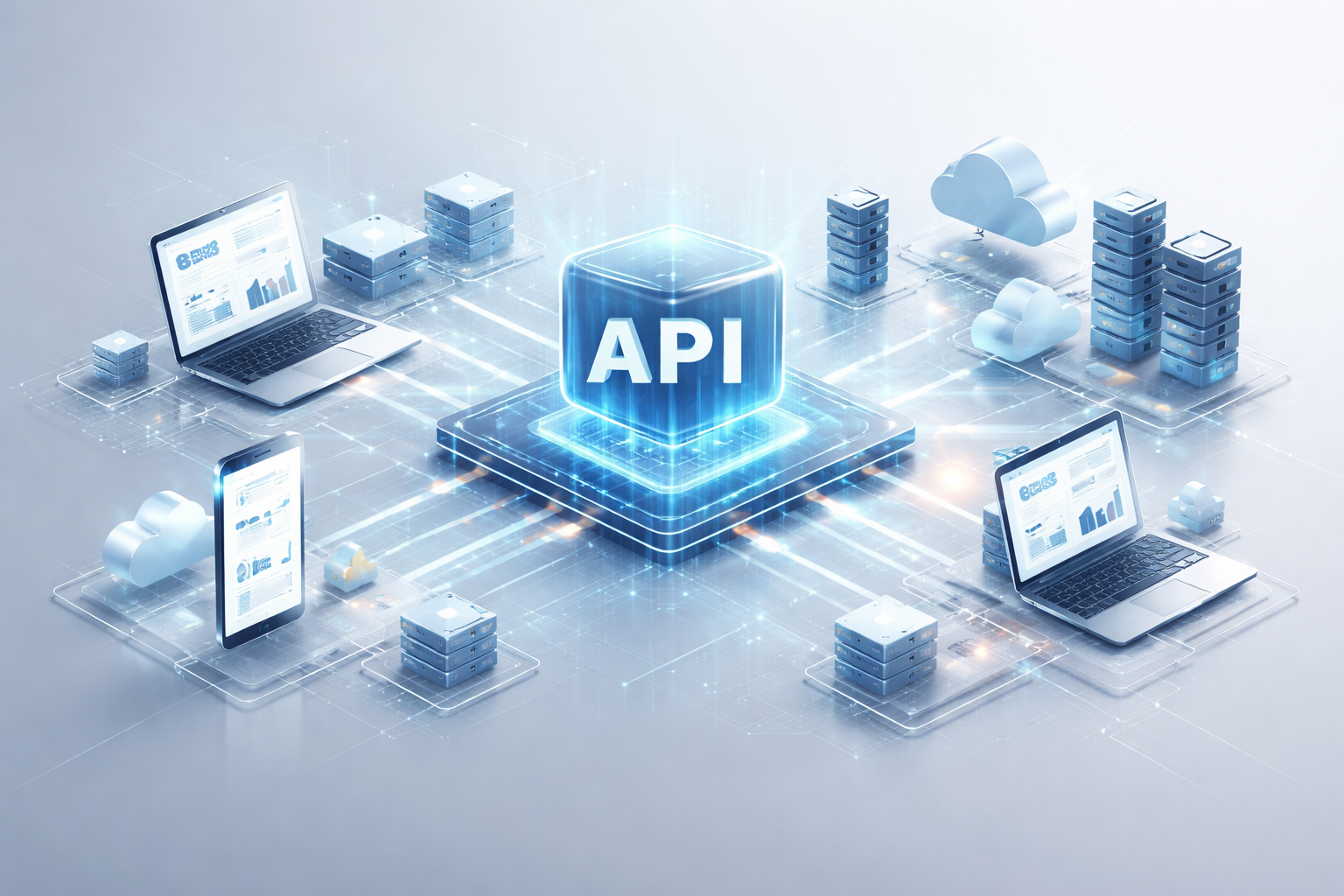
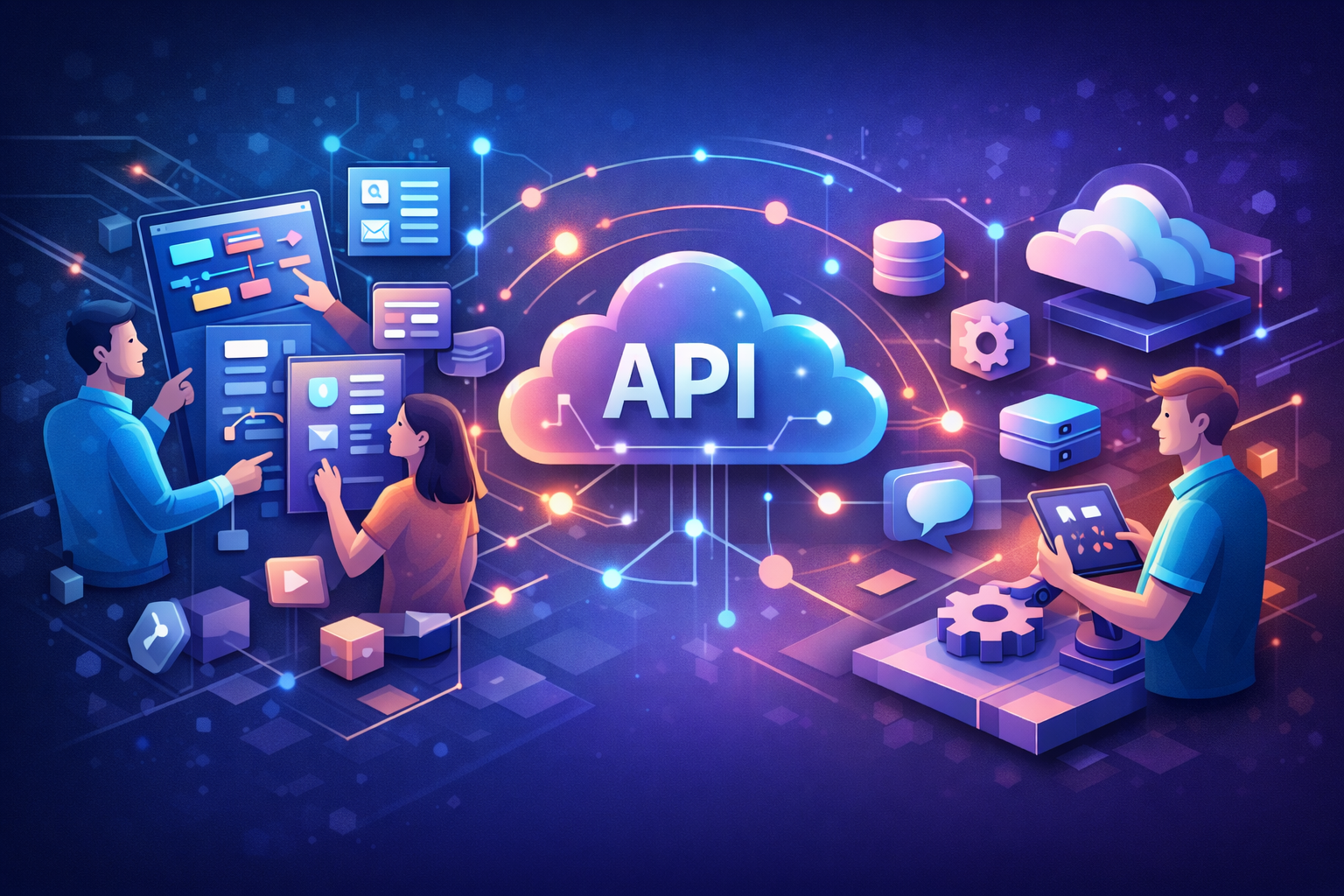
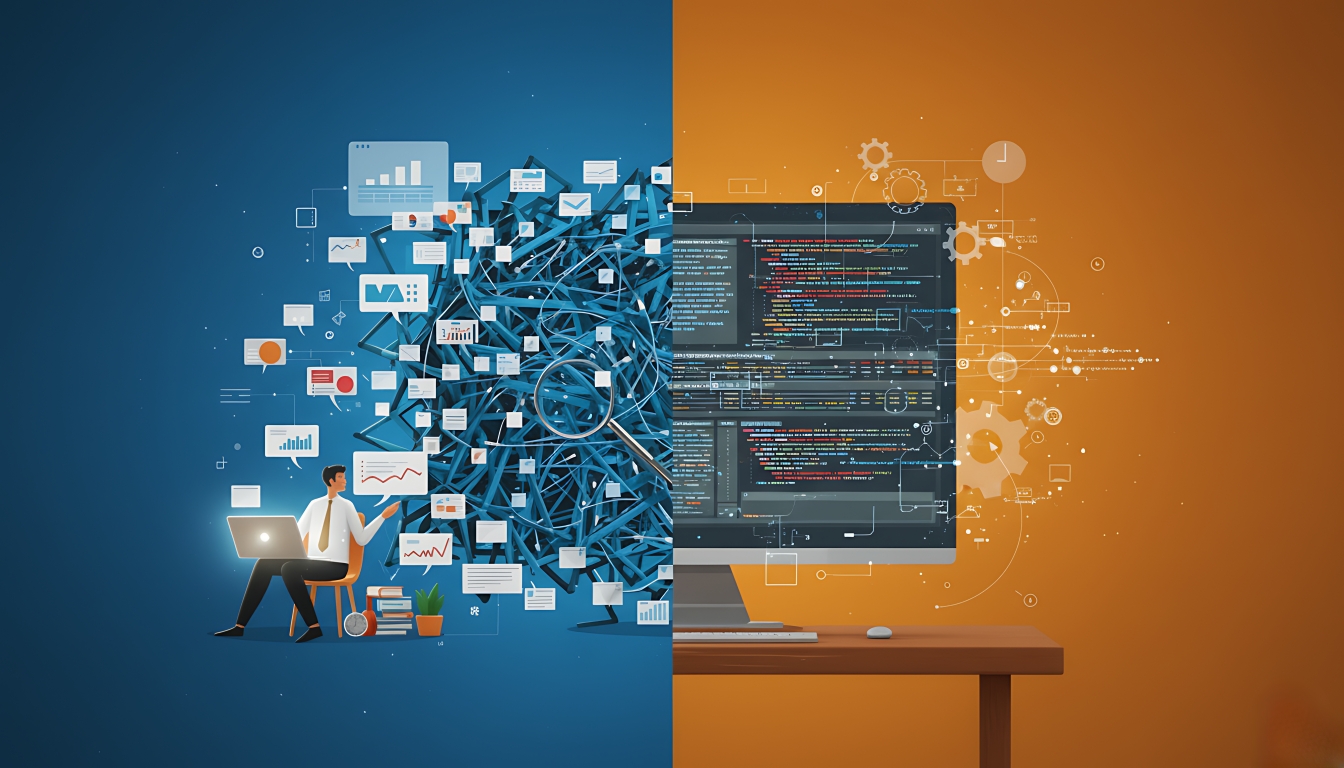
8. The Modern B2B Stack Will Be Modular, Interoperable, and API-First
Legacy monolithic systems will give way to composable architectures that allow:
- Fast integration
- Plug-and-play services
- Customization without code
- Replacement of modules without disrupting the whole system
- Seamless data movement across platforms
Low-code and no-code builders will empower non-technical teams to configure systems independently, accelerating transformation and reducing implementation costs.
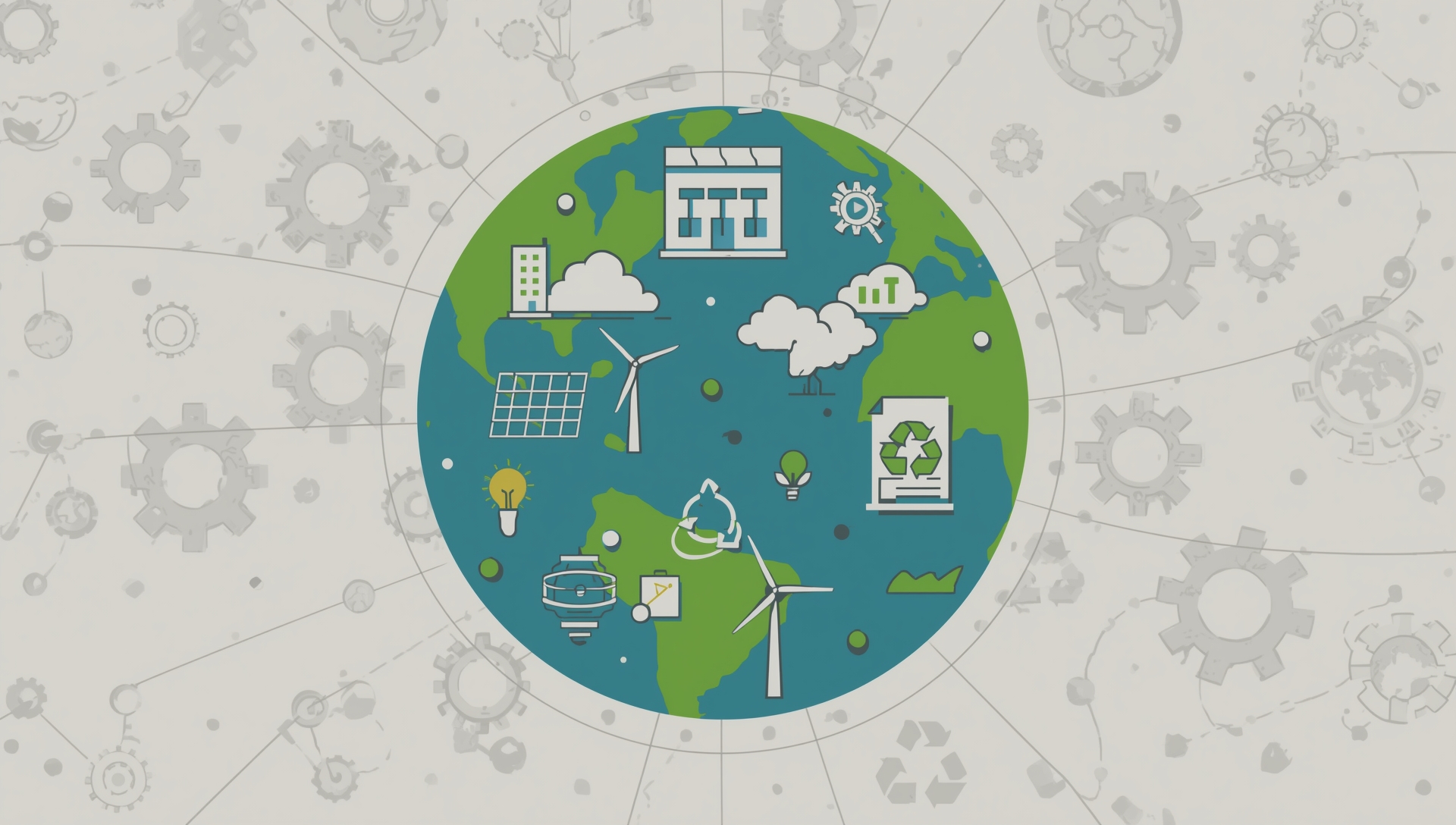
9. Sustainability, ESG, and Ethical Tech Will Influence Tech Adoption
Environmental and ethical considerations will increasingly shape B2B procurement, especially among global enterprises.
Platforms will need built-in:
- Carbon tracking
- Supply-chain transparency
- Ethical data use controls
- AI-impact assessments
- DEI dashboards
Companies that prioritize sustainability and responsible technology will be better positioned to win large enterprise accounts.
Read Also: How to Streamline Your Procurement Process with Digital Tools