For years, last-click attribution has been the comfort blanket of digital measurement. It’s simple, deterministic, and easy to explain in a dashboard review. But in a world of fragmented journeys, AI-driven personalization, and experience-led growth, last-click is no longer just incomplete—it’s misleading.
The next generation of measurement isn’t about assigning credit to a single touchpoint. It’s about understanding how experiences shape behavior and how those experiences translate into revenue over time.
Welcome to measurement beyond last-click.
Why Last-Click Falls Short in Modern Customer Journeys
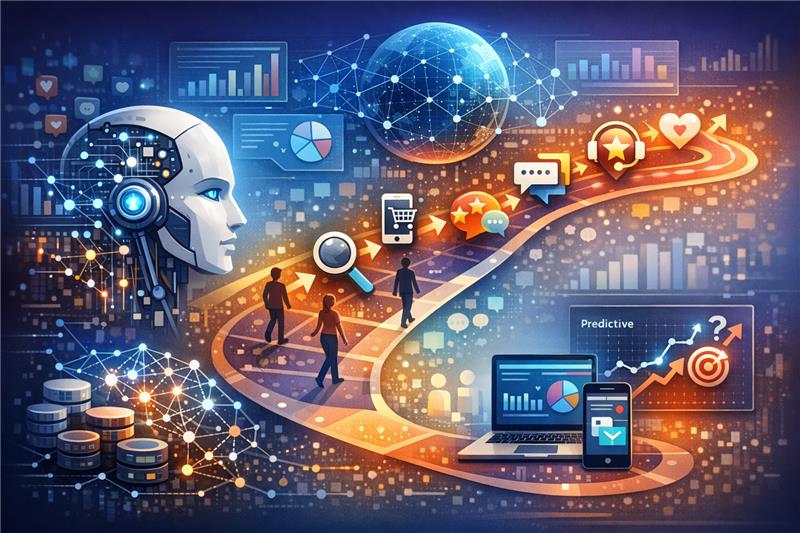
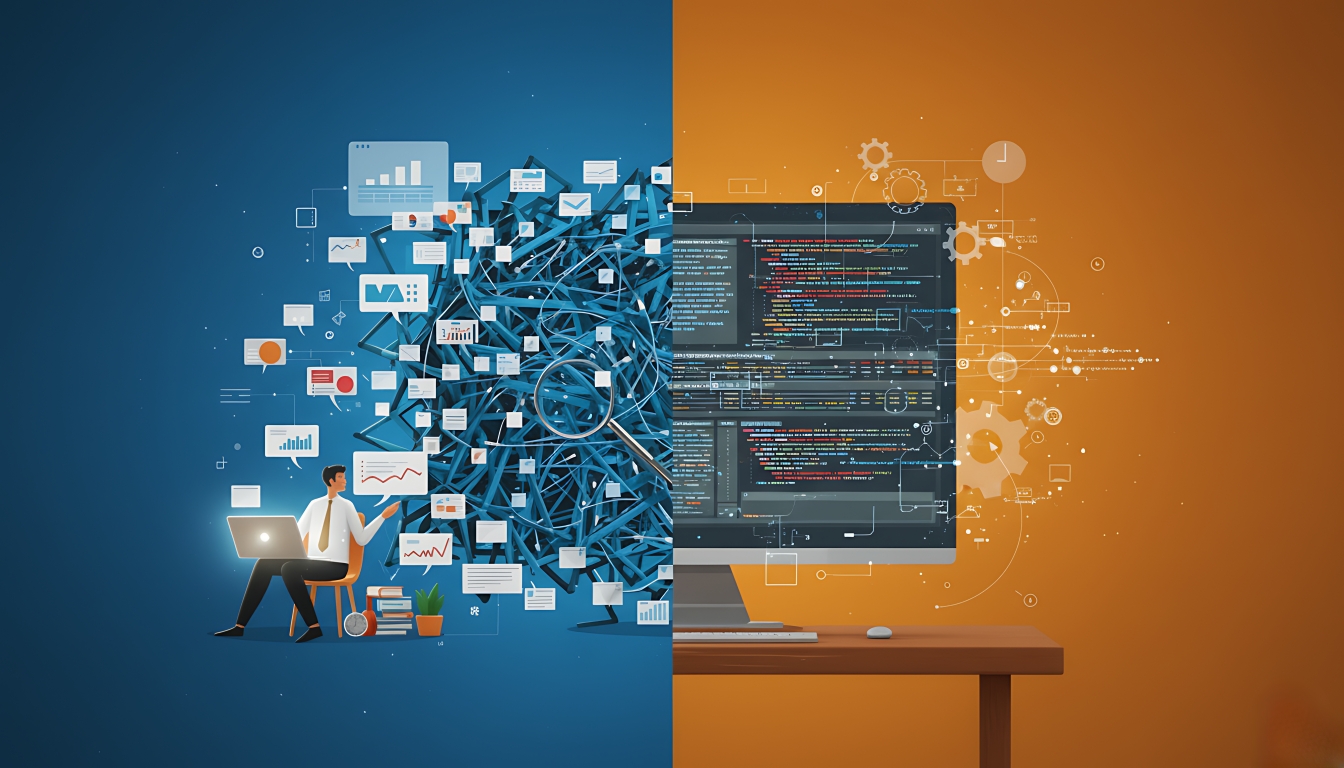
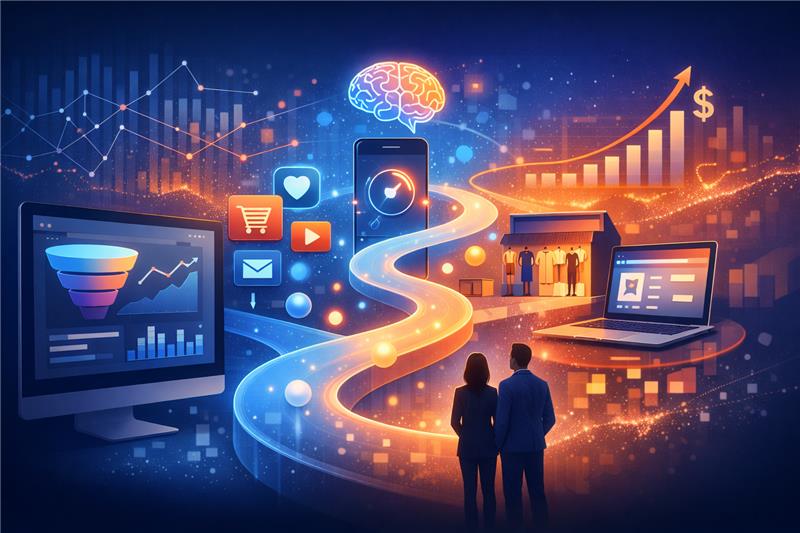
Today’s customer journeys are non-linear by default:
- A user discovers your brand on social
- Reads reviews weeks later
- Engages with personalized content
- Drops off, returns via email
- Converts after a product comparison or live chat
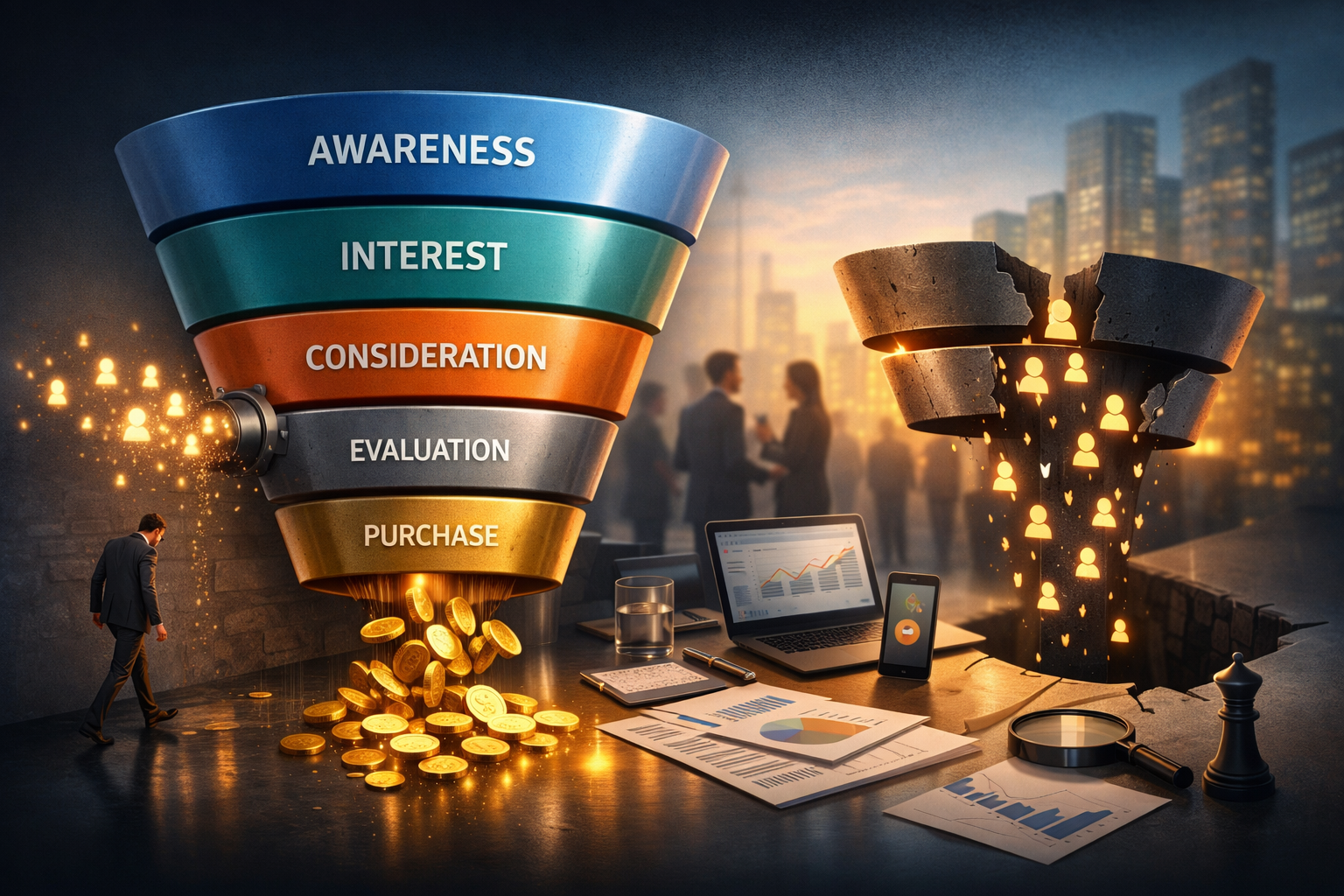
Last-click attribution gives 100% credit to the final interaction and ignores everything else that influenced intent, trust, and decision-making.
This creates three major problems:
- Experience investments look undervalued
UX improvements, content, and personalization rarely get “last-click” credit—even though they materially influence conversion. - Optimization favors short-term tactics
Channels that close (retargeting, branded search) get overfunded, while discovery and experience quality get deprioritized. - Revenue impact is misunderstood
Last-click explains where a conversion happened, not why it happened or whether it will happen again.
From Touchpoints to Experiences
Next-gen measurement shifts the unit of analysis:
- From channels → experiences
- From clicks → behaviors
- From conversion events → value creation
Instead of asking “Which channel drove the sale?”, we ask:
“Which experiences increased the probability, speed, and value of conversion?”
This reframing unlocks a much richer understanding of performance.
Introducing Experience Scores
Experience scores quantify the quality of a customer’s interaction with your brand across moments that matter.
They typically combine signals such as:
- Page and feature engagement
- Content relevance and depth
- Journey friction (errors, delays, drop-offs)
- Consistency across devices and sessions
- Personalization effectiveness
- Support interactions and sentiment
Each session, journey, or customer receives a dynamic experience score that reflects how good the experience was—not just whether it ended in a click or purchase.
Linking Experience Scores to Revenue Impact
Experience scores become powerful when they’re connected to business outcomes.
Instead of binary conversion metrics, you can measure:
- Lift in conversion rate by experience tier
- Revenue per user by experience quality
- Time-to-conversion acceleration
- Impact on repeat purchase and lifetime value
- Churn reduction driven by experience improvements
For example:
- Customers with high experience scores may convert 2× faster
- Poor experiences may not block conversion—but reduce order value
- Consistently strong experiences may drive disproportionate LTV
This is where measurement evolves from attribution to causality and prediction.
The Role of AI and Advanced Analytics
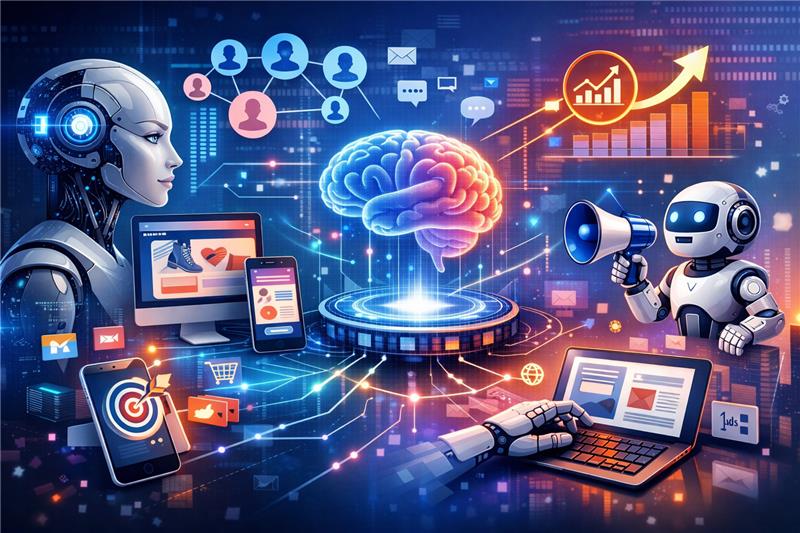
Next-gen measurement relies heavily on AI and modeling, not rules.
Key capabilities include:
- Multi-touch and algorithmic attribution to understand influence, not just credit
- Propensity and uplift models to isolate experience impact
- Sequence analysis to identify which experiences matter at which stage
- Predictive scoring to forecast revenue outcomes from experience changes
Rather than retroactively explaining performance, teams can proactively answer:
“If we improve this experience, what revenue impact should we expect?”
What This Means for Marketing, Product, and CX Teams
Moving beyond last-click changes how teams work:
- Marketing optimizes for journey influence, not just acquisition efficiency
- Product ties UX decisions directly to revenue and retention
- CX proves the financial value of reducing friction and delighting users
- Leadership gains a shared language between experience quality and growth
Measurement becomes a strategic asset—not just a reporting function.
How to Start the Shift
You don’t need to abandon last-click overnight. The transition works best in stages:
- Keep last-click—but stop treating it as truth
- Define what “good experience” means for your brand
- Instrument behavioral and qualitative signals
- Create experience scores at key journey stages
- Model revenue impact alongside traditional KPIs
The goal isn’t perfection. It’s progress toward a measurement system that reflects reality.
Read Also: How ABM Platforms Integrated with CRM, Intent Data & Sales Workflows Drive Revenue Growth